

SUBSCRIBE TO OUR FREE NEWSLETTER
Daily news & progressive opinion—funded by the people, not the corporations—delivered straight to your inbox.
5
#000000
#FFFFFF
To donate by check, phone, or other method, see our More Ways to Give page.
Daily news & progressive opinion—funded by the people, not the corporations—delivered straight to your inbox.
“Trump is exploiting African states’ urgent need to restore lifesaving health aid," said one campaigner.
US Department of State text messages detailing health agreements between the Trump administration and African nations have sparked fresh alarm among public health advocates, who warn that the coercive deals could allow the United States to secure access to virus samples and valuable data while failing to guarantee that countries providing them will receive vaccines, treatments, and other benefits in return.
Public Citizen said Thursday that it had analyzed documents concerning the Trump administration's terms for sharing pathogen data in health agreements with African nations. The consumer advocacy group described these terms as "unfair" and said that they threaten "to undermine the core equity bargain of the [World Health Organization's] Pandemic Agreement negotiations."
The conditions of the proposed deals, said Public Citizen, "would require African states to share viral samples and pathogen information with the US and allow the US to share that information with drugmakers, but provide no credible expectation of benefits in return or access to medical tools developed from those samples."
"This undercuts the federated proposal for viral sharing with access benefits put forward this month at WHO negotiations by the Africa+ Group, which includes all countries for which bilateral specimen agreements are available," Public Citizen added.
At the center of the controversy are agreements that tie US health assistance—which has been eviscerated by the Trump administration with widespread deadly consequences—to commitments involving disease surveillance, data sharing, and, in some cases, the exchange of pathogen samples.
Supporters argue the deals strengthen America's ability to detect and respond to emerging infectious diseases while providing partner countries with much-needed funding after devastating cuts to US aid. Public health advocates, however, contend the agreements shift power away from multilateral institutions and toward one-on-one negotiations in which lower-income countries have less leverage against the world's wealthiest and most powerful nation.
As Common Dreams reported last month, President Donald Trump's so-called “America First” approach to global health strategy is characterized by transactional agreements with African governments to restore some funding. Human rights advocates have raised concerns about the possibly coercive nature of this strategy.
“Trump is exploiting African states’ urgent need to restore lifesaving health aid and pushing them to give up a shot at real lifesaving medical access and equity, for which so many people have worked, bled, and died,” Peter Maybarduk, director of Public Citizen's Access to Medicines program, said Thursday in a statement. "African states at WHO have led the way in efforts to secure a fair deal and cooperation to fight pandemics, but individually, these states are vulnerable to Trump’s threats.”
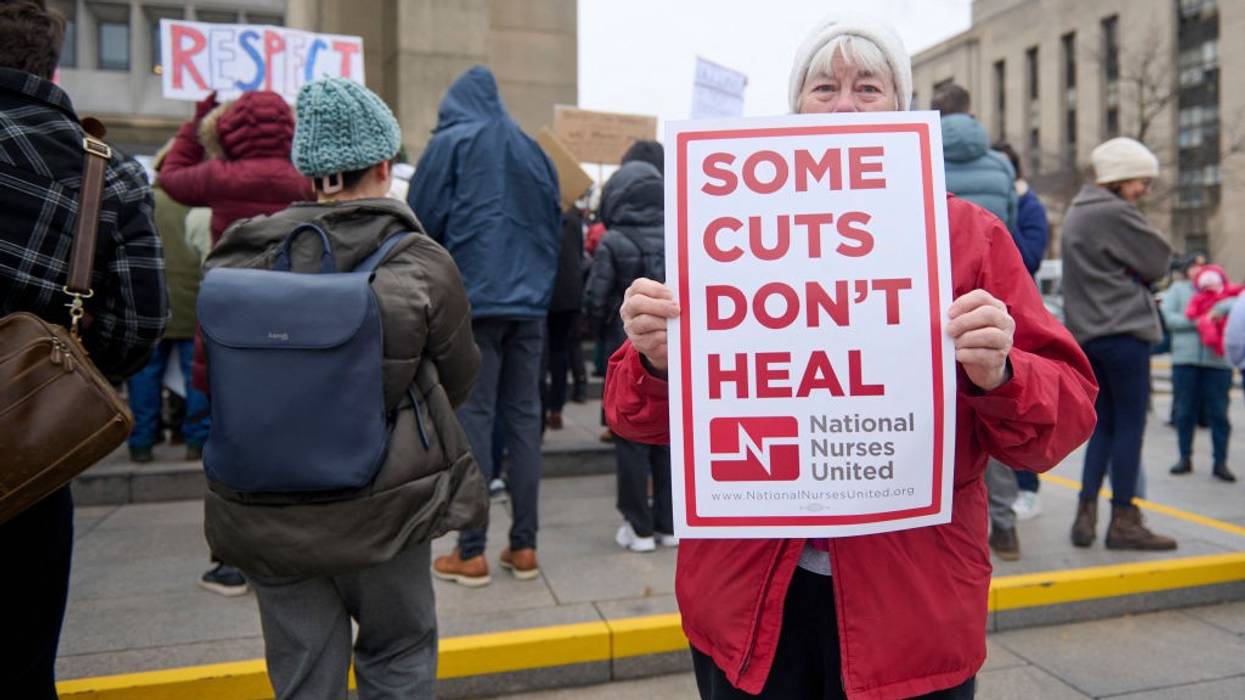
"These are not people who want to make America healthy," said one advocate for people with disabilities. "They want to make the sick disappear."
The U.S. Department of Health and Human Services canceled more than $12 billion in federal funding for state health departments across the nation, money that is used to track infectious diseases and provide mental health services, addiction treatment, and other critical care.
NBC News reported Wednesday that $11.4 billion of the canceled grants were earmarked by the Centers for Disease Control and Prevention (CDC) for state and community health departments, nongovernmental organizations, and international recipients following the Covid-19 pandemic. Around $1 billion worth of grants are being pulled from the Substance Abuse and Mental Health Services Administration.
"The Covid-19 pandemic is over, and HHS will no longer waste billions of taxpayer dollars responding to a nonexistent pandemic that Americans moved on from years ago," Andrew Nixon, a spokesperson for the Department of Health and Human Services said in a statement. "HHS is prioritizing funding projects that will deliver on President [Donald] Trump's mandate to address our chronic disease epidemic and Make America Healthy Again."
This is just stunning. HHS has abruptly canceled more than $12 billion in federal grants to states that were being used for tracking infectious diseases, mental health services, addiction treatment and other urgent health issues.
[image or embed]
— Charles Ornstein ( @charlesornstein.bsky.social) March 26, 2025 at 1:36 PM
However, experts point to the certainty of future pandemics—like an avian flu strain that mutates to pass between humans—in urging public health policy planners to maintain or even increase preparedness and response funding.
NBC News reported that the 13 agencies overseen by HHS were sent notices starting Monday, which informed them that they have 30 days to reconcile their expenditures.
For some state and community healthcare providers, the effects of the cuts were immediate.
There was an abrupt $11B cut to local/state public health (PH) infrastructure yesterday. I don't think people realize what this means: -Want an updated system to check your immunizations instead of digging through docs? PH no longer able to carry out upgrades to immunization information systems
— Katelyn Jetelina ( @kkjetelina.bsky.social) March 26, 2025 at 11:34 AM
As The New York Times reported:
In Lubbock, Texas, public health officials have received orders to stop work supported by three grants that helped fund the response to the widening measles outbreak there, according to Katherine Wells, the city's director of public health.
On Tuesday, some state health departments were preparing to lay off dozens of epidemiologists and data scientists. Others, including Texas, Maine, and Rhode Island, were still scrambling to understand the impact of the cuts before taking any action.
In interviews, state health officials predicted that thousands of health department employees and contract workers could lose their jobs nationwide. Some predicted the loss of as much as 90% of staff from some infectious disease teams.
"We learned yesterday that the federal government has unilaterally terminated approximately $226 million in grants to Minnesota Department of Health related to the Covid-19 pandemic," Minnesota Commissioner of Health Dr. Brooke Cunningham said in a statement. "This termination is effective immediately and impacts ongoing work and contracts. This action was sudden and unexpected."
Lori Freeman, CEO of the National Association of County and City Health Officials, told CBS News that much of the funding would have expired soon anyway.
"It's ending in the next six months," she said. "There's no reason—why rescind it now? It's just cruel and unusual behavior."
Colorado Department of Public Health and Environment communications director Kristina Iodice told NBC News, "We are concerned that this sudden loss of federal funding threatens Colorado's ability to track Covid-19 trends and other emerging diseases, modernize disease data systems, respond to outbreaks, and provide critical immunization access, outreach, and education—leaving communities more vulnerable to future public health crises."
The first Trump administration was widely criticized for shortcomings in these fields. A congressional panel issued a 2022 report accusing top administration officials of "failed stewardship" and a "persistent pattern of political interference" that undermined the nation's response to Covid-19, which to date has killed more than 1.2 million people in the United States and is still claiming hundreds of lives each week, according to CDC figures.
Wednesday's reportingd came as HHS, CDC, and other critical agencies braced for more cuts and layoffs ordered by Elon Musk's Department of Government Efficiency, or DOGE. HHS Secretary Robert F. Kennedy Jr. and his aides are also "nearing their final decisions on a sweeping restructuring of the department," CBS News reported last week.
Last month, Senate Democrats demanded answers from Kennedy regarding the purge of more than 5,000 HHS workers after the agency "blindly followed" a "baseless directive" by Trump and DOGE that the lawmakers said is "blatantly undermining Americans' health and safety."
As Common Dreams reported Wednesday, public health experts have also condemned the administration's decision to terminate funding for Gavi, the global vaccine alliance—a move critics warned could result in the deaths of over 1 million children in the Global South.
"Investing in Gavi brings other benefits for our world and the American people," the alliance said. "Here's why: By maintaining global stockpiles of vaccines against deadly diseases like Ebola, mpox, and yellow fever, we help keep America safe. These diseases do not respect borders, they can cross continents in hours and cost billions of dollars."

A new Food & Water Watch report details how "corporations use the worsening bird flu crisis to jack up egg prices, even as their own factory farms fuel the spread of disease."
The nation's largest egg producers would have American consumers believe that avian flu and inflation are behind soaring prices, but a report published Tuesday shows corporate price gouging is the real culprit driving the record cost of the dietary staple.
The fourth installment of Food & Water Watch's (FWW) Economic Cost of Food Monopolies series—titled The Rotten Egg Oligarchy—reports that the average price of a dozen eggs in the United States hit an all-time high of $4.95 in January 2025. That's more than two-and-a-half times the average price from three years ago.
"While egg prices spiral out of reach, making eggs a luxury item, Big Ag is profiting hand over fist," FWW research director Amanda Starbuck said in a statement. "But make no mistake—today's high prices are built on a foundation of corporate price gouging. Our research shows how corporations use the worsening bird flu crisis to jack up egg prices, even as their own factory farms fuel the spread of disease."
FWW found that "egg prices were already rising before the current [avian flu] outbreak hit U.S. commercial poultry flocks in February 2022, and have never returned to pre-outbreak levels."
Furthermore, "egg price spikes hit regions that were bird flu-free until recently," the report states. "The U.S. Southeast remained free of bird flu in its table egg flocks until January 2025, and actually increased egg production in 2022 and 2023 over 2021 levels. Nevertheless, retail egg prices in the Southeast rose alongside January 2023's national price spikes."
"The corporate food system is to blame for exacerbating the scale of the outbreak as well as the high cost of eggs," the publication continues. "Factory farms are virus incubators, with the movement of animals, machines, and workers between operations helping to spread the virus."
"Meanwhile, just a handful of companies produce the majority of our eggs, giving them outsized control over the prices paid by retailers, who often pass on rising costs to consumers," the paper adds. "This highly consolidated food system also enables companies to leverage a temporary shortage in one region to raise prices across the entire country."
Cal-Maine, the nation's top egg producer, enjoyed a more than 600% increase in gross profits between fiscal years 2021-23, according to FWW. The Mississippi-based company did not suffer any avian flu outbreaks in fiscal year 2023, during which it sold more eggs than during the previous two years. Yet it still sold conventional eggs at nearly three times the price as in 2021, amounting to over $1 billion in windfall profits. Meanwhile Cal-Maine paid shareholders dividends totaling $250 million in 2023, 40 times more during the previous fiscal year.
The report highlights how factory farming creates ideal conditions for the spread of avian flu, a single case of which requires the extermination of the entire flock at the affected facility, under federal regulations.
"These impacts cannot be understated," FWW stressed. "Today's average factory egg farm confines over 800,000 birds, with some operations confining several million. This magnifies the scale of animal suffering and death, as well as the enormous environmental and safety burden of disposing of a million or more infected bird carcasses."
Citing U.S. Department of Agriculture (USDA) figures, The Guardian reported Tuesday that more than 54 million birds have been affected in the past three months alone.
Egg producers know precisely how the supply-and-demand implications of these outbreaks and subsequent culls can boost their bottom lines. Meanwhile, they play a dangerous game as epidemiologists widely view a potential avian flu mutation that can be transmitted from birds to humans as the next major pandemic threat—one that's exacerbated by the Trump administration's withdrawal from the World Health Organization and cuts to federal agencies focused on averting the next pandemic.
"We cannot afford to place our food system in the hands of a few corporations that put corporate profit above all else."
So far, 70 avian flu cases—one of them fatal—have been reported in the United States, according to the U.S. Centers for Disease Control and Prevention. However, under Trump, the CDC has stopped publishing regular reports on its avian flu response plans and activities. The USDA, meanwhile, said it "accidentally" terminated staffers working on avian flu response during the firing flurry under Elon Musk's Department of Government Efficiency. The agency is scrambling to reverse the move.
"We cannot afford to place our food system in the hands of a few corporations that put corporate profit above all else," the FWW report argues. "Nor can we allow the factory farm system to continue polluting our environment and serving as the breeding ground for the next human pandemic."
"We need to enforce our nation's antitrust laws to go after corporate price fixing and collusion," the publication adds. "We also need a national ban on new and expanding factory farms, while transitioning to smaller, regional food systems that are more resilient to disruptions."
That is highly unlikely under Trump, whose policies—from taxation to regulation and beyond—have overwhelmingly favored the ultrawealthy and corporations over working Americans. Meanwhile, one of the president's signature campaign promises, to lower food prices "on day one," has evaporated amid ever-rising consumer costs.
According to the USDA's latest Food Price Outlook, overall food prices are projected to rise 3.4% in 2025. Eggs, however, are forecast to soar a staggering 41.1% this year—and possibly by as much as 74.9%.
"If President Trump has any interest in fulfilling his campaign pledge to lower food prices," Starbuck stressed, "he must begin by taking on the food monopolies exploiting pandemic threat for profit."
"This is pure stupidity that will only hurt us," warned one U.S. doctor and Ebola expert.
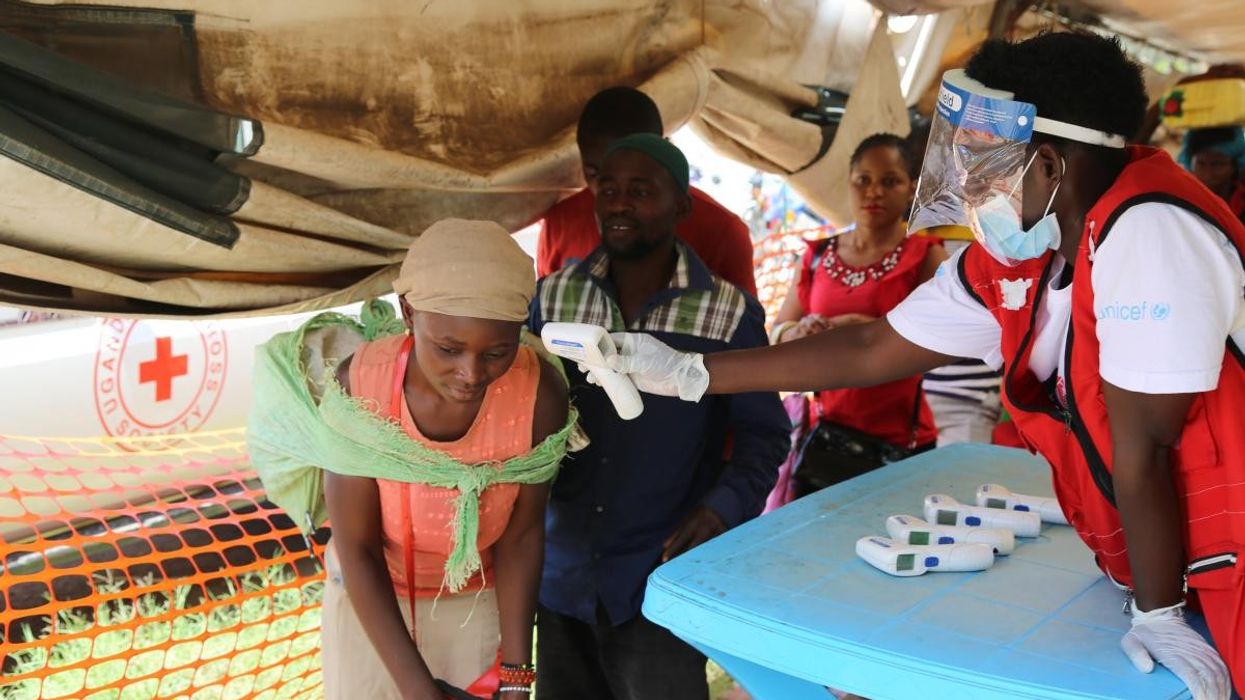
Public health experts pointed to the announcement of highly contagious hemorrhagic fever outbreaks in at least three central and eastern African nations this week to underscore what they say are the dangers of President Donald Trump's ideologically driven decision to withdraw the United States from the World Health Organization during a time of mounting pandemic threats.
Uganda Ministry of Health Permanent Secretary Diana Atwine said Thursday that a 32-year-old nurse died of Sudan Ebola virus the previous day in the capital Kampala amid the first new outbreak in two years. Atwine assured the public "that we are in full control" of the situation.
Uganda's alert followed reports of another potential Ebola outbreak, this one in the Western Democratic Republic of Congo. Additionally, health officials earlier this month announced an outbreak of suspected Marburg Virus Disease—a severe, often fatal illness similar to Ebola—in neighboring Tanzania. At least nine people have reportedly died.
World Health Organization (WHO) Director-General Tedros Adhanom Ghebreyesus said on social media Thursday that "a full-scale response is being initiated" by the Ugandan government and its international partners. In a statement, the WHO said it is "deploying senior public health experts and mobilizing staff from the country office to support all the key outbreak response measures."
During past outbreaks of Ebola—a severe viral disease spread via contact with infected bodily fluids, with a fatality rate of 50-90%—the U.S. Centers for Disease Control and Prevention (CDC) worked with the WHO to help stem the spread of the illness.
However, following Trump's January 20 executive order initiating a U.S. withdrawal from the WHO over its alleged "mishandling of the Covid-19 pandemic," CDC and other public health officials have been ordered to stop working with the United Nations body, effective immediately.
"The agencies that are statutorily responsible for protecting our health are unable to do that job because they are not able to pick up the phone and talk to people who might have information that could protect U.S. health and security," Jennifer Nuzzo, director of the Pandemic Center at Brown University's School of Public Health, told Stat this week.
"This is just one of the examples about how the United States loses access, loses the ability to protect American lives," Nuzzo explained. "We can't be everywhere, we can't have eyes and ears on the ground in every possible location [where] harm could be emerging. And this is what happens when we don't engage with institutions that can provide these lifesaving insights."
Experts said other existing or emerging epidemiological threats including bird flu underscore the lifesaving imperative of more, not less, international cooperation.
"Local health officials and doctors depend on the CDC to get disease updates, timely prevention, testing and treatment guidelines, and information about outbreaks," University of Southern California public health expert Dr. Jeffrey Klausner told The Associated Press in a recent interview.
"Shutting down public health communication stops a basic function of public health," he added. "Imagine if the government turned off fire sirens or other warning systems."
Dr. Ashish Jha, the former White House Covid-19 coordinator during the Biden administration, noted Thursday on social media that during Ebola outbreaks, the CDC "usually sends a team right away to help bolster staff that might already be there and support the ministry of health."
"There'd be clear communication from CDC and White House about what exactly is being done, what help we are sending, what American hospitals and others can do to be prepared should Ebola land here," Jha continued. "So what of this is happening? My sense is, not much—but we don't know."
"The communication freeze means CDC not sharing what if anything it is doing," he added. "Travel freeze means CDC staff likely not going. Directive to stop working with WHO means we're flying blind and don't have information about what is happening on the ground. None of this is good."

With confirmation hearings soon to begin for Kennedy and other healthcare department heads with similar views about to begin, the threat of future pandemics in an administration with a disastrous track record is another reason to urge their defeat.
One barely noticed pledge by President-elect Donald Trump during the 2024 campaign appeared in a May Time magazine interview that offers an especially ominous warning about Trump 2.0. If he won a new term, Trump said, he would “probably” disband the Office of Pandemic Preparedness and Response policy established by Congress in 2022.
Fast forward to his new nominees, especially Secretary of Health and Human Services anti-vax conspiracy theorist Robert F. Kennedy Jr., who has said he would pause National Institute of Health infectious disease and drug development research for eight years. As the saying goes, we might have a problem.
With confirmation hearings soon to begin for Kennedy and other healthcare department heads with similar views about to begin, the threat of future pandemics in an administration with a disastrous track record is another reason to urge their defeat.
If the U.S. had the same death rate as Australia, The New York Times later reported, about 900,000 American lives would have been saved.
The 2022 law was prompted by the worst pandemic in a century, that has killed over 1.2 million Americans. The law’s roots were in a pandemic global health security office former President Barack Obama set in the National Security Council. It followed Obama’s experiences with the H1N1 swine flu pandemic in 2009 that killed up to 575,000 people globally, including more than 12,000 in the U.S., and the 2014 Ebola outbreak that claimed thousands of lives in West Africa and provoked a major scare in the U.S.
Trump eliminated the office in 2018, suggesting, The Associated Press reported, “that he did not see the threat of pandemics in the same way that many experts in the field did.” In March, 2020, former pandemic office director Beth Cameron wrote she was “mystified” by the unit’s shutdown “leaving the country less prepared for pandemics… all with the goal of avoiding a six-alarm blaze.” Trump officials insisted they were fully prepared. Facts on the ground tell a different story.
In December 2019 the first reports emerged of patients in China suffering symptoms of an unknown pneumonia-like illness, drawing reminders of the Severe Acute Respiratory Syndrome Coronavirus, SARS Cov-1. By early January 2020, the World Health Organization (WHO) began referring to the outbreak as a 2019 Novel Coronavirus, soon to be renamed Covid-19.
With infections spreading in Asia, the U.S. Centers for Disease Control and Prevention (CDC) in late January reported the first U.S. cases. The first U.S. deaths occurred in January 2020. By mid-March, when Cameron’s op-ed appeared, the WHO confirmed more than 118,000 Covid cases and 4,291 deaths.
Australia, which had a similar profile of libertarian individualism and a right-wing prime minister in 2020, created a bipartisan response with opposition Labor Party and state leaders, and medical officers out front. They quickly subsidized production and distribution of masks, prioritized testing and contact tracing, and understood some shutdowns were necessary. If the U.S. had the same death rate as Australia, The New York Times later reported, about 900,000 American lives would have been saved.
The first year of Covid-19 was critical to establishing the protocols and public health protections to confront the crisis and reduce the deaths and suffering. But, due to widespread government failures, infections spread like wildfires. Yet the Trump administration was glacially slow to react. In his first public statement January 22, 2020, Trump declared, “We have it totally under control. It’s one person coming in from China. It’s going to be just fine.”
In multiple comments tracked by Rep. Lloyd Doggett (D-Texas), Trump downplayed the danger. February 2020: “Looks like by April… when it gets a little warmer, it miraculously goes away,” “CDC and my Administration are doing a GREAT job of handling Coronavirus,” “We’re going very substantially down, not up,” and, “One day, it’s like a miracle, it will disappear.”
Due to Trump’s malfeasance; promotion of misinformation, including false miracle cures; and actively discouraging government and community safety steps to slow the spread, Covid-19 exploded.
As Trump’s term ended on January 20, 2021, the U.S. recorded 25 million cases, and over 400,000 deaths.
Embracing the sluggish signals from Washington, hospitals stalled on adopting critical safety protocols and were ill-prepared for the flood of desperately ill patients that led to cascading deaths, with bodies piling up in makeshift morgues or refrigerated trucks outside hospital doors. It was made worse by inadequate isolation of infected patients and shortages of ventilators and proper protective equipment for overwhelmed nurses and other healthcare workers who paid a horrific price with thousands of deaths and many leaving due to unwillingness to work in unsafe conditions.
Trump’s failures continued for months. At a White House press conference on April 3, Trump eroded a new tepid CDC guidance people consider wearing masks, as other countries were now requiring to reduce transmission of the virus, by adding he would not do so.
Trump’s position, New York University sociologist Eric Klinenberg recalled, “undermined it,” suggesting “to anyone in his world that wears a mask, it’s cowardly, weak, feminine, so no one’s going to wear masks. [It] becomes clear to everyone in the Republican establishment that bearing your face is the way to show solidarity and support to the president,” reinforcing a partisan political divide on not just masks but soon all public health measures.
In late April 2020, as the U.S. death toll passed 60,000, Trump said, “This is going away.” In May, amid 80,000 deaths, Trump said, “We have met the moment, and we have prevailed.” In June, with 110,000 dead Americans, Trump said, “It is dying out, it’s going to fade away.”
On August 31, with the death count passing 180,000, Trump said, “We’ve done a great job in Covid, but we don’t get the credit” blaming a “fake news media conspiracy.” For months, Trump demanded an end to steps some states were implementing to limit infections. As Trump’s term ended on January 20, 2021, the U.S. recorded 25 million cases, and over 400,000 deaths.
National Nurses United (NNU), one of the first to respond to prior pandemics during H1N1 in 2009 and Ebola in 2014, had gained valuable experience. By early January, 2020, “before most people in the U.S. had even heard of Covid-19,” as The New York Times noted, NNU began mobilizing and aggressively pushing employers, government elected officials, and health and regulatory agencies to implement decisive safety actions. In contrast to public agencies, NNU launched multiple public endeavors from rallies to marches, vigils, pickets, and other collective action, including strikes, to demand optimal protections for nurses, other healthcare workers, patients, and the broader public.
Employers took their lead from Trump and the federal agencies he influenced, including the CDC and Occupational Safety and Health Administration (OSHA) that continually eroded safety guidelines and workplace regulations. Hospitals, observed NNU executive director Bonnie Castillo, RN, “took a gamble relative to how much to have and how much to be prepared. And the CDC came out with guidelines shifting, commensurate to what the hospitals are complaining of. The lower standard is cheaper. So they just kept lowering and lowering, all the way down to bandannas. They’re looking at us like fodder.”
Trump’s mismanagement and indifference to who was most harmed proved catastrophic for communities of color, including a large percentage who were essential workers in transit, food processing, service industries, and healthcare.
Early in the pandemic, Trump sought to shift blame from his administration to China, repeatedly referring to Covid-19 as “the China virus,” though by April the U.S., with 4% of the world’s population, accounted for 17% of global Covid-19 deaths. Trump’s racist scapegoating ignited a sharp rise in anti-Asian hate speech and physical assaults.
His future HHS nominee Kennedy was among those adding fuel to the fire. At a 2023 New York press event Kennedy claimed “there is an argument that it is ethnically targeted. COVID-19 attacks certain races disproportionately… The people who are most immune are Ashkenazi Jews and Chinese.”
“We’re being treated like we don’t matter and we’re dispensable.”
Asian American and Pacific Islander (AAPI) healthcare workers subsequently reported a rise in racist incidents, both in hospital settings and in their daily lives. Twice as many verbal and physical assaults were directed at women. “We must unite to challenge anti-Asian violence, harassment, and racism,” said University of California San Diego RN Dahlia Tayag at a statewide California Nurses Association protest against ongoing anti-Asian hate crimes.
The disproportionate racial impact was evident in Covid=19’s devastating toll on Filipino healthcare workers. Kansas City RN Celia Yap Banago, one of many RNs who had pressed her hospital to fix inadequate protections, was one of the first RNs to die in April 2020. “We were being told we’re not allowed to wear masks because it’s going to scare our patients,” said Jenn Caldwell, RN.
By August 2023 when the government stopped reporting healthcare-worker Covid-19 data, 5,753 healthcare workers, including 501 RNs, had died of Covid-19. In a June interview, Zenei Triunfo-Cortez, RN, CNA/NNOC’s first Filipina president, noted that nurses call for help from Trump and Congress “fell on deaf ears… Our employers are banking on (CDC) guidelines, which have been watered down… We’re being treated like we don’t matter and we’re dispensable.”
Centuries of structural racism accelerate the disproportionate impact of any crisis, including pandemics. As Trump was continuing to downplay the tsunami of infections and deaths, and discouraging safety procedures, the racial impact escalated. Black Chicagoans, 30% of city residents, comprised 72% of the Covid-19 deaths. Black Michigan residents, under 15% of the population, accounted for 40% of the deaths. Milwaukee African Americans, 26% of the population, totaled 70% of Covid-19 deaths. Similar rates were evident across the country, from states with large Black populations like North and South Carolina, to those with smaller percentages, such as Nevada and Connecticut.
Latinos were 80% of the first people admitted for care at San Francisco’s large public hospital and in Latino San Jose neighborhoods. Native Hawaiians and Pacific Islander infection and death rates were also higher in California. In March 2020, New Mexico Gov. Michelle Lujan Grisham cited “incredible spikes” in Navajo Nation. Two months later, Navajo Nation still had higher Covid-19 infection cases per capita than much more publicized, hard-hit New York City.
Columnist Jamelle Bouie linked the disparities to “longstanding structural inequities.” Systemic racism in healthcare had a long history, evident in less access to medical institutions and caregivers, provider treatment biases, lower rates of costly health coverage, housing segregation, and higher concentration in polluted neighborhoods. Hospitals in Black neighborhoods were far more likely to close than in mostly white areas, a National Institutes of Health study found.
“What it meant to be an essential worker was to be deemed expendable.”
Black and Latino workers were also far more likely to hold “essential” jobs. Many were concentrated in lower paid jobs often forced to keep working due to economic need or employer pressure, including in food services, grocery and drug stores, and poultry and other meat processing plants. The Guardian reported alarmingly high transit worker death rates among bus and subway drivers, mechanics, and maintenance workers in New York, Boston, Chicago, St. Louis, Detroit, Washington D.C., and other major cities.
In September 2020, the CDC drew condemnation for reportedly soft-pedaling safety precautions due to political interference at a South Dakota meatpacking plant. All these factors resulted in workers of color having less economic ability or opportunity to shelter or work from home, and less access to safety measures, from masks to social distancing on the job where they risked constant exposure.
It also reinforced a class chasm with “a lot of professional and more affluent people who could afford to make the kind of sacrifices this public emergency called for who were able to protect themselves, able to sustain a level of comfort that other people in America were not,” says sociologist Klinenberg.
“It wasn’t like when we called them essential, we said, because you’re essential we’re going to honor you, we’re giving you masks, you get the best access to healthcare in the world, and here’s a bonus from all of us and our forever gratitude. What it meant to be an essential worker was to be deemed expendable. And it wasn’t just you, you got exposed to the virus, then you were more likely to go back home to your family who also got exposed to the virus. So you’ve got these neighborhoods throughout the country where there’s a lot of working class people who are getting exposed and they have higher mortality,” he added.
“Covid was kind of a search light that showed us everyone, everywhere we had studiously looked away from,” writer and activist Naomi Klein observed. “Suddenly we’re forced to think about the way in which our culture produces disposable people, whether they are working in elder care facilities when there’s suddenly Covid outbreaks, or the poultry plants [that] were Covid hotspots. Places where you never see a camera because we’re not supposed to think about, [like] what’s going on in prisons.” Klein cited “the myth of neoliberalism, like we are just individual people and families, and we don’t owe anything to each other. Covid said that wasn’t the case because you can’t just treat individuals, you have to treat a body of enmeshed individuals.”
Workers and unions had to fight their employers and public agencies under Trump to protect their members and the public. Union pressure, Castillo told The New York Times, moved some hospitals to act. In the first six months alone, NNU “staged more than 350 socially distanced protests, including two vigils in front of the White House for the nurses who died from the virus.”
Though Trump’s first term ended with the rollout of a Covid-19 vaccine, lasting damage had been done with his encouragement of opposition to critical community protections from masking to social isolation to needed closures to reduce the spread of the virus, and his sympathy for an escalating anti-vax movement. NNU early in 2021 characterized the Trump administration’s response as “one of denial and abandonment.”
Going forward, with Trump nominating people with similar views opposing the importance of a robust approach to public health, including full preparedness and action on sure-to-come future epidemics, there is ample cause for concern. A new avian flu’s first U.S. death has already occurred. Measles, polio, and other illnesses could mushroom, especially with health officials hostile to vaccines in charge of health agencies with vaccination rates already declining.
With confirmation hearings approaching, The New York Times this week reported the alarming vaccination drop “creating new pockets of students no longer protected by herd immunity [with]… now an estimated 280,000 kindergartners without documented vaccination against measles, an increase of some 100,000 children from before the pandemic.” Resurgence of polio, once virtually eradicated, is also a threat.
Rising temperatures from climate change mean that bacteria not only grow faster but are also associated with increased antibiotic resistance, facilitating the rise of new deadly pandemics. Factor in expected cuts in federal agencies and reduced enforcement of workplace and community protections by an administration more friendly to corporate demands for cuts in regulations.
Over the coming days and years, our vigilance and mass action will be critical to protecting public health.
The basis of hope for a better future, I believe, is the courage to accept reality. A change of collective consciousness is our best shot at not only surviving but thriving.
2025 offers an intriguing mix of the certain and the uncertain.
Here’s what is certain: Democratic institutions will continue to crumble, witness the erosion of the rule of law in the U.S. and elsewhere; long-standing norms governing public affairs, such as a bar to prosecuting political opponents, will loosen their grip on behavior; countless species, especially among birds and insects, will go extinct; a host of “unnatural” disasters attributable to climate change, like wild fires and floods, will devastate wondrous landscapes and settled communities; politically or environmentally-induced mass migration, as experienced now in the various parts of the world, will become more pervasive; income inequality between the top 0.01% and the lowest 50% will increase; economic stability, as in the world-wide acceptance of the U.S. Dollar, will wane.
While not a certainty there’s reason to give added credibility to the risks of nuclear warfare, catastrophic climate tipping points, metastatic ethnic cleansing, and a world-wide pandemic, with mass extinction the result.
Within our own narrower, national context, certainties include the highest ever figures for extraction of natural gas and oil, continued increases in chronic diseases such as Type-2 diabetes and cancer, ballooning healthcare costs per capita, upward swings in gun sales and school shootings, dramatically increased levels of homelessness, and more intrusion of microplastics into the oceans and into our bodies.
An unfettered grasp of our situation can offer up considerable light, hope, even optimism; and it can strengthen our resolve and solidify our resilience.
Uncertain are the targets, timing, locales, extent of severity, and designation of victims related to these eminently predicable developments in the world and in our country. Unclear is what will constitute right and effective action in the face of this inevitable political, social, and environmental unravelling. Finally, the grounding for individual and collective action—spiritual moorings, moral anchors, forms of mutual aid—remains inchoate.
To be human is to know we are going to die. This is certain. With each passing day of 2025, my physical being will be undergoing its own forms of unravelling, making death more proximate. What I don’t know is when and under what circumstances it will occur. Nor do I know for sure what my attitude and affect will be should I be conscious at the time.
With increasing disintegration worldwide and the social fabric in this country fraying, what can one do, how should one approach and contend with encroaching forms of “death” in the world and in this country? What are citizens’ essential responsibilities? For me what are mine as a mate, a father, grandfather, and friend?
You, the reader, might conclude, as you absorb all this, “How pessimistic, how fatalistic!” It will likely surprise you that that is not my mind set at all. Rather I am of the mind that the truth indeed sets one free. An unfettered grasp of our situation can offer up considerable light, hope, even optimism; and it can strengthen our resolve and solidify our resilience. Take a hard look at the obverse: that burying unvarnished realities has improved our prospects. Hardly! Denial, obfuscation, euphemism, soft- pedaling, and distraction have not improved things. In fact, a strong case can be made that they have produced exactly the opposite, a deepening of our plight.
So I beckon my fellow citizens to adopt a different strategy, one that willfully accepts our dire circumstances, without wallowing in them, thus offering the chance of achieving more positive outcomes than our current predicament presages. The basis of hope for a better future, I believe, is the courage to accept reality. A change of collective consciousness is our best shot at not only surviving but thriving.
That I will die soon is certain. That 2025 heralds negative trend lines on multiple fronts is certain. But this is where the parallel can end. With a willingness on all our parts to accept our dire lot we can begin to veer away from what now seems a foregone conclusion.

"New study in Nature confirms that if we want to avoid the next pandemic—we should stop destroying biodiversity, heating, and polluting the planet," one expert said.
Biodiversity loss, the introduction of invasive species, the climate emergency, and chemical pollution all increase the risk of infectious disease, a first-of-its-kind analysis has found.
The paper, published in Nature Wednesday, reviewed 972 studies and 2,938 observations on how human-driven environmental change had impacted the spread of disease, looking specifically at 1,497 host-parasite relationships.
"New study in Nature confirms that if we want to avoid the next pandemic—we should stop destroying biodiversity, heating, and polluting the planet," Diarmid Campbell-Lendrum, who leads the World Health Organization's climate change unit and was not involved with the study, wrote on social media. "Just one more reason to go for a greener, healthier future."
"This adds to a very long list of reasons we should be rapidly moving away from fossil fuels and trying to mitigate the impacts of climate change."
The Covid-19 pandemic, which some scientists believe passed from bats to humans, has led to increased interest in how diseases emerge and spread. At the same time, research research has pointed to a larger range for pathogens and their hosts as one of the health dangers of the climate emergency. For example, The Lancet's most recent report on climate change and health predicted that, if temperatures rise by 2°C above preindustrial levels by 2100, the ideal conditions for Vibrio would expand by 17-25% and the risk of catching dengue fever would go up by 36-37%.
While previous studies had considered how certain types of environmental change—like deforestation or global heating—impacted disease spread, no study had considered the risk for plants, animals, and humans across the different ways that industrial society has altered the environment.
"This literature gap is critical to fill because resources for infectious disease management will always be limited and could be poorly targeted without knowledge of which global change drivers most affect infectious disease risk," the study authors write.
The researchers looked at four major drivers of change: biodiversity loss, the introduction of new species, the climate crisis, and habitat loss or alteration. They found that human-driven biodiversity loss increased illness and death by almost nine times compared with areas where biodiversity remained intact. The next most impactful changes were the introduction of new species, global heating and increased carbon dioxide levels, and chemical pollution such as pesticides and fertilizers, which can put additional pressure on plants' and animals' immune systems.
"It could mean that by modifying the environment, we increase the risks of future pandemics," study co-author Jason Rohr, a University of Notre Dame biology professor, told The Washington Post of the results.
One way that the loss of species can increase disease is by eliminating rare species, Rohr explained to The New York Times. As parasites and pathogens tend to evolve to infect more common species, when these species are all that remain, the risk of infection goes up. One example is the rise of white-footed mice, who host Lyme disease. One theory is that as these mice have proliferated in comparison with other, rarer mammals, the rates of Lyme disease in the U.S. have gone up. Of course, the spread of Lyme disease has also been linked to the expansion of the range of ticks due to warming temperatures, in an example of how different environmental alterations can interact to increase illness.
"This adds to a very long list of reasons we should be rapidly moving away from fossil fuels and trying to mitigate the impacts of climate change," Bard College professor Felicia Keesing, who was not a part of the study, told the Post in response to its findings.
One of the study's more surprising discoveries was that habitat loss actually decreased disease. The authors think this is due to the rise and expansion of cities, as urban areas tend to have better public health and fewer opportunities for humans and animals to mix and exchange germs.
"In urban areas with lots of concrete, there is a much smaller number of species that can thrive in that environment," Rohr told The Guardian. "From a human disease perspective, there is often greater sanitation and health infrastructure than in rural environments."
Colin Carlson, a Georgetown University biologist who was not part of the research team, told the Times that the lack of urban biodiversity was "not a good thing."
Next, the researchers hope to explore more about the connections between the different drivers of change.
"Importantly, greater effort is needed to identify win-win solutions that address multiple societal stressors, such as disease, food, energy, water, sustainability, and poverty challenges," they write.
However, the study already points the way toward some recommendations: "Specifically, reducing greenhouse gas emissions, managing ecosystem health, and preventing biological invasions and biodiversity loss could help to reduce the burden of plant, animal, and human diseases, especially when coupled with improvements to social and economic determinants of health," the researchers advise.
Carlson told the Times that the study was "a big step forward in the science."
"This paper is one of the strongest pieces of evidence that I think has been published that shows how important it is health systems start getting ready to exist in a world with climate change, with biodiversity loss," Carlson said.
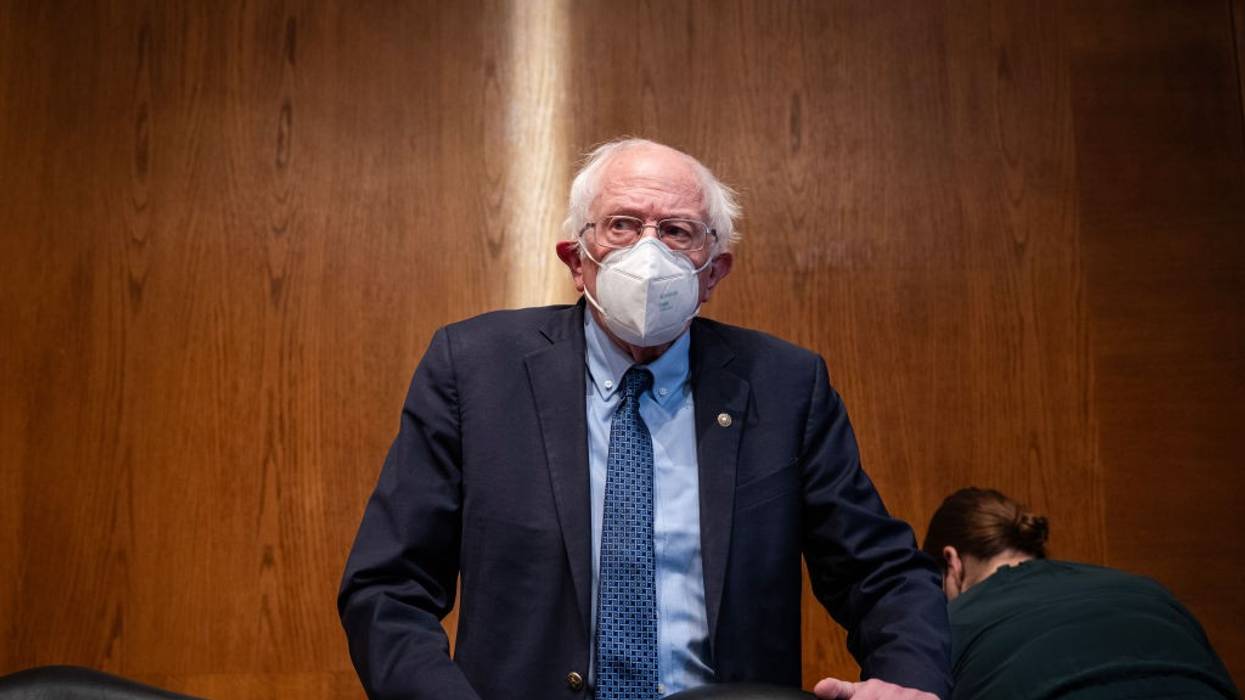
"The time is long overdue for Congress to treat long Covid as the public health emergency that it is," said the Senate HELP Committee chair.
"As chairman of the Senate Health, Education, Labor, and Pensions (HELP) Committee, it is my strong belief that the crisis of long Covid is a public health emergency that we can no longer ignore."
That's how U.S. Sen. Bernie Sanders (I-Vt.) began a Tuesday letter inviting public comment on a $10 billion bill he is crafting to address the crisis of at least 22 million Americans enduring chronic or relapsing symptoms after a Covid-19 infection.
"In January 2024, the HELP Committee held a hearing on the topic of long Covid where experts underscored the urgent need to aggressively find approved treatments for this terrible disease, to better educate medical professionals on how to diagnose long Covid, to better understand the risks associated with long Covid, and to identify potential therapeutic options, among many other things," notes the letter.
We cannot ignore the public health crisis that is Long COVID. On Long COVID Awareness Day, let us commit to doing everything we can to address this horrible condition. The U.S. government must do more to increase awareness and provide additional resources to develop treatments. pic.twitter.com/OLnRkhivm7
— Bernie Sanders (@SenSanders) March 15, 2024
"Before getting Covid-19 in Los Angeles in March 2020, I was a runner for nearly two decades," Angela Meriquez Vazquez, a long Covid patient and former president of Body Politic, told the panel. "What started as a mild illness progressed over weeks with an increasingly scary set of symptoms, including severe levels of blood clots, a series of mini-strokes, brain swelling, seizures, painful heart palpitations, severe shortness of breath, extreme confusion, and numbness in my face, hands, and legs that progressed to an inability to walk for several days, and new onset of allergic anaphylaxis after every meal."
"We are living through what is likely to be the largest mass disabling event in modern history," she warned. "Not since the emergence of the AIDS pandemic has there been such an imperative for large-scale change in healthcare, public health, and inequitable structures that bring exceptional risks of illness, suffering, disability, and mortality."
Dr. Ziyad Al-Aly, a clinical epidemiologist at Washington University in Saint Louis and one of the experts who testified earlier this year, pointed out that there are no medications approved by the Food and Drug Administration for treating the condition and "the ongoing and planned trials for long Covid are too slow and too small (i.e. underpowered) to provide definitive answers."
"We developed vaccines at warp speed. We are doing trials for long Covid at snail speed," the doctor said. "We don't go through an earthquake without dealing with its aftermath. We cannot live through the biggest pandemic of our lives without dealing with the aftermath."
Sanders' proposed legislation would provide a decade of mandatory funding to help the National Institutes of Health respond to the crisis. At the NIH, the bill would create a centralized coordinating entity for research activities, establish an advisory board, and require the federal agency to launch a new grant process for clinical trials as well as a database "for the storage and dissemination of de-identified patient data to make long Covid research more accessible."
The bill would also "require federal entities to provide continued education and support to patients, providers, and the public about the ongoing risks of long Covid, as well as how to identify and address it," explains the letter, which has an addendum detailing the plan.
The committee is accepting emailed feedback on the proposal at LongCovidComments@help.senate.gov through April 23.
"In my view, the time is long overdue for Congress to treat long Covid as the public health emergency that it is," Sanders said in a statement. "Congress must act now to ensure a treatment is found for this terrible disease that affects millions of Americans and their families."
Sanders, a longtime advocate of ensuring everyone in the nation has healthcare by passing Medicare for All legislation, stressed that "far too many patients with long Covid have struggled to get their symptoms taken seriously. Far too many medical professionals have either dismissed or misdiagnosed their health problems."
"That has got to change," he asserted. "We cannot turn our backs on the millions of Americans who continue to suffer from long Covid. I look forward to hearing from patients, experts, and researchers about what we must do to address this crisis."

"A fairer, more equitable response to the next public health outbreak is in everyone's interest."
This week's high-stakes negotiations on a new global treaty inspired by the Covid-19 crisis "present an historic opportunity to prepare for future pandemics, to protect lives and livelihoods, and to demonstrate political leadership the world will long remember," a dozen progressive U.S. lawmakers wrote to President Joe Biden on Tuesday.
The members of Congress told Biden that "as the U.S. participates in the negotiation of the pandemic accord at the World Health Organization (WHO), we urge you to push for strong, binding equitable access standards to ensure that tests, treatments, and vaccines for the next global public health threat are available to everyone who needs them as soon as possible."
"You can help make sure the next pandemic is shorter and less deadly than the last."
"Nearly 15 million people died during the first two years of the pandemic," they noted. "Most tragically, millions of people died needlessly after the vaccines were developed, but before they became widely available in low-and-middle income countries. Major manufacturers chose not to share the vaccine recipe to expand global production."
"But vaccine inequity did not just hurt people abroad. Major gaps in access to vaccines globally also increased the risk of deadly new variants that changed the course of the pandemic at home," the lawmakers highlighted, stressing that "we must act on the lessons learned from the Covid-19 pandemic."
The letter was led by Sens. Bernie Sanders (I-Vt.) along with Reps. Lloyd Doggett (D-Texas) and Jan Schakowsky (D-Ill.). They were joined by Sens. Jeff Merkley (D-Ore.), Elizabeth Warren (D-Mass.), and Peter Welch (D-Vt.), as well as Reps. Sara Jacobs (D-Calif.), Ro Khanna (D-Calif.), Barbara Lee (D-Calif.), Ilhan Omar (D-Minn.), Cori Bush (D-Mo.), and Mark Pocan (D-Wis.).
During the WHO talks on pandemic prevention, preparedness, and response—which began Monday and are scheduled to run through March 28—they want the Biden administration to champion three foundational commitments:
The letter specifically calls out Pfizer and Moderna, asserting that the latter "serves as a powerful reminder for why American leadership is so critical," because the Massachusetts-based company "worked hand-in-hand with scientists at the U.S. National Institutes of Health" to invent one of the multiple coronavirus vaccines created during the pandemic.
"U.S. taxpayers spent $12 billion to research, develop, and procure the vaccine," the letter explains. "Yet Moderna refused to share its technology with other manufacturers to increase global production, charged some poorer countries more for doses than wealthy countries, and then quadrupled the price of the Covid vaccine to $128—at a time when it costs just $2.85 to manufacture the vaccine."
"A fairer, more equitable response to the next public health outbreak is in everyone's interest," the lawmakers wrote to Biden. "By supporting strong, binding equitable access standards, you can help make sure the next pandemic is shorter and less deadly than the last."
Reporting on the negotiations Monday, Axios pointed out that "a key sticking point is whether countries must provide viral specimens or genome sequences to a global repository managed by the World Health Organization, which would enable others to use that information to create vaccines, diagnostic tests, and treatments."
Nithin Ramakrishnan of the global advocacy group Third World Network told the outlet that the treaty's current draft "serves the interests of developed countries and their biotech industries by forcing developing countries to share biological materials and information without adequate legal certainty of benefit sharing."
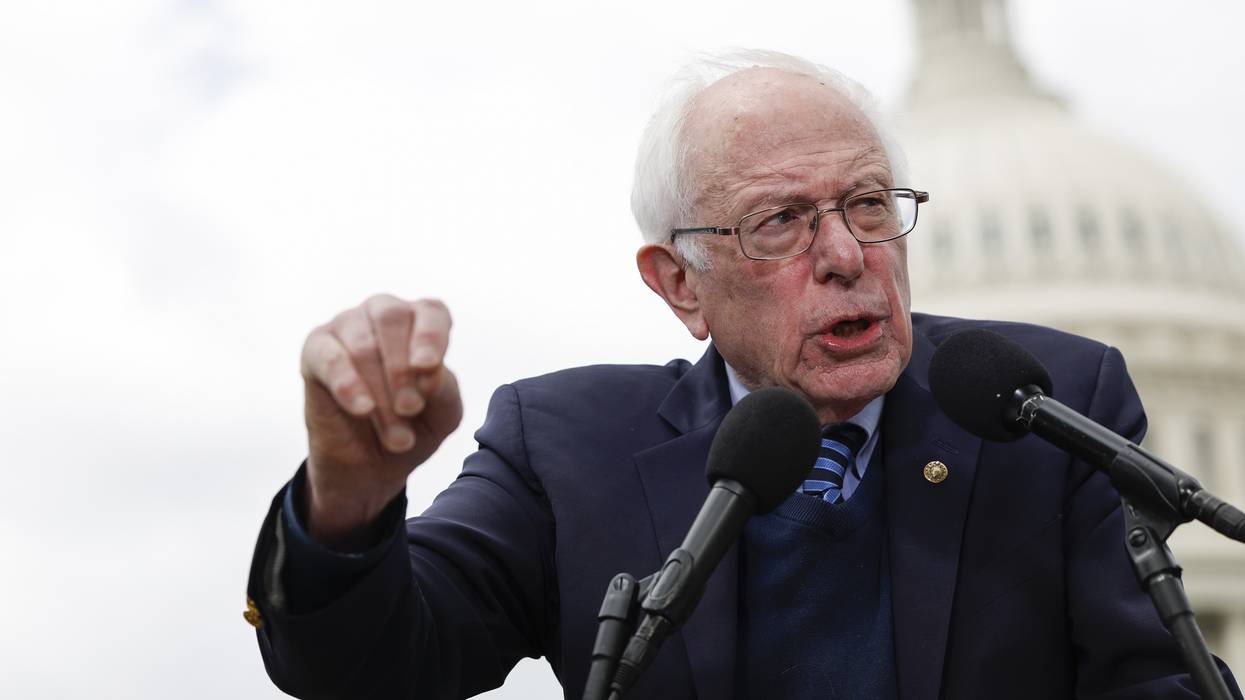
"The life of a millionaire in New York City is not worth more than the life of a person living in extreme poverty in South Sudan."
As advocates warn of glaring inadequacies in a draft of the global pandemic treaty under negotiation at the World Health Organization, U.S. Sen. Bernie Sanders on Tuesday urged the country's lead negotiator "to push for the inclusion of strong reasonable pricing, technology sharing, and access standards" in the agreement.
"Now is the time to negotiate strong global standards that put public health over profits," Sanders (I-Vt.) wrote in a letter to Ambassador Pamela Hamamoto, U.S. negotiator for the pandemic prevention, preparedness, and response accord, a proposed treaty that 194 WHO member states agreed to draft in response to the Covid-19 emergency.
The WHO's Intergovernmental Negotiating Body is meeting from Monday through Thursday in Geneva to debate the latest draft of the proposed accord.
"The U.S. should champion including reasonable pricing and technology sharing requirements into all funding agreements with pharmaceutical companies," asserted Sanders, who chairs the Senate Health, Education, Labor, and Pensions (HELP) Committee. "That is not just the right thing to do. It is the smart thing to do to protect the American people from viruses that respect no borders."
Sanders' office said in a statement:
During the Covid-19 pandemic, there were vast inequities in access to... tests, treatments, and vaccines. One study estimated that vaccine inequality cost 1.3 million lives by the end of 2021. U.S. taxpayers spent $12 billion on the research, development, and procurement of one of the leading vaccines. Yet, Moderna refused to share its technology with other manufacturers to increase global production, charged some poorer countries more for doses than wealthy countries, and then quadrupled the price of the Covid vaccine to $128—at a time when it costs just $2.85 to manufacture that vaccine.
"The mistakes made with Moderna cannot be repeated," Sanders wrote in his letter. "A public health crisis should not be an opportunity for profiteering. We need real international cooperation and commitment to ensuring equitable access to pandemic products."
"Our goal should be to make tests, treatments, and vaccines for the next public health outbreak available to every man, woman, and child who needs them as soon as possible," he added. "The life of a millionaire in New York City is not worth more than the life of a person living in extreme poverty in South Sudan."
The proposed treaty—a final draft of which is meant to be submitted for consideration by the 77th World Health Assembly in May 2024—aims to build resilience to pandemics; ensure equitable access to pandemic countermeasures; support global coordination through a stronger and more accountable WHO; and support prevention, detection, and responses to outbreaks with pandemic potential.
"The new accord could represent a global commitment to work together, as an international community, to help prevent disease outbreaks from impacting individuals, communities, countries, and the world in the same way as the Covid-19 pandemic did," the WHO explained.
However, Human Rights Watch (HRW) warned Tuesday that "the current draft fails to enshrine core human rights standards protected under international law, most notably the right to health and the right to benefit from scientific progress, therefore risking a repeat of the tragic failures during the Covid-19 pandemic."
HRW's position is shared by the Global Initiative for Economic, Social, and Cultural Rights; the International Commission of Jurists; and Amnesty International.
"Creating a new pandemic treaty could offer an opportunity to ensure that countries are equipped with proper mechanisms for cooperation and principles to prevent the level of devastation wrought by the Covid-19 pandemic, and the rights violations resulting from government responses," Amnesty legal adviser Tamaryn Nelson said in a statement.
"By failing to ground the treaty in existing human rights obligations and inadequately addressing human rights concerns arising during public health emergencies, governments risk repeating history when the next global health crisis hits," Nelson added.