

SUBSCRIBE TO OUR FREE NEWSLETTER
Daily news & progressive opinion—funded by the people, not the corporations—delivered straight to your inbox.
5
#000000
#FFFFFF
To donate by check, phone, or other method, see our More Ways to Give page.
Daily news & progressive opinion—funded by the people, not the corporations—delivered straight to your inbox.
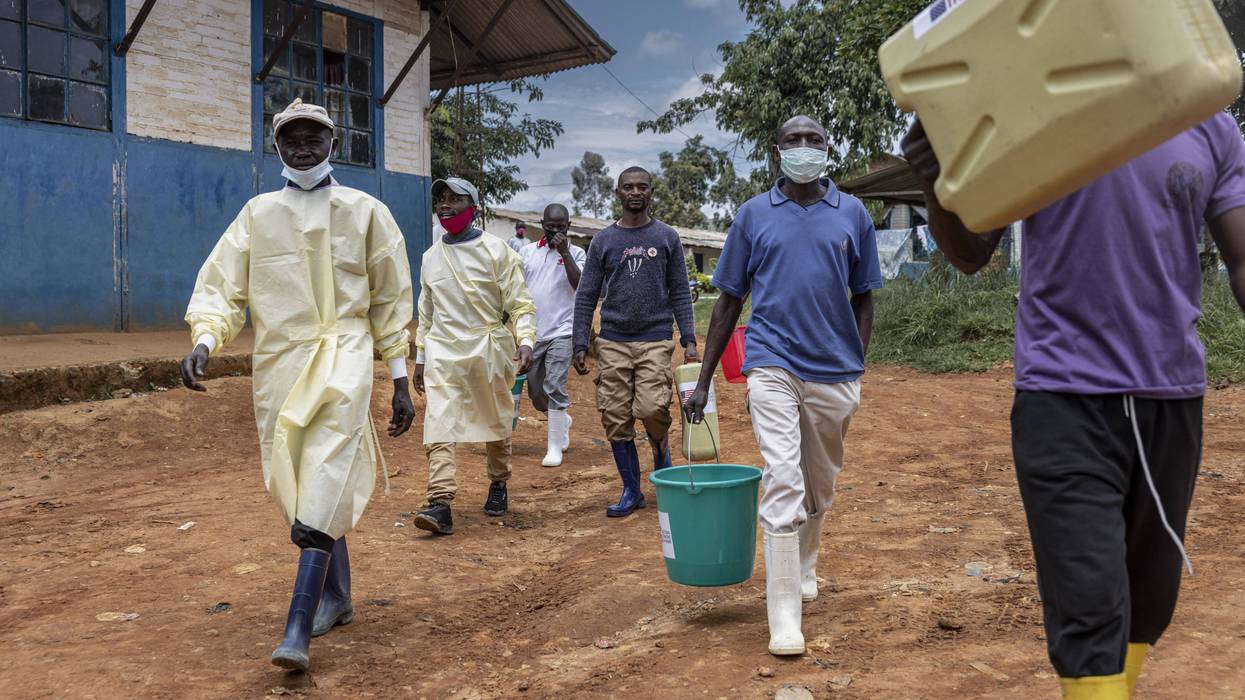
"The outbreak had a big head start, it is still way ahead of us, and we are playing catch-up," said WHO Director-General Tedros Adhanom Ghebreyesus.
The World Health Organization on Wednesday announced that the outbreak of Ebola in the Democratic Republic of Congo is on pace to become the deadliest in history.
In a press conference, WHO Director-General Tedros Adhanom Ghebreyesus said that the current Ebola epidemic is already the second-largest ever recorded, and "is moving faster than any previous Ebola outbreak."
"At its current pace," Tedros added, "it is on track to eclipse the West African Ebola outbreak of 2014 to 2016."
There have been more 4,400 confirmed cases and over 2,000 deaths during the current outbreak, with 80% of deaths occurring in the Ituri province in the northeastern corner of the country.
The WHO chief said he was particularly concerned that many deaths in the region are happening in communities instead of in treatment centers, which suggests there are "chains of transmission we don't know about" and need to be tracked down to contain the outbreak.
"The outbreak had a big head start," he said, "it is still way ahead of us, and we are playing catch-up."
Tedros also shared some encouraging news about the epidemic, highlighting nearly 900 Ebola patients who have recovered "even without specific therapeutics and vaccines," which he noted were still undergoing clinical trials.
"For the first time, two vaccines specifically designed against Ebola Bundibugyo virus have now entered phase one safety trials in humans," he said. "In addition, two new animal studies of the vaccine against Zaire ebolavirus—the more common species—have shown promising evidence of cross protection in animals. On that basis, WHO has recommended inclusion of the vaccine in a phase three trial, which we hope to start as soon as possible."
“Trump is exploiting African states’ urgent need to restore lifesaving health aid," said one campaigner.
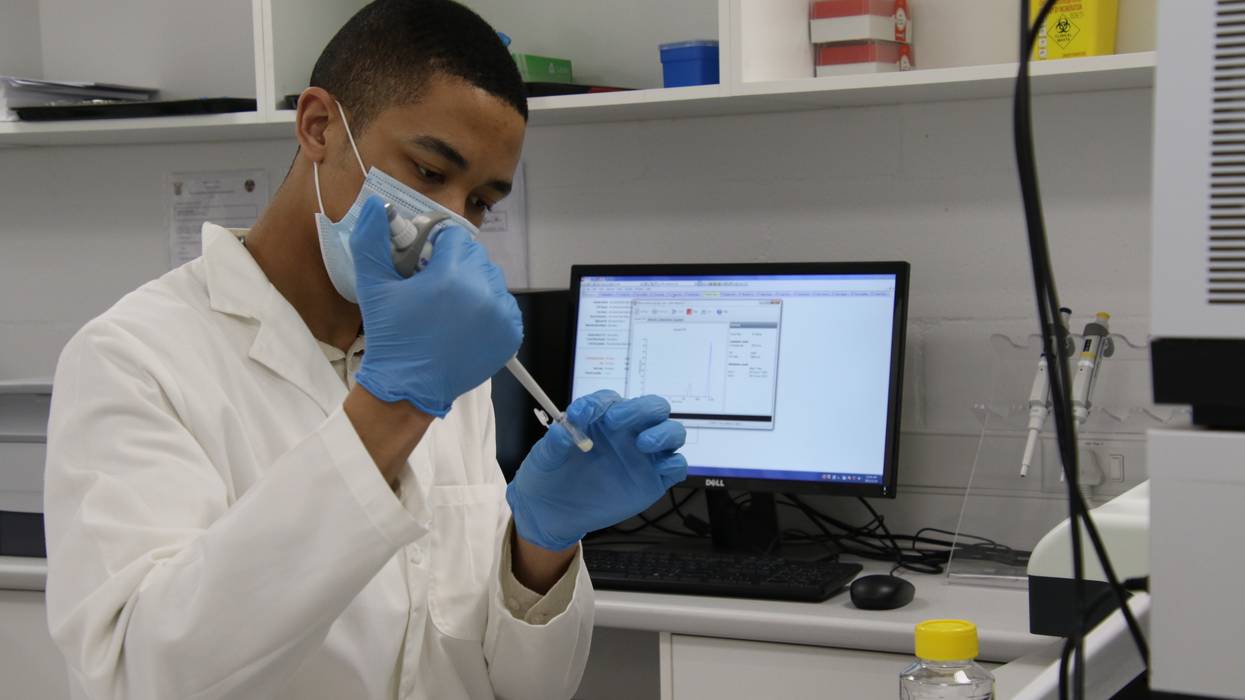
US Department of State text messages detailing health agreements between the Trump administration and African nations have sparked fresh alarm among public health advocates, who warn that the coercive deals could allow the United States to secure access to virus samples and valuable data while failing to guarantee that countries providing them will receive vaccines, treatments, and other benefits in return.
Public Citizen said Thursday that it had analyzed documents concerning the Trump administration's terms for sharing pathogen data in health agreements with African nations. The consumer advocacy group described these terms as "unfair" and said that they threaten "to undermine the core equity bargain of the [World Health Organization's] Pandemic Agreement negotiations."
The conditions of the proposed deals, said Public Citizen, "would require African states to share viral samples and pathogen information with the US and allow the US to share that information with drugmakers, but provide no credible expectation of benefits in return or access to medical tools developed from those samples."
"This undercuts the federated proposal for viral sharing with access benefits put forward this month at WHO negotiations by the Africa+ Group, which includes all countries for which bilateral specimen agreements are available," Public Citizen added.
At the center of the controversy are agreements that tie US health assistance—which has been eviscerated by the Trump administration with widespread deadly consequences—to commitments involving disease surveillance, data sharing, and, in some cases, the exchange of pathogen samples.
Supporters argue the deals strengthen America's ability to detect and respond to emerging infectious diseases while providing partner countries with much-needed funding after devastating cuts to US aid. Public health advocates, however, contend the agreements shift power away from multilateral institutions and toward one-on-one negotiations in which lower-income countries have less leverage against the world's wealthiest and most powerful nation.
As Common Dreams reported last month, President Donald Trump's so-called “America First” approach to global health strategy is characterized by transactional agreements with African governments to restore some funding. Human rights advocates have raised concerns about the possibly coercive nature of this strategy.
“Trump is exploiting African states’ urgent need to restore lifesaving health aid and pushing them to give up a shot at real lifesaving medical access and equity, for which so many people have worked, bled, and died,” Peter Maybarduk, director of Public Citizen's Access to Medicines program, said Thursday in a statement. "African states at WHO have led the way in efforts to secure a fair deal and cooperation to fight pandemics, but individually, these states are vulnerable to Trump’s threats.”
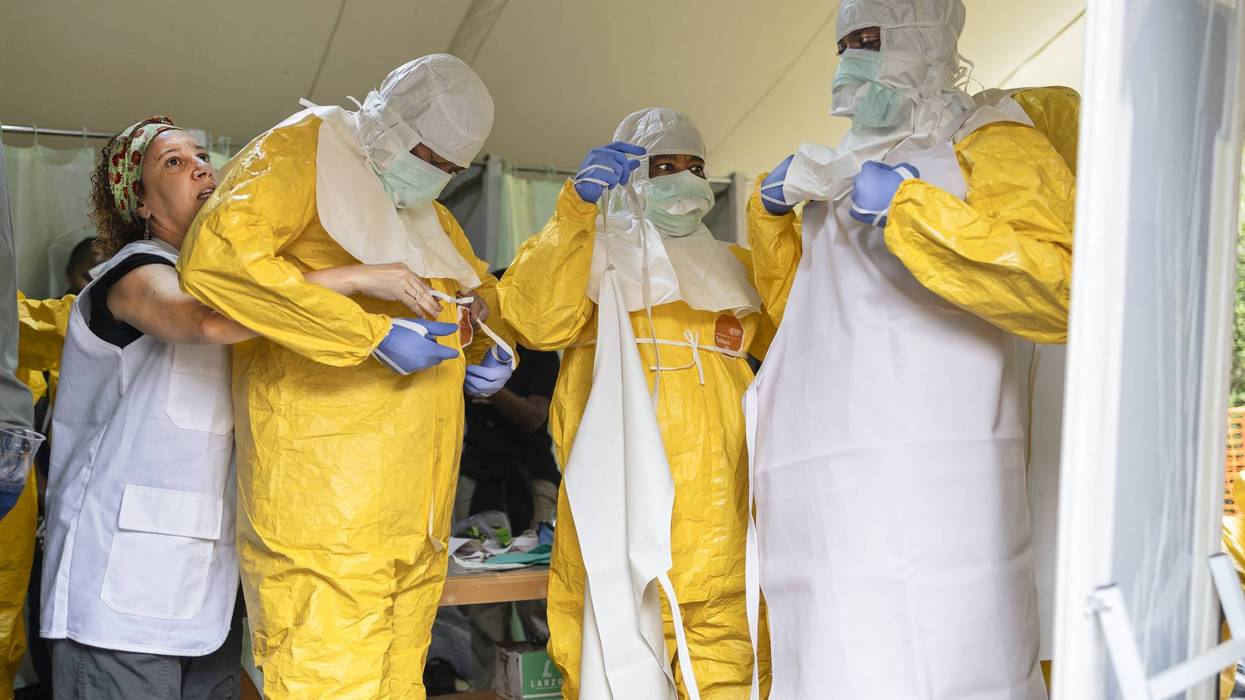
"The scale of the outbreak is at least two to four times the number of cases that we have found," said WHO emergencies director Chikwe Ihekweazu.
The Ebola outbreak sweeping the Democratic Republic of Congo is the fastest-growing ever, the World Health Organization warned Tuesday, as a shortage of funding, strained health infrastructure, and a strike by frontline medical workers threaten efforts to contain the deadly virus.
“We've seen the fastest growth in a single month since the outbreak started, and of all the Ebola outbreaks that we have managed,” WHO Health Emergencies Program executive director Dr. Chikwe Ihekweazu told reporters in Geneva. “Over the last few days, we've seen some of the highest numbers of new infections in a single day."
“A few days ago, we saw over 80 cases confirmed in a single day,” he added.
Experts are particularly alarmed that the majority of new infections—roughly 80%—are coming from what the WHO called “unknown chains of transmission."
“You have to imagine that this is a fire,” Ihekweazu said. “There's something driving the fire in its heart, and it's also expanding at the same time.”
The WHO said that 95% of all new Ebola cases are in Ituri province, where the outbreak started in May, but the virus is now spreading to two new provinces, Haut-Uele and Tshopo.
The Ebola virus causes widespread and often catastrophic damage to the body’s blood vessels, immune system, and organs and typically kills between 25% and 90% of infected people, depending upon the strain of the virus and quality of available medical care.
Democratic Republic of Congo (DRC) government figures show nearly 2,000 confirmed infections and more than 700 deaths, but WHO officials say the true scale could be two to four times higher because many infections and deaths are going undetected.
Wessam Mankoula, an epidemiologist with the Africa Centers for Disease Control and Prevention in Ethiopia, noted during a press briefing last week that 112 healthcare workers have been infected with Ebola in DRC, 32 of whom have died.
There have also been around 20 Ebola infections and at least two deaths during the current outbreak in neighboring Uganda.
“Perhaps the most alarming finding is that many newly reported cases are individuals who died in their communities, without ever reaching a health facility and receiving care," Ihekweazu said.
There is some good news, with Ihekweazu noting that "treatment capacity now exceeds 700 beds and continues to increase each week; laboratory capacity has expanded dramatically... and contact follow-up rates are approaching 80%."
However, frontline health workers at an Ebola treatment at Rwampara General Hospital in Ituri province have gone on strike over unpaid salaries and bonuses, poor working conditions, and shortages of protective equipment.
Congolese Health Minister Roger Kamba assured workers that the government has "the means to sort this out."
Critics say US President Donald Trump’s ideologically driven decision to withdraw the US from the WHO, his administration’s dismantling of the US Agency for International Development (USAID), and reduced funding for the US Centers for Disease Control and Prevention’s global public health efforts have also adversely affected the response to the current Ebola epidemic, compared with 2014 and 2019 outbreaks.
The current Ebola outbreak comes in a region already ravaged by armed conflict, displacement, and other challenges. Health officials stress that getting a grip on the outbreak will require not only medical intervention but also rebuilding trust with communities rife with fear and misinformation, and ensuring health workers are paid and protected.
"This outbreak requires resources that match the scale of the challenges that we are facing," Ihekweazu stressed Tuesday. "And this is not a burden DRC can be allowed to carry alone."
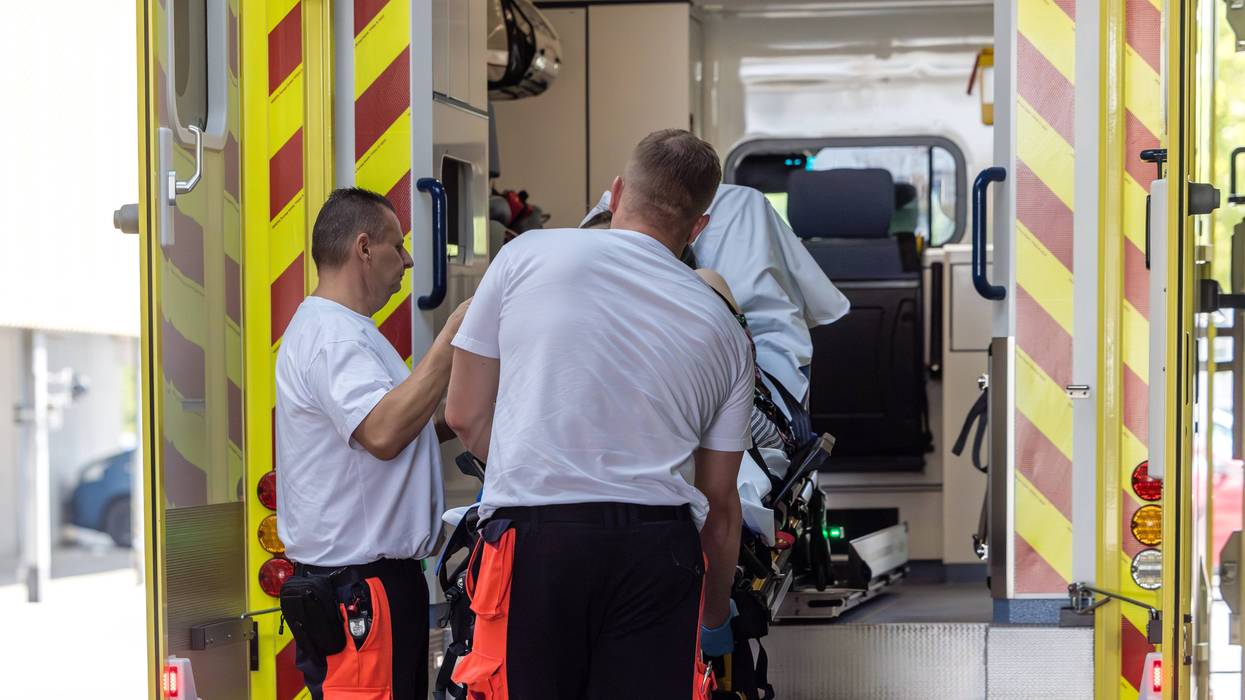
“It’s time to turn the heat on the fossil fuel giants that caused this heatwave but are doing nothing to cover the costs."
The head of the World Health Organization on Sunday said the deadly heat wave now boiling across Europe—which French authorities say caused more than 1,000 deaths last week alone—is the predicted and horrifying result that climate scientists and human rights advocates have been warning about for decades.
In a social post Sunday, WHO secretary-general Dr. Tedros Adhanom Ghebreyesus said, "Driven by climate change and global warming, the phenomenon of the 'once-in-a-generation' heatwave is now occurring nearly annual. We were warned."
Citing over 1,300 excess deaths across Europe in the last week—as temperatures broke records in nation after nation—Tedros added that "heat stress is often called the 'silent killer'—and European homes, workplaces and schools were not built for these temperatures."
"Europe is the fastest-warming continent on Earth, heating at twice the global average," he said. "Right now 150 million people are living under extreme heat, hundreds have died, schools are shut, grids are buckling."
According to the Associated Press:
Germany marked a new record for the third day in a row with 41.7 degrees Celsius (107 degrees Fahrenheit) in Neißemünde, near the border with Poland. The Czech Republic also experienced its hottest day ever with 41.1 C (106.4 F).
A new study from the World Weather Attribution, a Europe-based collaboration of scientists, reported Friday that the record-breaking heat and humidity in Europe this past week would not have been possible without climate change.
The rapid study found that the heat would have been virtually impossible just five decades ago, and is 200 times more likely today than it would have been 20 years ago.
On Sunday, authorities in France said over 1,000 excess deaths attributable to the heat were recorded last week, with at least 100 or more over the previous 24 hours.
The threat of extreme heat related to the climate crisis is not only in Europe.
In 2024, a peer-reviewed study in the Journal of the American Medical Association showed that heat-related deaths in the United States rose 117% between 1999 and 2023.
Last year, a joint analysis by The Guardian and Pro Publica estimated that the industry-friendly policies of US President Donald Trump could result in the otherwise preventable deaths of 1.3 million people worldwide over the next 80 years, most of them among poor people in nations that did very little to cause the planetary crisis driven by the consumption of fossil fuels.
In a comment last week, as the deadly heatwave made international headlines, Sen. Bernie Sanders (I-Vt.) was among those who pointed his finger directly at Trump for his vicious policies related to energy and climate.
"There is a record-breaking heat wave in Europe and hundreds are dying," said Sanders. "There is drought all across America and farmers are going out of business. Yet, Trump thinks climate change is a 'hoax' and cuts funding for sustainable energy. Insane. He is threatening the very future of our planet."
On Friday, the climate group 350.org said the polluting companies, namely those in the coal, oil, and gas industry, should be made to pay for the deaths and damage they have caused and continue to cause.
“It’s time to turn the heat on the fossil fuel giants that caused this heatwave but are doing nothing to cover the costs," said Lisa Rose, a campaigner with the group. "Both science and the law are clear: polluters must answer for climate damage. Now it’s up to our leaders to make them pay."
“Forcing fossil fuel companies to cut emissions and pay their fair share is the only effective lasting response," she added. "Half-measures won’t cool this crisis, only a faster shift to renewables can."
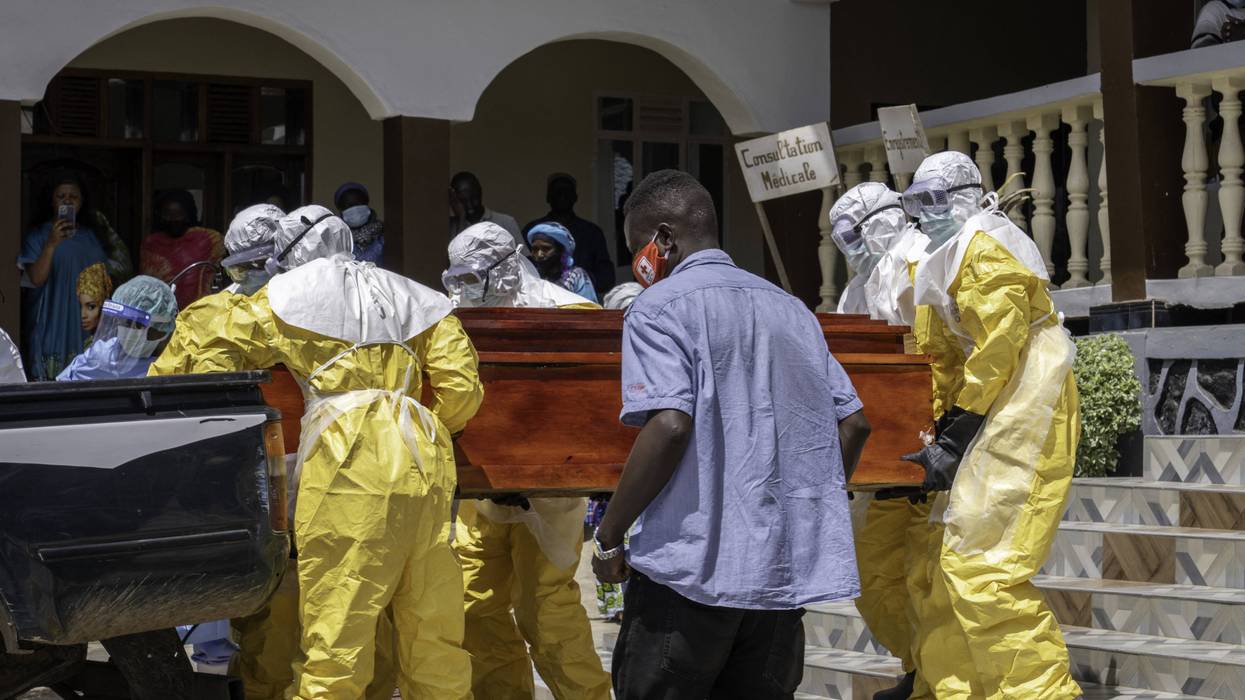
"The delay in detecting the outbreak means that we are now playing catch-up with a very fast-moving epidemic."
World Health Organization Director-General Tedros Adhanom Ghebreyesus warned Monday that the swiftly spreading Ebola outbreak in the Democratic Republic of Congo and Uganda "will get worse before it gets better," as a deadly delay in detecting infections has responders to the epidemic "playing catch-up."
"The outbreak is spreading rapidly," Tedros said during a virtual ministerial meeting on the matter. "So far, 101 cases have been confirmed in DRC, with 10 confirmed deaths. But we know the epidemic in DRC is much larger. There are now more than 900 suspected cases and 220 suspected deaths."
"Countries bordering DRC are at especially high risk and should take immediate action," he asserted. "In Uganda, there are five confirmed cases and one death."
Tedros pointed out that "there are several aspects of this outbreak that make it especially challenging."
"First, the delay in detecting the outbreak means that we are now playing catch-up with a very fast-moving epidemic," he said. "We are urgently scaling up operations, but at the moment, the epidemic is outpacing us."
"Second, as you know, the provinces of Ituri and North Kivu are highly insecure, with intensified fighting in recent months, causing more than 100,000 people to be newly displaced," the WHO chief continued. "There is also significant distrust of outside authorities among the local population. In the past week, there have been two security incidents at health facilities."
"WHO is fully committed to working under the leadership of the governments of DRC and Uganda, side by side with Africa [Centers for Disease Control and Prevention] and all other partners," Tedros added. "We will not rest until we bring this outbreak under control."
Ebola—which typically kills between 25% and 90% of infected people, depending upon the strain of the virus and quality of available medical care—causes widespread and often catastrophic damage to the body’s blood vessels, immune system, and organs.
Critics say US President Donald Trump's ideologically driven decision to withdraw the US from the WHO, his administration's dismantling of the US Agency for International Development (USAID), and reduced funding for the US Centers for Disease Control and Prevention's global public health efforts have adversely affected the response to the current Ebola epidemic, compared with 2014 and 2019 outbreaks.
After US Secretary of State Marco Rubio said last week that the WHO was "a little late" in identifying new Ebola infections, Tedros retorted that "we don’t replace the country’s work, we only support them," and suggested that Rubio's comments could be rooted in "a lack of understanding" of the agency and countries' responsibilities.
While Rubio said that “our number-one objective on Ebola, before anything else... has to be, we can’t have it affect the United States,” public health experts warn that Trump administration actions could make it more likely that the virus will make its way to the country.
There is currently no confirmed CDC director, Food and Drug Administration commissioner, or surgeon general.
Taking aim at Trump's evisceration of key public health agencies and programs, Congresswoman Rosa DeLauro (D-Conn.) said last week: “Ebola does not wait for bureaucratic reorganizations. It spreads when surveillance systems are weakened, health workers are laid off, clinics lack protective equipment, and communities lose the trusted partners who help detect and contain outbreaks before they become public health emergencies."
"This is the perfect storm President Trump created," she continued. "He recklessly dismantled USAID, withheld and slashed other United States assistance to the region, fired critical staff, and created global health chaos. This is not efficiency. It is dangerous neglect."
"The United States spent years building the relationships, supply chains, laboratories, and community health networks that help stop deadly diseases at their source," DeLauro added. "The Trump administration tore into that capacity and now wants to pretend the consequences were unforeseeable.”

"Israel’s wanton killing of rescue workers and targeting of medical infrastructure in Lebanon has been one of this war’s most brazen features," Drop Site News noted.
Israeli attacks killed at least seven rescue workers in southern Lebanon on Thursday and Friday in violation of a US-brokered ceasefire, part of what critics say is a pattern of deliberate targeted murders of first responders that mirror the genocidal massacres committed in Gaza.
On Friday, paramedics from the al-Risala Association rushed to the site of an Israeli strike in Deir Qanun al-Nah, Tyre district, that reportedly killed a young girl and the village barber, identified by L'Orient Today as Ali Allameh. As they arrived on the scene, the paramedics were hit by a so-called "double-tap" strike—a follow-up bombing meant to eliminate survivors and first responders—that killed would-be rescuers Ali Abboud, Hussein Kassir, and Ahmad Hariri.
Hariri was also a well-known photojournalist who earlier this week documented an Israeli massacre of 14 people—including four children and 11 members of one family—in Deir Qanun al-Nah.
L'Orient Today reported that Israeli forces bombed two Islamic Health Committee centers in Hanouiyeh overnight Thursday, killing four rescue workers and wounding two others. Earlier on Thursday, an Israeli airstrike near the Tebnine Hospital reportedly killed two people and injured another while damaging all three floors of the facility.
Lebanon's Ministry of Public Health said more than 3,100 people have been killed by Israeli attacks since March 2, in addition to the more than 4,000 people, including nearly 800 women and over 300 children, slain in Israel’s 2023-25 attacks on its northern neighbor, where the militant resistance group Hezbollah is based. The dead from the current round of Israeli attacks include nearly 300 women, more than 210 children, and 123 medical and healthcare workers.
The Committee to Protect Journalists says 15 media professionals have also been killed in Lebanon since October 2023. One of them, Al-Akhbar correspondent Amal Khalil, was wounded last month by an Israeli strike while reporting on a previous bombing. Khalil was trapped under rubble, and as Red Cross workers attempted to extricate her, Israeli forces dropped a stun grenade on them as a warning to disperse. They were unable to rescue Khalil, who later died.
As in Gaza—where Israeli forces have killed or wounded more than 250,000 Palestinians since the Hamas-led attack of October 7, 2023—attacks by Israel have devastated Lebanon's healthcare infrastructure.
Israel's continued slaughter of Lebanese first responders comes as World Health Organization (WHO) member states gathered this week in Geneva, where they overwhelmingly backed a declaration of alarm over “the impact of the ongoing war on the Lebanese health systems, including attacks on health facilities and health workers, and the closure of dozens of primary healthcare centers and hospitals."
The measure, which also called on the WHO to "scale up" support for Lebanon's health system, passed by a vote of 95-2—with Israel and Honduras against—and 18 abstentions.
"Israeli military action has had unacceptable impacts on civilians and medical care," the United Kingdom said in an explanation of its vote in favor of the declaration. "The conflict has led to the displacement of over 1 million people and the closure of several hospitals and health facilities. The WHO has reported over 150 verified attacks against healthcare, with over 100 healthcare workers killed."
As Drop Site News reported Friday:
Israel’s wanton killing of rescue workers and targeting of medical infrastructure in Lebanon has been one of this war’s most brazen features. For the past five weeks, the relentless Israeli aerial and ground assault has continued despite a nominal ceasefire being announced by President Donald Trump on April 16. Last week, Israel and Lebanon agreed to a 45-day extension of the “ceasefire” after holding their third round of direct talks in Washington, of which Hezbollah is not a part. The declaration of a ceasefire has not stopped the Israeli military from continuing its bombardment of Lebanon, mostly in the south and the eastern Bekka Valley.
Rescue teams describe a pattern of repeated Israeli attacks directly targeting their members, often in double—or triple-tap strikes—where after a site is struck, it is struck a second or even third time as emergency crews arrive on the scene.
“We try to be careful and take safety precautions before interventions, like waiting 10 minutes to avoid the double taps,” Abdullah Halal, who leads a Civil Defense rescue team in Nabatiyeh, told Drop Site News.
"But," the outlet noted, "even those precautions have not always been enough. Last week, Halal lost two of his two colleagues in a double-tap strike."
Ali Saad, who is with the Lebanese Red Cross, told UN News on Wednesday that his colleagues share coordinates with Israeli forces and other belligerents, but rescue workers are still being targeted.
“This is why the Red Cross volunteers hug each other and say goodbye before every mission,” he said.
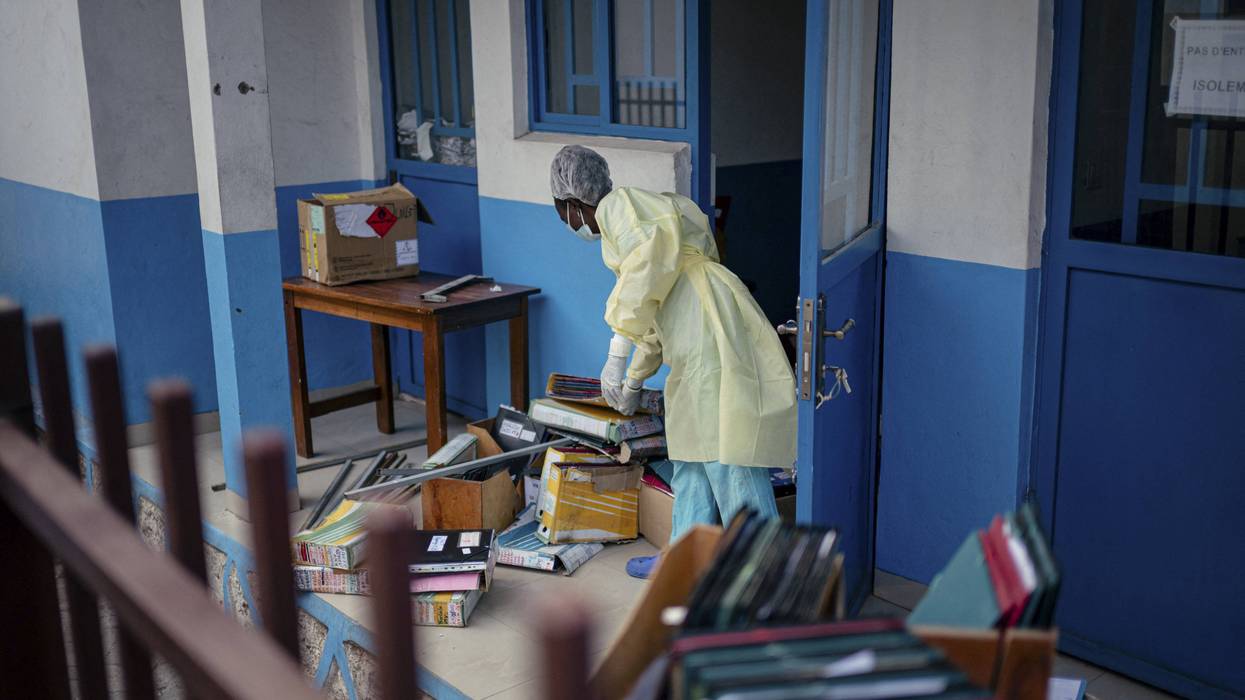
"Before the second Trump administration, USAID would have been on the ground," said one public health expert.
The World Health Organization's official designation of an Ebola virus outbreak in the Democratic Republic of Congo and Uganda as a public health emergency of international concern on Sunday came just a day after the world learned that the disease was spreading at all—a highly unusual chain of events, public health experts said, and one that suggested the virus has been circulating for weeks without the outbreak being detected.
WHO Director-General Tedros Adhanom Ghebreyesus said Sunday that eight laboratory-confirmed cases, 246 suspected cases, and 80 suspected deaths had been reported in at least three health zones across Ituri Province in the DRC. In Kampala, the densely populated capital of neighboring Uganda, two lab-confirmed cases and one death were reported within 24 hours of each other.
The victims in Kampala had no apparent link to one another; both had recently traveled from Congo.
The confirmed cases in Congo include some that have been reported in Kinshasa, the capital. The fact that the disease has been able to spread to two large cities with international airports, and the "clusters of deaths across the province of Ituri" point to "a potentially much larger outbreak than what is currently being detected and reported, with significant local and regional risk of spread," said WHO.
"At least four deaths among healthcare workers in a clinical context suggestive of viral haemorrhagic fever have been reported from the affected area, raising concerns regarding healthcare-associated transmission, gaps in infection prevention and control measures, and the potential for amplification within health facilities," the agency said.
Dr. Ashish Jha, who served as the White House Covid-19 response coordinator, said the numbers being reported could make the outbreak "one of the 10 biggest Ebola outbreaks in history."
"We're just hearing about this now? That makes no sense. Those numbers take weeks to accumulate," said Jha, adding that the fact that suspected cases have been detected in capital cities as well as Bunia, the provincial capital of Ituri, "matters enormously for spread."
Tedros emphasized that the outbreak is considered "extraordinary" because there is no approved vaccine or therapeutics for Ebola caused by the Bundibugyo virus, as this strain is. WHO sent a team to investigate in Ituri after first being notified of suspected Ebola cases on May 5, but initial samples tested negative, as available field equipment was only able to detect the Zaire strain of the disease.
The US Centers for Disease Control and Prevention (CDC) and global partners "need to surge resources in," Jha said. "A slow response creates unnecessary risks to people everywhere."
WHO, which President Donald Trump withdrew the US from last year, said the public health emergency designation was made to ramp up surveillance and infection prevention in the countries where the outbreak is occurring, enhance preparedness in bordering countries, and spread awareness in the international community.
The Ebola outbreak is the second to hit Uganda since Trump slashed foreign assistance funding, including by dismantling the US Agency for International Development. Earlier this month, CNN reported that the administration plans to divert $2 billion in global health program funding to cover the cost of closing USAID.
US foreign spending dropped by 56.9% after Trump shut down the agency as well as smaller aid programs and pushed Congress to rescind previously approved foreign assistance. USAID played a critical role in responding to the 2014 Ebola outbreak in West Africa.
In March 2025, when an Ebola outbreak was reported in Uganda, US officials warned that Trump's actions on foreign assistance at that point, including the termination of USAID grants, was impeding the Ugandan government's ability to procure lab supplies, diagnostic equipment, and protective gear for medical workers.
Dr. Herbert Luswata, president of the Uganda Medical Association, told The New York Times at the time that the country's ability to respond to Ebola was notably different than it had been during a previous outbreak in 2022, when dozens of medical workers volunteered to help treat patients.
The lack of funds and protective equipment had "left many afraid to help this time," the Times reported.
“With no USAID money and CDC expertise, it was like Uganda was left to die," Luswata told the Times.
Dr. Craig Spencer, an emergency medicine physician who survived Ebola in 2014, told CBS Saturday that "before the second Trump administration, USAID would have been on the ground" to respond to the current outbreak.
"The CDC would have been on the ground at a moment's notice, maybe even before a moment's notice, of a new outbreak of Ebola because we were in a bunch of countries," said Spencer. "We created relationships beforehand."
Last year, Trump megadonor Elon Musk, who was then leading efforts to slash government spending at the Department of Government Efficiency, said DOGE had "accidentally" canceled US support for Ebola prevention but claimed the funding had been "restored...and there was no interruption.”
But a number of Ebola-related contracts were in fact cut, accounting for $1.6 million out of $2.2 million that had previously gone toward the prevention efforts.
In recent weeks, public health experts have also warned that Trump's cuts to the CDC and other public health programs have left the US ill-prepared to respond to the hantavirus outbreak that originated on a cruise ship.
Jeremy Konyndyk, president of Refugees International and former leader on USAID's Covid-19 and disaster relief response work, said the current Ebola outbreak is "very worrying" and appeared to be the result of a "massive surveillance failure."
"It is really unusual for an Ebola outbreak to get to this scale before being detected; particularly in DRC, which has a lot of Ebola experience," said Konyndyk.
"I can't help but wonder," said Konyndyk, "if the drawdown of USAID and CDC health interventions by DOGE undermined some of the surveillance and detection initiatives that might have helped to catch this earlier."
WHO emphasized that the current crisis in DRC and Uganda requires "international coordination and cooperation to understand the extent of the outbreak, to coordinate surveillance, prevention, and response efforts, to scale up and strengthen operations and ensure ability to implement control measures."
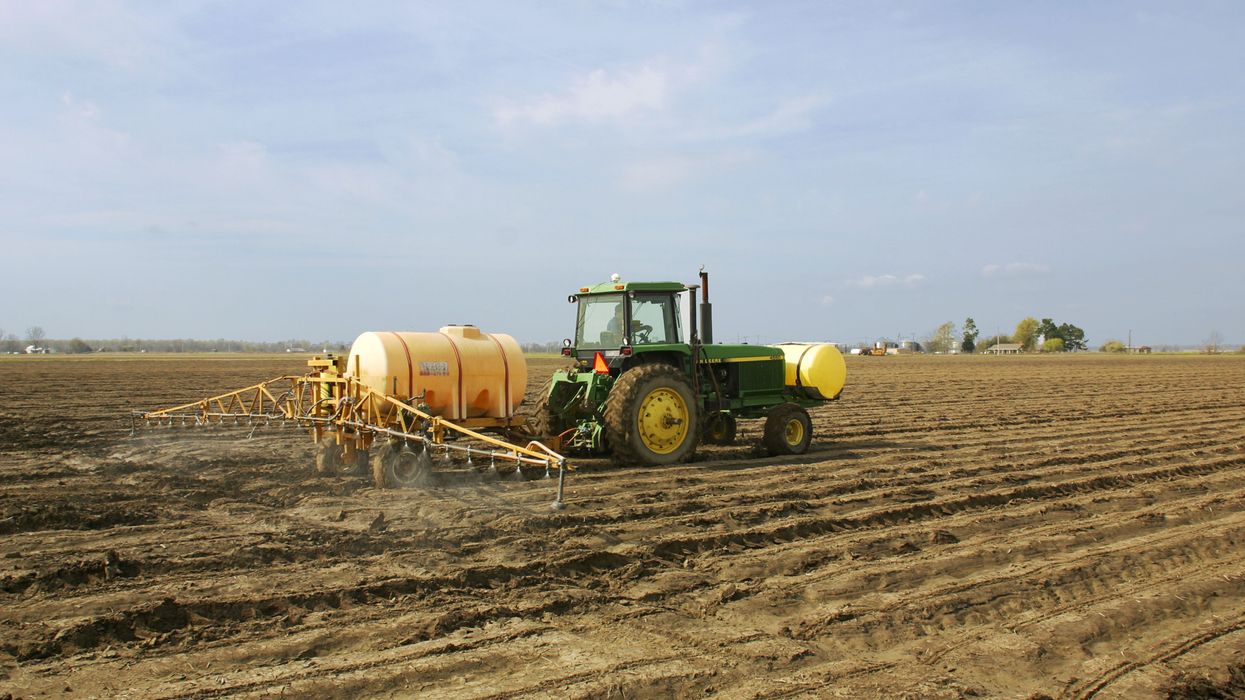
"It is outrageously irresponsible that we still allow use of this dangerous poison in the United States," said the Center for Biological Diversity's environmental health science director.
Just a month after the Trump administration doubled down on the alleged safety of atrazine, a United Nations agency said on Friday that the pesticide—which is banned by dozens of countries but commonly used on corn, sugarcane, and sorghum in the United States—probably causes cancer.
"It is outrageously irresponsible that we still allow use of this dangerous poison in the United States," said Nathan Donley, the Center for Biological Diversity's environmental health science director, in a Friday statement. "This finding is just the latest indictment of the industry-controlled US pesticide oversight process that is failing to protect people and wildlife from chemicals linked to numerous health harms."
Research into and alarm over atrazine have mounted since the World Health Organization's International Agency for Research on Cancer initially concluded in 1999 that it was not classifiable as carcinogenic to humans. IACR has now announced new findings for atrazine and alachlor, another herbicide widely used on crops, as well as the agricultural fungicide vinclozolin.
Of the three, only atrazine was previously examined by IARC. From October 28 to November 4, a working group of 22 international experts from a dozen countries met in France to evaluate the carcinogenicity of pesticides. They classified vinclozolin as "possibly carcinogenic to humans, and both alachlor and atrazine as "probably carcinogenic to humans."
The latter two decisions were based on a combination of limited evidence for cancer in humans, sufficient evidence for cancer in animals, and strong mechanistic evidence in experimental systems. IARC said that "for atrazine, positive associations have been observed for non-Hodgkin lymphoma that is positive for the chromosomal translocation t(14;18)."
A couple of weeks before that IARC meeting, the Trump administration sparked outrage with a US Fish and Wildlife Service (USFWS) draft opinion claiming that atrazine does not pose an extinction risk to a single protected animal or plant.
That draft opinion came as President Donald Trump and Health and Human Services Secretary Robert F. Kennedy Jr. were already under fire for the second Make America Healthy Again report. After the first MAHA publication noted concerns regarding pesticides, even naming atrazine, agribusiness lobbyists confronted the administration, and the following document ultimately featured pesticide industry talking points.
The second report's "only mention of pesticides is an Orwellian promise to ensure 'confidence in EPA's robust pesticide review procedures'—procedures courts have repeatedly found unlawful and that frontline communities know cannot be trusted," the Center for Food Safety said after its September release. "Instead, it says that it will speed up pesticide approval and it will 'partner' with the pesticide industry to 'educate' the public about the 'robust review' of EPA's regulation of pesticides to provide the public with 'confidence.'"
Then came the USFWS draft, which Center for Food Safety senior attorney Sylvia Wu said "makes clear that despite the rhetoric of MAHA, there will be no robust review of the dangers of pesticides by the Trump administration... Instead, a toxic poison like atrazine will continue to contaminate our lands and waters, making our children sick for decades to come."
Wu's group has long been critical of atrazine. During the first Trump administration, it was part of a coalition that sued over the Environmental Protection Agency's (EPA) 2020 reapproval of the herbicide. So was the Center for Biological Diversity—which was also angered by the USFWS document, with Donley calling it "an absolute joke."
Donley took aim at the Trump administration again on Friday, after IACR announced its new classification for atrazine.
"Despite its rhetoric to the contrary, there is no better friend of atrazine than the Trump administration," he said. "Hiding behind the rhetoric of MAHA, EPA reapproval of a poison that's likely to keep Americans sick for generations is moving ahead full steam."
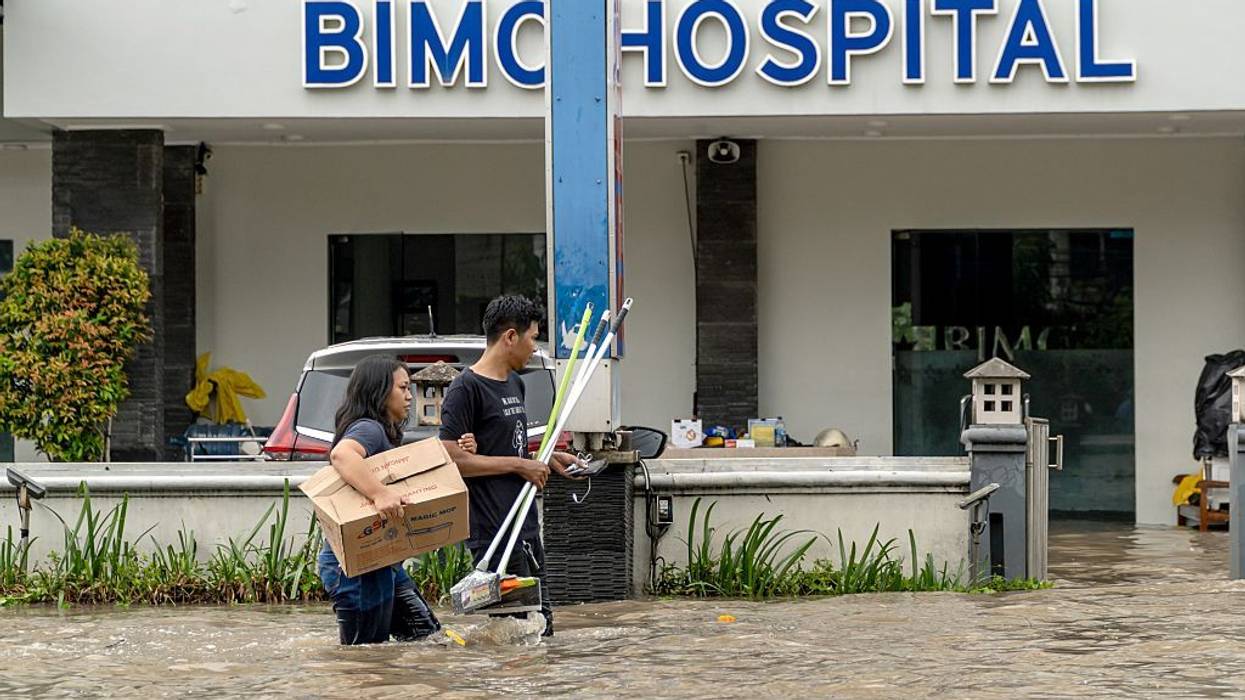
"The climate crisis is a health crisis—not in the distant future, but here and now."
The World Health Organization on Friday issued a report documenting what it described as a "global health emergency" being caused by the climate crisis.
The report, which was released jointly by the WHO, the government of Brazil, and the Brazilian Ministry of Health at the start of the United Nations climate summit (COP30) being held in Belém, Brazil, warns that global healthcare infrastructure is not currently sufficient to deal with the climate emergency, and that "1 in 12 hospitals could face climate-related shutdowns" worldwide.
Overall, the report finds that hospitals are experiencing "41% higher risk of damage from extreme weather-related impact compared to 1990," and that the number of at-risk health facilities could double if the global temperature continues rising at its current pace.
Ethel Maciel, COP30’s special envoy for health, said that flooding that decimated the southern Brazilian state of Rio Grande do Sul last year showed the importance taking the climate crisis seriously, especially since the floods also led to "the largest dengue epidemic in history, driven by these climate changes."
"So, it is not something for us to think about in the future; it’s happening now," Maciel added. "So, thinking about how to adapt our system is urgent.”
Professor Nick Watts, director of the NUS Centre for Sustainable Medicine, recommended dedicating 7% of current climate adaptation finance toward making healthcare infrastructure more resilient to climate change, which he said would "safeguard billions of people and keep essential services operating during climate shocks—when our patients most need them."
WHO Director-General Tedros Adhanom Ghebreyesus said that the report should give nations urgency to decarbonize as quickly as possible.
"The climate crisis is a health crisis—not in the distant future, but here and now," he said. "This special report provides evidence on the impact of climate change on individuals and health systems, and real-world examples of what countries can do—and are doing—to protect health and strengthen health systems."
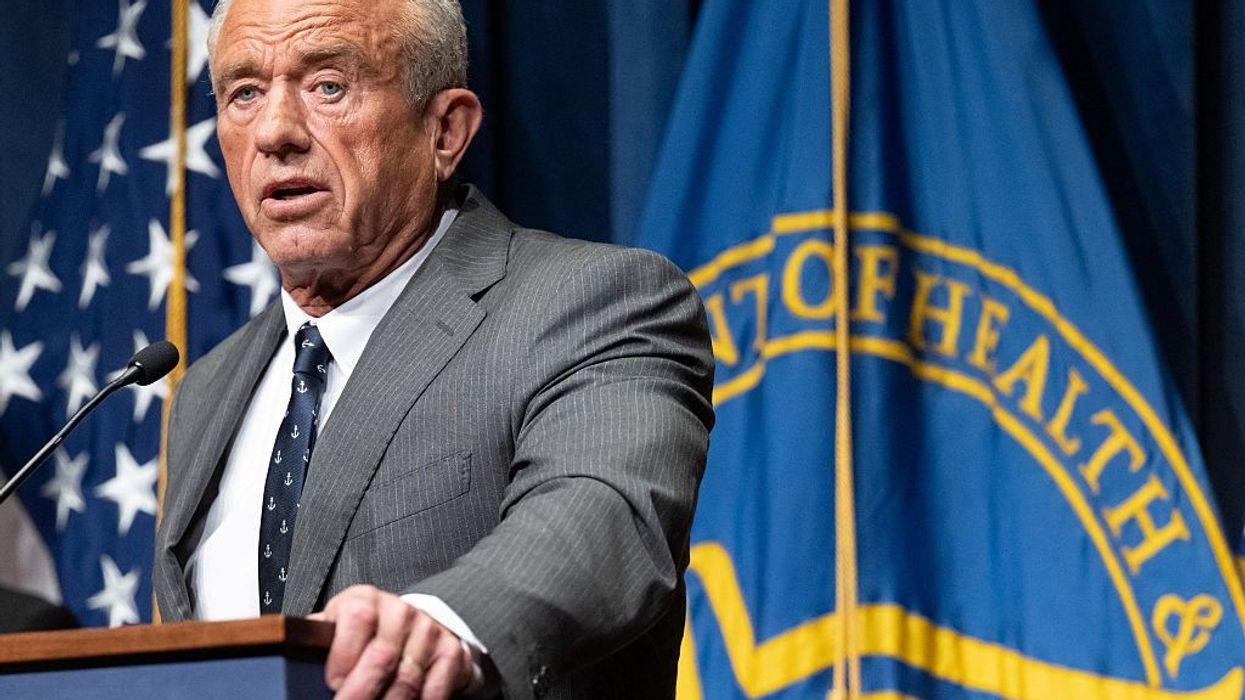
"They are leveraging this platform to share untruths about vaccines to scare people," said one doctor Kennedy fired from the panel.
Health officials working under Secretary of Health and Human Services Robert F. Kennedy Jr. may seek to restrict access to the Covid-19 vaccine for people under 75 years old.
The Washington Post reported Friday that the officials plan to justify the move by citing reports from an unverified database to make the claim that the shots caused the deaths of 25 children.
The reports come from the Vaccine Adverse Event Reporting System (VAERS), a federal database that allows the public to submit reports of negative reactions to vaccines. As the Post explains, VAERS "contains unverified reports of side effects or bad experiences with vaccines submitted by anyone, including patients, doctors, pharmacists, or even someone who sees a report on social media."
As one publicly maintained database of "Batshit Crazy VAERS Adverse Events" found, users have reported deaths and injuries resulting from gunshot wounds, malaria, drug overdoses, and countless other unrelated causes as possible cases of vaccine injury.
As Beth Mole wrote for ARS Technica, "The reports are completely unverified upon submission, and the Centers for Disease Control and Prevention staff follow up on serious reports to try to substantiate claims and assess if they were actually caused by a vaccine. They rarely are."
Nevertheless, HHS officials plan to use these VAERS reports on pediatric deaths in a presentation to the CDC's Advisory Committee on Immunization Practices (ACIP) next week as the panel considers revising federal vaccine guidelines.
One person familiar with the matter told the Post that HHS officials attempted to interview some of the families who claimed their child died from the vaccine, but it is unclear how many were consulted and what other information was used to verify their claims.
In June, Kennedy purged that panel of many top vaccine experts, replacing them with prominent anti-vaccine activists, after previously promising during his confirmation hearing to keep the panel intact.
The Food and Drug Administration under Kennedy has already limited access to the Covid-19 vaccine. Last month, it authorized the vaccines only for those 65 and over who are known to be at risk of serious illness from Covid-19 infections.
While the vaccine is technically available to others, the updated guidance has created significant barriers, such as the potential requirement of a doctor's prescription and out-of-pocket payment, making it much harder for many to receive the shot.
The Post reports that ACIP is considering restricting access to the vaccination further, by recommending it only for those older than 75. It is weighing multiple options for those 74 and younger—potentially requiring them to consult with their doctor first, or not recommending it at all unless they have a preexisting condition.
Prior to the wide availability of Covid-19 vaccinations beginning in 2021, the illness killed over 350,000 people in the US. And while the danger of death from Covid-19 does increase with age, CDC data shows that from 2020 to 2023, nearly 47% of the over 1.1 million deaths from the illness occurred in people under 75.
According to the World Health Organization, the US reported 822 deaths from Covid over a 28-day period in July and August this year, vastly more deaths than anywhere else in the world. CDC data reported to ACIP in June shows that Covid deaths were lower among all age groups—including children—who received the mRNA vaccine.
Nicole Brewer, one of the vaccine advisers eliminated by Kennedy, lamented that Kennedy and his new appointees are ignoring the dangers of Covid-19 while amplifying the comparatively much lower risk posed by vaccines.
"They are leveraging this platform to share untruths about vaccines to scare people," she told the Post. “The U.S. government is now in the business of vaccine misinformation.”
ACIP is also reportedly mulling the rollback of guidelines for other childhood vaccines for deadly diseases like measles, Hepatitis B, and Respiratory Syncytial Virus (RSV).
While ACIP's guidelines are not legally binding, the Post writes that its meeting next week "is critical because the recommendations determine whether insurers must pay for the immunizations, pharmacies can administer them, and doctors are willing to offer them."
"If you haven't gotten your updated Covid vaccine by now, book an appointment fast before next week's ACIP meeting," warned Dr. David Gorski, the editor of the blog Science-Based Medicine. "After that, you might not be able to get one."