SUBSCRIBE TO OUR FREE NEWSLETTER
Daily news & progressive opinion—funded by the people, not the corporations—delivered straight to your inbox.
5
#000000
#FFFFFF
To donate by check, phone, or other method, see our More Ways to Give page.

Daily news & progressive opinion—funded by the people, not the corporations—delivered straight to your inbox.
"I think that changes like this will lead to more unnecessary deaths," said one doctor.
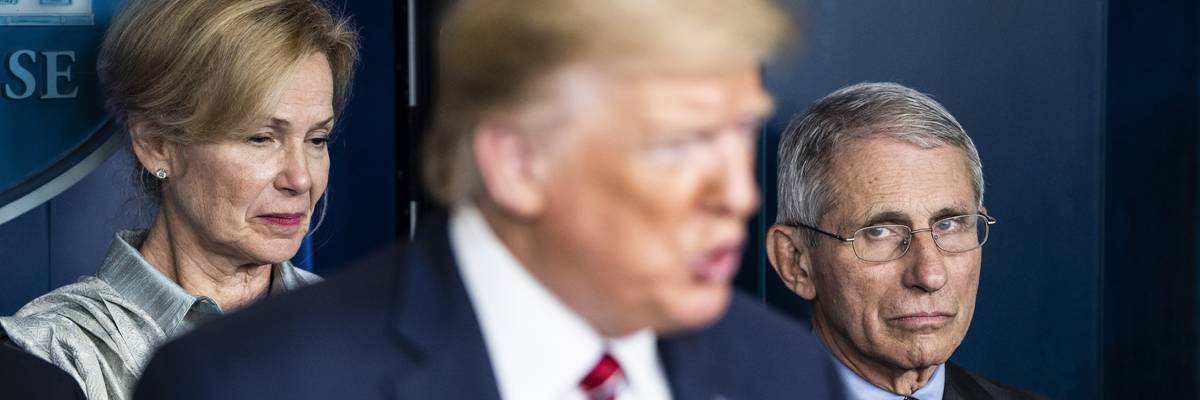
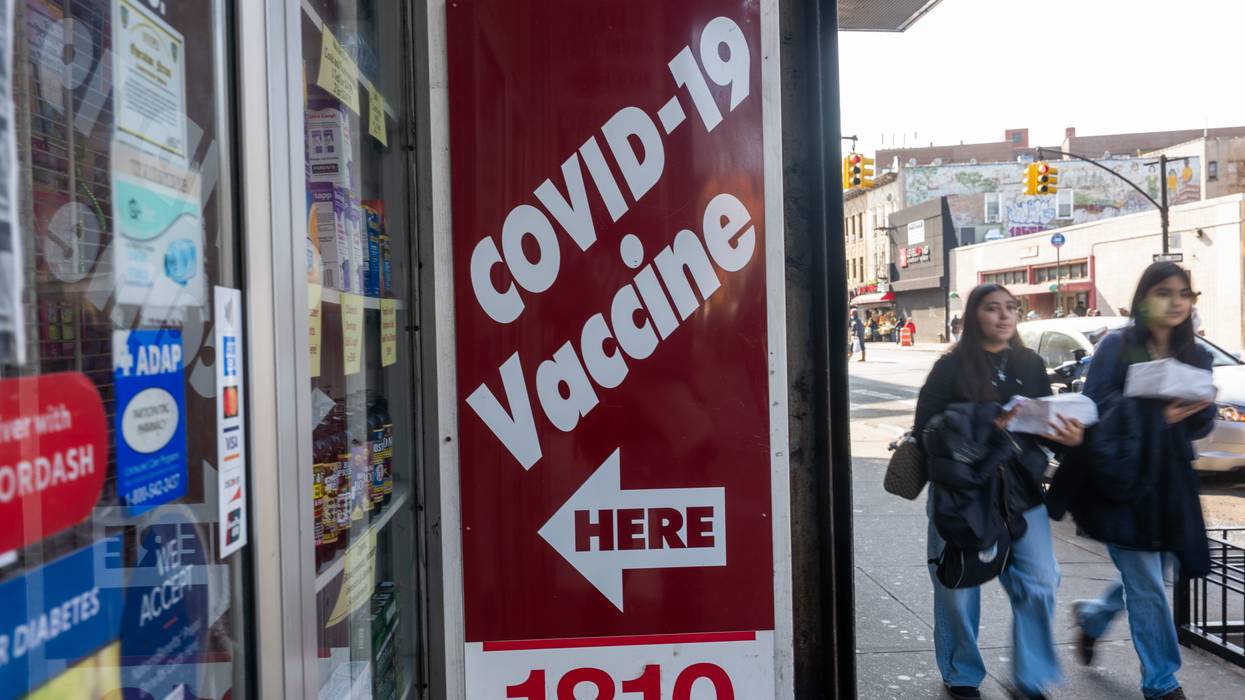
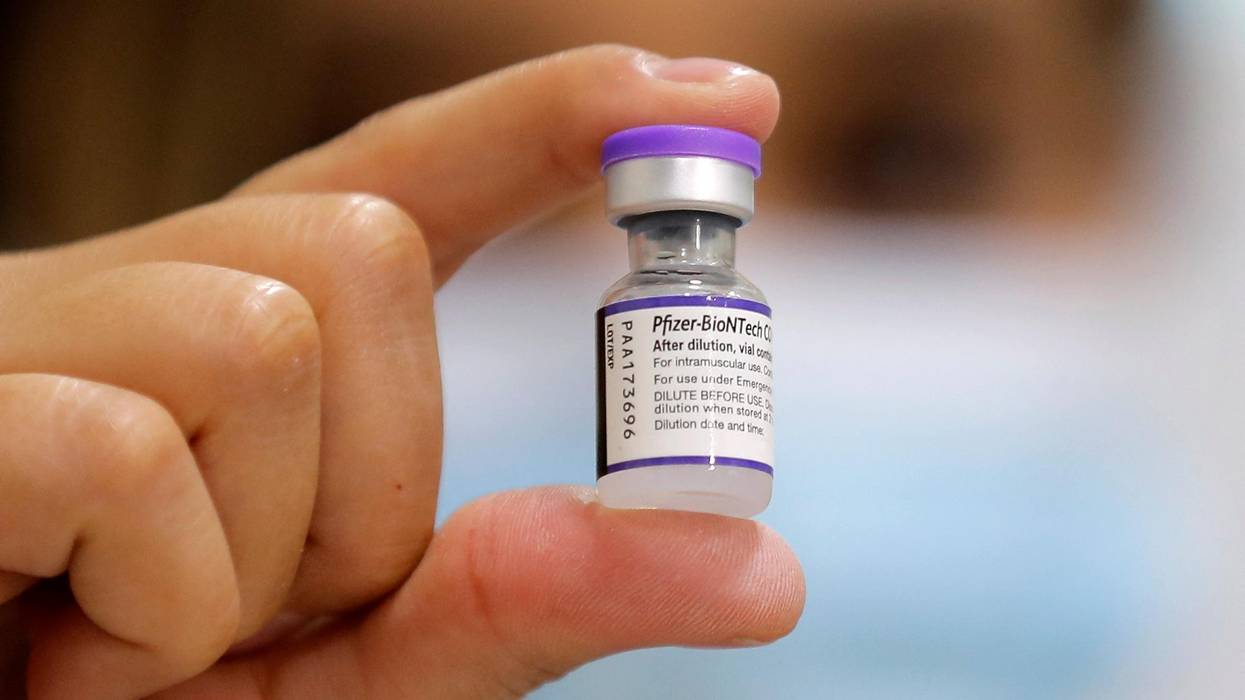
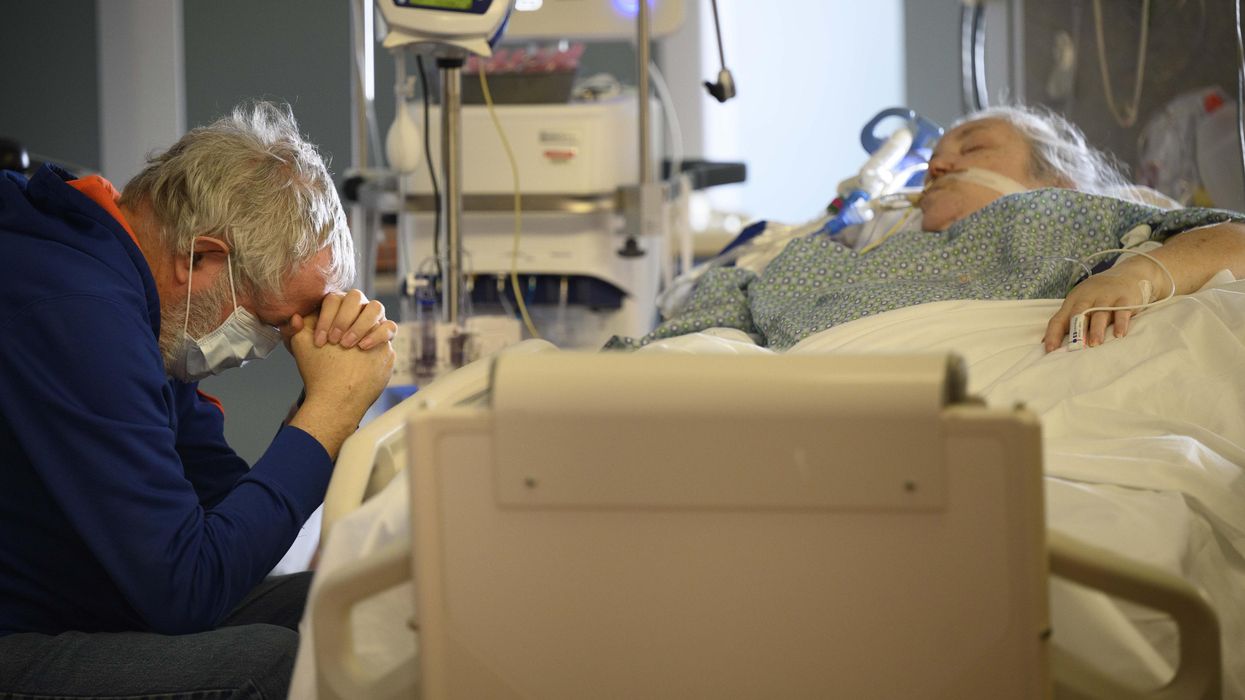
Public health experts on Tuesday warned Tuesday that forthcoming Food and Drug Administration guidance on the Covid-19 vaccine would "cause confusion" and result in fewer people getting inoculated against the virus that killed 350,000 people in the U.S. before the shots became available.
Dr. Vinay Prasad, head of the agency's vaccine division, and Dr. Martin Makary, the FDA commissioner, wrote in the New England Journal of Medicine that the vaccine "booster" doses that have been available for the last several years to anyone aged six months and older carry "uncertain" benefits for much of the population.
The officials said the next round of shots will be available only for adults over 65 and those with certain medical conditions.
They said that before a new round of updated vaccines are made available in the fall, the FDA "anticipates the need" for new clinical trials for many patients under 65. Participants in the trial would be given either the new shots or a placebo and followed by vaccine manufacturers for at least six months to determine if the vaccines continued to provide them with protection from Covid.
Both Prasad and Makary were vocal skeptics of vaccine mandates and other public health measures during the coronavirus pandemic, and Health and Human Services Secretary Robert F. Kennedy, Jr.—who oversees the FDA—has spread baseless misinformation about the Covid shots and other vaccines.
Kennedy said in 2021 that the shots were the "deadliest ever made"; the Centers for Disease Control and Prevention (CDC) has found the vaccines reduce people's risk of developing serious illness, long-term symptoms, and hospitalization.
Dr. Daniel Griffin, a physician in New York, told The New York Times that the FDA's plan will ultimately "very slowly [reduce] vaccination in the country."
"I think that changes like this will lead to more unnecessary deaths," said Griffin.
Makary and Prasad made their announcement days before scientific advisers to the FDA are set to decide on the composition of the Covid vaccines that will be offered this fall.
Dr. Lucky Tran, director of science communication and media relations at Columbia University Irving Medical Center, emphasized that many Americans have conditions that raise the risk of severe illness when they get Covid—including asthma, pregnancy, diabetes, obesity, and some mental health conditions.
"However, limiting Covid vaccines to people with specific conditions only causes confusions and decreases uptake," said Tran. "Most are unaware they have a condition that puts them at risk, so many who would want to get vaccinated may not try because they think they don't qualify."
About 74% of people in the U.S. have at least one condition that puts them at higher risk for severe disease, according to the CDC.
For people without medical conditions who are under age 65, it was unclear Wednesday whether they will be able to get vaccinated in the fall—and if shots are available to them, whether insurers will cover the costs.
William Schaffner, an infectious disease physician who is on the CDC's vaccine advisory panel—which recommends who should get FDA-approved vaccines—told The Washington Post that the panel could include in this year's recommendations that healthy people under 65 can still get a shot to protect themselves.
"They could add that line... and it would allow those people very focused on prevention who would like to get the vaccine and have it paid for by their insurance," Schaffner told the Post.
But Prasad said the FDA could still limit access because the agency "can only approve products if it concludes, based on the available scientific evidence, the benefit-to-harm balance is favorable."
Pediatricians expressed concern for children's safety if vaccines become unavailable to them; the CDC reported 150 pediatric deaths from Covid over the 12-month period that ended last August.
"I think there is strong data to suggest Covid should be part of routine childhood vaccinations," Amesh Adalja, an infectious disease physician, told STAT News. "We vaccinate kids for things that have less morbidity and mortality than Covid, like chickenpox for example."
Tran denounced the anticipated guidance as "an anti-science move that will kill more Americans."
"The FDA is being led by people who have consistently spread misinformation about Covid and vaccines," said Tran. "Their record indicates that they cannot be trusted to implement evidence-based guidance for vaccines, and their policies will kill people and make them sicker."
"The pharmaceutical industry will always lobby to maximize their own profits, regardless of the impact on public health, but G7 leaders must resist."
A group of scientists warned the leaders of rich countries on Thursday that the world is badly unprepared for the next pandemic and must urgently lay the groundwork for a swift, equitable global response that puts lives over pharmaceutical industry profits.
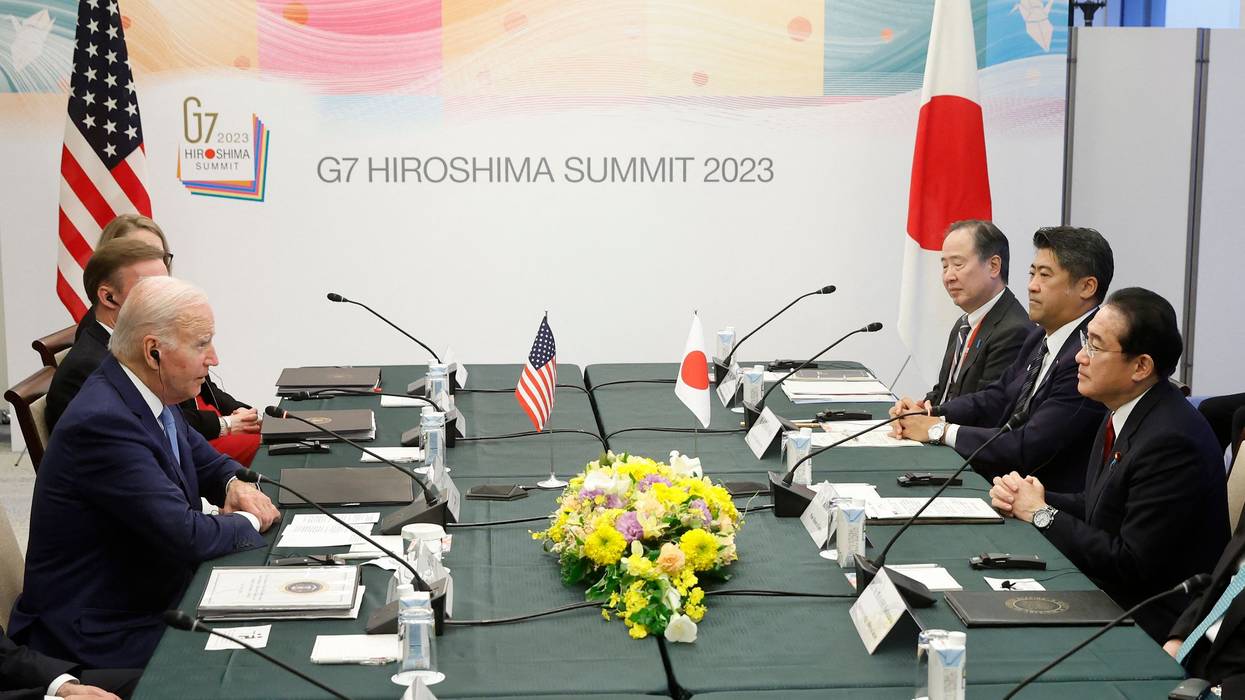
In a letter to the heads of G7 nations as they gathered in Hiroshima for their annual summit, 16 scientists from South Africa, Brazil, the U.S., the United Kingdom, Japan, Indonesia, and other nations wrote that "it is critical that in the next health crisis the world rapidly deploys medical countermeasures in every country, regardless of their ability to pay," invoking the deadly failure to ensure sufficient access to Covid-19 vaccines in poor nations.
A just response, the scientists wrote, "requires removing every barrier to the development and production of medicines and vaccines—an area where the world failed during the Covid-19 and AIDS pandemics."
"Upholding strict intellectual property rules secured monopolies for pharmaceutical companies and prevented the widespread production of affordable generic vaccines and medicines in developing countries," they continued. "We write to you to emphasize and ask that you center the protection of human rights, such as the right to health and the right to benefit from scientific progress, over windfall profits."
The scientists' letter comes weeks after two dozen pharmaceutical company CEOs—including Eli Lilly chief David Ricks—met with Japanese Prime Minister Fumio Kishida to discuss ways to "strengthen the power of science and an innovation ecosystem built on the protection of intellectual property rights and free access to pathogens."
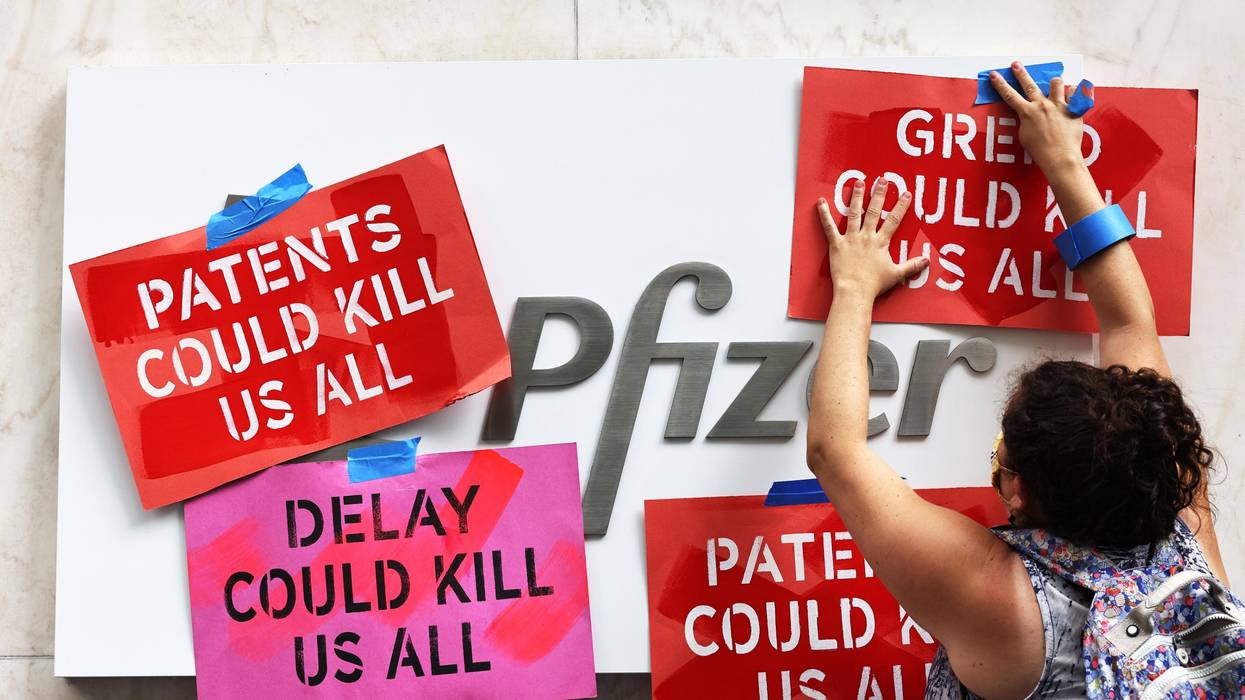
That was how the International Federation of Pharmaceutical Manufacturers and Associations (IFPMA)—a powerful industry trade group whose membership list includes Pfizer, Moderna, and Merck—described the meeting with Kishida, which took place less than a month after the World Health Organization (WHO) formally declared the coronavirus pandemic over as a global health emergency.
The death toll from the pandemic is believed to be in the tens of millions, and research has shown that many deaths could have been averted with more equal vaccine access worldwide.
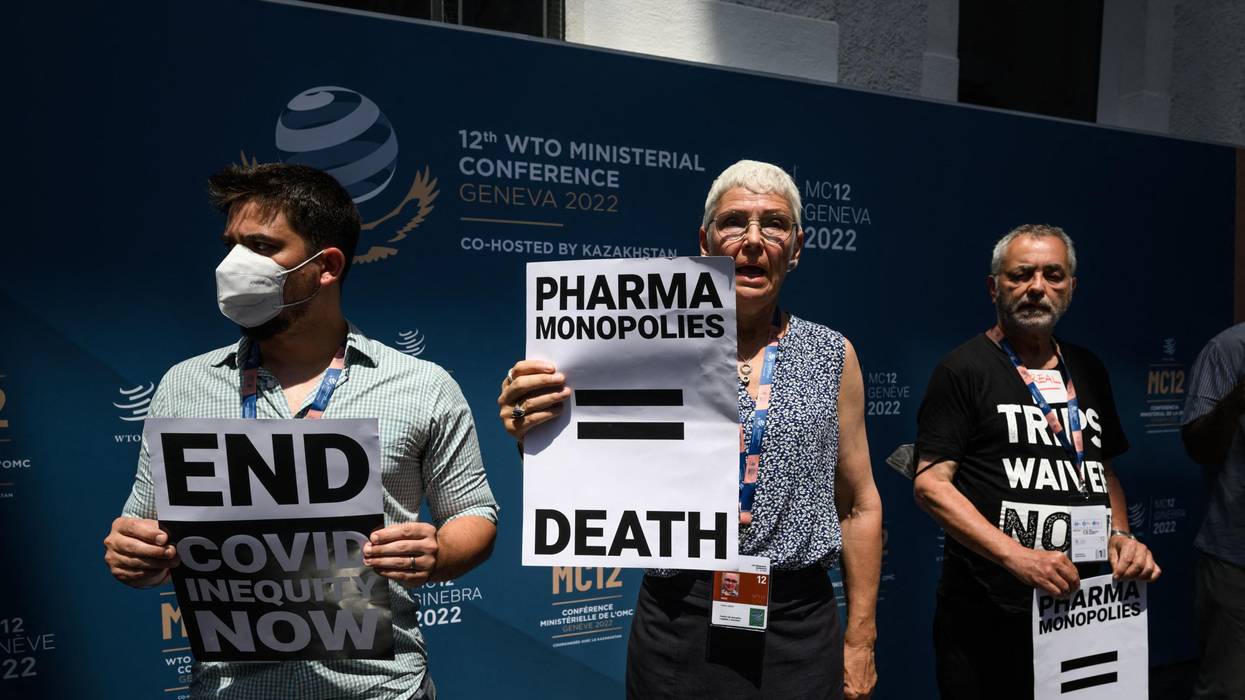
But efforts to remove barriers that hindered vaccine production and distribution—including patent laws—were blocked by rich countries at the behest of the pharmaceutical industry, which furiously opposed any changes that threatened their monopoly control over the lifesaving shots.
IFPMA was at the center of those aggressive lobbying efforts.
"We cannot double-down on implementation of intellectual property rules that make pandemics longer, costlier, and deadlier."
In their letter to G7 leaders—a group that includes Kishida, U.S. President Joe Biden, and Canadian Prime Minister Justin Trudeau—the scientists expressed dismay that the pharmaceutical industry is still "advocating a maximalist approach to intellectual property, disregarding the impact on public health."
"This is an extreme view that flies in the fact of mainstream scientific opinion," they wrote. "This position endangers the kind of scientific collaboration that is essential to properly prevent, prepare for, and respond to health crises, especially infectious diseases. It condemns most people who live in low and middle-income countries to remain at the back of the line in any future pandemic and exposes them inequitably to death and devastation for longer than people in high-income countries."
Dr. Craig Spencer, associate professor of the practice at Brown University School of Public Health and one of the new letter's signatories, said in a statement Thursday that "we believe that the right to health is more important than windfall profits, particularly in a health crisis."
"The pharmaceutical industry will always lobby to maximize their own profits, regardless of the impact on public health, but G7 leaders must resist," said Spencer. "We cannot double-down on implementation of intellectual property rules that make pandemics longer, costlier, and deadlier."
Another letter signatory, Dr. Quarraisha Abdool Karim of the Center for the AIDS Program of Research in South Africa (CAPRISA), added that "G7 Health Ministers have discussed preparing for the next pandemic but have not considered important lessons from Covid-19."
The letter cited one model that put the possibility of another pandemic as deadly as Covid-19 within the next 10 years at 27.5%. It also points to a study published in Proceedings of the National Academy of Sciences suggesting that "the annual probability of extreme epidemics occurring could increase threefold in the coming decades."
While the scientists said they were encouraged by elements of the WHO's draft pandemic treaty, noting that it includes "provisions to increase the transfer of medical technology to developing countries and to support the suspension of intellectual property rules," they expressed concern that those proposals could suffer the same fate as earlier efforts to waive patent rules.
"We are not asking you to force or demand that institutions are uncompensated for their work, but we urge you make sure compensation is fair and just, and to resist the lobbying of institutions that have prioritized profits over people and public health needs," the scientists wrote. "There is no time to waste."
"This vaccine isn't just Moderna's, it was developed in collaboration with a government agency," said one campaigner. "It should be available and affordable for everyone, everywhere."
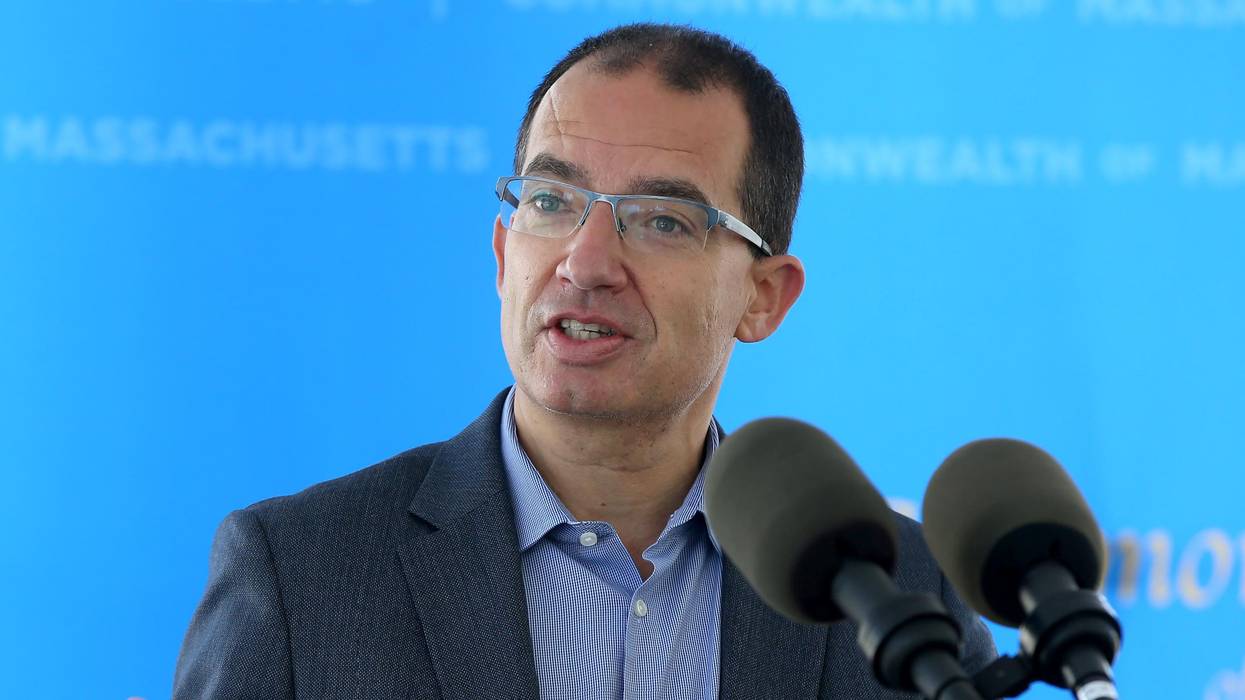
The Massachusetts-based pharmaceutical giant Moderna faced angry backlash on Tuesday following the CEO's announcement that the firm is considering pricing its Covid-19 vaccine somewhere between $100 and $130 per dose in the United States.
The upper end of that range, according to the People's Vaccine Alliance (PVA), would represent a 4,000% markup above the cost of manufacturing the shot, which experts have pegged at roughly $2.85 per dose.
"The sheer greed is obscene," said PVA policy co-lead Julia Kosgei, who stressed that "billions of taxpayer dollars went into the development of mRNA vaccines."
"This vaccine isn't just Moderna's, it was developed in collaboration with a government agency based on decades of publicly-funded research," Kosgei said. "It is the people's vaccine—and it should be available and affordable for everyone, everywhere."
Stephane Bancel, Moderna's billionaire CEO, defended the proposed price range in an interview on the sidelines of the J.P. Morgan Healthcare Conference in San Francisco, telling The Wall Street Journal that he believes "this type of pricing is consistent with the value" of the vaccine, which was developed with the crucial help of government scientists.
In 2020, Moderna admitted that 100% of the funding for its vaccine development program came from the federal government—which, despite its leverage, has refused to force the company to share its vaccine recipe with the world.
"We need to learn from this pandemic and break big pharma's monopolies."
Moderna's pricing plans come as the Biden administration is transitioning away from its free coronavirus vaccine program, shifting costs onto insurers and patients—and leaving the uninsured and underinsured with potentially significant bills.
In August, the Health and Human Services Department announced that "as early as January 2023, the administration anticipates no longer having federal funds to purchase or distribute vaccines and will need to transition these activities to the commercial market, similar to seasonal flu or other commercially available vaccines."
The Washington Post's Rachel Roubein noted Tuesday that "the federal government has paid far less for the company's vaccine than the potential price for commercial insurers. Moderna's updated booster shot cost the Biden administration about $26 per dose last summer, according to federal supply contracts."
The Kaiser Family Foundation (KFF) warned in a recent policy brief that the commercial price of coronavirus shots "could discourage vaccination."
"The suggested average price for Covid-19 vaccines after commercialization ($96 to $115 per dose) is significantly higher than the commercial price for the annual flu vaccine ($18 to 28 per dose), and could be a cost barrier for the uninsured and underinsured, who have no guaranteed mechanism for receiving COVID-19 (or any) vaccines once federal supplies are depleted," KFF observed. "While most consumers with public and private insurance will be protected from having to pay directly for vaccine costs, those who are uninsured and underinsured may face cost barriers when the federally-purchased vaccine doses are depleted. In addition, as private payers take on more of the cost of vaccinations and boosters, this could have a small upward effect on health insurance premiums."
In a statement, Kosgei argued that "it doesn't have to be like this."
"The World Health Organization is supporting a program to share mRNA vaccine technology with producers in low and middle-income countries," said Kosgei. "In a future pandemic, this could rapidly supply doses for the entire world, but Moderna's patents are standing in the way. We need to learn from this pandemic and break big pharma's monopolies."
"You're telling us the pandemic is over?" said one global public health official. "It's disingenuous."
Four months after U.S. President Joe Biden said in a television interview that "the pandemic is over," global immunization experts are warning that "pandemic fatigue" may be contributing to declining demand for Covid-19 vaccines in developing countries, even as vaccination rates in the Global South are far below the World Health Organization's target.
As The Washington Post reported Wednesday, Covax, the WHO-backed vaccine sharing initiative launched in 2020, expects to deliver about 400 million doses of Covid-19 vaccines in 2023, compared to roughly one billion doses that were distributed in lower-income countries in 2021 and 2022.
"As long as Africa lags far behind the rest of the world in reaching widespread protection, there is a dangerous gap which the virus can exploit to come roaring back."
Millions of doses sent to South Africa were thrown away in the second half of 2022, according to the Post, though only a third of the nation's population is fully vaccinated. WHO has called on countries to ensure 70% or more of each country's population is vaccinated against the coronavirus, but just 20% of people in low-income countries were immunized as of December.
The Post's report comes as some public health experts in the U.S. have criticized the Biden administration and the Centers for Disease Control and Prevention (CDC) for moving on from pandemic mitigation measure such as pushing for mask-wearing during Covid-19 surges, using metrics such as overwhelmed hospitals—rather than transmission numbers—to determine whether communities are considered to be at high risk for outbreaks, and shortening the recommended isolation period for people who have been infected.
As Science News reported last month, when Biden declared the pandemic over in September, 10,000 deaths from Covid-19 were still being recorded each week—"10,000 too many, when most of these deaths could be prevented," WHO Director-General Tedros Adhanom Ghebreyesus said at the time.
Ayoade Alakija, co-chair of the African Union's African Vaccine Delivery Alliance, told the Post Wednesday that "wealthy nations were sending the wrong message to other countries that were not as highly vaccinated."
"You're telling us the pandemic is over?" Alakija said. "It's disingenuous."
Pandemic fatigue has also become evident in vaccination rates in the U.S., with only half of the country's vaccinated population having received booster shots, according to the CDC.
The larger vaccination gaps in the lower-income countries could raise the chance that new variants emerge and spread across the globe, public health experts have long warned.
"As long as Africa lags far behind the rest of the world in reaching widespread protection," Matshidiso Moeti, Africa director for WHO, said in October, "there is a dangerous gap which the virus can exploit to come roaring back."
You know what would actually benefit politics in the United States? A media system that was willing to point out who was causing demonstrable problems, rather than pretending that "both sides" are always to blame.
The Washington Post (12/16/22) had a recent headline: “Can Politics Kill You? Research Says the Answer Increasingly Is Yes.” And the lead of the article, by Akilah Johnson, told readers of two studies that reveal what it calls “an uncomfortable truth”:
The toxicity of partisan politics is fueling an overall increase in mortality rates for working-age Americans.
But when you read further into the article, you find that politics is not really the problem here. One of the studies, the Post reported, found that “people living in more conservative parts of the United States disproportionately bore the burden of illness and death linked to Covid-19.” The other found that “the more conservative a state’s policies, the shorter the lives of working-age people.”
So the problem is not so much “politics” as it is conservatism. Indeed, the article noted that one of the reports found “if all states implemented liberal policies” on the environment, guns, tobacco, and other health-related policies, 170,000 lives would be saved a year.
Still, the analysis in the piece centered around the idea that it is not right-wing ideology, but lack of bipartisanship, that is to blame—as in, “The division in American politics has grown increasingly caustic and polarized.”
You know what would actually benefit politics in the United States? A media system that was willing to point out who was causing demonstrable problems, rather than pretending that “both sides” are always to blame.
Reporting like that could actually save lives.
Anti-hunger advocates and economists are lauding the permanent food assistance program for children in summer months--included in the $1.7 trillion spending package unveiled Tuesday--as an historic victory in the fight against food insecurity, while also noting that the funding mechanism for the plan will sharply reduce federal pandemic-era food benefits for people across the country.
The omnibus spending legislation that's being debated by the U.S. Senate Wednesday would create a "Summer Electronic Benefit Transfer" (EBT) debit card program for low-income families, providing a monthly $40 per child grocery benefit that would be adjusted for inflation over time.
Roughly 30 million children who are eligible for free or reduced-price school lunches would be automatically enrolled in the program, which would help their families to afford food in the summer--when low-income households have been shown to struggle with food insecurity at higher rates than during the school year.
The bill includes a provision allowing rural families to have summertime school meals delivered rather than having to pick them up--a requirement that has historically left 6 in 7 low-income children unable to access summer meals.
The Summer EBT program represents "a historic investment in the nutrition, education, and well-being" of millions of children, wrote Zoe Neuberger and Katie Bergh, senior policy analysts at the Center on Budget and Policy Priorities.
"Lawmakers should have looked to other offsets, including the revenue system, rather than ending these temporary food assistance benefits in this manner."
But a trade-off included in the spending package, cutting off pandemic-era increases to Supplemental Nutrition Assistance Program (SNAP) benefits--often called food stamps--is "troubling," added Neuberger and Bergh.
"The new permanent Summer EBT benefit is paid for by ending temporary emergency SNAP benefits (known as emergency allotments) earlier than expected," they wrote on Tuesday. "These emergency SNAP benefits have helped some of those whom the pandemic hit hardest afford groceries, but will now stop at the end of February instead of continuing (in states that would have chosen to do so) as long as the public health emergency is in place. Lawmakers should have looked to other offsets, including the revenue system, rather than ending these temporary food assistance benefits in this manner."
If the spending package passes, families who have benefited from boosted SNAP benefits will lose an average of $82 per person, per month.
The elimination of the program is expected to hit senior citizens hardest, with people who receive the minimum benefit seeing their monthly benefits plummeting from $281 to just $23.
"Food banks are going to be overrun" as they were when the coronavirus pandemic began, said John Corlett, president of the Center for Community Solutions in Ohio.
Crystal FitzSimons, a policy analyst with the Food Research and Action Center, noted that the public health emergency for which the SNAP emergency allotments were introduced "is not over," with the official designation currently in effect through January 11, 2023, having been renewed every 90 days since January 2020.
"Cutting SNAP to pay for child nutrition is not the right choice," FitzSimons told The Washington Post on Wednesday. "We still are in a public health emergency. These allotments have been a huge benefit to families to make ends meet at a time when we're still reeling from the impacts of the pandemic."
Sen. Debbie Stabenow (D-Mich.), who pushed for the inclusion of the Summer EBT program, said in a statement that lawmakers' work to address food insecurity "is far from over."
"I remain committed to passing a comprehensive child nutrition reauthorization," said Stabenow, "and also protecting the Supplemental Nutrition Assistance Program as we begin work on the 2023 Farm Bill."
While Big Pharma made no secret of its opposition to waiving patents for coronavirus vaccines, a new investigation published Thursday details the extent of the powerful industry's behind-the-scenes lobbying push as it sought to crush an effort to ramp up global production and distribution of the lifesaving shots.
Joint reporting by Politico and The Bureau of Investigative Journalism (TBIJ) revealed that pharmaceutical giants threatened several countries, including Belgium and Indonesia, with investment cuts if they decided to support a popular proposal to temporarily lift patent protections that have hindered vaccine production and distribution throughout the ongoing Covid-19 pandemic.
"Millions died without access to vaccines while pharmaceutical companies gouged extraordinary profits from the pandemic."
"Big Pharma used its vast lobbying and influencing efforts to try to kill a proposal that threatened the very tenets of the industry," the outlets report. "Top industry executives enjoyed direct access to senior officials within the E.U., which was opposed to the proposal from the very start and encouraged potentially rogue member states, including Italy and France, to fall into line."
"And the U.S., after a dramatic late intervention in favor of a waiver for vaccines eight months after the proposal had been tabled, failed to follow through as the Biden administration came under pressure from industry and Congress," they added.
The investigation uncovered several instances in which pharmaceutical giants directly pressured and threatened country officials over the patent waiver, which was originally introduced in late 2020 by South Africa and India. The version the World Trade Organization finally approved in June--almost two years and millions of coronavirus deaths later--was so thoroughly gutted that it could no longer be accurately described as a waiver.
An adviser to the Belgian prime minister recounted a phone call they received in 2021 from a spokesperson for Janssen Pharmaceuticals, a Belgium-headquartered firm that is wholly owned by Johnson & Johnson, one of the major coronavirus vaccine producers eager to protect its stranglehold on production.
"According to the adviser, the spokesperson warned them that if Belgium supported a radical proposal made by India and South Africa at the World Trade Organization, then Janssen might rethink its vast billion-dollar research and development investments in Belgium," Politico and TBIJ noted.
While Belgium never formally endorsed the proposed patent waiver, "Janssen appears to have been worried that the country's stance might change, possibly after some Belgian politicians appeared receptive to the proposal," the outlets reported. "Soon after Belgium's development cooperation minister Meryame Kitir appeared on TV to support a lifting of vaccine IP protections in late April 2021, the adviser received a call from Janssen's public affairs spokesperson."
The adviser said the Janssen official warned that "if Belgium is supporting this, the [Johnson & Johnson] headquarters in New Jersey are going to be agitated and they might consider reviewing the R&D budget."
According to Politico and TBIJ, the Belgian official's account "echoes that of others around the world."
"An Indonesian official told the Bureau and Politico that, in 2020, when the country was in discussions with a different pharmaceutical company about a Covid-19 drug, the company pressured Indonesia on its waiver position," the investigation found. "The 'stick' was reduced investment, the official said."
Unlike Belgium, Indonesia ultimately defied pharmaceutical industry pressure and joined more than 100 mostly developing countries in backing the waiver.
But it wasn't nearly enough to overcome opposition from rich countries--particularly Germany and other powerful members of the E.U., which faced immense lobbying pressure and spending from Pfizer, Moderna, and other pharmaceutical industry giants and trade groups such as the European Federation of Pharmaceutical Industries and Associations.
"Between January 2020 and September 2022, 13 pharmaceutical lobby groups and companies held nearly 100 meetings with the most senior [Eureopan] Commission officials," Politico and TBIJ found. "In the U.K., there were more than 360 meetings between January 2020 and March 2022--equivalent to nearly one every two days. Boris Johnson personally attended 11 of them."
Max Lawson, co-chair of the People's Vaccine Alliance and head of inequality policy at Oxfam, said in response to the investigation that "these shocking allegations are a testament to the huge unaccountable power of big business in global politics."
"Millions died without access to vaccines while pharmaceutical companies gouged extraordinary profits from the pandemic," Lawson added. "Rich countries expressed warm words and pledged donations, but to Germany, the U.K., Switzerland, and the European Commission, it was apparently just a PR exercise. In the end, global solidarity was snuffed out by the wealthy pharmaceutical lobby, which is not how a healthy democracy should function."
More than 1,400 people around the world are still dying each day from Covid-19, and poor nations are still struggling to obtain sufficient vaccine doses and therapeutics. To date, just 23.4% of people in low-income countries have received at least one coronavirus vaccine dose.
While Politico and TBIJ's findings offered a grim look at how corporate power and influence peddling can stamp out critical public health initiatives behind closed doors, Lawson argued that there is still "a glimmer of hope amid these revelations."
"The narrow outcome of TRIPS negotiations set an important precedent, recognizing that intellectual property rules are a barrier to accessing medical tools," Lawson said. "World Trade Organization members are now deciding whether to extend the decision to cover tests and treatments. That could ensure that everyone, everywhere has access to lifesaving medical tools that reduce Covid-19 hospitalizations and death."
"While Big Pharma will once again use all of its lobbying might to protect its medical monopolies," he added, "governments must ensure this time that they put people's lives before profits."
Vaccine equity campaigners on Friday condemned Pfizer for announcing that it will soon raise the price of its publicly funded Covid-19 shot to between $110 and $130 per dose in the U.S., a move that comes as the Biden administration is preparing to end the nation's free coronavirus vaccine program as pandemic response funding runs dry.
Reuters reported late Thursday that Angela Lukin, an executive at Pfizer, said the New York-based pharmaceutical giant "expects" that the vaccine "will be made available at no cost to people who have private insurance or government-paid insurance."
"This latest obscene price hike is truly a mask-off moment for one of the great profiteers of this pandemic."
The outlet noted that Lukin did not say whether the company will make any accommodations for the tens of millions of people in the U.S. without any health insurance.
The People's Vaccine Alliance said in a statement Friday that Pfizer's planned price hike would amount to a 10,000% markup above the cost of producing the vaccine, which is estimated to be as low as $1.18 per dose.
The U.S. currently pays around $30 per dose for Pfizer's shot.
"While health workers and the vulnerable continue to go unvaccinated in developing countries, Pfizer is shamelessly fleecing the public for ever-greater sums of money," said Julia Kosgei, policy adviser to the People's Vaccine Alliance. "This latest obscene price hike is truly a mask-off moment for one of the great profiteers of this pandemic."
In the second quarter of this year, Pfizer reported a 78% increase in overall profit compared to the same period in 2021 and said its coronavirus vaccine revenue was $32 billion. The firm is set to report third-quarter earnings early next month.
"This is daylight robbery," Kosgei said of the coming price increase. "Governments must not stand by while companies like Pfizer hold the world to ransom in a global pandemic."
"This isn't just about vaccines," Kosgei added. "Right now, people in developing countries are dying without access to Paxlovid, an antiviral Covid-19 treatment for which Pfizer is charging hundreds of dollars per course. But there is a proposal at the World Trade Organization that would make it easier for poorer countries to produce generic doses. It's time for governments to stand up to pandemic profiteers and support it."
Earlier this year, rich countries at the World Trade Organization tanked a popular proposal to temporarily waive coronavirus vaccine patents, a step that would help facilitate the production of generic doses for developing nations. At present, just 23.3% of people in low-income countries have received at least one coronavirus vaccine dose.
Pfizer, along with other pharmaceutical giants, fervently opposed the patent waiver as it sought to preserve its control over production and distribution of the shots, which were developed using government-funded technology.
During a recent panel discussion, World Health Organization Director of Health Emergencies Mike Ryan said the failure to ensure global vaccine equity and prevent millions of deaths was "because of the greed of the north" and "the greed of the pharmaceutical industry.
"We failed because of the self-interest of certain member states that were not prepared to share," Ryan added.
The Biden administration, which has faced criticism for falling short of its vaccine donations pledges, is taking steps to transition away from providing free vaccines to the U.S. public.
As the Wall Street Journal reported in August, the shift will give "more control of pricing and coverage to the healthcare industry in ways that could generate sales for companies--and costs for consumers--for years to come."
The early stages of the transition have begun amid mounting fears of a winter spike in coronavirus infections and deaths. Just 4% of eligible people have received the newest Covid-19 booster, according to government data.
While the Biden administration has called for additional pandemic response funding to purchase more tests, treatments, and next-generation vaccines, the effort faces opposition from Republicans who have seized on President Joe Biden's recent claim that the "pandemic is over" to justify blocking the White House's request.
"We know from our clinical and research experience that the pandemic is far from over, and that national efforts to secure the health and well-being of the American public are far from complete," a group of health experts wrote in an open letter earlier this month. "We are deeply concerned that the Biden administration is minimizing Covid at a time when it needs to be redoubling its efforts to ensure funding and resources to prevent another surge."
In less than three months, millions of people across the U.S. could be kicked off Medicaid and see their food benefits slashed if the Biden administration declines to further extend the federal public health emergency that was first declared at the start of the coronavirus pandemic.
Last week, Health and Human Services Secretary Xavier Becerra announced an extension of the public health emergency (PHE) until January 11, but it's not clear whether the administration is planning another renewal--leaving millions of households concerned about their health coverage and Supplemental Nutrition Assistance Program (SNAP) benefits.
"Urgent action will be necessary to stabilize health and food security among those at greatest risk."
More than 40 million people across the U.S. are currently receiving SNAP benefits and around 90 million are on Medicaid or the Children's Health Insurance Program (CHIP).
In an op-ed published by STAT on Tuesday, Allison Maria Lacko, Allison Bovell-Ammon, and Richard Sheward noted that "many individuals and families will experience the cumulative impact of losing access to both Medicaid and SNAP or losing access to Medicaid and having SNAP benefits reduced."
Coronavirus response legislation signed into law in March 2020 boosted state Medicaid and SNAP funding and loosened eligibility requirements, allowing millions more people to enroll as the pandemic wreaked havoc. Crucially, the bill also included a "continuous coverage" requirement that bars states from removing people from Medicaid while they're still receiving the extra federal funding.
That provision has allowed millions of people, including kids on CHIP, to maintain health coverage throughout the deadly pandemic, which threw millions out of work and off their employer-provided insurance.
Once the PHE is allowed to lapse, states will resume eligibility screenings and begin removing people from the program if they're deemed ineligible. The Biden administration estimated in a recent study that 15 million people--including more than 5 million children--could lose coverage once the PHE declaration ends.
The administration stressed that many could have their coverage stripped despite still being eligible for Medicaid, a problem attributed to "administrative churning" that "can occur if enrollees have difficulty navigating the renewal process, states are unable to contact enrollees due to a change of address, or other administrative hurdles."
Emergency SNAP expansions will also unwind, a potential disaster as hunger remains high across the U.S. even as pandemic-related measures have largely kept it from skyrocketing.
The Food Research and Action Center estimates that most SNAP recipients will see their benefits cut by $82 a month when the PHE ends.
In their STAT op-ed, Lacko, Bovell-Ammon, and Sheward argued that "urgent action by healthcare systems, community organizations, and all levels of government will be necessary to stabilize health and food security among those at greatest risk."
"While vaccines and treatments lessen the life-altering threat of Covid-19," they added, "it is important not to lose sight of the imminent danger to health posed by the expiration of effective expansions of Medicaid and SNAP."
HHS has said it will give states a 60-day notice before lifting the PHE, which has been extended 11 times since the start of a pandemic that is still killing hundreds of people every day in the U.S.
Last month, President Joe Biden claimed during an interview that "the pandemic is over," a remark that congressional Republicans cited to demand a formal end to the PHE and billions in Medicaid funding.
While advocates have been warning for months that the end of the PHE could come with devastating consequences for vulnerable Medicaid and SNAP recipients--and public health more broadly--little has been done at the state or federal level to avert disaster.
Advocates have urged Congress to use must-pass spending legislation to shore up Medicaid and SNAP benefits before millions lose access.
"Congress can help maintain recent health coverage gains through enacting policies including postpartum coverage, continuous eligibility, and funding for Puerto Rico and the territories," Allison Orris, a senior fellow at the Center on Budget and Policy Priorities, wrote earlier this month.
"As policymakers negotiate the year-end spending bill," Orris added, "they should also consider other policies--such as a permanent reauthorization of CHIP and inclusion of the proposed Medicaid Reentry Act--that also could help people with low incomes gain, retain, or access the coverage they need."
Experts on Wednesday voiced rising concern that the U.S. is on the verge of replicating the deadly failures of the Covid-19 pandemic after a review of public records revealed that the world's richest country currently possesses 80% of the global supply of monkeypox vaccines, leaving poor and vulnerable nations with little to no access.
"Once again, vaccines for an outbreak are not available in the vast majority of countries."
The watchdog group Public Citizen noted in a new analysis that the U.S. accounts for 36% of all global monkeypox cases recorded thus far but the country has secured the vast majority of the available vaccine supply.
As of August 25, Public Citizen found, the U.S. had obtained 1.1 million monkeypox vaccine doses--22 times more doses than the European Union and the United Kingdom and around 66 doses for every case recorded in the country to date.
In total, the U.S. has ordered 7 million monkeypox vaccine doses. Meanwhile, Public Citizen observed, "African countries where monkeypox is endemic, including the Democratic Republic of Congo, neither have access to doses nor orders secured, despite recording multiple deaths."
Peter Maybarduk, director of Public Citizen's Access to Medicines Program, said in a statement that "once again, vaccines for an outbreak are not available in the vast majority of countries, including in the African states that have fought monkeypox for years."
"We still are waiting for President Biden to put forward a plan to fight global monkeypox and avoid the tragic mistakes of the Covid crisis," Maybarduk added.
The group argued Wednesday that the Biden administration should deploy the Defense Production Act to convert stored vaccine bulk into millions of finished monkeypox vaccine doses "to help surge global supply."
"It should also work with partners to transfer technology and help shore up global vaccine production, including in Africa," Public Citizen added. "Last month, the director of the Africa CDC described the stakes for monkeypox: 'The solutions need to be global in nature,' he said. 'If we're not safe, the rest of the world is not safe.'"
Such massive inequities in vaccine access resemble the ongoing crisis of coronavirus vaccine distribution, which has been overwhelmingly concentrated in rich countries as pharmaceutical companies cling to monopoly control over production.
Though monkeypox--which the World Health Organization declared a global public health emergency last month--and Covid-19 are very different diseases, similar dynamics are marring countries' efforts to inoculate vulnerable populations.
Nick Dearden, director of the U.K.-based advocacy group Global Justice Now, wrote in a column for The Guardian earlier this month that development of the monkeypox vaccine "was funded, to the tune of $2 billion, by the U.S. government, but like most medicines, it was patented."
"Bavarian Nordic, which holds the patent, dictates who can make the vaccine, how many doses are made, who gets to buy them, and at what price," Dearden added. "How many more times must we approach public health emergencies with both hands tied behind our backs by this pharmaceutical monopoly model?"
More than 50,000 monkeypox infections and just around a dozen deaths have been reported in roughly 100 countries since the global outbreak began earlier this year. On Tuesday, Texas reported what is believed to be the first monkeypox death in the U.S.
"Alarm bells are ringing," said Zain Rizvi, a research director in Public Citizen's Access to Medicines program. "As we have learned all too painfully throughout the coronavirus pandemic, we can't solve a global public health emergency through national policies alone. A global plan is needed to curb this global crisis."