‘Good Day for Democracy’: Lula's Win in Brazil and Serbia Ousting Vučić Show Strength of ‘People Power’
"Israel could be next on Tuesday, then the US midterms the following week," said one human rights advocate. "The best case against the autocrats is the autocrat."
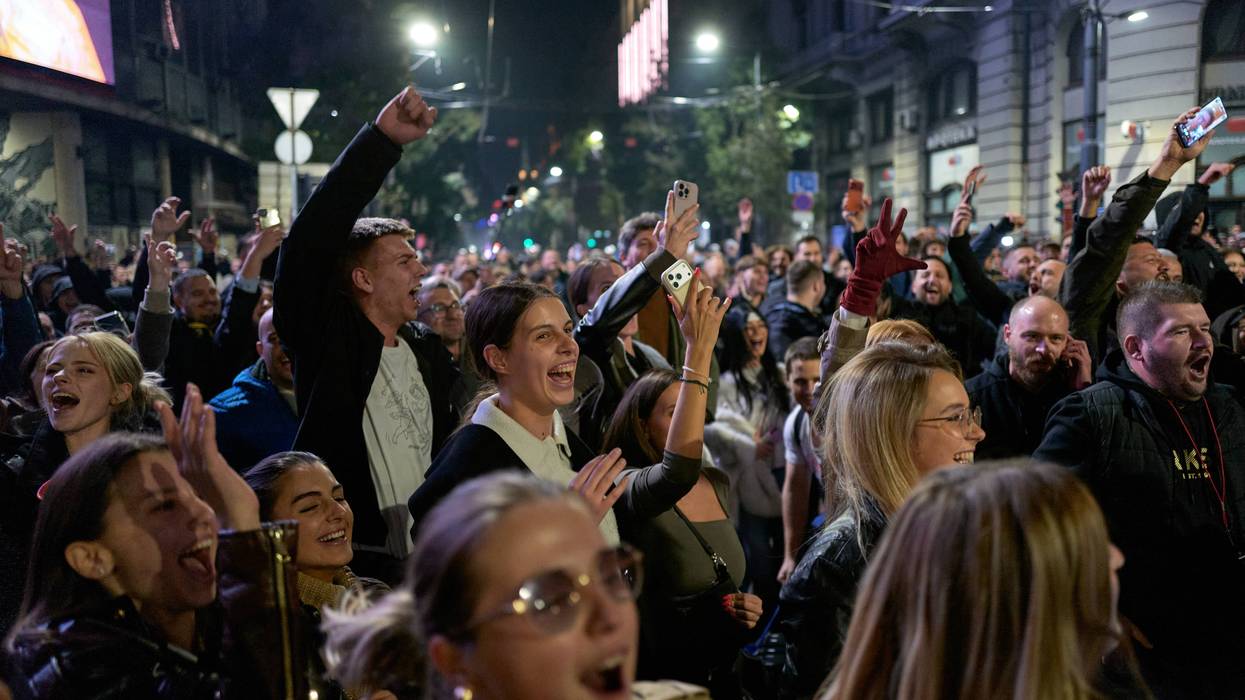
"There is nothing inevitable about the far right," said one former Obama administration official Sunday night as supporters of the left-wing Student List in Serbia poured into the streets of Belgrade and other cities across the Balkan country, celebrating their defeat of right-wing President Aleksandar Vučić, who has led the nation for nearly a decade and has been accused of corruption and autocratic rule.
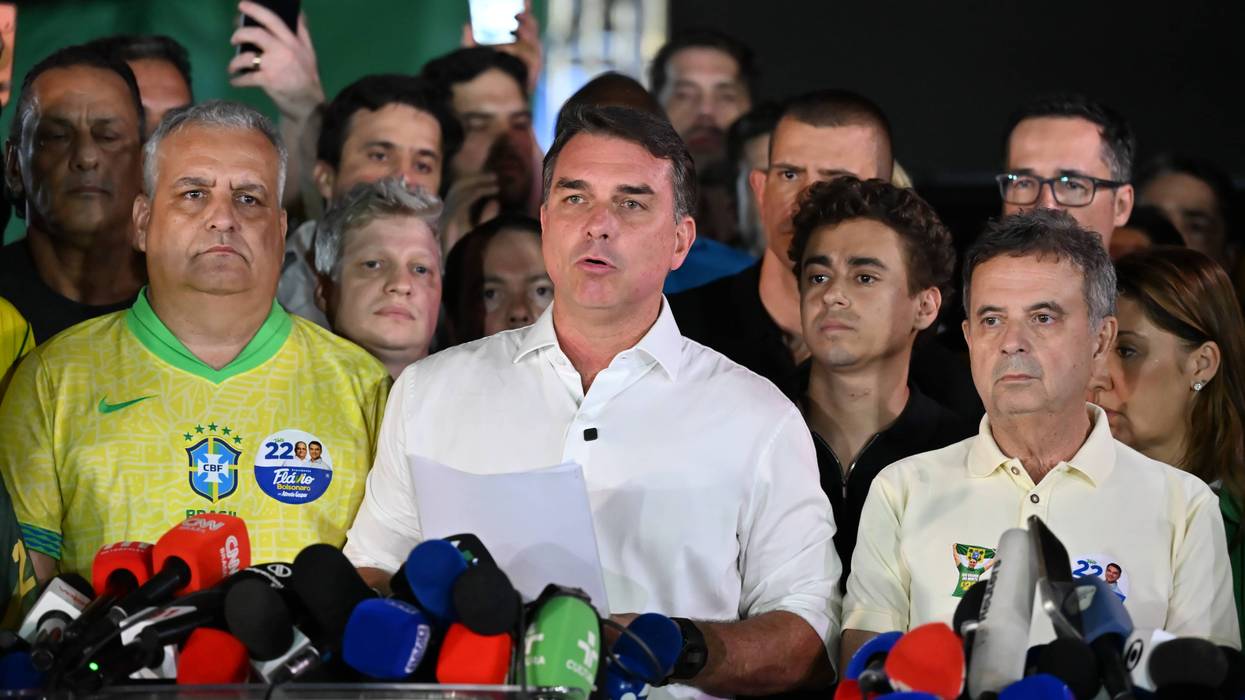
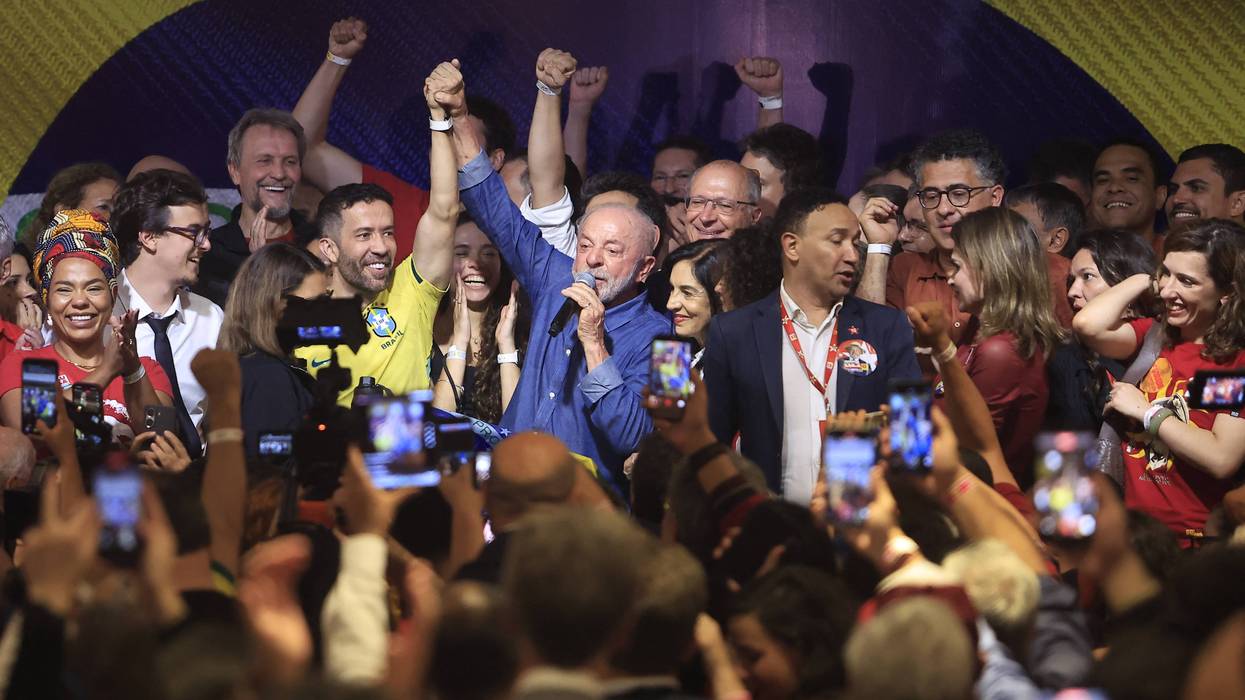
The Student List's victory coincided with that of Brazilian President Luiz Inácio Lula da Silva, who was also backed by a student-led movement that marched through Rio de Janeiro and other cities in recent weeks, as US President Donald Trump was accused of election interference on behalf of right-wing Sen. Flávio Bolsonaro, Lula's opponent.
Both countries reported high voter turnout in the pivotal elections, proving, as journalist Anne Applebaum said, "that voters can alter what feels like a historical shift."
In Serbia, Vučić said it was "clear that we have lost the election,” as results showed his Serbian Progressive Party (SNS) had won about 105 seats while the Student List had won at least 135.
The Student List movement, officially registered by the Republic Electoral Commission as “Studentska lista—Studenti pobeđuju” (Student List—Students Win) began in November 2024 after the concrete roof of a newly renovated train station in Novi Sad collapsed, killing 16 people. Students and other Serbians blamed corruption and negligence by Vučić's government, and soon began blockades at a majority of the country's higher education institutions.
Rallies in the coming year drew hundreds of thousands of people. The political movement that grew out of the sustained protests called for an independent judiciary, a special prosecutor to hold public officials accountable, independent reviews of major infrastructure projects, a higher minimum wage, and better funding for education, healthcare, and agriculture.
A cardiologist and professor from Novi Sad, Ilija Srdanović, topped the list of 250 candidates that the Student List put forward ahead of the snap elections on Sunday, but the movement has said Srdanović will not automatically be its choice for prime minister. The list of candidates for Serbia's 250-seat Parliament includes doctors, farmers, activists, athletes, and actors.
“Never again tyrants in our country," Srdanović said after the defeat of Vučić, who was prime minister before becoming president in 2017 and has been Serbia's central political figure since 2012, developing a reputation for threatening his critics and cracking down on press freedom.
One Student List supporter, Sara, told The Guardian in Belgrade, “It’s very strange that on the very streets where the police beat us, on the streets where we retreated countless times in the face of the gendarmerie, we are now standing here as the victors."
Nebojsa Cosic said to Reuters: “The people have won! The people defeated a dictator! The people will lead Serbia!”
In Brazil, thousands rallied ahead of the runoff election between Lula and Bolsonaro, the son of convicted former President Jair Bolsonaro, a close Trump ally who is serving a 27-year sentence under house arrest for orchestrating a coup attempt after his election loss in 2022.
Right-wing candidates won a significant number of seats in the earlier elections, which followed Trump's push to secure partnerships across Latin America—stoking fears that Bolsonaro could win Sunday's runoff and pushing students to lead pro-Lula rallies and marches across the country.
At a Copacabana Beach rally in Rio on Saturday, supporters carried a yellow and green banner that read, "We are going to turn this around!"
Isabella Graze, a retired teacher who joined a 10-million member WhatsApp group aimed at mobilizing pro-Lula voters, told The Guardian that “being a soldier in Lula’s army... means fighting for Brazilian democracy. This isn’t a normal election."
The Serbian and Brazilian elections came two days before Israelis are set to vote, potentially ending the long-running term of Prime Minister Benjamin Netanyahu, an accused war criminal whose US-backed government has waged war on Gaza, killing more than 74,000 Palestinians, and pushed to violently take control of more of the occupied West Bank.
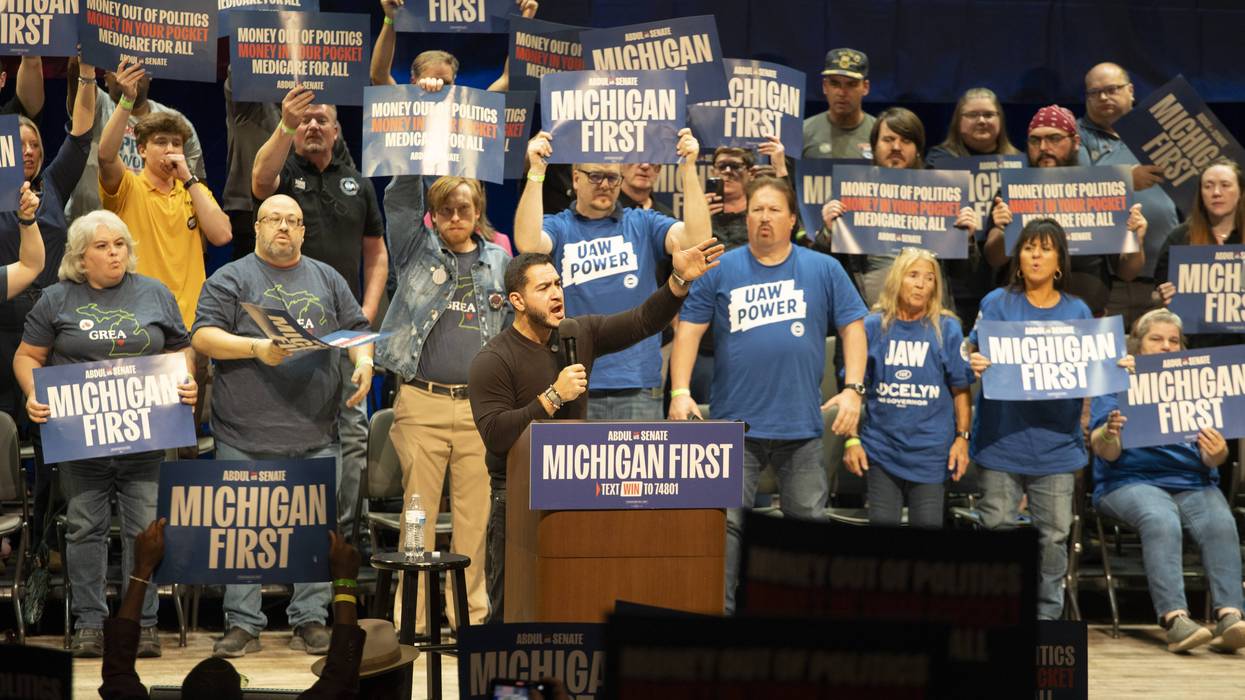
They also came just over a week before the midterm elections in the US, with Democrats pushing for congressional control to rein in Trump for the final two years of his term. The campaign has been marked by openly racist, anti-Muslim attacks by Trump and his allies on Michigan US Senate candidate Abdul El-Sayed, a Republican ad claiming that Ohio Democratic gubernatorial candidate Amy Acton lied about her abusive childhood, and persistent claims by the president that the cost of living is down, contrary to all evidence.
"Feeling so much hope from the results out of Serbia and Brazil," said Rep. Yassamin Ansari (D-Ariz.). "This took tremendous people power, organizing, and grit. Now it’s time to turn our country around, too."
Kenneth Roth, former executive director of Human Rights Watch, said Sunday was "a good day for democracy."
"Israel could be next on Tuesday, then the US midterms the following week," said Roth. "The best case against the autocrats is the autocrat."