

SUBSCRIBE TO OUR FREE NEWSLETTER
Daily news & progressive opinion—funded by the people, not the corporations—delivered straight to your inbox.
5
#000000
#FFFFFF
To donate by check, phone, or other method, see our More Ways to Give page.
Daily news & progressive opinion—funded by the people, not the corporations—delivered straight to your inbox.
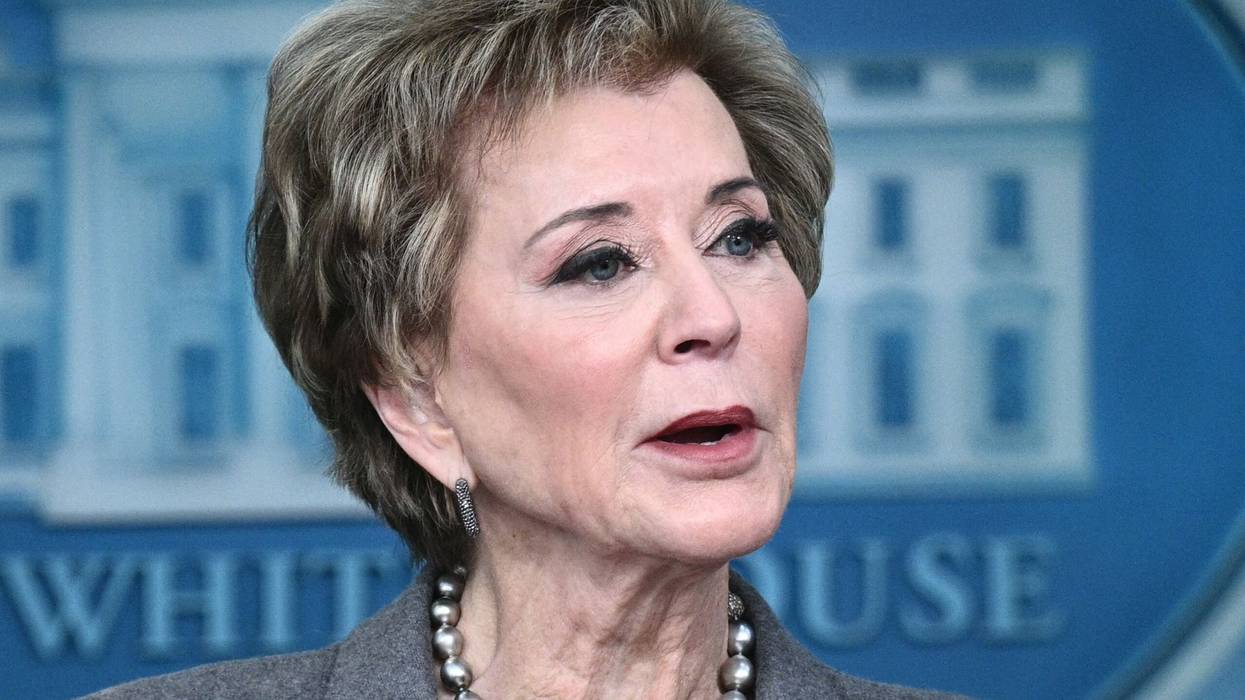
"The fact that they’re dropping this rule into place abruptly, without a comment period," said one advocate, "shows how little they care about the safety of our students.”
Education Secretary Linda McMahon's announcement that the Trump administration was formally rescinding Biden-era anti-discrimination protections was enough to spark outrage among women's rights and LGBTQ+ advocates on Monday—but one group pointed to officials' decision to make the change without gathering feedback from the public as even more reason for outcry.
"You get no say," said Human Rights Campaign (HRC) as the Education Department announced it was taking former President Joe Biden's Title IX rules off the books and returning to President Donald Trump's 2020 regulations, which set stricter standards for what constitutes sexual harassment and requires colleges to hold court-like hearings regarding complaints of sexual misconduct, complete with witnesses who can challenge the credibility of survivors or the accused.
HRC said the administration was displaying "contempt for the rule of law and democratic governance" as it "denied the public any opportunity to comment on the dangers of returning to these prior rules, and has announced that the changes will go into effect tomorrow."
"In its typical Orwellian fashion, the administration claims that 'engaging in public notice and comment would be contrary to public interest," said HRC.
Biden had amended Title IX regulations in 2024, clarifying protections against discrimination for students who are pregnant or are parents, transgender, or have other sex differences, and strengthening protections against sexual harassment and assault. The guidelines were subject to court challenges brought by Republican states.
The Trump administration has already been enforcing aspects of its own interpretation of Title IX, including by targeting schools that allow transgender students to play on women's and girls' sports teams. The Education Department said on social media Monday that in rescinding Biden's Title IX rules, "the Trump administration is formally putting into regulation what the law has said all along: Title IX’s protections are based on SEX, not 'gender identity.'"
Kelley Robinson, president of HRC, said Monday that Title IX "is, quite simply, about protecting students and ensuring that they are safe from abuse, harassment, and discrimination while they pursue their education. But Donald Trump and his cronies aren’t interested in any of that."
"Instead of enforcing protections for students, they’re rescinding them," said Robinson. "They don’t care if sexual harassment and assault go unaddressed. And they’re happy to strip funding away from school districts and states that are actually trying to keep students safe. We know who will be hurt: women, girls, and others who are vulnerable to sexual harassment, assault, and abuse—including LGBTQ+ students. The fact that they’re dropping this rule into place abruptly, without a comment period, denying families, educators, loved ones and the students themselves a say in how they should be treated, shows how little they care about the safety of our students.”
Democratic Gov. JB Pritzker of Illinois, a vocal critic of Trump and a potential 2028 presidential contender, said Monday that his state would continue working to ensure that all students of all gender identities are safe on campuses. He accused Trump of "once again attacking the civil rights protections that help make our country great."
At the National Women's Law Center, Shiwali Patel, the group's senior director of education justice, noted that the decision came as prosecutors reopened a high-profile sexual assault case at Cornell University, following public outrage.
“The Cornell University case is a devastating example of why robust federal Title IX enforcement matters,” said Patel. “Sexual harassment and assault continue to be pervasive in schools and, to the fullest extent possible, we should be working to enforce the laws that protect student survivors of sexual violence. Yet, Education Secretary Linda McMahon and the Trump administration have decided to ignore what survivors need, instead weaponizing Title IX to attack trans students."
“While the administration is unlawfully eroding protections for trans students under the guise of ‘protecting women and girls,’ they are systematically weakening the very laws that keep students safe and schools accountable," added Patel. "‘Protecting women and girls’ means not limiting Title IX protections based on students’ reproductive traits and anatomy and enforcing Title IX to make sure schools are inclusive spaces that provide equal educational opportunity for all students.”
At HRC, Robinson said the decision "drives home how essential it is that we take action at the polls this November to start bringing some accountability to an administration that has turned its back on the very students Title IX was written to protect.”
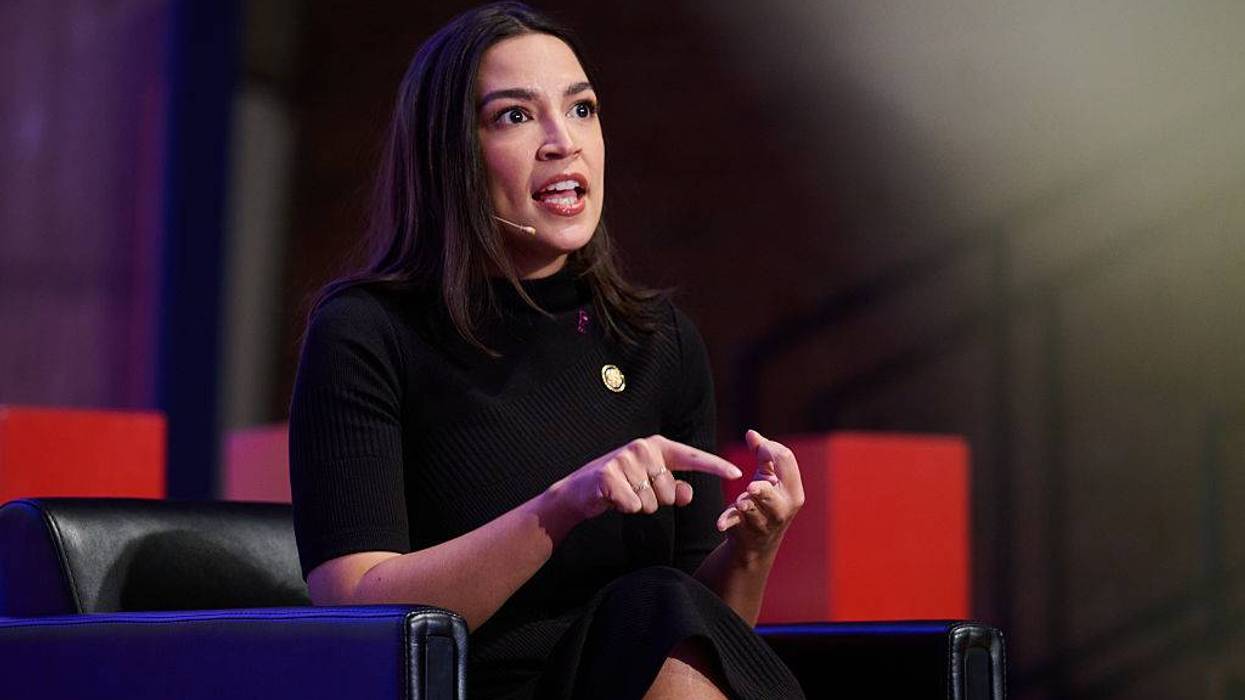
The congresswoman spoke in Ithaca, New York and other cities ahead of a possible 2028 US Senate run.
As national outrage grew over an alleged rape of a former Cornell University student by seven members of a fraternity in 2024, US Rep. Alexandria Ocasio-Cortez on Sunday condemned a culture in which students accused of sexual assault are "protected" while survivors like the woman in the Cornell case, identified as Jane Doe, are often forced out of their campus communities.
The progressive New York Democrat spoke at a town hall in Ithaca, which has been rocked in recent weeks by the news that Doe filed a lawsuit against the school and several campus organizations and individuals over the alleged crime.
Ocasio-Cortez is visiting several cities across New York State this week, kicking off a voter outreach effort and meeting local officials ahead of a possible 2028 US Senate run. She has also been named as a potential presidential candidate. The event she spoke at Sunday was hosted by More Perfect University and titled "Students vs. Billionaires," but Ocasio-Cortez began by speaking about the case, which prosecutors on Monday said they were reopening after learning of new evidence.
"The fact that Jane Doe, that survivor, lost her education—because you can't stay in school when something like that happens to you... the fact that she had to lose her education and those men were protected by an institution and granted an Ivy League degree as a reward—never again," said Ocasio-Cortez. "Never again."
.@AOC calls out Cornell University and shares her message to sexual assault survivors:
“The fact that Jane Doe, that survivor, lost her education… and those men were protected by an institution and granted an Ivy League Education — never again.” pic.twitter.com/rViWgbdUm0
— More Perfect University (@MPUniversityUS) September 27, 2026
The Cornell case centers around an incident that allegedly took place in October 2024 at the Chi Phi fraternity house in Ithaca, according to the plaintiff's lawsuit.
The student was visiting a friend at the house and was intoxicated when two male students coerced her into snorting a substance that they said was ketamine, the lawsuit says. She was then sexually assaulted, and one of the men subsequently sent a message in the fraternity's group chat on Snapchat inviting other members to assault the victim.
Doe's attorney, Thomas Giuffra, has said that two of the seven men named in the lawsuit were expelled from the school, while others were temporarily suspended or required to attend workshops or write essays.
Giuffra has also said that the Cornell Police Department did not follow up with Doe after her initial report, and that she was never contacted by a "specially trained detective or district attorney" regarding her allegations.
“In my experience, speaking with an abuse survivor requires delicacy, understanding, and specialized training," Giuffra told ABC News. "An average university police officer would not have these skills."
Matthew Van Houten, the district attorney for Tompkins County, New York, told ABC News Monday that his office was reopening an investigation into the case and considering whether to bring criminal charges. He told the outlet that the details of the assault in the lawsuit were "dramatically different” from the plaintiff's statement to police in 2024, when his office relied on the Cornell Police Department's investigation.
Two of the men accused in the lawsuit denied to ABC that they had committed sexual assault.
In 2024, Van Houten said, the victim did not allege that she was drugged or that she didn't consent to sexual activities. He also said his office had not been not provided with a screenshot of the Snapchat messages.
Giuffra suggested the university authorities had not passed the evidence along to the DA's office for its review of the investigation.
“My client went to the Cornell University Police because a crime was committed," Giuffra told ABC News. "It was the obligation of the police to investigate the complaints. They were given the group chat inviting the members of the fraternity to rape my client. This was a critical piece of evidence supporting that a crime had occurred. Despite this there was no follow-up with Ms. Doe either by the Cornell Police or the Tompkins County district attorney."
Ocasio-Cortez said Sunday that the fact that the students "posted in a group chat... means it was normal to them. That means it was acceptable to them. This is a culture, this is norms, these are practices. And what we must do is understand that we cannot protect those spaces anymore. We cannot."
After the lawsuit was filed on September 14, student journalists at the Cornell Daily Sun expressed outrage at the university's failure to publicly release information from a Title IX investigation Cornell officials opened regarding the alleged rape, which resulted in the expulsions and lesser punishments of the men accused of the attack.
"Safety is not adjacent to the educational mission—safety is, in fact, its precondition," wrote the editors of the student-run newspaper. "Cornell has said as much, in the document that governs the student conduct, which announces that it is 'intended to preserve a higher education community and residential campus where ‘any person’ in the community can pursue their education in a secure and nourishing environment.'"
"So we ask the questions the university has left unanswered," continued the editors. "If Cornell follows the law, then we should have access to a public deposition issued from the school, the Title IX investigation opened in January 2025, and how it concluded. Why were these men allowed to 'pursue their education in a secure and nourishing environment' and she was not? Why was she not informed of the outcome of her own Title IX investigation? Who benefited from the 23 months of elapsed time when the public knew nothing?"
The editorial named the seven men accused in the plaintiff's lawsuit, writing, "We know who you are and we refuse to let you benefit from this university's concealment."
Cornell on Monday released a statement saying it supported the Tompkins County DA's decision to reopen an investigation into the case, and rejecting claims that officials had not properly sanctioned the men named in the lawsuit.
In Ithaca, Ocasio-Cortez said that "a lot of work" needs to be done at the federal level to protect college students from assaults on campuses.
"The culture of rape," said the congresswoman, "is protected in elite institutions across the United States, including Cornell University... This entire country is sick and tired of not just financially corrupt, but morally corrupt leadership."
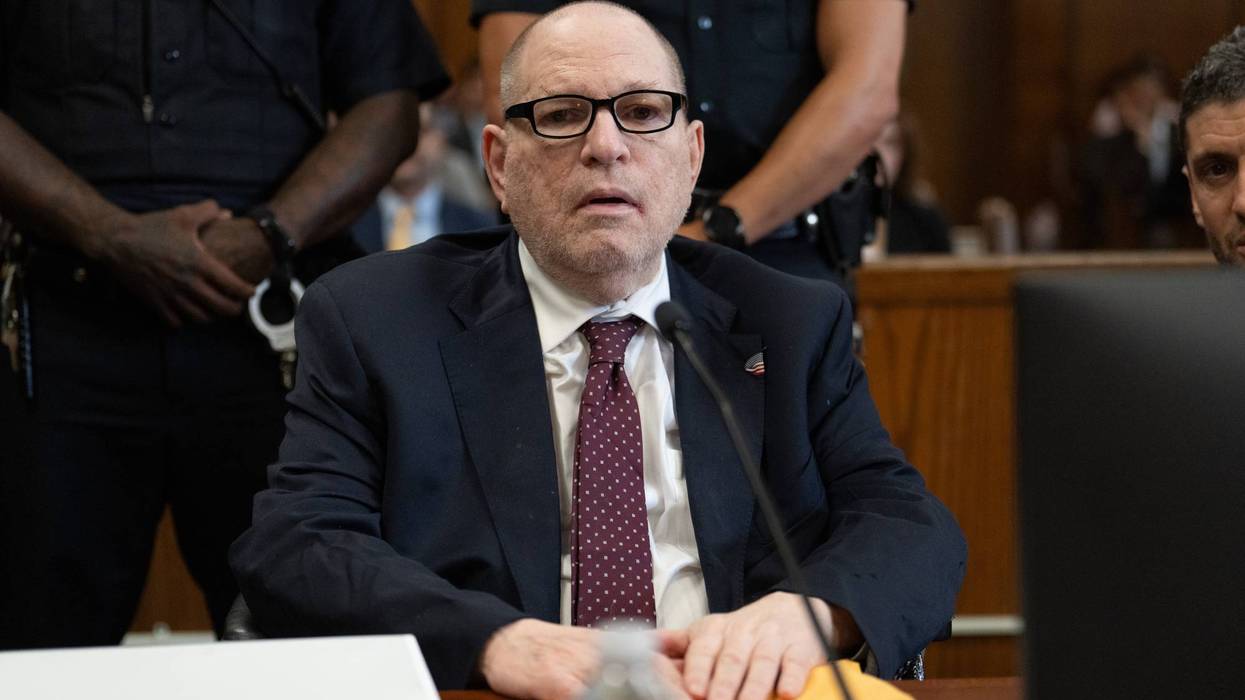
"Our work doesn’t end here," said one campaigner. "Across the country, it’s still the case that a majority of survivors of sexual abuse are often not served by our courts."
Disgraced Hollywood producer Harvey Weinstein was sentenced Wednesday to 15 years in prison for sexually assaulting former assistant Miriam “Mimi” Haley in 2006, prompting expressions of relief from survivors and advocates after nearly a decade of legal battles—and calls to improve how such cases are handled so that the process does not punish victims.
The sentence, handed down by Manhattan Supreme Court Justice Curtis Farber, adds to the prison time Weinstein has already served and follows his conviction last year for committing a first-degree criminal sexual act. With three separate felony sex crime convictions stemming from his 2022 California case still standing, Wednesday’s conviction marks the 74-year-old's fourth extant felony.
In 2020, Weinstein was sentenced to 23 years behind bars after a New York jury found him guilty of sexually assaulting Haley and raping aspiring actress Jessica Mann—but those convictions were overturned in 2024, sparking widespread anguish and outrage.
“Having been sexually assaulted by Harvey Weinstein has had a devastating effect on my life and sense of security that may never go away. Making the decision to speak up will have me looking over my shoulder for years to come," Haley—who testified at both New York trials—told the court Wednesday in her pre-sentencing victim impact statement. "It’s a life sentence for me."
No survivor should have to relive their most difficult moments to be heard, yet so many showed incredible bravery. We're grateful to @manhattanda.bsky.social for pursuing justice and the survivors who stood through such a challenging process to bring accountability to light. We stand with you ❤️
[image or embed]
— Safe Horizon (@safehorizon.bsky.social) September 23, 2026 at 1:02 PM
Haley—who had worked briefly on the Weinstein-produced reality show “Project Runway"—described the years of litigation, public scrutiny, and attacks on her credibility as deeply damaging. She said that she often considered dropping the case, a process she called one of the most difficult decisions of her life.
Prosecutors had sought a 20-year sentence, arguing that Weinstein had shown no genuine remorse and continued to portray himself as the victim, and that he had used private investigators and other intimidation tactics against Haley.
After Weinstein's sentence was announced, Manhattan District Attorney Alvin Bragg praised Haley and other survivors for their perseverance through the lengthy process.
“Today was about the survivors,” Bragg said. “Ms. Haley, her remarks were powerful, moving, and eloquent.”
Weinstein—who is expected to appeal—also addressed the court before Farber imposed the sentence. He apologized for causing Haley pain but again professed his innocence.
“I am not a perfect person. I live with many regrets and sincerely apologize for my actions," he said. “I do have remorse for Miriam Haley’s pain, but I have to reiterate my innocence.”
Farber wasn't having it, calling Weinstein "the literal face of the #MeToo movement."
A 2017 New York Times investigation into Weinstein led to a flood of allegations against him and others—sparking a #MeToo movement that featured a phrase coined by survivor and activist Tarana Burke more than a decade earlier.
“You had it all,” the judge said. “Your legacy could have been cemented with greatness. But you threw it all away by assaulting Miriam Haley.”
In June 2025, a Manhattan jury convicted Weinstein of first-degree criminal sexual act, a felony, for forcibly sexually assaulting Haley at his Manhattan apartment in 2006. He was acquitted of a separate first-degree charge involving former model Kaja Sokola. The jury deadlocked on the third charge, involving Mann's 2013 rape, resulting in a mistrial.
In California, Weinstein was convicted of felony rape, forcible oral copulation, and sexual penetration by a foreign object stemming from a 2013 assault. Originally sentenced to 16 years, a California appeals court upheld the convictions in June while ordering a pending resentencing.
Rose McGowan, one of Weinstein’s most prominent accusers and a major figure in the #MeToo era, posted an Instagram video reacting to the sentence.
“It’s done. I can’t really adequately explain what this is like, what this feels like,” McGowan said. “It’s too strange and surreal and massive exhale and massive fucking yes.”
“Enough,” she added. “Years stolen from so many of us. Thank you to the women in New York. You did this."
Gloria Allred, Haley's attorney, said that "Mimi underwent a trial by fire twice, and prevailed both times, unlike any other person in the 'MeToo' movement."
"Mimi is a true hero. She has survived all attempts both inside and outside of court to discredit her or question her motives,” Allred added. “To describe Mimi as courageous is an understatement. She faced her fears and overcame them.”
Elisa Batista, campaign director at the women-led gender justice group UltraViolet, said in a statement that “Harvey Weinstein, like so many powerful abusers, thought the system would enable and protect him forever. That era is over."
"This victory belongs to courageous survivors like Miriam Haley, Kaja Sokola, and Jessica Mann who came forward at great personal risk to tell their stories, as well as those abused by Weinstein who were unable to," Batista continued.
“Thankfully, justice was delivered. But our work doesn’t end here," she stressed. "Across the country, it’s still the case that a majority of survivors of sexual abuse are often not served by our courts,” said Batista. “We will continue to stand with survivors and fight the systems that enable and protect abusers—whether in Hollywood, the workplace, the White House, or anywhere else.”
Haley left the courthouse Wednesday surrounded by supporters, including other Weinstein accusers and Allred.
NEW YORK: Miriam Haley, alongside her attorney Gloria Allred, spoke to the press after Harvey Weinstein was sentenced to 15 years in prison. Haley said she “appreciated Judge Farber’s statement,” adding that she believed the “sentence was fair” and that she is “happy with it.” https://t.co/82CwIjRwXh pic.twitter.com/bN1M5DPlxX
— Los Angeles Magazine (@LAmag) September 23, 2026
“This being so public, for this having gone on for so long," she said, "it’s been really, really tough."
The US National Domestic Violence Hotline can be reached at 1-800-799-SAFE (7233), by texting "START" to 88788, or through chat at thehotline.org. It offers 24/7, free, and confidential support. DomesticShelters.org has a list of global and national resources.
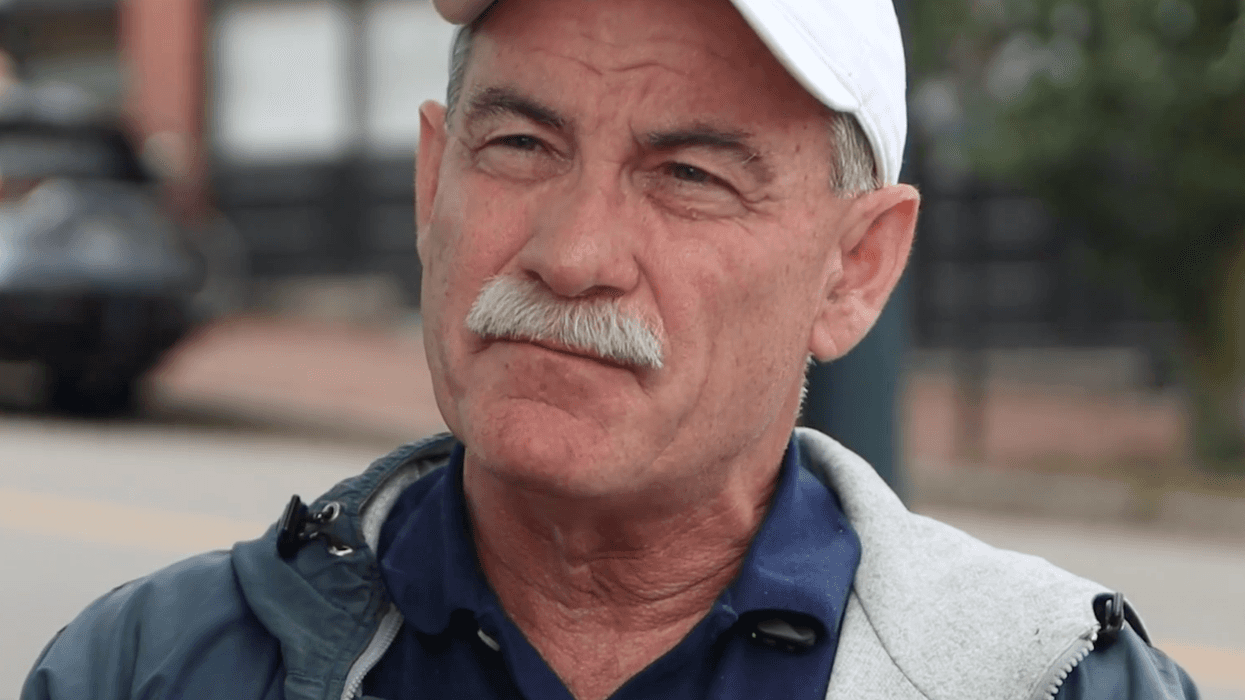
"Under the anti-choice positions Bobby holds today, even in cases of rape, I would not have been able to make a decision about my own body should that have become necessary," said Anita Charles, a sexual assault survivor.
Just two weeks after Maine gubernatorial candidate Bobby Charles drew national headlines with his comments about sending immigration agents to polling stations, the Republican's sister publicly explained why she won't be voting for him in November, calling out his campaign rhetoric and platform as well as his relationship with an infamous pedophile.
The campaign website for Bobby Charles, a former Washington, DC lobbyist, highlights that their mother was a public school teacher. In a Wednesday opinion piece for The Portland Press Herald, Anita Charles, a longtime educator herself, wrote that their mother taught them both "that how we treat other people matters."
"She taught us to be compassionate, not to name-call or judge people by their race, gender, religion, country of origin, or who they love. She taught us that differences do not diminish us, and that we have a responsibility to treat others with dignity. Those lessons shaped my entire life, as well as my career," according to Anita Charles. "They are also the reason I cannot support my brother's campaign for governor."
Anita Charles acknowledged that "Bobby and I have never agreed politically. For most of our adult lives, we have managed those differences with civility. But as divisive rhetoric has become central to his campaign, I can no longer remain silent. It shows up in how he talks about our schools, our vulnerable communities, and about women's healthcare."
She noted that "there is one issue I cannot discuss without speaking from the deepest part of my own experience: sexual assault."
As she detailed:
Bobby was a close friend and colleague of former House Speaker Dennis Hastert from 1995 to 1999. He praised Hastert and benefited from their relationship as he built his career in Washington. Hastert later admitted to sexually abusing children and was convicted of illegally paying hush money to conceal that abuse. Bobby has never publicly renounced that association.
That is difficult for me to understand because my own childhood was marked by sexual violence. Someone who was part of our lives for more than a decade was a pedophile who repeatedly assaulted me. My brother has known what happened to me for 50 years.
Under the anti-choice positions Bobby holds today, even in cases of rape, I would not have been able to make a decision about my own body should that have become necessary. This isn't a debate I'm observing from a distance; it's about my childhood. And it's about my ongoing health and well-being as a woman.
As the Bangor Daily News noted Wednesday, Bobby Charles' current "campaign website doesn't list any proposals about abortion," but he has "called abortion 'abhorrent' and supported the 2022 US Supreme Court decision overturning Roe v. Wade."
Arguing that "Maine deserves leadership rooted in empathy, dignity, intellectual honesty, and respect for every person who calls this state home," Bobby Charles' sister concluded that she will be voting for Democrat Hannah Pingree for governor.
The op-ed quickly circulated on social media after its publication. Local writer Anthony Emerson said that an "atom bomb dropped in the Maine governor’s race this morning."
Anita Charles' article came as her brother continues to face criticism for boasting about his ties to President Donald Trump's border czar, Tom Homan, at a Maine Young Republicans event and claiming that he would ask the federal offical to send US Immigration and Customs Enforcement (ICE) and US Marshals to the state's voting booths.
Maine AFL-CIO president Cynthia Phinney said in a Wednesday statement that "in Maine and the United States, voters elect our leaders in free and fair elections. Calling for masked federal agents to be deployed around polling locations is a cynical attempt to intimidate voters."
"No one should be afraid to show up and exercise their constitutional right to vote, but that's exactly what this is trying to do," Phinney continued. "Our union movement rejects this desperate political tactic, and we know our democracy is strongest when all of us show up to exercise our democratic rights in peaceful elections free from fear or intimidation."
Trump's weaponization of ICE has been a key issue in Maine politics this cycle—including the contest between Republican US Sen. Susan Collins and Democratic challenger Troy Jackson—particularly since an agent fatally shot Biddeford resident Johan Sebastián Durán Guerrero in July.
"Every Mainer deserves to feel safe in their own neighborhood," Pingree said last month. "As governor, I'll demand real, independent oversight, not empty promises. I'll keep fighting for accountability. ICE out of Maine."
The US National Domestic Violence Hotline can be reached at 1-800-799-SAFE (7233), by texting "START" to 88788, or through chat at thehotline.org. It offers 24/7, free, and confidential support. DomesticShelters.org has a list of global and national resources.
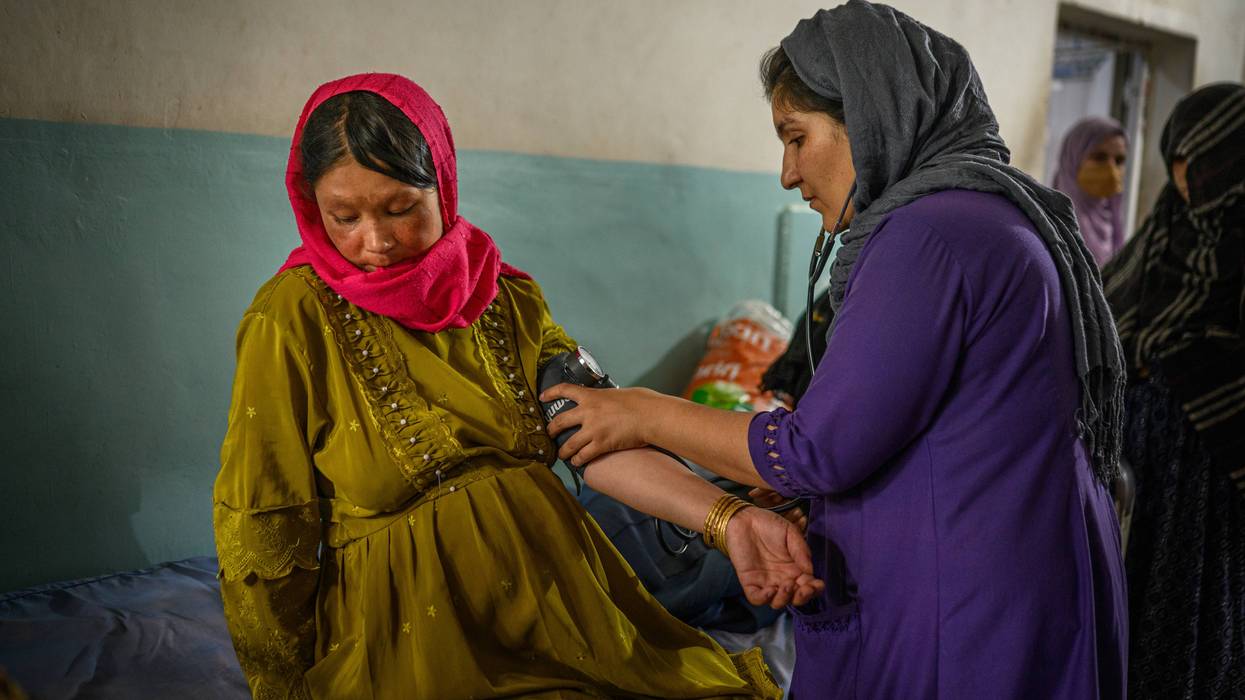
"Every dollar withdrawn from women's organizations is a dollar withdrawn from survivors of conflict-related sexual violence, displaced mothers, girls forced from school, and communities struggling to survive."
At least 1 million women and girls in conflict and disaster zones around the world have lost access to humanitarian aid as a result of massive funding cuts by the US under the Trump administration and other developed nations.
A report out on Friday from the United Nations Women's Program surveyed over 800 women's organizations across 52 countries, which provide emergency supplies, shelter to women fleeing violence, financial assistance to those in need, healthcare, mental health services, childcare, and treatment for sexual violence, among other support.
Sofia Calltorp, chief of humanitarian action for UN Women, described these organizations as "the muscle and lifeblood of the humanitarian response" in some of the world's most vulnerable war zones and disaster areas, including Afghanistan, the Democratic Republic of the Congo, Sudan, and Yemen.
But according to the report, since January 2025, 90% of these groups say they cannot meet current needs, and 60% say they are reaching fewer women and girls than before.
Three-quarters of the groups say that as a result of the cuts they have been forced to reduce staff, and four in ten expect to close in the next 12 months.
At the beginning of his second term, President Donald Trump conducted a sweeping and abrupt purge of US humanitarian aid, which fell from $14.1 billion in 2024 to just $3.4 billion in 2025.
Immediately after taking office, he froze all foreign assistance. And under the leadership of the world's first trillionaire, Elon Musk, and his so-called Department of Government Efficiency (DOGE), his administration suddenly canceled most funding from the US Agency for International Development (USAID), cutting development assistance by more than $40 billion, including over $10 billion in humanitarian assistance.
The US had previously provided 40% of all global humanitarian aid, and its stripping of funds was by far the most devastating. It was made worse when other nations, including France, Germany, and the UK, also cut billions as part of what is predicted to be a collective 28% reduction in aid from Group of 7 nations by the end of 2026, according to the Women's Refugee Commission.
As a report from Refugees International found, the Trump administration's cuts were especially targeted at programs that served women and girls around the world. They canceled 88% of maternal and child health funding, 94% of sexual and reproductive health funding, and 80% of gender-based violence prevention funding.
"Every dollar withdrawn from women's organizations is a dollar withdrawn from survivors of conflict-related sexual violence, displaced mothers, girls forced from school, and communities struggling to survive," Calltorp said.
The effects on the women who benefit from these programs have been swift and brutal, especially as global conflicts become more widespread and deadly.
While cases of conflict-related sexual violence doubled in 2025, nearly two-thirds of the women's groups surveyed said that the number of safe spaces and gender-based violence services has been significantly reduced or completely eliminated in their communities.
"Behind these numbers are devastating consequences," the UN said in a statement. "A woman seeking refuge from violence might show up at the door of a shelter that has shut down; a pregnant woman may have to walk for hours to reach a health clinic; or a mother may be denied food for her children."
“If I had funding, I would have supported her… helped her heal and rebuild her life."
The report contains testimony from leaders of some of the organizations bearing the burden of the cuts. To protect them from harm, the report did not include their names or the organizations they worked for.
A representative from one women-led organization in Sudan told UN Women that the cuts have forced them to scale back their services and resources.
As a result, one 17-year-old survivor of sexual violence went untreated for four days. She became pregnant before later attempting suicide and died after six months.
“If I had funding, I would have supported her… helped her heal and rebuild her life," said a representative from the organization.
Nine out of 10 organizations said they'd seen increases in poverty among women they serve, 8 in 10 have seen increases in girls dropping out of school, and 7 in 10 have seen an increase in forced marriage.
“Due to a lack of outreach workers in one neighborhood, within a few months we observed a sharp rise in adolescent pregnancies," said the representative of one organization in the Democratic Republic of the Congo.
Another group in the DRC said that they were forced to put more than 1,500 women-led households on waiting lists for aid.
"The most affected groups are single mothers and their children, for whom postponing support has worsened food insecurity and malnutrition," the group said.
"The cuts to women’s organizations are happening at the same time we are seeing women’s rights being eroded—and these two things are so deeply connected," Calltorp said.
Nearly two-thirds of the organizations also said that their staff was working without pay so they could continue providing support to the women and girls who needed them despite the cuts.
"These sacrifices are a testament to their commitment, but the expectation cannot be that women absorb these costs," Calltorp said.
She called for "immediate action from donors and the humanitarian community to prioritize funding for women’s organizations," adding, "We will not and cannot allow them to become another casualty of war."
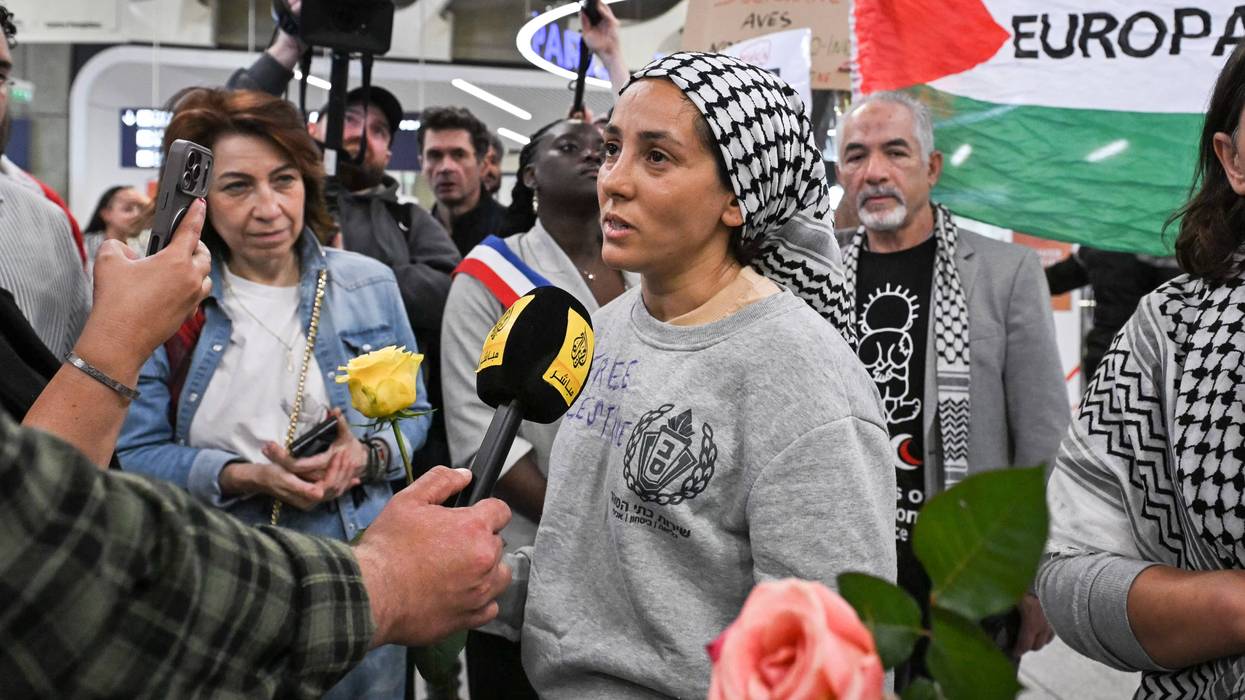
French nationals and people from dozens of countries who were abducted from the Global Sumud Flotilla say they were beaten, tortured, and sexually assaulted by their Israeli captors.
France's government on Friday asked prosecutors to investigate Israel's alleged mistreatment of French nationals aboard the last Global Sumud Flotilla, which was intercepted earlier this month in international waters while trying to break the illegal decadeslong Israeli blockade of Gaza.
“Based on a report I requested from our Consul General in Turkey—who informed me of sexual violence, exposure to the cold, beatings, and repeated humiliation of French nationals—all of these acts are likely to constitute criminal offenses," French Foreign Minister Jean-Noël Barrot said during an interview with France Inter, adding, "I decided yesterday to refer the matter to the public prosecutor."
The move follows France's indefinite ban from its territory of far-right Israeli National Security Minister Itamar Ben-Gvir, who posted a video on social media showing him joyfully humiliating detained activists, journalists, and others who were mostly kneeling with their hands tied behind their backs and their foreheads forced to the ground following the May 18 interception of flotilla vessels off the coast of Cyprus and the abduction of all aboard.
“We cannot tolerate that French nationals can be threatened, intimidated, or brutalized in this way—all the more so by a public official," Barrot said last week.
People from around 40 countries—including 37 French nationals—were seized from dozens of flotilla vessels and held in harsh conditions on what many of them called a "torture boat."
According to Global Sumud Flotilla (GSF): "Detained humanitarians, doctors, and journalists were processed one by one through a darkened shipping container. Inside, groups of three to five soldiers systematically brutalized each person who came through the door while those waiting outside listened to the screams.”
French medical professional Meriem Hadjal said she was "subjected to torture" in the container, where at least one Israeli soldier allegedly sexually assaulted her.
"We were treated like animals," Hadjal added, accusing her Israeli captors of "sadism."
GSF said Tuesday that "legal proceedings are now active in Turkey, Italy, and Spain, with Italian prosecutors opening an investigation into kidnapping and sexual assault" of flotilla members.
Numerous national governments condemned Israel's treatment of the flotilla abductees, including the United States. US Ambassador to Israel Mike Huckabee said that Ben-Gvir "betrayed the dignity" of his nation, which receives billions of dollars in annual armed aid and diplomatic cover from the United States to carry out what many experts say is a genocidal war on Gaza.
Malaysia is reportedly preparing to initiate proceedings against Israel at the International Court of Justice over the abduction and alleged torture of its citizens, 29 of whom were aboard the flotilla. The ICJ is currently weighing a genocide case against Israel filed by South Africa and formally supported by nearly 20 nations.
“We will not remain silent, we will not stop. While the legal team gathers all documentation on violations of international law; they were kidnapped more than once, they were tortured,” Amirudin Shari, chief minister of the Malaysian state of Selangor, said during a homecoming ceremony for the flotilla members at Kuala Lumpur International Airport.
Israeli troops have physically and psychologically tortured past flotilla abductees. Dozens of members of the previous Global Sumud mission required medical attention for broken ribs, noses, and other injuries inflicted by Israeli forces. In 2010, Israeli troops killed nine activists aboard one of the first-ever Gaza flotillas, including Turkish-American teenager Furkan Doğan.
As some countries pursue justice for flotilla members, others have declined to act. In the United Kingdom, Zarah Sultana, who represents Coventry South for the socialist Your Party in Parliament, is demanding "urgent action" in the wake of abuse allegations made by British flotilla abductees.
"France is acting. Spain is showing leadership. Where is the UK government?" Sultana said Friday on X. "Nothing but a simp for Israel, a genocidal apartheid state."
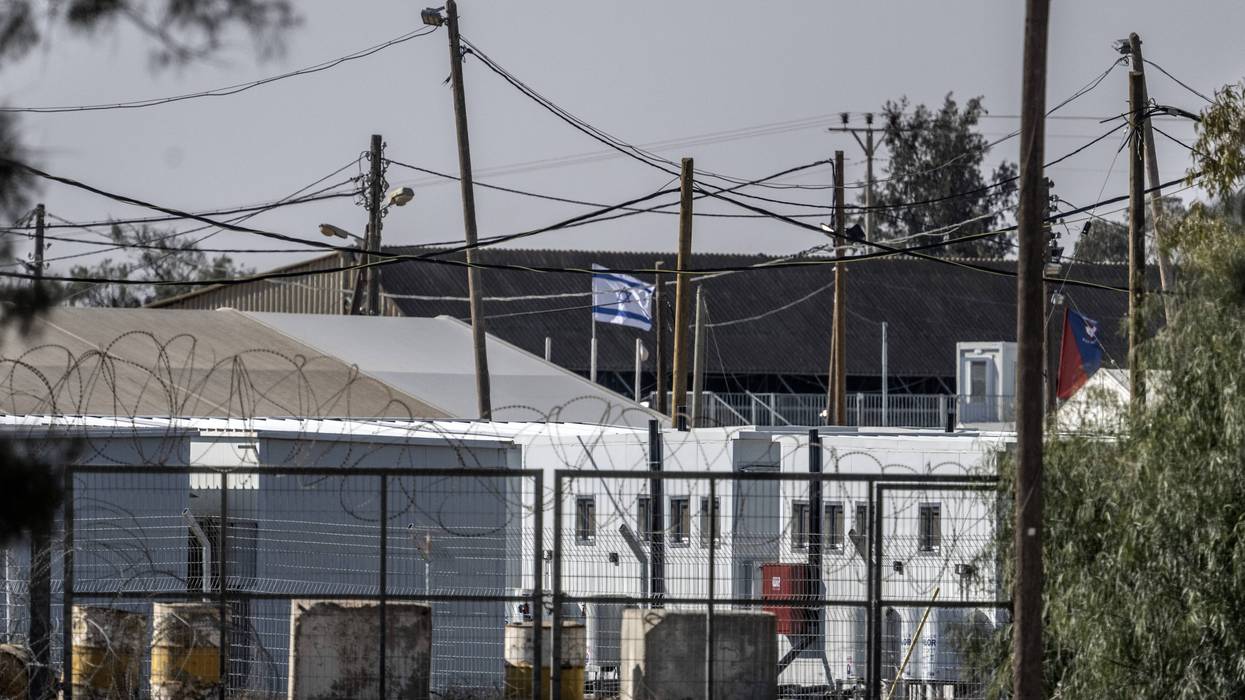
While Israel said the claims amount to "blood libel," a spokesperson for the UN Human Rights Office said, "torture and ill-treatment, including sexual and gender-based violence, are systematically perpetrated against Palestinian prisoners."
As Israel attempts to discredit New York Times reporting published last week that detailed systematic sexual abuse of Palestinian prisoners by Israeli forces, the United Nations Human Rights Office over the weekend called for an independent probe into what a spokesperson characterized as well-documented mistreatment.
"Torture and ill-treatment, including sexual and gender-based violence, are systematically perpetrated against Palestinian prisoners under Israeli custody. This includes numerous cases of rape, involving children," said Thameen Al-Kheetan, a spokesperson for the UN High Commissioner for Human Rights (OHCHR) on Saturday, in response to questions from the Anadolu Agency.
Al-Kheetan added that the human rights office had confirmed the deaths of at least 90 Palestinian prisoners in Israeli custody since October 7, 2023, including a 17-year-old who showed signs of starvation at the time of death.
Israel has announced that it will sue the Times for the report by opinion columnist Nicholas Kristof, which included testimony from 14 Palestinians who said they faced sexual assaults in Israeli custody or during attacks by the Israeli military or settlers. Threatening legal action, Prime Minister Benjamin Netanyahu and other government officials described the reporting as “blood libel.”
But Al-Kheetan said the OHCHR had “systematically documented the practice of torture and ill-treatment, including sexual and gender-based violence, against Palestinian detainees in Israeli prisons."
Reports from other human rights organizations, including Amnesty International, Human Rights Watch, and the Israeli group B'Tselem, have included similar testimonies in which Palestinian former detainees say they've experienced or witnessed sexual violence while in custody.
Al-Kheetan added that it was part of a “flawed Israeli detention and justice system,” which includes arbitrary detention, unfair trials, and violations of international law. "This system must end, and Israel, as an occupying power, must respect international human rights law and its obligations," he said.
While rejecting allegations of systemic abuse, Israel has denied requests by the UN and other agencies for access to its detention facilities. Last year, Israel refused a request from the UN to investigate possible sex crimes committed by Hamas militants against Israelis on October 7, 2023, because it would have also involved a probe into its own treatment of Palestinian detainees.
Al-Kheetan said, "independent, impartial, and transparent investigations must be conducted into every death, torture, ill-treatment, and other case of inhuman or degrading treatment, and those responsible must be held accountable."
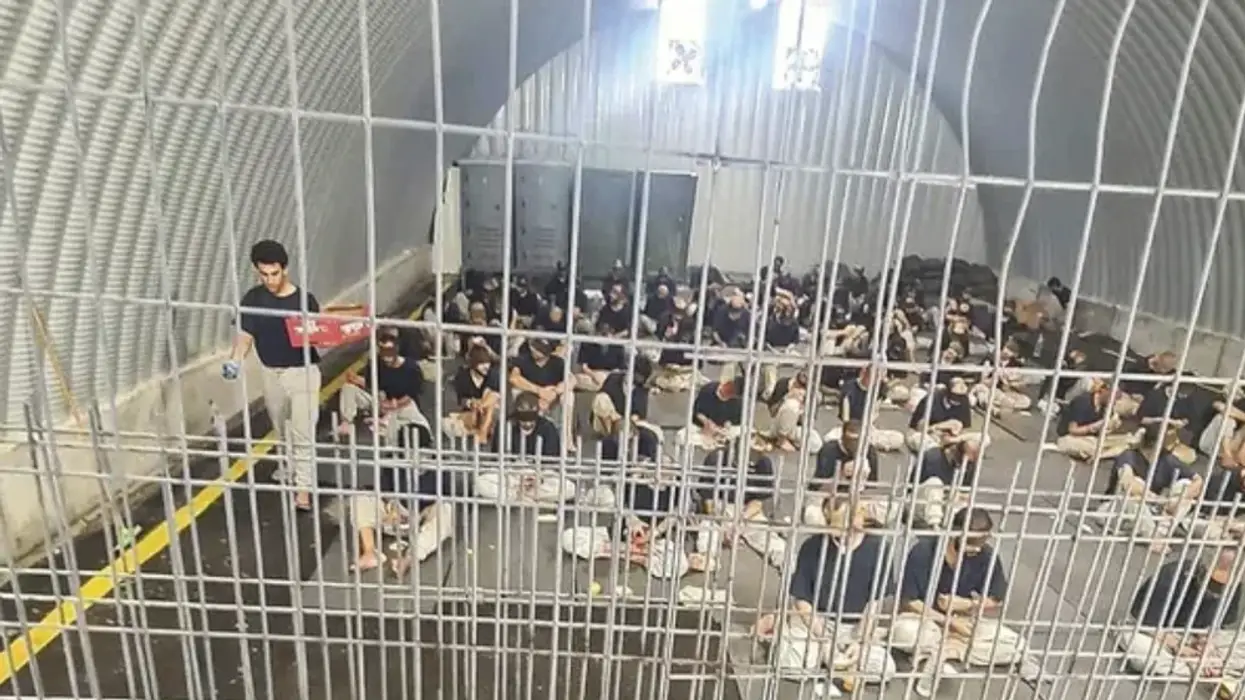
"To weaponize the term 'blood libel' to dismiss Kristof's thorough reporting is dangerous. It's insulting to the term's violent history and hinders our community's ability to call out actual blood libels when they occur."
A Jewish-led organization dedicated to fighting antisemitism was among the groups and individuals who on Tuesday condemned attacks on The New York Times and one of its most prominent columnists, who published accounts by alleged Palestinian victims of sexual abuse perpetrated by Israeli soldiers and settlers.
Nicholas Kristof's column, "The Silence That Meets the Rape of Palestinians," combines interviews with 14 former Palestinian detainees and information from reports published by United Nations experts and human rights groups to highlight documented rape and other systemic sexual abuse of Palestinians jailed by Israel Defense Forces (IDF) troops, as well as sexual assaults and other abuses allegedly committed by Israeli settler-colonists. The column features the controversial claim by one former prisoner that he was raped by a dog unleashed upon him by Israeli soldiers.
The Israeli Foreign Ministry responded to the column in a social media post alleging that the Times "chose to publish one of the worst blood libels ever to appear in the modern press."
"In an unfathomable inversion of reality, and through an endless stream of baseless lies, propagandist Nicholas Kristof turns the victim into the accused," the ministry said.
Responding to the ministry's post, the Nexus Project—a group "made up of individuals deeply committed to the fight against antisemitism"—said on Bluesky: "To weaponize the term 'blood libel' to dismiss Kristof's thorough reporting is dangerous. It's insulting to the term's violent history and hinders our community's ability to call out actual blood libels when they occur."
"Kristof's article is a challenging and important read," the group added. "It takes courage and care to expose sexual violence."
On Tuesday, the Israeli Foreign Ministry accused the Times of serving "a Hamas-driven narrative," claiming the newspaper "deliberately timed its piece to undermine today’s horrific Civil Commission report documenting Hamas’ preplanned, systematic sexual atrocities on October 7, [2023] and against hostages thereafter—attempting to create false equivalence and belittle documented crimes."
The Times refuted a claim by the ministry that the newspaper "said it was not interested" in reporting on Hamas sexual violence on and after the October 7 attack. In fact, the Times updated its earlier reporting on Hamas sex crimes after Israeli investigator called said critical details were "false."
Critics of the column also cast aspersions upon the alleged Palestinian victims and rights groups that documented the sexual violence they suffered, linking them to Hamas. The Times and other US media have been accused of accepting Israeli claims at their word but treating Palestinian testimonies with skepticism or outright dismissal.
Numerous other pro-Israel accounts, including the American Jewish Committee and EndJewHatred, have either repeated the "blood libel" accusation against Kristof or amplified social media posts that did so.
Many—including the American Israel Public Affairs Committee—denied or questioned the veracity of Kristof, his sources, and the Times.
Well documented reporting about abuses committed by a particular nation-state is not a “blood libel,” and misusing Jewish history to protect the state of Israel from criticism like this is ultimately going to make people take all of Jewish history less seriously.
[image or embed]
— Joel S. (@joelhs.bsky.social) May 12, 2026 at 1:21 PM
This, despite numerous reports by United Nations experts, as well as Israeli and international human rights groups, of Israeli rape and sexual violence against Palestinian men, women, and children in both Gaza and the illegally occupied West Bank—a pattern that goes back to the Nakba ethnic cleansing of Palestine during the establishment of the modern state of Israel.
Senior Israeli officials including Finance Minister Bezalel Smotrich and Security Minister Itamar Ben-Gvir have defended soldiers accused of gang-raping a Palestinian prisoner in an attack caught on camera at the notorious Sde Teiman prison. The IDF is investigating the deaths of dozens of Palestinians at Sde Teiman, including one man who died after allegedly being sodomized with an electric baton.
Right-wing Israeli politicians, pundits, and others publicly argued that IDF troops should have free rein to rape, torture, and murder Palestinians as revenge for the Hamas-led October 7, 2023 attack on Israel.
An August 2025 investigation by the Australian Broadcasting Corporation featured Palestinian boys kidnapped by Israeli occupation forces in Gaza who said they suffered or witnessed sexual torture committed by their jailers.
Last year, Israel blocked a request from UN sex crimes experts to probe alleged sexual violence perpetrated by Hamas fighters during the October 7, 2023 attack, reportedly to avoid attendant scrutiny of rapes and other abuses allegedly committed by Israeli forces against imprisoned Palestinians.
Other Israelis and their defenders expressed incredulity or proclaimed the impossibility of dogs being trained to rape people.
"My brain does not know how to process the fact that The New York Times—the paper I grew up worshiping and hoping to work for one day—published, on the front page, that Israelis are training dogs to rape Palestinian prisoners," tech entrepreneur and anti-progressive commentator Michelle Tandler said Monday on X.
However, in addition to repeated Palestinian claims of such abuse, female Holocaust survivors have said they were raped by dogs specially trained by Nazi SS officer Klaus Barbie. Later, Ingrid Oderock, a Chilean raised in a Nazi colony in the South American country, became one of the most feared torturers during the dictatorship of Augusto Pinochet. Her specialty, as noted in the Academy Award-nominated animated short film Bestia, was training dogs to rape jailed female dissidents.
Israel has repeatedly attempted to neutralize criticism of its crimes during the Gaza onslaught—from the deadly famine that's claimed at least hundreds of lives, to the apparently deliberate shooting of children, to attacks on aid workers and civilian "safe zones," to the torture of Palestinian prisoners—by smearing those who expose them with accusations of blood libel.
Responding to the common Israeli smear, socialist author Owen Jones said on Bluesky: "Israel's crimes are not a 'blood libel.' They are documented truth."

"Sexual violence is not incidental to this crisis. It is one of the mechanisms driving people from their land," said one contributor to the new report.
A report published Tuesday by an international human rights consortium details how Israeli soldiers and settlers are weaponizing sexual violence to facilitate the forced expulsion of Palestinians from the illegally occupied West Bank.
The report, published by the West Bank Protection Consortium (WBPC)—which is led by the Norwegian Refugee Council (NRC) and funded by donors including 13 European nations—found that "more than 70% of displaced households interviewed identified threats to women and children, particularly sexualized violence, as the decisive reason for leaving" their homes in the West Bank of Palestine.
The West Bank, which includes East Jerusalem, has been occupied by Israel since 1967 and is the site of an accelerating campaign of US-backed deadly ethnic cleansing dating back to 1947.
Palestinians interviewed for the report described "escalating patterns of sexual harassment in Area C"—the roughly 60% of the West Bank that, under the 1995 Oslo II Accord, is under full Israeli control—"including sexualized insults and gestures, indecent exposure, intimidation, threats of sexual violence, and surveillance of intimate spaces such as bedrooms."
"Participants in multiple locations described settlers exposing themselves, making threats of rape, and stalking women as they walked to latrines," the report continued.
"Men and boys also experience sexualized humiliation, forced nudity, and sexualized threats," the publication notes. "In Wadi al-Seeq, after the community was forcibly displaced, three men reported that settlers detained them and attempted to sexually assault one man with a broomstick while he was blindfolded. They described forced stripping, beatings, burning and being urinated on, and said perpetrators circulated images of the abuse."
"Similar abuses have also been reported elsewhere," WBPC continued. "In the Bethlehem governorate, testimony collected during a key informant interview described two 15-year-old boys herding cattle whom settlers attacked, beat, blindfolded, and stripped. The account said one boy was urinated on and the other sustained a leg fracture."
"In another Palestinian Bedouin community in the Jordan Valley... a violent settler raid was reported in which witnesses state that a Palestinian man was subjected to severe sexual assault in front of his family," the report states. "Testimonies further indicate that women and girls were beaten, children were threatened with death, and threats of rape were made."
Allegra Pacheco, WBPC's chief of party, said in a statement Monday that “this is how communities are emptied: not in a single moment, but through repeated attacks, fear inside the home, and pressure that makes ordinary life impossible."
In Khirbet Wadi al-Rakhim, one Palestinian reported that "an identified settler sexually harassed them and threatened them with reference to the Sde Teiman detention facility," the notorious prison in the Negev Desert where former Palestinian prisoners, Israel Defense Forces (IDF) soldiers, and Israeli medical professionals have said they witnessed torture and other abuse of detainees ranging in age from children to the elderly.
These abuses include severe injuries caused by 24-hour shackling of hands and feet that sometimes required amputations, alleged rape and sexual assault by male and female soldiers, electrocution, mauling by dogs, denial of food and water, sleep deprivation, and other torture. The IDF is investigating the deaths of dozens of Palestinians at Sde Teiman, including one man who died after allegedly being sodomized with an electric baton.
NRC said Monday that in the West Bank, "displacement reshapes every aspect of life."
"Households reported the impact of prolonged exposure to settler violence, including the sexualized abuse documented in the report," the group noted, adding that "92% of affected households interviewed lost access to land, 88% lost their homes, and 84% lost essential assets."
"More than half lost livelihoods, while 40% of children lost access to education," NRC added. "Women report severe psychological distress at striking rates, alongside ongoing fear, instability, and exposure to further violence after relocation."
Pacheco said that "sexual violence is not incidental to this crisis. It is one of the mechanisms driving people from their land."
“The report documents how perpetrators target women, men, and children in ways that fracture families and deprive communities of the ability to remain," she added. "When coercive conditions leave people with no genuine choice but to leave, this amounts to forcible transfer under international law.”
The WBPC report also highlights that "these abuses occur within a broader environment shaped by systematic discrimination and persistent impunity," an observation underscored by the lack of punishment or slaps on the wrist for Israeli soldiers and settlers who harm Palestinians.
Israel must be held to account for its barbaric crimes. The horrifying reports of the IDF's sexual violence against women & girls in the West Bank demand immediate action. Today, I raised this with the Foreign Secretary - we must punish perpetrators and ensure justice.
[image or embed]
— Dr Rosena Allin-Khan MP (@drrosena.bsky.social) April 21, 2026 at 5:50 AM
Previous reports by groups including United Nations agencies have detailed Israeli sexual violence against Palestinians, including a March 2025 UN publication that found "sexual and gender-based violence—which has risen in frequency and severity—is being perpetrated across the occupied Palestinian territory as a strategy of war for Israel to dominate and destroy the Palestinian people."
An August 2025 investigation by the Australian Broadcasting Corporation featured Palestinian boys kidnapped by Israeli occupation forces in Gaza who said they suffered or witnessed sexual torture committed by their jailers.
Last year, Israel blocked a request from UN sex crimes experts to probe alleged sexual violence perpetrated by Hamas fighters during the October 7, 2023 attack, reportedly to avoid attendant scrutiny of rapes and other abuses allegedly committed by Israeli forces against imprisoned Palestinians.
Sexual violence committed by Israelis against Palestinians is as old as the modern state of Israel itself.
Israeli filmmaker Alon Schwarz's 2022 documentary Tantura—which concerns the 1948 massacre and ethnic cleansing of Palestinian residents from the village after which the film is named—features interviews with Israeli veterans who described the rape of Palestinian women and children. One of the Israelis gleefully recounted the rape of a child.
A former Israeli soldier recounts the 1948 Tantura events
He refers to serious abuses against civilians, including an assault on a minor
He admits to killings without knowing the exact number of victims pic.twitter.com/ub5LHIdYAY
— ADI ALARDAH (@alardah91) April 9, 2026
When IDF reservists were arrested on suspicion of gang-raping of a Palestinian prisoner at Sde Teiman after video footage of the alleged assault went viral, a mob of right-wing Israelis whose members included senior government officials stormed the prison in a failed bid to free the suspects.
Others, including Finance Minister Bezalel Smotrich, demanded a probe—not to seek justice for the victim, but rather to find and punish whoever leaked the video. Meanwhile, Israelis advocating legalized torture and rape of Palestinian prisoners were given nationwide platforms to air their views during the Sde Teiman scandal.
The IDF later dismissed the indictments of the accused Sde Teiman rapists.
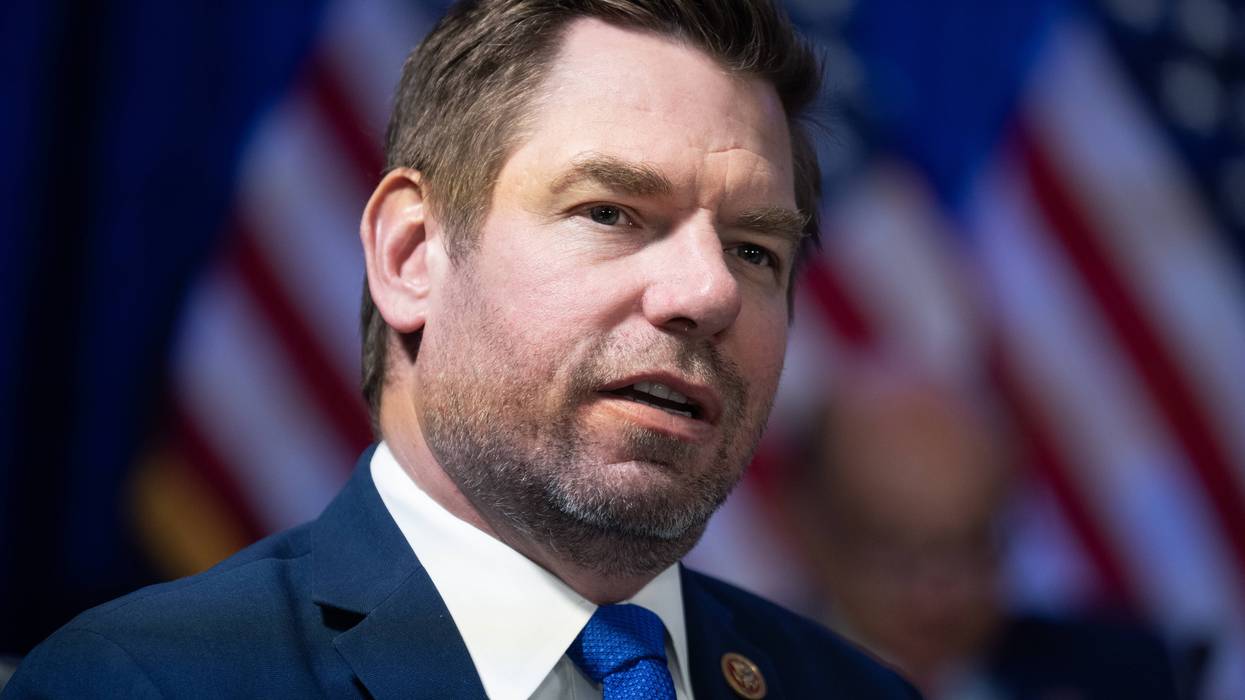
“He needs to withdrawal from the governor’s race and resign from Congress, immediately,” said one of Swalwell's Democratic opponents.
Calls for Democratic Congressman Eric Swalwell to drop out of the California gubernatorial race mounted Saturday as prominent supporters rescinded their endorsements and staffers fled his imploding campaign after more—and more serious—sexual misconduct allegations against him emerged.
Multiple women had already accused Swalwell, 45, of unwanted touching and kissing, and sending them unsolicited explicit images and messages. On Friday, the San Francisco Chronicle reported that a woman who had worked for the Swalwell said he sexually assault her twice while she was too intoxicated to consent. The woman's identity was concealed.
Hours later, CNN aired a report in which a former Swalwell staffer—who is apparently the same woman interviewed by the Chronicle—said the East Bay and Central Valley congressman raped her while she was drunk, leaving her bruised and bleeding. CNN also interviewed three other women who alleged various types of sexual misconduct they said was committed by Swalwell.
Swalwell categorically denied the claims, saying that “these allegations are false and come on the eve of an election against the frontrunner for governor."
Hear it directly from me. These allegations are flat false. And I will fight them. pic.twitter.com/bQSlCquD1U
— Rep. Eric Swalwell (@RepSwalwell) April 11, 2026
"For nearly 20 years, I have served the public—as a prosecutor and a congressman—and have always protected women," he added. "I will defend myself with the facts and where necessary bring legal action. My focus in the coming days is to be with my wife and children and defend our decades of service against these lies.”
Swalwell has claimed that Cheyenne Hunt—the activist and social media influencer who published the initial allegations against him earlier this week—has academic and political connections with former Congresswoman Katie Porter (D-Calif.), one of his rivals in the crowded gubernatorial race.
Porter campaign spokesperson Peter Opitz countered that Hunt and Porter "don't have a relationship to speak of," and that "in fact, Katie endorsed a different candidate when [Hunt] was running in a neighboring district."
Swalwell campaign staff and supporters are fleeing fast.
US Sens. Adam Schiff (D-Calif.), Alex Padilla (D-Calif.), and Ruben Gallego (D-Ariz.); House Minority Leader Hakeem Jeffries (D-NY); and Reps. Nancy Pelosi (D-Calif.), Ted Lieu (D-Calif.), Nanette Barragán (D-Calif.), Mike Thompson (D-Calif.), Doris Matsui (D-Calif.), and Jimmy Gomez (D-Calif.) are among the prominent erstwhile endorsers of Swalwell calling on him to quit.
“What is described is indefensible,” Gallego—who initially defended his friend Swalwell—said in a statement Friday. “Women who come forward with accounts like this deserve to be heard with respect, not questioned or dismissed. I regret having come to his defense on social media prior to knowing all the information. I am equally as shocked and upset about what has transpired.”
Groups ranging from the California Federation of Labor to the California Police Chiefs Association have rescinded their endorsements of Swalwell.
The California Federation of Labor Unions withdraws its endorsement of Rep. Eric Swalwell in the California Governor's race.
[image or embed]
— California Federation of Labor Unions (@californialabor.bsky.social) April 11, 2026 at 9:18 AM
“The allegations are incredibly disturbing and unacceptable against Rep. Swalwell. We are immediately suspending our support,” said California Teachers Association president David Goldberg. “Our elected board will be meeting as soon as possible to follow our union’s democratic process to determine next steps.”
Porter, billionaire Tom Steyer, former Los Angeles Mayor Antonio Villaraigosa, San Jose Mayor Matt Mahan, former state Comptroller Betty Yee, and State Superintendent of Public Instruction Tony Thurmond are among the gubernatorial candidates urging Swalwell to withdraw from the race—and, in some cases, from Congress.
“I want to acknowledge the courage of the women who have come forward and, as I stand here, call on Congressman Eric Swalwell to take responsibility for your actions,” Thurmond said during a press conference Friday. “I’m calling on you to resign from Congress and to step away from this race for governor.”
Porter said: “The allegations against Congressman Swalwell are horrifying. I’m thinking of the courageous women who have come forward to share their stories. We believe you and we stand with you.”
Yee called the allegations against Swalwell "sickening."
"He needs to withdrawal from the governor’s race and resign from Congress, immediately," she added. "Let the women speak.”
Republican gubernatorial candidate Steve Hilton, a supporter of President Donald Trump—who was found civilly liable for sexually abusing and defaming journalist E. Jean Carroll and who is accused of rape or other sex offenses against dozens of women and a child—also called on Swalwell to exit the race.
Other elected officials in California and beyond are urging Swalwell to quit the governor's race and Congress.
The accusations against Eric Swalwell are serious and deeply disturbing. There is no place for sexual assault in public life or anywhere else. He should undertake a swift, public and independent investigation into these allegations. He should resign from Congress and end his campaign for governor.
— Nithya Raman (@nithyaforthecity.bsky.social) April 10, 2026 at 10:03 PM
"His conduct is incompatible with elected office," said Democratic Los Angeles Mayor Karen Bass. "The women who came forward deserve to be heard and deserve justice."
Congresswoman Pramila Jayapal (D-Wash.) said, "Rep. Swalwell should immediately withdraw from the governor’s race and there must be a quick and thorough investigation."
California's so-called "jungle primary"—in which the two top performing candidates advance to the general election, regardless of party—is set for June 2.