LIVE COVERAGE


Monsters 'R Us
Most of Planet Earth now knows cruelty is the point of Trump 2. But if anyone implausibly needs more evidence, meet Rev. Edward Nalwamba, a 79-year-old, pro-democracy Ugandan priest who spent over a year in ICE detention. When he went in, he was fit; at his long-delayed release last week, fellow detainees had to carry him to a car because officials wouldn't let him take his wheelchair that far. To ICE, he charged, "You are an animal...They forget they are dealing with human beings."
In the last 18 months, the Trump regime has deported nearly a million people, and killed at least 60, including two U.S citizens in cold blood and broad daylight. The family of one, Renee Good, has filed two federal civil lawsuits over her Jan. 7 murder, alleging wrongful death, "negligent infliction of emotional distress," conspiracy to conceal evidence, and coordinated campaigns of "aggression and abduction" against ethnic communities and "intimidation and violence" against their allies. And of course it has detained, terrorized, traumatized or shattered the lives of untold thousands, the vast majority with no criminal history.
One was the good Rev. Nalwamba, who arrived in the U.S. in 2002 for a religious conference. Having publicly condemned human rights abuses by the Ugandan government, and subsequently heard from colleagues that government agents were pursuing him, he decided to stay in Colorado and apply for asylum. In 2010, after his application was denied, he began living peaceably in Lakewood under a 15-year ICE supervision order, reporting to immigration officials as required, working as a health aide for people with developmental disabilities, and serving as a pastor at nearby Resurrection Anglican Fellowship until he retired two years ago.
In September 2025 he was arrested by ICE; they charged he was under a removal order dating back to 2010, and that he'd failed to "cooperate with efforts to obtain travel documents" before a deadline, aka to help with his own deportation in a timely manner. He was taken to the GEO Group's private ICE detention facility in Aurora, where for over a year DHS repeatedly vowed to deport him and then didn't. On Oct. 20, after his lawyers filed a second habeas corpus petition, Judge Cyrus Chung ruled feds had exceeded a “presumptively reasonable” six months of holding time with "no concrete plan” to return him to Uganda, and ordered his release.
When he was detained, Nalwamba was a fit 77-year-old who regularly walked, exercised and played ping pong. Inside, his health quickly deteriorated. He caught pneumonia which persisted for weeks, lost over 30 pounds and the ability to walk, developed a stubborn cough, chest pain, scratchy throat, headache and fatigue that were never treated - and besides, "You don’t want to go to the hospital - they shackle you like a bull.” "He walked in. He can't walk now," noted Colorado Sen. John Hickenlooper. "They want the misery of one person to be known by others. It's a low-rent form of terrorism to make people so scared they'll self-deport."
Along with the barbaric cruelty, observers also blasted the "staggering hypocrisy" of a regime that simultaneously charged Biden et al "targeted" Christians yet in their voter intimidation efforts sent ICE into churches, interrogated church staff, and detained and abused a church elder. Last week, because they hadn't alienated Christians enough by picking a fight with the Pope, they also turned a supposed prayer gathering of Catholic bishops into a sleazy photo op, prompting two angry Archbishops to apologize, charge they'd been "manipulated," and clarify this was "in no way an endorsement of the president, his policies, or his party."
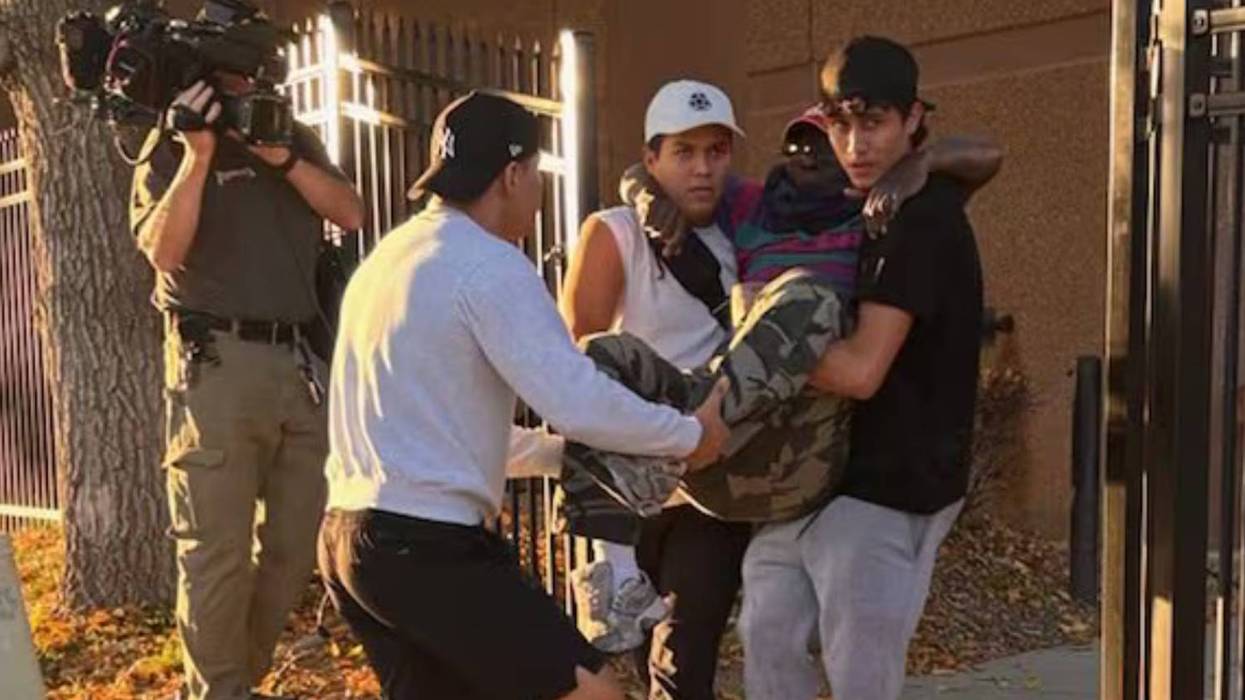
In the final, petty degradation meted out to Rev. Nalwamba, detention officials told his attorneys they would ensure his safe passage on release with a wheelchair and escort, and then reneged on it all. The wheelchair couldn't go out to the gate, they insisted, nor could vehicles approach it. Hickenlooper: "There is no excuse for this cruelty. None.” In the end - no surprise here - it was two young mensches also being released who hooked their arms together - one lawyer: "It was heartbreaking and it was infuriating" - carried the reverend to his waiting car, and went on their way: "They didn't even give me a chance to say thank you.".
After his release, a buoyant Nalwamba said he’s “in another world." He talked to his children, he's well fed, he’s staying with a family who lent him an electric scooter to get around. The next day, he visited a health clinic to get a chest X-ray, blood work, TB testing. He looks forward to physical therapy and reconnecting with his church community: "I am a happy man." Except for the monsters, still here. DHS said they were "forced" by "an activist judge" to release "an illegal alien" who "chose to overstay his welcome in violation of our nation's laws." Most vitally, "He remains in the country illegally," under a removal order, without legal status.
So much, or not yet for Obama's Michigan citing of "a decency we should expect from our public officials." Attorneys plan to reopen Nalwamba's asylum case; conditions in Uganda have seriously deteriorated with widespread crime, unrest and targeting of political opponents and a U.S. "Do not travel" advisory in effect. At the same time, says attorney Joy Athanasiou, she has never seen "this inhumanity and cruelty" over 20 years of working with detained clients. Before, there were under 1,000 habeas corpus petitions a year; now there are about 90,000, a demand "100 times greater than what we can provide.”
Nalwamba says his thoughts remain with those innocents still inside a callous, corrosive environment worse than any maximum security prison. He loves the America he has lived in for almost 26 years, he says, and has always thought African and other countries should aspire to be like the U.S. But no more, he adds, not without drastic change. Those other countries, he argues, treat their livestock better than he was treated. "It's as if they've gotten used to treating people that way, like they're taking care of goats or cows,” he said. “I have never imagined human beings treated like I saw in this place."
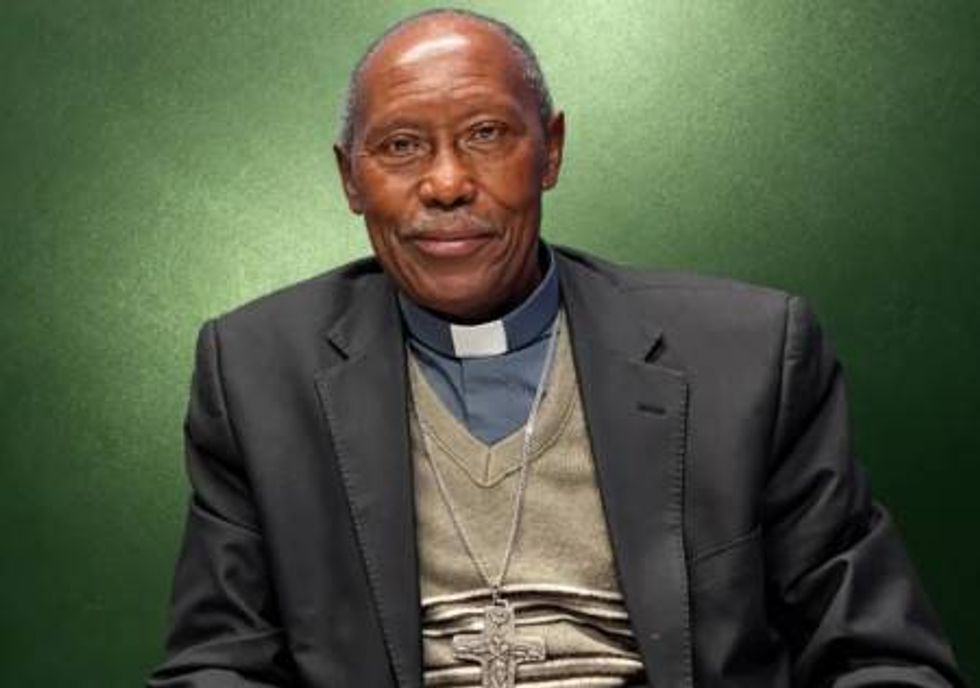 The Rev. Edward Nalwamba Photo by Resurrection Anglican Fellowship
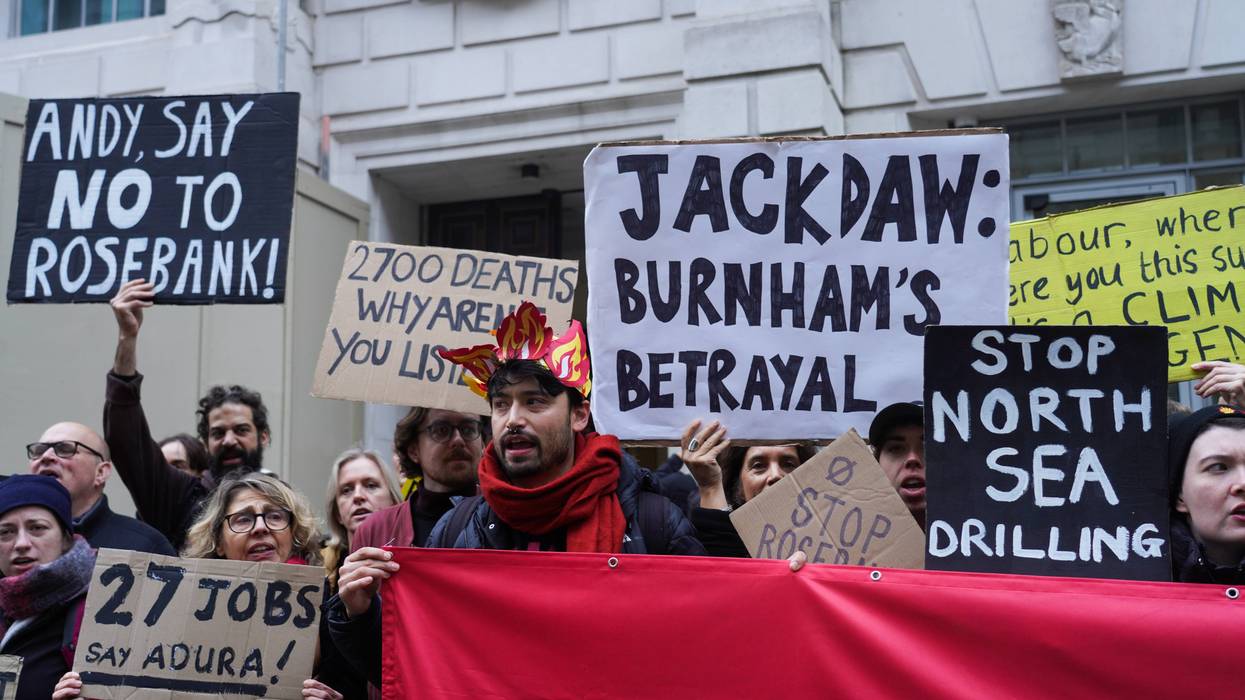
'Absolutely Maddening': UK Approves Jackdaw Gas Drilling in North Sea
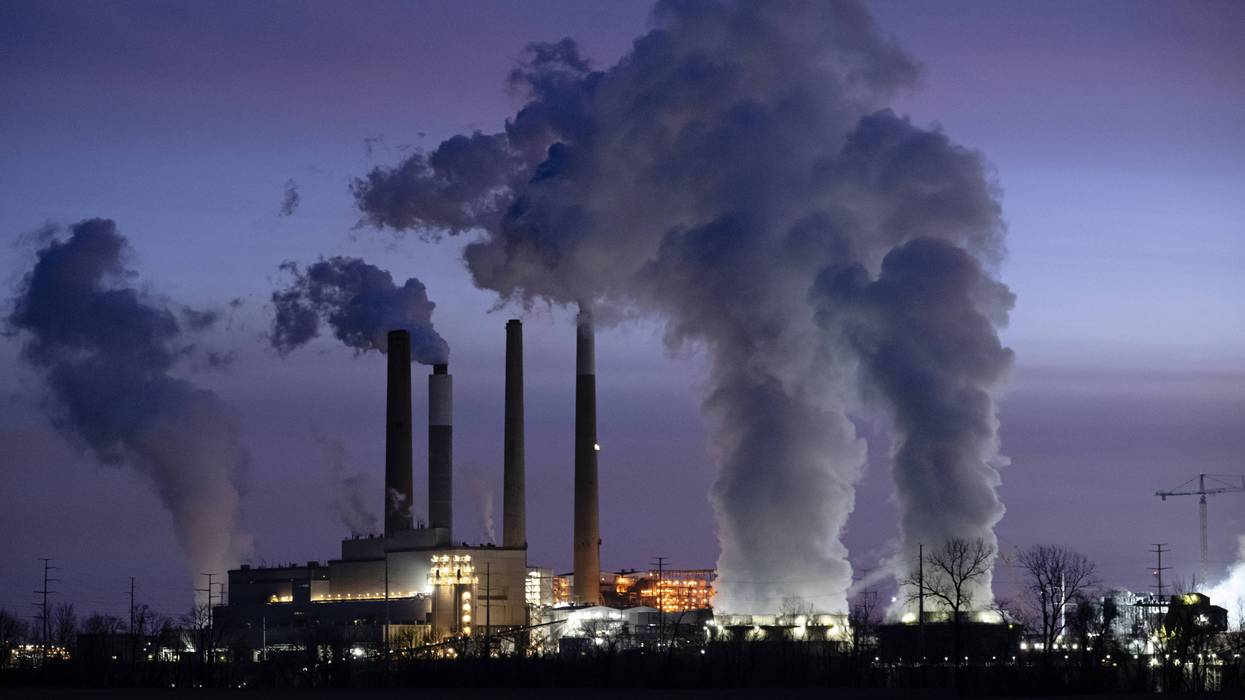
With drilling in the Jackdaw gas field in the North Sea set to go forward following the United Kingdom's approval, announced on Wednesday, climate groups and progressive lawmakers demanded to know how Prime Minister Andy Burnham could declare the decision a "pragmatic" one, considering the meager job growth and energy savings and massive climate damage expected from the project.
“Is the prime minister living in a parallel universe?" asked Danny Gross, climate campaigner for Friends of the Earth (FOE). "One where we haven’t just endured our hottest summer on record, with droughts, wildfires and, in all likelihood, the most heat-related deaths on record?"
The approval of the oil and gas extraction from Jackdaw by Adura, a joint venture between Shell and Equinor, was announced as the United Nations warned that continued fossil fuel drilling has put the possibility of avoiding a global temperature rise that breaches the 1.5°C threshold out of reach, and emphasized that countries must take action to mitigate the damage and ensure the breach is temporary.
The UN said greenhouse gas emissions must be slashed by nearly one-fifth in the next four years to avoid the worst impacts of the climate crisis.
"Against this backdrop, there’s nothing that justifies giving the go-ahead to a colossal new fossil fuel project in North Sea. The disconnect is absolutely maddening," said Gross.
The Jackdaw approval was announced as the government said inflation had jumped to its highest level in almost a year, with US President Donald Trump's war on Iran and Russia's invasion of Ukraine driving up energy prices worldwide.
But an analysis by the UK climate action group Uplift, which compiled data from the public record, found that the Jackdaw project would provide enough gas to displace just 2% of the UK's current imports.
"This will not lower international gas prices paid by UK consumers," said Greenpeace, which also emphasized that Adura has admitted in an environmental statement that the project is projected to create just 27 full-time jobs—making little difference to the area surrounding Aberdeen, Scotland, the center of the UK oil industry where local officials have reported losses of 1,000 oil and gas jobs per month.
Zack Polanski, the leader of Britain's Green Party, said the projected impact of the Jackdaw project couldn't compare "to all the benefits of investing in renewables and insulating our homes."
CBI Economics found earlier this year that the UK's green economy employs more than 1 million people and is worth £100 billion ($133 billion) per year, with workers in the sector paid more than the national average.
“Jackdaw won’t make a jot of difference to our energy bills, but it will fuel the climate chaos already unfurling in front of us. The route to lower bills and true energy security lies in the UK’s vast capacity for cheap, homegrown renewable power and street-by-street home insulation programs," said Gross. “This decision makes Shell and its shareholders richer at the expense of ordinary people’s lives—a move that sees the prime minister turning his back on the very people he claims to be on the side of."
Richard Burgon, a member of Parliament who represents Burnham's Labour Party, called the approval "absolutely terrible" and urged the government not to "repeat the same mistake" with Rosebank oil field in the North Sea, which the prime minister said he would make a decision about at a later date.
Fossil fuel development in both the Jackdaw and Rosebank fields was blocked by a moratorium in 2024, imposed by the Labour government of former Prime Minister Keir Starmer. Drilling has previously been approved in 2022 and 2023 by the Conservative government. Supporters of oil and gas extraction in the North Sea have argued that since the fields were approved for exploration under the Conservatives, allowing drilling now does not violate the moratorium.
The climate impacts of the two projects are projected to cost each UK household £3,000 ($4,017) annually, according to Greenpeace, and gas production from Jackdaw is estimated to be equivalent to about 40 million barrels of oil, Adura has said.
"Using government calculations for climate harm, burning Jackdaw’s gas will cause an estimated £16.1 billion [$21.5 billion] in global damage and over 8,000 heat-related deaths," said Greenpeace.
This past summer, extreme heat across Europe helped ignite wildfires and was blamed for tens of thousands of excess deaths on the continent. The breakdown of a glacier in Nepal and Tibet also caused a flooding disaster that killed more than 1,000 people.
“It is a shame that one of the first big decisions for the new energy secretary, Miatta Fahnbulleh, has been to approve more fossil fuel drilling," said Rosemary Harris, North Sea senior campaigner for Oil Change International. "At a time where the impacts of climate breakdown are so clearly felt, from the loss of livelihoods, homes, and lives in the UK over the summer, to the devastating floods in Nepal, our government should look to the future, not cling to the past."
The approval also came weeks before Burnham is set to represent the UK at the UN Climate Change Conference (COP31) in Antalya, Türkiye.
While drilling in the Jackdaw field will "make no real difference to our energy bills or security," said Bob Ward, policy and communications director at the Grantham Research Institute on Climate Change and the Environment at the London School of Economics and Political Science, "it will signal to other fossil fuel producers that they too should carry on with business as usual, less than a month before the COP31 United Nations climate change summit.”
Harris said that following the approval, "all eyes are now on Rosebank, and the hope that Andy Burnham and his energy secretary have the courage and vision to push back against the industry and plot a path to an energy transition that provides more security, lower bills, and a safe climate."

'Working People Will Pay a High Price': Report Warns AI Bubble Is 'Primed to Pop'
A report released on Wednesday warns that the investment boom in artificial intelligence is a financial bubble that is "primed to pop" and harm working-class Americans if lawmakers don't take concrete steps to shield them from the damage.
The report, produced by Open Markets Institute and Americans for Financial Reform Education Fund, warns that Big Tech companies are using increasingly risky debt-fueled financing methods to keep plowing money into AI infrastructure, which has resulted in global stock markets growing overvalued to "a historic degree."
The report highlights the role played by so-called circular financing agreements, in which one company agrees to fund another company’s AI project in exchange for the firm receiving the money buying the investing firm’s products.
"The AI industry’s extensive ecosystem of circular financing and purchase agreements makes it very hard for outsiders to determine how much bona fide revenue the technology is generating," the report notes, "and very easy for companies to artificially inflate the revenues and deflate the expenses they release to the public."
While such financing deals aren't inherently unlawful, the report continues, they can "be used to create a false impression of strong demand and disguise the true state of the involved companies’ finances, particularly when circular arrangements drive a substantial portion of the companies’ revenues."
The report also urges lawmakers to avoid the same mistakes the federal government made during the presidencies of George W. Bush and Barack Obama, when it bailed out financial institutions in the wake of the 2008 housing crash.
"If they face collapse, neither AI-related firms nor their leadership should be shielded from the financial or legal consequences of their mismanagement," the report states. "Under no circumstances should failing AI-related firms receive government support to remain going concerns. Instead, failed AI firms should be moved through legal proceedings for liquidating and/or dissolving firms in an orderly manner."
Instead of saving the AI firms and their financiers, the report emphasizes lawmakers "must prioritize the recovery and protection of workers and families by directing federal assistance to workers, households, and communities harmed by the crisis."
Maya Jenkins, senior policy analyst at Americans for Financial Reform Education Fund and co-author of the report, accused President Donald Trump and his administration of making the AI bubble more dangerous by "rolling back guardrails that protect investors and financial stability."
"If nothing changes, working people will pay a high price for an AI crash," Jenkins emphasized. "Policymakers should be taking urgent action to reduce the risks. And they should be committing now to not bail out the AI companies or banks and financial firms that caused the problems."
Matthew Scherer, fellow at Open Markets Institute and report co-author, similarly emphasized the AI bubble's potential cost to working-class Americans and urged lawmakers to take a proactive approach to mitigating harms.
"Workers could lose their jobs, families could see their retirement savings evaporate, and communities could face the fallout from another financial crisis. Policymakers need to act now to shore up the financial system and make clear that taxpayers will not be forced to bail out the companies and financiers responsible."
The AI bubble report came one day after Reuters reported that frontier AI lab Anthropic recorded a net loss of $80 billion in the first half of 2026, more than six times the $13 billion loss the company posted a year earlier.
Despite bleeding money, the company is seeking an initial public offering next month worth $1.5 trillion, according to Reuters.
Over a Million Seniors Sent Scrambling as Medicare Advantage Giants Slash Plans Under Trump
Seniors across the United States are scrambling to find alternative health coverage as Humana, UnitedHealthcare, and other private insurance giants slash Medicare Advantage benefits and cancel some plans entirely—despite receiving a major payment increase from the Trump administration for the coming fiscal year.
Humana and UnitedHealthcare's plan cancellations are expected to impact more than 1 million seniors nationwide, forcing people to find new plans in the current open enrollment period that runs until December 7. Both companies have signaled that they are trying to boost their bottom lines by exiting unprofitable Medicare Advantage markets and cutting benefits such as routine dental coverage, which is not offered by traditional Medicare.
"My biggest challenge for picking a plan next year is the cost of dental plans and vision are going up," one Medicare Advantage enrollee told PBS last week.
The health policy nonprofit KFF noted in an analysis earlier this month Humana and UnitedHealthcare are withdrawing their Medicare Advantage prescription drug plans from more US counties than they are entering in 2027. UnitedHealthcare is exiting 228 counties and entering nine new ones, while Humana is leaving 62 counties and entering four new ones, KFF found.
Blue Cross Blue Shield is also eliminating some of its Medicare Advantage plans, which are funded by the federal government—at a massive cost to US taxpayers—and run by private companies. The Boston Globe reported on Monday that "about 20,000 seniors in Massachusetts will be forced to find new health insurance plans" due to the Blue Cross Blue Shield cuts.
In Minnesota, an analysis by the Star Tribune found that around two-thirds of state residents enrolled in Medicare Advantage—around 340,000 people—will have to find new coverage for the coming year due to private insurers' cuts.
"Fifteen counties are losing their remaining Medicare Advantage options next year. In 12 of those counties, though, insurers will sell a different kind of privatized Medicare coverage called a Cost plan," the Star Tribune reported last week. "Cost plans sell at typically higher monthly premiums than Medicare Advantage plans."
Nationwide, more than half of the Medicare-eligible population is enrolled in Medicare Advantage plans, which are notorious for overbilling the federal government and denying coverage for necessary care—increasingly using artificial intelligence technology.
Medicare Payment Advisory Commission estimated in a report published earlier this year that the federal government will pay roughly $76 billion more to cover seniors on Medicare Advantage plans than it would have if those same people were on traditional Medicare. Over the next decade, according to the nonpartisan Congressional Budget Office, Medicare Advantage overpayments could cost the federal government around $1 trillion.
Earlier this year, the Trump administration gave the Medicare Advantage industry a significant boost by hiking federal payments to private insurers by roughly 2.5%—a sizeable increase compared to the 0.9% raise that the administration previously floated. Reuters reported in April that the industry will also receive a "2.5% benefit from a change to risk assessment payments related to health status, for a total increase of about 5%."
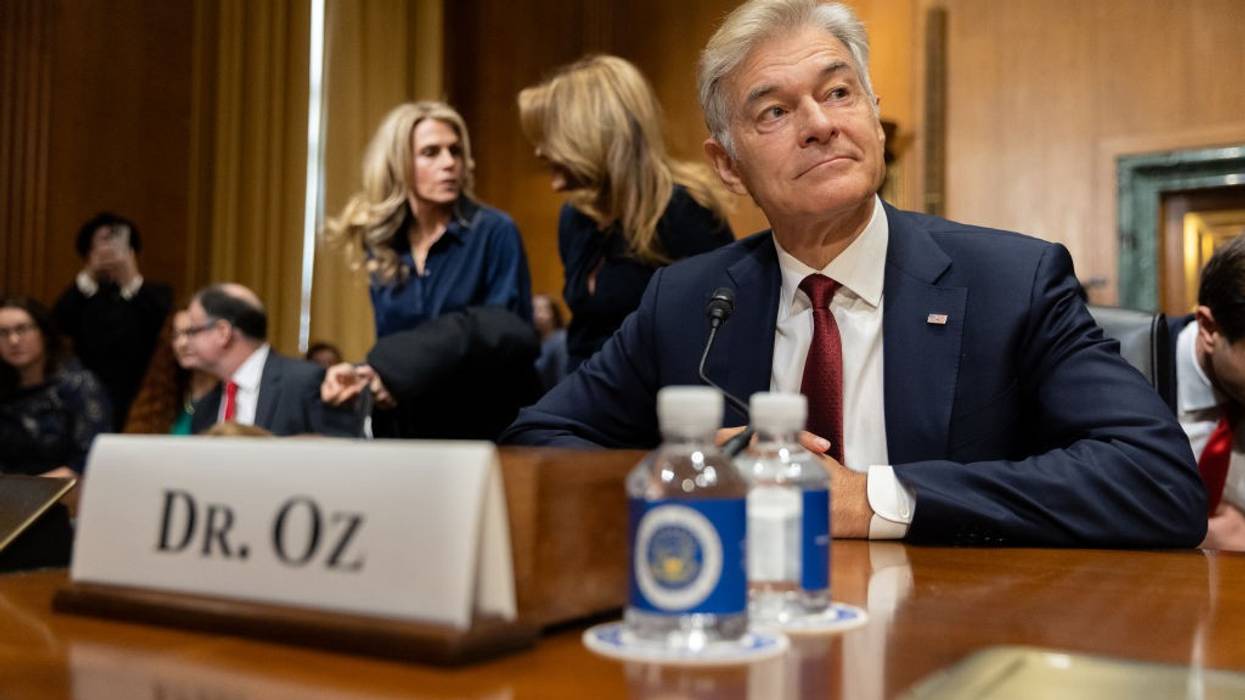
The Centers for Medicare & Medicaid Services, which announced the payment boost, is currently headed by Mehmet Oz, who once proposed a healthcare plan dubbed "Medicare Advantage for All."
The advocacy group Families USA called the 2027 payment increase for Medicare Advantage insurers "a big giveaway" that could have gone toward "bolstering benefits in Medicare for all seniors and people with disabilities."
'Hunger Disaster Unrolling Before Our Eyes': Alarm Grows Over Trump Food Aid Evisceration
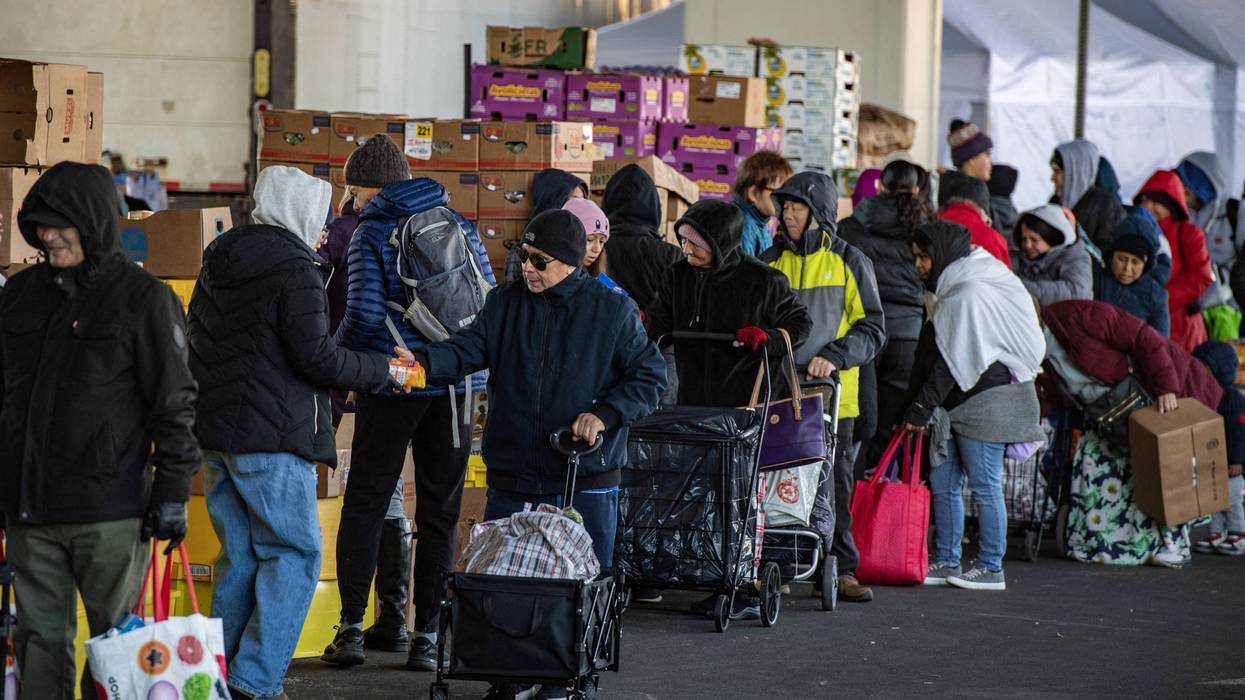
An analysis published Thursday showed that millions of Americans have lost critical food assistance since President Donald Trump signed last year's massive Republican tax giveaway for the superrich, with soaring grocery prices and cuts to school meals exacerbating the crisis.
According to the Center on Budget and Policy Priorities (CBPP), approximately 5.5 million people, including roughly 2 million children, have lost Supplemental Nutrition Assistance Program (SNAP) assistance since Trump signed the so-called One Big Beautiful Bill Act (OBBBA) in July 2025.
The legislation approved the deepest cuts to SNAP—also known as food stamps—and Medicaid in those programs' histories while slashing billions of dollars from other essential social programs to fund massive tax breaks for billionaires and corporations.
This, at a time when more than 47 million Americans—including 1 in 5 US children—are living in food-insecure households.
The 5.5 million people who have lost SNAP represent 13% of the program's recipients, according to CBPP. The decline is far below projections made by the Congressional Budget Office.
"The declines are especially pronounced in some states," the report noted. "SNAP participation fell in Arizona by nearly 51%... The caseload declines are 20% or more in Arizona, Florida, Illinois, Louisiana, Nebraska, Nevada, and Oklahoma, and—using more recent state data—in Indiana, Kansas, and Texas."
In absolute numbers, Texas saw the biggest loss of SNAP recipients, with 709,435 fewer enrollees. Florida lost 665,935 SNAP enrollees, while Arizona had 408,204 fewer and California lost 333,062.
The CBPP report follows an analysis released Tuesday by Unrig Our Economy and Americans for Tax Fairness that showed how Latino SNAP recipients have been disproportionately affected by food stamp cuts. The groups estimated that 1.5 million Latinos have been kicked off SNAP since Trump signed the OBBBA, with Texas (396,164) and Arizona (200,124) hardest-hit.
More cuts are highly likely, as "starting in October 2027, most states will have to pay between 5-15% of SNAP benefit costs, totaling hundreds of millions of dollars a year in many states," according to CBPP.
"The magnitude of the cost shift and the urgency surrounding error rates incentivized states to take drastic measures to reduce their payment error rates quickly and cut program costs, even if it meant delaying or improperly denying benefits to eligible people," the analysis warns.
The OBBBA's SNAP cuts, combined with stricter eligibility requirements, have forced schools across the country to scale back universal free meal programs amid declining federal reimbursements.
The Washington Post reported Thursday that school districts are experiencing ballooning unpaid lunch bills and struggling to ensure children are fed. In rural Indiana, one district’s share of students qualifying for free or reduced-price meals plunged from 66% to 44% in a year, while its lunch debt has already reached $10,000. In San Antonio, Texas, the number of schools offering free meals to every student under a federal program fell from 48 to 16. Nationwide, the average number of children receiving free school lunches dropped by 600,000 between fiscal years 2025 and 2026.
Making matters worse, many eligible immigrants are not applying for SNAP benefits out of fear it could affect their citizenship prospects.
Food banks and other charities are having to meet needs the government once addressed.
“It’s been getting out of control since last year,” Paco Vélez, president and chief executive of the Feeding South Florida food bank, told the Post. “It’s all created a situation where families are needing more and more assistance.”
The CBPP and Post reports came on the same day as a "Food Misery Index," published by the office of Sen. Elizabeth Warren (D-Mass.), offered a detailed view of how the combined impact of SNAP cuts and skyrocketing grocery prices—exacerbated by Trump policies including tariffs, the deadly immigration crackdown, and the illegal war of choice on Iran—"has stripped more than $22 billion from American families since July 2025."
“SNAP participation is falling because the Trump administration has intentionally kicked people off of the program—leaving Americans hungry and still struggling to afford food,” Warren wrote Wednesday in a letter to US Agriculture Secretary Brooke Rollins.
“Instead of reaching for tools to mitigate these threats to families and working to bring down costs, the administration continues to sit idly by, peddling false narratives about the drop in SNAP participation, while delivering a one-two punch to American families who are struggling to put food on their tables," the senator continued.
"With grocery prices and food insecurity on the rise," Warren added, "I urge the administration to work with Congress to immediately reverse its harmful cuts to SNAP."
'We May Do Another Little Epic Fury,' Trump Says After Claiming Not to Know About Possible Strike on Iran
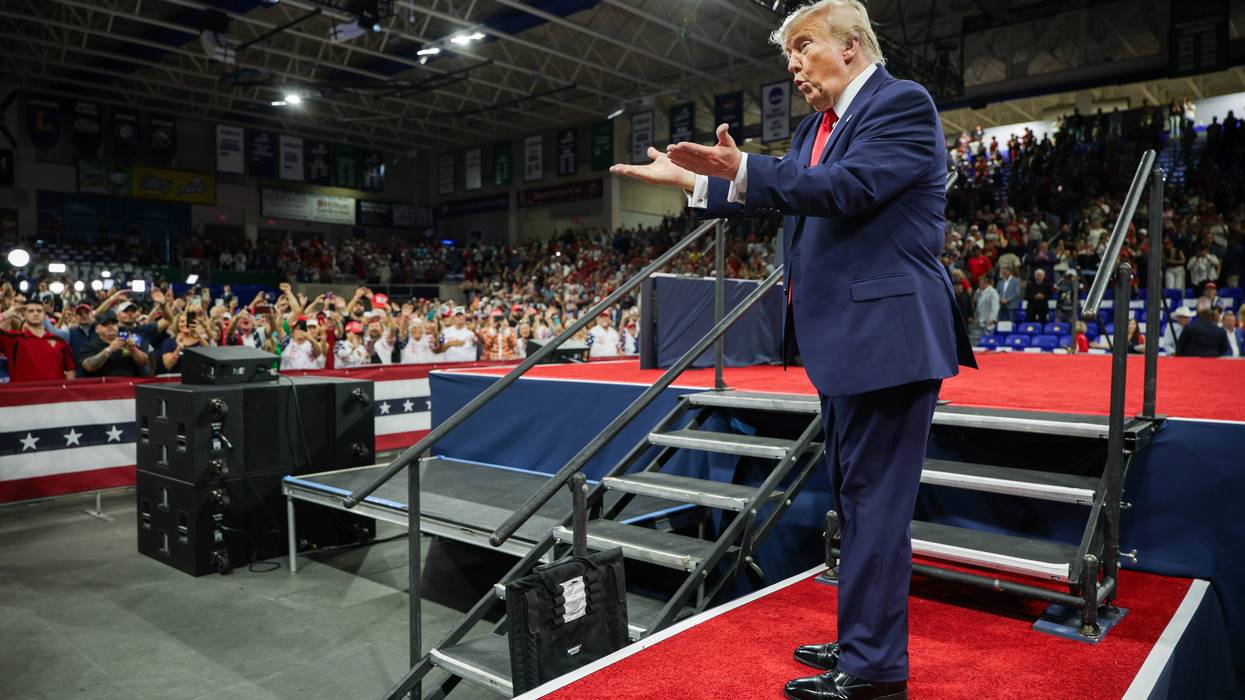
When President Donald Trump landed in Florida for a Friday campaign rally, he dismissed comments from one of his own ambassadors that the US could strike Iran this weekend as part of his illegal nearly eight-month war—but once the commander-in-chief took the stage, he changed his tune, threatening more bloodshed.
In an interview with online commentator Mario Nawfal published earlier Friday, US Ambassador to Turkey Tom Barrack, who is also Trump's special envoy to Syria and Iraq, said: "Could there be a strike this weekend? Absolutely."
"The president is very clear. He's open and available and accessible to a deal. And we've been at the table for months and months and months," he continued, noting that in addition to the nuclear priorities and aiming to reopen the Strait of Hormuz, the US is "in a bargain for unfreezing assets, releasing sanctions, no more kinetic engagement, [and] supplying the needed help to Israel, our ally."
Trump had said on his Truth Social platform earlier this month that "we are having productive discussions with the Islamic Republic of Iran. I want to make it clear to everybody that, while Iran is in very bad condition, both Economically and Militarily, and while the Blockade will remain in full force and effect, with Oil flowing in Record Numbers of Barrels through the Hormuz Strait (22 Million Barrels, last night alone, with not one barrel coming from, or going to, Iran!), we will not be attacking Iran at any time prior to the Midterm Elections to be held in the United States on November 3rd."
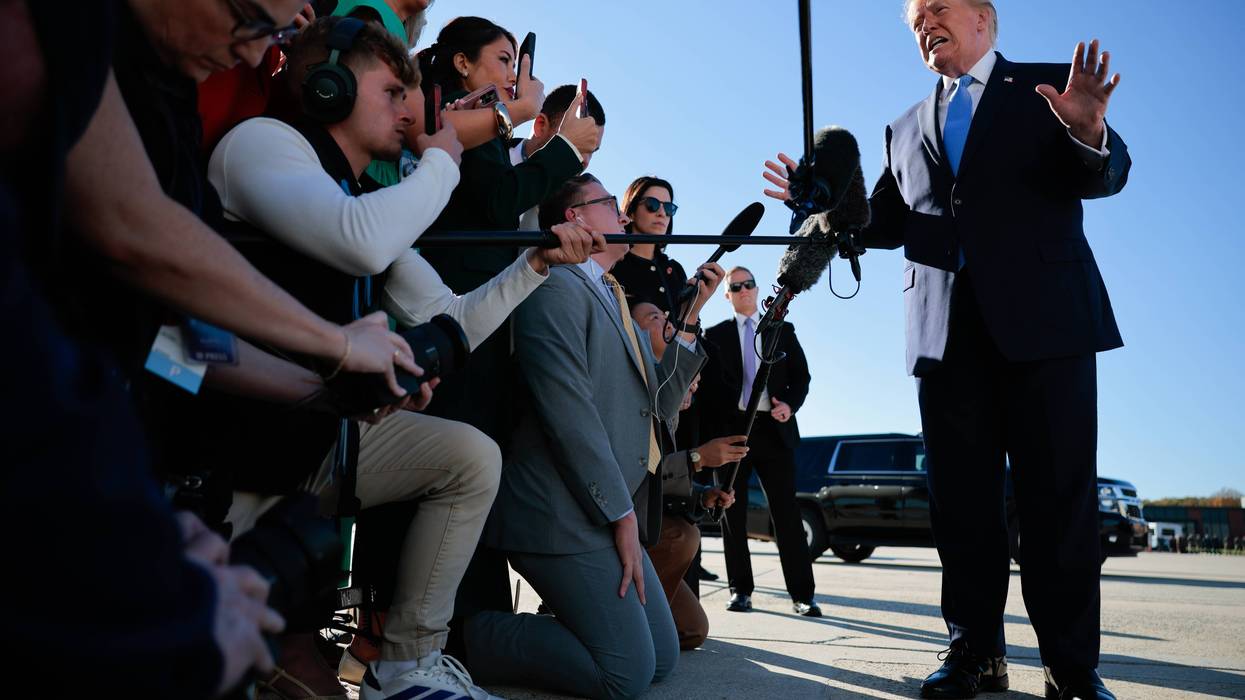
Asked about Barrack's suggestion that a US attack could come soon while on a Florida runway, and whether it meant Trump was rethinking that position, the president responded: "That was my ambassador? He's a pretty powerful man, I guess. Well, if that's the case, I don't know anything about it."
While replying to the reporter, Trump exchanged a glance with Republican Florida Gov. Ron DeSantis, who giggled at the president's answer.
Once Trump was onstage at Florida Gulf Coast University's Alico Arena, he bragged about ditching the Obama administration's Iran nuclear deal, and overseeing two military operations: Midnight Hammer, the June 2025 strike on Iranian nuclear facilities, and Epic Fury, the war he and Israel launched in February, in violation of the US Constitution and international law.
"We may do another little Epic Fury, or they'll agree," Trump told the crowd. "If they're smart, they'll just say, 'Let's get down to business.' But, you know, I doubt they'll do that because perhaps they're not smart—but we did a number on them."
Trump's illegal war—which has killed thousands of people across the Middle East—and its resulting economic impact have been key topics for Democrats hoping to reclaim control of both chambers of Congress, and potentially impeach him a historic third time.
House Dems Press Trump USDA Over Aid Cuts as Seniors 'Struggle to Put Food on the Table'
"No senior should have to choose between putting food on the table, paying rent, or affording lifesaving medication."
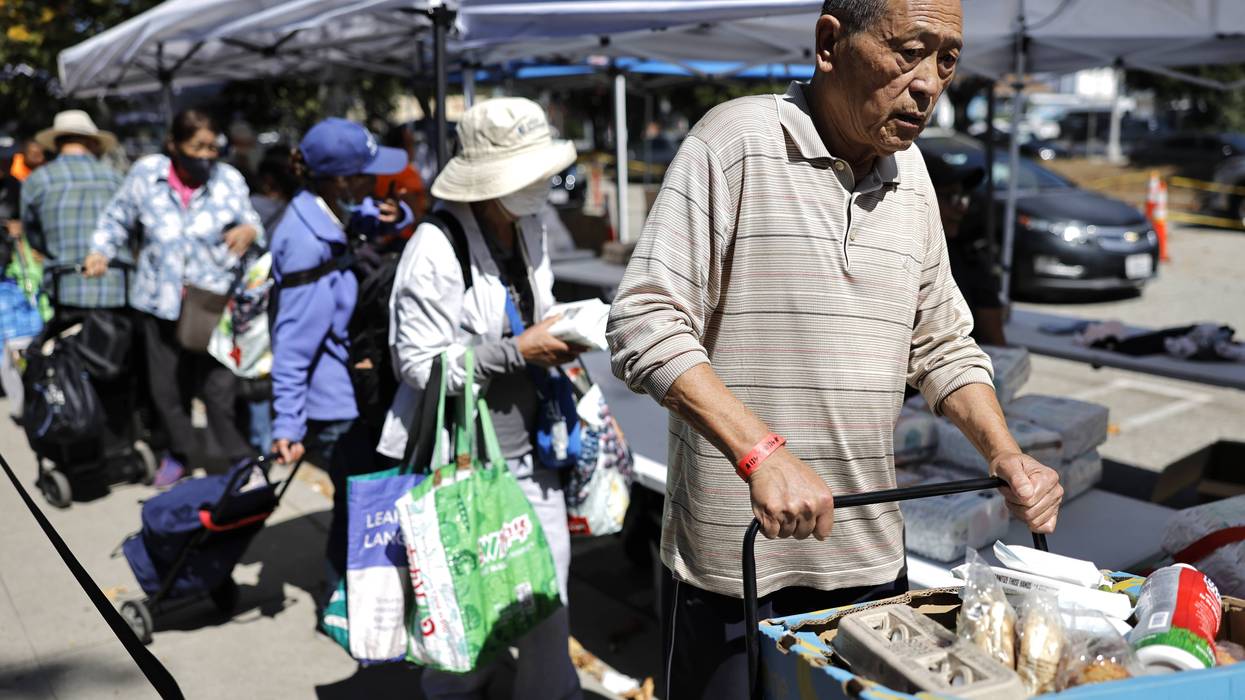
A group of almost 20 Democratic lawmakers on Tuesday pressed US Agriculture Secretary Brooke Rollins to explain the adverse effects of President Donald Trump's so-called One Big Beautiful Bill Act on older Americans, including the administration's plan to eliminate a program serving nearly 700,000 low-income seniors and expanded food stamp work requirements.
"At a time when Americans continue to face elevated grocery costs, Washington Republicans enacted the One Big Beautiful Bill Act (OBBBA), which the Congressional Budget Office (CBO) estimates will reduce federal [Supplemental Nutrition Assistance Program] spending by approximately $187 billion through 2034," 18 House Democrats led by Rep. Analilia Mejia (D-NJ) wrote in a letter to Rollins.
"The law expanded SNAP’s three-month time limit and associated work requirements to certain adults ages 55 through 64, restricted states’ ability to obtain geographic waivers from those requirements, and made additional changes to state cost-sharing requirements expected to reduce SNAP participation and benefits," the letter continues.
"These cuts come as the same law provides substantial tax benefits that will help disproportionately benefit the rich, with CBO finding that the law will decrease resources available to households towards the bottom of the income distribution while increasing resources for households toward the top," the lawmakers noted.
The letter decries Trump's stated goal of eliminating the Commodity Supplemental Food Program (CSFP), which the lawmakers described as "the most extensive hunger-relief federal program for seniors and services to nearly 700,000 low-income seniors across the nation."
"The administration justified the elimination of this crucial program by focusing 'on supporting seniors through the SNAP program' as they passed a law to make SNAP more inaccessible for seniors," the letter laments. "Congress has been responsible for keeping the CSFP fully funded and maintained while the administration continues to threaten this critical federal food assistance program."
"Even so, as Americans—particularly seniors—struggle to put food on the table, you have failed to meet the urgency of this affordability crisis, even as the department you lead reports that food prices have climbed another 3% in the past year," the Democrats added.
The letter requests state-by-state figures showing how many adults ages 55 to 64 have lost or suffered reductions in SNAP benefits because of expanded work requirements, as well as how many have received exemptions. The lawmakers are also seeking data regarding the health and financial consequences of eliminating the CSFP and how the administration would ensure seniors retain access to nutritious food. The legislators requested a written response from Rollins' office by November 6.
"You have failed to meet the urgency of this affordability crisis."
According to the Center on Budget and Policy Priorities (CBPP), approximately 5.5 million people, including roughly 2 million children, have lost SNAP assistance since Trump signed the OBBBA in July 2025. This, despite more than 47 million Americans—including 1 in 5 children—living in food-insecure households.
Seniors are experiencing their own unique set of hardships, given that many of them have limited resources.
"Many seniors rely heavily on fixed or limited incomes from Social Security, retirement savings, and pensions, leaving them particularly vulnerable as the cost of living continues to rise," the letter states, adding that "rather than protect older and low-income Americans from rising costs, you and the Trump administration continue to pursue policies that threaten to make it harder for them to afford basic necessities."
Rogers Cashes Checks From Anti-Abortion Extremists in Final Days of Senate Campaign
"Michigan voters fought hard to protect reproductive freedom, and these extremist groups want a senator who will help them undermine it in Washington."
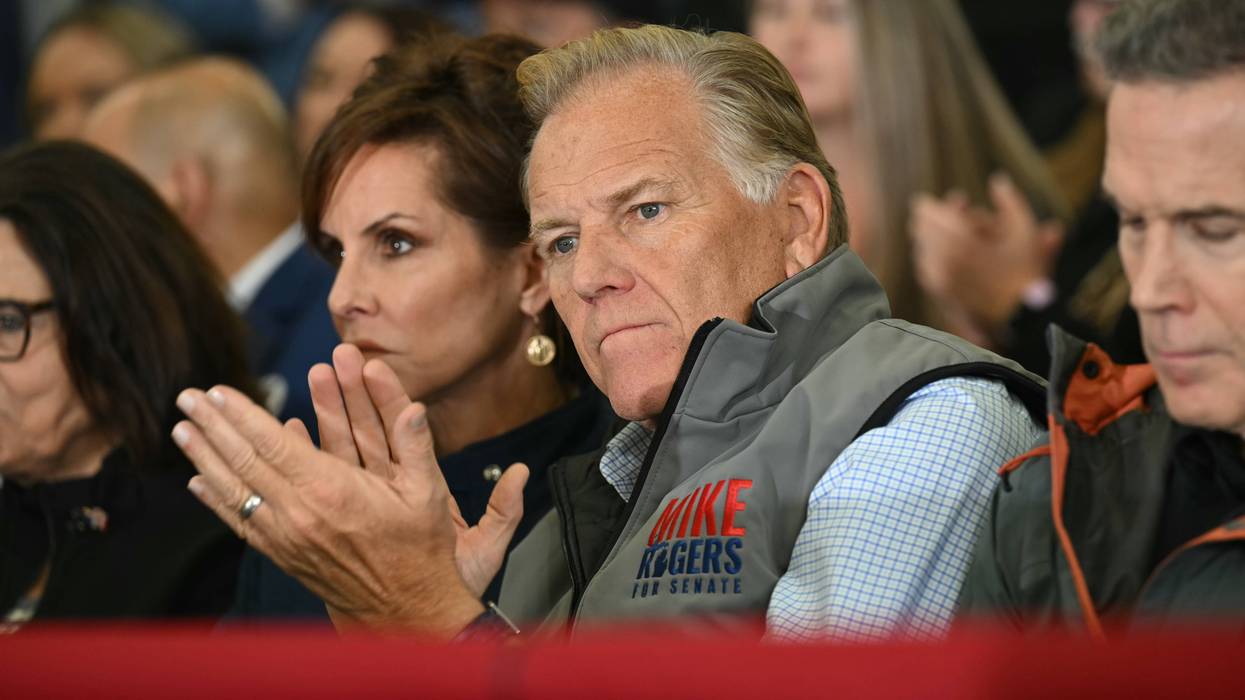
Michigan voters were clear in 2022 when they voted by a 13-point margin to codify the right to abortion care in the state constitution, and the state's Republican US Senate candidate, former Rep. Mike Rogers, claimed two years ago that he had no interest in "going back to Washington, DC to undo what the people of Michigan decided to do.”
But a recent campaign contribution from the National Pro-Life Alliance political action committee (PAC) left reproductive rights advocates warning that Rogers has shown throughout his political career that he will fight to stop Michiganders from accessing abortion care—and that extremist groups are counting on him to win the Senate race to ensure abortion is banned nationwide.
Recent filings from the Federal Election Commission show that on October 23, just before Michigan residents began voting early ahead of the November 3 midterms, the National Pro-Life Alliance PAC donated $5,000 to the Rogers for Senate campaign.
The group has lobbied for the passage of the Life at Conception Act, which would ban all abortions with no exceptions for rape, incest, or health risks for the pregnant patient, and previously donated $1,700 to Rogers between 2000-10.
In 2010, when the then-congressman received $1,000 from the group, the National Pro-Life Alliance stipulated that candidates they supported must support the Life at Conception Act.
Shanay Watson-Whittaker, director of Michigan campaigns at Reproductive Freedom for All, told Common Dreams on Tuesday that the "last-minute donation shows how desperate anti-abortion groups are to buy this election—and they’re counting on Mike Rogers to deliver for them."
"His record gives them every reason to believe he will," she added.
"We need someone who will fight for our rights, and Rogers has spent his entire career showing us he won’t.”
Despite Rogers' earlier claims that should he win the Senate seat, he would respect Michiganders' support for the right to abortion care, he spent his 14 years in office backing a constitutional amendment to enshrine "personhood" in the US Constitution, aiming to ban all abortions from the moment of conception, and supporting a national 20-week ban—"still very much a national ban that could carry disparate harm for people experiencing medical emergencies and fetal conditions," wrote Kylie Cheung at Jezebel in 2024.
"I oppose abortion at any time except to save the live [sic] of the mother," Rogers wrote in a candidate questionnaire distributed by the Michigan Catholic Conference, affirming that he supported the Human Life Amendment. He added that he opposed the use of "taxpayer funds for any abortions.”
Rogers was also a sponsor of four fetal "personhood" bills that aimed to ban nearly all abortions nationwide.
Watson-Whittaker urged Michigan voters to keep Rogers' donation from the National Pro-Life Alliance and his record in mind as they go to the polls in the coming week.
"Michigan voters fought hard to protect reproductive freedom, and these extremist groups want a senator who will help them undermine it in Washington," said Watson-Whittaker. "We need someone who will fight for our rights, and Rogers has spent his entire career showing us he won’t.”
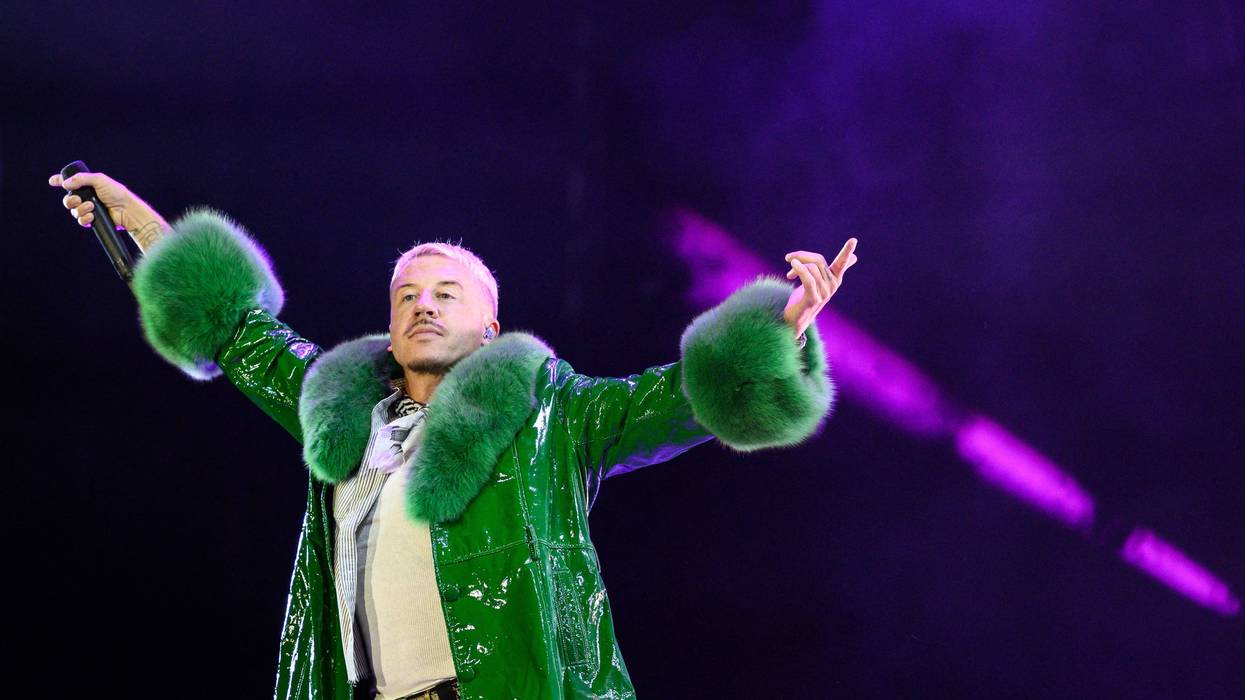
After Silencing by NFL Owner, Macklemore Opens 'Free Palestine' Tour With Sold-Out Dublin Show
The concert garnered rave reviews, with The Guardian calling it a five-star "triumph," and The Irish Times praising the “courage of Macklemore's convictions.”
In a metaphorical middle finger to billionaire NFL owner Robert Kraft's effort to get Macklemore booted from Ed Sheeran’s US stadium tour over his outspoken support for Palestinian liberation, the rapper opened his "Free Palestine" benefit tour Monday with a critically acclaimed sold-out show in Dublin.
More than 13,000 fans packed Dublin's 3Arena, waving Palestinian flags and wearing keffiyehs as the crowd repeatedly chanted “Free Palestine" throughout the show.
“I am proud to stand here on stage in solidarity with the Palestinian people,” Macklemore told the audience. “We will continue to fight for collective liberation until our last breath."
"Six weeks ago, it was two words. Two words is all that it took. Two words that are rooted in love and liberation. Not against anybody, not divisive, not a call for hatred, but a call to recognize our shared humanity. 'Free Palestine.' I said 'Free Palestine,'" the Seattle native said.
He was referring to his removal from Sheeran's Loop Tour amid pressure from Kraft—who owns the New England Patriots and Gillette Stadium in Foxborough, Massachusetts—after the rapper condemned Israel's genocidal assault on Gaza and illegal occupation and apartheid in the West Bank during a September performance at MetLife Stadium in New Jersey.
"While the world debates those words, we see the videos, we see the footage, we see parents pulling their children out of the rubble, families erased, devastation beyond our imagination," Macklemore, whose real name is Benjamin Hammond Haggerty, continued.
"And somehow," he added, "those words have become more controversial than the suffering that made them necessary."
Kraft's pressure backfired spectacularly as every other opening artist on Sheeran's tour withdrew in solidarity with Macklemore, while the rapper launched his own benefit shows in larger European venues than he had played on his previous tour.
In addition to Macklemore—who rose to prominence in 2012 with his multiplatinum hit "Thrift Shop"—the concert featured performances by Irish artist Hozier, trio Kneecap, and folk band Beoga; Palestinian singer Lina Makoul; Palestinian American DJ Habibeats; and US political hip-hop duo Dead Prez.d
Actors Mark Ruffalo and Cynthia Nixon and Strokes frontman Julian Casablancas also appeared via video messages.
Macklemore has paid more than just lip service to the Palestinian cause, pledging $1 million to aid groups. Children's educator and YouTube star Ms. Rachel subsequently vowed to match the donation, declaring, “We have a moral obligation to use our privilege and platforms to protect children and human rights.”
The proceeds of the "Free Palestine" tour—which also has scheduled shows in London and Paris—will support organizations providing Palestinians with medical care, humanitarian assistance, education, and community services.
The tour's opening show garnered rave reviews, with The Guardian calling it a five-star "triumph," and The Irish Times giving the concert four stars and praising the “courage of Macklemore's convictions.”
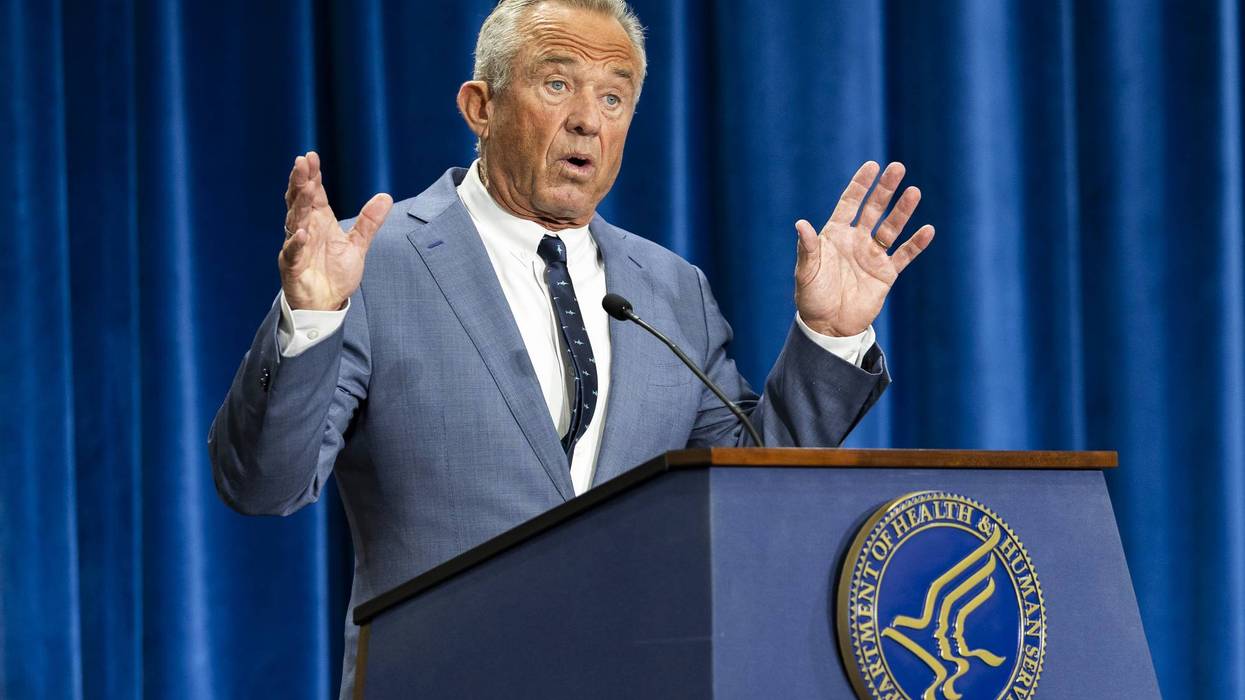
RFK Jr. Condemned Over Baseless and 'Nakedly Racist' Anti-Arab Rant at Rogers Event in Michigan
"Every day, a prominent Republican... says something insanely racist about Muslims or Arabs," said one journalist, while many Democrats are silent about "out-of-control Islamophobia from the GOP."
Visiting the state with the highest percentage of Arab Americans to campaign for the Republican US Senate candidate, a week before the midterm elections during a campaign in which people from across the political spectrum have recoiled at the GOP's racist, misogynist rhetoric, the Trump administration's top health official opted to share a fact-free non sequitur about hundreds of millions of Arabs across the globe.
Apparently trying to sell voters in Michigan on Republican former Rep. Mike Rogers, who was behind Democratic candidate Abdul El-Sayed by two points in a recent Marist poll—and by six points among independents—Health and Human Services Secretary Robert F. Kennedy Jr. opined on "500 million Arabs in the world," a vast population that he suggested contributes little to the global community.
"They don’t produce science, they don’t win the Nobel Prize, they don’t win the Fields prize, they don’t win the Wolf Prize, they don’t produce literature," declared Kennedy at a campaign event in Grand Rapids.
RFK: "There's five hundred million Arabs in the world. And yet they don't produce science. They don't win the Novel Prize. They don't win the Fields Prize. They don't win the Wolf Prize. They don't produce literature." https://t.co/ikZHqklQjE
— Bulwark Clips (@BulwarkClips) October 26, 2026
The comments provoked horror among numerous Democratic lawmakers, advocacy groups, scientists, and journalists, many of whom were quick to point out that Kennedy's racist rant had no basis in reality.
"Besides being nakedly racist and bigoted, this is just hilariously wrong on all levels," said Justin Baragona of Zeteo News.
Baragona was among the observers who did not have reach far back in history to prove Kennedy, who has been widely condemned for his rejection of scientific evidence as he has questioned the safety of vaccines, entirely wrong about Arab people's contributions to the field.
Just last year, Omar Yaghi won the Nobel Prize in chemistry for the development of metal-organic frameworks. Yaghi was born in Jordan to Palestinian refugee parents. He also won the Wolf Prize, an international award for achievements in sciences and the arts, in 2018, for his contributions to the field of reticular chemistry.
Vaccine scientist Peter Hotez expressed relief that his late colleague and "brilliant co-US Science Envoy," the Egyptian-American chemist Ahmed Zewail, "didn’t have to endure" listening to Kennedy's comments. Zewail won the Nobel Prize in chemistry in 1999.
Entrepreneur Saad Mohseni listed a number of other "Arab science giants" who came to mind.
Baragona also pointed to two winners of the National Book Award just last year—the Lebanese writer and painter Rabih Alameddine and Egyptian-American journalist Omar El Akkad.
But US Sen. Chris Murphy (D-Conn.) suggested that beyond debunking Kennedy's wholly inaccurate claim, "everyone needs to pay attention" to what his comments were part of: a "coordinated campaign to delegitimize Muslim Americans—not just as citizens but as humans."
"These increasingly hysterical attacks are a prelude to Republicans bringing us to a very, very dark place after the election," said Murphy.
The Council on American Islamic Relations demanded that Kennedy be removed from his Cabinet position in light of the remarks, which they called "a textbook display of unvarnished racism and bigotry."
"To stand on a public stage as a sitting US Cabinet official and dehumanize half a billion people—and millions of Muslim and Christian Arab Americans—with fabricated, white supremacist talking points is utterly disqualifying for public office," said the group. "His sweeping erasure of Arab contributions to humanity is not only maliciously false, but it also fans the flames of anti-Arab and anti-Muslim hate at a time when communities are already vulnerable to bigoted attacks from other public officials nationwide. Anyone who holds such blatant contempt for an entire ethnicity has no business leading a federal agency meant to serve all Americans."
Journalist Mehdi Hasan, the founder of Zeteo News, suggested that the Democratic Party and liberal commentators deserve a large share of the blame for a political environment in which a top US official felt comfortable openly degrading hundreds of millions of people of Arab descent, including an estimated 3.7 million Arab Americans, as non-contributing members of society.
"Every day, a prominent Republican—the president, a Cabinet official, a primetime Fox host, the Michigan Senate candidate—says something insanely racist about Muslims or Arabs. Meanwhile, my timeline is full of prominent Democrats and liberals getting mad about a random ad attacking Israel and screaming about antisemitism," he said, referring to an ad recently released by Rebellion political action committee, which criticized US aid to Israel and tied it to Americans' struggles with the rising cost of living.
From many liberal commentators, said Hasan, he has heard "crickets... on the out-of-control Islamophobia from the GOP."
Kennedy's anti-Arab comments were hardly an outlier in the Michigan Senate campaign. Rogers and President Donald Trump have both accused El-Sayed of supporting the Muslim Brotherhood, despite the fact that in 2012, as a congressman, Rogers himself said he was willing to work with the movement. The president has openly called the Michigan-born El-Sayed a "jihadist," and a speaker at one Rogers rally over the weekend said the candidate's birth certificate did not make him an American.
But prominent Democrats have also had a hand in pushing the narrative that El-Sayed is a risky choice for Michiganders. Former state Democratic Party chair Lon Johnson accused El-Sayed of “extremism” last week and said his criticism of Israel threatens Jewish communities, calling on Democrats in the state to “leave the Senate race blank." During the primary, the centrist think tank Third Way spent months attacking El-Sayed for campaigning with popular streamer Hasan Piker, who once said that the US "deserved" the September 11 attacks—a comment he later clarified and apologized for.
At Protect Our Care, an advocacy group that typically focuses on Kennedy's attacks on public health, president Brad Woodhouse said Tuesday that with his remarks in Grand Rapids, the health secretary had "laid bare how small and ignorant he really is."
“Fear and racism are the crutch of pathetic political hacks with absolutely nothing to offer or progress to point to," said Woodhouse. "This is his closing argument for why Republicans need more power, smearing an entire people with gross and instantly disprovable lies? Really?"
"Secretary Kennedy thinks spewing hate will distract people from his multiple corruption scandals and starring role in the historic measles and food-borne illness crises Americans have suffered through this year," he added. "This wasn’t the first time RFK Jr has trafficked in racism, but it may be his ugliest episode yet. It’s an indictment of both Mike Rogers and [Republican US Rep.] John James that they haven’t condemned the remarks. They’d rather clap like seals and hope RFK’s racist ‘hail mary’ pays off for them politically. That makes them just as weak, pathetic, and un-American.”
Election-Denying Trump Judges Preside Over Nearly Every Battleground Midterm Race: Analysis
"We must vote in numbers so overwhelming that no Trump judge could deny the truth."
If the Trump administration decides to challenge the outcome of any of the dozens of battleground contests in next week's midterms, there's a significant chance that one of the president's handpicked, election-denying judges will oversee the case.
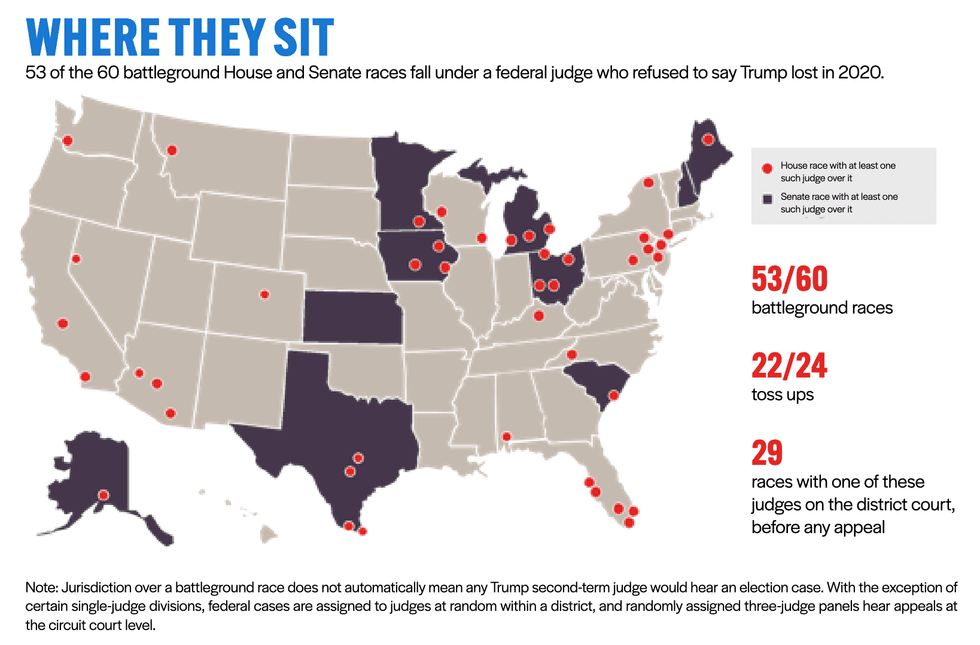
That's according to a report published Tuesday by the advocacy group Demand Justice, which found that 53 of 60 battleground races for US House and Senate that will be held on November 3 "are in districts or states presided over by at least one Trump-appointed federal judge who, under oath, refused to admit that Donald Trump lost the 2020 election."
“If these judges couldn’t tell the truth about 2020, we can’t count on them to do so in 2026," said Josh Orton, president of Demand Justice. "We must vote in numbers so overwhelming that no Trump judge could deny the truth."
The report defines battleground races as Senate and House contests that analysts currently rate as either a toss up, lean Republican, or lean Democratic.
Demand Justice emphasizes that federal courts "look very different" today than they did in 2020, when the judiciary "halted Trump’s attempt to challenge the 2020 election results."
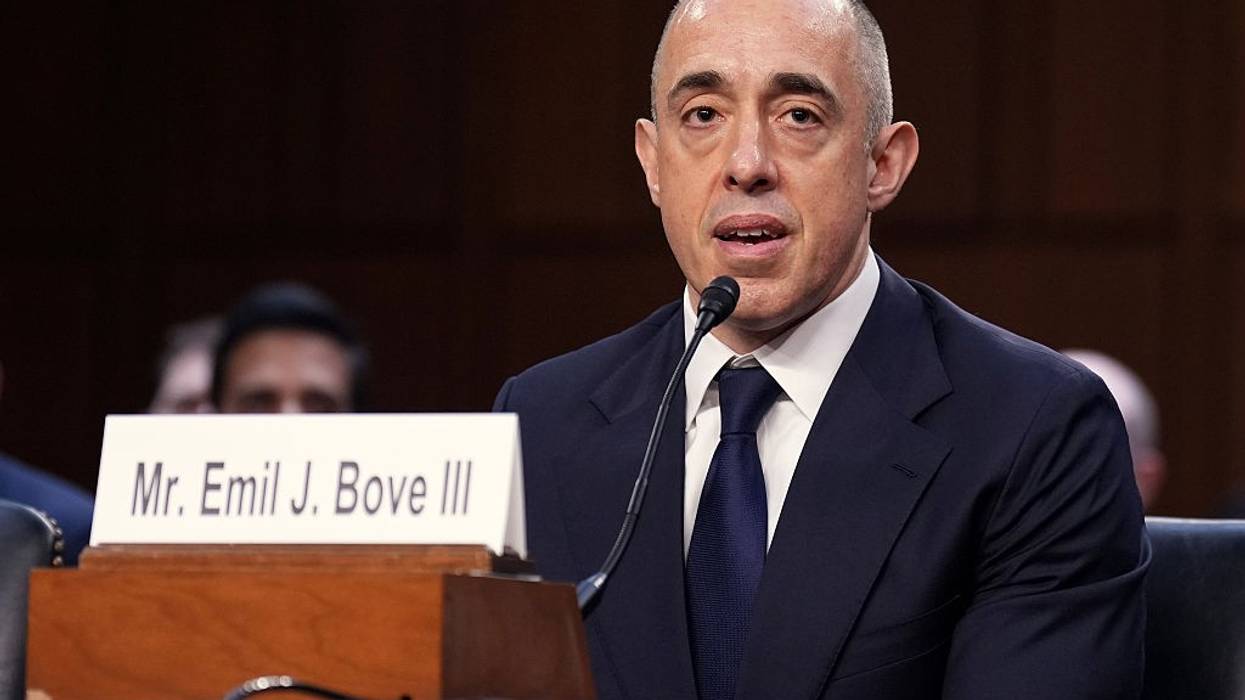
"Since then, Trump appointed Emil Bove and Jennifer Mascott to the Third Circuit, Rebecca Taibleson to the Seventh, Michael Martin to the Eastern District of Michigan, and Eric Tung to the Ninth Circuit, which hears appeals from Arizona," the report notes, pointing to courts that previously weighed 2020-related cases.
During their confirmation hearings, each of those Trump-picked judges—along with dozens of others—refused to explicitly say that Trump lost the 2020 election. As Demand Justice observed in an earlier report, Trump's judicial picks used virtually identical phrasing to evade senators' questions about the 2020 election results, saying that former President Joe Biden "was certified as the winner."
The report comes amid mounting concerns that the Trump administration could try to intervene in the midterms if the outcome is unfavorable to Trump and his Republican Party, which is seeking to maintain control of both chambers of Congress.
Demand Justice cited as an alarming example the Justice Department's lawsuit aiming at blocking certification of Alaska's US Senate election if Republican Sen. Dan Sullivan loses. Trump told reporters late last week that he ordered the DOJ to file the lawsuit, which Democratic nominee Mary Peltola is seeking to dismiss before Election Day.
“Trump's attempt to interfere in Alaska’s Senate race is a wake-up call," said Orton. "His administration will not accept election results unless the Republicans win."
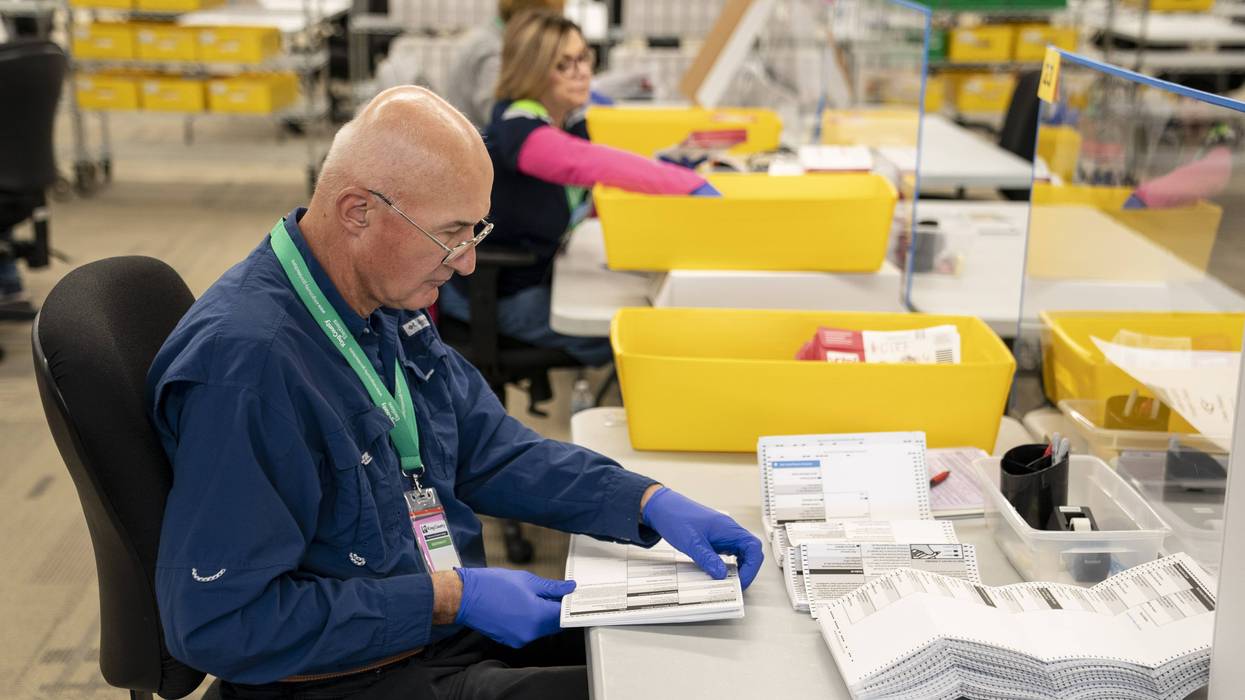
Trump DOJ Brings 'Tired, Desperate' Attempt to Find Noncitizen Voting to Washington State
"The timing of this request—one week before the general election—is no doubt intended to cast unfounded suspicion on the results," said Secretary of State Steve Hobbs.
As a federal appeals court on Monday refused to order California officials to set aside 20,000 mail-in ballots that the Trump administration claimed were cast by noncitizens, the US Department of Justice was already pushing a similar effort in Washington state—the latest of what one advocate called "tired, desperate attempts by a cornered and losing side" to cast doubt on the validity of the November 3 midterm elections.
Washington Secretary of State Steve Hobbs received a letter Monday from acting US Attorney Charles Neil Floyd, who demanded that the state set aside any ballots cast by 405 people whom the DOJ claims are illegally registered to vote despite not being US citizens.
Floyd said the voters have cast 1,500 ballots in past elections, and complained that the Democratic-led state's refusal to turn over unredacted voter rolls to the DOJ earlier this year made his search for noncitizen voters more time-consuming.
The Trump administration has filed lawsuits against more than 20 states for refusing to hand over voter data on millions of people, and the DOJ has resorted to using commercially available information and comparing it with federal records in an effort to track down people it says have voted illegally despite being noncitizens.
The right-wing Heritage Foundation was able to uncover just 23 instances of noncitizen voting between 2003-22, and election officials in found that in 42 jurisdictions, .0001% of 23.5 million votes were cast by suspected noncitizens in 2016.
Those statistics are in line with the results of the DOJ's efforts thus far. In California, federal officials announced they had identified 28 immigrants who were suspected of voting before they became naturalized citizens. The group represented about .0001% of registered voters in California.
In Nevada in September, Homeland Security Secretary Markwayne Mullin claimed authorities had found 16,000 noncitizens on the state's voter rolls. DHS ultimately sent the state a list of just 185 people who it said were illegally registered to vote, but state officials found that all 185 voters were citizens.
Despite the administration's track record, Floyd insisted that this time would be different, asserting in a news conference that the 405 people identified by the DOJ in Washington were "only the tip of the iceberg."
“Because of limitations the state has placed on our investigation, we’ve only been able to uncover a fraction of the total number,” he said. "We will continue to investigate and identify those who are committing crimes by voting illegally.”
A spokesperson for Hobbs' office told NBC News that the secretary of state is reviewing the list, but Hobbs stressed that he "will only respond to requests that follow due process."
"We take our responsibility to protect voter information seriously," said Hobbs. "We saw what happened in California and don’t want Washingtonians to be harassed. The timing of this request—one week before the general election—is no doubt intended to cast unfounded suspicion on the results.”
The search for illegally registered voters in Washington comes days after the DOJ filed a lawsuit in Alaska seeking to block the certification of the state's US Senate election results if Sen. Dan Sullivan (R) narrowly loses to his Democratic challenger, former Rep. Mary Peltola.
The DOJ argued that voters may be confused by their ballots, on which Sullivan and Peltola are listed along with other candidates—one of whom is a retired teacher named Daniel J. Sullivan, Jr. Critics have noted that the sitting senator is clearly marked as the incumbent.
The latest polling average in the key race, which could determine control of the Senate, shows Peltola leading Sullivan by about two points.
On Sunday in an interview with CNN, Attorney General Todd Blanche defended the DOJ's push to stop the automatic certification of the Alaska election results, saying that President Donald Trump "is not trying to take over a state election in any way, shape, or form" and becoming angry when anchor Dana Bash asked whether the refusal to accept the election results could lay the groundwork for violence, as in the January 6, 2021 attack on the US Capitol.
Last week Blanche told reporters that the DOJ could become involved in the election certification process in a "doomsday" scenario.
"Trump’s DOJ has been trying to figure out how to rob Americans of their votes in the midterms since February," said journalist Pedro L. Gonzalez Tuesday. "I hope states are ready to fight and resist the administration. These freaks aren’t just going to let Americans vote their way out of this if they think they can do something about it."

'A Crime of Extreme Inequality': Richest 0.1% Generate More Carbon Pollution Than Half of Humanity
“The ultra-rich are setting the planet on fire and then charging the rest of us for the extinguishers."
The richest 0.1% of humanity generates more planet-heating carbon pollution than nearly half of the global population combined, according to an Oxfam analysis released late Monday as world leaders prepared to gather in Türkiye next month for the United Nations climate summit.
The new analysis provides an updated look at global elites' outsized contribution to a climate crisis that disproportionately impacts the poorest segments of the global population through increasingly devastating heatwaves, droughts, flooding, and other extreme weather, causing death, destruction, and mass displacement worldwide.
Oxfam estimates that a person in the richest 0.1% "has contributed nearly 400 times more to today’s extreme heatwaves than someone in the poorest 50%." The 8 million richest people in the world combined produce "over three times more carbon pollution than the entire population of Sub-Saharan Africa"—around 1.3 billion people.
"The climate crisis is often described as a shared human challenge. It is not," said Amitabh Behar, Oxfam International's executive director. "Those who have done the least to cause it are losing their homes, their harvests and, increasingly, their lives. Meanwhile, the super-rich can buy their way out of danger—by retreating to high-tech underground survival bunkers, hiring private firefighting crews, and securing private insurance—and are actively profiting from the consequences of their pollution. This is not a tragedy of shared fate; it is a crime of extreme inequality."
Oxfam's report notes that the same investors and firms profiting massively from the fossil fuel companies driving the climate crisis are also benefiting from disaster preparedness and recovery. The analysis places those investors in what it calls a "Destroy and Rebuild" index.
"Six major asset managers (including Vanguard, BlackRock, and State Street) make up more than one-quarter of all the Destroy and Rebuild corporations," the report states. "BlackRock and Vanguard are invested in 92% of the corporations in the index: The pair’s total investments in these corporations are more than $1 trillion."
“The ultra-rich are setting the planet on fire and then charging the rest of us for the extinguishers," said Behar. "They profit from the pollution. They profit from the disaster. And they profit again from the clean-up.”
"While ordinary people are forced to grapple with the consequences of emergencies they bear little responsibility in fueling, billionaires are busy outrunning the reality they and their private jets created."
In the United States—where the country's billionaire president has taken a sledgehammer to domestic and international efforts to combat the climate crisis—a person in the richest 0.1% emits 48 times as much carbon dioxide as the average American.
"The country’s richest 0.1% (333,271 people) emit 108 times more CO2 per person than the poorest half of the population (166.6 million people)," Oxfam's analysis shows. "In just under four months (118.3 days), someone in the richest 0.1% emits more CO2 than someone in the poorest half of the U.S. has emitted over the last 30 years."
Rachel Carle, senior advisor on climate justice at Oxfam America, said in a statement that the global climate emergency is "an inequality crisis at its core."
"While ordinary people are forced to grapple with the consequences of emergencies they bear little responsibility in fueling, billionaires are busy outrunning the reality they and their private jets created," said Carle. "Mark Zuckerberg can hunker down in his Hawaiian bunker at the first sign of chaos, but the rest of us don’t have that luxury. Addressing this glaring inequality is the first step to mitigating climate disaster, and that starts with making ultra-rich polluters pay their fair share."
In view of its findings, Oxfam urged governments to use the upcoming COP31 summit in Türkiye to:
- Make rich polluters pay to significantly and rapidly curb their carbon emissions, including through permanent wealth and income taxes, a permanent tax on fossil fuel corporations, and punitive taxes on high-emitting luxury items like private jets;
- Substantially increase climate finance for the Global South, prioritizing public, grant-based finance rather than loans that deepen debt. The amount for adaptation should be tripled by 2035;
- Radically reduce inequality within and between countries, including through climate-resilient public infrastructure and public services; and
- End profiteering from climate disasters. Governments need to curb corporate power in emergency response, reconstruction, and food systems during disasters.
"Another future remains possible," Oxfam's report concludes. "Creating a more equal world would enable emissions to fall rapidly, food systems to become fairer and more resilient, and the creation of public systems to protect people from crisis and adapt to the effects of climate change. Achieving that future will require bold political choices to curb excessive wealth and corporate power while investing in the resilience, rights, and livelihoods of the majority. Climate justice and equality must now become the foundation of climate action."
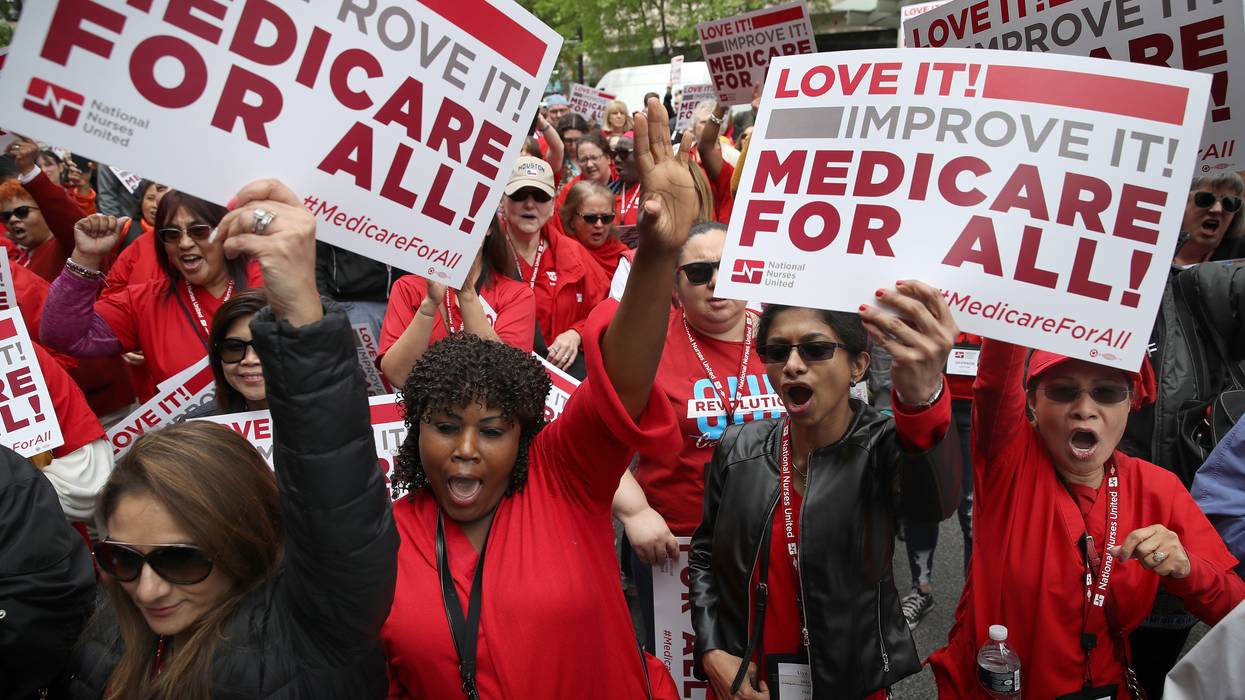
Former Top GOP Strategist Says It's 'Unimaginable' That US Won't Have Medicare for All Within 20 Years
"This is just a matter of how long are we going to delay this?”
A prominent former Republican political strategist said Monday that he believes it's just a matter of time before the United States adopts a Medicare for All universal healthcare system, citing the popularity of the program for older Americans across the political spectrum.
"Close your eyes and think about what will America be like in 20 years," Stuart Stevens—a senior strategist for Mitt Romney's failed 2012 presidential campaign—said during an MS NOW panel discussion hosted by Katy Tur. "It is unimaginable we will not have a national health plan."
"We're already the only Western country that doesn't," Stevens noted. "And this is just a matter of how long are we going to delay this?"
" Medicare is wildly popular," he said. "So you can see what the appeal of Medicare for All is."
"Why shouldn't everybody have Medicare?" Stevens asked. "I mean, it's the wealthiest country in the history of the world."
Stevens noted that the prospect of universal healthcare is "getting a tremendous response," even "from people who aren't exactly on the far left."
"So I think this is an issue that's changing," he added.
Responding to Stevens comments, Rep. Ro Khanna (D-Calif.) told Common Dreams that Medicare for All will ultimately happen in the United States "because it is not just a moral imperative but makes economic sense," as study after study has shown.
"It's what will truly reduce the cost of our system," Khanna said.
A KFF survey released earlier this month found that 66% of Americans favor Medicare for All, the highest level of support since the organization began tracking the proposal. Support included 84% of Democrats, 72% of independents, and 34% of Republicans—up from just 21% of Republicans in 2020.
A separate Axios-Ipsos poll, also published this month, found that 43% of Americans supported the proposal, compared with just 24% opposed, while 21% of Republicans backed it.
Multiple studies have shown that Medicare for All would save lives—and money. Most recently, researchers at Yale University estimated that implementing such a system would save over 114,000 lives annually while reducing healthcare expenditures by more than $1 billion per year.
Stevens' comments came as Sen. Chris Van Hollen (D-Md.)—a possible 2028 presidential candidate—said his party needs to pursue Medicare for All if it succeeds in winning control of the Senate next week.
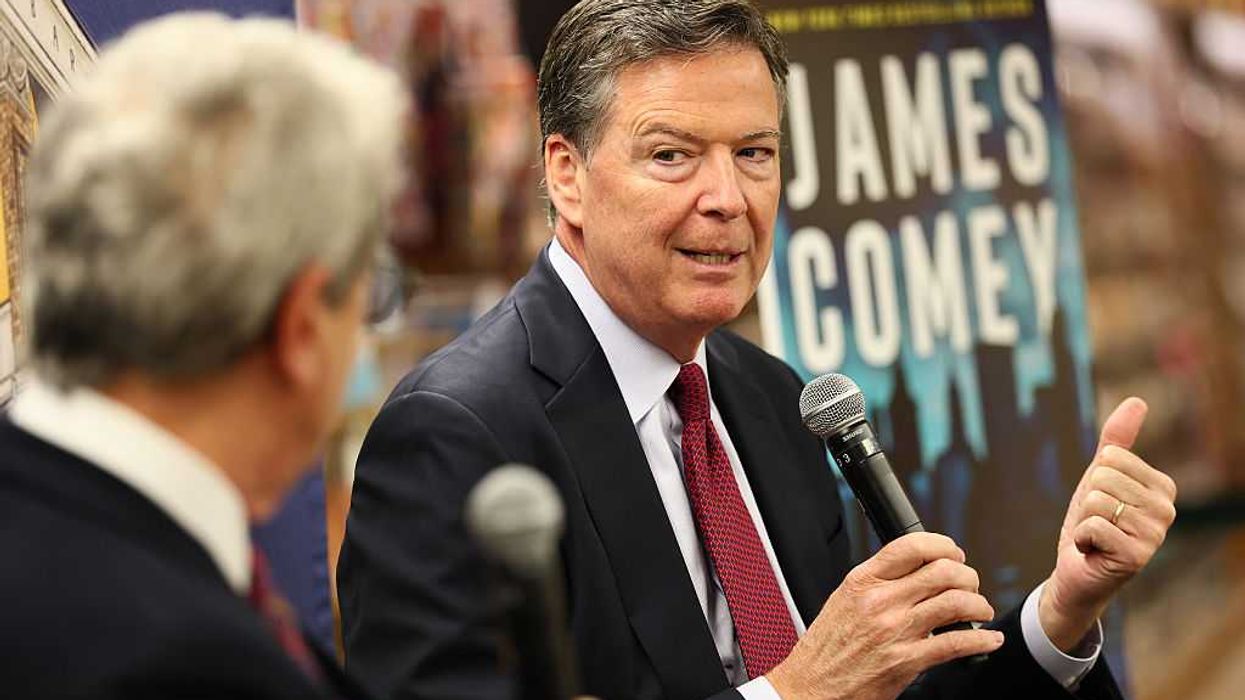
Trump DOJ Charges Ex-FBI Chief James Comey a Third Time
"It would almost be funny if it weren't such an appalling abuse of the Department of Justice—one that we cannot become numb to," said James Comey.
President Donald Trump's administration has charged former Federal Bureau of Investigation Director James Comey a third time, according to documents unsealed on Monday—the same day a US judge ruled that the administration unlawfully fired Comey's prosecutor daughter, who worked on the sex crimes case against the president's dead ex-friend Jeffrey Epstein.
Comey, a former Republican fired during Trump's first term, and various critics have condemned all of the cases against him and others who publicly call out the administration as weaponization of the US Department of Justice (DOJ) against the president's political enemies. The latest case relates to a New York Times article from over a decade ago, when he was still FBI chief.
The case, in which he's accused of unlawfully disclosing classified information, "has played out under seal since October 5. Comey's defense attorneys filed a motion 10 days ago to dismiss the charges against him. He has not been indicted in the case," NBC News reported. "The charges that were filed are a criminal information—essentially a charge filed by prosecutors—and not a grand jury indictment."
Elie Honig, a former federal prosecutor and CNN's senior legal analyst, was among the experts who highlighted that "this is a bizarre, and likely improper, use of a criminal 'information' to end-run the statute of limitations."
"Typically an information must be agreed to by a defendant—and Comey did not consent here," Honig explained. "It therefore likely cannot extend the statute of limitations, which would have expired on October 5, 2026."
The DOJ Rapid Response account on X said that "the department filed a waiverless criminal information to toll the statute of limitations as it relates to allegations concerning former FBI Director Comey. Filing a criminal information to toll the statute of limitations is a widely recognized practice in federal court and has been approved by multiple circuit courts of appeals. This is an ongoing criminal investigation, and we will not comment further."
Comey's attorney, Pat Fitzgerald, said that he "steadfastly maintains his innocence" and noted some details from all cases: "In September 2025, the Department of Justice used a person who was not actually a United States attorney to seek an indictment that was not actually shown to the grand jury. And it charged Mr. Comey with crimes that he did not commit. That case was promptly and properly dismissed. In April 2026, the Department of Justice filed charges in the Eastern District of North Carolina concerning Mr. Comey's posting of a photograph of seashells spelling '8647.' We will not comment beyond our filings in that case."
"This most recent case involves an October 5, 2016 New York Times article that two different teams of prosecutors investigated during the first Trump administration," Fitzgerald continued. "Both times the government determined that no charges should be brought against anyone. Now, 10 years after the article was published, the government filed an 'information' against Mr. Comey that was not approved by a judge nor issued by a grand jury. It purports to charge Mr. Comey with crimes that he did not commit. We are gratified that United States District Judge Trevor McFadden has ordered this matter unsealed. Mr. Comey will fight these charges vigorously and in the open."
Comey also directly declared his innocence and vowed to fight back in a video he posted on Substack, saying that "it would almost be funny if it weren't such an appalling abuse of the Department of Justice—one that we cannot become numb to."
Yet another case in DC by James Comey
Read on SubstackThe documents were unsealed shortly after US District Judge Jesse M. Furman—appointed to the Southern District of New York by former President Barack Obama—sided with Maurene Comey, concluding that the DOJ "violated the separation of powers, federal administrative law and Ms. Comey’s due process rights when it fired her in July 2025," as the Times detailed Monday.
A spokesperson for the DOJ—which is now led by Attorney General Todd Blanche, who previously served as the president's personal lawyer—said that "the department disagrees with this decision and will appeal in due course."
Sharing news of that ruling on X, Sen. Sheldon Whitehouse (D-RI) predicted, "This will drive 'Ranting Man' Trump even crazier!!"
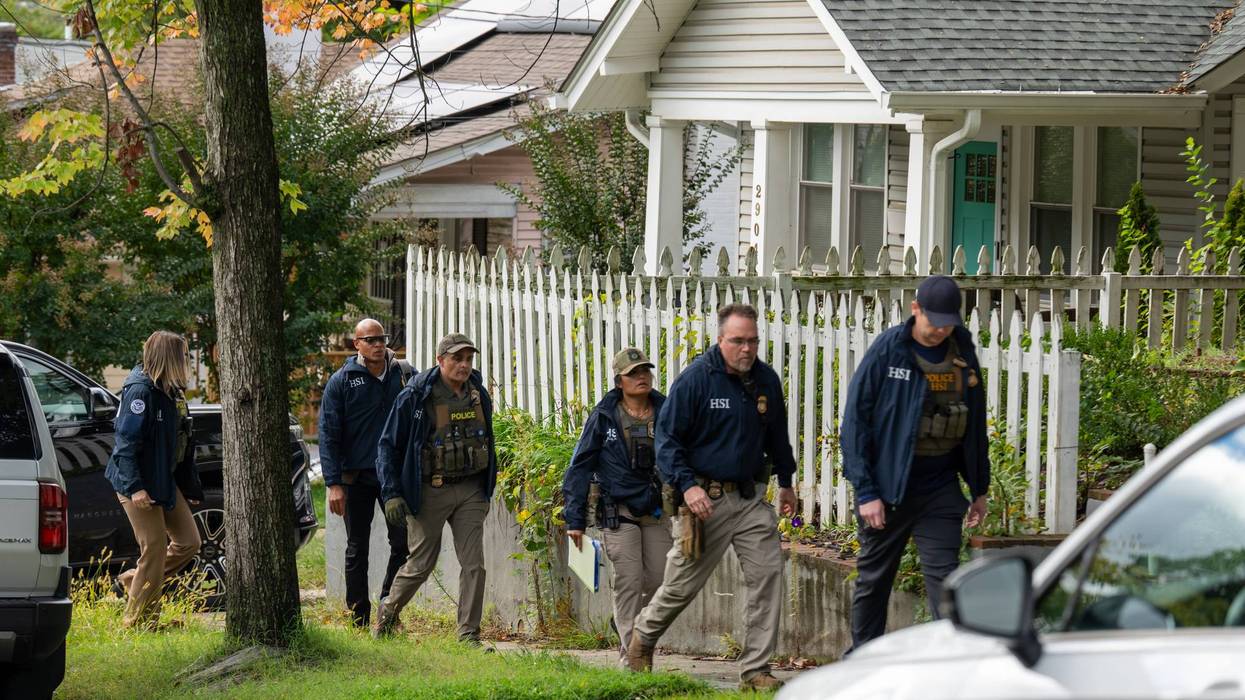
175 House Democrats Decry Omar Raid as Dangerous 'Attempt to Influence an Election'
"This weaponization of law enforcement to harass a sitting member of Congress 22 days before an election is unprecedented and unacceptable."
While Congresswoman Ilhan Omar calls out the "fascist" Trump administration's recent raid on her home in fundraising emails as she seeks reelection in a solidly Democratic Minnesota district, over three-quarters of the progressive's fellow Democrats in the US House of Representatives came together on Monday to condemn the "weaponization of federal law enforcement against her."
As part of what the White House and US Department of Justice (DOJ) have confirmed is an ongoing criminal investigation, Department of Homeland Security (DHS) agents executed a search warrant on Omar's Washington, DC home on October 12, and "were seen carrying out boxes of documents from the home, and reportedly obtained her DNA, personal phone, and passport," notes House Democrats' letter to Attorney General Todd Blanche and DHS Secretary Markwayne Mullin.
President Donald Trump has a long history of attacking the Somali-American lawmaker with "baseless lies and smear campaigns," and during this probe, Mullin, Vice President JD Vance, and White House adviser Stephen Miller and his wife, Katie Miller, have piled on. The letter calls the warrant "a dramatic escalation of an almost decade-long campaign of attacks on Congresswoman Omar."
The persecution of @repilhan.bsky.social just days before an election is vile and politically-motivated.I'm leading 175 House Democrats in denouncing this. When we retake power, we have to seriously look at how we can stop these abuses of power — starting with the power of the purse.
[image or embed]
— Congresswoman Pramila Jayapal (@jayapal.house.gov) October 26, 2026 at 4:12 PM
"This weaponization of law enforcement to harass a sitting member of Congress 22 days before an election is unprecedented and unacceptable," argued the Democrats, led by Reps. Greg Casar (Texas), Yvette Clarke (NY), Robert Garcia (Calif.), Pramila Jayapal (Wash.), Jamie Raskin (Md.), and Bennie Thompson (Miss.), who are all congressional committee ranking members or caucus chiefs.
The four-term congresswoman is running again in Minnesota's 5th District, which earlier this year was targeted in Trump's Operation Metro Surge. That was part of his mass detention and deportation agenda, which has involved sending armed immigration agents into various communities, where they have killed, injured, and violated the rights of US citizens and noncitizens alike.
Early voting began in Minnesota just days after the raid. The members of Congress wrote that "news of the search warrant, whether properly predicated or not, could affect voters' decisions, which is exactly why federal law enforcement should not engage in such conduct when voters are casting their ballots. This type of interference strips Minnesotans of their right to a free and fair election guaranteed to them under the Constitution."
"Your actions are clearly driven by a pre-determined political outcome rather than an objective pursuit of justice," the lawmakers told Blanche and Mullin. "Your probe into the congresswoman reportedly concerns her late father's filing of immigration paperwork after she fled Somalia's civil war at age 8, making her a US citizen at age 17. This does not justify a pre-dawn raid on her home for paperwork her father filed when she was a minor."
Citing previous cases in which Trump's second administration "has prioritized retribution over its responsibility to apply the laws without fear or favor," the lawmakers added that "your unprecedented attempt to influence an election through federal law enforcement will also fail but the attempt itself is incompatible with our democracy."
We stand with @repilhan.bsky.social against Trump's baseless attacks and the continuing weaponization of the federal government.
[image or embed]
— The Progressive Caucus (@usprogressives.bsky.social) October 26, 2026 at 3:16 PM
"Political disagreements never justify intimidation, and no president should use the power of the federal government to threaten, silence, or intimidate political opponents," the Democrat stressed. "You have already disgraced the offices you hold, and we demand you refrain from taking any further actions that could affect the outcome of the upcoming election."
Democrats are aiming to reclaim majorities in both chambers of Congress in the November 3 elections—and if they do, House Minority Leader Hakeem Jeffries (D-NY), who could become the next speaker, made clear last month that party members "are preparing a vast oversight agenda" and "we haven't ruled anything out," including impeachment.