Why US Voters of All Political Stripes Loath the Big Tech Billionaires
Let us count the many reasons.
One of few silver linings of these dark Trump times is that much of what had been hidden has now been exposed.
I’m referring specifically to where the power lies in our system—power to decide how most Americans live and work. This exposure is having a huge effect on American attitudes. It may even lead to a fundamental political realignment along with major reforms.
To summarize: America hates the billionaire barons of Big Tech.
Let me start with some historic context, then discuss how this affects the most pressing issues in the 2026 campaign, and finally suggest some likely outcomes.
I. The First Gilded Age’s Robber Barons and the Second Gilded Age’s Billionaire Barons of Big Tech
The first Gilded Age, which stretched from the late 1870s to around 1900, featured “robber barons” who lived like kings while corrupting the federal and state governments with bribes to get whatever they wanted from pliant legislators.
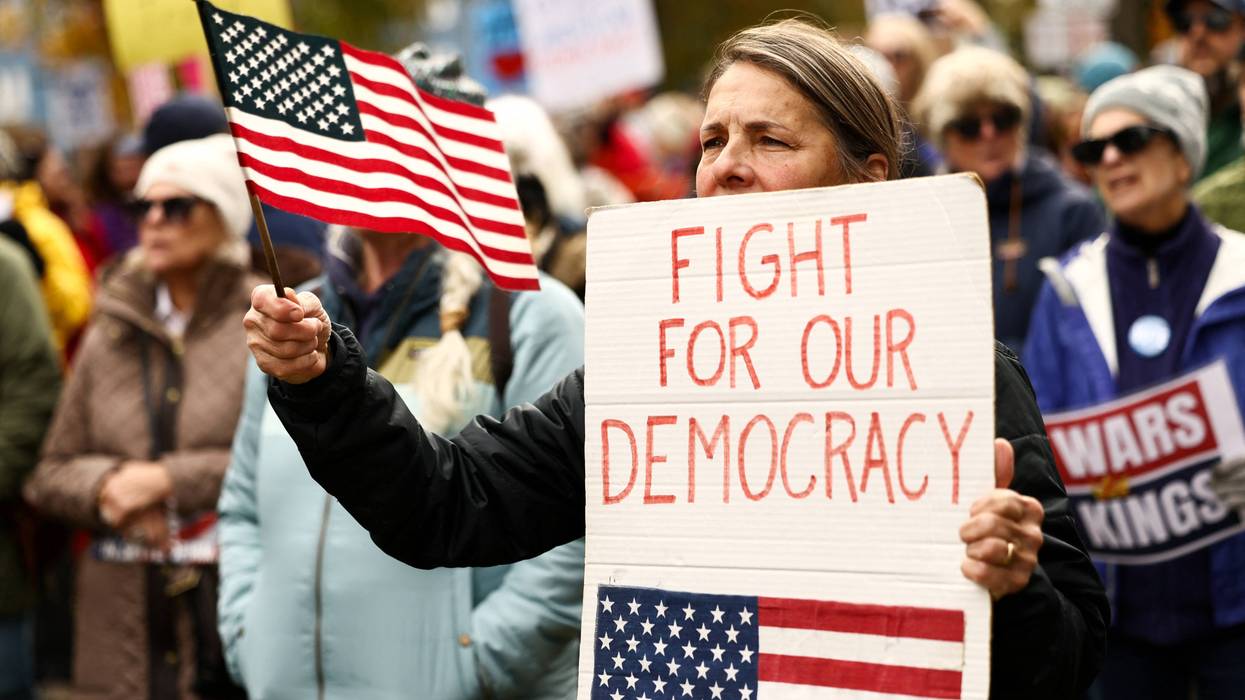
Today’s second Gilded Age is led by the billionaire barons of Big Tech, who are similarly living like kings while corrupting our democracy.
Just three billionaires have donated more than $600 million to Republican candidates in the 2026 midterms, an all-time record.
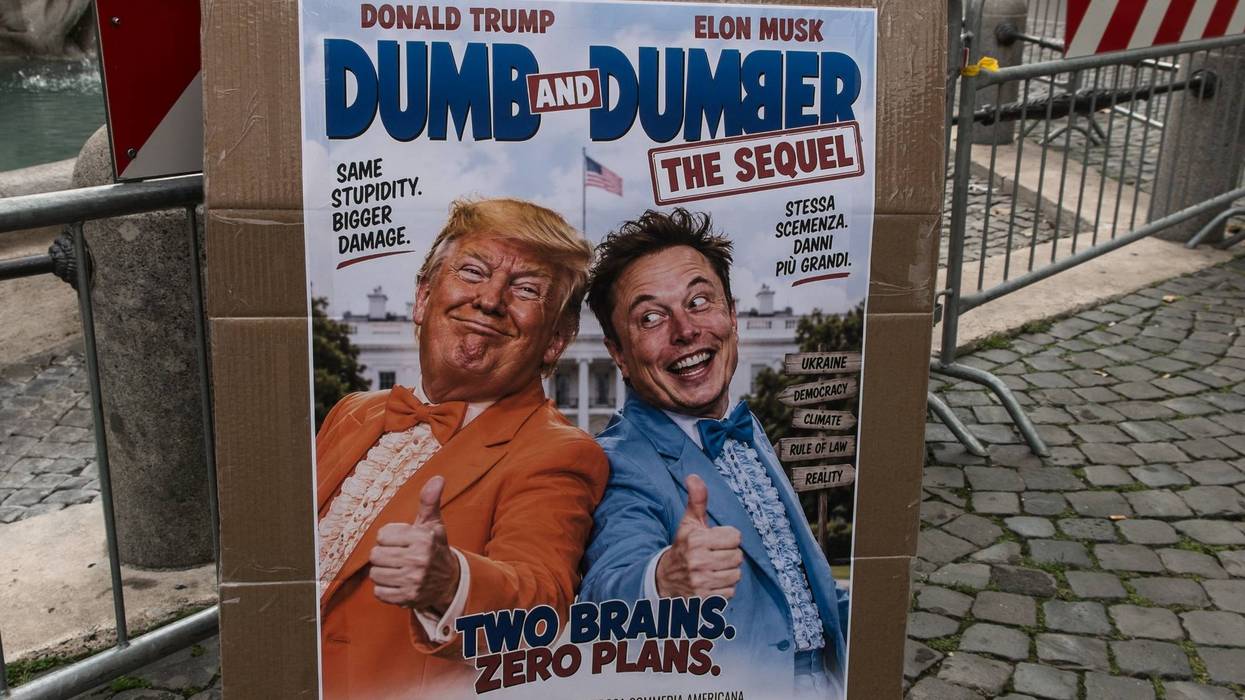
One of them—Elon Musk—sank more than a quarter of a billion dollars into getting Trump elected in 2024 and is sinking even more into the 2026 midterms.
In return, Trump has allowed Musk to extend his monopoly on satellite communications, financed largely by taxpayers—even giving him the power to disable Ukraine intelligence. Trump also allowed Musk’s DOGE to rampage through federal databases and gather information on every American.
Larry Ellison and his son, David, defanged CBS News and its flagship “60 Minutes” and kicked Trump critic and satirist Stephen Colbert off the air. In return, Trump has greenlit the Ellisons’ acquisition of a media empire stretching from Paramount to CNN, CBS and CBS News, TBS, TNT, MTV, Comedy Central, BET, Discovery, HBO, and TikTok.
Jeff Bezos gave Melania Trump a $40 million licensing fee for a puff documentary about her (with about $28 million going directly to her) and another $35 million for marketing the movie dud. Bezos also destroyed the integrity of the editorial page of The Washington Post by barring it from endorsing Kamala Harris in 2024 and from writing anything negative about capitalism under Trump.
In return, Trump has given Bezos and his Amazon carte blanche to monopolize online retailing along with federal contracts to provide cloud infrastructure for Immigration and Customs Enforcement (ICE) and the National Security Agency (NSA).
Tim Cook, CEO of Apple, gave $1 million to Trump’s inaugural fund and $25 million to Trump’s White House ballroom fundraising campaign, and he gave Trump personally a custom engraved glass and 24-karat gold base plaque. In return, Trump has given Cook and Apple critical exemptions from Trump’s sweeping tariffs, allowing them to import electronic components from China.
Mark Zuckerberg, CEO of Meta, also helped finance Trump’s inauguration and his ballroom, gave Trump $25 million to settle his lawsuit against Meta for suspending him from its platforms after the January 6, 2021, attack on the Capitol, rolled back content moderation and fact-checking on his platforms, and brought Trump loyalists into Meta’s leadership.
In return, Trump went along with Zuckerberg and Meta’s wish not to have a federal AI regulator but to rely on “self-policing” and to pressure European and other countries not to impose taxes on digital services.
II. The Billionaire Barons and AI
The billionaire barons of Big Tech are now investing more than $1 trillion of other people’s money and debt—along with taxpayer-financed subsidies—into AI. (Last year’s giant Trump-Republican tax cut featured major tax breaks for Big Tech, helping drive a big decrease in corporate tax payments even as AI spending soars.)
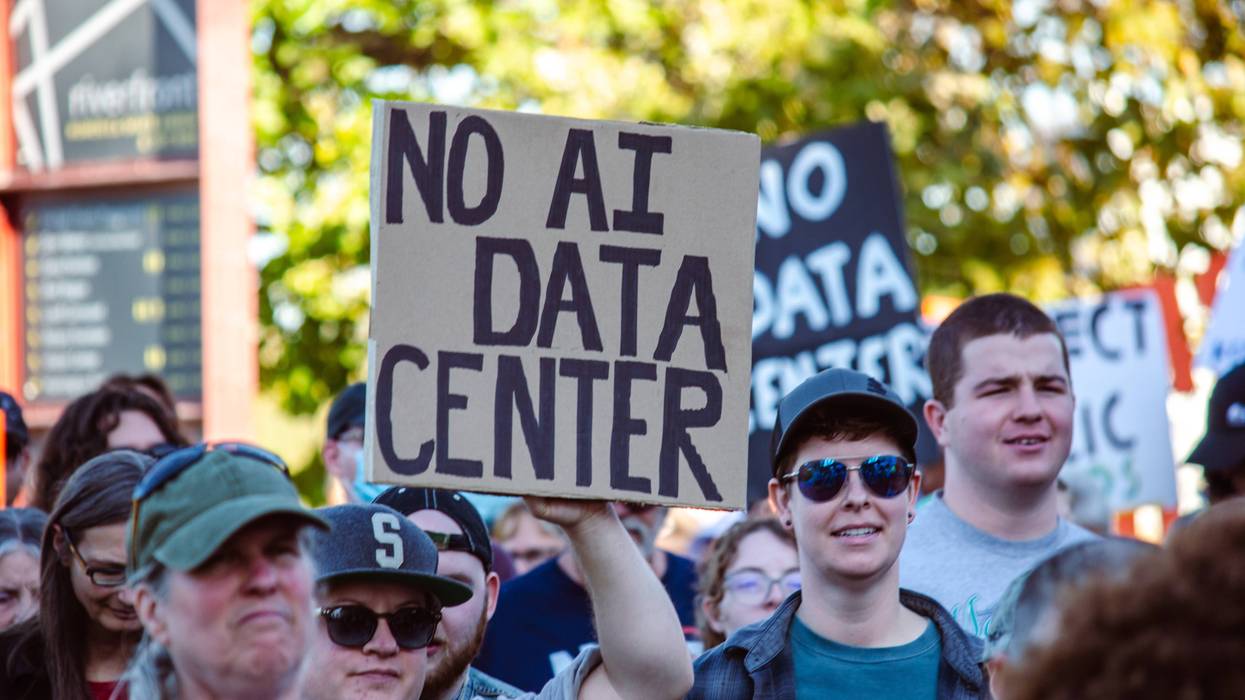
The billionaire barons are thereby exposing the US economy to the largest gamble since Wall Street’s wanton betting led to the 2008 financial crisis—threatening tens of millions of jobs, putting energy-guzzling data centers all around the nation, and posing a non-negligible threat to the survival of the human species.
The barons are also hastening climate change through the data centers’ exponential energy and water demands, along with the expansion and resurrection of fossil fuel infrastructure to power AI.
Tech giants’ self-reported greenhouse gas emissions have surged. Meta’s emissions jumped over 60 percent, Google’s rose nearly 50 percent, Amazon’s increased by 33 percent, and Microsoft’s by more than 23 percent—almost entirely driven by building and expanding data centers.
The billionaire barons of Big Tech are also among the biggest beneficiaries of Trump’s war in Iran, through their ownership of advanced AI.
Peter Theil’s Palantir is powering the US military's targeting and data operations through its Maven Smart System platform, which processes massive streams of satellite, drone, and intelligence data.
Billionaires Palmer Luckey, Brian Schimpf, and Trae Stephens are behind Anduril, which provides major counter-drone defense systems used to intercept Iran’s low-cost Shahed drones. Billionaires Larry Page’s and Sergey Brin’s Google—along with billionaire Sam Altman’s OpenAI and billionaires Eric Schmidt and Dario Amodei’s Anthropic—are providing advance AI models and technology for military planning, intelligence, and counter-drone operations.
III. Will History Rhyme?
By the first decade of the 20th century, Americans had had enough of the brazen inequalities and corruption that characterized the first Gilded Age. A wave of reforms—antitrust laws, progressive taxation, pure food and drug regulation, bans on corporate political activities—blocked much of what the robber barons had been doing.
Then, after the Great Crash of 1929 and the ensuing Great Depression, the nation ensured that the barons could no longer wreak havoc on America. Labor laws, securities laws, unemployment insurance, the minimum wage, the 40-hour workweek, and additional taxes on high incomes were enacted, laying the basis for the prosperity of the post-World War II era.
Are we on the precipice of another age of reform?
Perhaps. A new Politico poll shows that Americans are fed up with the billionaire robber barons of Big Tech—and Republicans are likely to take most of the political blame on Election Day.
The top tax priorities for voters, according to the poll, are hiking taxes on billionaires and curbing tax breaks for big companies.
Nearly half of respondents—47 percent—called Republicans the party of tech tax breaks, more than double the 21 percent who said the same for Democrats. Voters are also far more likely to want candidates who propose stripping away tax incentives for the data centers needed to fuel the AI boom.
About a fifth of respondents said that ending those tax breaks would be among their most important tax issues in the midterms (only 1 in 10 wanted to offer new preferences for data centers).
A majority of respondents thought that tech chief executives have been secretive about the potential risks of AI, while a plurality of Americans believe both that the risks of artificial intelligence development outweigh the benefits and that the government should strictly regulate AI.
It’s impossible to know whether the upcoming midterms elections will reflect these sentiments or, even if they do, whether these sentiments will find their way into subsequent legislation.
But—given the polls, and also what I’m hearing informally from around the nation—it seems likely to me that high on the nation’s emerging progressive agenda will be busting up Big Tech monopolies, getting big money out of our politics, enacting a wealth tax, putting guardrails around AI, seeking to reverse climate change, and preventing billionaires from creating and owning media empires.
I can’t say precisely when we’ll see these enacted, but I’m confident we will see them. America hates the billionaire barons of Big Tech, with good reason.