Analysis Warns Bipartisan Senate Permitting Bill Would Lock In Trump-Era Data Center, Fossil Fuel Approvals
“Any permitting deal passed under this administration must strengthen the guardrails that keep Burgum and Trump in check, not hand them a blank check," said one advocate.
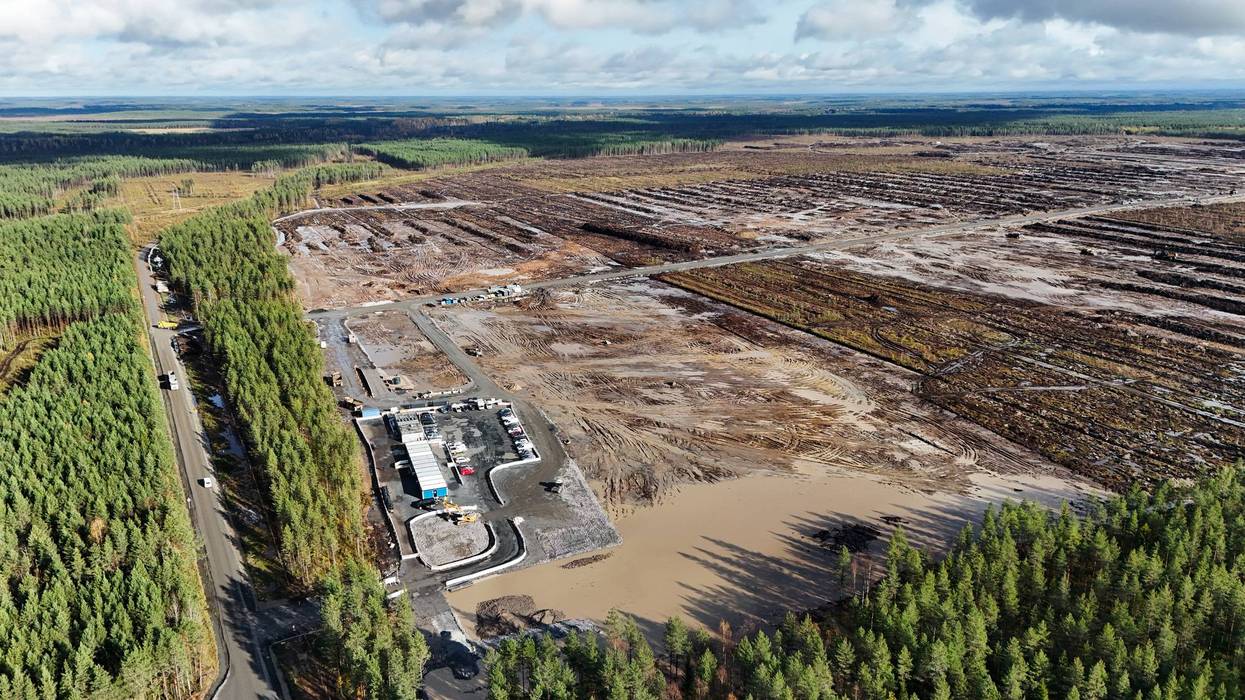
An analysis out this week warns that should the US Senate pass the Bipartisan American Affordability and Jobs Act of 2026 after the midterm elections, communities across the country can expect to live with the consequences for decades to come, as the permitting bill would allow the Trump administration to swiftly approve data centers, nuclear facilities, and fossil fuel infrastructure—and "then make those approvals nearly impossible to reverse" after President Donald Trump is out of office.
As Common Dreams reported last month, the bipartisan bill could significantly weaken the Endangered Species Act in the interest of speeding up infrastructure projects.
Aaron Weiss, executive director of the Center for Western Priorities, said Wednesday in an analysis at the group's blog, Westwise, that the bill also contains three provisions that would be "disastrous for America’s public lands."
Section 1401 of the legislation would "lock in" development of data centers, nuclear energy facilities, and other projects "the minute" they were greenlit by the federal government.
It states that agencies "shall not take any new action that would revoke, rescind, withdraw, terminate, suspend, amend, or alter” any federal permit in effect on or after September 16, 2026, with few exceptions.
Section 1401 also weakens a court's authority to pause a construction project if it finds an agency did not complete a thorough or accurate environmental review of the project—essentially turning a court-ordered review into "an empty paperwork exercise," according to Justin Pidot, a University of Arizona law professor who served as general counsel of the White House Council on Environmental Quality.
"A judge can send the review back for a redo, but construction continues in the meantime, and Section 1401 bars the agency from changing the permit based on what the new review finds," wrote Weiss. "Challengers also get just 150 days to sue."
Finally, Weiss pointed to Section 1402 of the bill, which says that if an agency changes a previously approved permit and a court finds they cannot move forward with the project, "taxpayers would owe the developer 25% to 50% of everything it has spent."
"If a future administration slows a whole category of projects, such as gas plants or nuclear fuel facilities, developers can collect 50% to 100% of a project’s expected construction cost," wrote Weiss.
"This disastrous bill would permanently scar our natural heritage and sacrifice clean water, wildlife, and the health of our communities just to make the wealthiest people on Earth even richer.”
Should the bill pass, any permit in effect on or after September 16, 2026 would be protected under the provisions, and Interior Secretary Doug Burgum would have 27 months, until Trump's term is over, to approve more projects that would also be shielded from actions by future presidents.
But the bill "spares everything the Trump administration has done to mess with clean energy permits,” wrote Matthew Littleton, a former Justice Department lawyer—meaning it does nothing to lift Trump's actions blocking wind and solar energy projects.
Weiss called on the bill's sponsors, including longtime public lands advocate Sen. Martin Heinrich (D-NM), to salvage the bill by engaging "with the tribes, the communities, and the millions of Americans who have made clear they don’t want data centers and nuclear waste forced onto their public lands or into their backyards."
According to a poll released in August by Embold Research, 75% of Americans now oppose building data centers in their area.
Heinrich, said Weiss in a statement, has claimed that the bill "will age very well over time."
"As it’s currently written, it will indeed age, locking in data centers and a new nuclear legacy on our public lands for generations—after all, the half-life of plutonium-239 is about 24,000 years," continued Weiss. “Any permitting deal passed under this administration must strengthen the guardrails that keep Burgum and Trump in check, not hand them a blank check. Sen. Heinrich should pump the brakes on this bill during the lame duck session and work with leaders in the next Congress to get it right.”
The analysis came as more than 100 groups called on Congress to oppose the bipartisan bill, which is also sponsored by Sens. Sheldon Whitehouse (D-RI), Shelley Moore Capito (R-W.Va.), and Mike Lee (R-Utah).
“Here in Utah, where 73% of voters oppose fast-tracking oil, gas, and mining projects on public land, we say America’s worst ideas come from the desk of Sen. Mike Lee,” said Olivia Juarez, GreenLatinos public land program director. “This bill exemplifies what we mean. Its only guarantee is blocked public land access, dangerous air quality, and reckless exclusion of public input on how we treat the places we should pass on to future generations in a better condition than we received them. It’s a handout to the fossil fuel and AI industries, and a rubber stamp on wildlife extinction and climate disaster.”
Ashley C. Nunes, a public lands policy specialist at the Center for Biological Diversity, said that "handing our public lands over to corporate polluters and tech billionaires is a staggering betrayal of all Americans."
"It will put irreplaceable public lands at the mercy of industries bent on exploiting them," she said. "This disastrous bill would permanently scar our natural heritage and sacrifice clean water, wildlife, and the health of our communities just to make the wealthiest people on Earth even richer.”

 Tanisha Milton teaches a lesson on busing and the desegregation of Boston, Massachusetts public schools during an 8th grade civics class at TechBoston Academy on May 22, 2024. (Photo by Craig F. Walker/The Boston Globe via Getty Images)
 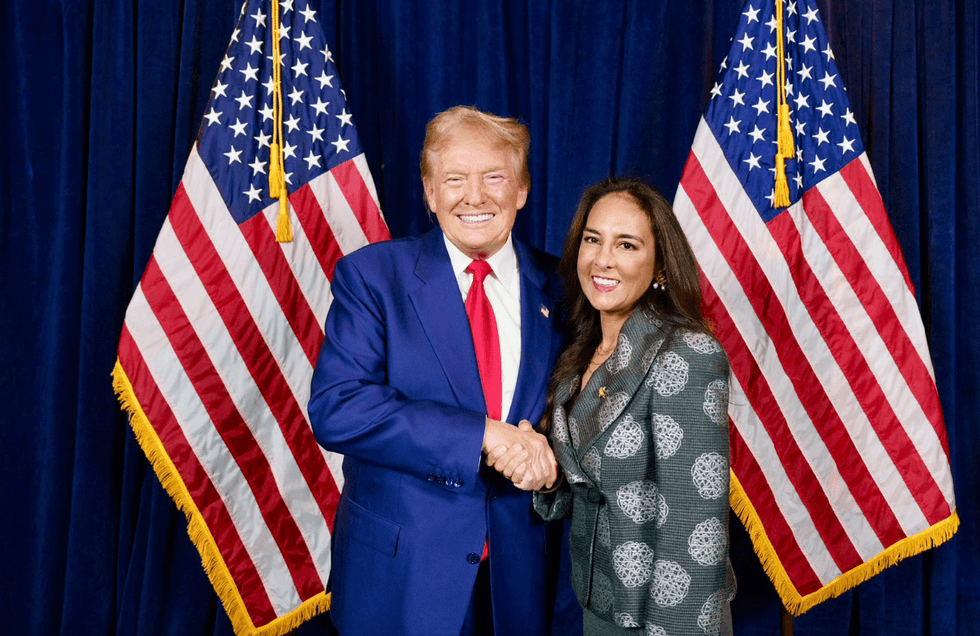 Harmeet Dhillon shakes hands with Republican US President-elect Donald Trump in a photo she posted on social media on October 31, 2024. (Photo: Harmeet Dhillon/X)