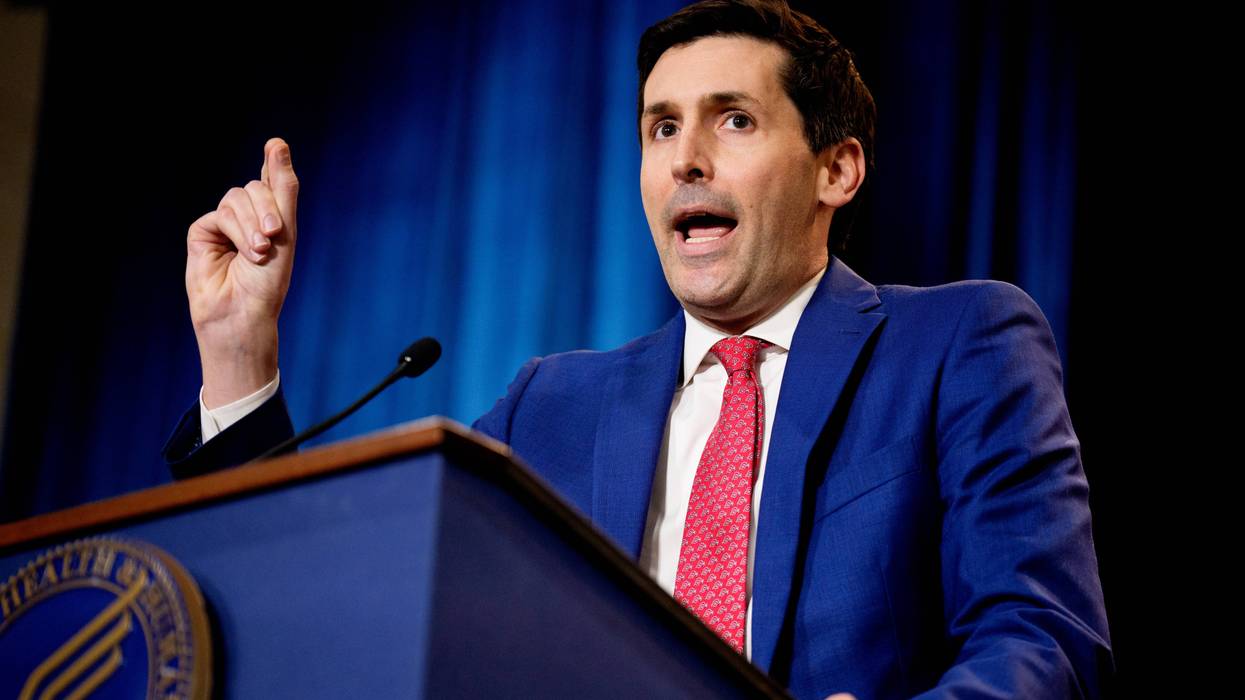
'Grifter Got Grifted': RFK Jr. Adviser Calley Means Quits as Trump 'Hemorrhaging' MAHA Support
One campaigner said that "activists should brace for even more deregulation of cancer-causing pesticides, forever chemicals in water, and flavored vapes aimed at kids."
In perhaps another signal that the "Make America Healthy Again" movement is feeling betrayed by US President Donald Trump, The Wall Street Journal revealed Thursday that Calley Means is exiting his role as an adviser to Health and Human Services Secretary Robert F. Kennedy Jr.
"I leave with tremendous respect for President Trump and RFK—two historic figures who are committed to confronting a corrupt DC bureaucracy that is doing everything possible to protect the status quo," Means said in a statement. "The past two years have seen historic policy and cultural change to confront the chronic disease crisis and healthcare incentives that profit from us being sick. This movement is in the first inning and just getting started."
White House spokesperson Allison Schuster told the Journal that "we are grateful for Calley Means' time in the Trump administration," and "he has done a fantastic job for the MAHA movement."
While the spokesperson applauded Means, the brother of the president's withdrawn surgeon general nominee, and the departing adviser praised Trump and Kennedy—whose partnership he has been credited with fostering—unnamed sources who spoke to various media outlets cited internal conflicts.
According to the Journal's sources, Means "was greatly frustrated by White House delays of some of Kennedy's most popular policy ideas and blamed others in the administration for allowing food companies and special interests to have too much sway," with one person describing him as "disillusioned."
CNN similarly reported:
Means, who had championed Trump as a candidate willing to overhaul the government's approach to food and health regulation, grew increasingly frustrated over delays in advancing a series of policies at the center of the MAHA agenda, three people familiar with the matter said.
Trump health officials had initially hoped that policies, including an effort to create a definition for ultraprocessed foods, would be finalized well before the midterm elections. Instead, they've faced continued delays in the White House and sharp pushback from major agriculture industry groups.
Means decided to quit primarily because of those delays, the people familiar with his thinking said.
Following those and other reports, Shaughnessy Naughton, president of 314 Action, which works to elect Democrats with a background in science to public office, said in a statement that "Calley Means has called it quits because the grifter got grifted."
"It's clear that top MAHA figures are distancing themselves from the administration because Trump and RFK Jr. have betrayed the promises that built their movement," Naughton continued. "Instead of taking on Big Food and Big Pharma, this administration has repeatedly sided with special interests, using Trump's signature Sharpie to boost the production of pesticides by executive order, loosen restrictions on peptides, and promote fruit-flavored vapes to children."
"The MAHA agenda is a failed experiment—RFK Jr. was the first to fold on the food industry, and we have a president who lives on a steady diet of cheeseburgers and Diet Coke—Trump was never going to be an ambassador for MAHA's food agenda," she added. "Nearly 50% of independents and swing voters say MAHA has failed to deliver on its promises, and Calley Means' departure confirms it. This administration has sold out the very people it claimed it would fight for. More heads will roll, and we expect RFK Jr. will be next in Trump's firing line."
Brad Woodhouse, president of Protect Our Care, declared that "Donald Trump is hemorrhaging MAHA support even from within his administration."
"Again and again, RFK Jr. helped Donald Trump sell out MAHA priorities to protect profits of the GOP's big chemical, food, and tobacco donors," he said. "Patience has already run dry for many MAHA supporters. Now Kennedy's right-hand man can't stomach staying in the administration after all the rug pulls, phony excuses, and corporate surrender."
"Means' exit is a clear sign that Donald Trump has no intention of mending MAHA fences," Woodhouse warned, "and activists should brace for even more deregulation of cancer-causing pesticides, forever chemicals in water, and flavored vapes aimed at kids."
The RFK Jr. adviser's departure followed the Monday publication of an analysis from the watchdog group Public Citizen titled "How Trump Conned MAHA," which lays out how far the administration has "strayed" from its own "warnings about hazardous chemicals in the environment and ignored its own advice about corporate influence and corrupted science."
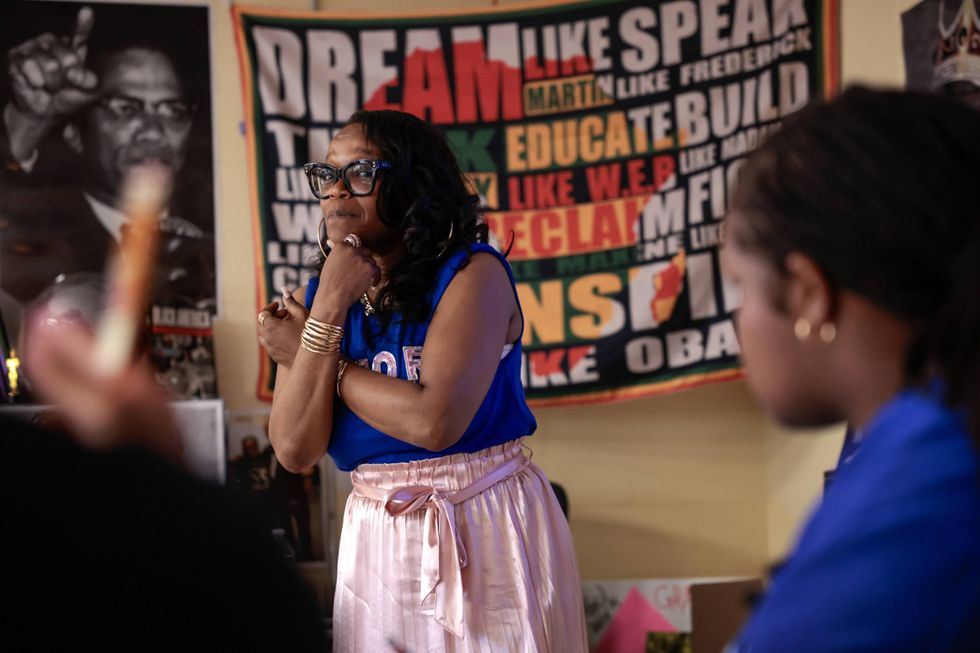 Tanisha Milton teaches a lesson on busing and the desegregation of Boston, Massachusetts public schools during an 8th grade civics class at TechBoston Academy on May 22, 2024. (Photo by Craig F. Walker/The Boston Globe via Getty Images)
 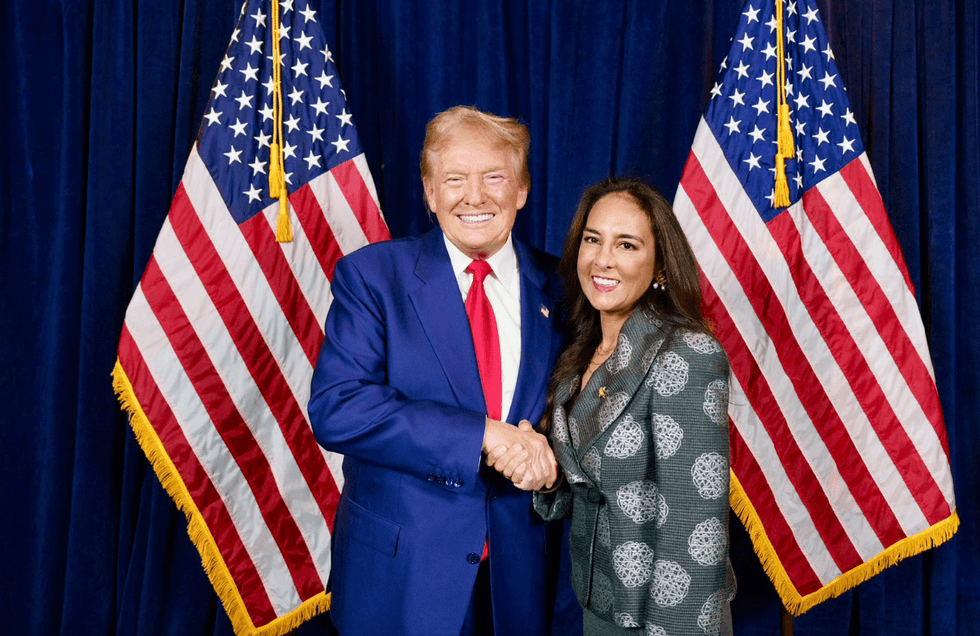 Harmeet Dhillon shakes hands with Republican US President-elect Donald Trump in a photo she posted on social media on October 31, 2024. (Photo: Harmeet Dhillon/X)