

SUBSCRIBE TO OUR FREE NEWSLETTER
Daily news & progressive opinion—funded by the people, not the corporations—delivered straight to your inbox.
5
#000000
#FFFFFF
To donate by check, phone, or other method, see our More Ways to Give page.
Daily news & progressive opinion—funded by the people, not the corporations—delivered straight to your inbox.
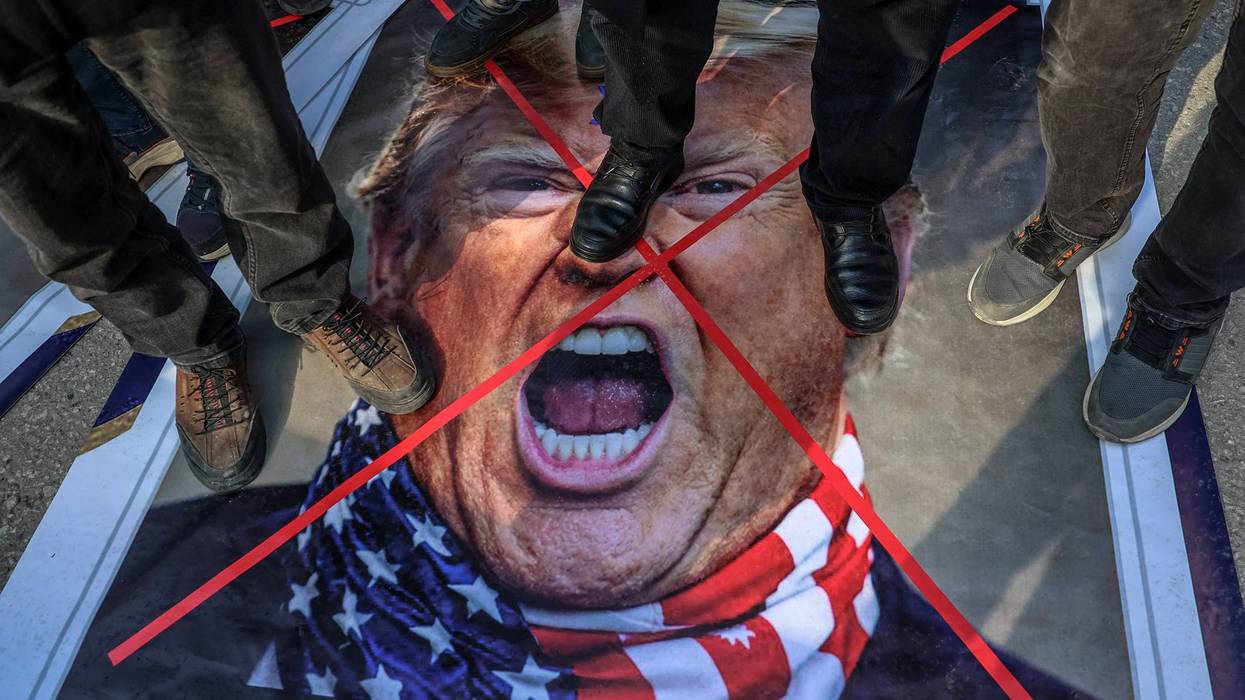
Washington’s present predicament cannot be explained solely through depleted arsenals, poor military planning, Trump’s impulsiveness, or Netanyahu’s manipulation. Nor can it be understood simply as the result of underestimating Iran.
The US government continues to double down, even as its stubbornness costs it dearly—not only in material terms, but also in geopolitical influence. Washington is rapidly losing power and status in the Middle East, a decline that could produce a wider domino effect, reverberating around the world.
The latest expression of this hubris came from US Treasury Secretary Scott Bessent. Speaking at a G20 gathering of finance ministers in Asheville, North Carolina on September 1, Bessent declared that within two years, the Strait of Hormuz would become “a worthless piece of water,” as oil would instead be transported through overland pipelines.
Bessent is now promoting a new narrative that shifts the emphasis from the military war to an economic one. In an August 23 article for the Financial Times, he announced that “an economic D-Day is coming for Iran,” threatening countries that continue to trade with Tehran with severe economic consequences.
This sounds less like a serious foreign-policy strategy than an admission of Washington’s inability to alter the course of the ongoing war.
The deeper failure lies in Washington’s attempt to impose an outdated model of regional domination on a Middle East—and a world—that has fundamentally changed.
Two dominant schools of thought have emerged to explain how Washington found itself in this position.
The first, promoted largely by sections of the US media, former officials, and retired military commanders, argues that the war on Iran was a mistake from the outset and that Washington lacked the military and logistical preparedness necessary to wage it.
The second explanation places Iran at the center. It argues that Washington fundamentally underestimated Iran’s military capabilities, political resilience, and regional reach, treating the country as though it were another Venezuela that could be subdued through sanctions, threats, and limited military pressure.
Both explanations contain elements of truth. Neither, however, provides the deeper, less defensive, and more historically grounded understanding required to explain the scale of the present American failure.
John J. Mearsheimer, the prominent American political scientist and international relations scholar, has been among the boldest critics of the US war.
“Trump is trapped and has no way out,” Mearsheimer said on July 15, reiterating an argument he had advanced repeatedly since the beginning of the war. “All of this is to say that the decision to attack Iran on 28 February 2026 is one of the greatest blunders in the history of US foreign policy,” he added.
Mearsheimer, like Jeffrey Sachs, Scott Ritter, and other critical American voices, often—and understandably—analyzes these “great blunders” from a US-centered perspective. For millions of people in the Middle East, however, this collective analysis is not an intellectual or strategic exercise. It describes their everyday reality. They have lived through these catastrophic miscalculations and paid the human cost of US intransigence, militarism, and political failure.
The history of US foreign policy in the Middle East offers countless examples of this destructive pattern. Washington’s support for Israel—the region’s greatest destabilizing force—remains the most enduring example.
Palestinians, Lebanese, Syrians, and other peoples of the region require no new strategic framework to reach a conclusion similar to Mearsheimer’s. They have experienced the consequences of US power directly: wars, invasions, occupations, sanctions, political interference, and unconditional support for Israel.
The United States also established a disastrous record through its invasion and occupation of Iraq. It succeeded in overthrowing Saddam Hussein’s government in 2003, but failed catastrophically to govern the country, stabilize it, or restructure the Middle East according to the "vision" it had proclaimed.
The outcome was not a new American order, but the devastation of Iraq, prolonged instability, and the rise of political forces Washington had neither anticipated nor controlled.
Washington’s Western allies were also drawn into what became known as the Iraq quagmire, paying considerable political, military and financial costs for a war whose premises proved false and whose consequences remain unresolved.
Naturally, those former partners have little appetite for participating in a much larger and potentially more destructive war against Iran for an indefinite period—particularly when the crisis is being managed by Donald Trump and Benjamin Netanyahu, two deeply unpopular, impulsive, and widely distrusted leaders.
But the Middle East has changed. Regional states now possess greater political agency, more diversified alliances, and far more at stake than they did in 2003. They are no longer operating within a regional order in which Washington represents the only meaningful center of global power.
Chinese President Xi Jinping’s recent visit to Egypt provides one of numerous examples. “We must uphold the principle that the people of the Middle East are the masters of their own affairs,” Xi said during his September 2 meeting with Egyptian President Abdel Fattah el-Sisi. He also urged countries to oppose “external interference” and strengthen regional dialogue on peace and security.
Like Egypt, other regional powers are similarly diversifying their partnerships rather than relying exclusively on Washington.
Key Middle Eastern leaders understand that a prolonged war against Iran would not remain confined to Iran. It could destabilize the entire region, devastate economies and infrastructure, threaten vital energy routes and generate interconnected wars whose consequences could endure for decades.
This brings us to Israel. Historically the cornerstone of US strategy in the region, Israel is itself considerably weaker. It is militarily overstretched, politically fragmented, socially divided, and unable to decisively conclude any of the wars it has opened, despite Netanyahu’s repeated declarations of victory.
Washington’s present predicament, therefore, cannot be explained solely through depleted arsenals, poor military planning, Trump’s impulsiveness, or Netanyahu’s manipulation. Nor can it be understood simply as the result of underestimating Iran.
The deeper failure lies in Washington’s attempt to impose an outdated model of regional domination on a Middle East—and a world—that has fundamentally changed.
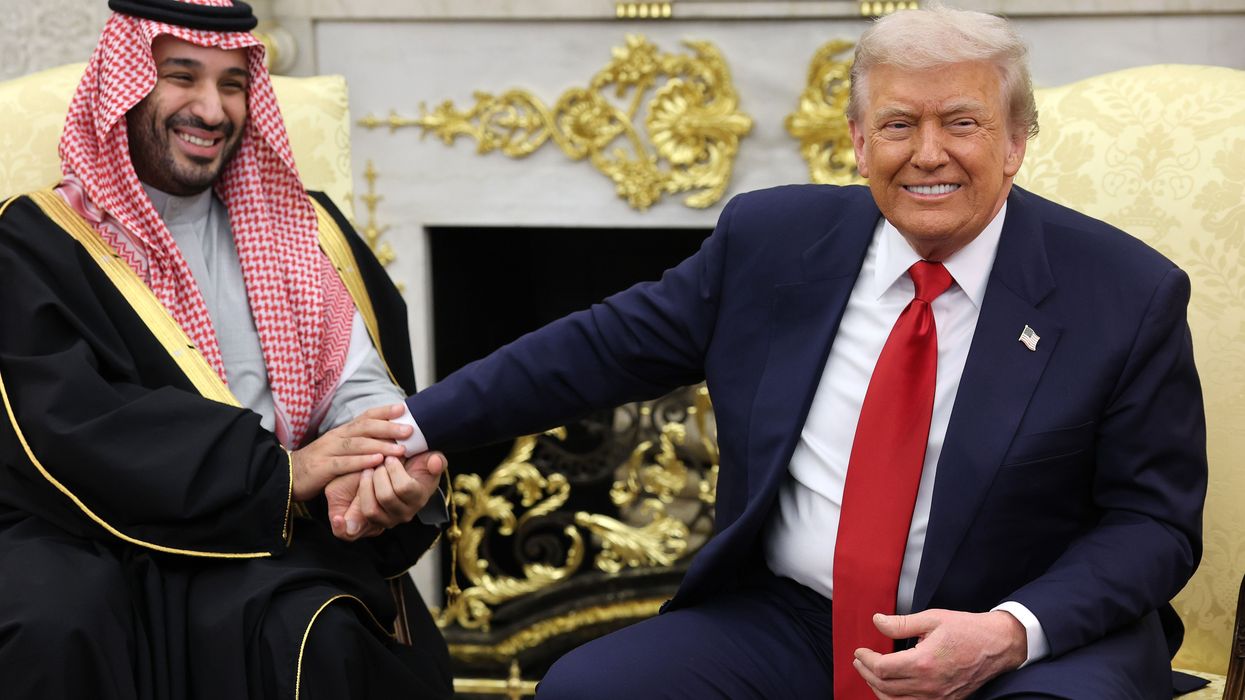
"Imagine if we had just built on the JCPOA and created a stable Middle East through cooperation instead of these endless wars," said one observer.
Calls to halt the Iran War and avert yet another US bombing campaign in Yemen intensified Friday after President Donald Trump reportedly declined a request from Saudi Crown Prince Mohammed bin Salman to launch airstrikes against Houthi forces amid their stunning advance toward a vital global shipping lane.
According to Axios' Barak Ravid, Mohammed bin Salman, who is also the Saudi prime minister, made two urgent calls to Trump on Thursday as Houthi forces captured the strategic Yemeni port city of Mocha and advanced toward the Bab el-Mandeb Strait, one of the world's most important maritime chokepoints. MBS reportedly pressed Trump to intervene militarily, but the president declined to order US attacks at this time.
"With Iran already disrupting traffic through the Strait of Hormuz, Houthi control of Bab el-Mandeb could give Tehran a powerful new point of leverage over the US and its Gulf allies," Ravid wrote.
However, he added that "US officials stressed the administration has no plans to intervene directly against the Houthis for now."
Understanding that Trump's apparent refusal of MBS' request could be temporary, opponents of a wider Middle East war are urging the US leader to refrain from any further strikes on Houthi targets.
Instead of attacking Yemen, Matt Duss, executive vice president at the Center for International Policy and a former foreign policy adviser to US Sen. Bernie Sanders (I-Vt.), said on social media that a "better idea" would be to "end the war on Iran and remove US forces from the Middle East."
California-based Israeli academic Shaiel Ben-Ephraim said on social media that "Trump wisely decided not to get involved in the Yemeni civil war. Stop expanding all these wars."
"Imagine if we had just built on the JCPOA and created a stable Middle East through cooperation instead of these endless wars in Syria, Yemen, Iran, Iraq, Lebanon, and Gaza," he mused, referring to the Obama-era Joint Comprehensive Plan of Action, the Iran nuclear deal unilaterally abandoned by Trump during his first term, despite Tehran's full compliance with its terms.
Drop Site News national security and foreign affairs reporter Murtaza Hussain called on the Gulf Arab states—which have borne the brunt of Iranian counterattacks—to circumvent the United States and negotiate an agreement with Tehran.
The Houthi victories give the group—officially called Ansar Allah—a commanding position near the Bab el-Mandeb Strait. The narrow waterway links the Red Sea to the Gulf of Aden and carries an estimated 12% of global goods, including approximately 4-5% of the world's total seaborne-traded oil and petroleum products.
Saudi Arabia launched Friday airstrikes on Mocha's airport, while the Houthis attacked targets including Saudi pipeline infrastructure used to circumvent the Strait of Hormuz. The Houthis said that maritime traffic would be safe except for Saudi vessels.
Oil prices surged more than 6% on Thursday, with both major benchmarks trading at over $100 a barrel amid the Houthi advances and continued instability stemming from Iran's effective closure of the Strait of Hormuz despite over six months of unsuccessful efforts by the US military and Trump administration to reopen the vital waterway, through which around one-fifth of the world's oil previously transited.
The average US price of a gallon of gasoline reached nearly $4.30 on Friday, a 37% increase from when Trump—who promised both no new wars and $2 gas—entered office in January 2025.
US forces have carried out airstrikes and ground raids on al-Qaeda and other militants in Yemen for decades. According to the UK-based casualty monitor Airwars, an estimated 445-643 Yemeni civilians have been killed by US forces since 2009.
Starting under then-President Barack Obama in 2014, the US provided arms and support to the Saudi-led coalition during Yemen's civil war. International experts attribute more than 150,000 Yemeni deaths to a US-backed, Saudi-led bombing campaign and blockade, which has fueled mass starvation and disease in the country of approximately 43 million people.
A report published Thursday documented more than 500 Yemeni civilian casualties caused by US attacks between December 2023 and May 2025. All but seven of 46 strikes covered by the report occurred during Trump's presidency, including massacres at the Ras Isa oil port and at a detention center for African migrants in Saada.
During Israel's war on Gaza, the US, Israel, and the United Kingdom carried out repeated airstrikes in response to Houthi attacks on commercial and military vessels in the Red Sea that the group said were intended to pressure Israel as it killed tens of thousands of Palestinians.
Responding to the latest developments, UK political commentator Bushra Shaikh said that "America went to war for Israel, seeking to dominate the Middle East."
"Now Trump is negotiating with Iran, Saudi Arabia is looking towards regional diplomacy, Pakistan says the Mecca Pact won't be used against Yemen, and the Ansar Allah Houthis retain leverage over Bab el-Mandeb," she continued.
Shaikh added: "The ultimate humiliation? America will come out of this war having failed to defeat Iran while pushing the very region it wanted to control towards strategic independence from Washington."

Forty-one is the number of senators needed to stop the 2027 National Defense Authorization Act—a massive bill that sets defense policies and authorities—and push for key modifications.
In the days after the September 11, 2001 attacks, I joined Harry Belafonte, Danny Glover, the Institute for Policy Studies, YES! Magazine, and hundreds of other signatories in calling for “Justice, Not Vengeance.” We argued that the United States should find and prosecute those responsible for 9-11 rather than launch wars against countries that had not attacked us.
We were right to worry: The wars that followed cost trillions of dollars and countless lives, and left the country less secure, not more.
Twenty-five years later, Congress faces a similar test—and a similar warning sign. The United States and Israel are at war with Iran, a war of choice that could prove even more disastrous than the decision to go to war with Afghanistan and Iraq.
While responsibility for the war lies with the Trump administration, Congress has a say in what happens next—if it chooses to act.
When the Senate reconvenes after their recess, they will face the question of approving the NDAA. Senators should use their leverage to change the disastrous direction of this administration’s defense policies.
Likewise, Congress can rein in historic levels of military spending and reject proposals to spend billions of dollars on a new generation of nuclear weapons, funded by taxpayers and historic levels of debt. And it can say no to the rapid development and deployment of AI weapons, an especially important step at a time when AI agents are already going rogue.
All it would take is 41 US senators. That is the number needed to stop the 2027 National Defense Authorization Act (NDAA)—a massive bill that sets defense policies and authorities, with a proposed price tag of $1.5 trillion.
The NDAA passed the US House of Representatives on July 22, but it has stalled in the US Senate.
Under Senate rules, 41 senators can filibuster to stop a bill from moving to the Senate floor for a vote, and the Democratic caucus has 47 senators. So, even in the minority, the Democratic senators—along with any Republicans who oppose “forever wars”—could prevent the NDAA from advancing without modifications.
When the Senate reconvenes after their recess, they will face the question of approving the NDAA. Senators should use their leverage to change the disastrous direction of this administration’s defense policies.
What specifically could 41 Senators do?
In January of this year, President Donald Trump called for raising the US spending on defense to $1.5 trillion, but has been uncharacteristically quiet about this eye-watering level of defense spending ever since.
Perhaps his silence is because he can see how deeply unpopular the US-Israel war against Iran has turned out to be. Sixty eight percent of Americans say it is not worth the costs, according to a July survey by the Chicago Council on Global Affairs, a level of unpopularity that parallels Americans’ views of the wars in Afghanistan and Iraq.
And there is no end in sight. In spite of President Trump’s bragging about an imminent US victory in Iran, The Wall Street Journal reports that Defense Secretary Pete Hegseth has extended Middle East deployments into 2027.
The US already spends more on the military than any other country—more than twice as much as China and five times as much as Russia. The enormous sums devoted to military spending, and the taxes and debt used to finance them, make the priorities of the American people more difficult to achieve.
Instead of ramping up dangerous conflicts and new weapons systems, we should fund an economy that meets the needs of our families, deploys solutions to the climate crisis, and makes healthcare and housing accessible to everyone. Instead of mounting debt, we should invest in prosperity for future generations.

The directors of the film—which premiered at the Venice Film Festival—said they "felt the responsibility" to expose insider testimony about Israel's systematic mass killing of Palestinians.
A documentary film that premiered Thursday at the Venice Film Festival offers a rare inside account of Israel’s US-backed genocide in Gaza, with former members of a secret Israeli intelligence unit describing how they helped transform the mass killing of Palestinian civilians into a routine, bureaucratized affair.
NAZA, directed by Israeli filmmakers Yuval Abraham and Rachel Szor, is based on interviews with 24 Israeli military and intelligence insiders, several of whom served in a secret unit that reported directly to the office of Israeli Prime Minister Benjamin Netanyahu.
"We really are looking at... a system of killing, which is mass killing [and] relies on mass surveillance," Abraham told reporters in Venice on Thursday. "We felt the responsibility as Israelis to use our position... to bring insider testimony into how the system looks like from the inside... And this is the film that we made."
Szor said that "a lot of these things are also, it's important to say... known because they've been documented by journalists, Palestinian journalists, in Gaza. It's footage that has been out there."
"But I think that we felt that there is still some sort of an importance to take those testimonies and put it in a film in a way that, of course, first of all, it's different to hear," she added. "The people who designed and operated those systems talk about it in front of a camera."
According to the film, one former member bluntly said that the unit's mission was to “thwart peace.”
However, Abraham and Szor said their purpose was not to expose a handful of rogue soldiers, but to examine the machinery and policies behind the violence.
The documentary’s title refers to an Israeli military acronym used to quantify the civilians expected to be killed in an attack—a chilling bureaucratic shorthand for people often referred to as collateral damage, or, in the so-called "War on Terror" still being waged by the United States 25 years after the September 11, 2001 attacks, "bugsplat."
The film’s sources describe artificial intelligence-assisted targeting, mass surveillance, and the hacking of mobile phones to identify alleged Hamas operatives, sometimes despite the known presence of family members and other civilians.
Israeli forces have operated under loosened rules of engagement that effectively permit the killing of an unlimited number of civilians when targeting even a single low-ranking Hamas member. The Israel Defense Forces utilizes cutting-edge AI technology to select targets at a far faster rate than humans alone could, and destroys them with weapons including 1,000- and 2,000-pound bombs—many supplied by the US.
The result has been the killing and wounding of more than 250,000 Palestinians since the Hamas-led attack of October 7, 2023. Most of the victims have been civilians, including more than 21,500 children killed and tens of thousands more disabled or wounded.
Netanyahu and former Israeli Defense Minister Yoav Gallant are wanted by the International Criminal Court in The Hague for alleged crimes against humanity and war crimes in Gaza, including murder and forced starvation. Israel is facing an ongoing genocide case filed by South Africa at the International Court of Justice—also in The Hague—and formally supported by nearly 20 nations.
Abraham and Szor are best known internationally for co-directing with two others the film No Other Land, which chronicled ethnic cleansing of Palestinians from the illegally occupied West Bank by Israeli settlers and soldiers. The film won the 2025 Academy Award for best documentary feature. No Other Land co-director, co-writer, and producer Hamdan Ballal, who is Palestinian, was brutally attacked by Israeli settlers and violently detained by IDF troops in March 2025, as Common Dreams reported at the time.
NAZA—which reportedly received a 25-minute standing ovation at its Venice premiere—is the sole documentary among the films competing for the festival's famed Golden Lion. It joins a growing body of recent films about the Gaza genocide.
American Doctor, directed by Poh Si Teng, follows US physicians working inside Gaza hospitals amid Israel's deliberate destruction of the strip's medical and healthcare systems.
Last year's The Voice of Hind Rajab offered a harrowing mix of acted scenes and the actual 70-minute audio recording of a 5-year-old Palestinian girl's desperate final phone call to Palestine Red Crescent Society personnel amid an Israeli massacre of her family as they were trapped in a car under tank fire.
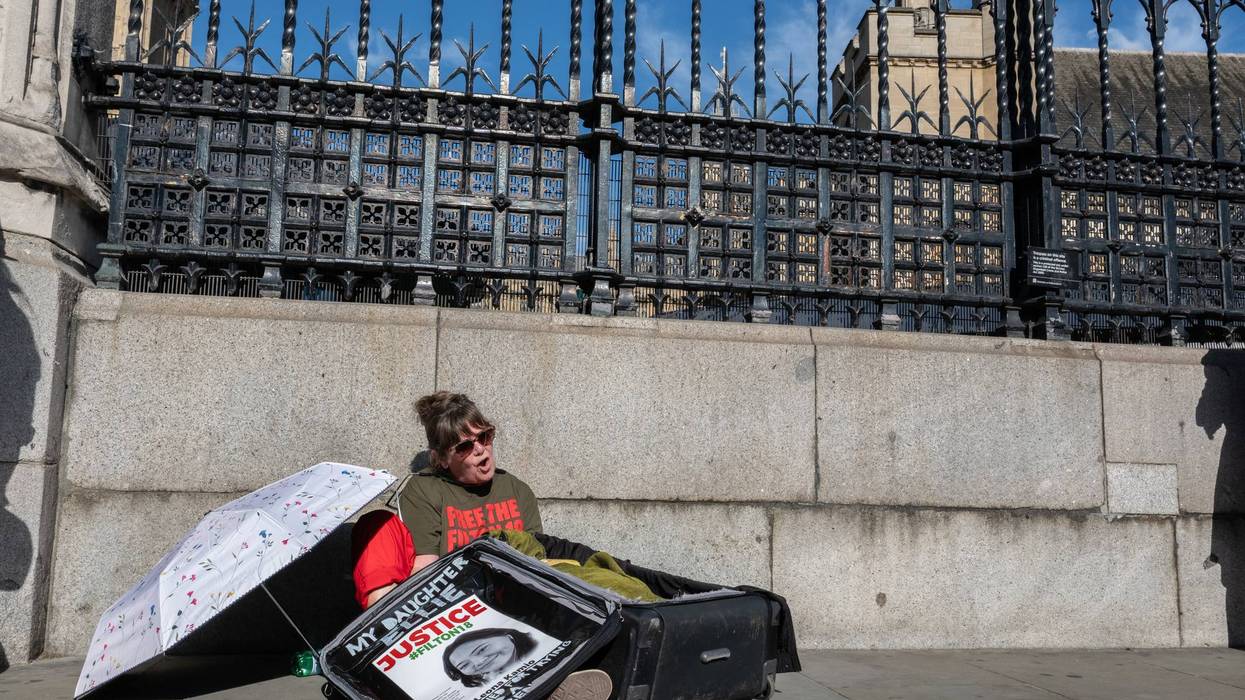
Emma Kamio's daughter, Ellie, was also "debanked" by Lloyds Bank before she was criminally convicted for her sabotage of Israeli military equipment.
One of the UK's largest financial institutions, Lloyds Bank, reportedly targeted a jailed Palestine Action protester and her family for financial punishment before she was ever convicted of a crime, according to a report out Wednesday from Novara Media.
The outlet reported that activist Leona "Ellie" Kamio had her account shuttered by Lloyds, a process known as "debanking," while she was being held on remand for her role in destroying Israeli military equipment at a factory owned by the technology firm Elbit Systems.
Ellie and four other activists were convicted of criminal damage earlier this year. But although a jury never convicted them of terrorism, they were sentenced as terrorists after a judge made an unprecedented ruling that their actions had a “terrorist connection," due to their political motivation. She and other members of the so-called "Filton Four" have appealed their sentences.
Ellie was held in prison on "remand" for more than 18 months before her first trial concluded in February 2026 although she was never charged with terrorism.
In February 2025, a year before her trial for criminal damage, Novara reports that Kamio was sent a letter by Lloyds informing her that it was closing her bank account because it was “unable to maintain a banking relationship." It did not give an explanation for the decision.
In June 2026, after Ellie had been convicted of criminal damage but before she was slapped with a terrorism sentence, her mother, Emma Kamio, learned that Lloyds had denied her request for a new mortgage on the commercial properties for her small business.
Lloyds made it clear that it was because of her daughter's case.
"We’ve now assessed the deal and consulted with our credit sanction team," a business development manager for the bank told Emma's mortgage broker. "Unfortunately, due to the adverse media, it’s not something they’re comfortable supporting at this time.”
When the broker offered an alternative plan to transfer the properties into her sister's ownership, Lloyds also rejected it.
Emma told Novara that she lost her properties as a result of Lloyds' decision. Her businesses, she said, "had to slip down the list of priorities as for the past two years, she's "spent every waking moment dealing with the trauma of my wrongful arrest or fighting for my daughter’s campaign and her release."
Emma was herself arrested in July 2025 after she locked herself to a suitcase outside Parliament to protest as members voted to enact the ban on Palestine Action. She was acquitted in April 2026.
"Thankfully, my drive for justice is more important to me than money," Emma said.
In the UK, banks are not allowed to cancel customers' accounts based on religion or belief. But they can be closed if the bank suspects a user is engaged in money laundering, terrorism financing, fraud, or other criminal activities that could pose a risk to the financial institution.
Emma contends that Lloyds "debanked my daughter Ellie with no reason at all, and while she was on remand and therefore innocent until proven guilty."
A spokesperson for Lloyds told Novara that the bank does not "close customer accounts or make lending decisions based on political or personal beliefs."
"Our decisions are based on relevant laws, regulations, account conditions, or lending requirements," the spokesperson said. "We’re unable to comment on individual cases.”
Anas Mustapha, the head of public advocacy at CAGE International, a UK-based organization focused on state abuses under terrorism laws, described the actions committed against Emma as “collective punishment."
"Emma Kamio has nothing to appeal against—just a bank’s discriminatory risk assessment, applied because her daughter took action to stop the supply chain of deadly weapons used in a genocide," Mustapha told Novara.
The highly controversial sentencing of Ellie and the rest of the "Filton Four" as terrorists was widely condemned by civil liberties and human rights activists, who described it as a dramatic escalation of the British government's effort to punish pro-Palestinian speech.
Last July, the Labour government of then-Prime Minister Keir Starmer used the Terrorism Act to ban Palestine Action, which has engaged in "direct action," including property destruction against entities activists believe are complicit in Israel's genocide in Gaza.
Not only is membership in the group now considered a terrorist offense, but nonviolent expressions of support for the group have also been criminalized.
Since the ban came into effect, 3,500 arrests of peaceful protesters have taken place across the country, according to Amnesty International, including more than 1,200 who've been charged with terrorism-related offenses.
Separately, official Home Office figures show that as of March, 92% of terrorism-related arrests in the UK over the previous year were linked to suspected support for Palestine Action.
Ellie and the other members of the Filton Four have defended their acts of sabotage against Israeli military equipment—including dozens of drones—as a justifiable response to Israel's destructive military campaign in Gaza.
That campaign, which many human rights organizations have described as a "genocide," has killed more than 73,000 Palestinians, including over 20,000 children, according to official tallies from the Gaza Ministry of Health, while independent analysts have argued the true death toll since October 2023 is much higher.
Elbit is one of the companies that provides much of Israel's drone fleet, which has been involved in attacks that have killed Palestinian civilians.
"Ellie was sentenced as a terrorist after she was convicted of criminal damage for destroying 40 Israeli weapons, including quadcopter drones," said Huda Ammori, one of the co-founders of Palestine Action, in a post on X. "For saving lives, she was deemed a terrorist, and her family is also being targeted."
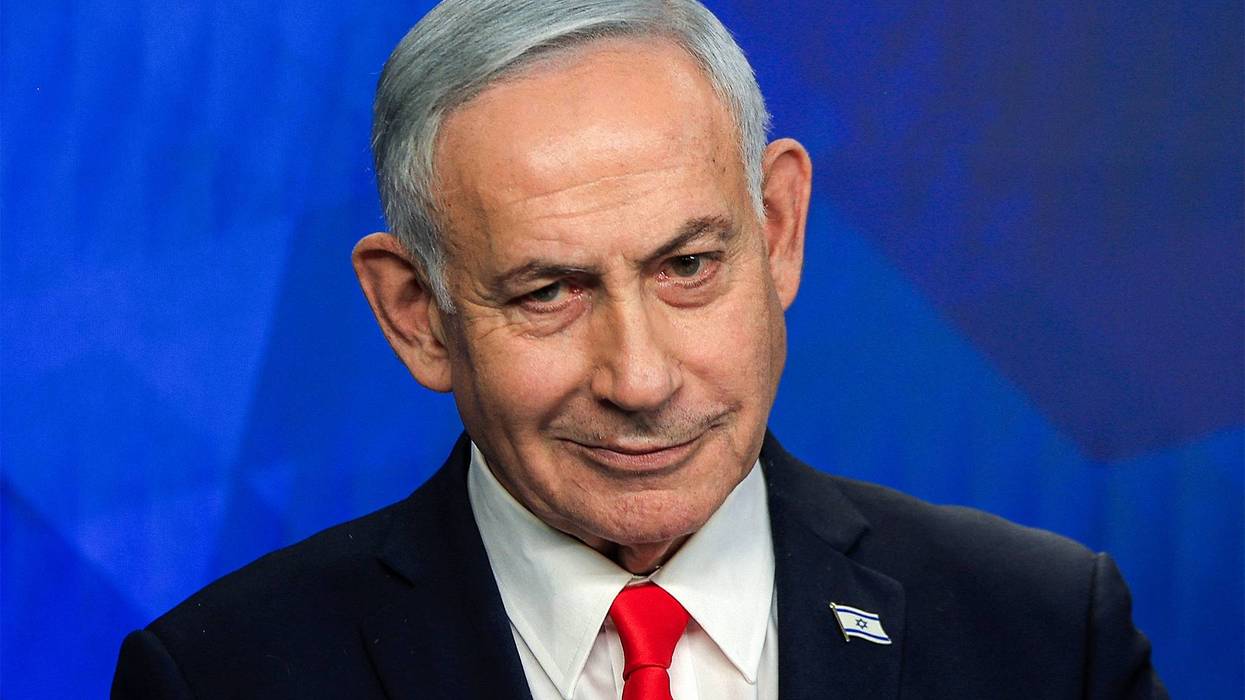
"As always when a story really hits home, Netanyahu threatens to sue," said one researcher.
The Israeli newspaper Haaretz did not appear alarmed by Prime Minister Benjamin Netanyahu's threat on Wednesday to sue the outlet over its new reporting that Netanyahu was explicitly warned about the Hamas-led October 7, 2023 attack that killed more than 1,200 Israelis and led to the Israel Defense Forces' destruction of Gaza.
After Netanyahu sent a "warning letter" saying he would file a libel lawsuit against Haaretz and journalists Shlomi Eldar and Ruth Yuval over their Tuesday report, the newspaper said simply in a post on social media, "Haaretz stands by its reporting."
The newspaper based its reporting on accounts from three senior foreign sources, reporting that in September 2023, now-deceased Hamas leader Yahya Sinwar had told an intermediary trusted by both Hamas and Israeli intelligence agencies that an "earthquake" would be coming to Israel.
The warning reportedly came after Sinwar had grown frustrated with deadlocked talks over an exchange of Israeli and Palestinian prisoners.
Sinwar told the intermediary to convey a message to the United Arab Emirates, with whom Netanyahu had developed close ties, "that I am preparing the mother of all surprises. A terrifying operation. Something extraordinary."
UAE President Mohammed bin Zayed then gave a warning to Netanyahu in a 45-minute phone call weeks before the attack, according to Haaretz.
Netanyahu lashed out at the newspaper in a social media post, saying the reporters "fabricated a false story against the prime minister that never happened and was never created."
"The Prime Minister's Office, the National Security Council, and the military secretary meticulously reviewed the prime minister's call log for those days—and found no trace of it whatsoever," said Netanyahu, who is behind his top opponent, former military chief of staff Gadi Eisenkot, in polls ahead of legislative elections set for October 27.
Netanyahu's official social media account also confirmed he had instructed his lawyers to file the libel lawsuit. He blamed security officials for failing to alert him to the October 7 attack early enough after it had begun, repeating a recent claim that they feared he would launch an aggressive response to the attack and set off a war.
"If, instead of fearing a miscalculation, they had instructed the IDF, the Shin Bet, and the standby units to preempt the blow, and if they had updated Prime Minister Netanyahu in time, the terrible massacre could have been prevented," said Netanyahu's official account.
Netanyahu has been attempting to account for his actions on October 7 recently, releasing his full schedule from the day of the attacks last week. The log showed he did not speak to IDF officials until several hours after the attack began.
Researcher Shaiel Ben-Ephraim compared Netanyahu's threat to sue Haaretz to his angry response earlier this year to a report by New York Times columnist Nicholas Kristof, which included testimony from 14 Palestinians who said they had been sexually assaulted in Israeli prisons or during attacks by the IDF or Israeli settlers.
Netanyahu claimed the Times' reporting was "blood libel" as he threatened to take legal action in May. Thus far, he has not followed through on the threat.
"This will likely end up just like the time he threatened to sue The New York Times," said Ben-Ephraim, "and didn't because every word was true."
On Tuesday, four Israeli opposition leaders called for an independent commission to investigate the October 7 attacks, citing a "series" of revelations about Netanyahu's actions and reported inaction ahead of the assault.
“Netanyahu and his partners in the October 7 government are unfit to continue in office,” they wrote. “We will work in coordination and with the required responsibility to prevent them from leading to another disaster.”
The prime minister has long resisted calls for an independent investigation, agreeing earlier this year only to a proposal in which half of the commission's members would be selected by Netanyahu's own government, in violation of Israeli law—a suggestion that one opposition leader, Yair Lapid, called a "shameful farce" that was meant to "help the prime minister duck responsibility."
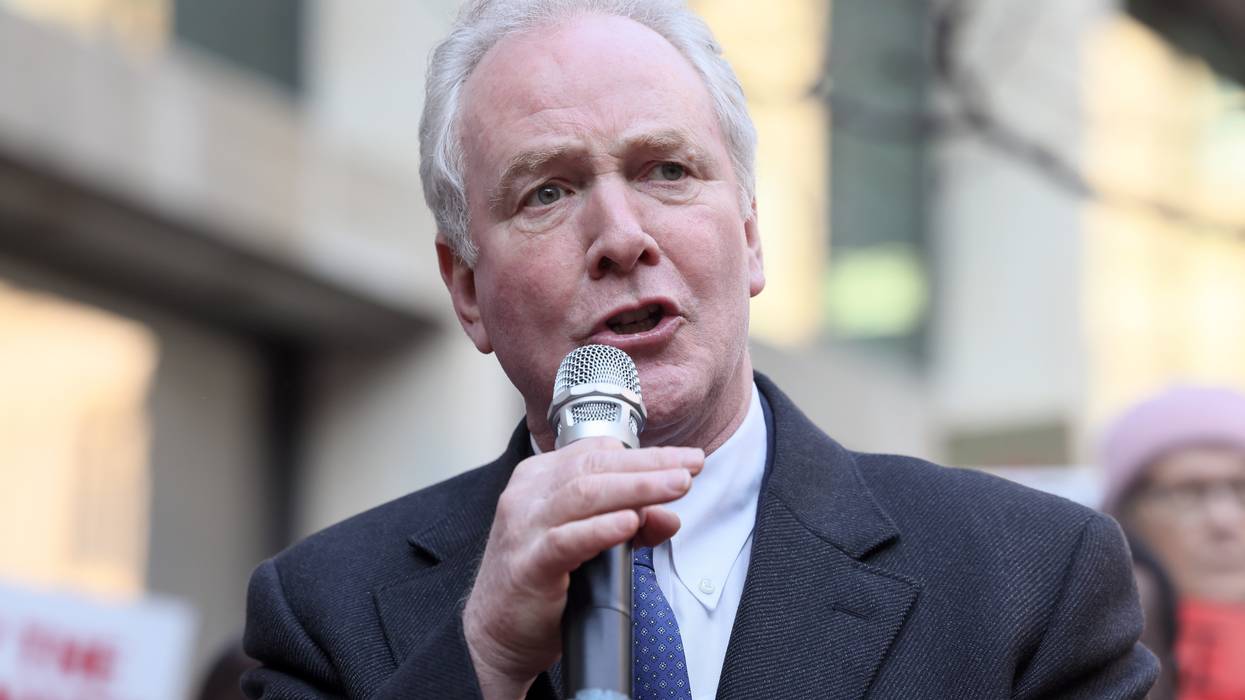
"While the Trump admin attacks the move, Congress can and must act," said Sen. Chris Van Hollen.
As the UK, Canada, and France enact bans on goods from illegal Israeli settlements, some progressive Democrats are calling for the US to join the effort to sanction the escalating wave of state-backed settler terrorism against Palestinians in the West Bank.
"Finally, some European countries are going beyond the ritual denouncing of expanding illegal Israeli settlements and are taking action to uphold international law. It is a modest but important step," said Sen. Chris Van Hollen (D-Md.) in an X post on Tuesday. "While the Trump admin attacks the move, Congress can and must act."
He was joined by Rep. Greg Casar (D-Texas), the chair of the Congressional Progressive Caucus, who said the trade ban was a "step in the right direction and toward ending the occupation," and added that "the US must do the same."
The Trump administration, which has often moved in lockstep with Israel, had a muted response to news of the trade ban. Trump himself has not commented on the sanction effort, and according to Axios, he did not push back when briefed on the plan by UK Prime Minister Andy Burnham.
But while US Secretary of State Marco Rubio says "stability" in the West Bank is a top priority, including halting the "uptick in violence," he made clear the administration opposed the actions taken by nations cutting off trade with the settlements.
"Obviously, we're not going to do what the UK did," Rubio told reporters on Tuesday.
Rep. Joaquin Castro (D-Texas) called the expansion of Israeli settlements "an ugly land grab carried out through violence and terrorism," and added that "any American president serious about achieving peace" should be willing to cut off trade with the settlements.
But Rep. Ro Khanna (D-Calif.), a possible 2028 presidential candidate who was detained by a group of armed settlers during a trip to the West Bank in July, acknowledged that such a ban was unlikely to be enacted under Trump. He said that "the next American president" should ban trade with the settlements "and recognize a Palestinian state."
Rep. Jonathan Jackson (D-Ill.), a member of the House Committee on Foreign Affairs, said he "wholeheartedly" welcomed the trade ban enacted by the UK, adding that "international law must mean something, and accountability must apply to all." However, he stopped short of saying the US should join the ban itself.
Conversely, fellow Illinoisan Rep. Jesús "Chuy" García (D) said the US "must take this long overdue step, and do much more to end its support for Israeli occupation and genocide."
Any effort to compel the US to restrict products from Israeli settlements would likely need to come through Congress.
In June, amid the recent historic uptick of settler attacks, Van Hollen and Castro led dozens of lawmakers in a call for the State Department to comply with an existing law that requires US loan guarantees available to Israel to decrease in accordance with its expenditure on illegal settlements in the occupied Palestinian territories.
Last year, Van Hollen was joined by Sen. Peter Welch (D-Vt.) and three other senators in the Democratic caucus proposing legislation that would codify Biden-era sanctions on individual violent Israeli settlers, which were revoked by Trump.
However, no legislation has yet been introduced aimed at restricting trade with the settlements.
Meanwhile, Democratic Party leaders in Congress, namely House Minority Leader Hakeem Jeffries (D-NY) and Senate Minority Leader Chuck Schumer (D-NY), have not issued public statements on the international sanctions initiative.
That puts them at odds even with some pro-Israel groups, like the liberal lobbying organization J Street, which endorsed the international ban on trading with the settlements on Tuesday.
“We welcome the UK, France, and Canada’s decision to ban the import of goods produced in settlements, as well as the UK’s intention to sanction those who finance, facilitate, or construct new settlements," said the group's president, Jeremy Ben-Ami. "Support for Israeli security and strong opposition to the settlement project are not in contradiction; they go hand in hand. Israel’s closest allies are making clear that the status quo is no longer acceptable."
"We call on the US government and the European Union to pursue similar action," Ben-Ami said. "The international community must make clear that efforts to foreclose Palestinian self-determination have consequences."
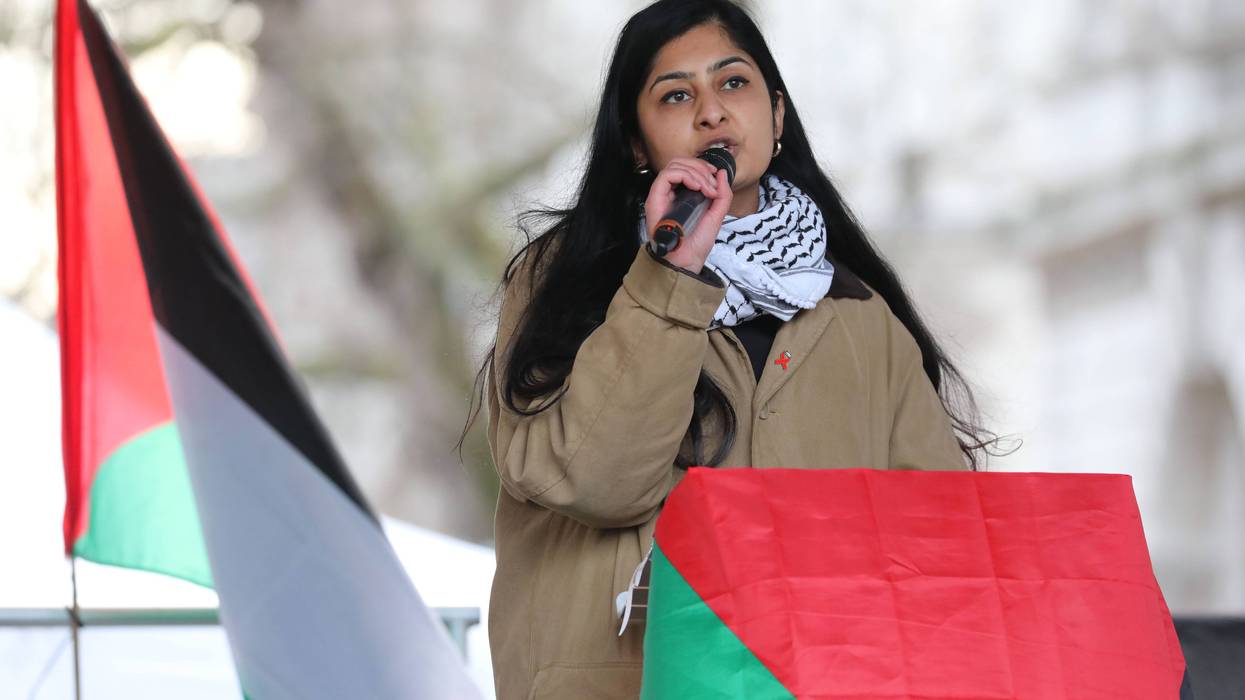
"I will not be intimidated into silence," said MP Zarah Sultana. "If anything, this ban only strengthens my resolve to keep speaking out."
Zarah Sultana, a member of the UK Parliament, said she won't stop speaking about the rights of Palestinians after Israel banned her from entering the country on Tuesday.
"Given that this is a fascist government presiding over genocide, apartheid and an illegal occupation, I’ll wear it as a badge of honor," she said in a post to X. "I will not be intimidated into silence. I will continue to speak out against Israel’s genocide and against the UK’s complicity. If anything, this ban only strengthens my resolve to keep speaking out."
Sultana, who represents Coventry South and is a co-founder of the left-wing Your Party, was one of 11 members of Parliament whom Israel announced it was blocking from entry in retaliation after the UK joined Canada, France, and other nations to announce an import ban on goods from Israeli settlements in the West Bank, which are considered illegal under international law.
Following a year of record violence against Palestinians in the territory, UK Foreign Secretary Ed Miliband said the import ban was in response to the "ethnic cleansing of Palestinians in areas of the West Bank—perpetrated by settler terrorists."
Israel has reacted with fury at the move, closing the British consulate in East Jerusalem, which handles relations with Palestinians in East Jerusalem, the West Bank, and Gaza.
Also banned from the country are UK Labour MPs Diane Abbott, Richard Burgon, John McDonnell, and Naz Shah; Green MPs Siân Berry, Ellie Chowns, Carla Denyer, Adrian Ramsay, and Hannah Spencer; as well as Jeremy Corbyn, who led the Labour Party from 2015-20 before co-founding Your Party with Sultana in 2025.
Remarking on his and his colleagues' ban from the country, Corbyn said Israel's treatment of Palestinians was "the real scandal."
"I have visited all parts of Palestine on several occasions, where I have witnessed the horrors of occupation, as well as the resilience and humanity of the Palestinian people," Corbyn wrote on X. "They are the ones who suffer from Israel's apartheid. It is their freedom which is egregiously curtailed, alongside thousands of Palestinian refugees who are denied the right of return."
He added: "As the world wakes up to the genocide in Gaza, it is shocking that Israel continues to deny entry to UN investigators and international journalists. Israel doesn't want the world to see what it is doing—but we can never give up in our attempts to expose the truth."
Israel also banned Fahad Ansari, a lawyer who has represented Hamas’ political wing in court in the UK and—like Sultana—said on X, “I am neither British nor an MP but do take this as a badge of honor (although pretty sure I’m already a persona non grata in the apartheid state).”
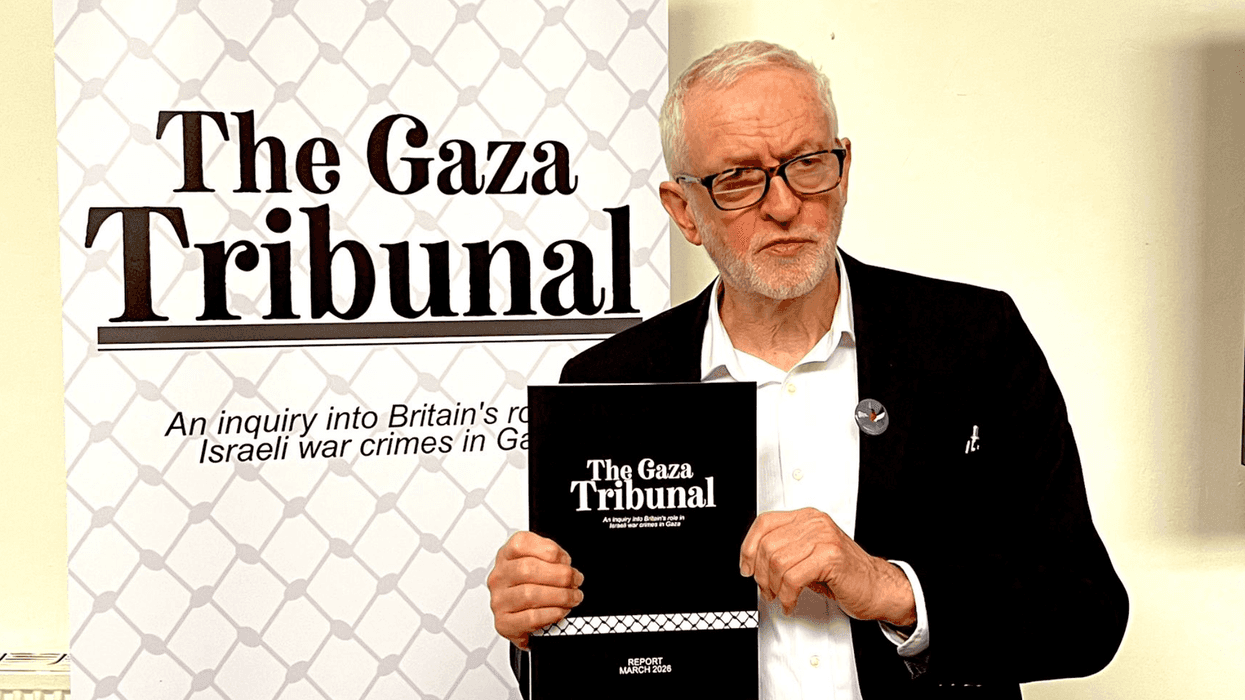
"This is not merely a matter of semantics. This is a matter of international law."
Amid Israeli settlers and soldiers' unprecedented violence against Palestinians in the occupied West Bank, Member of Parliament Jeremy Corbyn was among those arguing on Tuesday that the United Kingdom's new "sanctions on illegal settlements are welcome, but not enough," and calling on Prime Minister Andy Burnham to condemn Israel's war on the Gaza Strip as genocide.
On behalf of the UK's ruling Labour Party, Foreign Secretary Ed Miliband announced a ban on trade with illegal Israeli settlements in the West Bank. He was joined by leaders from Canada, Denmark, Finland, France, Iceland, Ireland, Norway, Poland, Portugal, Spain, and Sweden, who confirmed "their intention to introduce national and/or support European restrictions" on trading with Israeli West Bank settlements.
Corbyn, a former Labour leader from Islington North who has since co-founded Your Party, declared that "Britain must end all arms sales, all military cooperation, and all forms of support that sustain Israel’s system of apartheid, occupation, and genocide."
In addition to speaking in Parliament on Tuesday, Corbyn wrote to Burnham that "for three years, we have witnessed the abominable destruction of human life in Gaza," where "Israel has killed at least 73,000 people, excluding an untold number of people lost under the rubble."
While welcoming Burnham's recent admission that Labour "got it wrong" and its "initial response to the treatment of Gaza caused huge hurt," Corbyn said that "it is extremely disappointing that these words have not translated into meaningful action."
"It has not gone unnoticed that, 50 days into your premiership, you have declined to call 'the treatment of Gaza' what it really is: a genocide," the MP stressed, noting that the term has long been used by scholars and human rights advocates globally. "This is not merely a matter of semantics. This is a matter of international law."
"Far from preventing genocide, the British government has facilitated genocide through ongoing military, economic, and political cooperation," Corbyn charged, pointing to his call for an independent public inquiry into the UK's complicity. "The question is not whether Labour got it wrong. The question is what your government will do now."
Corbyn asked Burnham to confirm if he will establish an inquiry, end all military cooperation with Israel, impose widespread sanctions, overturn the ban on the advocacy group Palestine Action, and support the work of the International Criminal Court and the International Court of Justice—the ICC issued arrest warrants for Israeli Prime Minister Benjamin Netanyahu and his former defense minister, and the ICJ has taken up South Africa's genocide case on the Israel Defense Forces' (IDF) conduct in Gaza.
As Corbyn pushed UK leaders to go further than the new trade ban—which is largely symbolic—the Israeli government responded to the sanctions by taking aim at a dozen people, including Corbyn and his Your Party co-founder, MP Zarah Sultana, barring them from entering Israel.
Israel also banned four Labour MPs—Diane Abbot, Richard Burgon, John McDonnell, and Naz Shah, as well as five members of the Green Party: Siân Berry, Ellie Chowns, Carla Denyer, Adrian Ramsay, and Hannah Spencer. The final person barred from Israel is Fahad Ansari, a lawyer who has represented Hamas' political wing in court in the UK, according to The Times of Israel.
Ansari replied on social media Tuesday that "I am neither British nor an MP but do take this as a badge of honor (although pretty sure I'm already a persona non grata in the apartheid state)."
Meanwhile, others in the United Kingdom and around the world joined Corbyn in framing the Labour government's sanctions as progress, while also emphasizing that, as the Corbyn-founded Peace & Justice Project put it, "they should only mark the start of the process in bringing about real peace and social justice for the Palestinian people, who have been subjected to decades of unimaginable subjugation, ethnic cleansing, and genocide."
"The UK government must commit to a full arms embargo on Israel, ending all forms of military cooperation with the IDF, and supporting the ICC arrest warrants against Benjamin Netanyahu and members of his Cabinet," the project declared, calling for the full implementation of recommendations from the Gaza Tribunal report from last year.
Describing the UK's "concrete action" and recognition of "Israel's unlawful occupation and ethnic cleansing" as "hugely welcome," Kerry Moscogiuri, Amnesty International UK's chief executive, noted that Miliband "promised a 'comprehensive reset' and today could be the sea change that is needed."
“Amid ethnic cleansing, genocide, and apartheid against Palestinians, today's measures are a genuine step towards accountability for Israel's repeated and flagrant violations of international law," she said. "The commitment to ban trade in settlement goods and some services, prohibit financing of settlements, refuse arms that contribute to the occupation, and support the genocide case before the International Court of Justice represents a significant change of course."
"For years, Amnesty has worked with members, partners and parliamentarians from across the political spectrum to press for meaningful change, and today shows that campaigning for human rights works," she added. "But today is not the end of the road. The test now is whether these commitments are properly implemented and enforced, and followed by the wider action needed to hold Israel accountable for its crimes and meet the UK's obligations under international law."

"Israeli detention centers have essentially become torture camps," said one Israeli rights group in response to the new revelations. "Torture is Israel's policy."
Newly uncovered text messages sent by guards at Israel's Ketziot Prison reveal a pattern of appalling abuse against Palestinian prisoners, with some guards boasting of beating detainees to death.
As reported by Haaretz on Tuesday, WhatsApp messages sent in November 2023 showed guards at the prison gleefully recounting violent assaults on prisoners, openly hoping their actions would deliver fatal injuries.
"They're doing CPR in the clinic right now, baby!" wrote one guard after describing the beating delivered to a detainee. "God willing, that son of a thousand whores will die."
Another guard excitedly wrote that "they're doing CPR on a prisoner because we beat him," then relayed news that the prisoner had passed away.
"He's dead," wrote the guard. "Listen, it's funny how it all happened in an instant: Boom, count. Boom, dead prisoner."
A third guard gloated in a message that "we fucked them up so bad."
The texts were uncovered by Israeli prosecutors as part of an indictment filed last week against a dozen prison guards for their alleged roles in the deaths of nine Palestinian prisoners.
Haaretz noted that prosecuting guards for alleged abuses against Palestinians is normally difficult due to guards' unwillingness to speak out, which is why prosecutors' ability to obtain the text messages was so crucial.
"The investigation files now coming to light offer a rare glimpse into the guards' routine use of severe violence against Palestinian prisoners," Haaretz explained. "They also reveal evidence of senior officials suppressing accounts and turning a blind eye, if not taking part themselves. At least one witness alleged that Ketziot Prison commander Yosef Knipes was involved. He denied it."
New York Times columnist Nicholas Kristof, who earlier this year published interviews with Palestinian prisoners detailing the sexual abuse they allegedly suffered at the hands of Israeli forces, wrote in a social media post that the unearthed texts offer a "horrifying account" of "how Israeli prison guards brutalized Palestinian prisoners, sometimes killing them, even as the US supplied endless weapons and diplomatic support."
Israeli rights group Breaking the Silence argued that the texts uncovered by investigators represent only a small part of the total abuse carried out in Israeli prisons.
"Since October 2023, more than 100 Palestinians have entered Israeli custody alive and later left in body bags," the organization wrote. "Israeli detention centers have essentially become torture camps. Torture is Israel's policy."