

SUBSCRIBE TO OUR FREE NEWSLETTER
Daily news & progressive opinion—funded by the people, not the corporations—delivered straight to your inbox.
5
#000000
#FFFFFF
To donate by check, phone, or other method, see our More Ways to Give page.
Daily news & progressive opinion—funded by the people, not the corporations—delivered straight to your inbox.
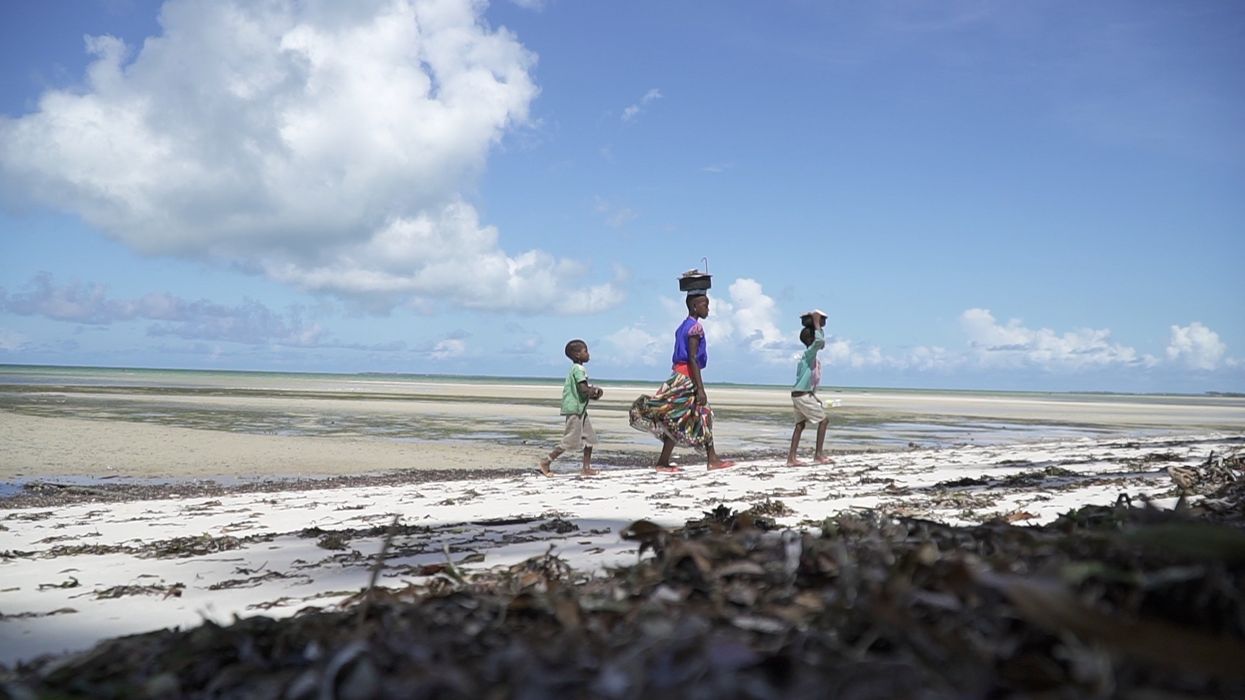
The record in Mozambique shows that projects backed by public finance can harm communities and the environment unless local voices guide the process.
The ninth Tokyo International Conference on African Development, or TICAD, opened August 20 in Yokohama, organized by the Japanese government with the United Nations, UN Development Program, World Bank, and African Union Commission. Japan, as host, aims to promote “high quality” development in Africa by applying lessons from Asia. Three decades since TICAD’s launch in 1993, interest in Africa remains strong—and so does the need to reflect on what “development” truly means.
Japan’s record in Mozambique offers sobering lessons.
Before we can discuss “development” we must recognize that many of Africa’s deep crises today are rooted in the continued exploitation of its people and resources, shaped by inherited colonial structures. Public funding and transnational corporations play a large role in perpetuating these patterns.
The Mozambique liquefied natural gas (LNG) project illustrates the problem. Led by French energy giant TotalEnergies, it is one of Africa’s largest gas extraction projects, with Japan as its top financier. The publicly funded Japan Bank for International Cooperation (JBIC) has committed up to $3.5 billion in loans, while Nippon Export and Investment Insurance (NEXI) has agreed to provide $2 billion in insurance.
As leaders gather at TICAD to shape Africa’s future, we urge Japan and all participating governments and businesses to focus on the needs and aspirations of African people themselves.
JBIC justifies this support by citing growing global LNG demand, particularly in developing countries, rising environmental awareness, and Japan’s energy security. Yet revenue flows to a United Arab Emirates-based special purpose entity—enabling gas and mining companies to avoid paying an estimated $717 million to $1.48 billion in taxes to Mozambique. The country is further disadvantaged by the Investor-State Dispute Settlement (ISDS) system, which prioritizes loss compensation for investors.
On the ground, grievances remain unresolved. More than eight communities have been affected, and many families still await promised compensation. Others have lost farmland or access to the sea, undermining agriculture and fisheries livelihoods. Local residents report that consultation meetings often involve military presence, stifling open discussion.
Since 2017, the region has suffered violent insurgency, which halted the project in 2021 and brought heavy militarization focused on protecting gas infrastructure. Insurgent activity has surged again in recent weeks, amid signs of project restart. In March 2025, analysts warned that the sense of disenfranchisement created by the project could fuel insurgent recruitment.
Environmental and climate risks are also high. Independent reviews find that the project’s environmental impact assessment understates potential harm, including lacking a rigorous biodiversity baseline study for the deep-sea environment.
This pattern—external actors driving their own agendas rather than responding to locally defined and articulated priorities—is not unique.
A decade earlier, Japan’s own ProSAVANA project in northern Mozambique followed a similar path. Launched in the early 2010s by the Japan International Cooperation Agency (JICA) with Mozambican and Brazilian partners, it aimed to convert land to agricultural use, particularly soybean cultivation for export to Japan. Modeled on Brazil’s Cerrado “green revolution” of the 1970s, it was promoted as a way to promote agricultural and economic development in Mozambique.
In reality, the project facilitated land grabs covering 14 million hectares in the Nacala Corridor, displacing small farmers. Civil society groups denounced the opaque consultation process and backed local farmers’ resistance. After years of protest, the Japanese government ended its involvement in July 2020, belatedly acknowledging these concerns.
Both Mozambique LNG and ProSAVANA demonstrate how “development” promoted from the Global North can harm communities and the environment. When public finance is involved, the risks—and the responsibility—are even greater.
Better outcomes require meaningful, transparent consultation with affected communities, robust due diligence, and genuine accountability. Without these, development risks becoming extraction by another name.
As leaders gather at TICAD to shape Africa’s future, we urge Japan and all participating governments and businesses to focus on the needs and aspirations of African people themselves, and to avoid—or even redress—the mistakes of the past.
The question remains as urgent as ever: Who is this development really for?
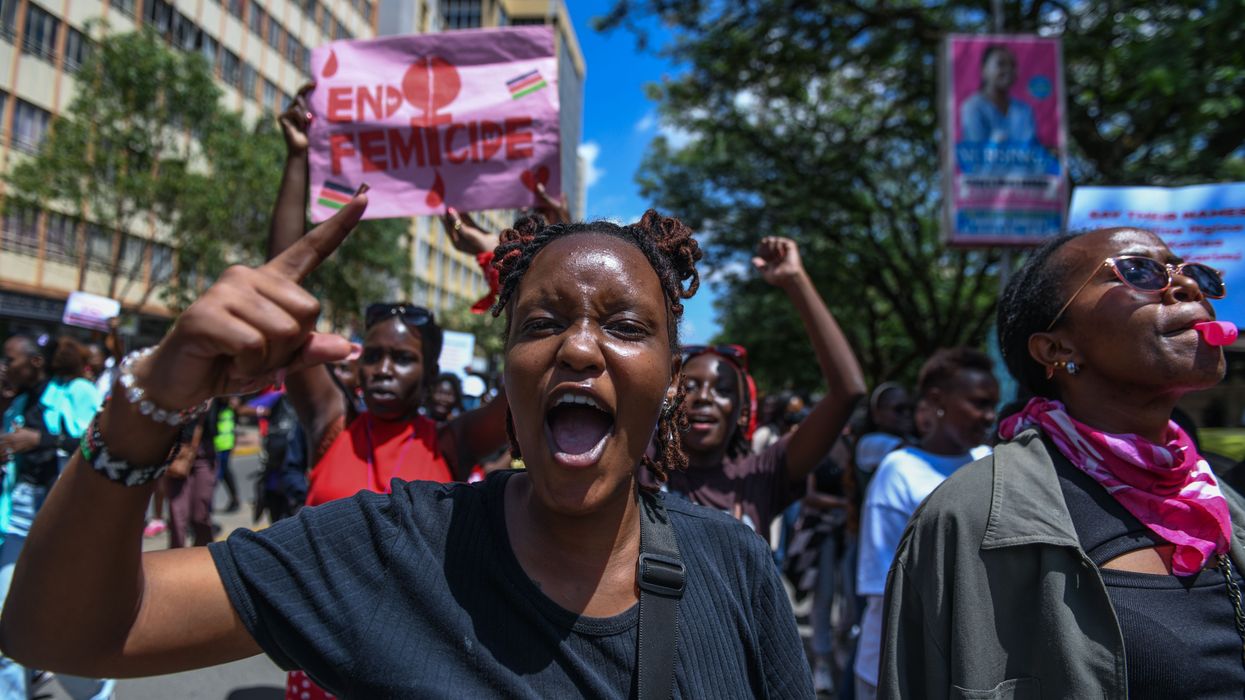
African youth, leveraging social media and operating without funding, have emerged as a powerful force for change, echoing the historical independence movements of the mid-20th century.
“Africa is Rising!”—or so the narrative goes. But the sun of economic growth does not shine on everyone. African youth face record-high unemployment, political underrepresentation, and limited access to resources. In 2024 alone, 19 African countries have held elections, yet young people—one-third of the continent’s population—remain largely excluded from leadership. So, it isn’t surprising that in this same year, African youth, mobilizing on digital platforms, have come out loud and clear against economic hardship and government inaction.
The first time we felt digital and social media mobilization in Kenya was in 2019 in the weeks leading up to the 2019 International Women’s Day. Feminists in Kenya planned and digitally mobilized nationwide protests against femicide to draw attention to the rising cases of femicide and Intimate Partner Violence (IPV) in the country that went with no arrests of the perpetrators or the government addressing the issue. The protests were mobilized on social media under the hashtag #EndFemicideKE/#TotalShutdownKE.
As seen in the #RejectFinanceBill protests in Kenya, the #FearlessOctober protests in Nigeria, and youth-led movements in Uganda and Mozambique, today’s youth are not merely reacting to the rising cost of living but are pushing for profound systemic change.
Between August and October, the Kenya National Police Service reported 97 cases of femicide. The real numbers must be higher since some of the cases don’t get reported to authorities. During the 16 Days of Activism 2024, Kenyans across the country held forums to highlight the femicide issue. This culminated in nationwide protests held across the country on the International Human Rights Day 2024, calling on the president to declare femicide a national disaster. As usual the peaceful protests were met by police brutality, with the police teargassing innocent protestors.
This social youth-led movement, started by Gen Z protesters in Kenya in June, has now spread to Uganda, Nigeria, and Mozambique. Waves of young people are rising to challenge electoral malpractices, bad governance, corruption, and tax hikes. African youth, leveraging social media and operating without funding, have thus emerged as a powerful force for change, echoing the historical independence movements of the mid-20th century. With the majority of the protests driven by men and women under 30, there’s significant potential to create long-lasting momentum for good governance, economic justice, an end to corruption, and better electoral management.
The weeks leading up to the first physical #RejectFinanceBill2024 protests in Kenya on June 18 and 19 were dominated by general discontent with proposed taxes on basic commodities like sanitary products, cooking oil, and bread. Social media platforms were abuzz with calls of “enough is enough” as platform users explained how much the bill would drive up the cost of living for most average citizens. The general feeling was “we need to do something” about this bill before life got much more difficult than it already was.
Within days, users had circulated a date, venue, and dress code on social media and were downloading the Zello walkie-talkie app en masse. What followed next was historic as young Kenyans in all parts of the country took to the streets to protest the Finance Bill in what became known as the #RejectFinanceBill2024 and #OccupyParliament protests.
Following Kenya’s example, anti-corruption protests erupted in Uganda in July. Then August and October saw Nigeria’s #EndBadGovernance protests and #FearlessOctober protests against the cost-of-living crisis and bad governance. In Mozambique, citizens took massively to the streets to protest against electoral malpractices following the October 9 elections.
As in Kenya, all these protests have more in common than how violently they were dealt with: excessive police force, extra-judicial killings, abductions, torture, and hundreds of injuries.
The vast majority of protesters are young people, and social media played a pivotal role in getting them out on the street. It helped them facilitate real-time updates, coordinate demonstrations, counter misinformation, and obtain legal aid by crowdfunding for arrested activists. By circumventing traditional media, young activists exposed abuses and united communities, forcing authorities to confront this digitally-savvy and highly organized force.
Historically, Kenyan politics has been divided along ethnic and tribal lines, with voting blocs often rallying behind leaders from their communities. The Gen Z movement, however, has broken this mold. Young activists have shifted the focus from ethnic loyalty to broader issues like equality, social justice, and government accountability.
Under the “tribeless, leaderless, party-less” tagline, the #RejectFinanceBill protests shunned traditional political affiliations and adopted a spontaneous, decentralized model. This approach gave the movement flexibility to adapt quickly to changing circumstances, such as evading police by frequently shifting protest sites. Without a clear hierarchy, the protests continued despite arrests, as authorities struggled to suppress an ever-evolving, leaderless movement.
The Kenyan protests took the government by surprise. Previously, youth complaints were confined to social media. Now, they were on the streets nationwide, transcending tribal and party lines. The government’s response was violent, resulting in dozens of deaths and abductions. Even today, police isolate and kidnap perceived protest leaders, many of whom end up dead or traumatized from their experiences. The Kenya Police Service has however denied this.
Africa’s political history is marked by leaders who position themselves as “saviors” promising utopia while failing to build sustainable systems. This narrative has bred disillusionment as youth recognize the need for systemic change, not just individual leaders. Gen Z activists across Africa are increasingly demanding transparency and accountability, emphasizing structures that outlast personalities and prevent corruption.
This year’s protests also signal another shift: African youth are questioning whether their leaders’ personal politics align with the principles of justice, equality, and inclusion. This younger generation is looking beyond mere representation to evaluate leaders on their stance against patriarchy, homophobia, and tribalism. Are they committed to redressing historical injustices and fighting systemic oppression? Activists believe these questions should determine the support any leader receives.
With the majority of activists under 30, Africa’s Gen Z is set to reshape the political landscape. Supporting these young Africans, rather than depending on traditional “savior” figures, is essential. Leaderless, decentralized movements have proven to be effective at disrupting the status quo.
As seen in the #RejectFinanceBill protests in Kenya, the #FearlessOctober protests in Nigeria, and youth-led movements in Uganda and Mozambique, today’s youth are not merely reacting to the rising cost of living but are pushing for profound systemic change. By combining digital activism with physical presence on the streets, African youth are demonstrating their commitment to a transformed and empowered continent and broader systemic change.
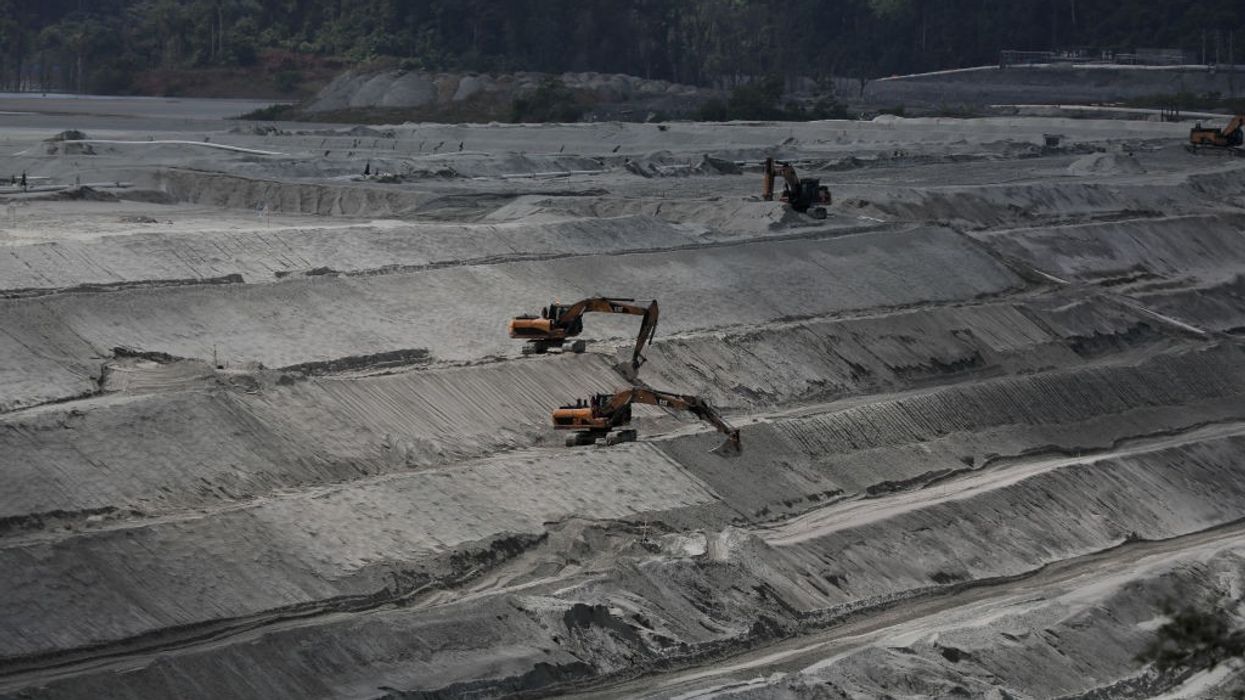
What’s needed to make the Minerals Security Partnership work on the ground
Azure waters and exotic islands are not the only attractions of Cabo Delgado in Mozambique. The province is home to the largest graphite reserve globally, prompting Syrah Resources’ Twigg to open the Balama mine. This is one of the dozen projects across the world chosen by the Minerals Security Partnership to secure and diversify the supply of raw materials.
The energy transition is dependent on critical minerals such as lithium and copper as the world electrifies transport and shifts to renewables. With most minerals currently controlled by China, many western countries are playing catch up. The Minerals Security Partnership (MSP), whose members include Australia, Canada, India, the U.S. and many European countries, is central to this effort.
History is full of not-so-pretty attempts by western nations to capture minerals supply chains, as many living in the Global South know first hand. So how can this partnership offer a truly different value proposition centered on sustainability and deliver truly responsible projects?
Despite some effort, the current situation in the extractive industries is far from adequate. A recent report by the International Energy Agency notes that while governance in the minerals sector has somewhat improved, progress on water and greenhouse gas emissions is at best stagnating. (Add to this a deeply felt mistrust among communities and companies and you quickly realize how complicated the matters are.)
But it does not have to be this way. Most technologies for safer tailings management or better water treatment, rules for robust anti-corruption and human rights due diligence, and practices to engage communities and co-govern with Indigenous peoples all exist. They just need to be applied and upheld consistently. This is where the new minerals partnership can bring real value.
Yet right now the MSP principles lack any such concrete requirements. That’s a big omission. For example in the case of Cabo Delgado, concerns around involuntary resettlement of nearby communities and local value proposition abide. MSP-supported projects like this one will be judged as much by the volumes of critical minerals they supply as by their environmental and social stewardship.
The good news is that the MSP does not have to reinvent the wheel. The answer lies in applying the human right and environmental due diligence practices as stipulated in the Organization for Economic Co-operation and Development’s (OECD) guidelines. The EU has recently done exactly that in its new battery law. This will require tracing, addressing and mitigating all manner of social and environmental risks, alongside upholding global treaties such as on Free, Prior and Informed Consent.
Any global miner, refiner, or recycler whose cobalt, graphite, lithium, and nickel are found in batteries on the European market will already have to track and mitigate all manner of social and environmental risks from 2026, including forced labor, water pollution, and biodiversity. MSP member countries can simply uplift these provisions into the partnership projects.
Setting strong and transparent standards is the first step. These need to also be implemented so that they bring difference on the ground.
This means that the minerals partnership needs to quickly move from vision to a pipeline of responsible projects on the ground. So the focus should be on coordinating with local governments to bring local value and infrastructure, on engaging local communities to have a social license to operate and on bringing in finance instructions to make the projects happen.
Given how far ahead China is, there is no time to waste. A laser sharp focus to scale responsibly managed projects across the world is necessary to build a more diverse supply chain. But this should also come with better environmental stewardship and advancing the rights and livelihoods of those impacted, breaking from past behavior.
The Minerals Security Partnership shows global governments are waking up to the challenge of securing critical minerals responsibly. But whether projects like the Balama mine will become largest suppliers of quality graphite and raise the local community out of poverty will depend on how quickly responsible mining practices are scaled up on the ground.

"There is no time for so-called transition fuels, when fossil fuel dependency is exacerbating the climate and energy crises, and fossil fuel projects are harming communities and the environment," warned one campaigner.
Despite pledging to take action on the climate emergency, including by ending international fossil fuel financing, Group of 20 governments continue to pour billions of dollars into gas infrastructure expansion, according to an analysis released Wednesday.
"Oil Change International (OCI) finds that G20 government institutions were involved in financing 82% of new liquefied natural gas (LNG) export terminal capacity built from 2012-22," states the group's new report, highlighting at least $78 billion in public financing.
"Of the $234.6 billion total capital expenditure for the LNG export terminals built in the last decade, loans from international public finance institutions made up at least 24% of the total ($55.2 billion)," the report explains. "On top of this, these institutions provided $22.4 billion in equity investments and loan guarantees to insure against potential losses for other financiers."
The 17 completed projects included in the analysis have locked 928 megatonnes of carbon dioxide equivalent (CO2e) each year, comparable to "the annual emissions of 423 coal-fired power plants, nearly two times the annual emissions of Canada, or over three times the annual emissions of France."
OCI's briefing warns that another dozen projects expected to be completed by 2026 would generate an additional 654 megatonnes of yearly planet-heating pollution, or about the annual emissions of Germany—as climate scientists and energy experts emphasize the need to swiftly end the world's fossil fuel era.
"These shocking figures show that laggard countries need to catch up with leading governments and urgently change course to stop pumping taxpayers' money into gas projects that are wrecking our climate, leave the energy crisis unsolved, and will end up as stranded assets."
"These shocking figures show that laggard countries need to catch up with leading governments and urgently change course to stop pumping taxpayers' money into gas projects that are wrecking our climate, leave the energy crisis unsolved, and will end up as stranded assets," asserted OCI public finance strategist Adam McGibbon.
At $39.7 billion, Japan leads the world in public financing for LNG export capacity 2012-26, followed by China ($25.4 billion) and the United States ($15.5 billion). Rounding out the top 10 "worst offenders" are South Korea, Russia, Italy, Germany, France, Australia, the United Kingdom, and the Netherlands.
During the COP26 climate summit in Scotland two years ago, the United States, Italy, Germany, France, the United Kingdom, and the Netherlands were among the 39 countries and institutions that signed the Glasgow Statement, agreeing to cut off financing for new international fossil fuel projects by the end of last year and instead invest in clean energy.
Japan initially held out, but under pressure from its fellow Group of Seven countries, ultimately agreed to the pledge last May. However, in July, at the urging of Germany and Italy, the G7 watered down its members' commitments specifically on gas.
With Japan set to host a G7 summit in Hiroshima next month, the nation's "leadership in the expansion of LNG development is the exact opposite of what we need," OCI campaigner Makiko Arima declared Wednesday. "Japan needs to take last year's G7 commitment to end public finance for fossil fuels seriously and stop funding gas projects."
"There is no time for so-called transition fuels, when fossil fuel dependency is exacerbating the climate and energy crises, and fossil fuel projects are harming communities and the environment," Arima added. "G7 countries need to do much more than make climate commitments that they break."
While the United States, Australia, and Russia top the list of counties, by emissions, where publicly financed LNG products were built in the past decade or are now underway, they are followed by nations that aren't the "worst offenders" in terms of funding: Mozambique, Canada, Nigeria, Papua New Guinea, and Mexico.
As Common Dreams has reported, civil society groups across Africa have argued in recent months that "rather than doubling down on the obsolete and dirty energy systems," the African Union must "move away from harmful fossil fuels towards a transformed energy system that is clean, renewable, democratic, and actually serves its peoples."
Anabela Lemos, director of Justica Ambiental!/Friends of the Earth Mozambique, echoed that argument Wednesday.
While Global North nations, "the culprits creating the climate crisis, benefit from this gas," it is the Global South "who will suffer," Lemos stressed, noting that "Mozambique has been hit by four cyclones within three years that have displaced over 1 million people."
"The gas industry in Mozambique is devastating the country's climate, people, environment, and economy," she said. "Even though gas has been produced in Mozambique for decades, still only 30% of people have electricity access, and in Inhambane Province, where Sasol has been extracting gas for 20 years, displaced communities have seen no benefits."
"Northern governments and their companies involved in the Mozambique LNG Project in Cabo Delgado Province are complicit in forcing the already debt-ridden country into a fossil fuel lock-in, and pushing people into further poverty, by taking away their livelihoods and fueling a war that has created 1 million refugees," Lemos added.
Given the impacts of export terminals on both the climate and the communities around such facilities, OCI's report concludes with recommendations that include ending domestic subsidies and permits for fossil fuel development, scaling up finance for clean energy, and providing debt cancellation, climate finance, and loss and damage support for the Global South.
"To meet their climate obligations, governments should stop funding LNG expansion," said McGibbon. "In addition, those countries that have not already done so should join the Glasgow Statement initiative to show they are serious about solving the climate and energy security crises. Anything less is just hot air."
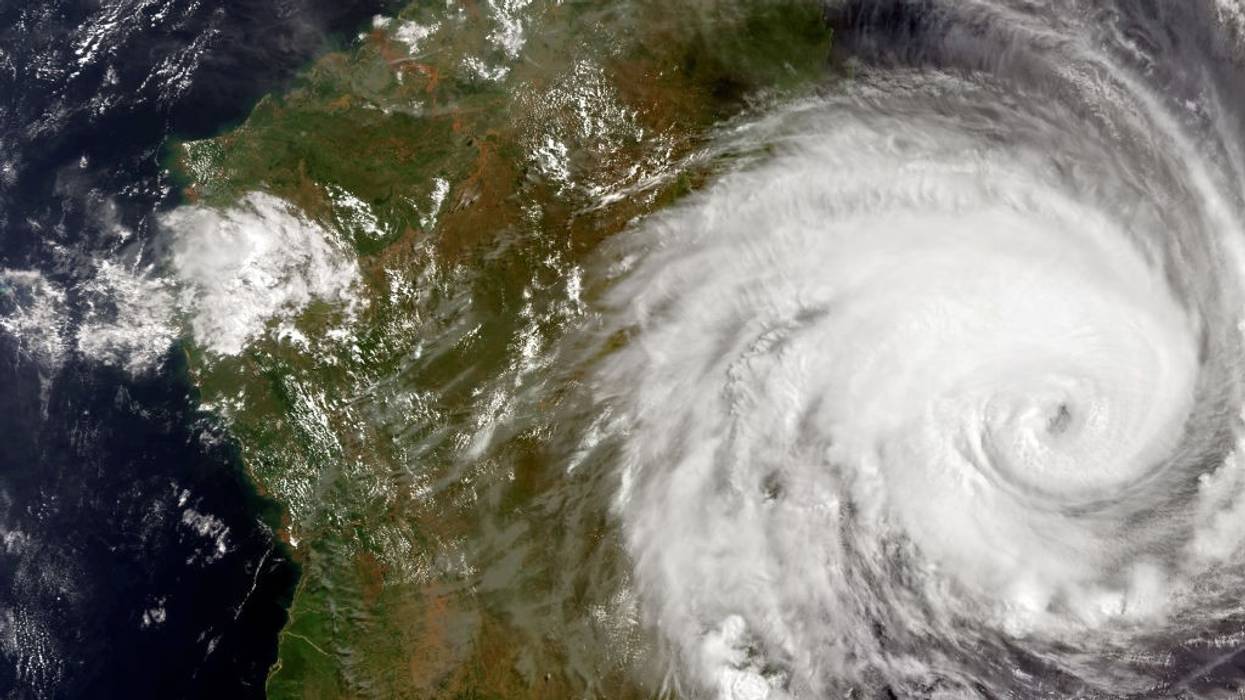
The devastation of Cyclone Freddy serves as a stark illustration of the warnings included in the new IPCC report.
“Your people can’t take it anymore, Lord
In exchange for oil and gas they sell our country.”
These lines, translated from Portuguese, are from the song “Vendem o Pais,” “They Sell the Country,” by the late, great Mozambican hip hop artist Azagaia. Born Edson da Luz, he died on March 9th at the age of 38. He was a movement artist, empowering millions with songs challenging the elite and inspiring grassroots action. A frequent theme in his lyrics is the exploitation of Mozambique by extractive industries like oil and gas. Thousands poured into the streets on the news of his death, to honor his life and to protest the power structures he so consistently and eloquently criticized. The Mozambican government responded with a brutal crackdown, unleashing tear gas, rubber bullets, and beating and arresting protesters.
Azagaia’s death coincided with two events that reinforce central themes of his music. First, Cyclone Freddy, a world-record-breaking extreme storm, slammed Southern Africa not once but twice, wreaking devastation, killing over 500 people in Malawi, Mozambique, and Madagascar and displacing over one million people. And second, the United Nations Intergovernmental Panel on Climate Change, or IPCC, released its Sixth Synthesis Report, summarizing almost a decade of global scientific research on climate change and issuing its direst warnings yet on the urgency of immediate, concerted global climate action.
Cyclone Freddy was the longest-lived and highest-energy tropical cyclone in recorded history. The storm was named on February 6th, as it developed off the northwest coast of Australia. Freddy headed west over the Pacific Ocean, building force from the historically high ocean surface temperatures, slamming into the island nation of Madagascar on February 21st. After then spending five days inundating Mozambique, Freddy retreated to the waters offshore, again building strength. As police were suppressing the Azagaia protests, Freddy arrived again, pummeling Mozambique and southern Malawi for four days before dissipating. The World Food Program and other aid agencies are scrambling to reach people cut off by the torrential rain, flooding and mudslides.
Cyclone Freddy serves as a stark illustration of the warnings included in the new IPCC report. “The rate of temperature rise in the last half-century is the highest in 2,000 years,” UN Secretary-General Antonio Guterres said as the report was released. “Concentrations of carbon dioxide are at their highest in at least 2 million years. The climate time bomb is ticking.” The science is unequivocal: humans are causing a climate catastrophe, and our window to avoid irreversible damage is closing rapidly. Most importantly, people in poor nations, in the Global South, bear the brunt of climate disasters, but have contributed the least to global carbon emissions. This is the ongoing legacy of colonialism and resource extraction embedded in the lyrics of Azagaia.
“So many people within our countries, especially in Africa, are invisible, evoking pity when a deadly cyclone hits, forgotten the week after,” Dipti Bhatnagar, climate justice activist based in Mozambique, wrote in a piece eulogizing Azagaia. “As the crises deepen, people are going to get more and more incensed,” she said on the Democracy Now! news hour. “The youth are going to get more and more incensed. We need cultural icons like Azagaia. We need space. We need constructive ways for people to get involved, to be able to organize, to oppose the injustices that are happening. And the powerful know that.”
A new front to challenge entrenched power is being opened in the United States. Founded by author and climate activist Bill McKibben, Third Act seeks to inspire people 60 years and older to take action against climate change.
“Third Act recognizes that young people have been providing the climate leadership, young people and people from frontline communities, Indigenous communities,” McKibben said on Democracy Now! “What they lack sometimes is the structural power to force change at the pace that we need. Older people have structural power…There are 70 million Americans over the age of 60. That is a sleeping giant.”
This week, Third Act launched a National Day of Action to Stop Dirty Banks. Protests were held in at least 30 states, at major banks like Chase, Citibank, Wells Fargo and Bank of America demanding they stop funding fossil fuel projects. “Here in D.C., for instance, the banks are going to be blockaded with people in rocking chairs,” McKibben explained. “Older people are sitting down today, but they’re also standing up in a way that they haven’t before.”
This latest IPCC report, Secretary General Guterres says, is “a how-to guide to defuse the climate time-bomb. It is a survival guide for humanity.” For a just and equitable transition away from fossil fuels, it will take grassroots organizing and action. As Azagaia often declared, “POVO NO PODER! (Put the People in Power!)”

The quest for profit in a predatory economic system has made it possible for humans to willfully ignore extractivist crimes unfolding in broad daylight. A clear case is the clawing into Namibia's Okavango Basin in search of hydrocarbon resources by ReconAfrica, a Canadian oil prospecting company. The company has been licensed to explore for hydrocarbons in an area of 13,600 square miles straddling Namibia and Botswana. ReconAfrica could end up fracking for oil and gas in this highly valuable region which is said to hold up to 31 billion barrels of crude oil.
"Exploitation of petroleum resources has routinely been accompanied by extreme ecological harms, and in some cases has also been the reason or pretext for violent conflicts and wars."
The Okavango Basin is touted as the "largest oil play of the decade." It is just as well that oil companies describe their finds as "plays" because what they do with these resources is a tragic play that routinely ends up devastating communities and basically irretrievably harming ecosystems. At a time when the world knows that not more than a third of known fossil reserves can still be extracted and burned without surpassing the already alarming 1.5degC temperature target of the Paris agreement, it is shameful that oil companies are still allowed to prospect for more oil, coal, and fossil gas.
Already, ReconAfrica's officials claim that they are playing according to rules set by the Namibian government as they go about their exploratory activities. We understand how such rules play out, who reaps the benefits of such rules, and who suffers the negative consequences. Experts have already noted that the Environmental Impact Assessment (EIA) report produced by ReconAfrica and accepted by the Namibian government would not pass serious scrutiny, and the process was not open to public participation. Public consultation is a critical requirement in any EIA process and where this is lacking the process is null and void. If the Minister of Agriculture of Namibia could say that his ministry was not consulted, why should we think that citizens were consulted?
It is concerning that governments keep on allowing oil companies to arm-twist them into accepting patently false promises of revenue booms and of capacity to avoid ecological harms and to trigger development in affected oil field communities. When the first commercially viable oil well spurted in 1956 in Nigeria's Niger Delta, there were wild celebrations of progress arriving in the area that had hitherto suffered hundreds of years of pillage of agricultural natural resources by imperialist and then colonial forces. The first oil exports commenced in 1958 and so far, more than 5,200 wells have been drilled in the region with over 603 being discovery wells. After more than six decades of hydrocarbons exploitation in the Niger Delta, the region now ranks as one of the top ten most polluted places on earth. Water bodies, soils, and the air have all been stoked full of harmful pollutants, and life expectancy now stands at a dreary 41 years.
You may say that Nigeria is an odd case. Consider the devastation that Texaco, now Chevron, wreaked in Ecuador where up to 18 billion U.S. gallons (68 billion liters) of toxic waste and 17 million gallons of crude oil were dumped on pristine rainforest soil in an area spanning 4,400 square kilometers or 1,700 square miles.
How about the ongoing massive pollutions in South Sudan and in Sudan? What about the tar sand fields of Canada, the home country of ReconAfrica? What of the burning coal caves in South Africa? In the words of Saul Landau in his collection of essays--A Bush & Botox World--"The quest for corporate profit invalidates concern for the environment." Besides, these companies also drag vulnerable nations into debt with the false promises of liquidity and hollow credit worthiness.
"The permission by the government of Namibia for the commencement of highly polluting and damaging activities in Okavango Basin is a willful denial of the real risk of permitting ecocide on its territory. It is a permit that promises glory but may end up offering genocide."
Namibia's Minister in charge of mining, Tom Alweendo, interestingly claimed that there was nothing to worry about oil and gas extraction in the Okavango Basin even though the area is a treasure to the people of Namibia and the world. According to the minister, "It's true the company has an oil and gas exploration license and obtained an environmental clearance certificate to do research drilling. They are not going to do hydraulic fracturing (fracking)--a more invasive method--but a conventional drilling method."
The truth is that exploitation of petroleum resources has routinely been accompanied by extreme ecological harms, and in some cases has also been the reason or pretext for violent conflicts and wars. Consider the invasion of Iraq and the destruction of Libya. Think of the unfolding violence in northeast Mozambique and the instability in the Lake Chad basin. The handling of wastewater and other toxic wastes from test drill pits already poses serious concerns.
The massive area earmarked for drilling by ReconAfrica reminds one of a time when Shell had the entire geographic space known as Nigeria as its concession. Okavango basin is home to over 200,000 Namibians and these Africans mostly rely on the Okavango River which brings supplies of fresh water from the forest regions of Angola all year round. Of course, ReconAfrica will pollute the natural potable water sources of the people and sink water bore holes for them. That is the epitome of so-called "Corporate Social Responsibility" (CSR) that has proven to be nothing other than crass irresponsibility elsewhere.
The Okavango Basin is an area of rich cultural heritage and boasts of several species that make living in this area a unique experience. The permission by the government of Namibia for the commencement of highly polluting and damaging activities in Okavango Basin is a willful denial of the real risk of permitting ecocide on its territory. It is a permit that promises glory but may end up offering genocide. It is a move that denies the existential challenge posed by climate change, the impacts of which Namibia is not a stranger to. It is digging for profit that ignores the fact that adding oil from there to the fossil fuel fires already raging in the world will compound the floods, droughts, desertification, population displacements, and other negative impacts of global warming.
Okavango is a highly treasured living community in Namibia and Botswana. Why should anyone allow the quest for petrodollars to turn this into an arena of death? It is not too late for the governments of Namibia and Botswana to halt this race for an asset that is bound to get stranded as the world shifts away from fossil fuels. Why permit actions that simply add to climate crimes? It is not too late to pull the plug on this gamble.

Environmentalists reacted with outrage after the U.S. Export-Import Bank's board of directors on Thursday approved $5 billion in funding for a liquefied natural gas plant in Mozambique that could pump an estimated 5.2 million tons of planet-warming carbon dioxide into the atmosphere each year.
Doug Norlen, director of the economic policy program at Friends of the Earth, called EXIM's decision "irresponsible" and said it "proves the agency can't be trusted to manage billions of dollars in public funds."
"It makes one worry about Mozambique's future. Investment from the U.S. will only amplify all of the troubles and conflicts in Mozambique caused by this project and push them out of control."
--Daniel Ribeiro, Friends of the Earth Mozambique
"By approving $5 billion in fossil fuel financing, EXIM is accelerating the climate crisis while causing local environmental damage and propelling human rights violations in Mozambique," Norlen said in a statement. "Either EXIM financing for fossil fuels must be stopped or the agency should not be reauthorized by Congress."
Climate groups have repeatedly raised alarm over the bank's funding of fossil fuel projects and demanded fundamental reforms.
According to Reuters, the Mozambique natural gas plant is the agency's largest export deal in years.
"The project would be the single biggest financing deal since EXIM's full lending powers were restored in May with the confirmation of three new board members," Reuters reported Thursday. "EXIM said the Mozambique [liquefied natural gas] project would begin to develop the Rovuma Basin, one of he world's most extensive untapped reserves of natural gas."
U.S. Commerce Secretary Wilbur Ross applauded the project as a "win for American companies and workers" as well as "the people of Mozambique."
Daniel Ribeiro of Friends of the Earth Mozambique said the opposite is true, warning in a statement that--in addition to its significant climate impact--the project will "fuel the numerous local land conflicts, the human rights abuses, and infrastructure bottlenecks" in the African nation, which was devastated by two powerful cyclones earlier this year.
"If there is a project with serious alarm bells, it's this one," said Ribeiro. "This dirty project is located in a sensitive world biosphere, embroiled in an emerging extremist armed conflict. It is being pushed by a government that has recently faced one of the biggest corruption cases in Africa."
"It makes one worry about Mozambique's future," Ribeiro added. "Investment from the U.S. will only amplify all of the troubles and conflicts in Mozambique caused by this project and push them out of control."

June 2019 was the hottest June in recorded history. July was even hotter -- in fact, it was the hottest month ever recorded worldwide, as a wide swath of the continental United States sweltered with heat indexes of over 100 degrees.
Unless new action is taken to curb emissions driving the climate crisis, warns the Union of Concerned Scientists in a new report, the worst is yet to come. By mid-century, nearly one-third of Americans could be experiencing a month or more every year with a heat index above 105 degrees.
Add in more frequent storms, flooding, and wildfires, and the scale of the crisis is harder and harder to ignore. Public opinion polls show that a majority of registered U.S. voters now favor the ambitious Green New Deal, details of which remain to be spelled out. But it's clear that the crisis is global, and that solutions cannot be limited by national borders.
This means action on multiple fronts in all countries to prevent catastrophic worldwide damage. But both the drivers and the effects of climate change are distributed unevenly. The most vulnerable countries have contributed the least to causing the crisis. Rich countries, through their greenhouse gas emissions, have contributed the most.
This is hardly a new observation. As the 1992 Earth Summit declared, rich countries "should take the lead in combating climate change and the adverse effects thereof."
Rich countries need to step up their role in coping with the impact of worldwide climate disasters. Cyclone Idai hit Mozambique and neighboring countries in March, leaving over 1,200 dead and some 2 million acres of crops destroyed by floods. Meanwhile, storms hitting the U.S. Midwest caused terrible floods just as farmers were preparing to plant crops.
In each case the impact was devastating. Yet the toll was far greater in Mozambique, and the capacity to recover far less. Even now, the United Nations appeal for humanitarian aid to Mozambique is less than half funded.
Minimizing future climate damage depends on stopping the use of fossil fuels -- most urgently coal. In China and the United States, as well as Western Europe, the decline of coal is well under way, a response to its inefficiency and the health damages from air pollution.
But these major economies are also still financing and exporting coal technology. Local activists in Kenya recently won a court ruling that blocked a proposed Chinese- and American-backed coal plant in Lamu, on Kenya's coast.
Actions against fossil fuels will fail unless matched with gigantic investments in renewable energy and green jobs. Here too, technologically advanced countries need to step up cooperation with developing countries as they adapt renewable technologies to local conditions.
In Kenya and other African countries, off-grid solar energy is now lighting homes for hundreds of thousands of rural consumers. The potential for expansion is great. For example, cooking with solar electricity could help curb deforestation and prevent deaths caused by pollution from indoor wood fires.
Such measures can slow greenhouse emissions. But a new study also shows that tree planting on a massive scale can have significant effects in removing carbon dioxide from the atmosphere. New initiatives such as those in Madagascar and Ethiopia, which plans to plant 4 billion trees, offer both local and global payoffs.
Like the Green New Deal in the United States, the agenda for combating the global climate crisis must include many different components. First, however, our vision must match the scale of the problem.
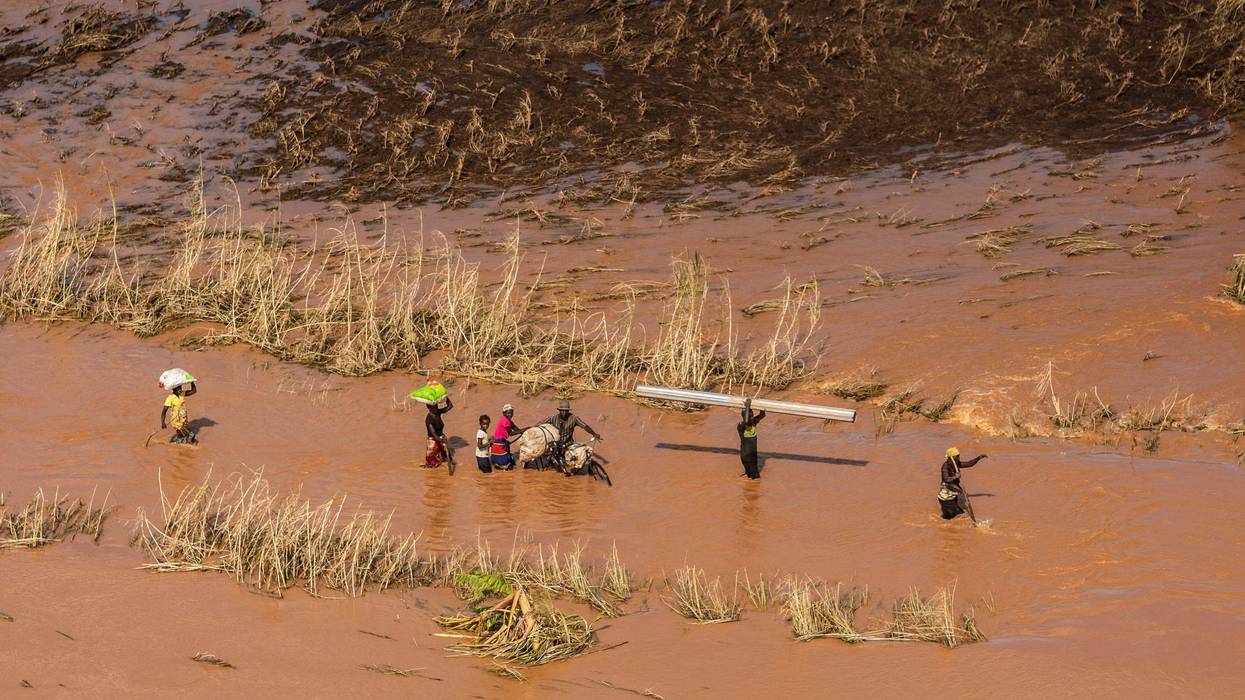
Let us begin by welcoming international solidarity. Whether it was the United Nations, its field agencies or major NGOs, the mobilization was not long in coming to the aid of Zimbabwe, Malawi, and, especially Mozambique, devastated by Cyclone Idai last March. But as another tropical cyclone, Kenneth, has landed on the East African coast with even greater intensity, we cannot help but detect accents of guilt in this solidarity.
Africa is the continent least responsible for global warming: barely 3.8% of greenhouse gas emissions are produced there.
Mozambique is on its knees. Hit by what is considered the worst cyclone in the southern hemisphere, it saw its fourth city, Beira, practically wiped off the map. And since tropical storms know no borders, Idai has also killed in Zimbabwe and Malawi. More than a thousand people died and two million were affected, including 1.8 million in Mozambique alone. The damage caused by floods and wind gusts is expected to cost the region more than US $2 billion, according to the World Bank.
For researchers, there is no doubt that the alternation of cyclonic episodes and droughts that has hit the region in recent years is directly linked to the impressive temperature variations resulting from climate change. The irony is that Mozambique and its neighboring countries produce only a tiny fraction of the world's carbon dioxide emissions. Moreover, Africa is the continent least responsible for global warming: barely 3.8% of greenhouse gas emissions are produced there, compared to 23% in China, 19% in the United States, and 13% in the European Union.
Beira is not an isolated case. Prolonged droughts, repeated floods, declining agricultural yields, increasingly limited access to water, global warming is already taking its toll in Africa. These natural disasters increase the risk of food insecurity and health crises. The cholera cases that have emerged in Mozambique since Idai and Kenneth passed through clearly show it.
In rural areas, survival is at stake, due to the disappearance of entire crops. Urban populations are also on the front line. High birth rates and rural exodus mean that 86 of the world's 100 fastest growing cities are in Africa. And at least 79 of them - including 15 capitals - are facing extreme risks due to climate change, according to the risk consultancy Verisk Maplecroft.
If nothing changes, the region could account for 90% of people living on less than US $1.9 a day by 2050, the World Bank warns.
In addition, natural disasters exacerbate poverty and inequality, and fuel conflict. Extreme poverty continues to increase in sub-SaharanAfrica, unlike in all other regions of the world. If nothing changes, the region could account for 90% of people living on less than US $1.9 a day by 2050, the World Bank warns. Public infrastructure is unable to meet the growing demand, and disaster response mechanisms are inadequate. Kinshasa's 13.2 million inhabitants, for example, are already regularly affected by floods.
In order to be better prepared, African States urgently need more resources. It is true that tax collection has improved on the continent, rising from 13.1% in 2000 to 18.2% in 2016, according to the Organisation for Economic Co-operation and Development (OECD). But this remains well below the averages in Latin America (22.7%) or in OECD countries (34.3%). Above all, even when they are honest, administrations do not have the necessary resources to thwart the increasingly sophisticated and aggressive strategies that multinationals employ to avoid taxes. Africa loses between US $30 and $60 billion every year, according to very conservative estimates by the United Nations Economic Commission for Africa (UNECA) and the African Union. This is much more than the amount of international aid.
All over the world, people are shocked by tax scandals exposed by government investigations and whistleblowers. In the United States, for example, a recent report revealed that 60 of the country's top 500 most profitable companies, including Amazon, Netflix and General Motors, paid no taxes in 2018, despite a cumulative profit of US $79 billion. The impact on public finances is even more worrying in Africa, where corporate taxes represent 15.3% of government revenues, compared to just 9% in rich countries.
After years of silence, OECD has recently admitted the need to question the system that allows companies to declare their profits wherever they wish, in order to benefit from very low or even zero tax rates in tax havens - and this in a totally legal way. This is a requirement that we, the Independent Commission for the Reform of International Corporate Taxation (ICRICT), have been pursuing for years. Rich countries are now under pressure from the International Monetary Fund (IMF) and the UN, which, in recent months, have called for a major overhaul of international taxation.
This is a first step in the right direction, but there is an urgent need for developing countries to participate actively in the drafting of new tax standards. Africa is now the most vulnerable region to climate change, although it has only marginally contributed to it. It is time for the continent to make its voice heard to recover resources that will enable it to fight against its effects and better prepare its populations.

Urgent calls for international aid and climate action mounted Friday after the stongest cyclone to ever hit Mozambique made landfall just weeks after another powerful storm ravaged the impoverished African country.
"The families whose lives have been turned upside down by these climate-related disasters urgently need the generosity of the international community to survive over the coming months."
--Mark Lowcock, United Nations
"The families whose lives have been turned upside down by these climate-related disasters urgently need the generosity of the international community to survive over the coming months," Mark Lowcock, the United Nations humanitarian chief, said in a statement (pdf).
Lowcock warned that "Cyclone Kenneth may require a major new humanitarian operation at the same time that the ongoing Cyclone Idai response targeting 3 million people in three countries remains critically underfunded."
The new storm, he noted, "comes only six weeks after Cyclone Idai devastated central Mozambique, killing more than 600 people, unleashing a cholera epidemic, wiping out crops in the country's breadbasket, forcing a million people to rely on food assistance to survive, and causing massive destruction of homes, schools, and infrastructure in one of the world's poorest countries."
Last month's cyclone, as Common Dreams reported, destroyed an estimated 90 percent of Mozambique's port city of Beira before it moved on to portions of Malawi and Zimbabwe, killing hundreds more people. Cyclone Kenneth reached wind speeds equivalent to a Category 4 hurricane and reportedly killed at least three people on the island nation of Comoros before hammering northern Mozambique late Thursday.
Speaking with NPR from Beira, Katie Wilkes, a spokesperson for the International Federation of Red Cross and Red Crescent Societies, described the situation on the ground in Mozambique as "unprecedented."
"Cyclone Idai was one of the worst disasters in the country's history," Wilkes said, "and now we're seeing a second disaster."
"It's really an anomaly in the history of cyclones in this region. There's never been two storms this strong hit in the same year, let alone within five weeks of each other in Mozambique," Eric Holthaus, a meteorologist who has worked in east Africa and monitored this cyclone's path, told the Guardian.
The storm is expected to stall over Mozambique for several days, and projections show it could drop two feet or more of rain on the area in the coming days.
"Nothing like this has happened in this region, and rarely happens anywhere in the world," Holthaus said. "So the kind of rainfall totals that the models are showing for Kenneth are really extreme in the global context."
"We have very strong evidence that everywhere in the world, rainfall is getting more intense," he added, tying Kenneth rainfall projections to the global climate crisis.
The meteorologist took to Twitter Friday to urge the global community to "help those who did nothing to cause the problem."
Landry Ninteretse, regional team leader of 350Africa, said in a statement Friday that the unfolding disaster "is a tragedy that points to the bigger crisis that humanity is faced with."
"For us, climate change is not a future risk, it's already a reality evident in wrecked families, lands and livelihoods, and homeless children and young people who have no choice but to seek a future by migrating," Ninteretse said. "We urgently need to step up efforts in Africa to adapt to a rapidly changing environment before more harm is brought to frontline communities who face the brunt of climate impacts."
"It is time to accept as fact that climate change will only increase the severity of extreme weather events; they present themselves to us as symptoms of the existential threat of climate change," said Njeri Kabeberi, executive director of Greenpeace Africa. "This is yet another wake-up call, and we urge our leaders in Africa to act with urgency to tackle the threats of climate change and to ensure climate justice."