
SUBSCRIBE TO OUR FREE NEWSLETTER
Daily news & progressive opinion—funded by the people, not the corporations—delivered straight to your inbox.
5
#000000
#FFFFFF
To donate by check, phone, or other method, see our More Ways to Give page.


Daily news & progressive opinion—funded by the people, not the corporations—delivered straight to your inbox.
Will the Biden administration reverse a course that the U.S. has been on since the early 2000s?
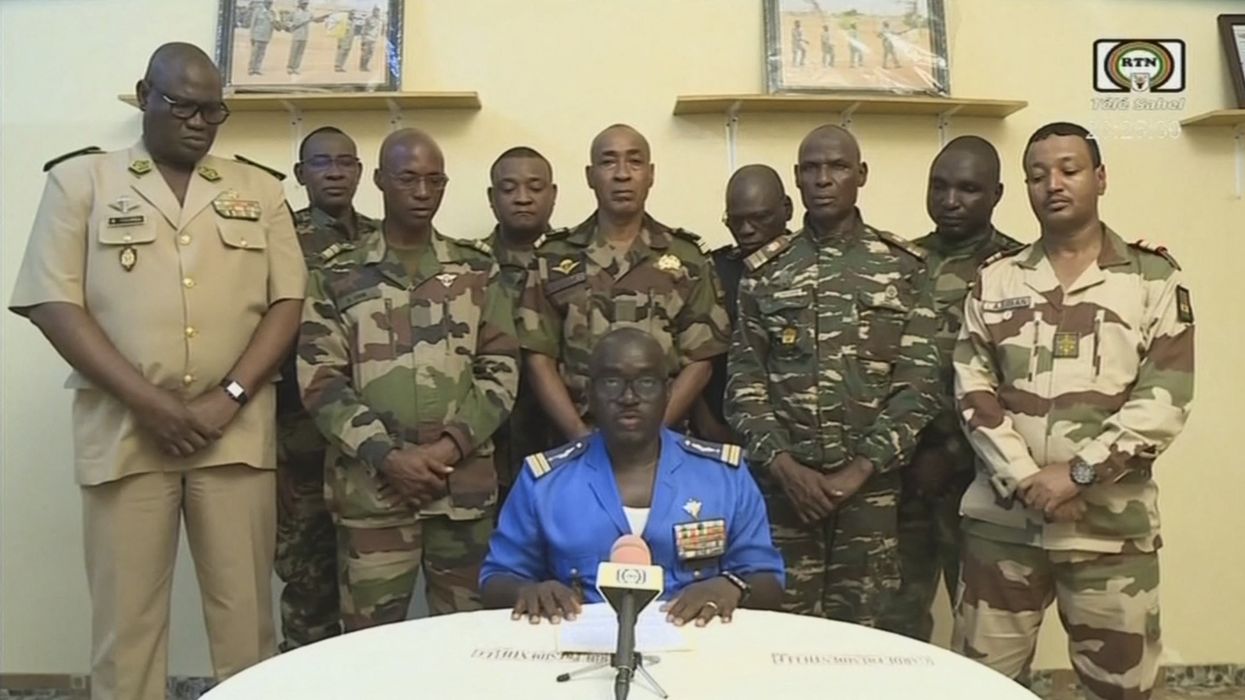
Dressed in green military fatigues and a blue garrison cap, Colonel Major Amadou Abdramane, a spokesperson for Niger’s ruling junta, took to local television last month to criticize the United States and sever the long-standing military partnership between the two countries. “The government of Niger, taking into account the aspirations and interests of its people, revokes, with immediate effect, the agreement concerning the status of United States military personnel and civilian Defense Department employees,” he said, insisting that their 12-year-old security pact violated Niger’s constitution.
Another sometime Nigerien spokesperson, Insa Garba Saidou, put it in blunter terms: “The American bases and civilian personnel cannot stay on Nigerien soil any longer.”
The announcements came as terrorism in the West African Sahel has spiked and in the wake of a visit to Niger by a high-level American delegation, including Assistant Secretary of State for African Affairs Molly Phee and General Michael Langley, chief of U.S. Africa Command, or AFRICOM. Niger’s repudiation of its ally is just the latest blow to Washington’s sputtering counterterrorism efforts in the region. In recent years, longstanding U.S. military partnerships with Burkina Faso and Mali have also been curtailed following coups by U.S.-trained officers. Niger was, in fact, the last major bastion of American military influence in the West African Sahel.
Niger’s junta is pursuing another such path, attempting to end an American forever war in one small corner of the world—doing what President Biden pledged but failed to do.
Such setbacks there are just the latest in a series of stalemates, fiascos, or outright defeats that have come to typify America’s Global War on Terror. During 20-plus years of armed interventions, U.S. military missions have been repeatedly upended across Africa, the Middle East, and South Asia, including a sputtering stalemate in Somalia, an intervention-turned-blowback-engine in Libya, and outright implosions in Afghanistan and Iraq.
This maelstrom of U.S. defeat and retreat has left at least 4.5 million people dead, including an estimated 940,000 from direct violence, more than 432,000 of them civilians, according to Brown University’s Costs of War Project. As many as 60 million people have also been displaced due to the violence stoked by America’s “forever wars.”
President Joe Biden has both claimed that he’s ended those wars and that the United States will continue to fight them for the foreseeable future—possibly forever—“to protect the people and interests of the United States.” The toll has been devastating, particularly in the Sahel, but Washington has largely ignored the costs borne by the people most affected by its failing counterterrorism efforts.
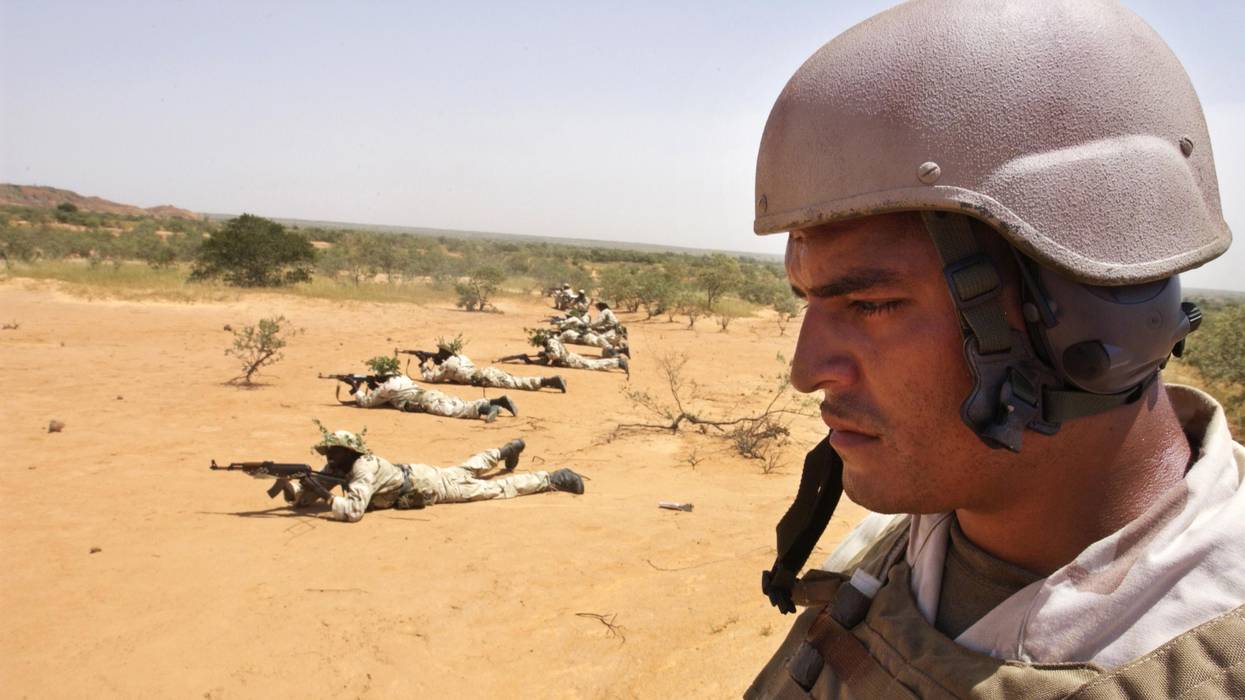
Roughly 1,000 U.S. military personnel and civilian contractors are deployed to Niger, most of them near the town of Agadez at Air Base 201 on the southern edge of the Sahara desert. Known to locals as “Base Americaine,” that outpost has been the cornerstone of an archipelago of U.S. military bases in the region and is the key to America’s military power projection and surveillance efforts in North and West Africa. Since the 2010s, the U.S. has sunk roughly a quarter-billion dollars into that outpost alone.
Washington has been focused on Niger and its neighbors since the opening days of the Global War on Terror, pouring military aid into the nations of West Africa through dozens of “security cooperation” efforts, among them the Trans-Sahara Counterterrorism Partnership, a program designed to “counter and prevent violent extremism” in the region. Training and assistance to local militaries offered through that partnership has alone cost America more than $1 billion.
Just prior to his recent visit to Niger, AFRICOM’s General Langley went before the Senate Armed Services Committee to rebuke America’s longtime West African partners. “During the past three years, national defense forces turned their guns against their own elected governments in Burkina Faso, Guinea, Mali, and Niger,” he said. “These juntas avoid accountability to the peoples they claim to serve.”
After 20 years, it’s clear that America’s Sahelian partnerships aren’t “reducing terrorist violence” at all.
Langley did not mention, however, that at least 15 officers who benefited from American security cooperation have been involved in 12 coups in West Africa and the greater Sahel during the Global War on Terror. They include the very nations he named: Burkina Faso (2014, 2015, and twice in 2022); Guinea (2021); Mali (2012, 2020, and 2021); and Niger (2023). In fact, at least five leaders of a July coup in Niger received U.S. assistance, according to an American official. When they overthrew that country’s democratically elected president, they, in turn, appointed five U.S.-trained members of the Nigerien security forces to serve as governors.
Langley went on to lament that, while coup leaders invariably promise to defeat terrorist threats, they fail to do so and then “turn to partners who lack restrictions in dealing with coup governments… particularly Russia.” But he also failed to lay out America’s direct responsibility for the security freefall in the Sahel, despite more than a decade of expensive efforts to remedy the situation.
“We came, we saw, he died,” then-Secretary of State Hillary Clintonjoked after a U.S.-led NATO air campaign helped overthrow Colonel Muammar el-Qaddafi, the longtime Libyan dictator, in 2011. Former President Barack Obama hailed the intervention as a success, even as Libya began to slip into near-failed-state status. Obama would later admit that “failing to plan for the day after” Qaddafi’s defeat was the “worst mistake” of his presidency.
As the Libyan leader fell, Tuareg fighters in his service looted his regime’s weapons caches, returned to their native Mali, and began to take over the northern part of that nation. Anger in Mali’s armed forces over the government’s ineffective response resulted in a 2012 military coup led by Amadou Sanogo, an officer who learned English in Texas, and underwent infantry-officer basic training in Georgia, military-intelligence instruction in Arizona, and mentorship by Marines in Virginia.
Having overthrown Mali’s democratic government, Sanogo proved hapless in battling local militants who had also benefited from the arms flowing out of Libya. With Mali in chaos, those Tuareg fighters declared their own independent state, only to be pushed aside by heavily armed Islamist militants who instituted a harsh brand of Shariah law, causing a humanitarian crisis. A joint French, American, and African mission prevented Mali’s complete collapse but pushed the Islamists to the borders of both Burkina Faso and Niger, spreading terror and chaos to those countries.
Since then, the nations of the West African Sahel have been plagued by terrorist groups that have evolved, splintered, and reconstituted themselves. Under the black banners of jihadist militancy, men on motorcycles armed with Kalashnikov rifles regularly roar into villages to impose zakat (an Islamic tax) and terrorize and kill civilians. Relentless attacks by such armed groups have not only destabilized Burkina Faso, Mali, and Niger, prompting coups and political instability, but have spread south to countries along the Gulf of Guinea. Violence has, for example, spiked in Togo (633%) and Benin (718%), according to Pentagon statistics.
American officials have often turned a blind eye to the carnage. Asked about the devolving situation in Niger, for instance, State Department spokesperson Vedant Patel recently insisted that security partnerships in West Africa “are mutually beneficial and are intended to achieve what we believe to be shared goals of detecting, deterring, and reducing terrorist violence.” His pronouncement is either an outright lie or a total fantasy.
After 20 years, it’s clear that America’s Sahelian partnerships aren’t “reducing terrorist violence” at all. Even the Pentagon tacitly admits this. Despite U.S. troop strength in Niger growing by more than 900% in the last decade and American commandos training local counterparts, while fighting and even dying there; despite hundreds of millions of dollars flowing into Burkina Faso in the form of training as well as equipment like armored personnel carriers, body armor, communications gear, machine guns, night-vision equipment, and rifles; and despite U.S. security assistance pouring into Mali and its military officers receiving training from the United States, terrorist violence in the Sahel has in no way been reduced. In 2002 and 2003, according to State Department statistics, terrorists caused 23 casualties in all of Africa. Last year, according to the Africa Center for Strategic Studies, a Pentagon research institution, attacks by Islamist militants in the Sahel alone resulted in 11,643 deaths—an increase of more than 50,000%.
In January 2021, President Biden entered the White House promising to end his country’s forever wars. He quickly claimed to have kept his pledge. “I stand here today for the first time in 20 years with the United States not at war,” Biden announced months later. “We’ve turned the page.”
Late last year, however, in one of his periodic “war powers” missives to Congress, detailing publicly acknowledged U.S. military operations around the world, Biden said just the opposite. In fact, he left open the possibility that America’s forever wars might, indeed, go on forever. “It is not possible,” he wrote, “to know at this time the precise scope or the duration of the deployments of United States Armed Forces that are or will be necessary to counter terrorist threats to the United States.”
Niger’s U.S.-trained junta has made it clear that it wants America’s forever war there to end. That would assumedly mean the closing of Air Base 201 and the withdrawal of about 1,000 American military personnel and contractors. So far, however, Washington shows no signs of acceding to their wishes. “We are aware of the March 16th statement… announcing an end to the status of forces agreement between Niger and the United States,” said Deputy Pentagon Press Secretary Sabrina Singh. “We are working through diplomatic channels to seek clarification… I don’t have a timeframe of any withdrawal of forces.”
Carnage, stalemate, and failure seem to have had remarkably little effect on Washington’s desire to continue funding and fighting such wars, but facts on the ground like the Taliban’s triumph in Afghanistan have sometimes forced Washington’s hand.
“The U.S. military is in Niger at the request of the Government of Niger,” said AFRICOM spokesperson Kelly Cahalan last year. Now that the junta has told AFRICOM to leave, the command has little to say. Email return receipts show that TomDispatch’s questions about developments in Niger sent to AFRICOM’s press office were read by a raft of personnel including Cahalan, Zack Frank, Joshua Frey, Yvonne Levardi, Rebekah Clark Mattes, Christopher Meade, Takisha Miller, Alvin Phillips, Robert Dixon, Lennea Montandon, and Courtney Dock, AFRICOM’s deputy director of public affairs, but none of them answered any of the questions posed. Cahalan instead referred TomDispatch to the State Department. The State Department, in turn, directed TomDispatch to the transcript of a press conference dealing primarily with U.S. diplomatic efforts in the Philippines.
“USAFRICOM needs to stay in West Africa… to limit the spread of terrorism across the region and beyond,” General Langley told the Senate Armed Services Committee in March. But Niger’s junta insists that AFRICOM needs to go and U.S. failures to “limit the spread of terrorism” in Niger and beyond are a key reason why. “This security cooperation did not live up to the expectations of Nigeriens—all the massacres committed by the jihadists were carried out while the Americans were here,” said a Nigerien security analyst who has worked with U.S. officials, speaking on the condition of anonymity.
America’s forever wars, including the battle for the Sahel, have ground on through the presidencies of George W. Bush, Barack Obama, Donald Trump, and Joe Biden with failure the defining storyline and catastrophic results the norm. From the Islamic State routing the U.S.-trained Iraqi army in 2014 to the Taliban’s victory in Afghanistan in 2021, from the forever stalemate in Somalia to the 2011 destabilization of Libya that plunged the Sahel into chaos and now threatens the littoral states along the Gulf of Guinea, the Global War on Terror has been responsible for the deaths, wounding, or displacement of tens of millions of people.
Carnage, stalemate, and failure seem to have had remarkably little effect on Washington’s desire to continue funding and fighting such wars, but facts on the ground like the Taliban’s triumph in Afghanistan have sometimes forced Washington’s hand. Niger’s junta is pursuing another such path, attempting to end an American forever war in one small corner of the world—doing what President Biden pledged but failed to do. Still, the question remains: Will the Biden administration reverse a course that the U.S. has been on since the early 2000s? Will it agree to set a date for withdrawal? Will Washington finally pack up its disastrous war and go home?
Africans are good "allies" when they toe the Western line and hungry, easily manipulated, and illegitimate regimes when they reject the West's conditions.
Racism goes beyond the use of certain words or the discriminatory practices of everyday life. It is also about political perceptions, intellectual depictions, and collective relationships.
Consider the way that Africa is currently portrayed in the news.
From a political viewpoint, Africa is seen as a totality, and not in a positive way, as in a united Africa.
The truth is that African leaders were not looking for "giveaways" but were hoping to negotiate a stronger geopolitical position in a vastly changing global political map. Just like everybody else.
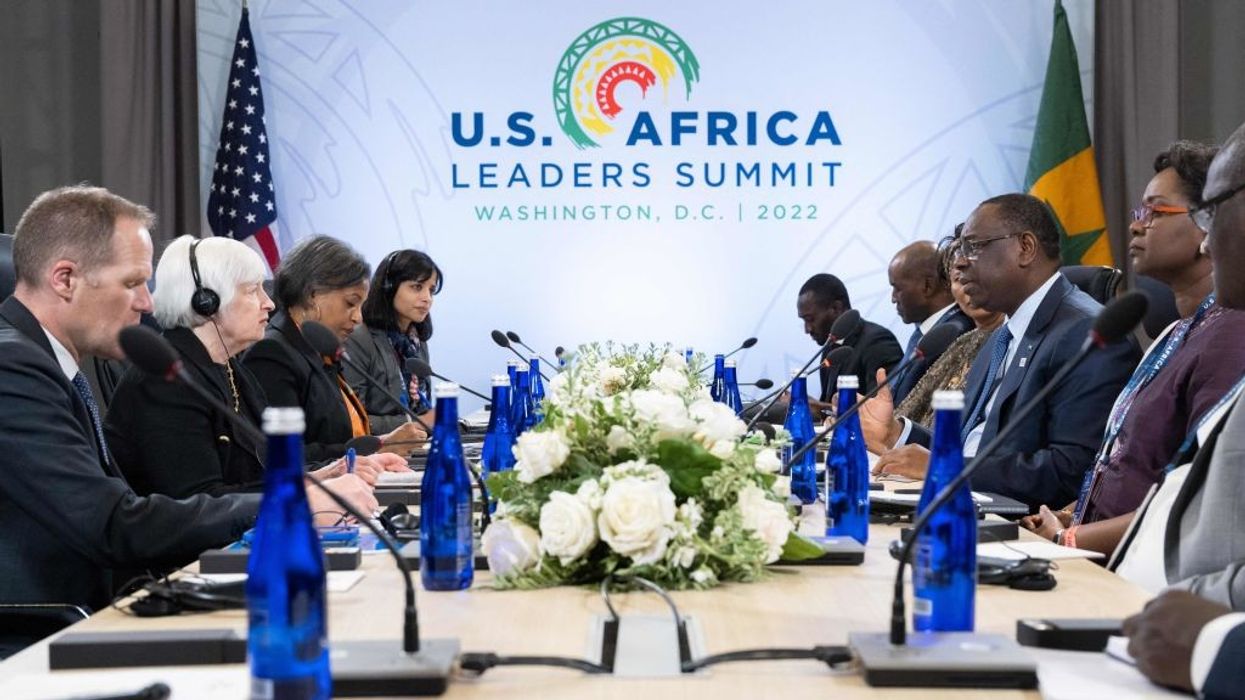
For example, mainstream Western media coverage of the U.S.-Africa Summit, held in Washington last December, presented all of Africa as poor and desperate. The continent, one can glean from headlines, was also willing to pawn its political position in the Russia-NATO conflict in exchange for money and food.
"Biden tells African leaders U.S. is 'all in' on the continent," an Associated Press headline announced on December 15.
The phrase "all in"—a lingo used in Poker when someone is willing to risk it all—was cited many times in the U.S. and Western media.
Biden offered unconditional U.S. commitment "to supporting every aspect of Africa's growth," AP reported. But "growth" had little to do with Biden's offerings. He merely tried to outbid Russia's support for Africa so that the latter may adopt an anti-Moscow stance. He failed.
When a Russia-Africa Summit took place on July 27-28, U.S.-western media lashed out, again presenting Africans as political vagabonds, while belittling the strategic value of such a meeting for both Russia and African countries.
A CNN headline began with "Isolated Putino..," while a Reuters headline read "Putin promises African leaders free grain."
Very little mention was made of African leaders spending much time discussing a possible role in finding a peaceful resolution to the horrific war underway in Ukraine.
Indeed, several African leaders articulated a sincere political discourse, rejecting imperialism, neocolonialism, and military interventions.
Moreover, there was little media discussion that Africa, like Europe, can negotiate a stronger political position in world affairs.
Instead, the coverage seemed to center around the Black Sea Grains Initiative— brokered in July 2022—insinuating that Russia is threatening food security in an already impoverished continent.
But this was hardly the case.
In a speech at the Economic Forum in Vladivostok last September, Russian President Vladimir Putin claimed that, of the 87 grain-loaded ships, only 60,000 tons out of 2 million reached the United Nations' World Food Program.
Though Putin's overall figures were contested, the U.N.'s Joint Coordination Centre (JCC) said in a statement published in Euronews that "Putin is correct to say only a small amount has been shipped under the World Food Program."
Even though Western countries have been the largest recipients of grains shipped through the Black Sea, no mainstream media has made it a mission to depict Europeans as starving populations, or worse.
Additionally, Europe is hardly presented as greedy, either. Indeed, the blame is never on Europe, its colonialism, arms, and political meddling. Yet, the blame is readily assigned elsewhere.
This headline in The Conversation is a good illustration: "Putin offers unconvincing giveaways in a desperate bid to make up for killing the Ukraine grain deal."
The bias is astonishing.
The truth is that African leaders were not looking for "giveaways" but were hoping to negotiate a stronger geopolitical position in a vastly changing global political map. Just like everybody else.
Whether Putin's "bid" in Africa was "desperate" or not, matters little. The bias, however, becomes clear when the alleged Russian desperation is compared to the outcome of the U.S.-Africa summit last year.
Biden's "bid"was presented as an attempt at building bridges and creating opportunities for future cooperation. All is done, of course, in the name of democracy and human rights.
The misrepresentation of Africa can also be viewed independently from the Russia-Ukraine war.
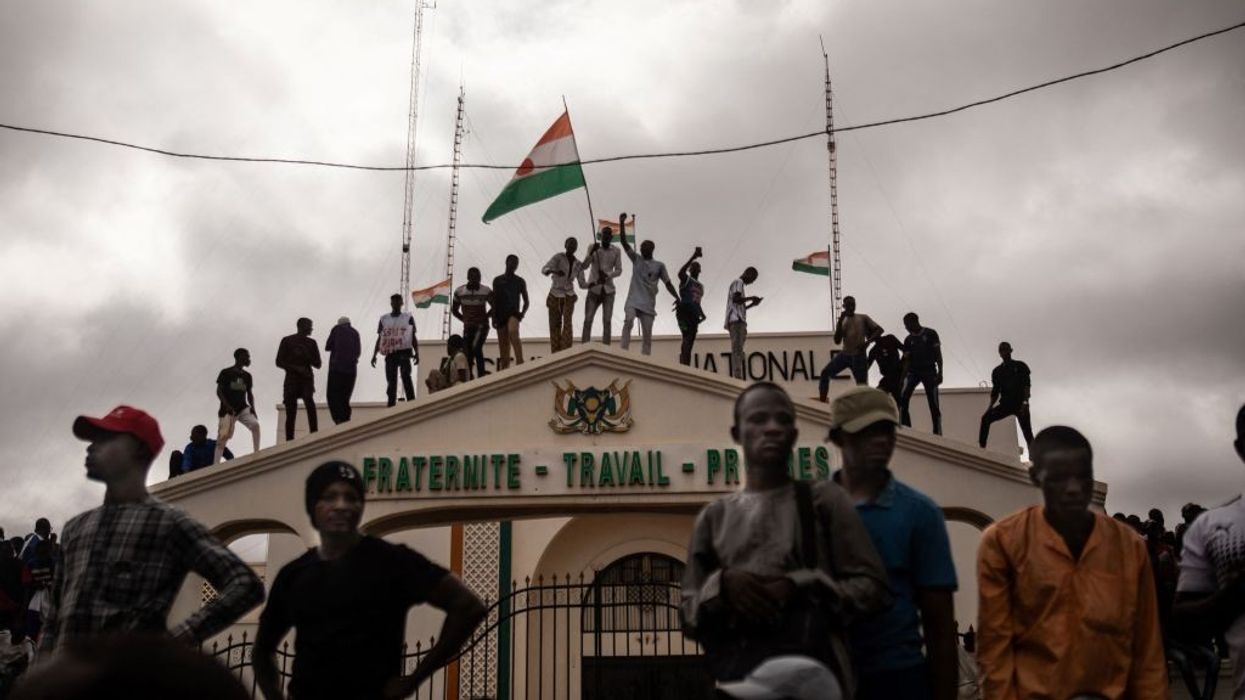
Take, for example, the way Western media dealt with the Niger military coup on July 26.
Niger is part of the Sahel countries in Africa, a stretch of nations that have all been colonized by France.
Decades after these countries gained nominal independence, Paris continued to exert strong political influence and economic control.
This is called neocolonialism. It ensures the wealth of former colonies continues to be exploited by former colonizers.
In fact, Niger's wealth of uranium ore has helped fuel more than a fourth of the E.U.'s nuclear energy plants, and much of France's.
A decade ago, France returned to the Sahel region as a military force, in the name of fighting Jihadists.
Yet, violence grew, forcing African Sahel countries to rebel, starting in the Central African Republic, then Burkina Faso, Mali, Chad, and, finally, Niger.
Little of that context features in the coverage of Western media. Instead, like Mali and the others, Niger is depicted as another of Russia's lackeys in Africa.
Thus, the CNN headline, on August 2, "A Niger coup leader meets with Wagner-allied junta in Mali." Here, CNN leaves no room for the possibility that African leaders have agendas, or political wills, of their own.
The West's problematic relationship with Africa is complex, rooted in colonialism, economic exploitation, and outright racism.
Africans are good "allies" when they toe the Western line and hungry, easily manipulated, and illegitimate regimes when they reject the West's conditions.
It is time to rethink and confront this demeaning perception.
Africa, like all other political spaces, is a complicated and conflicted region, deserving of deep understanding and appreciation, beyond the self-serving agendas of a few Western countries.
The institutionalization of such principles under international law would foster democracy and better governance throughout the world.
The recent military coup in Niger highlights a major weakness in worldwide efforts to promote democracy. It also underscores the need to establish a binding international precedent to ban the recognition of military regimes, particularly those that result from military coups. The institutionalization of such principles would foster democracy and better governance throughout the world.
In international law, the issue of recognition of illegitimate governments has ancient roots. The Tobar Doctrine, proposed in 1907 by the then Minister of Foreign Affairs of Ecuador Carlos Tobar, calls for denying recognition of de facto governments emerging from revolutions against the constitutional order. However, this doctrine never gained widespread acceptance.
The Estrada Doctrine, formulated in 1930 by the Minister of Foreign Affairs of Mexico, Genaro Estrada, landed a similar fate. This doctrine also denies recognition to the government that has assumed power by extra-constitutional means. Although both doctrines are known in international law, they did not get the wide recognition they deserved.
It can be argued that non-recognition of de facto regimes will not by itself restore democracy. However, it is, a significant initial step that could be followed by stronger collective measures.
Politics is the driver behind the recognition of illegitimate governments; world powers have often encouraged overturning a constitutional government, as happened in 1973 when the U.S. supported Augusto Pinochet's takeover of the legitimate Allende government in Chile. Overt or implied recognition by Western democracies through ambivalent signs of disapproval have also encouraged military officers to overthrow constitutional governments.
Anthony W. Pereira, Director of the King's Brazil Institute at King's College in London, observed that since the end of World War II, military rule has occurred almost exclusively in developing countries. Military coups d'état reached their height in the 1960s and 1970s.
The playbook in these cases is similar. Although the military often promises a quick return to civilian rule, this almost never happens, and the military remains in power for long periods of time, often through a puppet regime. The military relinquishes power either when forced by popular will, or when its own incapacity to govern makes its position untenable. This happened to the Greek military junta in 1974 after its debacle in Cyprus, to the Chilean regime under Pinochet in 1990, and to the Argentine military after the Malvinas-Falklands conflict of 1982.
The United Nations General Assembly and its International Law Commission could be called upon to draw up appropriate legislation to declare the illegality of all military regimes. As the late U.N. Secretary-General Dag Hammarskjold observed, the United Nations is "the most appropriate place for development and change of international law on behalf of the whole society of states."
The non-recognition of military regimes as a universal principle raises some practical questions. First, is it possible to apply the precedent retroactively, when military regimes have already been recognized and established? This issue was relevant in the 1923 Tinoco case.
Federico Tinoco Granados was a Costan Rican general who overthrew the constitutional government of Costa Rica in 1917. Two years later Tinoco Granados left the country, after multiple accusations of corruption. The new government in Costa Rica nullified all agreements signed by Tinoco, among them a concession to a British oil company. The matter was submitted to the arbitration of U.S. President William Howard Taft.
The Costa Rican government argued that Great Britain could not enforce the contract because both Costa Rica and the U.S. had not recognized the Tinoco regime. According to Taft, however, Tinoco, who exercised de facto control of the state, even if he had not respected the constitution, had the right to incur debts on behalf of the State. Taft's decision created a debatable precedent whose consequences are felt even today.
Second, what if military forces stage a coup against an oppressive or corrupt civilian regime? An ousted civilian government that has been freely elected by the people should not be denied recognition in favor of a post-coup military regime unless the overthrown government was responsible for gross human rights violations. Further, after a coup, recognition should be withheld until another civilian government is chosen in free and democratic elections.
It can be argued that non-recognition of de facto regimes will not by itself restore democracy. However, it is a significant initial step that could be followed by stronger collective measures. To the contention that non-recognition implies undue interference in a state's internal affairs, this objection loses validity if non-recognition is a consistent precedent of international law as established by the United Nations.
Consistent with this approach, both the African Union and the Economic Community of West African States have condemned the coup in Niger.
Non-recognition of military regimes is a response to increasing worldwide demands to eliminate the plague of military coups d'état. Once established as a legal precedent, it could become a significant step toward world peace, justice, and democracy.
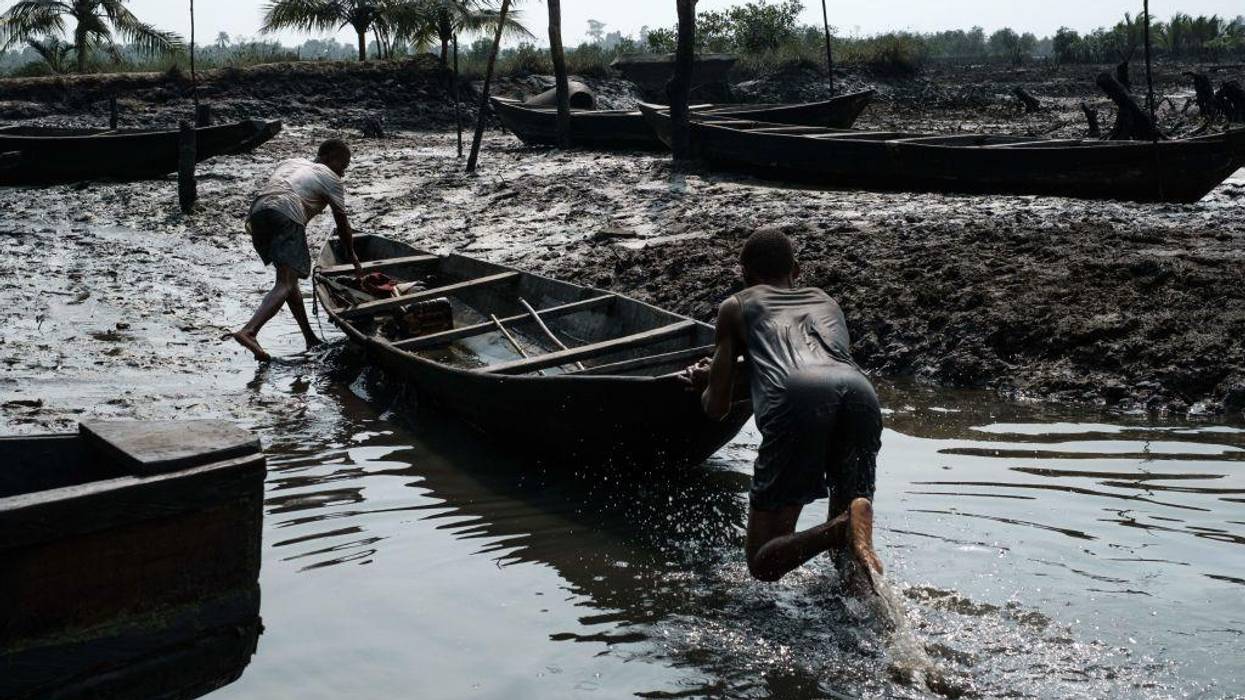
In 2011, a ground-breaking report by the UN Environment Programme (UNEP) on oil pollution in Ogoniland highlighted the devastating impact of the oil industry in the Niger Delta and made concrete recommendations for clean-up measures and immediate support for the region's devastated communities.
Now, nearly ten years later, a new report published Thursday by Friends of the Earth Europe, Amnesty International, ERA, and Milieudefensie, details Shell's failure to implement the "emergency measures" laid out by UNEP and says only 11% of contaminated areas in the Niger Delta have begun the clean-up process.
Titled "No Clean-Up, No Justice," the new report explains that for "more than five decades, the people of Ogoniland, in the Niger Delta, have struggled against oil pollution, destruction of the environment and human rights violations."
According to estimates, Shell Oil has dumped an estimated nine to 13 million barrels of crude oil into the Niger Delta since 1958.
"Oil and gas extraction has caused large-scale, continued contamination of the water and soil in Ogoni communities," said Friends of the Earth in a statement. "The continued and systematic failure of oil companies and government to clean up have left hundreds of thousands of Ogoni people facing serious health risks, struggling to access safe drinking water, and unable to earn a living."
As Common Dreams reported earlier this year, the local government has also worked with Shell to suppress the right of people in Ogoniland to fight against pollution.
"The discovery of oil in Ogoniland has brought huge suffering for its people," said Osai Ojigho of Amnesty International Nigeria. "Over many years we have documented how Shell has failed to clean up contamination from spills and it's a scandal that this has not yet happened."
The ecological damage, Ojigho added, "is leading to serious human rights impacts--on people's health and ability to access food and clean water. Shell must not get away with this--we will continue to fight until every last trace of oil is removed from Ogoniland."
Almost a full decade after the UNEP findings, the new report concluded that:
The report also lays out a set of demands for a rapid clean-up and funding for regional recovery, with chief responsibility for that effort aimed at the Nigerian government, Shell, and other governments--mostly in Europe--home to other major oil companies operating in the Niger Delta.
"After nine years of promises without proper action and decades of pollution, the people of Ogoniland are not only sick of dirty drinking water, oil-contaminated fish and toxic fumes," said Godwin Ojo of Environmental Rights Action/Friends of the Earth Nigeria.
"They are sick of waiting for justice," Ojo added. "They are dying by the day."
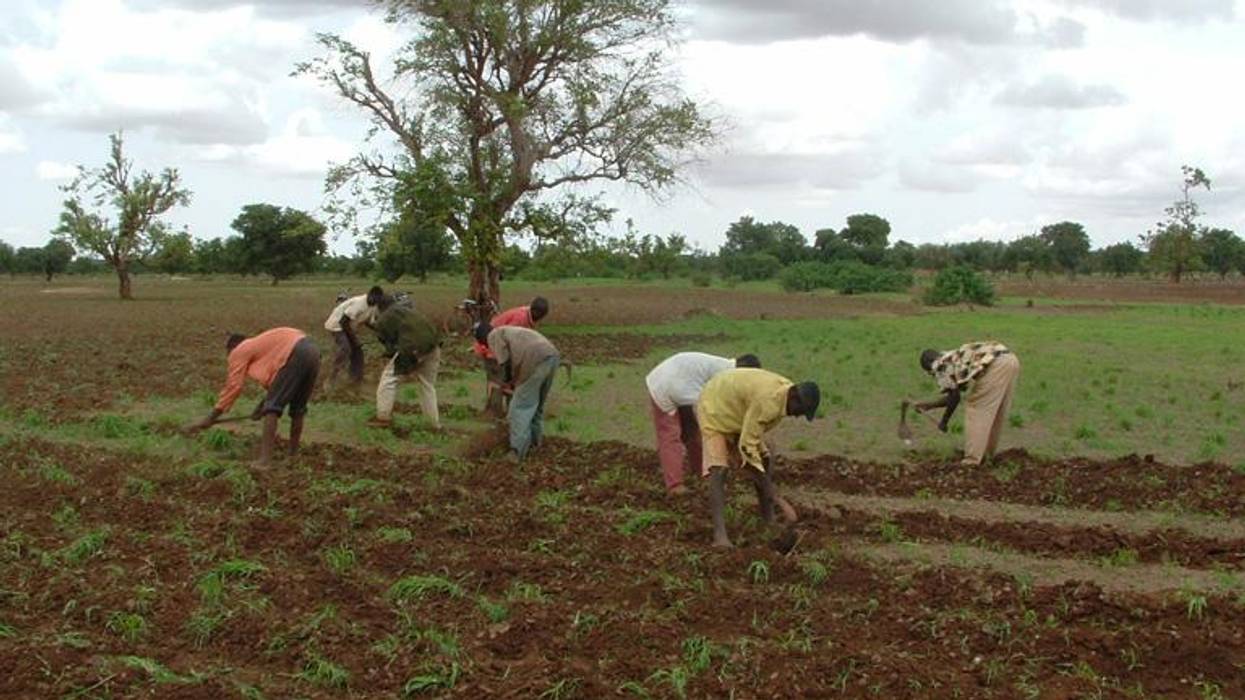
In Niger, where agriculture is the main source of income, the message is simple: Losing your soil means losing your livelihood. The ability to grow food is inextricably linked to the productive capacity of the soil. In the case of Niger's soil, the picture is bleak: The soils hold poor structural stability, low nutrient holding capacity, low water retention capacity... the list goes on.
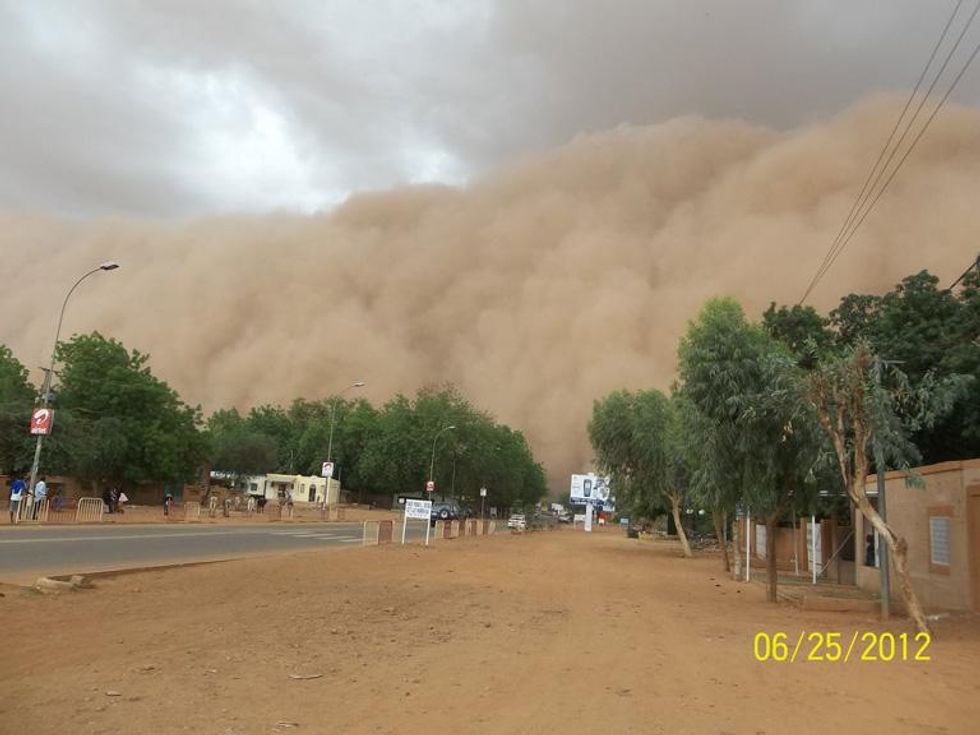
Niger lies in one of the hottest regions in the world: The Sahel. Rainfall is short and unpredictable and Nigeriens face chronic water scarcity. In addition to the limited productive capacity of the soil, the Sahel has been plagued by soil degradation. Wind erosion, the main cause of soil loss, sees suspended soil particles travel thousands of miles in hazardous dust storms.
Soil degradation is instigated by climatic factors and compounded by anthropogenic factors. High temperatures trigger high evaporation rates, which cause the soil to form impenetrable surface crusts that rain cannot penetrate. Extreme rainfall events thus lead to flooding and the erosion of topsoil, the only horizon (the scientific term for a soil layer) with mildly productive capacities. Human land use has further aggravated the problem of soil erosion.
Niger exhibits one of the world's highest population growth rates. Between 1960 and 2018, the capital, Niamey, has grown from a population of 30,000 to one of 1.2 million. The resulting agricultural intensification has led to the conversion of natural, woody savannahs to cultivated lands. Overgrazing and the loss of vegetation cover has reduced soil fertility and spurred soil loss. The situation is bound to worsen with climate change and the intensification of the hydrological cycle.
What does this mean for the future of Niger's soil and the livelihoods of its millions of dependents? How can soil management be improved in a region that has little to no resources? It is indisputable that Niger should reverse unsustainable agricultural practices, but how realistic is this when the very livelihood of Niger's people depends on extracting the maximum benefit from the soil? Niger, according to the 2018 United Nations Human Development Index, is the poorest nation on earth. How can it deal with its soil situation?
One proposed solution is agroforestry. Deliberately planting trees in association with crops, pasture, and livestock could help reduce soil erosion through stabilizing root systems. Some trees have the ability to fix nitrogen and can thereby increase the productive capacity of the soil. Their canopy's shade provides immediate relief to all creatures, large and small, and puts a limit on direct evaporation from bare soil. Leaf litter helps with the soil's deficient organic matter content and improved soil drainage can reduce flashy runoff and ultimately erosion.
Another option to relieve the soil of some of its burden is to limit overgrazing by returning to practices of migratory herding. Migratory herding had been common practice in pre-colonial Niger and allows the soil to recover between cycles of grazing.
Lastly, a soil management technique, known as conservation agriculture, which minimizes the disruption of the soil's structure, has been proven successful in many arid and nutrient-limited areas of the world. The results have shown increased crop yields and long-term sustainability in farming.
The situation in Niger is devastating. Soil erosion has become a deleterious threat to livelihoods, bringing soil protection to the forefront of governance issues. Environmental scientists and managers need to do a better job at conveying the urgency of the matter of soil erosion. The future of Niger depends on the future of its soil.
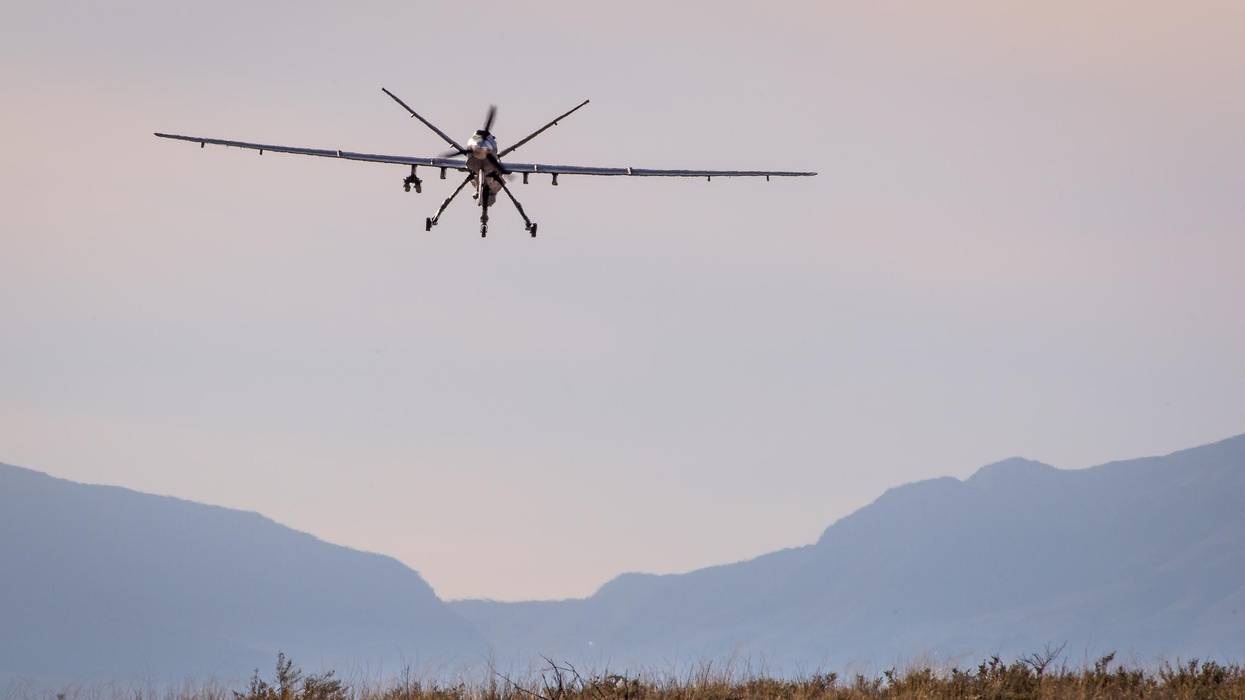
The CIA under President Donald Trump has expanded its drone program in Africa with a recently built-up airbase in northeastern Niger the likely launchpad for surveillance and bombings across the region, the New York Times reported Sunday.
The expansion reflects the agency's reclaimed authority to conduct covert lethal drone strikes--a capacity President Barack Obama curtailed but which Trump returned to the CIA soon after taking office.
The new base, the Times reported, is in the desert town of Dirkou. That makes it much closer to the militant hotbed of southwestern Libya than the Pentagon's base 800 miles southwest in the capital of Niamey, and also closer than the Pentagon's new massive and pricey drone base in the Saharan city of Agadez in central Niger.
Satellite imagery obtained by Times shows how the Dirkou airbase, "labeled a United States Air Force base as a cover," has expanded since February. It now includes "a larger paved taxiway and a clamshell tent connected to the airstrip--all features that are consistent with the deployment of small aircraft, possibly drones." It also appears that there are "new security gates and checkpoints both to the compound and the broader airport."
Drones launched there reportedly target al Qaeda and Islamic State insurgents.
According to both Nigerien and American officials, surveillance missions out of the base have already been underway for months, with flights taking off late at night and in the pre-dawn morning hours.
"One American official said the drones had not yet been used in lethal missions, but would almost certainly be in the near future, given the growing threat in southern Libya," the Times reported.
An anonymous Nigerien security official, however, told the Times that he believed that the agency had launched an armed drone from the site on July 25.
The new CIA activity in Dirkou, the Times noted, adds to the agency's "covert missions in eastern Afghanistan for strikes in Pakistan, and in southern Saudi Arabia for attacks in Yemen."
The Trump administration has unleashed an uptick in airstrikes targeting Libya, while special operators including Green Berets, Navy SEALs, and other commandos continue to engage in secret missions across the continent.
President Trump has ignited another public firestorm over his woeful attempt to console as Commander in Chief a war widow. After first lying about whether past presidents phoned the partners of fallen soldiers, he then shockingly told the grieving wife and mother that her husband "knew what signed up for, but I guess it still hurt". The attempt by General Kelly to defend this remark is arguably even more indefensible and insulting.
The sheer offensiveness of this statement, however, draws attention away from the fundamental question of whether in fact Sgt. La David Johnson did know what he signed up for when he was sent to Niger. While it is impossible for anyone who was not close to Sgt. Johnson to positively answer this question, it does call on Americans to ask themselves if they know why this young person was killed half a world away from his loved ones? The answers are far more disturbing than Trump's appalling remarks or even the respectful words of sorrow expressed by past Presidents.
What are we actually fighting for?
In the aftermath of Trump's comments, there ha been renewed questions as to why the US has troops in Niger in the first place? The official story is that the US is there to combat terrorism. As reported by CNN, "The nation, along with Chad and Mali, serves as a bridge between north and sub-Saharan Africa, and all three serve as significant transit routes for local al Qaeda and ISIS affiliates. The terror groups use these routes to generate revenue that helps them recruit, expand and export attacks". Since 2013 alone the number of troops has grown to about 800.
However, digging a little deeper this rationale becomes much less credible. Understanding Niger's recent history is illuminating, in this respect. The country is led by Mahamadou Issoufou who came to power in 2011 on a leftwing "Renaissance program" promising massive social development investment, particularly attractive to a country that consistently ranks one of the worst in the world in terms of quality of life.
Once installed as President, he took the country in a quite different direction. He has largely aborted his ambitious welfare plans for one of rapid and dramatic military expansion. As a staunch ally of the US war on terror, Niger is now a key client state to promote American global dominance and the profits of the international arms industry.
Not surprisingly, has Issoufou become indispensible to US interests, even if keeping him power means subverting Niger's burgeoning democracy. In 2016 he was re-elected in highly questionable circumstances. The election was boycotted by all the major opposition parties, which won by an astonishing 92% of the vote. It was widely discredited by the international community, a judgment that the US ignored, with the State Department providing him with a ringing endorsement. Since his victory, Niger has become increasingly repressive and authoritarian, linked to what one prominent commentator has referred to as "the un-freedom agenda".
There was a clear and tragic reason Sgt. Johnson died in Niger. It was for corporate plunder and US military hegemony. In the uproar over the Trump's conversation with his wife, we as a nation have yet to ask the more fundamental question of whether these were worthy enough for a young person to sacrifice his life for.
Sorry, Not Sorry
Trump's actions and remark deserve to be publicly rebuked. Whether intentional or not, he continues to offend, and even more gallingly does so at the expense of the most vulnerable members of society - insulting grieving war widows and hurricane victims in Puerto Rico in the span of weeks. Everyday it seems that the office of the Presidency reaches a new modern low.
Yet this incident also shines a bright spotlight on something so much more offensive - that of the apology itself. It is the idea that comforting words for those who have lost their loved ones can somehow make up for the nefarious and often times criminal system that led to their death. As if a simple sorry is sufficient, a hollow ritual of expressing regret without doing anything to change the fundamental reason that this person gave the ultimate sacrifice of their life in the first place.
Much has been rightly said about the hypocrisy of sending men and women off to war only to ignore them through lack of funding and care when they return home. However, precious little is mentioned concerning our public hypocrisy of these all to hollow official apologies. This time honored ritual of President's speaking and writing letters to the family of those who have fallen, allows us to ignore our deeper obligation as democratic citizens ensure that our leaders only engage in war as a last resort and for a just cause. It permits all of us too blissfully disengage from our most fundamental civic duty - to fight off those who would seek to profit off the blood of Americans, who would gladly sacrifice the lives of our fellow citizens for their own class based national interest.
Ultimately, when confronted with the death of Sgt. Johnson in Niger, our leaders and ourselves should not be sorry but outraged. The fact that we reserve our most passionate anger for Trump's gaffe rather than the weapon industry and the military - industrial complex that killed him, reveals much about our own misguided morality as a culture. The real question is whether we know what he signed up for and if we do are we willing to do more than just offer a simple hollow apology.
Tropical Storm Harvey made landfall again on Wednesday, this time battering the Louisiana coast, while south Asia and western Africa also experience major flooding as well. The extreme weather puts a spotlight on the Trump administration's "reckless climate denial," as experts warn that the warming planet means even stronger storms are yet to come.
After Harvey walloped Texas with "simply mind-blowing" amounts of rain, it's left at least 14 people dead, over 30,000 displaced, triggered the release of hazardous pollutants, and unleashed a potential public health nightmare and a recovery effort likely years-long.
The National Hurricane Center said Wednesday morning that "catastrophic and life threatening flooding will continue in and around Houston, Beaumont/Port Arthur, eastward into southwest Louisiana for the rest of the week."
Harvey hit the Bayou state early Wednesday morning, and is now headed northeast. It's expected to drop 3 to 6 inches from the southwestern part of the state through Kentucky through Friday with isolated amounts up to 10 inches.
"We are dealing with a state that has already had a lot of rain this summer, so we are very aware and conscious of the potential for flooding," Louisiana National Guard spokesman Col. Ed Bush said.
As U.S. corporate media focus on Harvey's ongoing destruction, "the worst monsoon floods to hit South Asia in more than a decade" have left over 1,200 people dead across northern India, southern Nepal and northern Bangladesh.
Over 40 million people have been affected, with wide swathes of farmland destroyed.
"I could not find a single dry patch of land," said Matthew Marek, the head of disaster response in Bangladesh for the International Federation of Red Cross and Red Crescent. "Farmers are left with nothing, not even with clean drinking water."
Capturing such devastation in the eastern Indian state of Bihar, Hanna Butler, communications manager for Red Cross in the Pacific, captured these images on Twitter:
Torrential rains have also been blamed for recent flooding in Niger. The BBC reports: "Flooding is a recurrent problem in Niger, but this year more than 40 people have died since the rainy season began in June." The flooding has also destroyed hundreds of homes. That country's flooding comes on the heels of flooding and mudslides in Freetown, the capital of Sierra Leone, which left over 1,000 people dead.
As for Harvey, among the expert voices Agence France-Presse has collected linking the storm to climate change is Stefan Rahmstorf, co-chair of the Potsdam Institute for Climate Impact Research.
"A logical consequence of global warming is a global increase of extreme rainfall events. In the case of Harvey, it is the heavy rain--and the resulting flooding--which is the greatest threat. A global increase of daily rainfall records is indeed seen in the rainfall observations. This trend will continue as long as we keep pushing up global temperatures by emitting greenhouse gases," he told the news agency.
"Whether we can attribute Harvey to global warming--as with any individual weather event--is a questionable proposition. But it is very likely that many more storms like Harvey and Katrina and bigger ones yet are on the way," added Jeffrey Kargel, a professor a the University of Arizona.
But taking urgent action to rein in greenhouse gas emissions has clearly been no priority of the Trump administration.
Reacting to President Donald Trump's comments about Harvey's damage, climate mobilization group 350.org denounced his "his short-sighted and destructive policies" that will lead to more devastation like that Houston and Corpus Christi are now experiencing.
"While Donald Trump claims that 'protecting lives' is his highest priority, it is his own policies that will make recovery from superstorms like Hurricane Harvey much worse. This is an unnatural disaster fueled by the reckless climate denial that is a hallmark of this administration. Just a week before the storm made landfall, Trump signed an executive order rolling back safety standards for flood protection. The Administration has prioritized fossil fuel projects, slashed environmental reviews, and rolled back critical climate protections. In early June, Trump withdrew the United States from the Paris Climate Agreement, clearly siding with fossil fuel billionaires over the millions of Americans who want climate action," said May Boeve, the group's executive director.
"As Hurricane Harvey continues to wreak havoc, it is imperative the elected officials across the country stand up against climate denial and demand that the Administration and Congress commit to long term climate action. This is the only way to build a world where families can live free from the fear of climate chaos," she said.
General Thomas Waldhauser sounded a little uneasy. "I would just say, they are on the ground. They are trying to influence the action," commented the chief of U.S. Africa Command (AFRICOM) at a Pentagon press briefing in March, when asked about Russian military personnel operating in North Africa. "We watch what they do with great concern."
And Russians aren't the only foreigners on Waldhauser's mind. He's also wary of a Chinese "military base" being built not far from Camp Lemonnier, a large U.S. facility in the tiny, sun-blasted nation of Djibouti. "They've never had an overseas base, and we've never had a base of... a peer competitor as close as this one happens to be," he said. "There are some very significant... operational security concerns."
At that press conference, Waldhauser mentioned still another base, an American one exposed by the Washington Post last October in an article titled, "U.S. has secretly expanded its global network of drone bases to North Africa." Five months later, the AFRICOM commander still sounded aggrieved. "The Washington Post story that said 'flying from a secret base in Tunisia.' It's not a secret base and it's not our base... We have no intention of establishing a base there."
Waldhauser's insistence that the U.S. had no base in Tunisia relied on a technicality, since that foreign airfield clearly functions as an American outpost. For years, AFRICOM has peddled the fiction that Djibouti is the site of its only "base" in Africa. "We continue to maintain one forward operating site on the continent, Camp Lemonnier," reads the command's 2017 posture statement. Spokespeople for the command regularly maintain that any other U.S. outposts are few and transitory -- "expeditionary" in military parlance.
While the U.S. maintains a vast empire of military installations around the world, with huge -- and hard to miss -- complexes throughout Europe and Asia, bases in Africa have been far better hidden. And if you listened only to AFRICOM officials, you might even assume that the U.S. military's footprint in Africa will soon be eclipsed by that of the Chinese or the Russians.
Highly classified internal AFRICOM files offer a radically different picture. A set of previously secret documents, obtained by TomDispatch via the Freedom of Information Act, offers clear evidence of a remarkable, far-ranging, and expanding network of outposts strung across the continent. In official plans for operations in 2015 that were drafted and issued the year before, Africa Command lists 36 U.S. outposts scattered across 24 African countries. These include low-profile locations -- from Kenya to South Sudan to a shadowy Libyan airfield -- that have never previously been mentioned in published reports. Today, according to an AFRICOM spokesperson, the number of these sites has actually swelled to 46, including "15 enduring locations." The newly disclosed numbers and redacted documents contradict more than a decade's worth of dissembling by U.S. Africa Command and shed new light on a constellation of bases integral to expanding U.S. military operations on the African continent and in the Middle East.
A Constellation of Bases
AFRICOM failed to respond to repeated requests for further information about the 46 bases, outposts, and staging areas currently dotting the continent. Nonetheless, the newly disclosed 2015 plans offer unique insights into the wide-ranging network of outposts, a constellation of bases that already provided the U.S. military with unprecedented continental reach.
Those documents divide U.S. bases into three categories: forward operating sites (FOSes), cooperative security locations (CSLs), and contingency locations (CLs). "In total, [the fiscal year 20]15 proposed posture will be 2 FOSes, 10 CSLs, and 22 CLs" state the documents. By spring 2015, the number of CSLs had already increased to 11, according to then-AFRICOM chief General David Rodriguez, in order to allow U.S. crisis-response forces to reach potential hot spots in West Africa. An appendix to the plan, also obtained by TomDispatch, actually lists 23 CLs, not 22. Another appendix mentions one additional contingency location.
These outposts -- of which forward operating sites are the most permanent and contingency locations the least so -- form the backbone of U.S. military operations on the continent and have been expanding at a rapid rate, particularly since the September 2012 attack on the U.S. Mission in Benghazi, Libya, that killed U.S. Ambassador J. Christopher Stevens and three other Americans. The plans also indicate that the U.S. military regularly juggles locations, shuttering sites and opening others, while upgrading contingency locations to cooperative security locations in response to changing conditions like, according to the documents, "increased threats emanating from the East, North-West, and Central regions" of the continent.
AFRICOM's 2017 posture statement notes, for example, a recent round of changes to the command's inventory of posts. The document explains that the U.S. military "closed five contingency locations and designated seven new contingency locations on the continent due to shifting requirements and identified gaps in our ability to counter threats and support ongoing operations." Today, according to AFRICOM spokesman Chuck Prichard, the total number of sites has jumped from the 36 cited in the 2015 plans to 46 -- a network now consisting of two forward operating sites, 13 cooperative security locations, and 31 contingency locations.
Location, Location, Location
AFRICOM's sprawling network of bases is crucial to its continent-wide strategy of training the militaries of African proxies and allies and conducting a multi-front campaign aimed at combating a disparate andspreading collection of terror groups. The command's major areas of effort involve: a shadow war against the militant group al-Shabaab in Somalia (a long-term campaign, ratcheting upin the Trump era, with no end in sight); attempts to contain the endless fallout from the 2011 U.S. and allied military intervention that ousted Libyan dictator Muammar Qaddafi (a long-term effort with no end in sight); the neutralizing of "violent extremist organizations" across northwest Africa, the lands of the Sahel and Maghreb (a long-term effort with no end in sight); the degradation of the Islamist militant group Boko Haram in the Lake Chad Basin nations of Nigeria, Niger, Cameroon, and Chad (a long-term effort -- to the tune of $156 million last year alone in support of regional proxies there -- with no end in sight); countering piracy in the Gulf of Guinea (a long-term effort with no end in sight), and winding down the wildly expensive effort to eliminate Joseph Kony and his murderous Lord's Resistance Army in Central Africa (both live on, despite a long-term U.S. effort).
The U.S. military's multiplying outposts are also likely to prove vital to the Trump administration's expanding wars in the Middle East. African bases have long been essential, for instance, to Washington's ongoing shadow war in Yemen, which has seen a significant increase in drone strikes under the Trump administration. They have also been integral to operations against the Islamic State in Iraq and Syria, where a substantial (and deadly) uptick in U.S. airpower (and civilian casualties) has been evident in recent months.
In 2015, AFRICOM spokesman Anthony Falvo noted that the command's "strategic posture and presence are premised on the concept of a tailored, flexible, light footprint that leverages and supports the posture and presence of partners and is supported by expeditionary infrastructure." The declassified secret documents explicitly state that America's network of African bases is neither insignificant nor provisional. "USAFRICOM's posture requires a network of enduring and non-enduring locations across the continent," say the 2015 plans. "A developed network of FOSes, CSLs, and non-enduring CLs in key countries... is necessary to support the command's operations and engagements."
According to the files, AFRICOM's two forward operating sites are Djibouti's Camp Lemonnier and a base on the United Kingdom's Ascension Island off the west coast of Africa. Described as "enduring locations" with a sustained troop presence and "U.S.-owned real property," they serve as hubs for staging missions across the continent and for supplying the growing network of outposts there.
Lemonnier, the crown jewel of America's African bases, has expanded from 88 acres to about 600 acres since 2002, and in those years, the number of personnel there has increased exponentially as well. "Camp Lemonnier serves as a hub for multiple operations and security cooperation activities," reads AFRICOM's 2017 posture statement. "This base is essential to U.S. efforts in East Africa and the Arabian Peninsula." Indeed, the formerly secret documents note that the base supports "U.S operations in Somalia CT [counterterrorism], Yemen CT, Gulf of Aden (counter-piracy), and a wide range of Security Assistance activities and programs throughout the region."
In 2015, when he announced the increase in cooperative security locations, then-AFRICOM chief David Rodriguez mentioned Senegal, Ghana, and Gabon as staging areas for the command's rapid reaction forces. Last June, outgoing U.S. Army Africa commander Major General Darryl Williams drew attention to a CSL in Uganda and one being set up in Botswana, adding, "We have very austere, lean, lily pads, if you will, all over Africa now."
CSL Entebbe in Uganda has, for example, long been an important air base for American forces in Africa, serving as a hub for surveillance aircraft. It also proved integral to Operation Oaken Steel, the July 2016 rapid deployment of troops to the U.S. Embassy in Juba, South Sudan, as that failed state (and failed U.S. nation-building effort) sank into yet more violence.
Libreville, Gabon, is listed in the documents as a "proposed CSL," but was actually used in 2014 and 2015 as a key base for Operation Echo Casemate, the joint U.S.-French-African military response to unrest in the Central African Republic.
AFRICOM's 2015 plan also lists cooperative security locations in Accra, Ghana; Gaborone, Botswana; Dakar, Senegal; Douala, Cameroon; Ouagadougou, Burkina Faso; and Mombasa, Kenya. While officially defined by the military as temporary locales capable of being scaled up for larger operations, any of these CSLs in Africa "may also function as a major logistics hub," according to the documents.
Contingency Plans
The formerly secret AFRICOM files note that the command has designated five contingency locations as "semi-permanent," 13 as "temporary," and four as "initial." These include a number of sites that have never previously been disclosed, including outposts in several countries that were actually at war when the documents were created. Listed among the CLs, for instance, is one in Juba, the capital of South Sudan, already in the midst of an ongoing civil war in 2014; one in Bangui, the capital of the periodically unstable Central African Republic; and another in Al-Wigh, a Saharan airfield in southern Libya located near that country's borders with Niger, Chad, and Algeria.
Officially classified as "non-enduring" locations, CLs are nonetheless among the most integral sites for U.S. operations on the continent. Today, according to AFRICOM's Prichard, the 31 contingency locations provide "access to support partners, counter threats, and protect U.S. interests in East, North, and West Africa."
AFRICOM did not provide the specific locations of the current crop of CLs, stating only that they "strive to increase access in crucial areas." The 2015 plans, however, provide ample detail on the areas that were most important to the command at that time. One such site is Camp Simba in Manda Bay, Kenya, also mentioned in a 2013 internal Pentagon study on secret drone operations in Somalia and Yemen. At least two manned surveillance aircraft were based there at the time.
Chabelley Airfield in Djibouti is also mentioned in AFRICOM's 2015 plan. Once a spartan French Foreign Legion post, it has undergone substantial expansion in recent years as U.S. drone operations in that country were moved from Camp Lemonnier to this more remote location. It soon became a regional hub for unmanned aircraft not just for Africa but also for the Middle East. By the beginning of October 2015, for example, drones flown from Chabelley had already logged more than 24,000 hours of intelligence, surveillance, and reconnaissance missions and were also, according to the Air Force, "responsible for the neutralization of 69 enemy fighters, including five high-valued individuals" in the war against the Islamic State in Iraq and Syria.
AFRICOM's inventory of CLs also includes sites in Nzara, South Sudan; Arlit, Niger; both Bamako and Gao, Mali; Kasenyi, Uganda; Victoria, the capital of the Seychelles; Monrovia, Liberia; Ouassa and Nema, Mauritania; Faya Largeau, Chad; Bujumbura, Burundi; Lakipia, the site of a Kenyan Air Force base; and another Kenyan airfield at Wajir that was upgraded and expanded by the U.S. Navy earlier in this decade, as well as an outpost in Arba Minch, Ethiopia, that was reportedly shuttered in 2015 after nearly five years of operation.
A longtime contingency location in Niamey, the capital of Niger, has seen marked growth in recent years as has a more remote location, a Nigerien military base at Agadez, listed among the "proposed" CSLs in the AFRICOM documents. The U.S. is, in fact, pouring $100 million into building up the base, according to a 2016 investigation by the Intercept. N'Djamena, Chad, the site of yet another "proposed CSL," has actually been used by the U.S. military for years. Troops and a drone were dispatched there in 2014 to aid in operations against Boko Haram and "base camp facilities" were constructed there, too.
The list of proposed CLs also includes sites in Berbera, a town in the self-declared Republic of Somaliland, and in Mogadishu, the capital of neighboring Somalia (another locale used by American troops for years), as well as the towns of Baidoa and Bosaso. These or other outposts are likely to play increasingly important roles as the Trump administration ramps up its military activities in Somalia, the long-failed state that saw 18 U.S. personnel killed in the disastrous "Black Hawk Down" mission of 1993. Last month, for instance, President Trump relaxed rules aimed at preventing civilian casualties when the U.S. conducts drone strikes and commando raids in that country and so laid the foundation for a future escalation of the war against al-Shabaab there. This month, AFRICOM confirmed that dozens of soldiers from the Army's 101st Airborne Division, a storied light infantry unit, would be deployed to that same country in order to train local forces to, as a spokesperson put it, "better fight" al-Shabaab.
Many other sites previously identified as U.S. outposts or staging areas are not listed in AFRICOM's 2015 plans, such as bases in Djema, Sam Ouandja, and Obo in the Central African Republic that were revealed, in recent years, by the Washington Post. Also missing is a newer drone base in Garoua, Cameroon, not to mention that Tunisian air base where the U.S. has been flying drones, according to AFRICOM's Waldhauser, "for quite some time."
Some bases may have been shuttered, while others may not yet have been put in service when the documents were produced. Ultimately, the reasons that these and many other previously identified bases are not included in the redacted secret files are unclear due to AFRICOM's refusal to offer comment, clarification, or additional information on the locations of its bases.
Base Desires
"Just as the U.S. pursues strategic interests in Africa, international competitors, including China and Russia, are doing the same," laments AFRICOM in its 2017 posture statement. "We continue to see international competitors engage with African partners in a manner contrary to the international norms of transparency."
Since it was established as an independent command in 2008, however, AFRICOM itself has been anything but transparent about its activities on the continent. The command's physical footprint may, in fact, have been its most jealously guarded secret. Today, thanks to AFRICOM's own internal documents, that secret is out and with AFRICOM's admission that it currently maintains "15 enduring locations," the long-peddled fiction of a combatant command with just one base in its area of operations has been laid to rest.
"Because of the size of Africa, because of the time and space and the distances, when it comes to special crisis-response-type activities, we need access in various places on the continent," said AFRICOM chief Waldhauser during his March press conference. These "various places" have also been integral to escalating American shadow wars, including a full-scale air campaign against the Islamic State in Libya, dubbed Operation Odyssey Lightning, which ended late last year, and ongoing intelligence-gathering missions and a continued U.S. troop presence in that country; drone assassinations and increased troop deployments in Somalia to counter al-Shabaab; and increasing engagement in a proxy war against Boko Haram militants in the Lake Chad region of Central Africa. For these and many more barely noticed U.S. military missions, America's sprawling, ever-expanding network of bases provides the crucial infrastructure for cross-continental combat by U.S. and allied forces, a low-profile support system for war-making in Africa and beyond.
Without its wide-ranging constellation of bases, it would be nearly impossible for the U.S. to carry out ceaseless low-profile military activities across the continent. As a result, AFRICOM continues to prefer shadows to sunlight. While the command provided figures on the total number of U.S. military bases, outposts, and staging areas in Africa, its spokespeople failed to respond to repeated requests to provide locations for any of the 46 current sites. While the whereabouts of the new outposts may still be secret, there's little doubt as to the trajectory of America's African footprint, which has increased by 10 locations -- a 28% jump -- in just over two years.
America's "enduring" African bases "give the United States options in the event of crisis and enable partner capacity building," according to AFRICOM's Chuck Prichard. They have also played a vital role in conflicts from Yemen to Iraq, Nigeria to Somalia. With the Trump administration escalating its wars in Africa and the Middle East, and the potential for more crises -- from catastrophic famines to spreading wars -- on the horizon, there's every reason to believe the U.S. military's footprint on the continent will continue to evolve, expand, and enlarge in the years ahead, outpost by outpost and base by base.
India is the home of oilseed diversity--coconut, groundnut, linseed, niger, mustard and rapeseed, safflor, and sesame. Our food cultures have evolved with our biodiversity of oilseeds. Sarson is called "Sarsapa" and "Rajika" in Sanskrit. Diverse Varieties of Sarson are grown and used in India, including Krsna Sarsapa (Banarsi Rai), Sita Sarsapa (Pila Sarson), Rakta Sarsapa (Brown Sarson), Toria, and Taramira.
On August 27th, 1998, the government announced a policy of free import of soyabean, while simultaneously banning sale of mustard oil using the tragedy of adulteration of mustard oil in Delhi with argemone, diesel, waste oil. While it was referred to as the dropsy epidemic, our visits to hospitals showed multiple symptoms because of the multiple sources of adulteration. The interesting thing about the mustard tragedy was that ALL brands were affected, and only in Delhi. . A typical adulteration is in one brand across the supply chain.
Women from the slums of Delhi called us at Navdanya and said, "Our children are going to bed hungry because they cannot eat food cooked in soya oil." They also said, "Bring our mustard back."
Women prefer natural oils such as mustard to hydrogenated fats such as Dalda for health reasons and taste. Hydrogenated fats contain trans fats, which contribute to heart problems and strokes. Soya oil, too, is an industrial oil that uses benzene, a known carcinogen. Food should give us health, not disease; the poorest women know this fundamental fact.
Navdanya, with the National Women's Alliance for Food Sovereignty (Mahila Anna Swaraj), started the Sarson Satyagraha to bring back pure mustard oil. In 1998, the sound of "Sarson Bacao, Soyabean Bhagao" rang on the streets of Delhi. The first bottle of the Satyagraha Mustard Oil was gifted to the then Chief Minister of Delhi, Sahib Singh Varma. Today, we can enjoy our mustard oil because of the Sarson Satyagraha 1998.
Our mustard is again under threat from Dr. Deepak Pental of Delhi University, who has genetically engineered it for sterility and herbicide tolerance.
Not only do we not need genetically engineered mustard, but the traits being introduced in it are known to be hazardous and illegal under international and national law. Dr Pental has spent time in Tihar jail for stealing a colleague's Mustard work, but blatantly violating national and international laws that have been put in place to protect our biodiversity and farmers' rights is a far more serious crime.
The GMO mustard is based on what has been called "Terminator Technology," which sterilizes the harvested seed. The UN Convention on Biodiversity has banned the use of Terminator Technology, and it is also illegal under India's Plant Variety Protection and Farmers Rights Act. The US Department of Agriculture and Delta and Pine Land (now owned by Monsanto) hold the patent for this technology.
Dr. Pental used Terminator Technology based on the barnase gene, which is lethal to cells.
In addition to the terminator trait, GMO mustard has been engineered to be resistant to the herbicide Glufosinate. This herbicide halts photosynthesis, resulting in plant death. When Glufosinate is sprayed on fields, all other plants die except the herbicide-resistant GMO.
These are technologies for killing life, not technologies for growing food. They must be banned.
In India, we grow mustard with wheat on our small farms. Such mixtures increase productivity and farmers' incomes. However, herbicide-resistant GMO mustard kills wheat, lowers farm productivity, and undermines food security. Herbicide-resistant crops also put evolutionary pressure on weeds, contributing to the emergence of superweeds. Due to increased herbicide use, 50% of farmlands in the US are overrun by superweeds.
Additionally, GM mustard contaminates non-GMO mustard through pollination. Percy Scmeiser, a seed breeder in Canada, lost his canola line (canola is derived from mustard and gets its name from the breeding done in Canada) to contamination by Monsanto's RoundUp Ready Canola. Steve Marsh, an Australian Organic farmer, lost his Organic Certification because of Monsanto's GM canola.
The demand for pure organic mustard oil is growing in India since most edible oils are "blended" with GMO soya oil or GMO BT cotton seed oil. The introduction of GMO mustard with Terminator traits will deny Indian citizens the right to safe and pure mustard oil because of the risk of contamination.
The GM DNA can enter cells of unrelated species and be incorporated into the cell's genome through horizontal gene transfer. The genes involved are fatal.
Barnase is known to be harmful, if not lethal, to all cells, animals and humans included. When perfused into rat kidneys, barnase causes kidney damage. When the recombinases used for gene splicing are expressed at high levels in the sperm cells of transgenic mice, the males became 100% sterile. Sterility is caused directly by the recombinase enzyme scrambling the genome, essentially by breaking and rejoining DNA at inappropriate sites on the same or different chromosomes.
Because we need an independent assessment of these far-reaching Biosafety impacts, the Technical Expert Committee (TEC) of the Supreme Court has recommended a ten-year moratorium on GMO trials to create a robust system for Biosafety Regulation. Such regulation cannot be left to those involved in risky experiments who are also trying to push hazardous GMOs onto our farms and into our food.
In addition, the TEC has recommended that no herbicide-resistant crops be introduced in India because our farmers are small, and herbicides will destroy our biodiverse food crops, which are the basis of India's food and nutritional security. The TEC also recommended that we do not genetically engineer crops for which we are a 'center of diversity.' India is the home of the genetic diversity of mustard.
Thus, every law and scientific principle of Biosafety is being undermined to push Terminator Mustard on India's farmers and thalis. GMO mustard is justified because we are importing edible oils, which will reduce imports by increasing production. The claim that this Terminator Mustard will increase yields by 30% is scientifically false and a blatant lie.
The GMO hybrid cannot have higher yields than the non-GMO hybrid.
India imports edible oils because we were forced to. When Soya oil started flooding India's market in 1998, the International price was $150/ton, while the US government's subsidy to its soya producers was $190/ton. In effect, this was dumping.
The Indian government further subsidized soya oil for the PDS by Rs 15,000/ton, making imported soya oil artificially cheaper than domestically produced mustard oil.
We need to get rid of these distorting subsidies and unjust trade rules to defend our food sovereignty and ensure Indian's can have healthy and safe food Made in India by Indian farmers.
We need to stop the insanity of transforming mustard - the symbol of spring and abundance in our culture - into a toxic crop with terminator genes, sprayed with lethal herbicides that kill everything green, including the rich diversity of our crops and directly damage our health.
On July 31, 2015 we renewed the Sarson Satyagraha by taking a pledge at Gandhi Ji's memorial at Rajghat to protect the diversity, purity and safety of our mustard.
Join the Sarson Satyagraha. Commit to boycotting chemical and GM foods and eating organic and local foods. Food Freedom (Anna Swaraj) is our birthright.