

SUBSCRIBE TO OUR FREE NEWSLETTER
Daily news & progressive opinion—funded by the people, not the corporations—delivered straight to your inbox.
5
#000000
#FFFFFF
To donate by check, phone, or other method, see our More Ways to Give page.
Daily news & progressive opinion—funded by the people, not the corporations—delivered straight to your inbox.
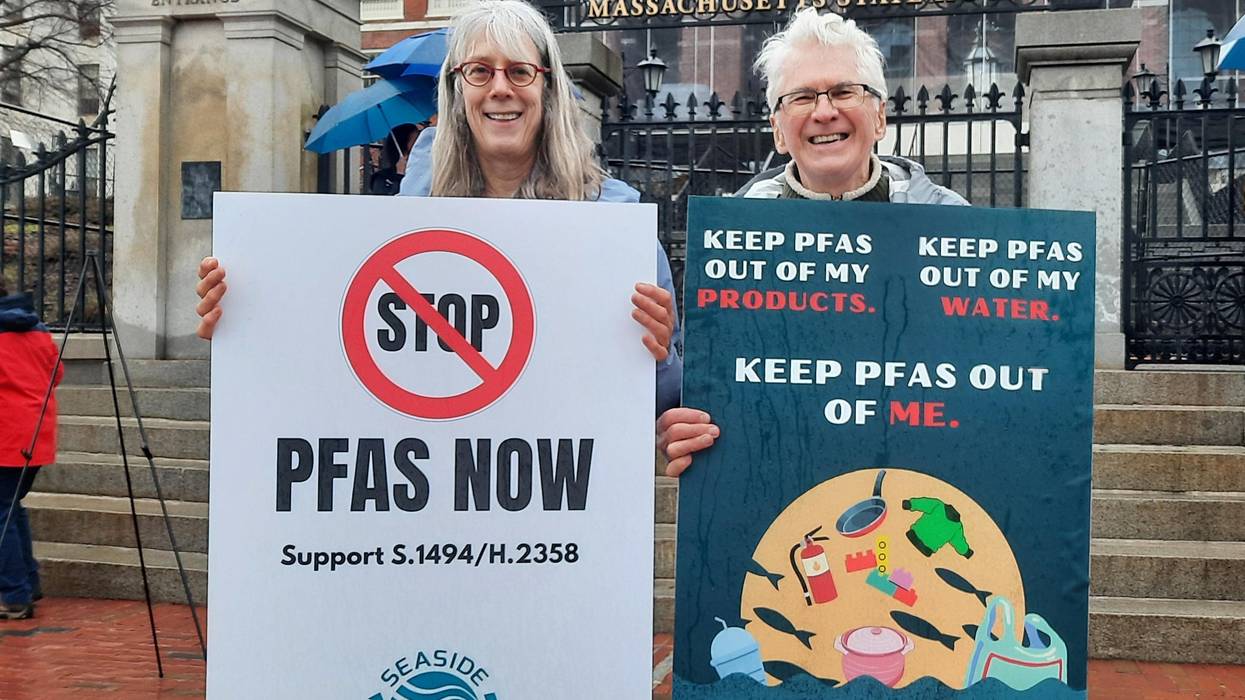
Our new research uncovers the potential scale of their efforts—and the cost to the public.
For decades, chemical companies have pumped out products that are poisoning families nationwide. Now, PFAS “forever chemicals” have infiltrated our homes, water, environment, and bodies.
Long-overdue federal actions to address this crisis have finally been set in motion. But at the same time, companies are pouring millions of dollars into lobbying on PFAS and other issues. Our new research uncovers the potential scale of their efforts—and the cost to the public.
PFAS (per- and polyfluoroalkyl substances) are also known as “forever chemicals” because they don’t easily break down in the environment. Chemical companies like Dupont and 3M have manufactured them for decades; today, there are nearly 15,000 different PFAS found in products we use every day.
As a result, they’ve spread throughout our drinking water (including bottled water), our environment, and the blood of 97% of people who live in the United States.
This is a public health crisis. Research has linked PFAS to all sorts of health problems, from reproductive harm to cancers. To add insult to injury, we’re also seeing growing evidence that chemical companies concealed the risks of PFAS and misled the public. And as support grows for regulating these chemicals, companies are throwing money into influencing lawmakers and regulators.
To find out the extent of the chemical companies’ campaigns, we dug into quarterly lobbying reports for companies that were or are current major producers of PFAS. We also looked at reports for the American Chemistry Council, the industry’s biggest trade group. We focused on Congress’s 2019-20 and 2021-22 sessions, which saw over 60 and 70 bills introduced with language on PFAS, respectively.
Of those, only four became law, along with four Defense Authorization Acts that included PFAS amendments. None came close to fully addressing PFAS pollution or holding polluters accountable.
So far, the chemical industry has succeeded in turning its profits into political power.
During this time, the lobbying disclosures of eight major PFAS-producing companies mentioning “PFAS” total $55.7 million. The American Chemistry Council also lobbied on PFAS, with reports mentioning PFAS totaling $58.7 million. And companies that use or whose products may contain PFAS (including oil majors like Shell and Exxon and food giant Nestlé) lobbied on PFAS during this time, too.
We also dug into campaign contributions from PFAS backers to members of the Senate Committee on Environment and Public Works. This committee reviewed the PFAS Action Act of 2019 and 2021, which included some of the strongest measures to protect us from PFAS. Though it passed the House in both sessions, the bill died in the Senate Committee.
We found that during the same time frame (2019-2022), two-thirds of Committee members received donations from the eight major chemical companies we reviewed. More than half received money from the American Chemistry Council.
For decades, chemical companies took advantage of our weak chemical regulations to mislead the public and continue profiting off of PFAS. Now, we have a public health crisis that demands strong regulations.
One of our most powerful clean-up laws in the country is the Superfund program. Under the program, companies using chemicals deemed “hazardous” must monitor and report on them. The program also allows the Environmental Protection Agency (EPA) to direct a clean-up and get polluters to pay for it.
The EPA has recently proposed to regulate some forms of PFAS under the Superfund program. However, trade groups helmed by the American Chemistry Council have directly opposed Superfund status for PFAS. Polluters know the clean-up costs will be huge.
Communities shouldn’t have to choose between unaffordable water bills and toxic water. Polluters need to pay their fair share to clean up what they contaminated.
Another enormous cost will be cleaning up, monitoring, and protecting families from PFAS specifically in drinking water. In 2023, the EPA proposed nationwide standards that limit some PFAS in drinking water. The agency estimates that complying with these rules would cost water systems up to $1.2 billion over 80 years.
If PFAS polluters dodge accountability, the public will be left with these costs. Water systems forced to pay the entire cost of PFAS monitoring and treatment would likely raise water rates, pulling from families’ pockets. If the community can’t afford the costs, households will be left with toxic water.
This would be unconscionable during a water affordability crisis that hits low-income families hardest. Moreover, low-income communities are more likely to face PFAS pollution problems.
Communities shouldn’t have to choose between unaffordable water bills and toxic water. Polluters need to pay their fair share to clean up what they contaminated.
So far, the chemical industry has succeeded in turning its profits into political power. We’ve seen few policies that protect families from more PFAS and hold PFAS polluters accountable. But we can’t allow the industry to get away with this any longer.
That’s why we’re exposing the chemical industry and fighting for the policies that will finally protect us. We’re calling for laws and rules that:
So far, attempts to address PFAS have been a morbid game of whack-a-mole. Companies have phased out some PFAS, only to introduce other, slightly different ones. However, research shows that newer PFAS have similar impacts on public health and the environment.
The EPA needs to establish a broad definition of PFAS, and regulations must cover them all together. The agency must also finalize its rules to put two PFAS under the Superfund program and set enforceable limits on PFAS in drinking water. Ultimately, it must ban all non-essential uses of all PFAS.
Small municipal water systems have so far borne the brunt of costs for PFAS clean-up, monitoring, and protections. Federal legislation has begun mobilizing funds, but it’s not enough.
That’s why we need the WATER Act. This wide-ranging bill provides needed funds to address PFAS, as well as historic funding for other water infrastructure needs.
The chemical industry is trying to narrow the scope of regulations, and various polluters are seeking to dodge responsibility for PFAS clean-up. This would shift the burden to the public, who would pay through their water bills or threats to their health.
Congress and the EPA need to reject efforts to narrow the definition of PFAS or limit the scope of liability for clean-up. Polluters should pay to clean up their toxic PFAS mess.
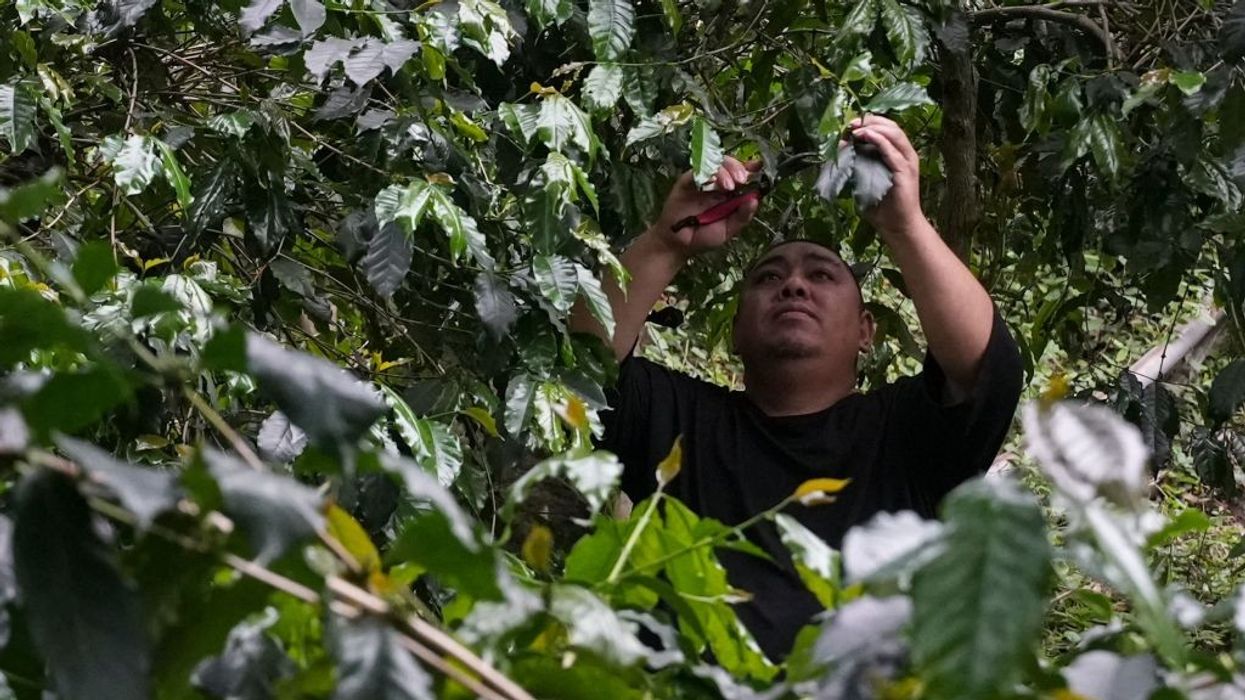
The U.N. should address issues such as land concentration, so that peasant agroecology can have a real chance to flourish and make a significant contribution to tackling hunger, climate change, and biodiversity loss.
A U.N. summit on global food systems should be an opportunity to address structural inequalities and tackle hunger. It should be a chance to learn from small-scale producers whose sustainable food practices feed 70% of the world. Instead, next week’s conference in Rome will be a festival of greenwashing, allowing Big Agriculture corporations to tighten their grip on food systems.
This will be the second Food Systems Summit (UNFSS). The first, in 2021 was supposed to address the lack of progress towards the U.N.’s sustainable development goals. It was dubbed a “people’s summit” by the organizers, but caused an outcry among local producers when their calls to roll back the power of transnational corporations were cynically ignored.
Corporations that dominate global food systems, such as Bayer and Nestlé, used the summit to promote greenwashing initiatives rather than address pressing problems such as food speculation and the impact of Covid-19 on world hunger.
The U.N.’s special rapporteur on the right to food Michael Fakhri described it as “inviting the fox right into the henhouse.”
Discussions on eradicating hunger were hosted by the Global Alliance for Improved Nutrition (GAIN), a foundation partly funded by processed food and consumer goods giant Unilever, while transnational corporations were invited to discuss solutions to problems they had largely created. The whole event was an excellent opportunity for them to identify new profit-making ventures and to “capture the global narrative of ‘food systems transformation.’”
More than a thousand small-scale food producer associations and Indigenous Peoples’ groups, academics, and social movements boycotted the event, which was also widely criticized by U.N/ human rights experts and others.
The U.N.’s special rapporteur on the right to food Michael Fakhri described it as “inviting the fox right into the henhouse.”
Food is a common good and access to healthy and nutritious food is a basic human right enshrined in U.N. covenants. These are the issues that governments and the U.N. should focus resources on, and next week’s summit provided a perfect opportunity.
Sadly, it looks set to simply consolidate corporate control over food and natural resources.
Hundreds of grassroots groups have called out the U.N., saying they are still being excluded and claiming the summit is “poised to repeat the failures” of two years ago and want to see fundamental change in food systems.
Here’s the picture as it stands. A handful of agribusinesses control more than 70% of the world’s farmland. Smallholder farmers, fisherfolk, pastoralists, and Indigenous peoples, who use agroecology and other sustainable practices, feed 70% of the world’s population with just 10% of global farmland.
In just the last five years, the world’s nine largest fertilizer companies—with nearly 40% of global synthetic fertilizer sales— have tripled their profits.
Agriculture is responsible for nearly 40% of global greenhouse gas emissions, almost 90% of deforestation, and 80% of biodiversity loss, the bulk of which can be attributed to industrial agriculture and agribusiness operations.
The disruption of global fertilizer supply chains has been a major focus of the U.N.’s response to the global food crisis. But the dangers of market concentration, which make food systems extremely fragile to shocks, have been largely ignored.
In just the last five years, the world’s nine largest fertilizer companies—with nearly 40% of global synthetic fertilizer sales— have tripled their profits. Rocketing fertilizer prices have less to do with disrupted supply chains than quasi-monopolies.
Despite all this—and the growing global obesity pandemic, for which consumption of ultra-processed industrial food bears a major responsibility—the U.N. continues to empower corporations. What it should be doing is addressing issues such as land concentration, so that peasant agroecology can have a real chance to flourish and make a significant contribution to tackling hunger, climate change, and biodiversity loss.
A dystopian future where a handful of corporations control everything we eat is just around the corner, if we do not resist now.
About 60% of all calories consumed worldwide come from just four crops: rice, wheat, corn, and soy. Everyone is vulnerable if we are over-dependent on global corporate-controlled supply chains. Industrial agriculture has failed to address rising levels of hunger and malnutrition across the world, which are now at an estimated 828 million people.
We are facing a stark choice between unsustainable, exploitative, corporate-controlled food systems and diverse, locally sourced ecological food.
The global governance of food is being hijacked by corporate interests. The U.N.’s Food and Agriculture Organization receives less than a third of its $3.25bn budget from the world’s governments, making it dependent on “voluntary contributions”—including from corporations and their proxies—for the rest.
We are facing a stark choice between unsustainable, exploitative, corporate-controlled food systems and diverse, locally sourced ecological food that prioritises the needs and rights of those most affected by the hunger, climate, and health crises.
"Did you sprinkle a little collagen in your smoothie this morning? Might be worth looking into where it came from," said one reporter.
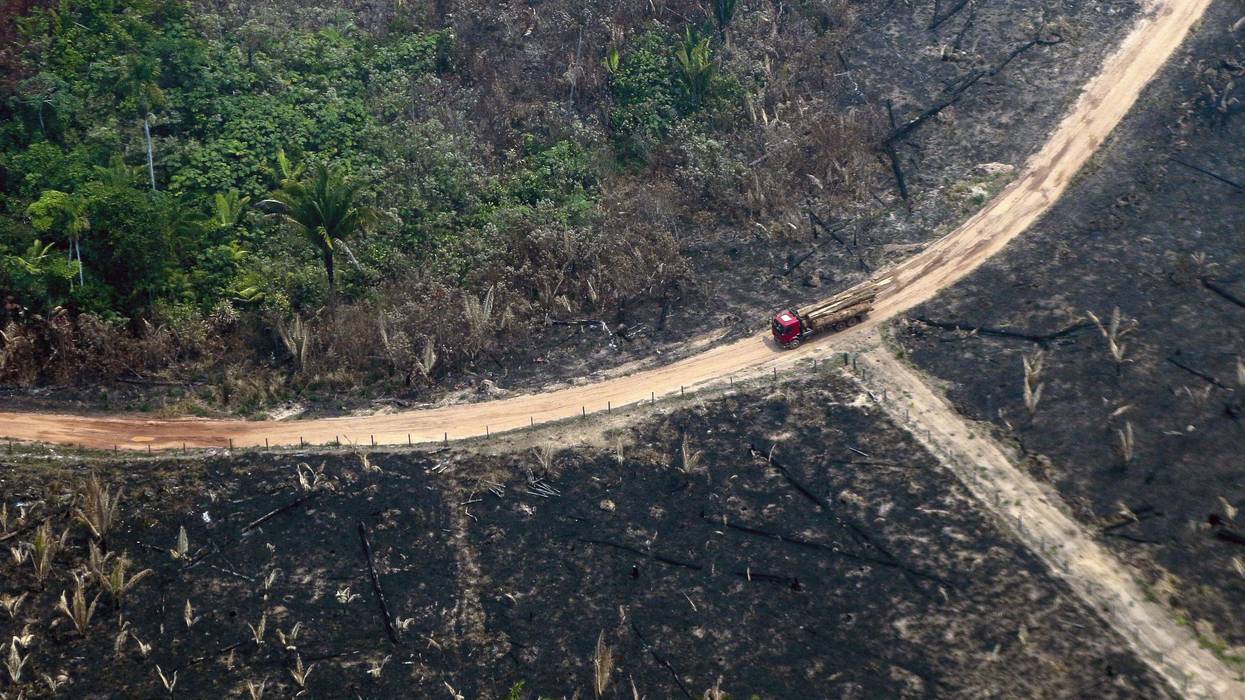
Global demand for collagen—touted as an anti-aging "wonder product"—is driving deforestation and abuses against Indigenous people in Brazil, an investigation published Monday revealed.
The investigation—which involved numerous media outlets and organizations including the Bureau of Investigative Journalism (TBIJ), the Pulitzer Center's Rainforest Investigations Network, the Center for Climate Crime Analysis, ITV, O Joio e O Trigo, and The Guardian—is the first to link bovine collagen with tropical forest loss and violence against Indigenous people, according to its collaborators.
"While collagen's most evangelical users claim the protein can improve hair, skin, nails, and joints, slowing the aging process, it has a dubious effect on the health of the planet," Elisângela Mendonça, Andrew Wasley, and Fábio Zuker wrote in the report.
"Collagen can be extracted from fish, pig and cattle skin, but behind the wildly popular 'bovine' variety in particular lies an opaque industry driving the destruction of tropical forests and fueling violence and human rights abuses in the Brazilian Amazon," the trio added.
The report's authors linked at least 1,000 square miles of deforestation to the supply chains of two major Brazilian players in the $4 billion annual collagen industry. Some of the collagen is tied to Vital Proteins, a Nestlé-owned U.S. brand whose chief creative officer is the actress Jennifer Aniston.
Collagen is called a "byproduct" of the cattle industry, which is responsible for 80% of deforestation in the Brazilian Amazon. But experts interviewed for the report said that the "byproduct" narrative is largely a myth.
"I wouldn't call any of them byproducts," Rick Jacobsen, commodity policy manager at the U.K.-based Environmental Investigation Agency, told the report's authors. "The margins for the meat industry are quite narrow, so all of the saleable parts of the animal are built into the business model."
The publication also cast doubt on claims made by collagen promoters.
The Guardian reports:
While there are studies suggesting taking collagen orally can improve joint and skin health, Harvard School of Public Health cautions potential conflicts of interest exist as most if not all of the research is either funded by the industry or carried out by scientists affiliated with it.
Collagen companies have no obligation to track its environmental impacts. Unlike beef, soya, palm oil, and other food commodities, collagen is also not covered by forthcoming due diligence legislation in the [European Union and United Kingdom] designed to tackle deforestation.
"It's important to ensure that this type of regulation covers all key products that could be linked to deforestation," Jacobsen stressed.
Nestlé responded to the report by stating it has contacted its collagen supplier to look into the investigation's claims, while assuring it is working to "ensure its products are deforestation-free by 2025."
Vital Proteins told its buyers after TBIJ contacted them for comment that it would "end sourcing from the Amazon region effective immediately."
In addition to harming the environment, the collagen industry is fueling human rights crimes, Indigenous leaders and other critics say.
As Mendonça, Wasley, and Zuker noted:
With sales of beef, leather, and collagen booming, more and more forest has been felled and replaced by pastures in recent years, with land often seized illegally. Virtual impunity for land-grabbing during the [former President Jair] Bolsonaro government also fueled attacks on traditional communities. In 2021, the third year of his presidency, there were 305 invasions of Indigenous lands. This is three times more than the 2018 figures reported by the Catholic Church's Indigenous Missionary Council.
"No cattle ranching expansion in the Amazon can take place without violence," Bruno Malheiro, a geographer and professor at the Federal University of Southern and Southeastern Pará, told the authors.
In January—his first month in office—leftist Brazilian President Luiz Inácio Lula da Silva, who has vowed to protect Indigenous peoples and rainforests from deforestation, oversaw a 61% drop in forest destruction over 2022 levels.
Kátia Silene Akrãtikatêjê, leader of the Akrãtikatêjê Gavião Indigenous people, said her constituents feel "surrounded" and "suffocated" in a "process of territorial confinement" amid creeping deforestation. Last September, a Gavião village was burned to the ground, and residents believe it was no accident.
Land capitalists "destroy what is theirs, and invade what is ours," the Akrãtikatêjê Gavião chief said. "I can't understand why they destroy everything."
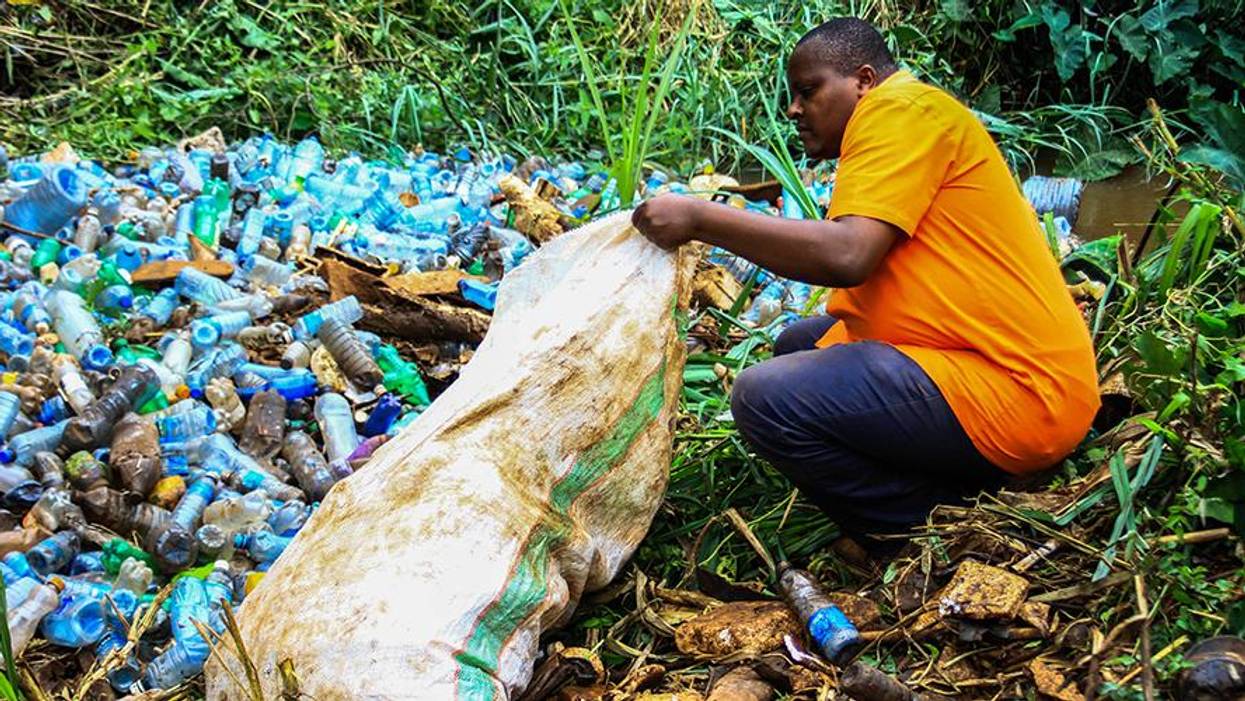
Analysis released Thursday of the world's top 10 biggest plastic polluters in 15 countries reveals how major corporations hide behind the veneer of corporate responsibility while actively working to thwart regulatory legislation around the globe.
"This report is a damning expose of the tactics employed by the plastics industry and shines a welcome light on the shadowy world of corporate lobbying," Natalie Fee, founder of City to Sea, which supported the research conducted by the Changing Markets Foundation, said in a statement.
"For too long," said Fee, "the true cost of plastic production has been externalized, meaning plastic producers continue to get away with ecocide while waste management companies, consumers and marginalized communities around the world are left to deal with millions of tons of toxic plastic waste."
The report--titled "Talking Trash: The Corporate Playbook of False Solutions,"--exposes how Coca-Cola, Colgate-Palmolive, Danone, Mars Incorporated, Mondelez International, Nestle, PepsiCo, Perfetti Van Melle, Procter & Gamble, and Unilever deploy "tactics to undermine legislation in individual countries are in fact part of a global approach by Big Plastic to ensure that the corporations most responsible for the plastic crisis evade true accountability for their pollution."
According to Changing Markets Foundation Thursday, the investigations found:
"This report exposes the two-faced hypocrisy of plastic polluters, which claim to be committed to solutions, but at the same time use a host of dirty tricks to ensure that they can continue pumping out cheap, disposable plastic, polluting the planet at a devastating rate," said Nusa Urbanic, campaigns director for the Changing Markets.
"Plastic is now pouring into the natural world at a rate of one garbage truck a minute, creating a crisis for wildlife, the climate and public health," Urbanic continued. "The responsibility for this disaster lies with Big Plastic--including major household brands--which have lobbied against progressive legislation for decades, greenwashed their environmental credentials, and blamed the public for littering, rather than assuming responsibility for their own actions."
Big Plastic jumped at the opportunity presented by the Covid-19 pandemic--which has caused a surge in single-use plastic consumption--to pressure lawmakers to roll back current regulations and prevent new ones, according to the report.
Additionally, Changing Markets noted that plastic pollution has devastating effects on the environment and is a key contributor to the climate crisis.
According to the group:
"The plastic pollution crisis is a deeply interconnected climate crisis, a biodiversity crisis, and a public health crisis all combined... Plastic saturates almost every surface of the planet--from the deepest abysses to the highest mountains and remotest islands--causing an unprecedented crisis for wildlife... Virgin-plastic production is a major contributor to climate change, generating enough emissions--from the moment they leave the ground as fossil fuels, and throughout their entire life cycle--to use up 10 to 15% of our entire carbon budget by 2050 at current rates of growth. Disposal of plastics through incineration and backyard burning also contributes to climate change and creates a toxic fallout undermining human and planetary health."
The industry's contribution to the global climate emergency is nothing new, but progressive legislators continue to face an uphill battle when it comes to regulating these powerful corporations.
President Donald Trump, for example, has called climate change a "hoax," and, despite pleas from environmental advocacy groups and progressive lawmakers, many Democratic lawmakers, including House Minority Leader Nancy Pelosi (D-Calif.) and Senate Majority Leader Chuck Schumer (D-N.Y.)--as well as presidential nominee Joe Biden--still do not support the Green New Deal.
Urbanic urged lawmakers to act to protect the planet.
"The voluntary initiatives and commitments by the industry have failed," she said in a statement. "Policymakers should look past the industry smokescreen and adopt proven, progressive legislation globally to create the systemic change that this crisis so urgently needs."
Nestle, the world's largest food company, is known for scandal. It earned the nickname "babykiller" in the 1970s for causing infant illness and death in low-income communities by promoting bottle feeding of its infant formula and discouraging breastfeeding. In recent years, similar charges have been made against the company for contributing to soaring rates of obesity and diabetes in poor communities by targeting them for sales of ultra-processed junk foods. But there's another scandal of equally grim proportions that is contained within the company's accounting sheets.
On April 23, 2020, with the world in the grips of the Covid-19 pandemic and the FAO warning of a looming global food crisis, Nestle's shareholders and executives awarded themselves a record dividend payout of US$8 billion. In a time of a global health and food crisis, this handout is worth more than the entire annual budget for the UN's World Food Programme and would be enough to cover the average annual expenditures on health care for more than 100 million people in Africa.
Nestle's massive 2020 dividend payment was, in fact, just a fraction higher than the previous year's. Such large payouts for shareholders and executives is standard practice for the company-- as it is for all the big transnational food and agribusiness companies, even at times of global health catastrophes. Other notable shareholder dividends, announced in April this year, include a US$2.8 billion payout by the world's largest seed and agrochemical company Bayer AG, a US$600 million payout by the world's largest poultry producer Tyson and a US$500 million payout by the world's largest pork company, the WH Group. Cargill, the word's largest agribusiness company, is on track to top last year's record payout of US$640 million, which it makes to just a small number of Cargill family members. Increased e-commerce, particularly of food items, during the Covid-19 crisis increased the net worth of Jeff Bezos, the founder of e-commerce giant Amazon, by a shocking US$24 billion. It is even a rich time for the shareholders of smaller players in the industry, like the oil palm and rubber plantation company SOCFIN. The two French and Belgian families that essentially own the company, received EUR20 million (around US$22.5 million) in dividends and remunerations from SOCFIN's group operations while communities where it operates in Nigeria, Ghana and Cameroon cannot access clean or safe water.
All this greed at the top leaves devastation and little to trickle down to the bottom, where its consequences are deadly.
A powerful industry in the midst of a "perfect storm"
The labourers in the corporate food system, those who are quite literally dying on the frontlines to sustain the lifestyles of shareholders and executives, are not faring well. The supply chains of the big food companies, which have always been dangerous places for workers, have now become hotspots for Covid-19 infections and transmission. Across the world, there have been deadly outbreaks in meat plants, port facilities, warehouses, fish canneries, oil palm plantations, fruit farms, supermarkets and all other points along the chains that these companies command-- with the exception of their office towers, of course.
The big meat companies have perhaps been the worst offenders. With the Covid-19 pandemic in full bloom, they aggressively sped up their assembly lines to ramp up exports to China, where meat prices are unusually high. This decision was taken in full knowledge that these increases in processing made social distancing impossible and put their workers and the surrounding communities at risk of mass virus outbreaks. By the end of May, the results in the biggest meat exporting nations were horrific: hundreds of migrant meat plant workers sick with Covid-19 in Germany and Spain, thousands of cases of workers ill with Covid-19 in Brazil's meat packing industry, and over 20,000 workers infected with Covid-19 in US meat packing plants, with at least 70 deaths. Meanwhile, hundreds of thousands of animals are being culled, under atrocious conditions because these massive plants have had to shut production down, and the small abattoirs that could have taken in the livestock, have long since been forced out of business.
The carnage in Latin America, the new epicentre of the Covid-19 pandemic, has been particularly severe. With the global economy at a near standstill, agribusiness in the region has continued functioning with total impunity, deepening its impact and harm on communities and ecosystems. In almost all the countries in the region, agro-industrial activities have been exempted from quarantine, as they are considered "essential", even though their focus is on exports, not on providing food to local people.
For example, Ecuador's government issued a state of emergency decree paralysing the country, but ensuring that "all export chains, agricultural industry, livestock [industry] ... will continue to function." As a result, workers in the banana and palm plantations, seafood factories, flower farms, and many more, were forced to continue working as if the country was not under a health emergency, thereby exposing themselves to the risk of contracting Covid-19.
Similarly, the Bolsonaro government in Brazil declared that the production, transport and general logistics of export food chains were essential activities that must continue functioning without restrictions. In this context, exports of meat, soybeans and other commodities are surging - as are the numbers of people exposed to Covid-19 along the export chains. In the Brazilian state of Rio Grande do Sul, a meat export hub, more than a quarter of the confirmed novel coronavirus cases in May were among meat plant workers. Labour prosecutors are now fighting to close infested plants and force companies to implement even basic measures to protect and care for their workers during the pandemic.
Brazil's soybean exports, which are up 38 percent from last year, are another potential hotspot for Covid-19, especially at the ports where trucks and workers are constantly circulating. When the local government of the port town of Canarana in Mato Grosso tried to take action by issuing a decree to pause the export of soybeans and other grains in the absence of proper health and safety conditions, the agribusiness giants Louis Dreyfus and Cargill intervened and were able to reverse the decree within a few days. Canarana is now, in early June, seeing a surge in Covid-19 infections.
All this export frenzy has a tremendous impact on the ground. According to Deter, the real-time detection system of the Brazilian national space research institute, deforestation of the Amazon in Brazil has increased by more than 50 percent in these first three months of 2020 - at the height of the coronavirus pandemic, in comparison to the previous year's first quarter. Taking advantage of the pandemic smoke screen, with fewer inspection agents able to carry out inspection, agribusiness and mining operations are advancing on protected areas and indigenous territories, increasing the contagion of Covid-19 in indigenous populations. Many observers fear a genocide as a result of these reckless advances of agribusiness and mining operations during the pandemic.
Such brazen corporate profiteering is creating a legitimacy crisis for the corporate food system.Amidst the national quarantine in Argentina, soybean exports and forest clearings have not ceased either. In one of the most preserved forests in the entire Gran Chaco ecosystem, an area of 8,000 hectares is being prospected for clearing. Furthermore, based on monitoring with satellite imagery, Greenpeace denounced that almost 10,000 hectares were cleared in the North of the country since the lockdown began.
Such brazen corporate profiteering is creating a legitimacy crisis for the corporate food system. Although the lockdowns make it difficult to measure, the ground appears to be shifting: we see workers in the food industry speaking out, organising and getting more support and solidarity from others; we see increasing interest among consumers in healthy, local foods and the well-being of food producers and farmers; and there's been an undeniable boom in community-oriented efforts to get food to where it's needed through solidarity, mutual aid, volunteer work and cooperatives. There's even been some victories at the policy level, such as the German government's recent decision to ban sub-contracted labour in meat plants and another to prevent companies taking public aid from paying out dividends.
But this is a powerful industry, with ample amounts of cash and political connections at its disposal, and there is no doubt that it will do everything it can to use this moment of confusion and lockdowns to advance its interests. We have already seen this with the executive order that US President Trump issued at the behest of JBS, Tyson, Cargill and other meat corporations to keep their Covid-infested plants running. We have also seen it in Brazil where the Bolsonaro government approved a record 96 new pesticides in the first months of 2020, more than all the approvals for 2019. The same government deliberately used the cover of the pandemic to try and pass a law that would legalise land grabs and deforestation covering 80 million hectares in the Amazon and Cerrado regions. The pandemic has also been used as an opportunity to rapidly expand e-commerce in food retail and push ahead with Genetically Modified Organisms (GMOs) in Ethiopia and in Bolivia, where the de-facto government claimed that the Covid-19 health emergency made GM seeds a necessity for the country.
Agribusiness as big winner from new wave of structural adjustment
Worse is yet to come. Many governments are employing global consulting firms, like McKinsey, to shape their plans to open their economies back up. These secretive firms which are deeply connected to the world's largest corporations, including those from the food and agribusiness sector, will no doubt influence who emerges as winners and losers from the pandemic responses-- workers or bosses, farmers' markets or e-commerce giants, fisherfolk or the trawling industry.
We are also seeing the IMF and World Bank use their Covid-19 emergency funds to push countries into implementing agribusiness-friendly reforms. In the Ukraine, for example, a law privatising farmland was implemented despite the opposition of a majority of Ukrainians. In the coming months, such pressures will escalate. Dozens of countries are heading for defaults, and those debts will have to be negotiated not only with the IMF and bilateral lenders, but also with private creditors who have already indicated that they are not interested in even delaying debt and interest payments during this health crisis. A new wave of structural adjustment is on the way that will focus heavily on increasing foreign agribusiness investment and exports of agricultural commodities to pay off the vultures.
This time, however, governments are going to find it incredibly difficult to impose a new round of agro-imperialism on populations that have already had more than enough of it, and that are increasingly hungering for the alternatives that social movements have been advancing for decades.
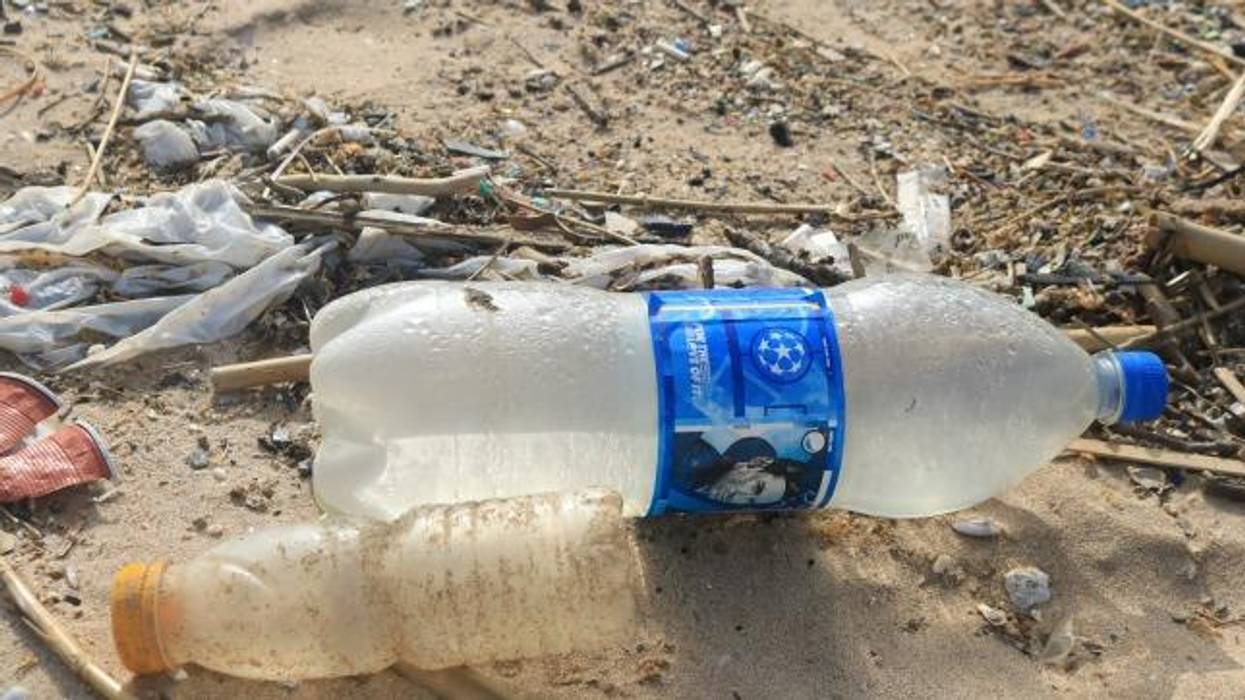
A new report out Wednesday from a global environmental coalition named the corporate giants responsible for the most global plastic pollution in a recent tally--with Coca-Cola and Nestle topping the list--even as those same companies engage in greenwash efforts to continue "the plastic pollution crisis."
"This report provides more evidence that corporations urgently need to do more to address the plastic pollution crisis they've created," said Von Hernandez, global coordinator of the Break Free From Plastic movement, in statement.
For its analysis, the coalition engaged in a "brand audit." That means "identifying, counting, and documenting the brands found on plastic and other collected packaging waste to help identify the corporations responsible for pollution," in other words, finding "the companies polluting the most places with the most plastics."
The tally took place last month on World Cleanup Day, and involved over 70,000 volunteers in 51 countries across six continents. They gathered and assessed "476,423 pieces of plastic waste, 43 percent of which was marked with a clear consumer brand," the report said.
The top 10 most frequently identified companies were Coca-Cola, Nestle, PepsiCo, Mondelez International, Unilever, Mars, P&G, Colgate-Palmolive, Phillip Morris, and Perfetti Van Mille.
What did it take for Coca-Cola to take top spot--a dubious honor it takes for the second year in a row?
"A total of 11,732 branded Coca-Cola plastics were recorded in 37 countries across four continents," the report said, "more than the next three top global polluters combined."
Nestle and PepsiCo, meanwhile, still claim spots two and three, respectively, swapping the positions they held in the coalition's 2018 audit.
"We must continue to expose these real culprits of our plastic and recycling crisis."
--Denise Patel, Global Alliance for Incinerator Alternatives (GAIA)Break Free From Plastic's name-and-shame effort has a clear goal: "Only by highlighting the real culprits can we push them to change their packaging and destructive throwaway business model." In addition, said the group, it's "a powerful tool to challenge the corporate narrative that plastic pollution is a waste management issue caused by individual consumers."
Companies may tout that their plastic products are recyclable, but that's an incomplete description, said the report. Labeling a product recyclable provides no guarantee that it will actually get recycled. The report noted that "since the 1950's, only 9 percent has actually been recycled globally."
Even if the product is recycled, that's no "magic solution."
This is because plastic polymer chains get shorter when they are recycled, which means the quality deteriorates. A plastic bottle can only be recycled a few times and in reality most recycled plastic is made into clothing, construction materials, or other products that will not get recycled again.
What's more, the production of plastic generally relies on climate-wrecking fossil fuels and causes air pollution, while the use of it can threaten consumers who face potentially leaching chemicals. All of these problems, the report said, "disproportionately impact the world's poorest communities," who are often the dumping ground for wealthier nations' plastic waste.
"The products and packaging that brands like Coca-Cola, Nestle, and PepsiCo are churning out is turning our recycling system into garbage," said Denise Patel, U.S. Coordinator for the Global Alliance for Incinerator Alternatives (GAIA). "China has effectively banned the import of the U.S. and other exporting countries' 'recycling,' and other countries are following suit. Plastic is being burned in incinerators across the world, exposing communities to toxic pollution. We must continue to expose these real culprits of our plastic and recycling crisis."
The industry response to the crisis is of no help.
"In the face of the undeniable evidence provided by the global brand audits, top industry polluters have been quick to acknowledge their role in perpetuating the plastic pollution crisis, but have been equally aggressive in promoting false solutions to address the problem," said the report, noting that they do so as they "reap billions of dollars while avoiding paying the full cost of their design and production choices."
These "false solutions, such as switching to paper or 'bioplastics' or embracing chemical recycling, are failing to move society away from single-use packaging and only continue to perpetuate the throwaway culture."
From the report:
Nestle for example has committed to making all of its packaging recyclable or reusable by 2025, but has no clear plans for reducing the total amount of single-use plastic it puts into the world, and the company sells over a billion products a day in single-use packaging. Coca Cola has recently unveiled a single-use plastic bottle using plastic collected from the oceans, and in 2009 they promoted a plastic bottle made from plants. None of these products will stop or reduce Coke's growing plastic pollution, and reinforce the myth that single-use plastic can be sustainable. And finally, PepsiCo has joined the Alliance to End Plastic Waste that brings together plastic producers, oil companies and other consumer goods companies to promote beach cleanups and improving recycling as a way to ensure future demand for petrochemicals to make more plastic. Efforts like these, and others focused on making packaging recyclable or compostable, do not get to the heart of the problem and all but guarantee the plastic pollution crisis will grow worse.
"Real solutions," said the report, "must change systems and power structures."
That means looking at examples set by so-called "zero waste" communities, who boost waste reduction, recycling, and composting. Business must also get on board with "the one true solution: reduction and reuse."
That's because, according to Hernandez, "Recycling is not going to solve this problem."
"Break Free From Plastic's nearly 1,800 member organizations are calling on corporations to urgently reduce their production of single-use plastic," said Hernandez, "and find innovative solutions focused on alternative delivery systems that do not create pollution."
This week's UN Climate Action Summit will be tricky for agribusiness CEOs. With forest fires raging in the Amazon, a damning new report about the food system by the International Panel on Climate Change (IPCC), and millions of young people out in streets clamouring to shut down fossil fuels and factory farming, it will be hard for the world's largest food and agribusiness companies to get away with another round of voluntary pledges to reduce their gigantic emissions.
At the last UN summit on climate, held five years ago in New York, agribusiness dazzled everyone with two initiatives on deforestation and agriculture, both of which are now in shambles.
Their initiative on deforestation, a New York Declaration on Forests, championed by the world's largest buyer of palm oil, Unilever, was supposed to put a major dent in tropical deforestation. Instead, rates of tree cover loss have soared, the Amazon is in flames, and those trying to defend forests from agribusiness companies are being killed in record numbers. Now we are learning that the Brazilian Cerrado, a biodiversity hot spot on par with the Amazon and one of the main frontiers for agribusiness expansion, is also burning at a record rate. Agribusiness is responsible, but so are the big global financial firms that having been buying up vast swaths of Cerrado lands and converting them to mega-farms, such as the Swedish national pension fund, Blackstone and the Harvard University endowment.
The top 20 meat and dairy companies emit more greenhouse gases than Germany, Europe's biggest climate polluter.
The other initiative at the last summit, a Global Alliance for Climate Smart Agriculture, was the handiwork of Yara, the world's top nitrogen fertiliser producer and one of the planet's worst emitters of greenhouse gases. It was the fertiliser industry's PR response to the growing movement for a real climate solution based on fertiliser-free agroecological farming. The trick worked, for a while. Global production of nitrogen fertiliser rose steadily over the next few years. But the most recent IPCC report pointed to nitrogen fertilisers as one of the most dangerous and underestimated contributors to the climate crisis, and new research is showing that the industry has vastly underestimated its own emissions.
Right now, climate activists are mobilising in Germany for the first mass climate action against Yara and the fertiliser industry. They are targeting Yara because of its multi-million euro lobbying efforts to green-wash industrial agriculture, which they say is one of the main drivers of the climate breakdown.
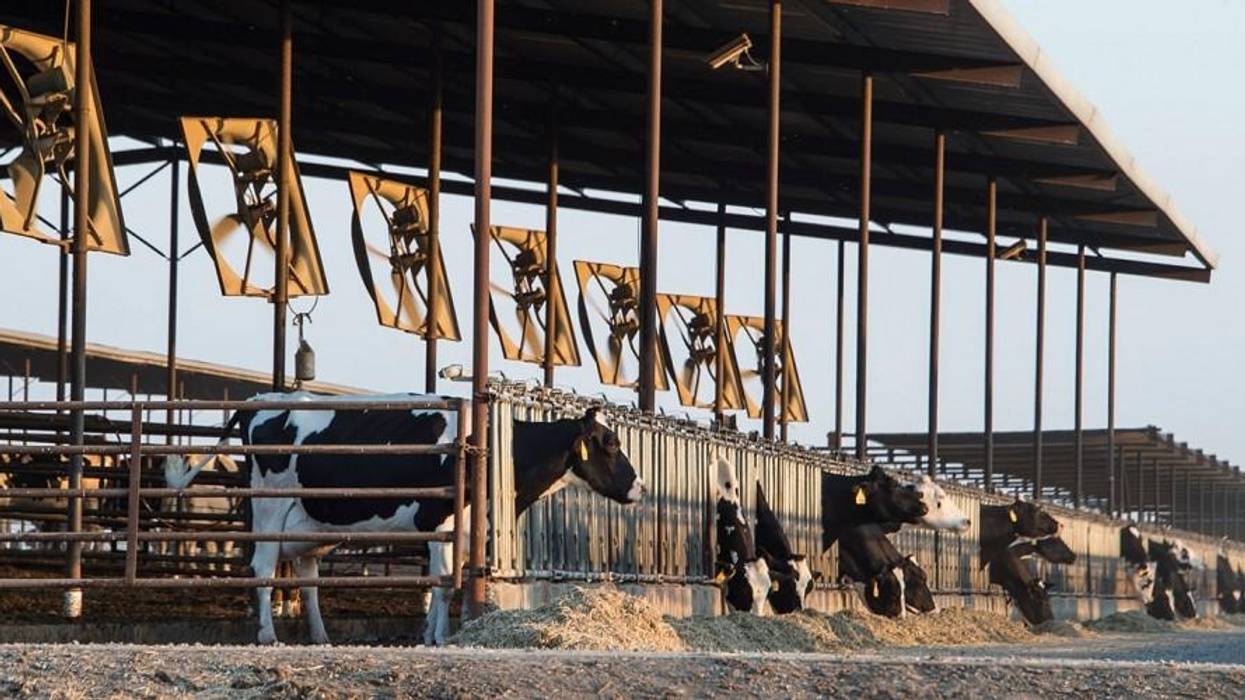
The big meat and dairy companies are also in trouble. These companies, such as Tyson, Nestle and Cargill, have emissions levels that approximate their counterparts in the fossil fuel industry. The top 20 meat and dairy companies emit more greenhouse gases than Germany, Europe's biggest climate polluter. But none of these companies have credible action plans to reduce their emissions and only 4 of the top 35 companies are even reporting their emissions! Instead of taking meaningful action to cut back on production, several companies have been making a lot of noise about their minor investments in plant-based alternatives. People are not being fooled. On the eve of last week's global climate strike, more than 200 representatives of Indigenous Peoples, workers, academia, environmental and human rights groups adopted a landmark declaration that singled out the "fossil fuel industry and large-scale agribusiness" for "being at the core of the destruction of our climate".
Big food and agribusiness companies are desperate to portray themselves as part of the solution. But there is no way to reconcile what's needed to heal our planet with their unflinching commitment to growth. We cannot address the climate crisis if these companies are allowed to keep on sourcing, processing and selling ever more agricultural commodities, be it meat, milk, palm oil or soybeans. Their massive supply chains are what drives the food system's catastrophic emissions--which the IPCC now says stands at up to 37% of global human-made GHG emissions.
Yet, if we look beyond the public relations of Big Food and Ag we will see that there are plenty of real solutions that can feed the planet perfectly well. All kinds of alternatives are flourishing, especially in the global South, where small farmers and local food systems still supply up to 80% of the food people eat. The industrial food system only exists today because of the support it gets from governments which march in lockstep with corporate lobbyists. Public subsidies, trade deals, tax breaks and corporate-friendly regulations are all designed to prop up the big food and agribusiness companies--and facilitate the growing criminalisation of affected communities, land defenders and seed savers resisting these corporations on the ground. We urgently need to send agribusiness out of the room and demand that governments shift support to small food producers and local markets which would actually save us from planetary collapse.
Pepsi has been vying for advertising dominance in Atlanta, Coca-Cola's home turf, while Coke's pre-game commercial embraces diversity, a message that feels political in today's climate. This follows a growing trend of major brands taking progressive stances on social issues from toxic masculinity, solidarity with Colin Kapaernick and Brexit. But is the moral high ground yours to take when it's not reflected in your business model?
PR campaigns aside, both Coca-Cola and PepsiCo are major contributors to the plastic crisis. Last summer my organization, The Story of Stuff Project, helped coordinate hundreds of 'brand audits' in collaboration with the #breakfreefromplastic movement. Adding a twist to the traditional beach clean up, volunteers identified the type and brands associated with 187,000 pieces of plastic pollution collected across the world. The companies with the biggest plastic footprint? Coca-Cola, PepsiCo, and Nestle.
Although much of today's packaging is inherently problematic, the second most commonly found item in our audit was plastic bottles (PET). It's one of the few types of plastic that can be widely recycled so long as it's collected, and herein lies the challenge of a product designed to be consumed 'on the go.' Enter an ingenious solution: container deposits. By adding a refundable deposit to the price of a bottle you incentivize its return for recycling.
It's a proven measure that reduces the chances of a bottle of Coke or Pepsi from getting landfilled or polluting the environment after use. It's virtually eliminated polluted bottles in Michigan and Oregon, two of the US's ten states with 'bottle bills'. Their systems recover over 90% of their beverage bottles, as opposed to 20% - 30% of bottles collected on average in curbside recycling across the US.
Rather than embrace this solution, Coca-Cola and Pepsi embrace industry lobbying groups that undermine such legislation.
But rather than embrace this solution, Coca-Cola and Pepsi embrace industry lobbying groups that undermine such legislation. Last December, a group of legislators backed by the Michigan Soft Drink Association attempted to rush through legislation in lame-duck season to end Michigan's world-class deposit system. These skirmishes occur periodically to weaken existing systems as well as obstruct new container deposit laws addressing the plastic blighting their communities.
But the growing stature of the plastic crisis is forcing the idea into consideration. Coca-Cola Europe recently completed a 180-degree turn and is now participating in shaping an effective container deposit system in the UK. While at last week's World Economic Forum in Davos, James Quincey, the CEO of Coca-Cola stated that the "value" of their packaging was the key to higher recycling rates.
These companies are presumably concerned that container deposits don't revolve around convenience: a concern that embodies the "disposable" mindset that led us to the current plastic crisis. Polling across locations where container deposits exist, however, show high levels of support for the system. I believe that's because, in an age where plastic is entering our air, water, and food, contributing to part of the solution can feel rewarding.
Globally, one million plastic bottles are sold every minute. By endorsing container deposits, the big brands can reduce their plastic footprint, their carbon emissions, and celebrate a transformative shift on the plastics crisis. Those sound like good ingredients for next year's winning Super Bowl commercial.
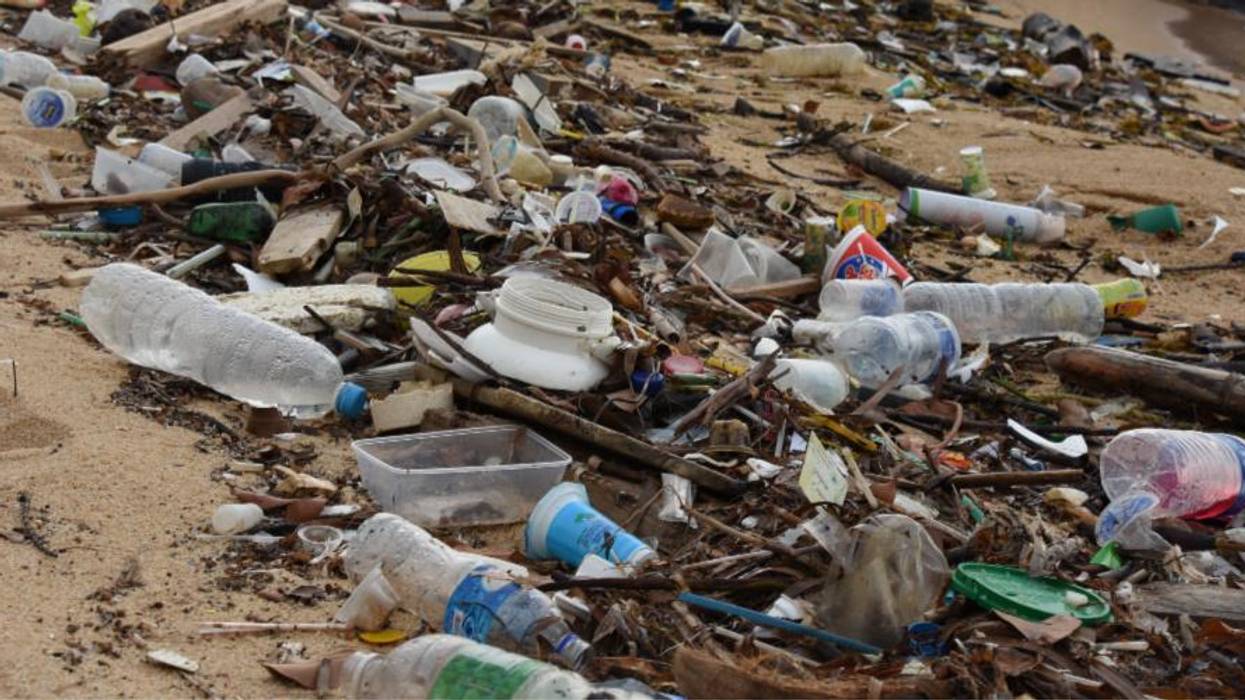
Environmentalists cautiously celebrated "a victory for our oceans, for the environment, and for future generations" on Wednesday as the European Parliament voted overwhelmingly in favor of a proposal to outlaw the most common single-use plastic products across Europe.
"The European Parliament has made history by voting to reduce single-use plastics and slash plastic pollution in our rivers and ocean," responded Justine Maillot of Surfrider Foundation Europe, on behalf of Rethink Plastic, a coalition of environmental groups on the continent.
"Citizens across Europe want to see an end to plastic pollution," Maillot added. "It's now up to national governments to keep the ambition high, and resist corporate pressure to continue a throwaway culture."
MEPs voted 571-53--with 34 abstentions--to advance the proposal initially introduced in May. As BBC News reports, "The measure still has to clear some procedural hurdles, but is expected to go through." Negotiations among representatives from national governments, the European Parliament, and the European Commission to finalize the law could begin as early as November.
While campaigners have raised alarm about potential loopholes as well as covert lobbying by Coca-Cola, Nestle, PepsiCo, and Danone, they welcomed the widespread support for the measure, which would ban single-use plastic cotton buds, straws, plates and cutlery, beverage stirrers, balloon sticks, oxo-degradable plastics, and expanded polystyrene food containers and cups across the EU by 2021.
Although the ban, unfortunately, will not extend to very light-weight single-use plastic bags, Greenpeace EU chemicals policy director Kevin Stairs said that with Wednesday's vote, "we're one step closer to protecting people and wildlife from the plastic that's choking our rivers and seas, turning up everywhere, from the Antarctic Ocean to the salt on our tables."
Appearing on euronews ahead of the vote, Stairs discussed the threat that plastics pose not only to the world's waterways, but also human health. Earlier this week, a pilot study found, for the first time in documented history, microplastics in human waste.
Philipp Schwabl, who conducted the human stool study, presented his findings--which have not yet been peer reviewed or published--at a conference in Vienna on Tuesday and hopes to expand his research, according to National Geographic. Recent studies have increasingly heightened concerns about the impact of plastics on the planet and all species that inhabit it.
Plastic pollution has become "one of our planet's greatest environmental challenges," declared a United Nations report released in June. "Our oceans have been used as a dumping ground, choking marine life and transforming some marine areas into a plastic soup. In cities around the world, plastic waste clogsdrains, causing floods and breeding disease. Consumed by livestock, it also finds its way into the food chain."
In addition to banning some of the most common single-use plastics, which make up more than 70 percent of marine litter, the EU measure also aims to set national reduction targets for non-banned plastics, cigarette butts, and lost or abandoned fishing gear.
"Today's vote paves the way to a forthcoming and ambitious directive," said MEP Frederique Ries, the Belgian politican who drafted the approved EU plans. "It is essential in order to protect the marine environment and reduce the costs of environmental damage attributed to plastic pollution in Europe, estimated at 22 billion euros by 2030."
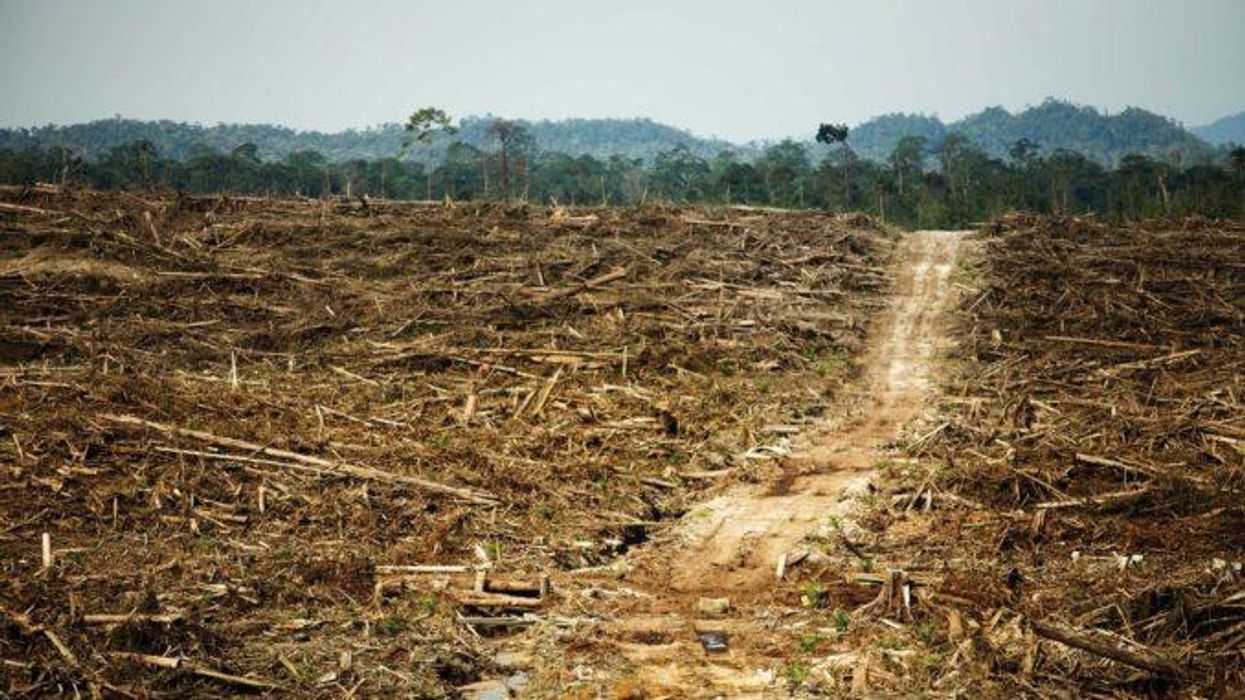
A recent investigation by the anti-poverty advocacy organization Oxfam reveals how the world's top ten food and beverage companies are failing to protect environmental and human rights defenders caught in the companies' supply chains.
The Oxfam report, Pathways to Deforestation-Free Food, demonstrates how Associated British Foods, Danone, Coca-Cola, General Mills, Kellogg, Mars, Mondelez, PepsiCo, Nestle and Unilever have committed to tackling deforestation caused by their companies, but crucially lack policies to protect local activists and environmentalists within their supply networks from violence, threats, and attacks.
"A glaring policy gap across all the companies analyzed," the Oxfam report found, "is that none have policies to protect human rights defenders, nor require their suppliers to put in place policies of zero threats, intimidation or attacks against human rights defenders and local communities."
Industrial farming of food ingredients such as soy and palm oil, for example, have led to massive deforestation and displacement of rural communities in Indonesia, Brazil, Colombia, and elsewhere throughout the globe. Activists standing up against such industries in defense of forests, rivers, land, and the livelihoods of local communities have been threatened and murdered at an increased rate in recent years.
Four environmental activists were murdered each week in 2016 for defending their communities and environment from the impacts of agribusiness, mining, and logging industries, according to a report from the human rights organization Global Witness.
In Colombia, activists standing up against the impacts of El Cerrejon, Latin America's largest open-pit mine, have faced regular threats and violence.
Jakeline Romero has organized against the water shortages and displacement caused by this mine, which is owned by Glencore, BHP Billiton, and Anglo-American.
"They threaten you so you will shut up," Romero told Global Witness. "I can't shut up. I can't stay silent faced with all that is happening to my people. We are fighting for our lands, for our water, for our lives."
The world's leading food and beverage companies are not doing enough to stem the violence against environmental activists in their own supply chains, the new Oxfam report found.
"In many countries where agribusiness companies are investing, the rights of community activists are under attack because of their work to defend the rights of their communities--the right to forests and natural resources, to their land and water, their livelihood and their way of life," Oxfam stated.
"From violent crackdowns on protests and criminalization of speech, to arbitrary arrests and assaults or, in some cases, murder of human rights defenders, as well as restrictions on activities of civil society organizations, such attacks seek to delegitimize the voice and interests of communities," Oxfam explained.
Across the world, from Indonesia to Honduras, environmental defenders are facing down multinational corporations and the devastating impacts of their industries on local communities, rivers, forests, and indigenous ways of life.
Honduran activist and social justice leader Berta Caceres was murdered in March, 2016 for her environmental activism and leadership of the Civic Council of Popular and Indigenous Organizations of Honduras (COPINH).
In an interview on the legacy of her mother's struggle, Berta Caceres' daughter Berta Zuniga Caceres, explained the vision of COPINH and how it challenges the economic model guiding multinational corporations and their political allies.
"It's a very rich vision and one that exists among many indigenous peoples," Caceres explained. "It has to do with building a logic that's completely opposed to the hegemonic way of thinking that we're always taught. The vision and proposals are defiant, totally different than the academic, patriarchal, racist, positivist vision of the world. They include relations between people that are much more communitarian and collective, and that also have a strong relationship to the global commons and to nature, defying the dominant anthropocentric vision. They relate to spirituality and the relationships we have with all living beings - a holistic vision of life."
"Indigenous people find themselves battling extractivism, companies, mining, because that's the battleground where these different ways of knowing, of feeling, of cosmovision play out," she said. "This is the wealth of indigenous peoples. But it also represents a threat for the economic model that's based on profits and money, and that's developed through repression and exclusion."