Trump 'Environmental Destruction Agency Continues Its Rampage' With Methane Pollution Rollback
"This giveaway to fossil fuel executives is foolish and shortshsighted, and reveals who the Trump administration really works for—its political donors," said one campaigner.
The US Environmental Protection Agency on Wednesday announced plans to further weaken federal protections against methane pollution from oil and gas operations, prompting environmental advocates to accuse the Trump administration of once again putting fossil fuel interests ahead of public health and the climate.
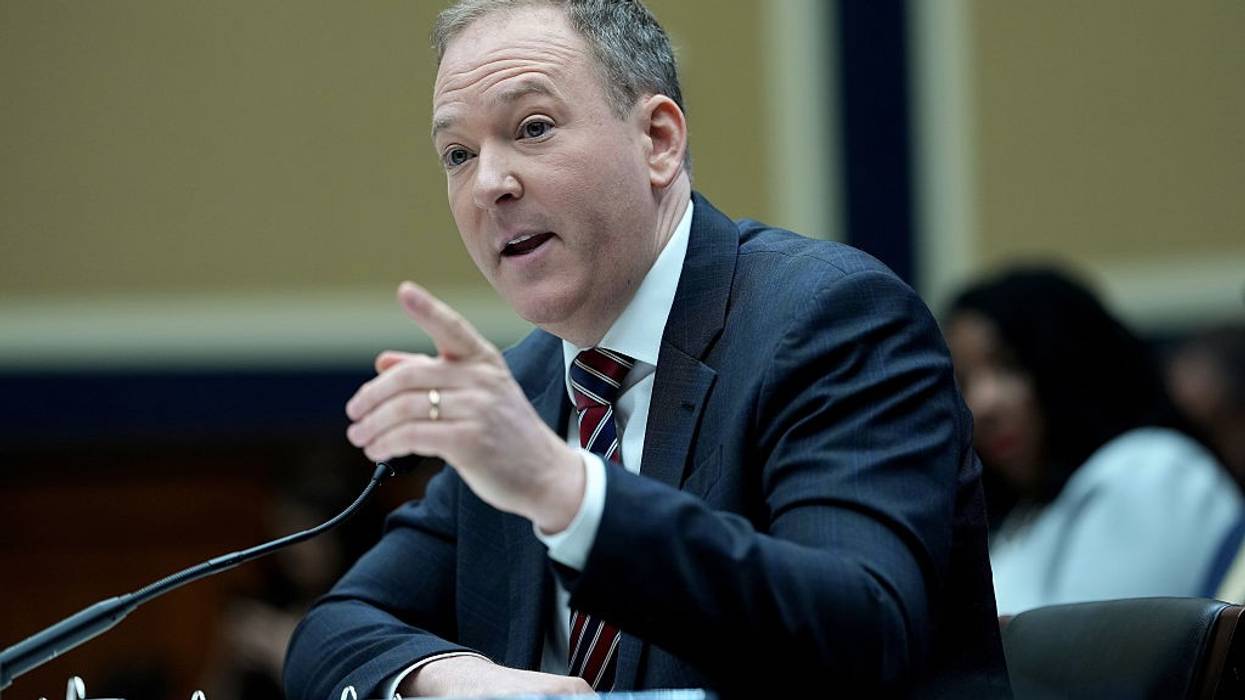
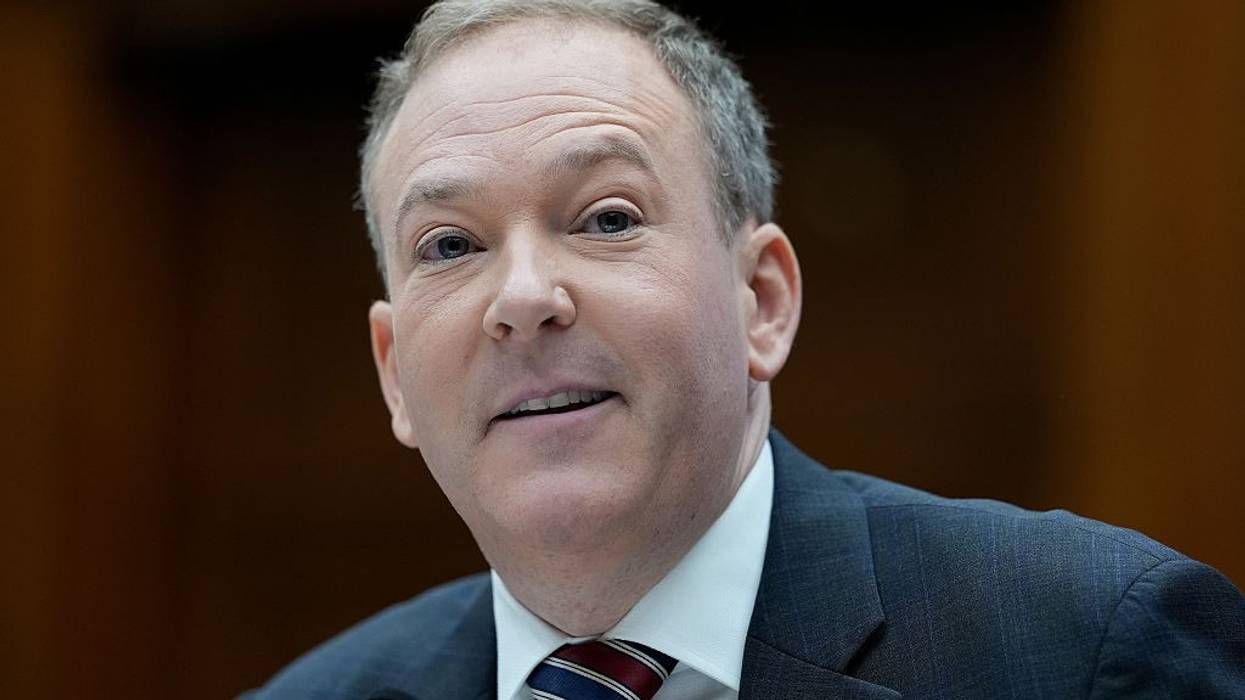
EPA Administrator Lee Zeldin made the announcement during the New Mexico Oil and Gas Association’s annual meeting in Santa Fe. The EPA said it will propose changes to the Biden administration's 2024 oil and gas rules in the coming days, claiming the proposed rollback will save $45 billion in regulatory costs.
The proposal's changes include rescinding the Biden-era Super Emitter Program, which allows third parties to identify major methane leaks and require companies to address them.
“The Trump EPA is days, not weeks, away from announcing our proposal for the second part of the oil and gas reconsideration," Zeldin said in a statement. "Americans must be able to afford to heat their homes in the winter and fill up their car and drive to work. They can’t do that when the people producing the energy are weighed down by unnecessary burdens."
The biggest factor driving high US gasoline prices right now is the global oil supply shock caused by President Donald Trump's illegal war of choice on Iran.
Environmental and climate groups disputed Zeldin's framing.
"Trump’s Environmental Destruction Agency continues its rampage by torching limits on superheating methane, some of the last remaining protections against climate-heating pollution,” said Maggie Coulter, an attorney at the Center for Biological Diversity's Climate Law Institute.
“This move will compound the climate chaos we see mounting all around us in deadly heatwaves, floods, and storms," she added. "Vulnerable communities will be exposed to worse smog and intensified respiratory pollution, increasing kids’ asthma and other health harms. We’ll fight this disastrous rollback with everything we’ve got.”
Today, EPA Admin. Zeldin announced a rollback of federal rules that ensure oil and gas operators don't pollute our air. This decision clearly shows that Trump is putting polluters first over the wellbeing of the American people. #Methane
[image or embed]
— Conservation Voters New Mexico (@protectnm.bsky.social) October 7, 2026 at 10:01 AM
Dr. Rev. Jessica Moerman, president and CEO of the Evangelical Environmental Network, said that “families in oil and gas country should not have to wonder what is leaking from the wells and equipment near their homes, churches, and schools."
"The plan to weaken methane pollution protections means this worry remains a reality," she added. "Leaking methane is not only a wasted product. The same leaks can carry benzene and other harmful pollutants linked to cancer and birth defects into the air that children and seniors breathe."
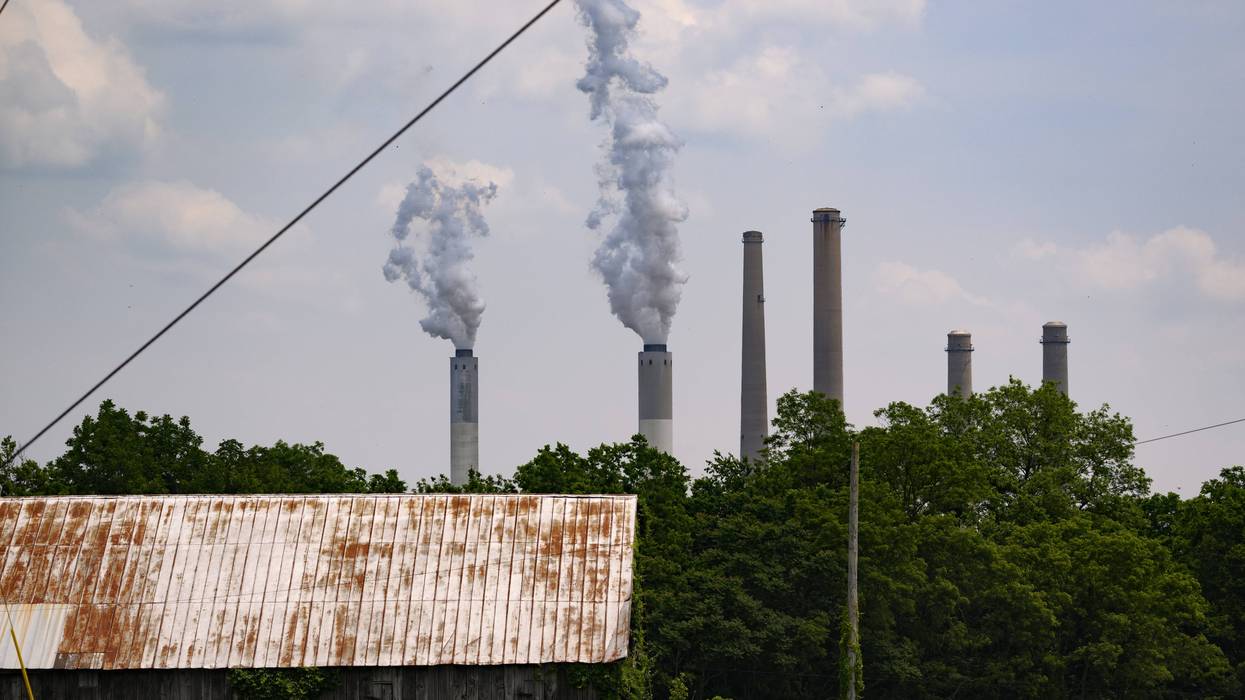
Methane—which has more than 80 times the warming power of carbon dioxide during its first two decades in the atmosphere—is emitted during the production and transportation of oil, gas, and coal, as well as from municipal landfills and livestock.
"Any proposed rollback to the federal methane rule is a slap in the face to families who are exposed to oil and gas pollution where they live, work, and play,” Celerah Hewes, senior manager for state field campaigns at Moms Clean Air Force, said in a statement.
Hewes continued:
For over a decade, Moms Clean Air Force has been fighting for methane protections for our families—and we were making progress. Today’s announcement from EPA is a massive blow to the efforts to safeguard our children’s health and our climate. Over 900,000 comments were submitted to the Federal Register in support of the commonsense methane pollution protections that EPA finalized in 2024, including many from the moms, dads, and caregivers with Moms Clean Air Force.
"Now communities across the country will once again have to show up and demand EPA provide strong federal methane pollution standards that protect families from this known public health threat and climate super pollutant," she added. "It is outrageous that we have to fight so hard just for our children's right to breathe clean air."
Lauren Pagel, senior policy director at Earthworks, alleged that "by rolling back commonsense methane standards, the Trump administration has once again chosen polluters over people, sacrificing the health of communities living next to extraction and our climate to make even more money for fossil fuel billionaires."
“While families struggle with the high cost of living, everything Trump and his oil and gas company cronies do makes life harder for everyday people—including making the air we breathe dirtier," she continued.
“The Trump administration is delivering dirtier air, more pollution, and greater risks for communities in order to boost Big Oil’s profits," Pagel added. "It’s time for states to step up and do what the White House won’t: Put people first, hold polluters accountable, and cut methane pollution to protect health and climate.”
While running for reelection on a “drill, baby, drill” energy platform, Trump reportedly promised Big Oil executives that he would eviscerate climate regulations enacted by the Biden administration if they gave $1 billion to his campaign. Fossil fuel interests spent nearly $450 million during the 2024 election cycle on campaign contributions, lobbying, and efforts supporting Republican causes and candidates, including Trump.
EPA signaled it is going to propose weakened #methane regulations for oil and gas, including for low-producing wells, which are responsible for almost half of the sector’s methane emissions despite producing less than 5% of the country’s oil and gas.www.catf.us/2026/10/epa-...
[image or embed]
— Clean Air Task Force (@cleanaircatf.bsky.social) October 7, 2026 at 1:59 PM
Environmental Defense Fund associate vice president of energy transition Jon Goldstein said: "At a time when Americans are facing high energy costs, EPA should not give oil and gas companies more room to waste a domestic resource... Rolling back these safeguards would mean more wasted energy, more methane pollution, and greater health risks for communities living near oil and gas operations.”
Natural Resources Defense Council senior strategist David Doniger accused the EPA of "trying to give a free pass to the worst actors in the oil and gas industry."
"Many companies had already complied with these rules, but a few rogue actors refuse to check for leaks or monitor their equipment adequately," he explained. "Those deadbeats would get bailed out by this action."
“Methane leaks are the dumbest kind of pollution because the industry is losing the very product it is selling," Doniger continued. "That’s what made the standards so cost-effective: Checking for leaks means the industry has more gas to sell."
“These leaks are not just bad for the climate, they result in more smog and cancer-causing pollution for nearby communities," he added. "But with his announcement today, Lee Zeldin made clear that oil companies come first, while protecting families from toxic pollution and the ravages of extreme weather is not on this administration’s agenda.”
Mahyar Sorour, who heads Sierra Club's Beyond Fossil Fuels Policy program, noted that “it took many years and carefully considered input from health experts, community advocates, and even the oil and gas industry itself to craft the achievable, commonsense methane standards."
"Yet, the Trump administration, with pockets lined by the biggest polluters, has unceremoniously worked to roll back this and other standards meant to protect our health and safety," Sorour added. "This giveaway to fossil fuel executives is foolish and shortsighted, and reveals who the Trump administration really works for—its political donors.”