As Big Oil Reports Billions in Q3 Profits, Climate Groups Say Tax Them to 'Protect Communities'
A Greenpeace campaigner said the revenue should be used to help everyday people deal with "price shocks and extreme weather, and accelerate a just transition away from fossil fuels."
As US fossil fuel giants on Friday followed European companies in reporting their soaring profits for the third quarter of this year, and as President Donald Trump's illegal Iran War drives up prices worldwide, climate campaigners renewed calls to tax the corporations wrecking the planet.
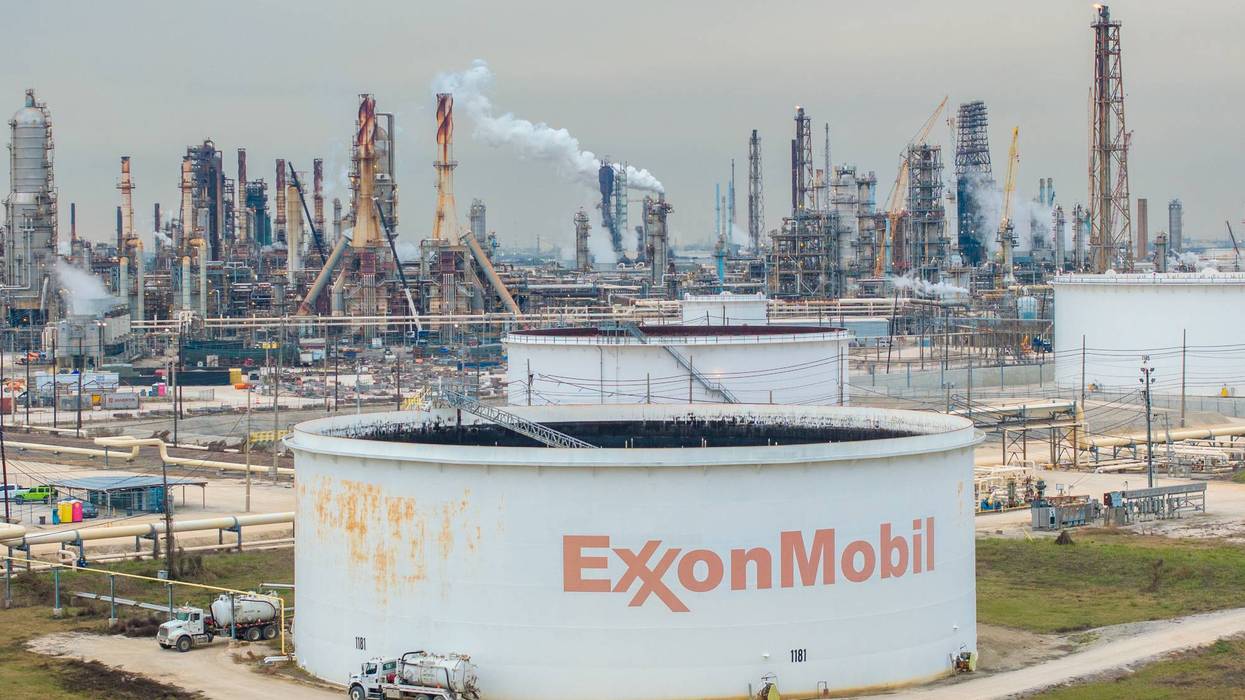
Chevron and ExxonMobil respectively reported adjusted earnings of $10.4 billion and $17.5 billion for July-September, a day after UK-based Shell and the French firm TotalEnergies said their adjusted earnings were $10.8 billion and $9.1 billion—announcements that all came after Trump, who is personally invested in the industry, bragged that "we're making a freaking fortune."
Collectively, major firms in the United States have "earned more than $130 billion in profit as people pay much higher prices for gasoline, diesel, and other fuel," The New York Times reported Friday, after analyzing "the performance of more than 50 large US oil and gas companies, most of them producers or refiners, in the six months from April through September."
Not only are fossil-fuel companies killing people with pollution and helping to destroy the conditions for life on this planet, they absolutely flourish when there’s war.Has there ever been a more demonic industry?
[image or embed]
— Dr. Genevieve Guenther (she/they) (@doctorvive.bsky.social) October 30, 2026 at 7:17 AM
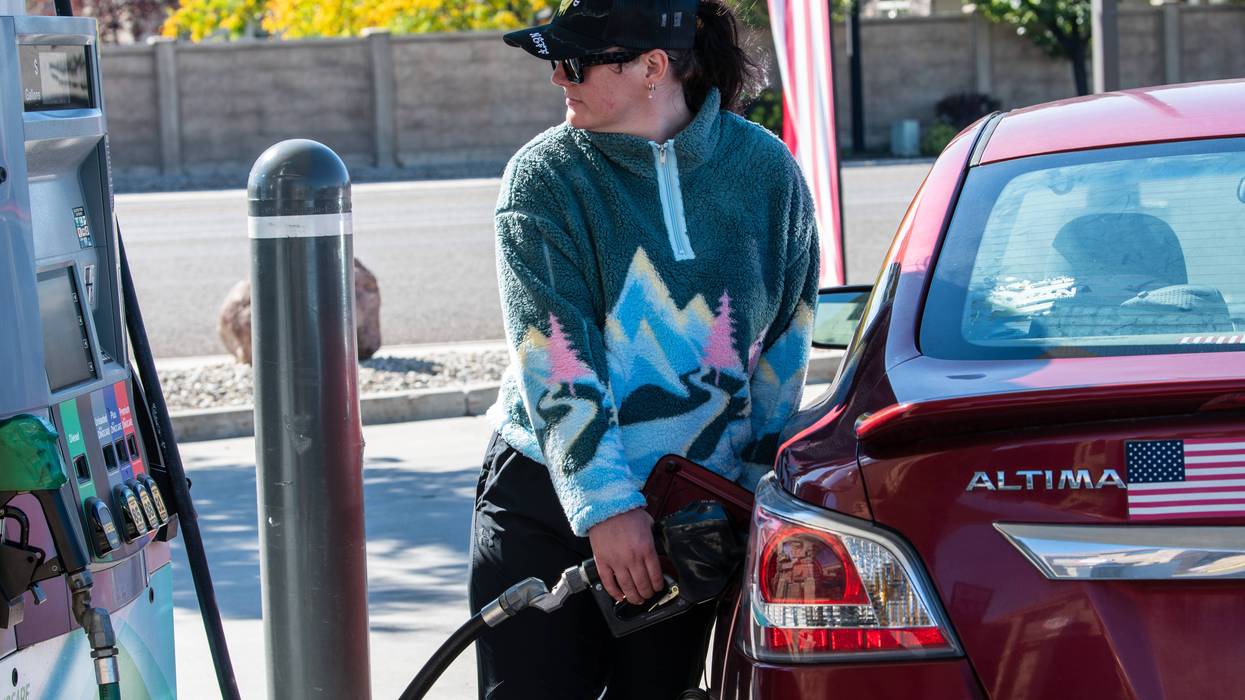
Meanwhile, as greenhouse gases in the atmosphere climb to unprecedented highs ahead of the next United Nations climate summit, COP31, the Climate Solutions Lab at Brown University estimates US residents have paid at least $81.5 billion more for gasoline and over $66 billion for diesel, or a total of $147.8 billion, since Trump began bombing Iran in February.
"Trump called on polluters to finance his campaign as a quid pro quo in exchange for his administration doing all it can to tear down protections for people and the environment," Sierra Club's director of beyond fossil fuels policy, Mahyar Sorour, noted Thursday. "That $1 billion campaign investment is bringing big returns for the biggest oil and gas companies that heeded the call and are now expected to double their Q3 earnings over last year as energy prices skyrocket due to Trump's war in Iran."
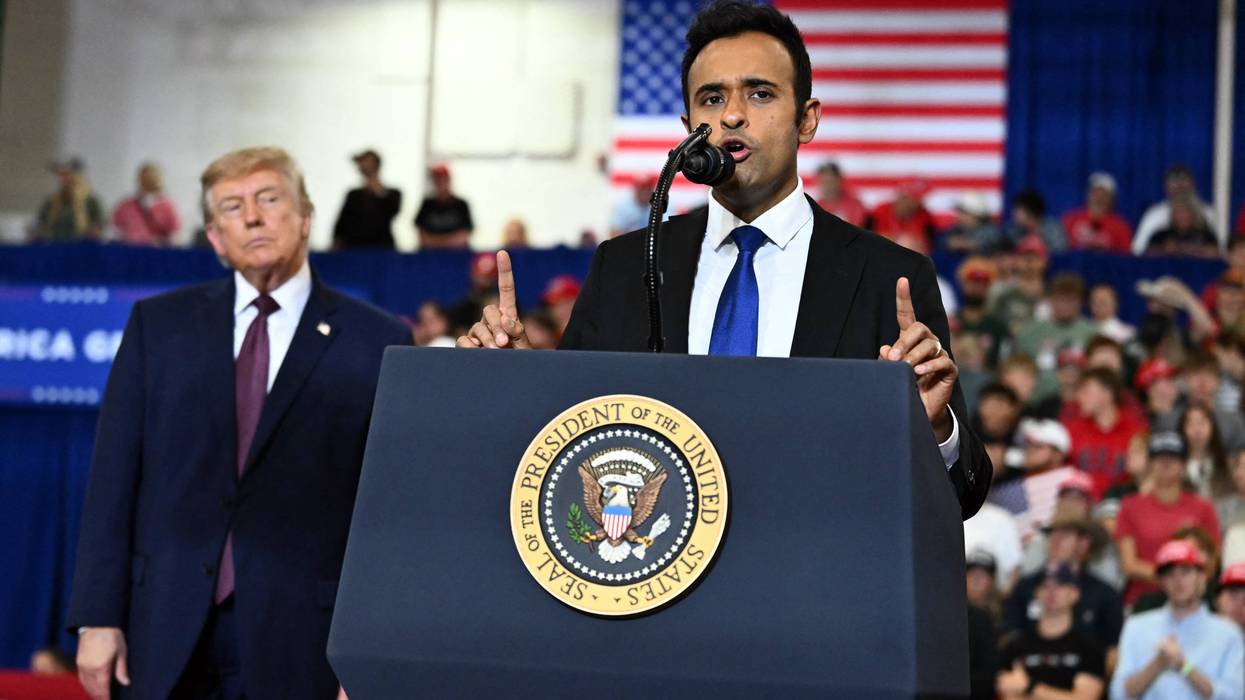
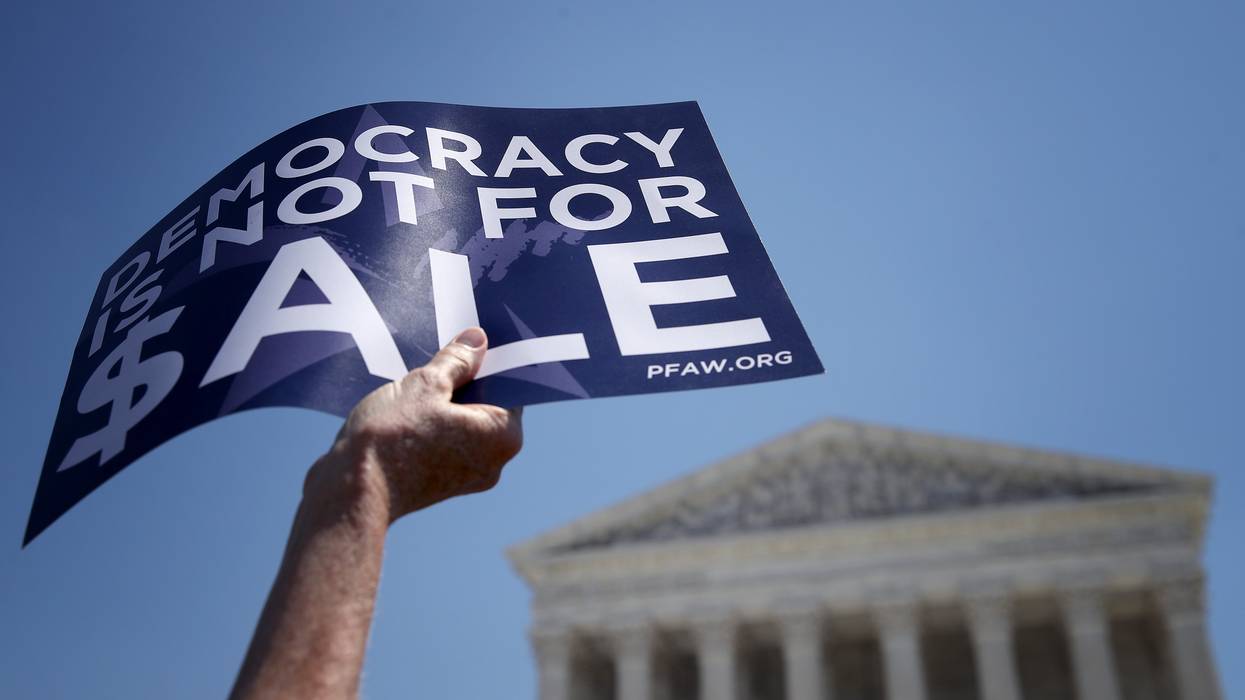
"It's not just Big Oil that is profiting off of Trump's action: The president himself is lining his own pockets and bragging about it on stage while Americans struggle to make ends meet," Sorour stressed. "Trump does not care about people's health or about building a secure, clean energy future. He cares about himself and his friends in Big Oil getting richer. We need to rein in Big Oil and Gas profiteering and enact a windfall profits tax."
Rebecca Newsom, global political lead at Greenpeace International, pointed out Friday that "every time a crisis pushes up the prices, the same oil and gas giants are there to cash in. This is fossilflation. The rest of us pay, at the pump, at the checkout, and again through the climate disasters driven by the fuels the industry intends to extract down to the last barrel."
"This is where decades of fossil fuel dependence have led us, and governments that keep letting these corporations off the hook are leaving households to foot the bill," she continued. "It doesn't have to be this way. If governments permanently increase taxes on oil and gas profits and clamp down on corporate profit shifting, hundreds of billions of dollars could be raised, while supercharging a shift in investment towards cleaner, more secure renewable energy."
According to Newsom, "That revenue should protect communities from price shocks and extreme weather, and accelerate a just transition away from fossil fuels."
Candice Fortin, US campaigns manager at the group 350.org, highlighted that the fossil fuel industry's latest profit reports came just days before Americans head to the polls next Tuesday for elections that will determine control of Congress for the rest of Trump's second term.
"As we head into the midterms, energy affordability is on everyone's minds," she said. "Families and small businesses want reliable electricity they can afford, and communities want a say in how their land, water, and energy resources are used. Yet as people struggle with energy bills and the impacts of extreme weather, the biggest oil companies are forecast to make billions."
"We need an energy system that puts people first," Fortin argued. "That means protecting households from losing access to essential electricity during extreme heat and cold, expanding affordable solar and wind power, and ensuring that new sources of electricity demand, including data centers, do not drive up bills or place additional pressure on communities. It also means making sure oil and gas companies pay their fair share towards the costs of the crisis, rather than leaving the public to pick up the bill."