

SUBSCRIBE TO OUR FREE NEWSLETTER
Daily news & progressive opinion—funded by the people, not the corporations—delivered straight to your inbox.
5
#000000
#FFFFFF
To donate by check, phone, or other method, see our More Ways to Give page.
Daily news & progressive opinion—funded by the people, not the corporations—delivered straight to your inbox.
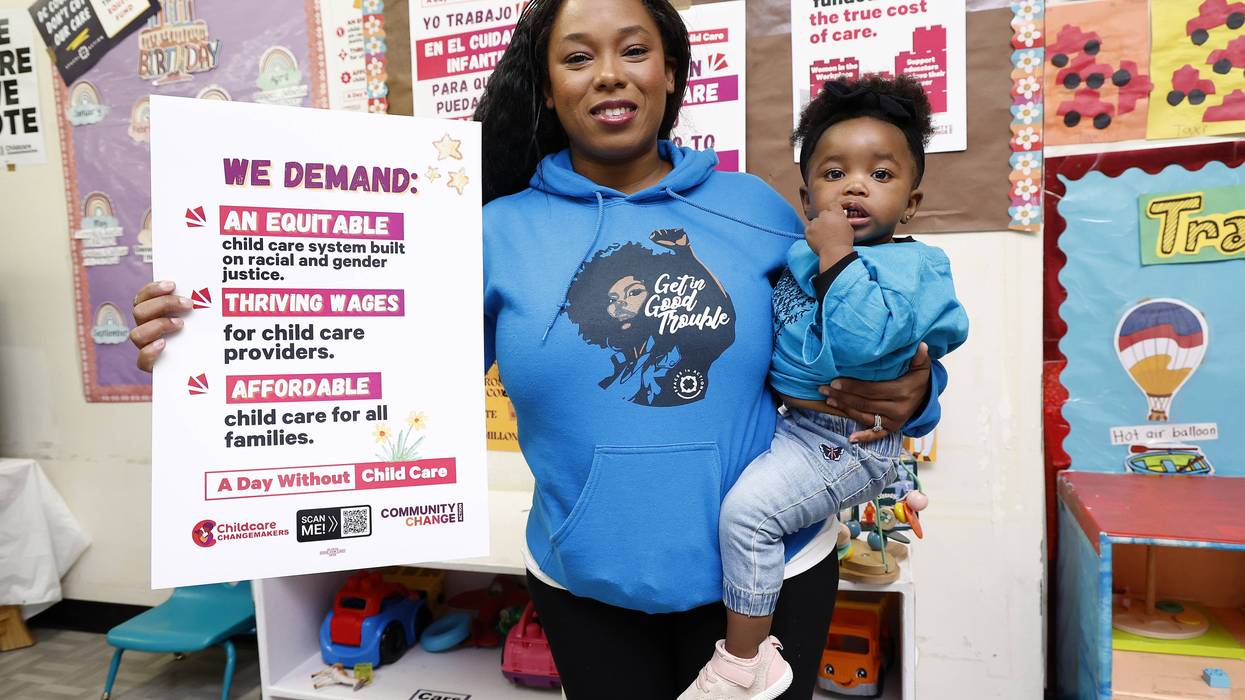
What we should be asking is what would actually help families raise their children in the ways that work best for them. Unfortunately, the current administration isn't providing the answers.
Years ago, when I was pregnant with my first child, I called my mother in a panic: I had been trying to find a childcare spot for when I planned to go back to work. But every childcare center I called had a waiting list of at least a year. I was distraught. Then my mom suddenly cut me off and asked, “Are you going to have strangers raising your baby?”
Her question stopped me short. And yet, it was also nonsensical. I was a couple of years out of law school, and had just started a career that I loved. My husband and I had mountains of student loan debt. There was no way we could afford for one of us not to work. And we lived 3,000 miles away from my parents. The only choice for us, really, was to put our daughter in childcare.
I was reminded of that moment recently when, during a news conference, Alex Adams, who leads the Administration for Children and Families (ACF) at the US Department of Health and Human Services, bemoaned that childcare policies in the US limit parental choices and undervalue “mothers staying home with their children during their earliest years.” This follows reporting that Adams wants a “bonfire of regulations” around childcare, and recent actions by ACF that will increase childcare costs for families and financial challenges for childcare providers. As I listened, I realized that Adams is proposing the wrong answer, just as my mother was asking me the wrong question 23 years ago. What we should be asking is what would actually help families raise their children in the ways that work best for them.
The truth is that our country is not set up to give families real choices, then or now. Families can’t survive on one salary because wages have stagnated, with the federal minimum wage frozen at a measly $7.25 for over two decades. The costs of living are skyrocketing out of reach for an increasing number of families. We are one of only a handful of countries that do not offer paid family and medical leave. Our childcare system has been chronically underfunded to the point of crisis, with families unable to access or afford care, providers operating on razor-thin profit margins, and early educators earning poverty-level wages.
The policy failures that have limited families’ choices can only be fixed by making robust public investments—not by pitting families against each other.
It bears underscoring, moreover, that families’ needs vary wildly, and they want a range of options to care for their children, including having access to high quality, affordable childcare in a variety of settings. The policy failures that have limited families’ choices can only be fixed by making robust public investments—not by pitting families against each other. Cutting care supports and slashing programs that help families afford food and healthcare, as this administration has relentlessly done since last January, is only going to limit families’ choices even further.
My mother’s question still rings in my ears all these years later, even though that baby has since graduated from college. To be clear, I was startled by the question but not surprised. My mother comes from Southeast Asia. There was little care infrastructure in her country when she was young, by which I mean there was literally no alternative for caring for children, elders, and family members who are ill or have disabilities, other than family. Her grandmother took care of her when her mother was at work. That was the model in her mind.
When my parents got married and came to the United States, my dad was the breadwinner, and my mom stayed home to care for my two sisters and me (and at one point, for my grandmother while she was undergoing cancer treatment). For her, families take care of each other; there’s no other way.
Even though this administration likes to invoke a simpler, glorified past, the reality back then was more complicated, however: Part of the reason my mom stayed home with the three of us was that my parents didn’t have great options either. My mother, the first in her family to go to college, was a teacher who supported her extended family financially in her home country.
When she came to the US, her degree and teacher’s license weren’t recognized—she couldn’t have worked in her chosen profession without going back to school. For her to work outside the home, we would have needed a second car (which my parents couldn’t afford). There were even fewer childcare options then, and we didn’t live close to my dad’s family for much of my childhood—even if we had, my grandparents had their own health issues.
My mother is also quick to point out that, even though she and my dad raised three children on one salary, it was not easy. She cut our hair and made our clothes. She pretty much cooked everything from scratch, and it didn’t look anything like Ballerina Farm. She periodically watched kids in our neighborhood after school, and did some sewing to earn extra income. She traveled to visit her family only twice in 16 years, and the second time was to help care for her dying mother.
The truth of the matter is that raising young children is hard, especially in a nation that stubbornly refuses to invest in care. I am grateful that my husband and I had help, not only from exquisitely skilled and caring “strangers,” but also my parents who visited as much as they could, my in-laws who lived nearby, and friends and neighbors. To be sure, my family has had more options and flexibility and resources than many. But all families deserve choices that enable them to care for their children according to their values and needs. In order to give families real options, we must invest real dollars in care systems, communities, and in wages and benefits that allow all families to thrive.
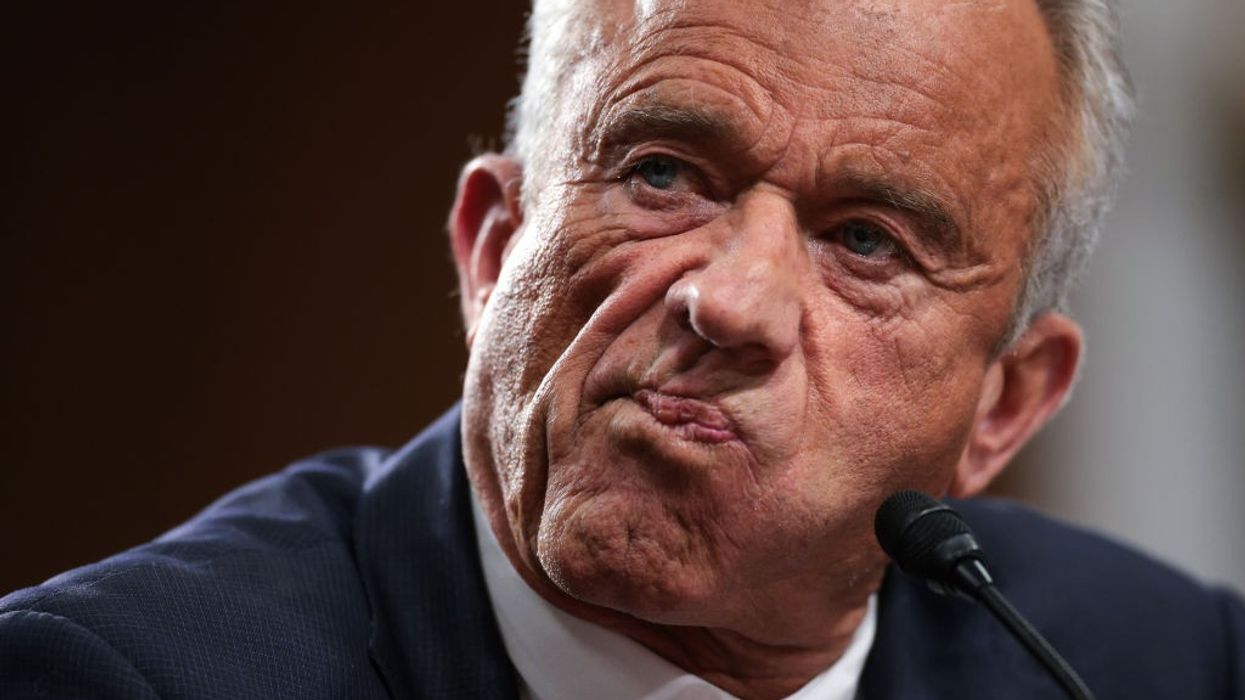
Kennedy is not a doctor or a scientist, but he got the job as America’s top public health officer. Now he’s making the wrong choices for all of us.
During an NBC interview on November 6, Robert F. Kennedy Jr. was cleaning up his lifelong anti-vaccination act as he lobbied to become Health and Human Services secretary in the Trump administration.
“If vaccines are working for somebody, I’m not going to take them away,” he said. “People ought to have choice…”
Kennedy is not a doctor or a scientist, but he got the job as America’s top public health officer. Now he’s making the wrong choices for all of us.
The Food and Drug Administration (FDA) and the Centers for Disease Prevention and Control (CDC) report to Kennedy. As with flu shots, the agencies have approved and recommended Covid-19 vaccines as they have been adjusted annually to deal with the evolving virus.
On May 20, FDA Commissioner Marty Makary and Vinay Prasad, director of the FDA Center for Biologics Evaluation and Research, announced a new obstacle to FDA approval of any Covid-19 vaccine. For healthy Americans under 65, it must be subjected to large scale and time-consuming clinical trials. That data will replace the prior requirement of evidence showing only an immune response, which was the basis for approving the initial “Project Warp Speed” vaccines and all subsequent boosters.
Makary and Prasad asserted that they’re merely requiring “gold-standard data on persons at low risk.” But by not requiring such randomized, placebo-controlled trials for the elderly and other high-risk groups, they’re conceding that the vaccine prevents infection.
Even trying to follow the new requirement poses problems. It’s unethical to perform a clinical study that would give some people a worthless placebo instead of a vaccine, according to Dr. Paul Offit, director of the Vaccine Education Center at the University of Pennsylvania:
[W]e have a vaccine that works, given that we know that SARS-CoV2 continues to circulate and cause hospitalizations and death, and there’s no group that has no risk.
Every year, the Advisory Committee on Immunizaton Practices to the CDC—a nonpartisan group of medical and scientific experts—considers the latest studies, data, and possible side effects of both old and new vaccines. It develops recommendations that the CDC’s director can accept, modify, or reject.
The transparent process culminates in a schedule that pediatricians throughout the country use to decide the safest and most effective ages at which to vaccinate children. Insurance companies use the CDC schedule to determine the vaccines they will cover.
Kennedy didn’t wait for the Advisory Committee. Three days after the FDA’s announcement of its new approval requirement, Kennedy posted a video on X, with Commissioner Makary at his side:
I couldn’t be more pleased to announce that as of today the Covid-19 vaccine for healthy children and healthy pregnant women has been removed from the CDC recommended immunization schedule.
The blowback from the medical community was immediate. Every week in the United States, Covid-19 still kills 300 people and hundreds more are hospitalized. It’s the fourth leading cause of death overall and in the top 10 among children. And a new strain surging in Asia has now arrived here.
On May 30, the CDC walked back Kennedy’s proclamation with an update: For children between six months and 17 years old, the CDC now recommends “shared decision-making” between the physician and the patient or patient and guardian in determining whether to get the vaccine.
Healthy adults are still off the CDC’s list. And for pregnant women—all of whom are at greater risk of Covid-19 complications—the CDC’s positions are internally contradictory. Its new schedule no longer recommends that they get vaccinated. But the CDC continues to recommend the vaccine to anyone with “underlying conditions”—one of which is pregnancy. Meanwhile newborns who depend on their vaccinated mothers for immunity have the same likelihood of hospitalization and death from Covid-19 as someone who is 70 years old.
Exhaustive studies have demonstrated that the vaccine is effective across all age groups. According to data published by the National Institutes of Health—another agency that Kennedy supervises—it has prevented millions of hospitalizations and saved millions of lives.
During Senate confirmation hearings, Sen. Bernie Sanders (I-Vt.) asked Kennedy to acknowledge that the Covid-19 vaccine had saved millions of people.
“I don’t think anybody can say that,” Kennedy replied.
Now, as with many Trump policies, the cost of a Covid-19 vaccine will hit hardest those adults who can least afford it. But when they don’t get vaccinated, the public at large will bear the consequences.
Sen. Bill Cassidy (R-La.), a physician, expressed concerns about Kennedy’s anti-vaccine views. But he overcame those reservations, perhaps because Republican primary challengers on the right were already telling Louisiana voters in the upcoming election that Cassidy was insufficiently loyal to Trump. After voting to convict Trump for his role in the January 6 insurrection, the Louisiana Republican Party’s executive committee censured him.
Cassidy said that he voted to confirm Kennedy only after “intense conversations” that included Kennedy’s promise to “maintain the Centers for Disease Control and Prevention’s Advisory Committee on Immunization Practices’ recommendations without changes.”
Until Kennedy broke that promise, the decision to get a Covid-19 vaccine was an individual choice. To promote public health, the vaccine’s presence on the CDC’s guidance schedule assured that it would be free to those who wanted it.
Now, as with many Trump policies, the cost of a Covid-19 vaccine will hit hardest those adults who can least afford it. But when they don’t get vaccinated, the public at large will bear the consequences: More Americans will be hospitalized with Covid-19 and more will die.
Blame Kennedy, of course, but he is who he always has been. Trump and Senate Republicans—especially Sen. Cassidy—knew it when they gave him the job that is killing us.

Children are bearing the brunt of upheaval in Washington; the destruction of Head Start will harm even more.
Children have rarely been a national priority in the United States. Lawmakers have historically chosen to set aside the needs of children, families, and educators, with Head Start being one of the few examples of meaningful investment in children’s futures. But amid recent cuts at the Department of Health and Human Services, including layoffs at the Administration for Children and Families (which funds Head Start), the future of this program is uncertain.
Effectively destroying an essential program like Head Start and dismantling the Department of Education (DOE) and other federal agencies is cruel, irresponsible, and short-sighted. Childcare costs more than ever, and Head Start and Early Head Start, which provide access to high-quality early learning programs for children from low-income backgrounds, are lifelines. Without Head Start, hundreds of thousands of children will go without safe places to learn and grow. Parents, especially women, depend on it and other forms of childcare to stay in the workforce. Unless care is available, many are forced to cut hours or leave their jobs altogether, hurting household incomes and overall economic growth.
“It’s going to affect a lot of families that are already struggling,” Early Head Start educator Sandra Dill, who runs a family childcare program in Connecticut, said recently.
State-based solutions will help chip away at the vast problems facing the early childhood education sector, but wiping away Head Start and Early Head Start will set us back for years—possibly generations—to come.
At the same time, childcare providers, including family childcare educators who run small businesses in licensed, home-based settings, are facing exorbitant and rising prices for basic supplies that they need to keep their programs running. Without much-needed funding from the federal government, many of these programs—already existing on razor-thin margins—will be at risk of shutting their doors and leaving families without care options, worsening an already dire childcare shortage.
Amid the layoffs of thousands of government employees including Head Start administrators, there will certainly be chaos and confusion in the coming weeks among programs and the families who rely on them, with a lack of understanding of how already approved funds will be distributed. This will likely be similar to what ensued amid the federal funding freeze in January, with some programs temporarily closing their doors, unable to access funding for weeks, and families going without care.
Since the pandemic, the home-based childcare educators in All Our Kin’s networks have seen a significant surge in toddlers struggling with language and learning delays. Heath and Human Services and the DOE provide critically important early intervention services, including for children aged 0 to 3. Without these programs, fewer children will have a strong start in life. More will go without healthy meals, and fewer will have opportunities for social-emotional development or be prepared to succeed in kindergarten and beyond, and will have fewer opportunities for social and emotional development. Actions to shrink these departments in the name of cost cutting could overburden states and ultimately lead to far greater societal and economic consequences.
We are encouraged by bipartisan progress at the state level. Connecticut Gov. Ned Lamont has proposed increased investments to help pay childcare providers competitive wages. In New York, there is a proposal from Gov. Kathy Hochul for additional funds to be set aside for family childcare providers to make renovations and repairs to their programs. And universal childcare has gained momentum in states like New York, Michigan, Oregon, Vermont, and New Mexico.
State-based solutions will help chip away at the vast problems facing the early childhood education sector, but wiping away Head Start and Early Head Start will set us back for years—possibly generations—to come.
Every child deserves a high-quality, affordable education, especially in the critical formative years of their lives. If we want a strong economy, we must save Head Start and protect the futures of the children and programs it supports.
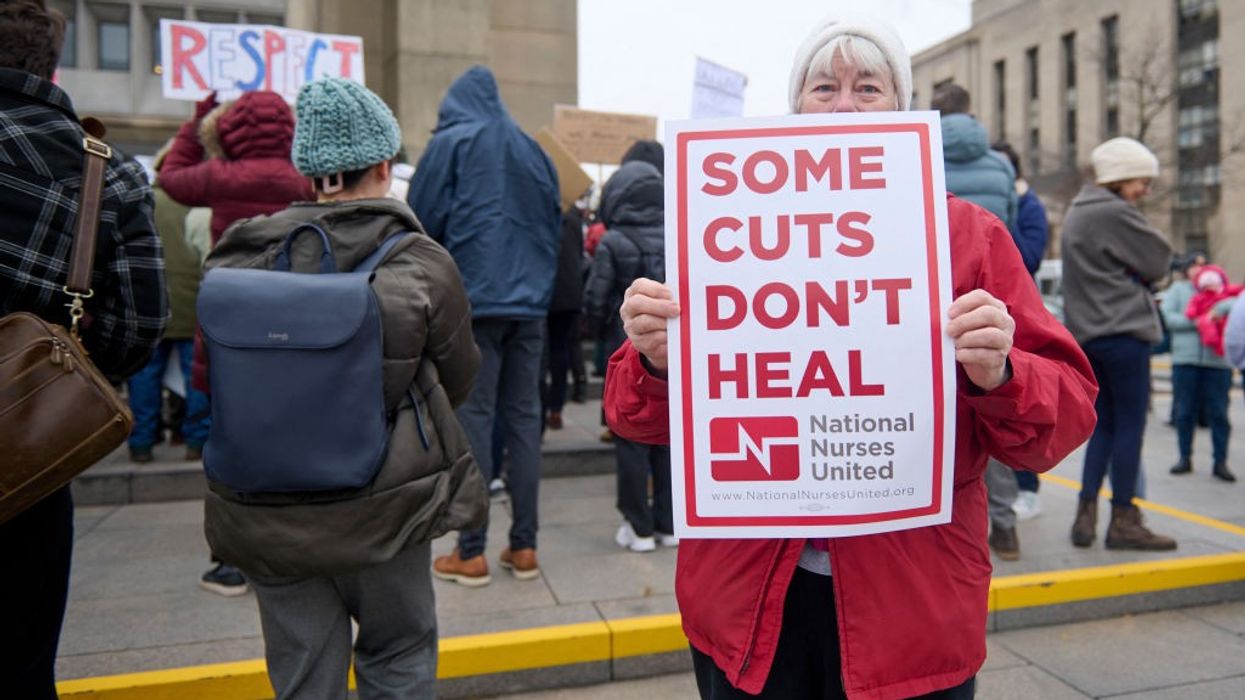
For half a century, extremist libertarian, corporate, and Republican ideologues have sought demolition of public safety net programs, regulations, and reforms, and elimination of personnel to carry them out.
Of all the slash and burn terminations U.S. President Donald Trump and billionaire Elon Musk are inflicting on public agencies, few will have a more far-reaching, devastating impact than the frontal assault on Americans' health, safety, and living standards.
Dr. Georges Benjamin, head of the American Public Health Association, warned that the shock and awe cuts of Health and Human Services (HHS) staff—a 25% decimation—and programs, "will increase the morbidity and mortality of our population, increase health costs, and undermine our economy." It also advances a decades-long dream of the far-right.
For half a century, extremist libertarian, corporate, and Republican ideologues have sought demolition of public safety net programs, regulations, and reforms, and elimination of personnel to carry them out. But it has required the authoritarian collaboration of Project 2025, Trump, Musk, and HHS Secretary Robert F. Kennedy Jr. to begin to implement this program.
"It is clear to union nurses that the goal of this administration and congressional Republicans is not to improve health, but to slash services and ultimately privatize the goods and services that are meant to serve all of us, so that their billionaire donors can boost their profits."
Public protests and legal challenges were already underway as the first round of layoffs and forced retirements undermined healthcare. The widespread scope of the latest mass firings, especially at the National Institutes of Health (NIH), Food and Drug Administration (FDA), and Centers for Disease Control and Prevention (CDC), reinforces the urgency of a response.
It included the agencies responsible for medical research, tracking disease, drug approvals, and regulating food safety, said The Associated Press. The Bullwark's Sam Stein termed it "an absolute bloodbath" with a "generation of scientists, healthcare officials being wiped out," Common Dreams noted.
Union officials said CDC layoffs eliminated programs focused on smoking, lead poisoning, gun violence, asthma and air quality, and occupational safety and health, AP added.
Entire departments studying chronic diseases and environmental protections were gutted, The New York Times reported. Officials responsible for minority health and infectious disease prevention were told their offices were being eliminated. HIV prevention was a target. Funding cuts for the healthy aging program apparently eradicated the government's Alzheimer's program, noted Rachel Maddow. Layoffs also hit people working on bird flu and measles.
The cruel spirit of the actions was evidenced by ultimatums given to multiple health experts to relocate to remote areas of the continent from Indian Health Services territories to Alaska. Or leave their jobs, in malicious messaging characteristic of Trump's reign, as voiced by Commerce Secretary Howard Lutnik that only "fraudsters" would complain about Social Security recipients losing their earned monthly checks. Among them were directors at the National Institutes of Health and the directors of the National Institute of Allergy and Infectious Diseases and the National Institute of Nursing Research.
"The FDA as we've known it is finished, since most of the leaders with institutional knowledge and a deep understanding of product development and safety no longer employed," former FDA Commissioner Robert Califf wrote on LinkedIn. Dr. Georges Benjamin, head of the American Public Health Association, said the HHS cuts, paired with an $11 billion cut in funding to state and local health departments announced this week, "will increase the morbidity and mortality of our population, increase health costs, and undermine our economy."
"It is clear to union nurses that the goal of this administration and congressional Republicans is not to improve health, but to slash services and ultimately privatize the goods and services that are meant to serve all of us, so that their billionaire donors can boost their profits," said National Nurses United.
"From a policy perspective, the changes initiated at HHS by the second-term Trump administration are far-reaching. Since coming to office, the Trump administration has aggressively sought to reshape the U.S. public health agenda," wrote Simon Haeder, Texas A&M University public health professor.
In addition to the mass firings, the Trump administration is pursuing plans to weaken the Affordable Care Act and challenge state programs focused on health disparities. And the House is moving forward with its plans to devastate Medicaid with up to $880 billion in cuts to help pay for its $4.5 trillion tax gift for billionaires.
The scheme is particularly manifest in plans to roll back numerous regulations on "everything from clean water to safe vaccines," Haeder emphasizes. "Regulation has emerged as the most prolific source of policymaking over the last five decades, particularly for health policy...Vast cuts to the HHS workforce will likely curtail this capability, resulting in fewer regulatory protections for Americans... With fewer experienced administrators on staff, industry influence over regulatory decisions will likely only grow stronger."
Corporate titans and the libertarian far-right have long pushed deregulation and privatization. In her seminal work Democracy in Chains, historian Nancy MacLean profiles right-wing economist James M. Buchanan who for half a century promoted a definition of "liberty" that insulates private property rights from government. Through his "public choice theory," for which he won a Nobel Economics Prize, he condemned majority rule as self-centered voting rights that results in "overinvestment in the public sector" and subjects the minority, meaning corporations and the elite, to "discriminatory" taxation and legislation.
Buchanan established a libertarian think tank at the Mercatus Center at George Mason University, enthusiastically funded by oil magnate Charles Koch. Its goals included destroying Social Security, Medicare, and Medicaid. Buchanan showed his disdain for anyone harmed by writing that people who failed to save money for the loss of public protections "are to be treated as subordinate members of the species, akin to… animals who are dependent." Tyler Cowen, Buchanan's successor at Mercatus, MacLean notes, projected "rewriting of the social contract" that included slashing Medicaid. Compensation for a "fiscal shortfall" from the handouts to the elite, "will come out of real wages as various cost burdens are shifted to workers."
Buchanan would see his views come to fruition in Chile, MacLean notes, after Gen. Augusto Pinochet's murderous coup in 1973. It was followed by a rewriting of the country's constitution, advised by Buchanan, so that post-Pinochet the "capitalist class would be permanently entrenched in power" in which, adds Sam Tanenhaus, "labor unions were banned and social security and healthcare were privatized."
With the Project 2025 blueprint, Trump, Musk, and their Republican Party followers embracing similar authoritarian rule, that program is on speed dial. A populist uprising, which ultimately deposed Pinochet and other dictators, is the challenge to all of us. Fortunately, street protests are increasing, as is a voter response, demonstrated by the electoral trouncing of Trump and Musk's handpicked candidate for the Wisconsin Supreme Court Tuesday, a positive sign in troubled times.
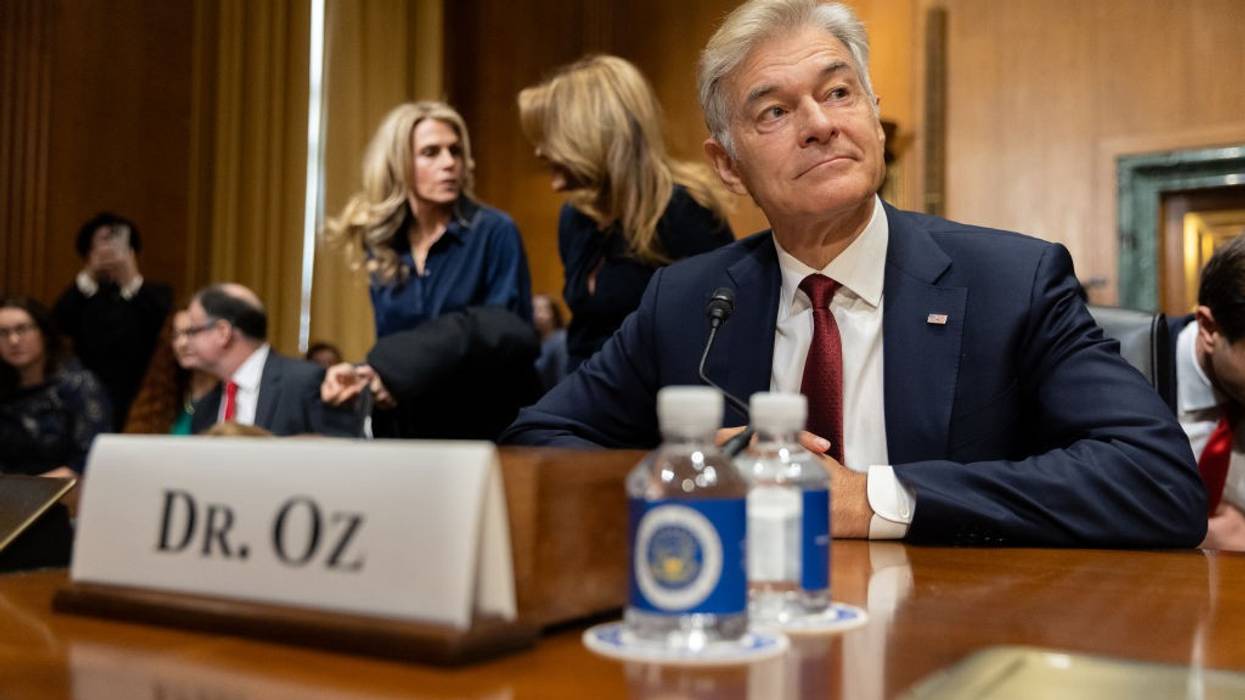
"Between his massive conflicts of interest across the healthcare sector and his endorsement of further privatizing Medicare, Oz would be a threat to the health of tens of millions of Americans," said one opponent.
Progressive watchdog organizations responded to the U.S. Senate Finance Committee's Friday hearing for Dr. Mehmet Oz by again sounding the alarm about the heart surgeon and former television host nominated to lead a key federal healthcare agency.
Since President Donald Trumpannounced Oz as his nominee for administrator of the Centers for Medicare and Medicaid Services (CMS) last November, opponents have spotlighted the doctor's promotion of unproven products, investments in companies with interests in the federal agency, and support for expanding Medicare Advantage during an unsuccessful U.S. Senate run in 2022.
"Dr. Oz's career promoting dubious medical treatments and pseudoscience often for personal financial gain should immediately disqualify him from serving in any public health capacity, let alone in a top administration health post," Accountable.US executive director Tony Carrk said in a Friday statement.
"Dr. Oz's nomination is part of President Trump's grand plan to enrich his corporate donors and wealthy friends while the rest of us get higher costs, less coverage, and weakened protections."
In December, Carrk's group found that based on disclosures from Oz's 2022 run against U.S. Sen. John Fetterman (D-Pa.), the Republican doctor reported "up to $56 million in investments in three companies" with direct CMS interests—including Sharecare, which became the "exclusive in-home care supplemental benefit program" for 1.5 million Medicare Advantage enrollees.
A spokesperson said at the time that Oz has since divested from Sharecare. However, critics have still expressed concern about how the nominee's confirmation could boost Republican efforts to expand Medicare Advantage—health insurance plans for seniors administered by private companies rather than the government.
"As a self-interested advocate of privatizing Medicare at a higher cost and more denials of care for seniors, Dr. Oz is surely eager to enact the Trump-Republican budget plan to gut Medicare and Medicaid and jeopardize health coverage for millions of Americans—all to pay for more tax breaks for billionaires and price gouging corporations," said Carrk. "Dr. Oz's nomination is part of President Trump's grand plan to enrich his corporate donors and wealthy friends while the rest of us get higher costs, less coverage, and weakened protections—especially those with preexisting conditions."
As he faces Senate confirmation, remember that Dr. Oz: -Pushed Medicare privatization plans on his show -Owns ~$600k in stock in private insurers -Has ties to pyramid scheme companies that promote fake medical cures His main qualification to oversee CMS is loyalty to Trump.
— Robert Reich ( @rbreich.bsky.social) March 14, 2025 at 1:41 PM
Robert Weissman, co-president of the consumer advocacy group Public Citizen, has been similarly critical of Oz, and remained so after senators questioned him on Friday, saying in a statement that "Mehmet Oz showed he is profoundly unqualified to lead any part of our healthcare system, let alone an agency as important as CMS."
"Between his massive conflicts of interest across the healthcare sector and his endorsement of further privatizing Medicare, Oz would be a threat to the health of tens of millions of Americans," Weissman warned. "Privatized Medicare Advantage plans deliver inferior care and cost taxpayers nearly $100 billion annually in excess costs."
"It is time for President Trump to put down the remote, stop finding nominees on television, and instead nominate people with actual experience and a belief in the importance of protecting crucial health programs like Medicare and Medicaid," he argued, taking aim at not only the president but also his billionaire adviser Elon Musk, head of the so-called Department of Government Efficiency(DOGE) and, Robert F. Kennedy Jr., the conspiracy theorist now running the Department of Health and Human Services.
Weissman declared that "Trump, Musk, and RFK Jr. fail to put the American people first as they seek to gut agencies and make dangerous cuts to health programs to fund tax cuts for billionaires. Oz indicated he would not oppose such cuts, bringing more destruction to lifesaving programs. Oz has no place in government and should be roundly rejected by every senator."
During a Friday exchange with Sen. Ron Wyden (D-Ore.), the committee's ranking member, Oz refused to decisively commit to opposing cuts to Medicaid. As the Alliance for Retired Americans highlighted, Oz kept that up when given opportunities to revise his answer by Sens. Ben Ray Luján (D-N.M.) and Michael Bennet (D-Colo.).
Other moments from the hearing that garnered attention included Oz's exchange with Sen. Catherine Cortez Masto (D-Nev.) about Affordable Care Act tax credits and Sen. Maggie Hassan (D-N.H.) calling out the doctor for his unwillingness "to take accountability for" his "promotion of unproven snake oil remedies" to millions of TV viewers.
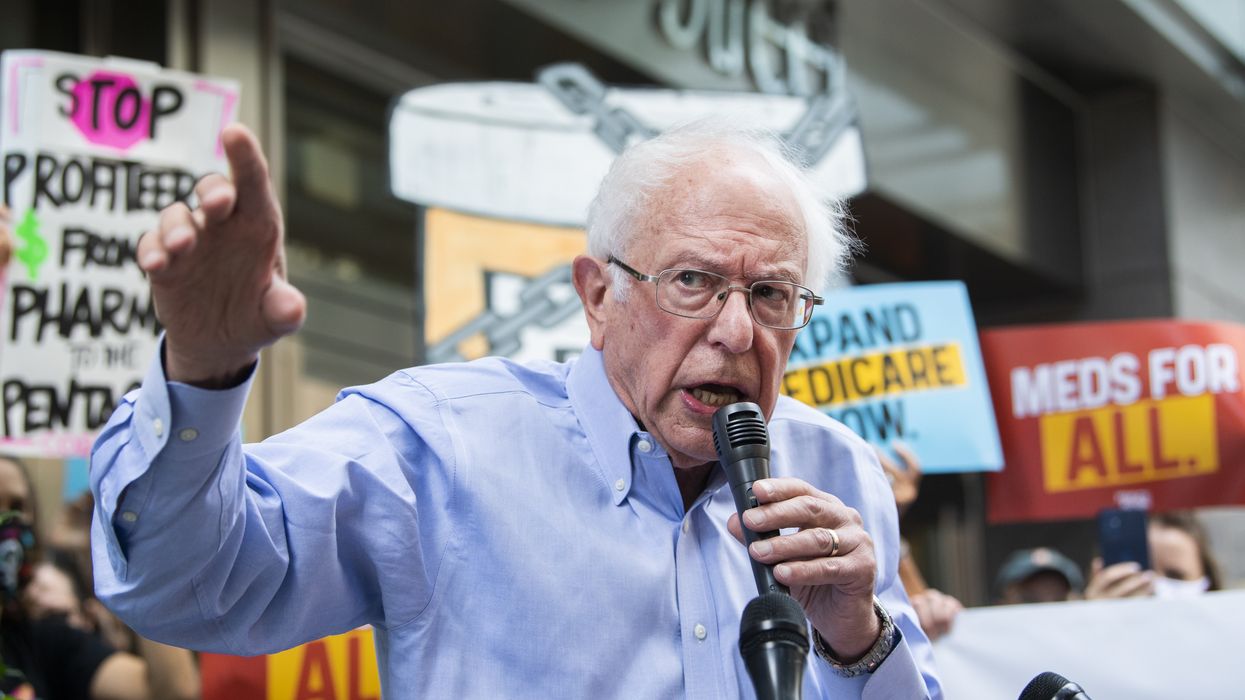
"Unfortunately, instead of working with Congress on this real issue, Trump and Musk have launched an immoral and unconstitutional attack on the Department of Health and Human Services."
Responding to a new study showing that leading health services companies made $2.7 trillion in profits and spent $2.6 trillion on stock buybacks and dividends in the years 2001-22, U.S. Sen. Bernie Sanders on Wednesday vowed to continue "to take on the unprecedented level of corporate greed in our healthcare system."
The study, published this week by the Journal of the American Medical Association, noted the "growing concern that a large proportion of U.S. healthcare spending appears to be directed to corporate shareholders rather than enhancing affordable access, improving quality of care, or advancing research and development."
Sanders (I-Vt.)—the ranking member of the Senate Committee on Health, Education, Labor, and Pensions—said in a statement that "it is absolutely unacceptable that since 2001, the top healthcare companies in America spent 95% of their profits, $2.6 trillion, not to make Americans healthy, but to make their CEOs and stockholders obscenely rich."
The top health care companies in America spent 95% of their profits to make their CEOs & stockholders obscenely rich. How many Americans would be alive today if those companies spent $2.6 trillion on disease prevention and primary care, instead of stock buybacks and dividends?
[image or embed]
— Senator Bernie Sanders (@sanders.senate.gov) February 12, 2025 at 11:21 AM
"The function of a rational healthcare system is to guarantee quality healthcare to all, not huge payouts for stockholders and executives in the drug and insurance industries," Sanders asserted. "None of this money was used to search for new treatments and cures, to lower prices, or to improve patient care. That has got to change."
The senator continued:
This study confirms that the greatest waste, fraud, and abuse in this country is corporate greed. Unfortunately, instead of working with Congress on this real issue, [U.S. President Donald] Trump and [Department of Government Efficiency leader Elon] Musk have launched an immoral and unconstitutional attack on the Department of Health and Human Services.
Instead of taking on the greed of the pharmaceutical industry, Trump and Musk are taking away AIDS treatment from poor people.
Instead of taking on the for-profit insurance industry, Trump and Musk are making it harder for working-class Americans to get the healthcare they need through Medicaid and community health centers.
"This absurdity must end," Sanders stressed. "As the ranking member of the Senate Health, Education, Labor, and Pensions Committee, I will do everything I can to take on the unprecedented level of corporate greed in our healthcare system."
Last month, Sanders—who twice sought the Democratic presidential nomination on a platform centering Medicare for All—unveiled a nine-point "Make America Healthy Again" plan in response to Health and Human Services secretary nominee Robert F. Kennedy Jr.'s variation on Trump's "Make America Great Again" slogan.
"This order puts a stop, at least temporarily, to the irrational removal of vital health information from public access," wrote the legal counsel for the plaintiff.
A federal judge has implemented a temporary restraining order forcing the U.S. Department of Health and Human Services, the U.S. Centers for Disease Control and Prevention, the U.S. Food and Drug Administration to restore several webpages and datasets that had been previously taken down in response to a White House executive order "defending women from gender ideology extremism."
President Donald Trump's executive order, which asserts that "it is the policy of the United States to recognize two sexes, male and female," was followed up by a memo from the Office of Personnel Management (OPM), which orders agencies to take down "outward facing media" that "inculcate or promote gender ideology," according to a lawsuit filed in early February by the nonprofit advocacy group Doctors for America (DFA).
In response, the CDC and FDA did remove webpages and datasets, according to the suit.
The legal arm of the watchdog group Public Citizen is serving as the plaintiff's counsel on the lawsuit, which names the OPM, the CDC, the FDA, and the Department of Health and Human Services (of which the CDC and FDA are a part) as defendants.
"DFA and the physicians and medical trainees that constitute its membership rely on webpages and datasets that have been removed in response to OPM's memorandum, including several pages that related to current evidence and guidelines for providing clinical care, guidance documents on FDA's website... and numerous publicly available datasets that inform targeted public health interventions," according to the complaint.
Following OPM's memo, materials pertaining to HIV testing for transgender people, resources supporting LGBTQ+ youth health, and a survey conducted every two years to assess the health behaviors of teens were all taken down, according to The Washington Post.
The lawsuit highlights other resources that went dark, such as a report titled PrEP for the Prevention of HIV Infection in the U.S.: 2021 Guideline Summary.
U.S. District Judge John D. Bates, an appointee of former President George W. Bush, ruled Tuesday that the agencies had to restore access to all the materials identified by the plaintiff by the end of the day.
"The judge's order today is an important victory for doctors, patients, and the public health of the whole country," said Zach Shelley, a Public Citizen Litigation Group attorney and lead counsel on the case, in a Tuesday statement. "This order puts a stop, at least temporarily, to the irrational removal of vital health information from public access."
Courts have delivered a series of setbacks to the Trump administration's efforts in recent days, including another blow to Trump's attempt to curtail birthright citizenship.
U.S. Sen. Ed Markey (D-Mass.) took to the platform X to tally the wins, writing "BLOCKED" next to court rulings that have hampered Trump initiatives.
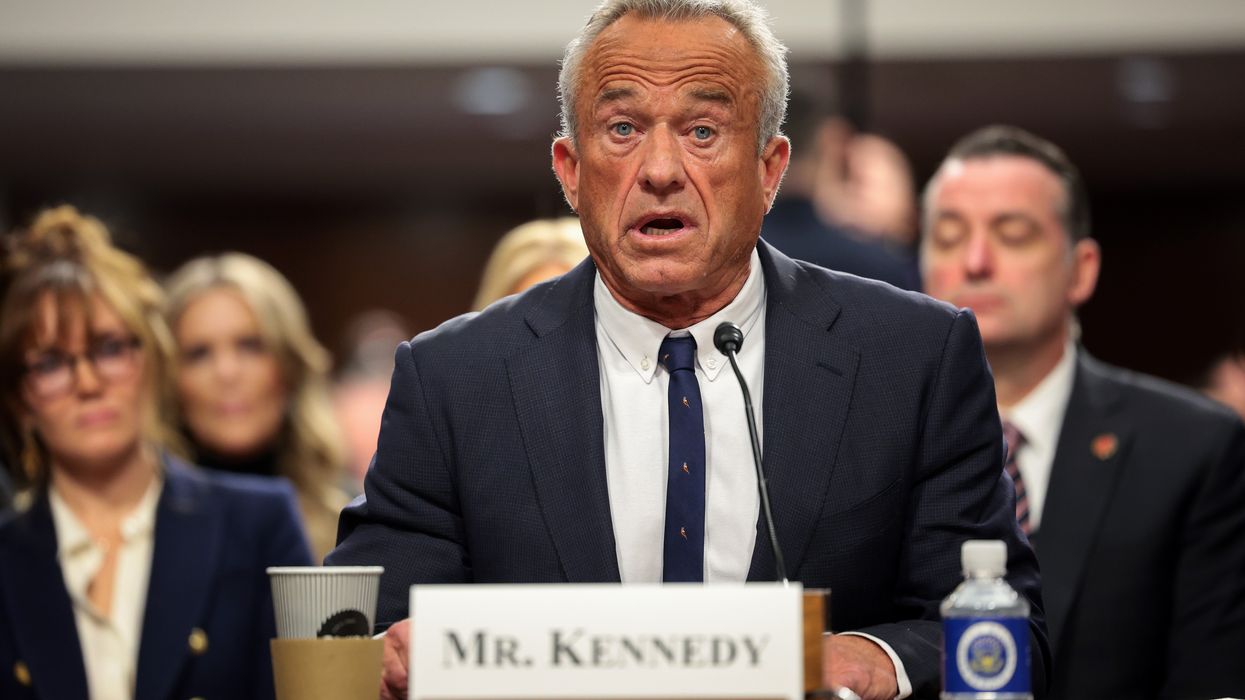
As over 700 health professionals recently warned, "the unfounded, fringe beliefs" of Trump's pick to run HHS "could significantly undermine public health practices across the country and around the world."
Robert F. Kennedy Jr. should not be confirmed as U.S. secretary of Health and Human Services. because he is ideologically committed to falsehoods and positions that threaten people’s health and health equity. He is the lethal broken clock who tells the right time for two seconds a day—in his case, about how corporate profiteering can harm health—while poised to wreak havoc and harm the other 23.999999 hours.
As a critical scientist and advocate for health justice, I know that systematically asking who gains from or is harmed by the status quo is one thing, but treating scientific knowledge as a matter of mere opinion and ideology, as if facts and hidden conflicts of interest don’t matter, is another. As aptly stated in a public letter from the new coalition Defend Public Health, signed by over 700 health professionals and scientists, RFK Jr.’s “unfounded, fringe beliefs could significantly undermine public health practices across the country and around the world.”
RFK Jr.’s notoriously false, conspiracy-ridden anti-vaccination campaigns, including against school vaccination mandates, threaten efforts to keep all Americans healthy.
Kennedy’s confirmation hearing January 29 didn’t ease those concerns. Confronted with the wilder conspiracy theories he’s embraced—like the claim that Covid-19 was “ethnically targeted” to attack certain groups—he mostly soft-peddled or danced around them, rarely giving direct answers. He dodged questions about the Trump administration’s freeze on federal health funding and seemed to have no idea what Federally Qualified Health Centers are (they’re community health centers that provide care to underserved populations, regardless of ability to pay). He made vaguely reassuring statements like, “I am supportive of vaccines,” but waffled when, for example, Sen. Bernie Sanders (I-Vt.) confronted him with a child’s onesie sold by Children’s Health Defense, the group Kennedy founded, that reads, “No Vax, No Problem.”
RFK Jr.’s opposition to profiteering companies is highly selective. In his own words, he’s rooting for “psychedelics, peptides, stem cells, raw milk, hyperbaric therapies, chelating compounds, ivermectin, hydroxychloroquine, vitamins, clean foods, sunshine, exercise, nutraceuticals, and anything else that advances human health and can’t be patented by Pharma.” His statement, however, ignores the myriad companies and investors aggressively trying to cash in on this list—which includes products repeatedly shown to be either harmful or ineffective, like ivermectin. The key study advocating its use was retracted in December. RFK Jr. also has invited the U.S.’ largest producer of raw milk to be in charge of raw milk policy, despite multiple recalls of this company’s products, most recently because of contamination by bird flu virus. For RFK Jr., opportunistic profiting off of unsafe products is apparently fine, as is having plutocrat supporters keen to slash environmental protections, the social safety net, and of course their own income tax.
RFK Jr.’s notoriously false, conspiracy-ridden anti-vaccination campaigns, including against school vaccination mandates, threaten efforts to keep all Americans healthy. One rare success in reducing unfair differences in rates of disease across social groups—by income, by race or ethnicity, by rural or urban location—has been for vaccine-preventable childhood illness thanks to school vaccination mandates plus such federal programs as Vaccines for Children. Weakening these programs won’t “Make America Healthy Again.”
RFK Jr. falsely pits “infectious” disease against “chronic” diseases without understanding many diseases are both infectious and chronic, including numerous types of cancer (e.g., cervical cancer, liver cancer) and ulcers—and many infectious diseases lead to chronic disease (e.g., HIV/AIDS, long Covid). Yet, Kennedy famously declared that the National Institutes of Health should “take a break” from “infectious diseases,” and pivot to “chronic diseases.” He apparently is unaware that 85% of the current NIH budget already goes to research on cancer, cardiovascular diseases, diabetes, drug addiction, mental health, aging, child health, and the like.
RFK Jr. should never be given power to implement his fallacious health-harming agendas.
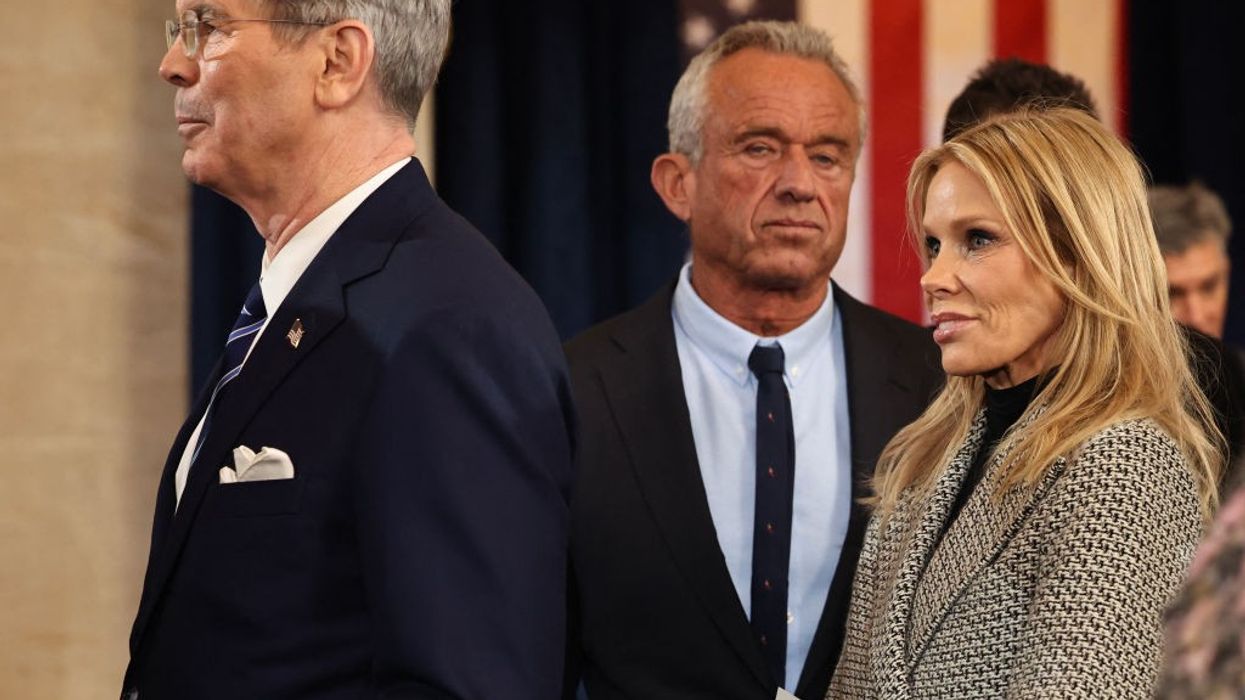
If Kennedy really wants to “Make America Healthy Again,” he could instead start by addressing the dangers of red and processed meats, a concern grounded in science.
Trump’s nomination of Robert F. Kennedy Jr. to head the Department of Health and Human Services (HHS) has triggered controversy. Many have rightly criticized his ongoing anti-vaccine messaging. He’s also erroneously claimed that antidepressants were linked to school shootings, among other falsities.
Despite this all, his confirmation seems likely. So, let us prepare.
Kennedy promises to take on ultra-processed foods. He has alerted Americans that their over-consumption is linked to multiple maladies, from diabetes to heart disease. He also advocates banning them from school lunches.
On this, I say, “Right on, Bobby!”
The American diet poses great risks, including its heavy reliance on ultra-processed foods. They are one reason for our shockingly low international health and health-system ranking—way down at 69th. Unfortunately, RFK’s tendency to mislead carries over to this issue. It’s already clear that his campaign against ultra-processed food is not evidence-based. For example, he falsely claims seed oils (sunflower and canola) are harmful.
If confirmed, RFK Jr. will oversee the Food and Drug Administration (FDA), giving him power to regulate our food industry as well as a much-broader mandate: “to safeguard the food supply.”
If Kennedy really wants to “Make America Healthy Again,” he could instead start by addressing the dangers of red and processed meats, a concern grounded in science. The World Health Organization identifies red meat as a probable carcinogen and processed meat a carcinogen. Likewise, a meta-analysis of 148 studies reveals that red meat—especially processed meat—contributes to higher risks for a range of cancers.
Crucially, today’s definition of “food-borne illnesses” contains a serious oversight: the deadly diseases linked to red meat and processed meats. We have a right to be outraged that the FDA still fails to require warning labels or otherwise alert the public to this serious harm. The recently proposed front-of-package labels for saturated fats, sodium, and sugar would be a first step, but we cannot stop there.
Perhaps most troubling, the agency has enabled ultra-processed meats—hot dogs or bologna—to be fed to our children at our schools. Loose guidelines also allow mega-food corporations like Kraft Heinz to introduce ultra-processed products like Lunchables in school cafeterias. Sadly, for many children, school meals are their main source of nutrition. We need to do better by them.
This crisis also reflects the political power of the meat industry. Therefore, RFK Jr. must stand up to this pernicious interest group, which “spent more than $10 million on political contributions and lobbying efforts in 2023,” which for some, “was an all-time high,” reports the Missouri Independent.
Over more than 50 years, a number of my books, starting with Diet for a Small Planet, have focused on the needless waste, ecological destruction, and hunger built into our grain-fed-meat-centered diets—all driven by the highly concentrated power of corporate agribusiness. I have stressed the health benefits of plant-based diets.
The great news is that diets rich in whole grains, legumes, fish, fruits, vegetables, and nuts—with little or no red and processed meats, sugar-sweetened beverages, and refined grains—can lengthen our lives. A much-cited 2001 National Institute of Health study predicted that avoiding meat contributes to lifestyles that could add ten years to one’s life. Even if one began this healthier diet as late as age 60, life-expectancy increases over eight years for women and almost nine years for men.
To enable access to wholesome diets, Kennedy must also do his part to tackle the growing crisis of “food deserts”—low-income, urban areas where at least a third of residents live a mile or more from a supermarket. This barrier to healthy diets affects over 40 millions of us. The HHS will oversee the 2025 Dietary Guidelines for Americans, which inform key programs such as SNAP and the National School Lunch Program. Here, we must urge RFK Jr. to focus on the science: processed meats are dangerous.
In all this, we must remain vigilant in holding Kennedy and the broader Trump administration accountable. We must also work for political reforms to ensure our elected officials are no longer corrupted by private interests. Our fight to protect our community’s health goes hand-in-hand with our fight for democracy.
Every bite we eat is a choice for the world we want. So, let’s push the incoming head of the HHS to ensure that all Americans are able to take healthy, wholesome bites.

"Confirming this lunatic would amount to killing people," one journalist warned amid fears Trump will avoid Senate votes for controversial picks.
U.S. lawmakers, government watchdogs, and other critics responded with alarm to President-elect Donald Trump's long-anticipated announcement on Thursday that he wants Robert F. Kennedy Jr. to lead the Department of Health and Human Services.
"Robert F. Kennedy Jr. is a clear and present danger to the nation's health," declared Public Citizen co-president Robert Weissman. "He shouldn't be allowed in the building at the Department of Health and Human Services (HHS), let alone be placed in charge of the nation's public health agency."
"Donald Trump's bungling of public health policy during the Covid pandemic cost hundreds of thousands of lives," Weissman highlighted. "By appointing Kennedy as his secretary of HHS, Trump is courting another policy-driven public health catastrophe."
The RFK Jr. decision continued a trend of Trump choosing Cabinet secretaries who have demonstrated loyalty to him, even if their qualifications are questionable. After running for president as a Democrat and then an Independent—without support from many members of his political family—Kennedy suspended his campaign and endorsed the Republican in August.
"RFK Jr. poses a danger to public health, scientific research, medicine, and healthcare coverage for millions."
Leading up to the election last week, Trump acknowledged plans to let Kennedy "go wild on health," sparking speculation that he would let the lawyer and conspiracy theorist lead HHS, the Centers for Disease Control and Prevention, Department of Agriculture, Food and Drug Administration, or National Institutes of Health.
Once lauded for his environmental activism, Kennedy has recently faced criticism for spreading anti-vaccine misinformation, downplaying the climate emergency, and opposing a cease-fire in the Gaza Strip. There have also been revelations about a brain worm, a dead baby bear, a whale head, a reported affair with a journalist, and an alleged sexual assault of a babysitter.
Trump—who is known for his love of McDonald's—said in his statement about RFK Jr. that "for too long, Americans have been crushed by the industrial food complex and drug companies who have engaged in deception, misinformation, and disinformation when it comes to Public Health."
"The Safety and Health of all Americans is the most important role of any Administration, and HHS will play a big role in helping ensure that everybody will be protected from harmful chemicals, pollutants, pesticides, pharmaceutical products, and food additives that have contributed to the overwhelming Health Crisis in this Country," Trump continued. "Mr. Kennedy will restore these Agencies to the traditions of Gold Standard Scientific Research, and beacons of Transparency, to end the Chronic Disease epidemic, and to Make America Great and Healthy Again!"
Accountable.US executive director Tony Carrk cast doubt on the suggestion that Kennedy's appointment would benefit the public.
"Robert F. Kennedy Jr. has spent years recklessly promoting unfounded, anti-scientific conspiracies about everything from vaccines to antidepressants," Carrk said in a statement. "Not only does he lack any serious credentials, but his troubling grasp of facts poses a serious threat to the health of millions of Americans."
Journalist Mehdi Hasan compared Kennedy to the far-right founder of the fake news website Infowars: "It is difficult to overstate just how extreme, conspiratorial, and insane RFK's views are, on vaccines, microchips, and beyond. He's Alex Jones in a suit."
Noting Kennedy's previous pledge to halt research on drug development and infectious diseases, Slate's Mark Joseph Stern called his selection "just a massive 'fuck you' to the millions of families relying on advancements in treatment for loved ones with ALS, Parkinson's, Alzheimer's, cancer, and so much more," adding that "confirming this lunatic would amount to killing people."
Some senators are already speaking out. Sen. Ed Markey (D-Mass.) said Thursday: "Dangerous. Unqualified. Unserious."
Senate Finance Committee Chair Ron Wyden (D-Ore.) said in a statement that "Trump's health agenda isn't a secret: worse healthcare at a higher cost for American families."
"Trump and Republicans in Congress have a proven track record of empowering insurance companies and Big Pharma while leaving everyday Americans to foot the bill. That means higher premiums, weakened protections for pre-existing conditions, criminalizing reproductive healthcare, and attacks on essential health coverage like Medicaid," he noted.
"Mr. Kennedy's outlandish views on basic scientific facts are disturbing and should worry all parents who expect schools and other public spaces to be safe for their children," Wyden added. "When Mr. Kennedy comes before the Finance Committee, it's going to be very clear what Americans stand to lose under Trump and Republicans in Congress."
Sen. Elizabeth Warren (D-Mass.) wrote on social media that "RFK Jr. poses a danger to public health, scientific research, medicine, and healthcare coverage for millions. He wants to stop parents from protecting their babies from measles and his ideas would welcome the return of polio. I have a lot of questions for his Senate hearing."
While Republicans are set to control Congress next year, Trump's controversial Cabinet picks have stoked fears that he will try to force through his allies with recess appointments, which don't require Senate confirmation.
If RFK Jr. makes it to HHS one way or another, critics are already preparing to challenge him. Center for Biological Diversity environmental health director Lori Ann Burd vowed that "we'll be joining with other organizations concerned with public health and the environment to ensure that Kennedy's dangerous anti-science agenda fails."