Jayapal, Sanders Question Zuckerberg Over Alleged Meta Interference in Brazilian Election
"It is unacceptable for any social media platform to favor one political candidate or party over another, whether deliberately or inadvertently."
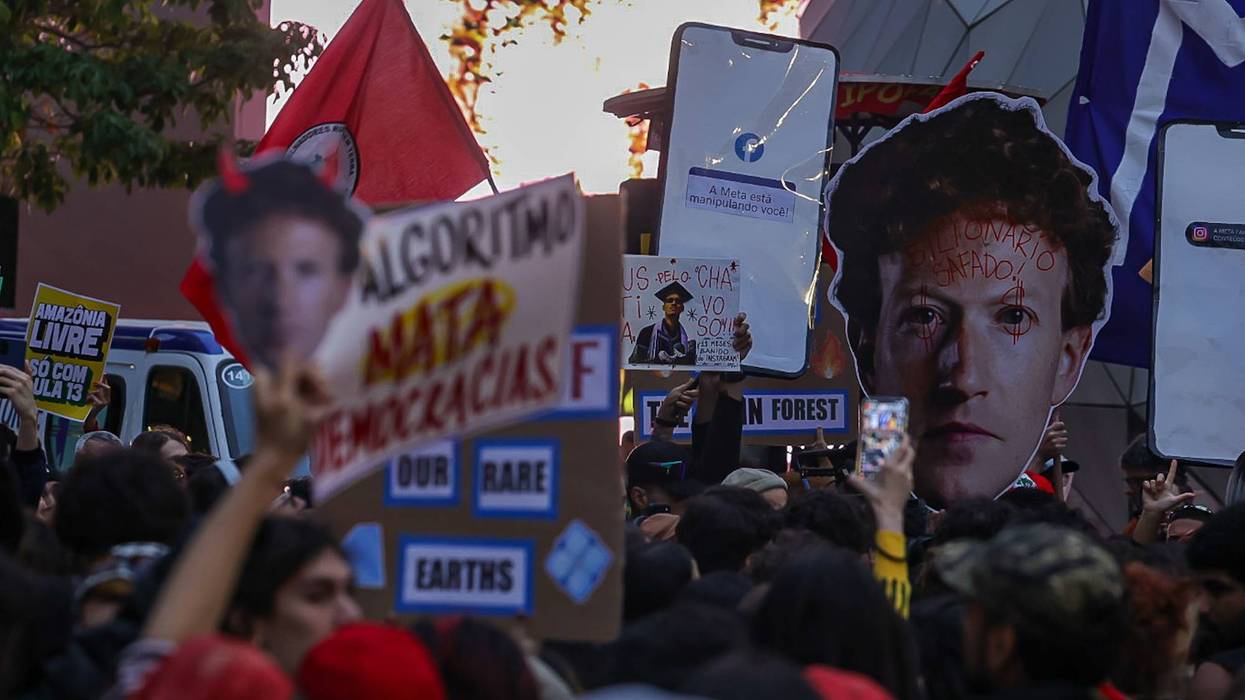
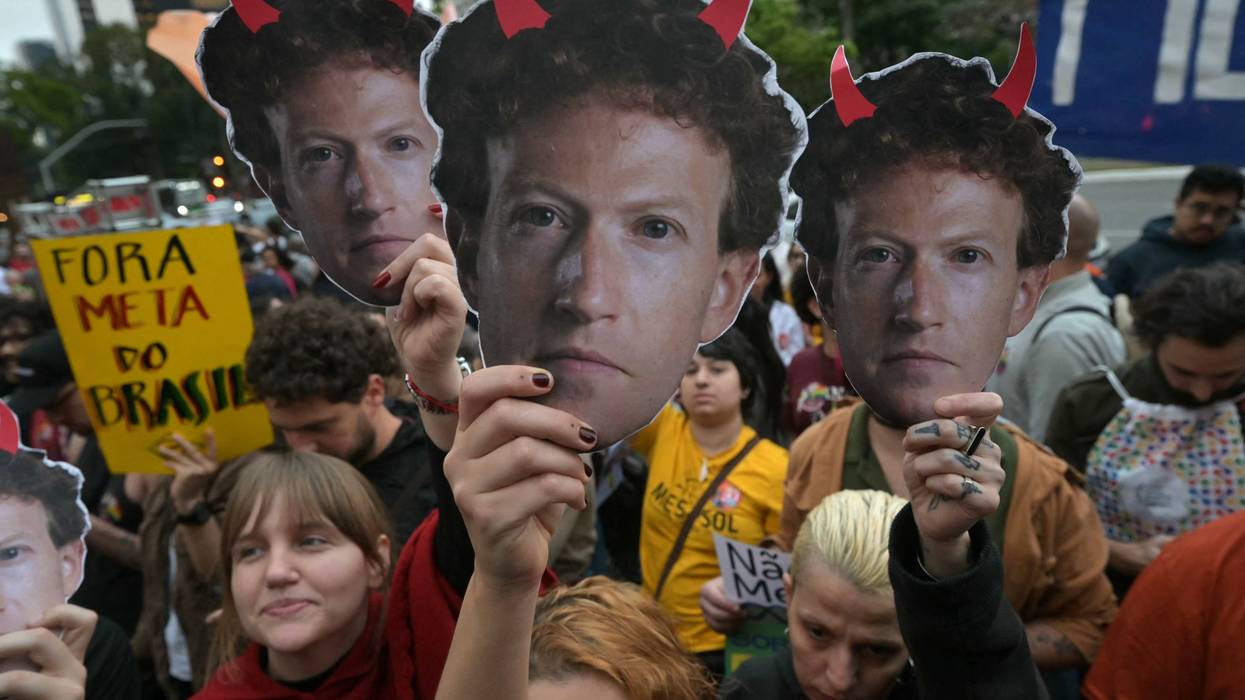
Over a dozen US lawmakers, led by Rep. Pramila Jayapal and Sen. Bernie Sanders, wrote to Meta CEO Mark Zuckerberg on Thursday to demand answers about the social media giant's alleged interference in Brazil's presidential runoff election.
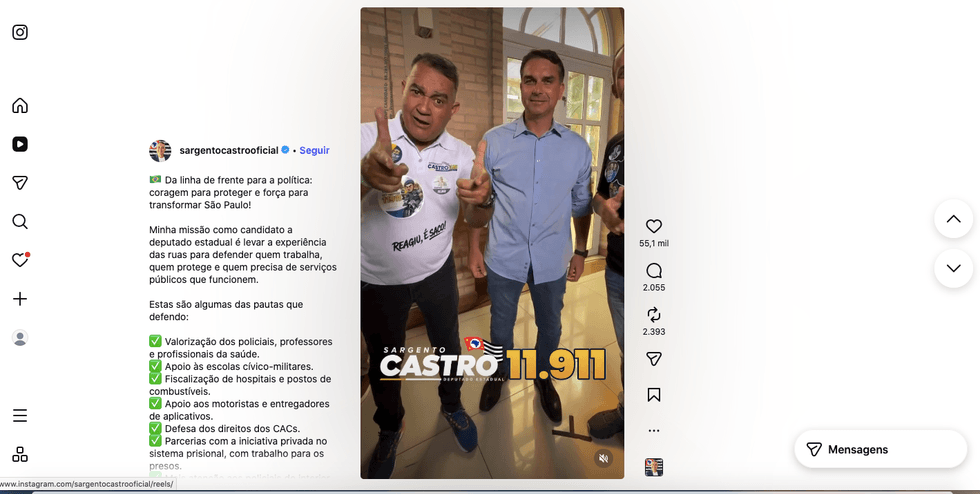
Leftist Brazilian President Luiz Inácio Lula da Silva is facing far-right Sen. Flávio Bolsonaro, the son of former President Jair Bolsonaro, in Sunday's election. Lula has asked the Superior Electoral Court to probe his challenger over "improper use" of a social network and disqualify him, and Bolsonaro—an ally of US President Donald Trump—has similarly sought Lula's disqualification.
Meanwhile, US-based Meta—which owns Facebook, Instagram, and WhatsApp—claimed to the Brazilian court that it has adopted measures to ensure equal treatment of the candidates. But the members of Congress remain alarmed, and research released by the corporate accountability group Ekō on Friday, after their letter was sent, bolsters their concerns, showing that "Instagram's algorithm aggressively promoted pro-Bolsonaro and right-leaning content to a brand-new, politically neutral account."
Sanders, Jayapal, and 11 other Democrats in the House of Representatives stressed to Zuckerberg that "in democratic elections, it is incumbent upon social media companies to ensure that candidates receive equitable treatment and access with regards to distribution, moderation, and recommendation of campaign-related content across their platforms."
"We are, therefore, deeply concerned about credible reports of Meta platforms restricting or suppressing content associated with the Lula campaign while amplifying or recommending content associated with the Bolsonaro campaign, thereby creating starkly unequal conditions in the digital environment," they continued. "Given the critical role social media plays in political communication, it is unacceptable for any social media platform to favor one political candidate or party over another, whether deliberately or inadvertently."
"As US lawmakers who support free and fair elections at home and abroad, it is our responsibility to conduct oversight to ensure that US social media platforms are not influencing the outcomes of elections abroad," the lawmakers said. "We urge you to take immediate action to ensure that, going forward, candidates and their campaigns in democratic elections receive equal treatment and access on your platforms."
The lawmakers—including Democratic Reps. Greg Casar (Texas), Maxwell Alejandro Frost (Calif.), Jonathan Jackson (Ill.), Jesús "Chuy" García (Ill.), Summer Lee (Pa.), Mark Pocan (Wis.), Mike Quigley (Ill.), Delia Ramirez (Ill.), Jan Schakowsky (Ill.), Rashida Tlaib (Mich.), and Nydia Velázquez (NY)—laid out a series of "alarming reports" from late September to mid-October.
They also noted recent events at the Superior Electoral Court, and requested "an immediate briefing on Friday, October 23" from Meta about its measures to comply with a recent order from the tribunal, "including 17 different initiatives and a human review system for presidential campaign ad accounts."
The 13 US lawmakers also requested written responses to a series of detailed questions by November 4, and urged "additional action to ensure that, going forward, candidates in democratic elections at home and abroad benefit from an even playing field on Meta’s platforms."
Separately, on Friday, with the US midterm elections less than two weeks away, House Judiciary Committee Ranking Member Jamie Raskin (D-Md.) demanded answers from not only Meta, but also Google, TikTok, and X about their efforts to stop election misinformation from spreading on their platforms to American voters.