'Dismantle ICE' Says Jayapal After 60th Death in Agency Custody During Trump 2.0
"When our country detains people, we have the responsibility of ensuring both their physical and mental health—not driving them, though incredible cruelty, to commit suicide," Jayapal said.
Immigration and Customs Enforcement confirmed on Saturday that a man had died in its custody the day before, marking the 60th death in ICE custody since President Donald Trump resumed office with the promise of mass deportations.
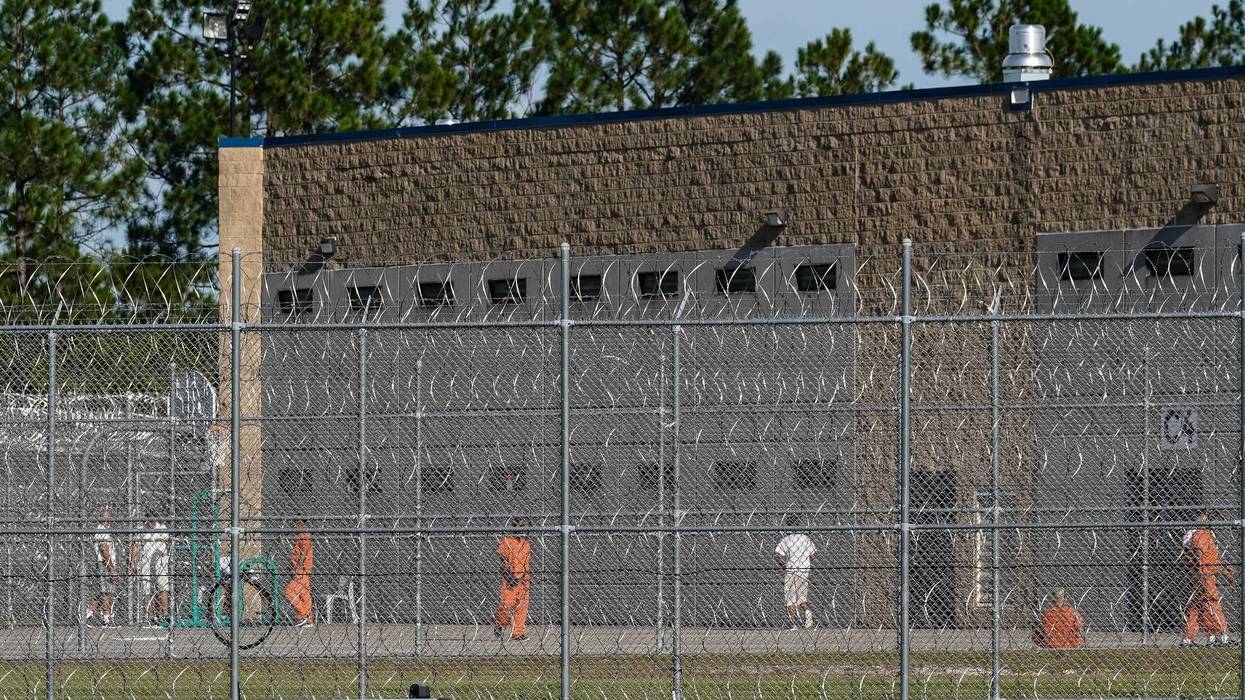
Luis Sandoval, a 48-year-old man from El Salvador, was found early on Friday morning with a "ligature around his neck" in the Folkston D. Ray ICE Processing Center in Folkston, Georgia, according to a press release from the agency.
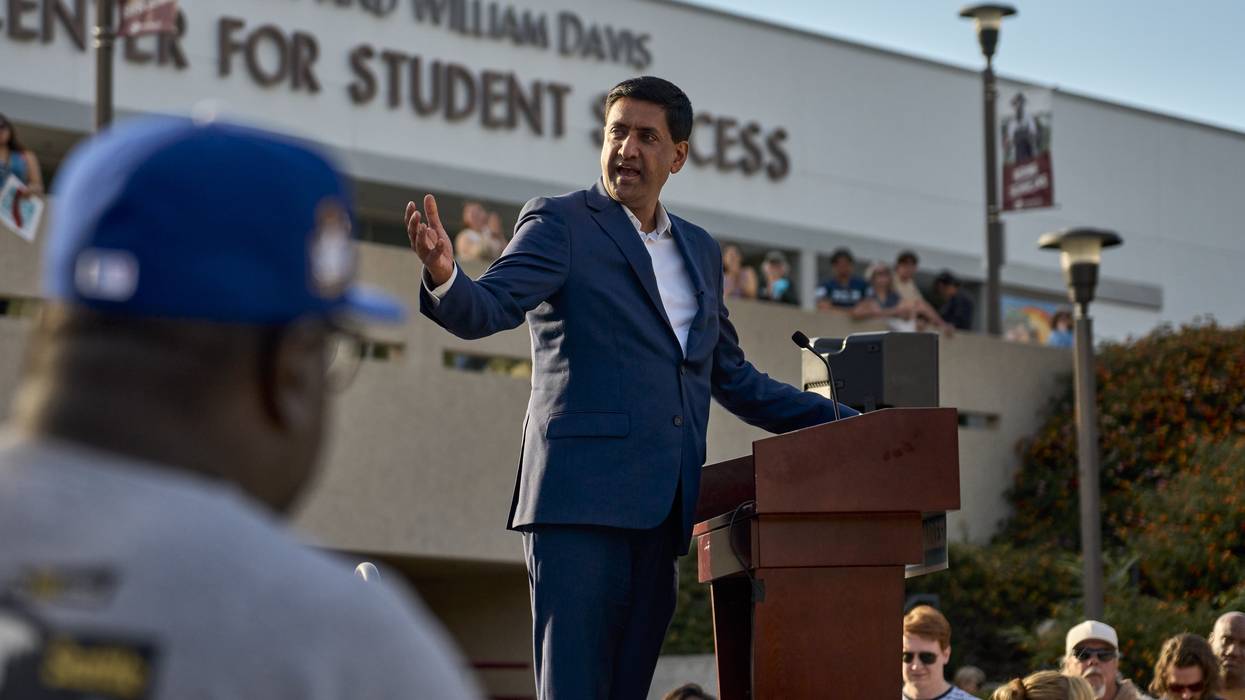
"Today I received notification of the 60th death in ICE custody since Trump returned to office. Sadly, this appears to be a death by suicide," Rep. Pramila Jayapal (D-Wash.) wrote on social media in response to the news. "When our country detains people, we have the responsibility of ensuring both their physical and mental health—not driving them, though incredible cruelty, to commit suicide. Dismantle ICE."
"We call for an immediate independent investigation into this tragic death and for accountability. Folkston must be shut down immediately.”
Sandoval was detained in Newark, New Jersey on October 2 and transferred to Georgia on October 8. ICE said that staff attempted "life-saving measures" upon discovering him Friday and that Charlton County Emergency Medical Services also attempted to save him when they arrived on the scene. ICE added that the death was "under investigation."
“This was a preventable tragedy,” Azadeh Shahshahani, legal and advocacy director for the Georgia-based Project South, said, as The Guardian reported. “We hold ICE and the private prison corporation fully responsible for any harm that migrants suffer at Folkston. We call for an immediate independent investigation into this tragic death and for accountability. Folkston must be shut down immediately.”
The Folkston detention center is contracted to the private prison company GEO Group. Immigrant rights advocates and Democratic lawmakers have raised alarms about the Folkston before Sandoval's death due to its treatment of detainees, approximately 500 of who launched a hunger strike in early October over a lack of due process in their asylum cases as well as poor conditions in the facility.
“People have reported seeing bugs in the water. People have reported getting rashes, presumably from the water that they never had. Skin rashes that they’ve never had before,” Samantha Hamilton, senior litigation staff attorney at Asian Americans Advancing Justice Atlanta, told The Current. ”People have reported their hair falling out as a result of taking showers from the water, and because the water is so disgusting, people really try to avoid it at all costs.”
Sandoval died the day after Georgia Democratic Sens. Jon Ossof and Raphael Warnock sent a letter to Department of Homeland Security Secretary Markwayne Mullin and the DHS inspector general calling on them to launch an “immediate investigation” into how the facility was treating detainees, and hunger strikers in particular, as The Current reported further.
It is not yet known if Sandoval was among the hunger strikers.
Sandoval is not the first person to die in ICE custody at Folkston. In April 2024, Jaspal Singh died after being placed under medical observation when he reported feeling chest pains. A review by ICE determined that the medical care he received at Folkston contributed to his death.
An average of one person has died in ICE custody every 10 days this year, Relevant Research president Austin Kocher, who is also an American University research fellow, told The Guardian.
“Even in the past, there has not been such an overt dehumanization and overt view that migrants’ lives are expendable,” Kocher said. “I worry that that tone [from the Trump administration] has a tendency towards neglect and viewing migrants as disposable.”
The 988 Suicide & Crisis Lifeline—which offers 24/7, free, and confidential support—can be reached by calling or texting 988, or through chat at 988lifeline.org.


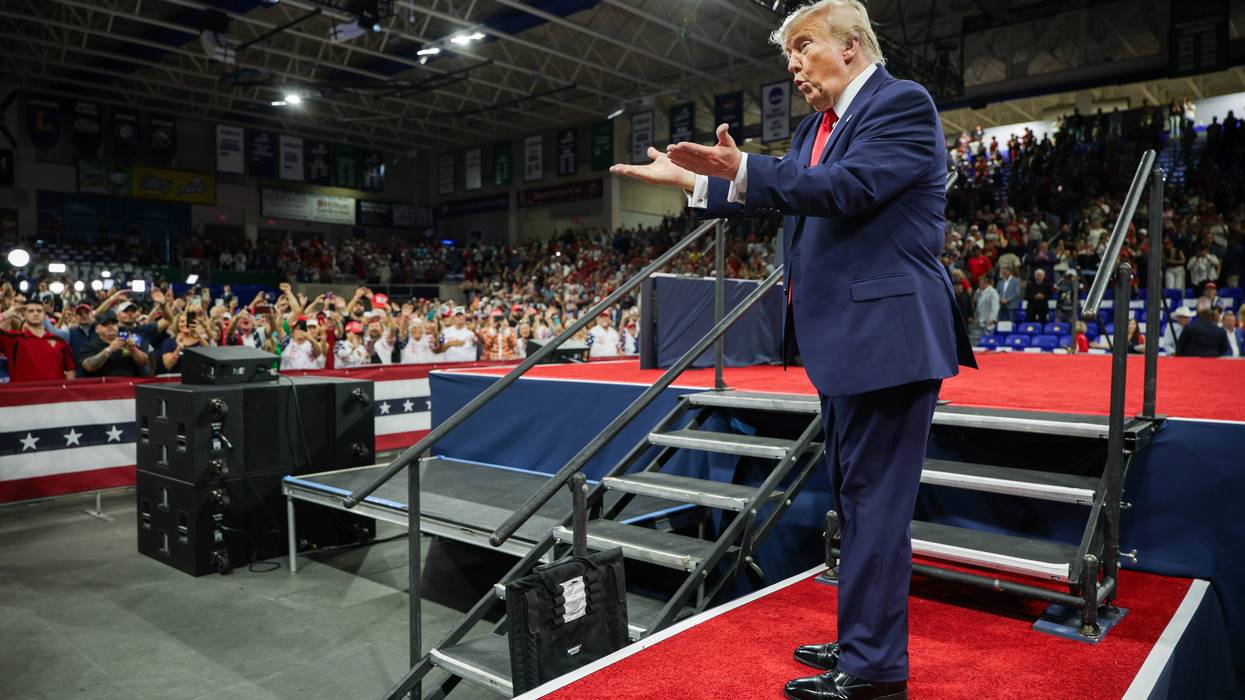
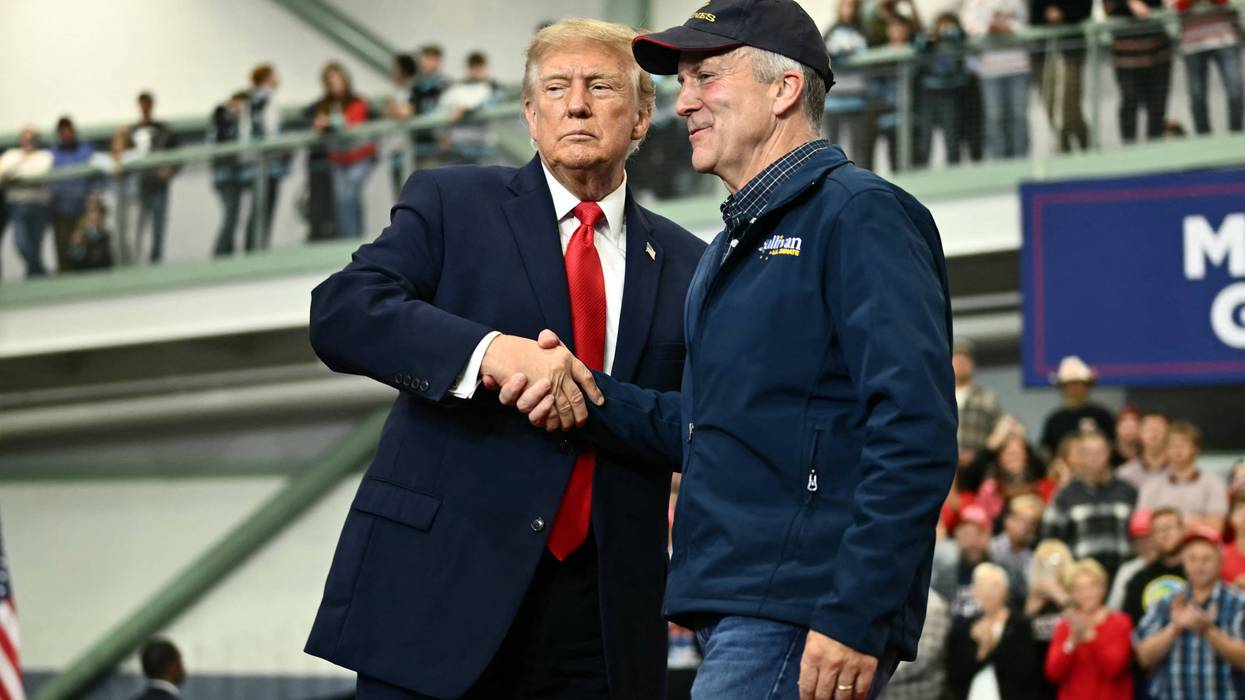
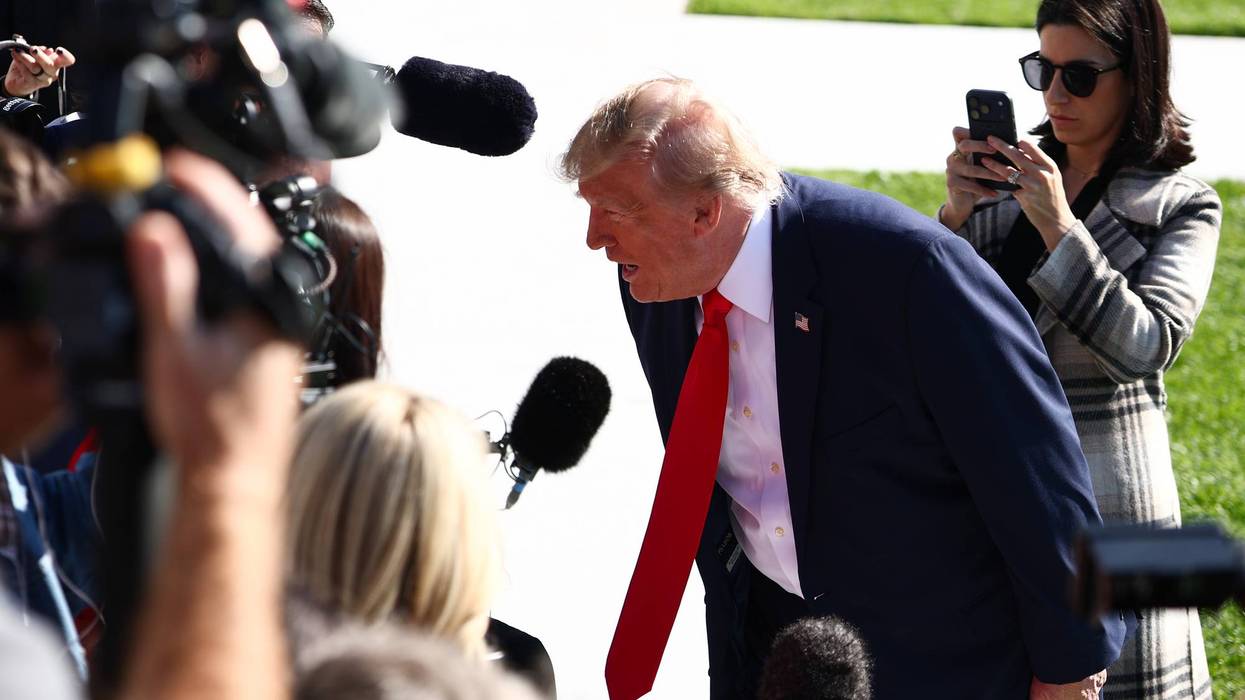
 US President Donald Trump arrives for a campaign rally at the Menard Memorial Sports Center on October 13, 2026, in Wasilla, Alaska. (Photo by Alex Wong/Getty Images)