
SUBSCRIBE TO OUR FREE NEWSLETTER
Daily news & progressive opinion—funded by the people, not the corporations—delivered straight to your inbox.
5
#000000
#FFFFFF
To donate by check, phone, or other method, see our More Ways to Give page.


Daily news & progressive opinion—funded by the people, not the corporations—delivered straight to your inbox.
As politicians debate “universal healthcare,” we need those two words to be much more than a campaign slogan or an empty promise. Healthcare must be a true human right, easily exercised by every single person in America.
As a Maryland pediatrician, I serve patients and communities who struggle at the broken edges of the American healthcare “system.” My patients are from families working three or four jobs with no benefits, just barely getting by. With more grace than I could ever summon, these families diligently follow the protocols to determine their children’s “eligibility” for healthcare. The American healthcare system scrutinizes a family’s pay stubs, bank statements, and employment status—a process called means testing—to determine if they are eligible for Medicaid or a pittance of help to purchase a private insurance plan. It is not enough to be a human being. Our healthcare system must determine where you are on the spectrum of worthy to unworthy before you can get any medical care.
My pediatric patients whose parents get health insurance through their employment are not doing much better. An inhaler that helps an asthmatic breathe easier is covered by the insurance corporation one year, but not the next. Similarly, a specialist who has masterfully managed a patient’s seizures for several years is suddenly “out of network.” Never mind that the patient’s parents are paying premiums from every single paycheck to that multibillion-dollar insurance corporation. Playing by the corporate greed machine’s rules does not protect patients from arbitrary decisions that are supposedly good for business.
Over the course of my 20 years working in healthcare, I have seen more and more patients with supposedly good insurance avoid necessary medical care because the out-of-pocket costs keep increasing. In the richest country in the world, families are stuck between the false choices of paying for rent, groceries, utilities, or healthcare. Choosing healthcare can cost anywhere from feeding your family to putting a roof over their head.
All of us are trapped in this infuriating maze of puzzles and peril. Looking at this cruel mess of a system, we have politicians saying a “public option” is enough to fix things. There are think tanks describing a system of “universal healthcare” where the expensive (and yet, worthless) plans from private insurance corporations, the 50 shades of Medicaid, and a public option somehow achieve a magical harmony. To make things even more complicated, it is unclear what exactly a public option could look like. It could mean patients have the option of buying into Medicare or Medicaid. Or it could mean a separate public insurance plan at the federal level, possibly available to everyone or possibly just the ones deemed needy enough.
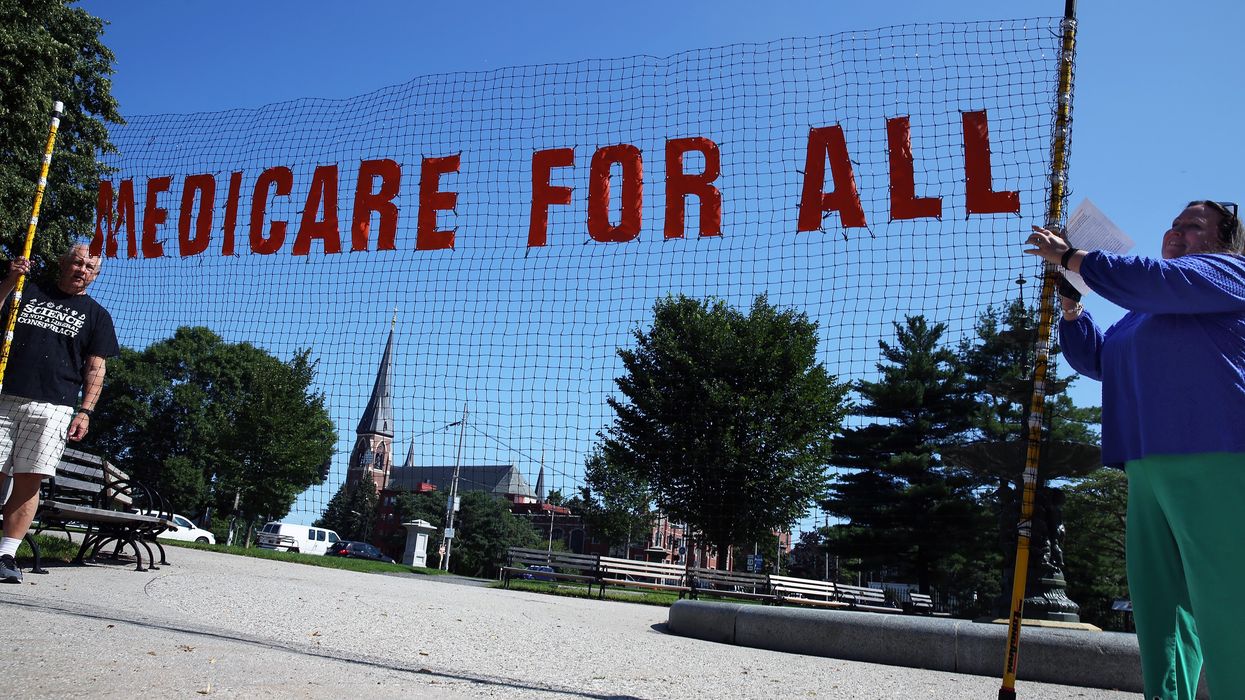
Medicare For All is true universal healthcare, where patients and families have peace of mind whenever and wherever they need medical help.
We need to be clear about what “universal healthcare” ought to mean. Everybody getting expensive-but-worthless plans from insurance corporations is universal financial stress, not universal healthcare. Similarly, adding any kind of “public option” fragment to a ridiculously fragmented system is universal confusion, not universal healthcare.
Insurance corporations have a long track record of deploying lobbyists and misinformation to undermine provisions of the Affordable Care Act. It is foolish to think these greed machines will become good-faith partners in our healthcare, competing fair and square with any kind of public option. Corporate lobbyists will see to it that any public option uses complicated means testing to determine which members of the public are worthy or unworthy of the care. These corporations will also manipulate their own plans to shut out patients who need healthcare the most, leaving them to a public option struggling to pay doctors and hospitals. Insurance greed machines do not want competition, and will undermine a public option any way they can.
Rather than tinker with a corporate-driven healthcare system determined to put profits before patients, let’s build universal healthcare through Medicare For All. Because healthcare is a human right, Medicare For All guarantees every single person living in America is eligible. We can save billions of dollars when we stop scrutinizing who is worthy or unworthy. Medicare For All provides the kind of coverage that stays with people from cradle to grave. It is mobile coverage, staying with patients from state to state, or job to job. Hospitals and clinics will remain open and properly staffed because Medicare For All puts patients first, not profits. Because all 342 million of us are covered, Medicare For All will have powerful leverage to negotiate with Big Pharma about the cost of prescriptions. Medicare For All is true universal healthcare, where patients and families have peace of mind whenever and wherever they need medical help.
We have tolerated an intolerable healthcare system for far too long. In the coming years, as politicians debate “universal healthcare,” we need those two words to be much more than a campaign slogan or an empty promise. Healthcare must be a true human right, easily exercised by every single person in America. We can and we will make that right a reality with Medicare For All.
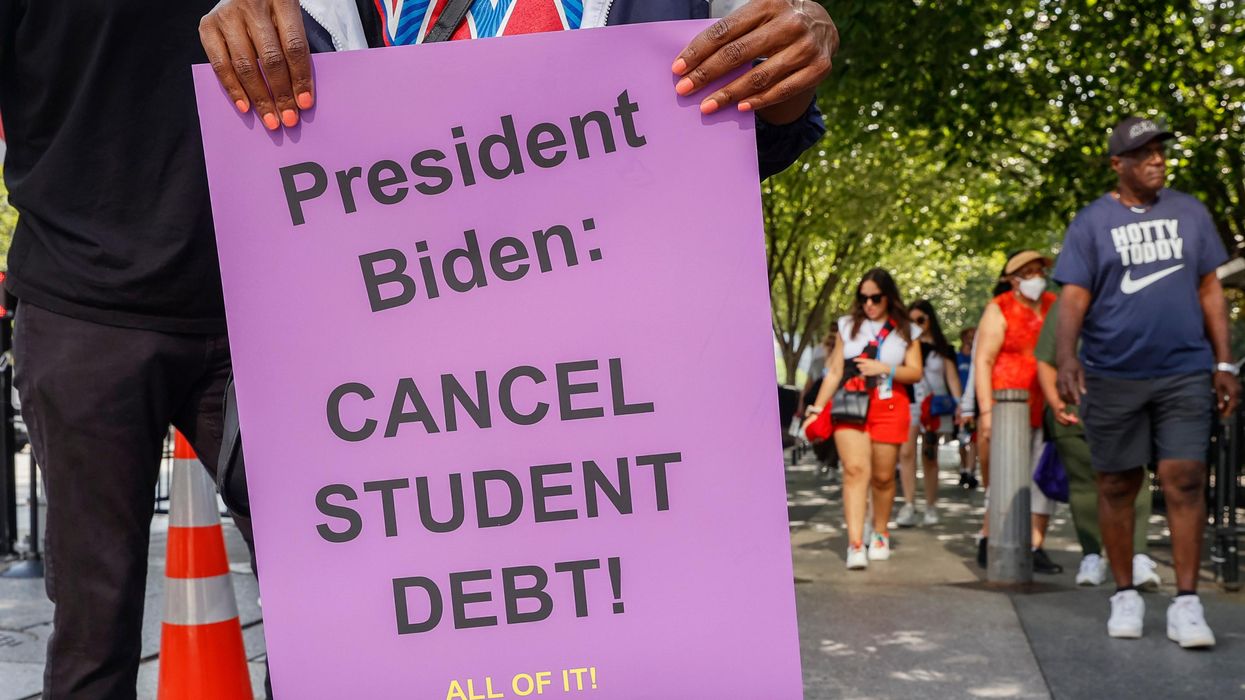
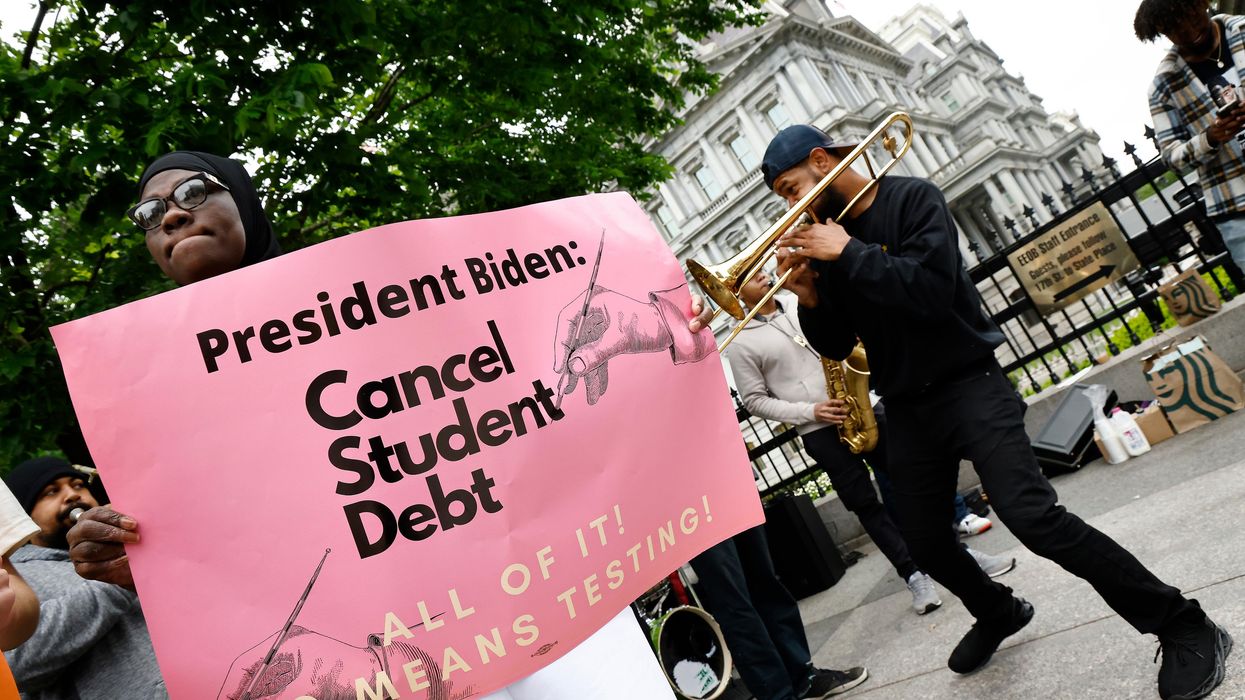
President Joe Biden is reportedly on the verge of announcing his plan to cancel $10,000 in federal student loan debt after months of delays, but not every borrower will be eligible for relief--and progressives are warning that the administration's commitment to mean-testing could leave millions of vulnerable people behind.
As soon as Wednesday, Biden is expected to make public his intention to unilaterally wipe $10,000 off the balances of undergraduate student loan borrowers with annual incomes of less than $125,000. The president is also poised to extend the student loan repayment freeze for "several more months," according to NBC News.
"If the history of means-testing in America is any guide, bureaucratic snarls will prevent vulnerable populations from receiving relief."
Groups representing borrowers cast the emerging details of Biden's plan as a betrayal. Melissa Bryne, executive director of We The 45 Million, said in a statement Tuesday that "the rumor of $125,000 means tests is an outrageous violation of President Biden's March 2020 campaign promise of a minimum of $10,000 cancellation for all borrowers."
"President Biden must refuse all pressure from unserious, generationally wealthy economists who have never lifted one finger to fight for free higher education and instead see themselves as allies of the banks," Bryne said in a thinly veiled reference to former U.S. Treasury Secretary Larry Summers, a multimillionaire who has vocally attacked the idea of student debt forgiveness.
"Every borrower was already means-tested--they didn't have the means to pay for college," Byrne continued. "Borrowers trust President Biden to do the right thing and tell the pro-means testers to take their concerns far away from him."
The predominant concern among opponents of means-testing isn't that people with high incomes will be denied student debt relief; it's that people eligible and desperate for relief will get lost in the bureaucratic maze that income-based restrictions inevitably create.
As The American Prospect's David Dayen put it recently, all borrowers seeking debt relief under a means-tested cancellation program "will have to navigate the often punishing bureaucracy of confirming their earnings level."
"It means a massive headache for millions to cut out a minuscule proportion of borrowers," Dayen wrote. "And if the history of means-testing in America is any guide, bureaucratic snarls will prevent vulnerable populations from receiving relief to which they are entitled."
Byrne voiced a similar concern Tuesday, saying, "The hoops of means-testing means that millions and millions of borrowers won't get help."
A new analysis released Tuesday by the Penn Wharton Budget Model shows that the majority of the benefits of canceling $10,000 in student debt for borrowers who earn less than $125,000 a year would go to the bottom 60% of earners.
Mark Huelsman, policy and advocacy director at the Hope Center for College, Community, and Justice, stressed the analysis makes clear that "the majority of relief would go toward the bottom 60% of earners even if there was no income cap."
"That's a lot of potential administrative burden for a very similar result," Huelsman added.
The plan Biden is expected to announce Wednesday is a far cry from the ambitious student debt cancellation that prominent Democratic lawmakers and advocacy organizations have been demanding from the president for more than a year.
Sen. Elizabeth Warren (D-Mass.) and Senate Majority Leader Chuck Schumer (D-N.Y.), among many other lawmakers, have called for at least $50,000 in student debt forgiveness per borrower, a proposal that would completely clear the student debt balances of 80% of federal borrowers.
By contrast, canceling $10,000 in student loan debt per person would amount to full forgiveness for just around a third of borrowers.
"President Biden should cancel student debt to: help narrow the racial wealth gap among borrowers, provide relief to the 40% of borrowers who never got to finish their degree, and give working families the chance to buy their first home or save for retirement," Warren tweeted Tuesday. "It's the right thing."
For months, Biden and White House officials have been deliberating over the right course of action to address a crisis affecting tens of millions of people across the U.S. The average federal student loan balance is nearly $38,000, according to the Education Data Initiative, and Americans collectively hold close to $2 trillion in student debt.
The Washington Post reported Tuesday that administration officials have weighed whether canceling student debt "could alienate voters who had already paid theirs off, and polling results have been mixed."
"Centrist Democrats have begun pushing back strongly," the Post added. "Summers and Jason Furman--two prominent Democratic economists who served in prior administrations--have stepped up their case against broad loan forgiveness, arguing it would exacerbate inflation by increasing overall spending."
"These claims have been strongly contested. The Roosevelt Institute, a left-leaning think tank, argued that canceling student debt would 'increase wealth, not inflation,'" the Post noted. "The Roosevelt Institute paper found that inflation resulting from debt cancellation would be negligible and that ending the payment moratorium would more than outweigh that effect. Requiring borrowers to resume payments would reduce inflation by slowing consumer spending."
On top of the potential economic benefits of broad-based student debt cancellation and the relief it would provide to countless hurting households, proponents and observers have also pointed to the political upside for Biden and the Democratic Party heading into the pivotal November midterms.
"At this point people want something, and they need something big like a big policy that they can look at and say, 'OK, he is trying to do something for us,' and debt relief would definitely be that," Robert Reece, a sociology professor at the University of Texas at Austin, told Inside Higher Ed.
Inaction, meanwhile, could be politically disastrous for Democrats. A survey released last year found that 40% of registered Black voters "are willing to stay home unless student loan debt is canceled."
Student debt relief is also massively popular with young voters, another key component of the Democratic base.
But Derrick Johnson, president of the NAACP, warned the president Tuesday that "$10,000 alone is meager, to say the least."
"It won't address the magnitude of the problem," he told the Post.
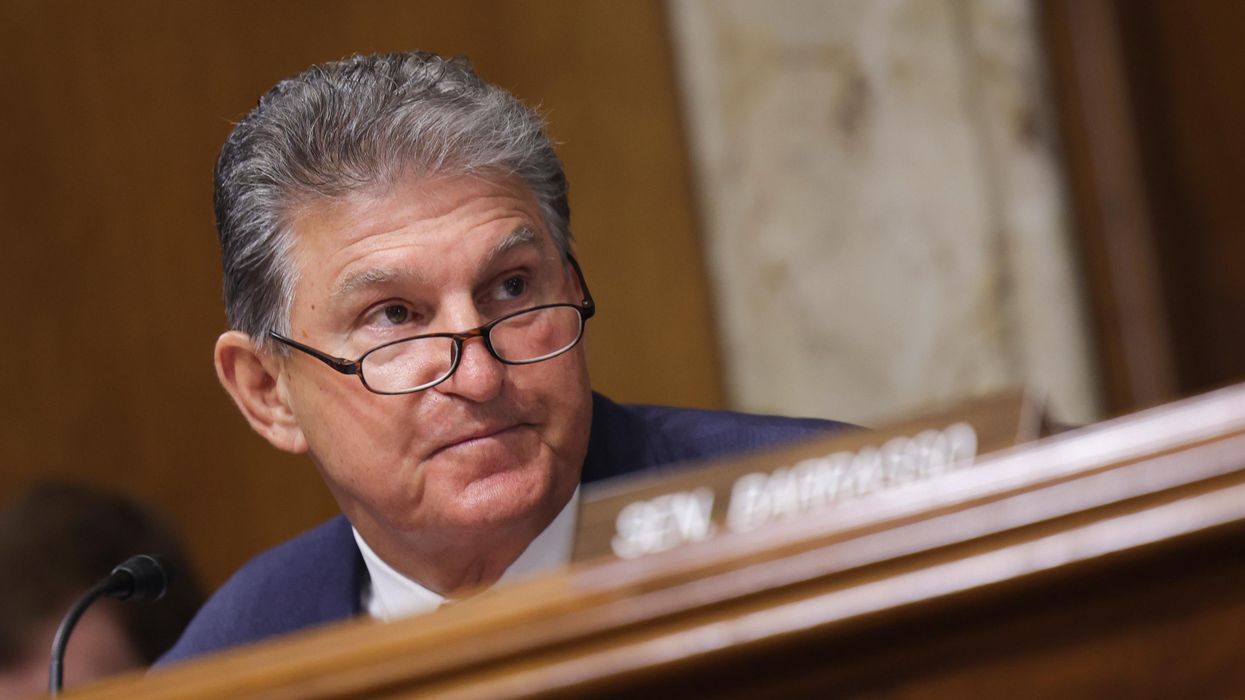
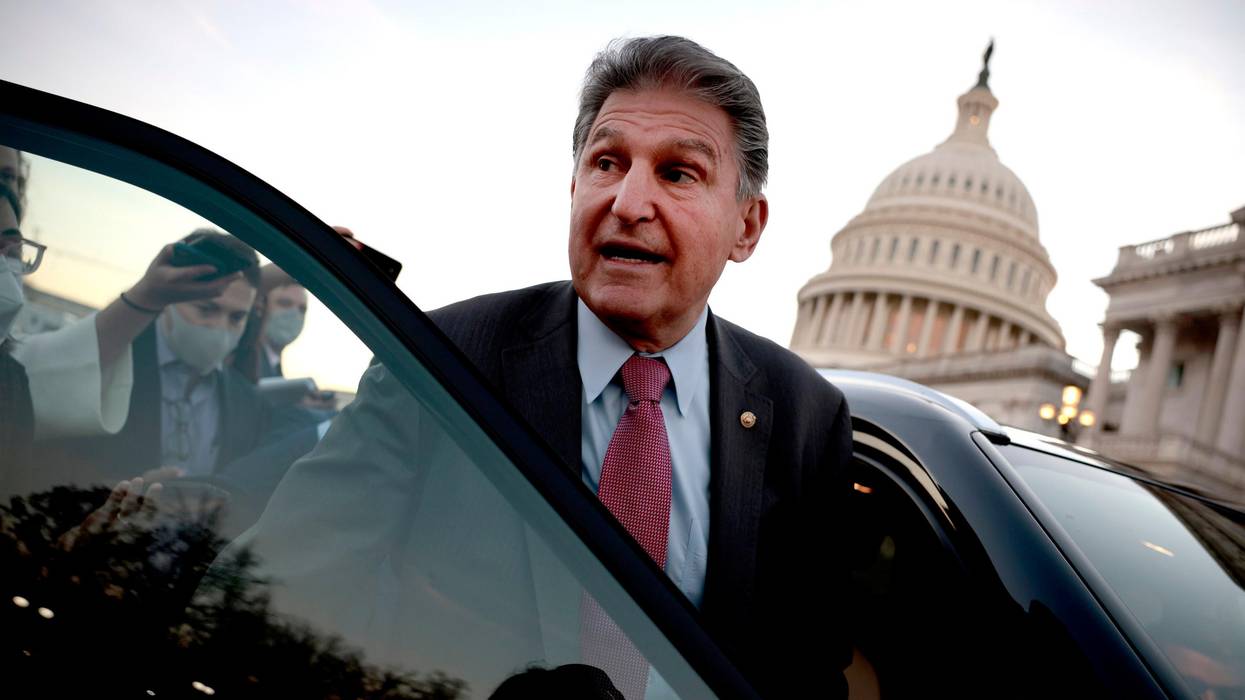
Having tanked his party's effort to expand Medicare and close the Medicaid coverage gap, Sen. Joe Manchin is now dangling his support for an extension of Affordable Care Act subsidies as massive premium hikes loom for millions of people who buy insurance on the exchanges.
Insider reported Wednesday that Manchin has "signaled he's open to extending enhanced subsidies under the Affordable Care Act, a move that would help Democrats avert a huge political threat in the November midterms."
The American Rescue Plan--a Covid-19 relief package that President Joe Biden signed into law last year--included provisions that boosted ACA subsidies for low-income people and ended the income cap on subsidies. The changes were aimed at ensuring no one is forced to pay more than 8.5% of their total income to purchase health coverage in the ACA marketplace, which can be prohibitively expensive without federal subsidies.
But the provisions are set to expire at the end of the year in the absence of congressional action, sticking the roughly 14 million people who buy insurance on the ACA exchanges with dramatically higher premiums. Notifications of premium increases would begin going out in October, just ahead of the crucial midterm elections.
Even though eligibility for ACA subsidies--which progressives often characterize as gifts to the insurance industry--is already restricted on the basis of income, Manchin told Insider that he wants even more means testing, which he called "the main thing."
"We should be helping the people who really need it the most and are really having the hardest time," said Manchin, who supported the ACA subsidy boost in the American Rescue Plan. "With healthcare, people need help. They really do."
That's certainly true of people in his home state of West Virginia. After visiting a free medical clinic located just miles from Manchin's riverfront home in Charleston, The Lever's Andrew Perez reported earlier this week that one resident, Charles Combs, "has resorted to extracting his own teeth because dental care is too expensive."
Traditional Medicare currently doesn't cover dental services. Late last year, Manchin blocked an effort--spearheaded by Sen. Bernie Sanders (I-Vt.)--to expand the program to cover dental, vision, and hearing.
"The Charleston clinic made clear just how badly people need such care--and not just seniors, and not just West Virginians. Combs, for instance, is still in his 50s, while the clinic saw patients of all ages driving hours from Ohio, Kentucky, and Virginia," Perez noted. "The [Remote Area Medical] clinic hinted at the kind of universal healthcare system America could have, if not for senators like Manchin and their healthcare industry donors."
"The organization doesn't ask patients about what its team calls the 'three I's': identification, income, or insurance," Perez continued. "Patients are treated with kindness, compassion, and professionalism--and fairly quickly. All services are free."
In an interview with Punchbowl News this week, Manchin voiced concerns about the price tag of extending the ACA subsidies--scrutiny he has not applied to the trillions of dollars in Pentagon spending he's voted for over the past decade.
"The bottom line is there's only so many dollars to go around," Manchin said.
According to a recent analysis by Families USA, the roughly 23,000 West Virginians who buy health insurance coverage on the ACA exchanges will see their annual premiums rise by an average of $1,536--63%--if Congress lets the subsidy provisions expire.
"With little debate or media focus, Democrats are on the verge of dooming millions of Americans to huge new healthcare bills, which will in turn serve to ruin any hope Democrats have of winning the midterms," journalist Jon Walker warned in The American Prospect earlier this year. "Beyond broadly hurting 14 million people, the end of these subsidies will create thousands of uniquely horrific stories of financial devastation."
The Washington Post reported on Friday morning that the Biden administration is finally considering a concrete policy of student debt cancellation, but not the one for which activists have been fighting for years. The Post reports that the White House is considering canceling just $10,000 per person in student debt, under a means-tested regime which would limit forgiveness to Americans who earned less than $150,000 in the previous year, or less than $300,000 for married couples filing jointly.
Imagine if millions of people suffering under unpayable debt burdens woke up one day, checked the news, and found out that the thing that had been weighing on them since they were 18 years old had suddenly vanished, all thanks to the President.
The Post outlines several obstacles to implementing means-testing, including that "the Education and Treasury departments cannot readily share borrowers' tax information, and legislation easing the restriction won't take effect for two years." Additionally, means-testing student debt relief could exclude low-income borrowers who don't file taxes; could require complex identity verification processes; and could take months to implement no matter what, again according to the Post. While an estimated 97% of debt holders' income falls under the proposed thresholds, these serious bureaucratic challenges will likely exclude millions of the most vulnerable from attaining debt relief in practice.
If this plan is implemented, then by trying to please everyone, Biden will likely please no one. What should be a slam-dunk opportunity to energize voters young and old, and especially voters of color, may instead become a bureaucratic mess that offers too little relief for too much complexity--which is exactly what student debt profiteers want from a loan forgiveness policy, if we are to have one at all.
The political cross-pressures Biden faces on this issue are real, but they can be solved with strong, clear messaging and additional policy actions that are firmly within the executive's power. Any student debt forgiveness policy will inevitably be distorted in attack ads from bad-faith corporate centrists and the right-wing propaganda machine into a false claim that this policy only helps educated elites. This is despite the fact that a college education has had little correlation with social mobility since at least the Great Recession. Indeed, much of the union organizing wave we're seeing at low-wage jobs right now, which Biden rightly celebrates, is being driven by college-educated baristas and warehouse workers. But no matter what, the opponents of this policy--themselves educated, wealthy elites--will try to depict Biden as only aiding the privileged and leaving the non-college educated behind.
The solution to that problem is to help student debtors and people who didn't attend college by improving people's lives all around with a broad slate of policies, not by making this policy inadequate. Biden has other executive authorities he can use to offer aid to constituencies including voters who never attended college. Biden can decriminalize cannabis, correct the federal poverty lines to bring millions into social safety net programs, march in on prescription drugs, and close longstanding loopholes in the tax code for corporations and ultrarich individuals.
Using his executive authorities on any or all of these issues would show that the President cares about the suffering of ordinary people being plundered by the elite.
Using his executive authorities on any or all of these issues would show that the President cares about the suffering of ordinary people being plundered by the elite. That's what the political impact of student debt cancellation would be, too: imagine if millions of people suffering under unpayable debt burdens woke up one day, checked the news, and found out that the thing that had been weighing on them since they were 18 years old had suddenly vanished, all thanks to the President.
That moment of hope will not materialize if it's clouded by frustrating paperwork and time-consuming red tape, and artificially limited to only remove a small percentage of the burden. This will come down hardest on the most vulnerable: for 83% of Black borrowers, canceling only $10,000 of debt would still leave them with a balance higher than their original amount.
Biden, by nature, believes in compromise. It's how he's survived as a politician for decades, and what he wants to revive in our political currents. Moreover, he is considering an executive policy rather than the legislative policy he prefers, which is likely already hard for a Senate institutionalist like Biden. But this proposed "compromise" is not something which everyone can live with--it is something which no one can tolerate. If Biden's plan for energizing the indispensable youth vote is to make it too difficult to get insufficient aid, he will do himself--not to mention his constituents, his party, and his country--no favors.
Congresswoman Ilhan Omar on Monday echoed recent criticism of the Biden administration's secretive attempts to limit student debt cancellation based on income and instead called for full loan forgiveness for federal borrowers.
"Cancel it, don't means test it!" tweeted the Minnesota Democrat, pointing to Politico reporting from Friday.
Fellow "Squad" member and a leading student debt cancellation advocate Rep. Ayanna Pressley (D-Mass.) had responded similarly to the reporting on social media Saturday.
"Income is not wealth. If you have student debt, you need relief in the form of cancellation--period," said Pressley, adding that President Joe Biden "must #CancelStudentDebt and be as broad and inclusive as possible."
Politico reported that implementing a debt relief program that involves means testing would be a "nightmare" because the U.S. Department of Education (DOE) lacks income information for most of the 45 million federal borrowers:
The Internal Revenue Service has relied on Americans' prior-year tax information to dole out benefits tied to income, such as stimulus checks and Democrats' expanded Child Tax Credit payments. The Education Department, by contrast, does not have access to that trove of income data. Federal law tightly restricts how the IRS can share taxpayer information with other agencies.
The result, Education Department officials have concluded, is that the agency is unable to cancel federal student loans based on a borrower's income level without requiring some action from the borrower. Department officials have told the White House they would need to set up some sort of application process to determine whether borrowers qualify for relief, according to the people familiar with the discussions.
That added layer of bureaucracy would likely take longer for the Education Department to implement compared with across-the-board forgiveness, and it would mean that borrowers would miss out on the benefit if they don't know to sign up or apply for it.
"Another potential pitfall: A crush of borrowers all at once seeking to find out whether they're eligible for some loan forgiveness could also overwhelm the call centers of the Education Department's contracted loan servicers, who have reduced staffing over the last two years since most federal loan repayments have been frozen," Politico added.
David Dayen warned in The American Prospect earlier this month that "we have a severe problem with how we finance higher education. If the program that tries to finally spur the political class to action on fixing it ends up a failure, the problem will just metastasize. Those are the stakes for getting student debt relief wrong. And means testing is a perfect way to do that."
In response to recent reporting that Biden was weighing means testing, the Debt Collective argued in a petition that "student loan debt is already means-tested by design: The rich have no student debt. And the government's ongoing issues with their failing relief programs show those don't work, either. We need to cancel all student loan debt."
Progressives in Congress have made similar points the past few days.
"The average federal student loan debt balance is $37,014," said Rep. Pramila Jayapal (D-Wash.), chair of the Congressional Progressive Caucus. "Canceling student loan debt will provide a lifeline to millions of Americans, lifting this crushing weight. It's time to cancel federal student loan debt."
Rep. Ro Khanna (D-Calif.) highlighted that about 40% of people with student debt don't have their college diploma and declared that "canceling student debt is about helping the working and middle class."
Both Khanna and Barbara Lee (D-Calif.) pointed out that the vast majority of people with student loan debt didn't go to Ivy League Schools. Lee asserted that "canceling student loan debt is not a windfall for the rich. It's a lifeline for working Americans."
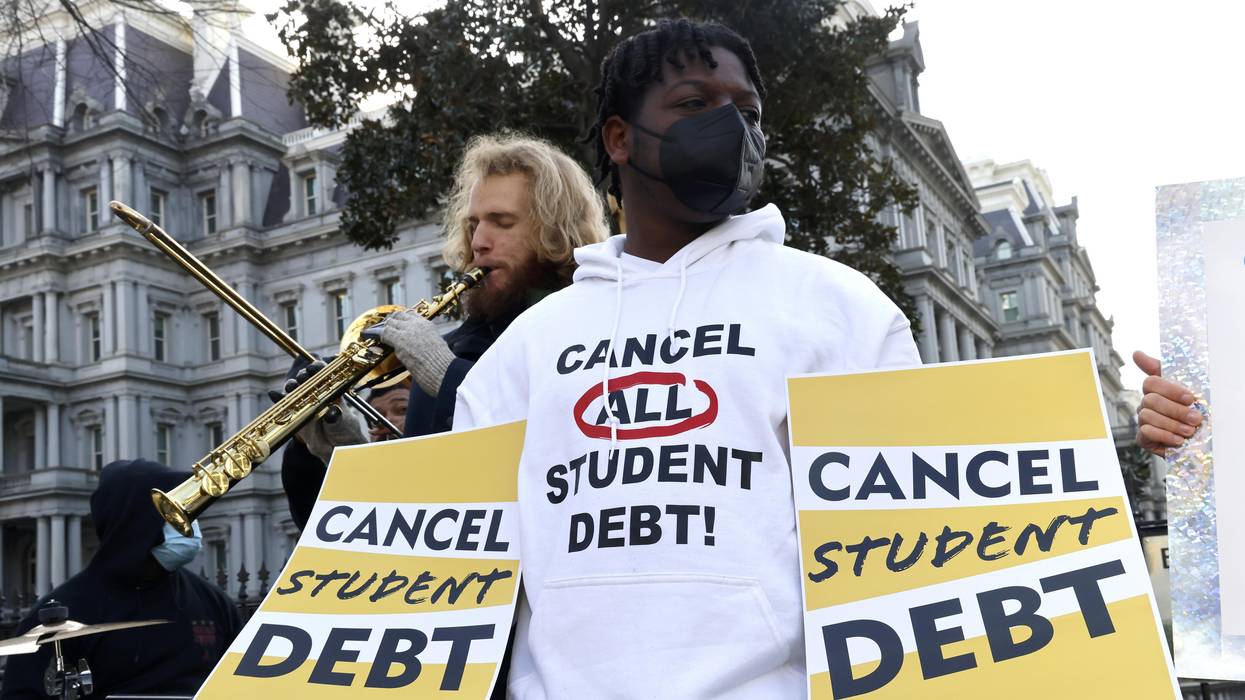
Progressive lawmakers, advocates, and deeply indebted Americans ramped up their calls Friday for President Joe Biden to cancel all outstanding federal student loan debt amid reports that his administration is considering income limits and other restrictions on eligibility for any potential relief.
"If we can bail out banks that destroyed the economy because of their illegal activity, we can cancel all student debt."
The Wall Street Journal reported Thursday that Biden's advisers are weighing a number of means tests including "an income threshold" and a provision "limiting forgiveness to undergraduate loans" with the stated goal of ensuring that the "bulk of the benefits go to lower-to-middle-income borrowers."
Speaking to reporters on Thursday, Biden himself said he is "not considering $50,000 debt reduction"--a signal that he remains unwilling to go beyond his initial promise of $10,000 in forgiveness per borrower.
But campaigners, led by the Debt Collective, argued that limiting relief to $10,000 and adding means testing to the equation would unnecessarily deny benefits to millions of people across the United States who are being crushed by student debt. Borrowers in the U.S. currently hold over $1.8 trillion combined in student debt, which has increased by 91% over the past decade.
"For millions of borrowers, many of whom owe six figures, 10k or 50k of relief barely provides a dent in the amount of debt they hold," the Debt Collective, the nation's first debtors' union, writes in a new petition. "For many, it won't touch a cent of their monthly payments. If Biden were to cancel 10K for all 45 million borrowers--we'd still have a massive student debt crisis on our hands."
"Student loan debt is already means-tested by design: the rich have no student debt," the petition continues. "And the government's ongoing issues with their failing relief programs show those don't work, either. We need to cancel all student loan debt."
The Biden administration has extended a moratorium on student debt repayments and interest four times, with the latest set to expire on August 31--just ahead of the critical November midterms. The moratorium has been in place since the beginning of the coronavirus pandemic.
While progressives have welcomed the extensions--particularly given that half of all U.S. student loan borrowers say they would not currently be able to afford a single monthly payment--they've argued that merely delaying the moratorium's eventual end without canceling any debt does nothing to provide lasting relief.
"Think big or go home. Cancel all of it."
Earlier this week, Biden told the Congressional Hispanic Caucus in a private meeting that he is considering unilaterally forgiving at least some student loan debt--comments that advocates cautiously praised while vowing to keep up the pressure.
But the White House quickly made clear that Biden is still not yet on board with total student debt cancellation or even $50,000 in forgiveness via executive action, a step top Democrats including Sen. Elizabeth Warren (D-Mass.) and Senate Majority Leader Chuck Schumer (D-N.Y.) have urged him to take.
During a briefing on Thursday, Press Secretary Jen Psaki confirmed that Biden is examining "how to provide additional relief to many Americans who... still have student loans."
Asked whether any such relief would be means-tested, Psaki replied, "That's certainly something he would be looking at."
But the specific means tests that Biden is reportedly considering would exclude many "nurses, teachers, public defenders, social workers, and anyone who went to grad school," Jane Fox, a public defender with the Legal Aid Society, noted, referring specifically to the Journal's report on the proposed undergrad-only restriction.
"Oh and then also throw everyone who went to a college that cost more than $10,000 under the bus," Fox added.
Warren Gunnels, staff director for Sen. Bernie Sanders (I-Vt.), argued on Twitter late Thursday that it doesn't make political sense for Biden to cancel a small portion of student loan debt, as "Republicans will attack forgiving $10,000 in student debt as voraciously as if Biden canceled all student debt while demoralizing tens of millions who will still be drowning in it."
On Wednesday, a group of Republican senators introduced legislation that would bar the president from canceling student loan debt through executive action--inadvertently admitting that Biden has the authority to do so.
"Think big or go home," Gunnels wrote. "Cancel all of it."
Rep. Pramila Jayapal (D-Wash.), chair of the Congressional Progressive Caucus, echoed Gunnels on Friday, writing, "One person holds the power to cancel student debt for 45 million Americans."
"Get it done, President Biden," the Washington Democrat added.
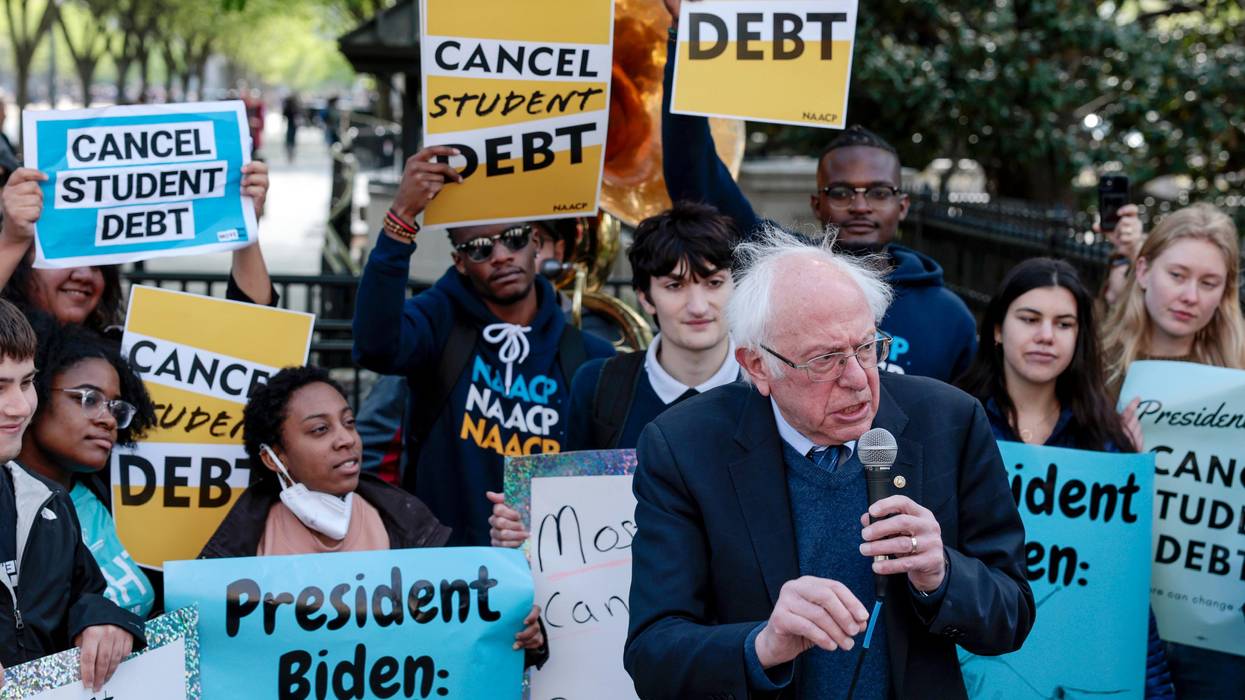
Jayapal was among a number of progressive lawmakers who attended a rally near the White House earlier this week in support of total student debt cancellation.
In his remarks at the demonstration, Sanders--the chair of the Senate Budget Committee--characterized the student debt issue as "a fight over national priorities."
"If we can bail out banks that destroyed the economy because of their illegal activity," Sanders said, "we can cancel all student debt."
Lawmakers are scrambling to revive the Child Tax Credit after Senator Joe Manchin effectively killed it along with the Build Back Better Act.
Through immoral and unsound economic sophistries, Manchin has now recruited more of his Congressional colleagues to support a dangerous "compromise": including "means testing" and work requirements to limit the credit. After months of broken promises, we don't have faith that Manchin will support this bill even with his compromises. But we do know that this one will come on the backs of the poor.
Many [arguments in favor of means testing] are rooted in the mistaken belief that people are poor due to their own failings--and then attach racist, gendered, and elitist stereotypes about the poor to justify such restrictions.
"Means tests" restrict the availability of public assistance based on income. They're often burdensome requirements that make people "prove" they're poor enough to deserve help. These restrictive tests currently limit access to Medicaid, food stamps, public housing, and more.
They're often established using the poverty line. But since the official poverty line is far too low, many of these means tests not only underestimate who needs these programs, but also how much they need. They shift the burden to potential beneficiaries and away from our elected officials, who are constitutionally mandated to provide for the general welfare.
Several examples show the damage of this approach.
Before the pandemic, over 90 percent of the 42 million people who were receiving food stamps weren't receiving enough to have a healthy diet. An August 2021 expansion of the program seemed to recognize this, raising average benefits by about $1.19 per person, per day. However, even after this expansion, the benefits still did not cover the average costs of a meal in one out of five U.S. counties.
Likewise, before Medicaid expansion under the Affordable Care Act, millions of people who required low-cost or free health care were excluded from accessing the program. After the ACA raised the eligibility threshold, Medicaid enrollment increased by one-third in states that expanded the program.
During the pandemic, another 10 million people enrolled in Medicaid. It now covers over 80 million people, which is as much a reflection of the great need for health care as it is of the restrictions imposed by means testing.
Tired Old Stereotypes
Arguments in favor of means testing often go hand-in-hand with arguments in favor of work requirements or other restrictions to welfare programs.
Many are rooted in the mistaken belief that people are poor due to their own failings--and then attach racist, gendered, and elitist stereotypes about the poor to justify such restrictions. President Bill Clinton relied on these arguments to pass welfare reform in 1996, which introduced a five-year lifetime limit on benefits, imposed strict work requirements, and made it harder for poor mothers to earn a college degree.
In the first five years after welfare reform, welfare rolls dropped from 12.2 million in 1996 to 5.3 million in 2001. This was widely celebrated as a success. But in 2014, a record 47 million Americans--nearly 1 in 6--lived below the poverty line. Another 95-100 million lived right above it, often dropping below that threshold over the course of a year. While the number of people receiving welfare had decreased, poverty and economic insecurity were a widespread and common condition.
Today, we are now seeing a revival of these arguments.
The resurgence of tired old stereotypes and punitive policy prescriptions comes in response to the widespread success of the expanded Child Tax Credit. Under the American Rescue Plan Act, Child Tax Credit benefits were increased, payments went out monthly instead of as a yearly tax credit, and the program was expanded to include families who had not been to access it before because they were too poor to pay taxes. It still included a "means test" -- but only at a generous upper bound. The lower bound was removed.
As a result, in 2021, over 27 million households who were not eligible for this benefit before began receiving monthly payments, most of which were used to meet basic needs: food, clothing, water, heat, housing and electricity. These payments reduced racial inequities, with poor Black and Latino households experiencing real reductions in their levels of poverty. In total, some 61 million children and 36 million households received the payments.
The resurgence of tired old stereotypes and punitive policy prescriptions comes in response to the widespread success of the expanded Child Tax Credit.
Although the Child Tax Credit lifted nearly 4 million children above the poverty line--and made it a little bit easier for tens of millions of people to live through a continuing pandemic and economic downturn--Manchin says he will only support it if he can fundamentally change what worked about it in 2021.
Organizing for the Truth
Manchin and his colleagues want to keep us in the fiction that was systemized through welfare reform: that poverty is only a marginal issue, facing a few million people, who need a little bit of help to get back on their feet again.
They want to keep telling us the lie that welfare programs are bad for us, but good for the rich (remember, a tax cut or a subsidy is also welfare). They want to tell us that we don't need help because we can work, even though they won't make sure we have safe jobs, living wages, or paid leave. And they want to make sure we don't know that continuing the Child Tax Credit expansion, at $20 billion, would cost less than the $25 billion Congress awarded the Pentagon above what military leaders even asked for--raising the total figure to some $778 billion.
In 1967, Dr. Martin Luther King, Jr. wrote: "When we go into action and confront our adversaries, we must be as armed with knowledge as they. Our policies should have the strength of deep analysis beneath them to be able to challenge the clever sophistries of our opponents."
The Poor People's Campaign--the 140 million poor and low-income people in this country and our moral allies--see through these clever sophistries.
We are going into action as we organize a Mass Poor People's and Low Wage Workers' Assembly and March on Washington on June 18, 2022. And we are armed with knowledge. We will not compromise on our needs, because we know what is possible.
Anything less than everything we need isn't enough.
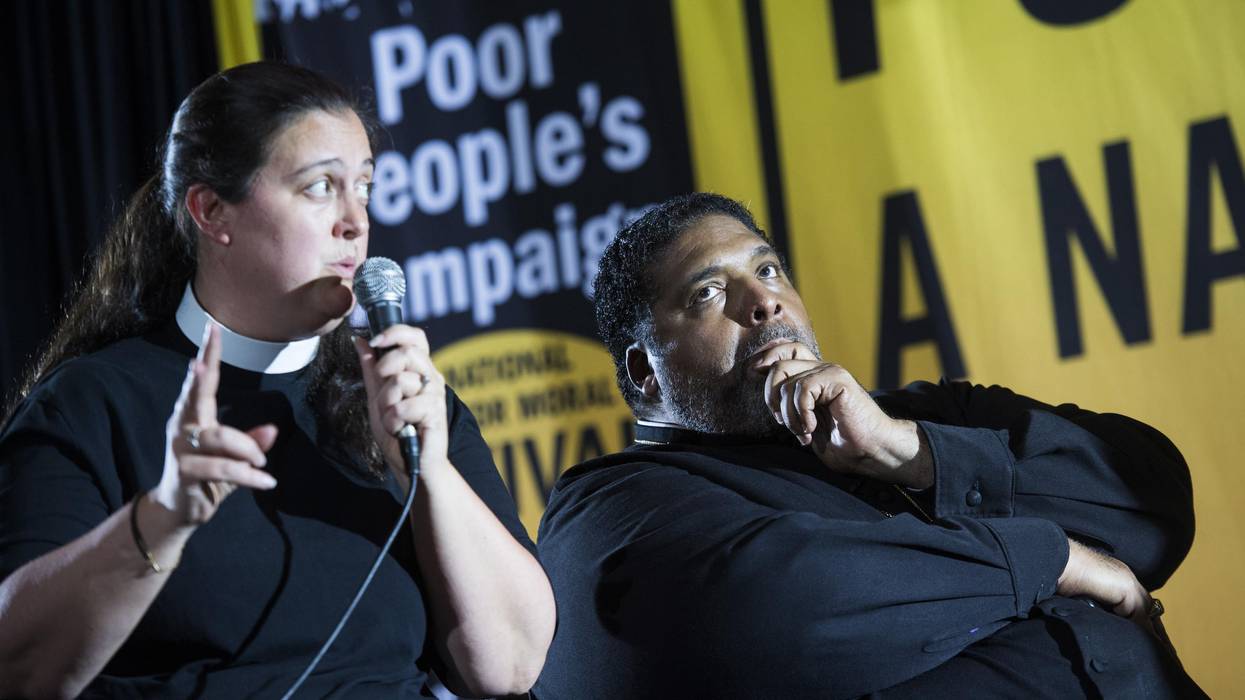
"There are no work requirements on tax cuts for the wealthy or corporations. There is no means testing on the Pentagon," said co-chairs Bishop William J. Barber II and Rev. Dr. Liz Theoharis.
Leaders of the Poor People's Campaign on Tuesday blasted Sen. Joe Manchin's proposal to means-test a child tax credit that expired because the Senate hasn't passed the House-approved Build Back Better Act--largely due to opposition from the West Virginia Democrat.
"Sen. Manchin and others want to do away with it now--not because it didn't work, but because it did."
The campaign's co-chairs, Bishop William J. Barber II and Rev. Dr. Liz Theoharis, warned that further restricting access to the child tax credit (CTC)--which gave parents monthly payments of up to $300 per child until it ended in December--would be a "dangerous 'compromise.'"
"Means-testing puts a cap on who can access government assistance and welfare programs," Barber and Theoharis said. "It's usually measured against the poverty line (too low!) so means-tests usually underestimate who needs these programs and how much they need."
"It seems like every time a means-test is lifted or made more generous, more people benefit--not because they don't need those programs, but because they do," the pair added, noting that "Medicaid is means-tested, but when it was expanded during the pandemic, 10 million more people enrolled in Medicaid!"
The co-chairs called out not only Manchin, but also the third-ranking Democrat in the House, South Carolina Congressman James Clyburn, who said last week that he was "not opposed" to means-testing the CTC, sparking swift backlash.
Barber and Theoharis also highlighted how many families were helped by the program last year, according to Megan A. Curran of the Center on Poverty and Social Policy at Columbia University.
"We will not accept means-testing that makes the CTC or any program we need less than what it needs to be for us."
"As of December 2021, the expanded child tax credit has delivered six monthly payments, reaching over 61 million children in more than 36 million households nationwide," Curran wrote in a report near the end of last year.
"The American Rescue Plan changes to the child tax credit are a meaningful policy shift. Before this year, one-third of all children--numbering anywhere from 23 to 27 million--were left out of the full child tax credit; these children are now included," she noted. "More than 90% of all children are now eligible for the credit, which was delivered as a monthly payment, rather than an annual tax credit, for the second half of 2021."
In addition to helping millions of more families than the previous program, "perhaps most importantly, the expanded CTC lifted the stigma of receiving welfare," Barber and Theoharis said. "Sen. Manchin and others want to do away with it now--not because it didn't work, but because it did."
"Remember, there are no work requirements on tax cuts for the wealthy or corporations. There is no means-testing on the Pentagon," they added. "We will not accept means-testing that makes the CTC or any program we need less than what it needs to be for us."
West Virginia pastors, miners, and low-wage workers have invited the co-chairs to join a Thursday afternoon press conference to call out Manchin and demand action from Senate Majority Leader Chuck Schumer (D-N.Y.).
According to organizers:
Along with low-wage workers from Schumer's home state of New York, the West Virginia speakers will release a letter to Sen. Schumer to demand that he call the question on the For the People Act, restoration of the Voting Rights Act, and a Build Back Better plan that includes a permanent child tax credit, family leave, and a living wage. The country and the 140 million poor and low-income people demand an uncompromising vote on all three.
The organizers' statement added that "full-page ads will run Sunday in several West Virginia newspapers detailing how Sen. Manchin's obstruction hurts his own constituents and poor and low-income people across the country."
One West Virginia mother who recently spoke with CNN about how the expired CTC has hurt her family urged Manchin to check in with his constituents.
"Go speak to the working class and see how they feel," Joi Lansdowne said. "I will tell you, it helped a lot. And now I'm in a predicament where I can't work because there is no child tax credit to help me with day care."
Lansdowne has a four-month-old as well as a two-year-old who's just started toilet-training to cut back on diapers, which cost the family hundreds of dollars each month.
"That is a huge expense," said Lansdowne. "When you don't have the funds to cover those things, you've got to get creative."
Manchin--who is also under fire for taking over $1 million from corporate-tied political action committees (PACs) last year as he blocked the Build Back Better agenda--made clear to reporters on Tuesday that the status of the sweeping package has not changed.
"What Build Back Better bill? There is no... I mean, I don't know what y'all are talking about," Manchin reportedly said when asked about the bill, which requires support from every single Senate Democrat to reach President Joe Biden's desk.
Asked if he is negotiating the pacakge, Manchin added: "No, no, no, no. It's dead."
Politico Playbook reports that the senator was later asked to clarify those remarks and said that "if we're talking about the whole big package, that's gone," but as for the possibility of a smaller version, "we'll see what people come up with. I don't know."
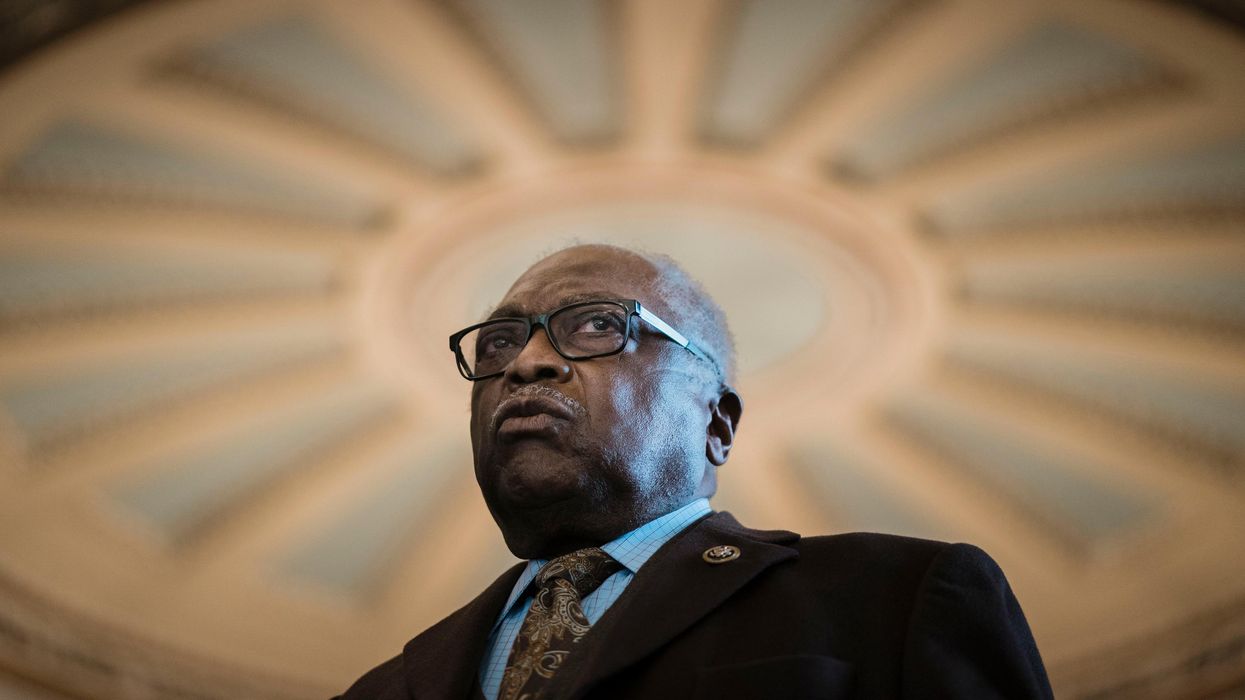
Rep. James Clyburn, the third-ranking Democrat in the House, said Thursday that he would be willing to support Sen. Joe Manchin's proposal to further restrict eligibility for the expanded child tax credit, a program that expired last month thanks in large part to the West Virginia senator's opposition.
In an interview with the Washington Post, Clyburn (D-S.C.) said that during negotiations over Democrats' stalled Build Back Better package, "Manchin made it very clear that he had a problem... not with the child tax credit per se, but he wanted to see it means tested."
"Means testing equals more bureaucracy, red tape, and waste."
"I'm not opposed to that," Clyburn said. "Who would oppose that? So, I would like to see him come forward with a bill for the child tax credit that's means tested. I think it would pass."
In fact, many--including dozens of Clyburn's fellow House Democrats--have voiced opposition to Manchin's demand for a lower income cut-off for the program, which lawmakers and the Biden White House are aiming to revive in some form.
In October, 27 members of the Congressional Progressive Caucus sent a letter to House Speaker Nancy Pelosi (D-Calif.) making the case for universal programs and warning against "complicated methods of means testing that the wealthy and powerful will use to divide us with false narratives about 'makers' and 'takers.'"
Manchin himself has made use of such pernicious narratives, telling colleagues behind closed doors that he believes some parents used the boosted child tax credit payments to buy drugs. Survey data shows parents largely used the monthly checks--up to $300 per child under the age of six and $250 per child between the ages of six and 17--for food and other necessities.
During an appearance on a West Virginia radio show on Thursday, Manchin reiterated his view that any child tax credit expansion Democrats pursue in the future must be "targeted" toward those who "make $75,000 or less" per year. According to Axios, Manchin had previously told the White House that "the child tax credit must include a firm work requirement and family income cap in the $60,000 range."
The expired, poverty-reducing program was already means tested, limiting eligibility to married couples who earned $150,000 or less annually and single parents who earned $75,000 or less.
After the boosted version lapsed at the end of 2021, the child tax credit reverted to its earlier form, which provides annual lump-sum payments but excludes the poorest families.
As Vox's Li Zhou wrote in October, Manchin's mean testing push "overlooks a few problems," including that "means-tested benefits can actually be more expensive to provide, harder to sell politically, and less effective than universal social programs, and they can place both a social stigma and discouraging bureaucratic requirements on Americans in need."
Rep. Alexandria Ocasio-Cortez (D-N.Y.) similarly argued at the time that "means testing equals more bureaucracy, red tape, and waste."
"That's why programs where means testing gets implemented are less popular, not more popular," she added. "It's also why many people who are eligible for means-tested programs still don't get healthcare or help at all--it's too hard."
As Matt Bruenig, founder of the People's Policy Project and a trenchant critic of means testing, put it recently, "There is literally not a single thing that the means-tested approach is better at than the universal approach."
"When understood properly, the means-tested approach costs the exact same amount of money and has a massive list of negatives that the universal approach does not," Bruenig wrote last month. "It is a completely indefensible approach to benefit design."
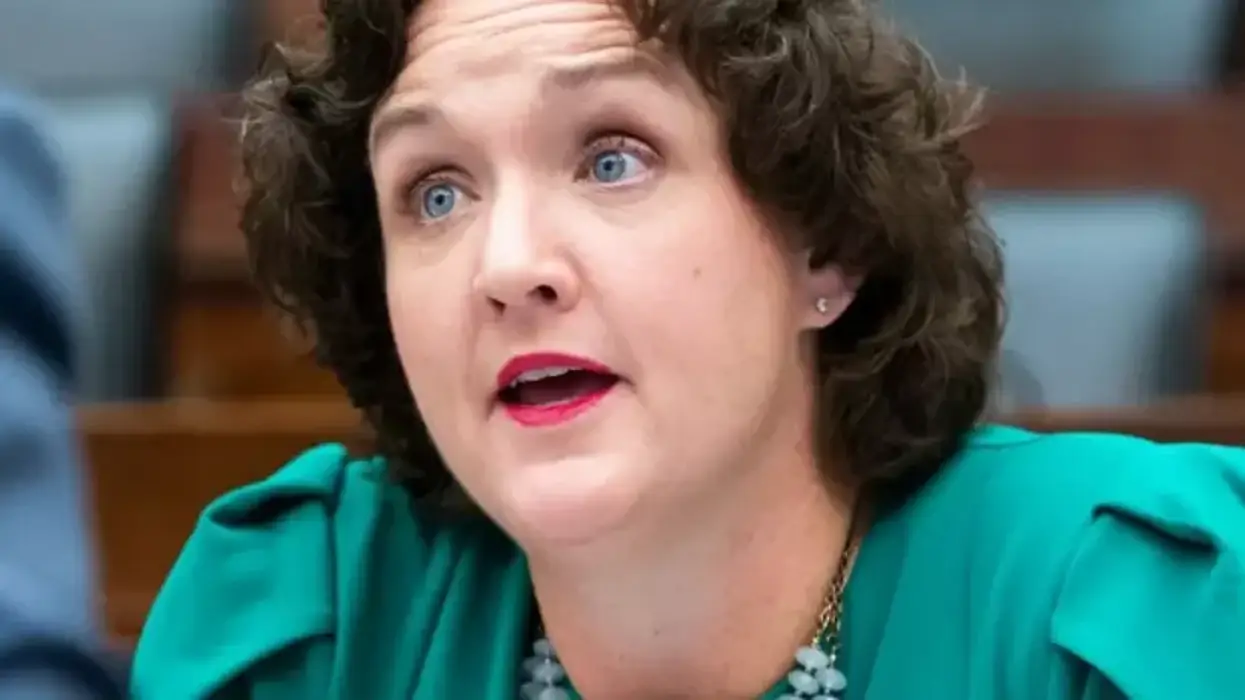
Democratic Reps. Mondaire Jones and Katie Porter are again pushing back against any effort to implement means testing to water down potentially historic social investments proposed in their party's Build Back Better plan.
Making the proposed investments in the social safety net--including child care and Medicare expansion--universal is both "good policy and good politics," they wrote in a Washington Post op-ed published Thursday.
Jones (D-N.Y.) and Porter (D-Calif.) made their case a day after they joined other leaders of the Congressional Progressive Caucus in a letter to House Speaker Nancy Pelosi (D-Calif.) in which they similarly pushed for universal programs in the reconciliation package over "complicated methods of means-testing that the wealthy and powerful will use to divide us."
The op-ed also followed reporting indicating that President Joe Biden and some Democrats, including Sen. Joe Manchin of West Virginia, are open to or are directly pushing for means-testing--income caps--on certain programs to lower the plan's overall costs.
However, wrote Jones and Porter, the argument that means-testing aligns with "fiscal responsibility" just doesn't hold water.
"Means-tested programs cost more to administer, because complex systems, processes, and entire offices must be created to determine who qualifies," in contrast to "universal programs [that] allow us to maximize our investment in the American people," they wrote.
In addition, while means-testing proponents point to a need to exclude wealthier households from receiving benefits, Jones and Porter wrote that the practice "often excludes the most vulnerable poor, who aren't always able to jump through the required hoops to prove their eligibility."
Universal programs, the two lawmakers argue, "build solidarity that helps them stand the test of time--when we all have a stake in the success of a public program, it can withstand changing political winds."
The op-ed noted as an example former President Donald Trump's campaign pledge not to cut the widely popular universal programs Medicare and Social Security, as well as the cutting of means-tested programs such as SNAP and TANF by lawmakers on both sides of the aisle.
Simply put, Jones and Porter wrote, "means testing is a choice to deprive millions of our neighbors of what they need simply to cope with a budget artificially limited by regressive tax policy."