

SUBSCRIBE TO OUR FREE NEWSLETTER
Daily news & progressive opinion—funded by the people, not the corporations—delivered straight to your inbox.
5
#000000
#FFFFFF
To donate by check, phone, or other method, see our More Ways to Give page.
Daily news & progressive opinion—funded by the people, not the corporations—delivered straight to your inbox.
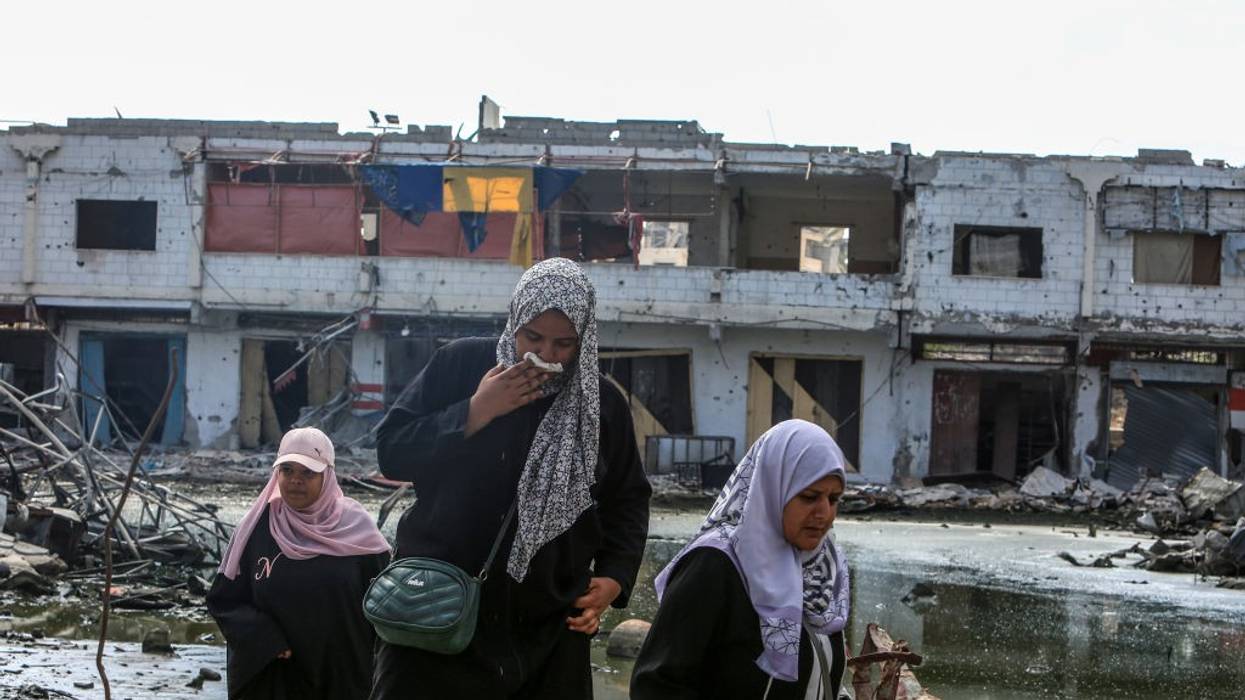
"Detecting the virus that causes polio in wastewater heralds a real health disaster," Gaza's health ministry said.
Poliovirus has been detected in sewage samples at six locations in the Gaza Strip, the World Health Organization said on Friday, following announcements from both the Israel and Gaza health ministries.
Vaccine-derived poliovirus type 2 was found in samples taken on June 23 from sites in Khan Younis and Deir al-Balah.
Public health authorities expressed grave concerns about the findings, which, though no cases have yet been discovered, raise the possibility of an outbreak of polio, a highly infectious disease that often causes paralysis and can be fatal.
"Detecting the virus that causes polio in wastewater heralds a real health disaster and exposes thousands of residents to the risk of contracting polio," Gaza's health ministry said in a statement.
Tanya Haj-Hassan, a pediatric intensive care physician, told Al Jazeera the presence of the poliovirus was a "ticking time bomb," especially given the lack of ability to isolate and care for people who contract the disease.
Haj-Hassan warned that it would be “catastrophic" if the disease spread among healthcare workers, given that the medical system has already been "annihilated by direct targeting, by abductions of healthcare workers, by [the] killing of healthcare workers."
Dahlia Scheindlin, a Tel Aviv-based political analyst, called news of the presence poliovirus "absolutely shocking, stunning, [and] unthinkable" in a series of social media posts.
"The health crisis in Gaza has been catastrophic from the start," Scheindlin wrote, seemingly addressing Israelis. "If you're incapable of realizing that civilians should never have been in this situation, maybe the prospect of anyone getting polio, river to sea, where we are 'one epidemiological family,' will get through."
Yes, it's happened. Polio detected in #Gaza sewage. IDF wants all soliders vaccinated/boosted. Live btwn river & sea and scared? you should be. Know what wd work well? Stopping the war, immediate rehab of Gaza's health system & all civilian infrastructure 1/7 🧵
— Dahlia Scheindlin (@dahliasc) July 18, 2024
Conditions in Gaza have been ripe for an outbreak of infectious disease—the "perfect environment" for transmission, as WHO spokesperson Christian Lindmeier called it, citing "decimation of the health system, lack of security, access obstruction, constant population displacement, shortages of medical supplies, poor quality of water and weakened sanitation."
In late June, The Associated Press reported on the nightmarish situation in Deir al-Balah, one of the areas where the poliovirus has since been discovered:
Children in sandals trudge through water contaminated with sewage and scale growing mounds of garbage in Gaza's crowded tent camps for displaced families. People relieve themselves in burlap-covered pits, with nowhere nearby to wash their hands.
Polio, which can spread through contact with the stool of an infected person, has been eliminated from much of the world following the development of a vaccine in the early 1950s and a campaign by U.N. agencies that began in 1980. Still, it hasn't been eradicated globally, and there's been a resurgence in Afghanistan and Pakistan in recent years.
Gaza has been polio-free for 25 years and 95% of the population was vaccinated against the disease as of 2022, according to the WHO, though Haj-Hassan, the pediatrician, said that many Gazans, including newborns, have gone without vaccines or boosters for the last nine months.
The WHO said that it's working with other U.N. agencies and health authorities in Gaza to assess how much the poliovirus has spread and determine what measures may be needed, including a "prompt" vaccination campaign.
Combatting any infectious diseases will present challenges for Gaza's public healthcare system, which has been embattled and largely destroyed by Israeli forces. Only 16 out of the enclave's 36 hospitals are even partially functional, and only 45 of the 105 primary health care facilities are operational, according to the WHO.
The lack of medical care is part of a broader public health disaster, people on the ground in Gaza say.
"We're talking about a very grim medical reality," said Tareq Abu Azzoum, an Al Jazeera journalist reporting from Deir al-Balah, which faces severe overcrowding due to the roughly 700,000 displaced Gazans who have fled there.
Abu Azzoum cited Israeli military tactics as a reason for the dire conditions, arguing that the problems stem from attacks on "water wells, sanitation, and water waste treatment" and the blocking of "essential hygiene supplies."
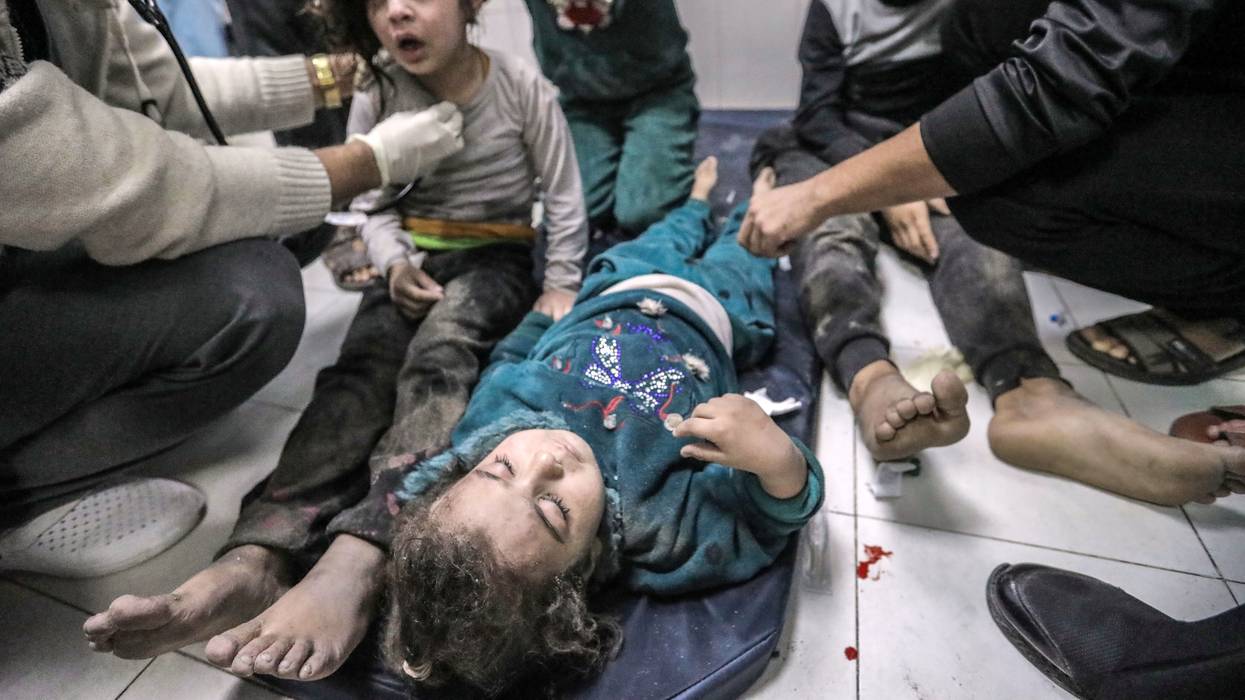
"Eventually we will see more people dying from disease than from bombardment if we are not able to put back together this health system," said a spokesperson for the global health agency.
With the brief "humanitarian pause" between Israel and Hamas so far failing to result in the delivery of sufficient aid in Gaza, United Nations officials on Tuesday warned that the spread of disease could soon begin killing more Palestinian people than Israel's bombs and raids.
Humanitarian groups have warned for weeks that Israel's total blockade of Gaza—cutting off deliveries of fuel, water, food, and electricity access—quickly fueled outbreaks of gastrointestinal illnesses as sanitation and water treatment services ground to a halt.
The World Health Organization (WHO) has now recorded more than 44,000 cases of diarrhea and 70,000 acute respiratory infections in Gaza since Israel began its latest bombardment of the enclave on October 7, with cases of gastrointestinal illness for those aged five and older rising to more than 100 times the normal level earlier this month.
"Everybody everywhere has dire health needs now because they are starving, because they lack clean water and they're crowded together," said Margaret Harris, a spokesperson for WHO, at a briefing in Geneva on Tuesday. "Basically, if you're sick, if your child has diarrhea, if you've got a respiratory infection, you're not going to get any [help]."
"Eventually we will see more people dying from disease than from bombardment if we are not able to put back together this health system," she added.
On social media, WHO reiterated its call for a permanent negotiated cease-fire and sustained aid access in Gaza to allow health officials to rebuild the decimated medical system.
Out of 36 hospitals in Gaza, about 26—or three-quarters—have entirely shut down due to damage from bombings and an inability to provide care to patients. Without fuel shipments and reliable electricity, doctors have been unable to run machinery needed to properly sterilize medical equipment, among other necessities.
Although the current truce has been in place for four days and was extended by two days on Tuesday, the Palestinian Ministry of Health reported that no fuel has arrived in northern Gaza for hospitals to run generators.
One doctor from al-Shifa Hospital, which was raided by the Israel Defense Forces (IDF) earlier this month, told the United Nations Children's Fund (UNICEF) that primary threats to children's safety were previously "very much from the air and now very much on the ground," as gastrointestinal and respiratory infections continue spreading.
"He was terrified as a medical professional in terms of the disease outbreak that is that is lurking here and how that will devastate children whose immune systems and lack of food…is making them perilously weak," UNICEF spokesperson James Elder said Tuesday.
At hospitals throughout Gaza, Elder said in a video briefing, "I met a lot of parents... They know exactly what their children need. They don't have access to safe water and it's crippling them."
Since last month, United Nations agencies and groups including Oxfam have warned that, cut off from access to clean water, Palestinians face an even more dire public health threat than the diseases that are already spreading: a potential cholera outbreak like the one that killed at least 97 people in 2022 in Syria and Lebanon.
"It's conceivable that the bacterium has been brought in and the conditions are now ripe for its spread," Richard Brennan, regional emergency director for WHO, told Al Jazeera in October.
The Palestine Red Crescent Society (PRCS) told the BBC Tuesday that about 200 aid trucks per day have been allowed into Gaza since the humanitarian pause began last week—an improvement over the roughly 45 trucks that entered the enclave each day before the truce, but only half the amount that brought aid to Gaza's 2.3 million residents daily before October 7.
"The situation has become more than dire and this aid is urgently and critically needed," PRCS spokesperson Nebal Farsakh told the BBC.
Amnesty International warned that Palestinian civil society groups are struggling to serve injured, ill, displaced, and traumatized residents as a number of European countries and the European Commission have suspended or restricted aid funding due to "unfounded allegations that funding has been diverted to 'terrorist organizations' or used for 'incitement to hatred and violence'."
The European Commission introduced "anti-incitement" clauses in all new contracts with Palestinian NGOs, subjecting them to third-party monitoring, even as it announced on November 21 that "no evidence has been found to date that money has been diverted for unintended purposes."
"Restricting the funding of Palestinian organizations only is discriminatory and would silence them by hampering their vital work and would further deprive victims of any prospect of protection," said Eve Geddie, director of Amnesty International's European Institutions Office.
"The credibility of European states who claim to champion human rights has already been already weakened by their failure to call for a cease-fire and by continuing to arm Israel as it kills thousands of Palestinians with impunity," added Geddie. "These discriminatory funding restrictions are damaging their credibility even further."

"Further expansion of fossil fuels is reckless and the data clearly shows that it threatens the health and well-being of every person," one report author said.
Heat-related deaths could rise by 370% if policymakers and energy executives allow temperatures to rise by 2°C above preindustrial levels by the end of the century, a new Lancet study found.
The Lancet Countdown on Health and Climate Change on Tuesday released its eighth annual report tracking the impact of the climate crisis on global health. It is the first to offer projections for the future. In particular, the report authors emphasized the need to phase out fossil fuels that are baking the planet, putting human health and the Earth's systems that sustain it at risk.
"The diagnosis in this report is very clear," Dr. Renee Salas, one of the 114 scientists behind the report who also works in emergency care at Massachusetts General Hospital and Harvard Medical School, told The New York Times. "Further expansion of fossil fuels is reckless and the data clearly shows that it threatens the health and well-being of every person."
The report first describes how the climate crisis is currently impacting health. 2023 saw the highest temperatures in more than 100,000 years, and this has exposed more people to dangerous heat, including the most vulnerable. Infants younger than 1 and adults older than 65 were exposed to double the heatwave days that they were between 1986 and 2005. What's more, heat-related deaths for those over 65 have climbed by 85% compared with 1990 through 2000.
In the U.S. alone, heat-related deaths for those over 65 increased by 88% from 2018 to 2022 compared with 2000 to 2004, and approximately 23,200 elderly adults died of heat exposure last year.
"These numbers remind me of the elderly patients I see in my own hospital with heatstroke," Salas told the Times.
"This is an industry that is actually killing people in large numbers and making them ill in even larger numbers."
Yet as stark as the U.S. numbers are, the report also points to growing inequalities between health outcomes in richer and poorer nations.
"We're facing a crisis on top of a crisis," Georgiana Gordon-Strachan, who directs The Lancet Countdown Regional Center for Small Island Developing States, told Euronews.
"People living in poorer countries, who are often least responsible for greenhouse gas emissions, are bearing the brunt of the health impacts, but are least able to access funding and technical capacity to adapt to the deadly storms, rising seas, and crop-withering droughts worsened by global heating," Gordon-Strachan said.
The report calls out the fossil fuel industry in particular, and says that the world is moving in the wrong direction in weening itself off of oil, gas, and coal.
"In 2022, The Lancet Countdown warned that people's health is at the mercy of fossil fuels and stressed the transformative opportunity of jointly tackling the concurrent climate change, energy, cost-of-living, and health crises for human health and well-being," the report authors said. "This year's report finds few signs of such progress."
For example, the authors noted that the early 2023 plans of the world's top 20 fossil fuel companies would overshoot the Paris agreement goals by 173% by 2040.
"All our indicators on the fossil fuel industry are extremely relevant because this is an industry that is actually killing people in large numbers and making them ill in even larger numbers," report co-author Paul Ekins, a University College of London economist, told The Associated Press.
If this level of inaction continues, the report's current indicators "could be just an early symptom of a very dangerous future unless we tackle climate change urgently," Lancet Countdown executive director Marina Romanello told AP .
If temperatures rise to 2°C above preindustrial levels by 2100, every health hazard tracked by the report will increase, Axios reported.
In this case, heat-related deaths would rise by 370% for people over 65 by mid-century and 683% by the last two decades of the century. If world leaders don't do anything to either prevent or adapt to climate change, those numbers would rise to 433% and 1,537% respectively. In the 2°C scenario, labor loss due to heat would rise by 50% by mid-century and heatwaves could push 524.9 million more people into food insecurity.
The risk of infectious diseases would also increase, with the ideal coastal conditions for the Vibrio pathogen increasing by 17% to 25% and the chance of catching dengue increasing by 36% to 37%.
However, the report said it was not too late to take action. Rapidly phasing out fossil fuels would both reduce climate risks and prevent many of the 1.9 million deaths every year due to air pollution from the burning of dirty fuels.
"There is still room for hope," Romanello told Euronoews, adding that the planned focus on health at the upcoming U.N. Climate Change Conference, or COP28, presented "the opportunity of our lifetime."
"If climate negotiations drive an equitable and rapid phaseout of fossil fuels, accelerate mitigation, and support adaptation efforts for health, the ambitions of the Paris agreement to limit global heating to 1.5°C are still achievable, and a prosperous healthy future lies within reach," Romanello said.
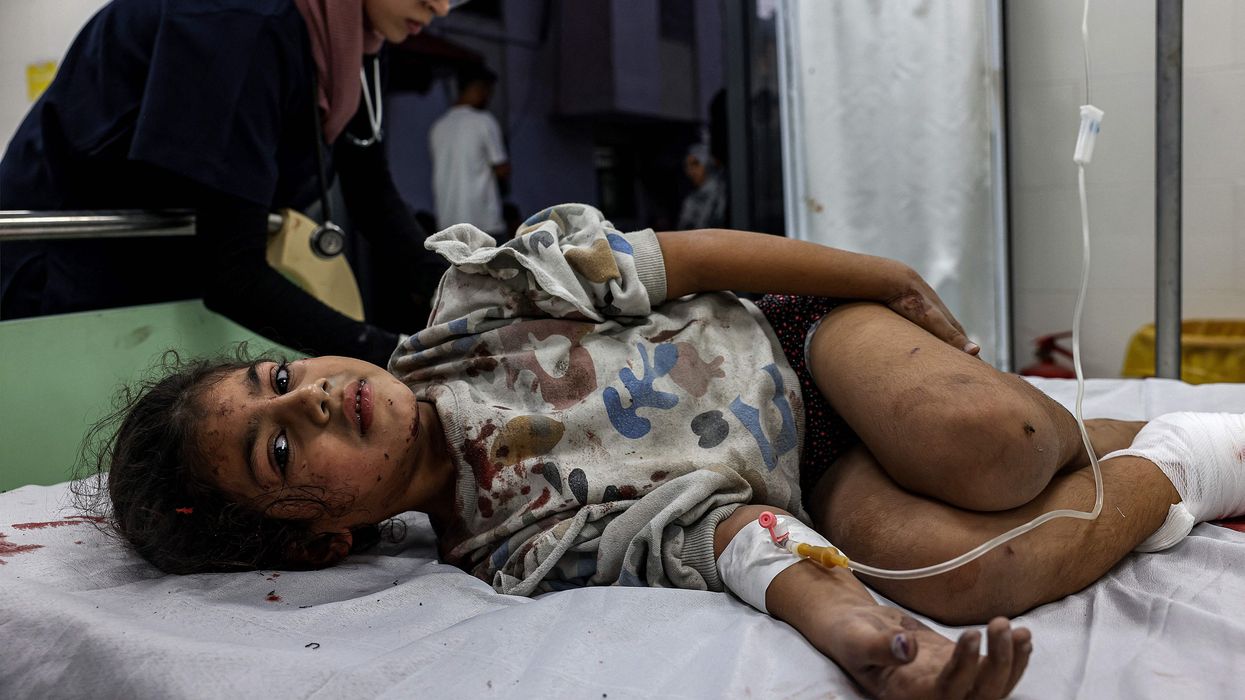
"The humanitarian suffering in Gaza has already reached catastrophic levels, and it's set to get worse unless something changes immediately," said one human rights official.
The infectious disease outbreaks that doctors on the ground, public health officials, and humanitarian groups have been warning about for weeks in Gaza appear to be in full force, the World Health Organization said Thursday as it reiterated its call for a cease-fire to save lives.
The global public health organization said authorities have reported a surge in cases of diarrhea, with more than half of those affected children under the age of 5, as Israel's decision to cut off fuel access in the blockaded enclave has shut down water desalination plants and disrupted waste collection. The circumstances have created "an environment conducive to the rapid and widespread proliferation of insects, rodents that can carry and transit diseases."
By Thursday, said the United Nations Office for the Coordination of Humanitarian Affairs, all of Gaza's 120 municipal water wells were expected to be depleted.
Health officials in the blockaded enclave, where nearly 11,000 civilians have now been killed, are also reporting nearly 9,000 cases of scabies and lice; 12,600 cases of skin rashes; more than 1,000 reports of chickenpox; and nearly 55,000 cases of upper respiratory infections as roughly 1.5 million displaced people crowd into hospitals, churches, schools, and shelters in search of safety from Israel's relentless bombardment.
The International Rescue Committee (IRC) warned that those disease outbreaks could soon give way to the spread of more deadly illnesses like cholera and typhoid due to 95% of residents' forced reliance on unsanitary water in the past month.
"The humanitarian suffering in Gaza has already reached catastrophic levels, and it's set to get worse unless something changes immediately," said Bob Kitchen, vice president of emergencies for IRC. "While the overwhelming driver of mortality remains the ongoing violence and destruction, a humanitarian ceasefire now would also serve to help aid agencies get ahead of a looming public health crisis within an already vast humanitarian crisis... The conditions are ripe for the spread of communicable and waterborne diseases—diseases that adversely affect children and lead to preventable deaths."
Al Jazeera reported earlier this month that experts have surmised Israel is intentionally leaving Palestinians in Gaza with a lack of safe drinking water, using "water access as a weapon of war" and intensifying the humanitarian catastrophe.
In overcrowded shelters run by the United Nations Relief and Works Agency, WHO said, an average of 160 people are sharing one toilet and there is only one shower for every 700 people, compounding the unsanitary conditions and raising the risk of disease outbreaks.
With aid convoys largely blocked at the Rafah crossing between Gaza and Egypt, cleaning supplies as well as medicines have no way of getting to hospitals and shelters, and water supplies that humanitarian groups have managed to get through the crossing are only 4% of what is needed.
Medical workers also don't have sufficient personal protective equipment, making it more likely that they will acquire and transmit infections to the patients they are desperately trying to care for.
The impending colder weather is raising alarm over the potential for worsening malnutrition and food shortages, particularly for more than 50,000 pregnant people and about 337,000 children under the age of 5 in Gaza.
Kitchen said groups including the IRC are working to scale up their infection control programs as quickly as they can but warned that their efforts will remain severely obstructed as long as powerful countries including the United States refuse to support calls for a cease-fire.
"Without a meaningful humanitarian cease-fire to allow the free flow of aid, the suffering of innocent Palestinian civilians will continue," said Kitchen. "Immediate and sustained diplomatic intervention is urgently needed to enable a humanitarian cease-fire, which would pave the way for addressing these pressing humanitarian and protection needs and halt the health catastrophe that will lead to more deaths, particularly among children."
WHO also reiterated its demand for "the unconditional release of all hostages [by Hamas] and a humanitarian cease-fire to prevent further death and suffering."
At the end of October 2015, the Brazilian state of Pernambuco, located in the northeast of the country, started reporting a dramatic increase in the number of babies born with microcephaly, a condition characterized by a shrunken head and brain. The cases in Pernambuco were soon followed by similar ones in the nearby states of Bahia and Paraiba.
The cases of microcephaly seemed to be connected to an outbreak of the Zika virus, first recognized in Uganda in the 1940s. Zika is transmitted by Aedes aegypti, a species of mosquito that thrives in stagnant water pools. In the same way as malaria, dengue, and Chikungunya, the Zika virus infection results in similar symptoms: fever, joint pain, and rashes.
Thus, ominously, parallel to the increased number of pregnant women infected with the Zika virus there was an increase of microcephaly cases in their children. Because CT scans of those babies' brains showed signs of calcification usually associated with an infectious disease rather than a genetic abnormality, many experts thought that their microcephaly was caused by the Zika virus.
Also, while in 2014 there were 150 reported cases of microcephaly across all of Brazil, 3,893 cases of microcephaly were reported in 2015, with Pernambuco accounting for almost a third of the total number of cases. It seemed clear that the Zika virus was causing the babies' microcephaly.
However, Dr. Margaret Chan, Director-General of the World Health Organization (WHO) suggested caution. "Although a causal link between Zika infection in pregnancy and microcephaly has not, and I must emphasize, has not been established, the circumstantial evidence is suggestive and extremely worrisome," she said. Dr. Chan's opinion was echoed by Dr. Patricia Pestana Garcez, a neurodevelopment expert who studies microcephaly at the Federal University of Rio de Janeiro in Brazil who said, "There is no direct evidence that the virus causes microcephaly." However, she added that circumstantial evidence was strong enough to advise everybody not to take chances.
At the same time that the role of the Zika virus in the production of microcephaly in children was being studied, some environmental activists called attention to the role of pesticides as the possible cause of this abnormality in children.
Many experts and environmental activists alerted on how some agricultural chemicals--such as paraquat, classified as "highly poisonous" by U.S. regulators--which have been banned or phased out in leading industrialized nations, continue being extensively used in many developing countries, notably Brazil. They are used primarily in Brazil's northeast, where almost a third of cases of microcephaly have occurred so far.
In the last few years, Brazil has become one of the top exporters of orange juice, sugar, coffee, beef, poultry and soybeans. Brazil's massive production of those items is probably due, in part, to the extensive use of pesticides, many of them highly toxic to humans.
According to the World Health Organization (WHO), at the global level, there are over three million cases of pesticide poisoning each year and more than 220,000 deaths, mostly in developing countries.
Exposure to some pesticides can cause a wide range of health problems such as memory loss, loss of coordination, behavioral effects and reduced motor skills. In addition, they may cause asthma, allergies, cancer, hormone disruption, and problems with reproduction and fetal development, such as microcephaly. Children are at greater risk of pesticide exposure because of their small size and their immune system is not fully developed.
Given these toxic effects of pesticides and that they are more heavily used in Brazil's north-east region, it is not unreasonable to think that, at least in some cases, microcephaly may be due to excessive use of toxic pesticides and that these effects have been unmasked by the Zika virus infection. It is also possible to think that microcephaly in children may have a multi-causal origin.
This situation poses the need to urgently investigate more thoroughly the effects of both the Zika virus and pesticides in causing microcephaly in children, and for the public health authorities of the countries most threatened by this virus to coordinate actions for the more effective control of the epidemic.
A new report from the Obama administration comparing two future scenarios--one with significant global action on climate change, and the other without--finds that the U.S. could save "tens of thousands of American lives, and hundreds of billions of dollars" annually by reducing global greenhouse gas emissions.
The analysis released Tuesday by the Environmental Protection Agency (EPA) quantifies "the vast economic, health, and environmental benefits that reducing global carbon pollution will have on the United States, reinforcing the need to act with a sense of urgency."
For example, Climate Change in the United States: Benefits of Global Action finds that lowering greenhouse gas emissions would have "a substantial effect on reducing the incidence of extreme temperature and precipitation events by the end of the century, as well as the impacts to humans and the environment associated with these extreme events." In fact, by 2100 such mitigation would help avoid 12,000 deaths annually associated with extreme temperatures in 49 U.S. cities, according to the EPA.
The benefits of global action--of the sort to be discussed at the COP21 climate conference in December--are wide-ranging, the study declares. Tackling global warming could help the U.S. save up to $7 billion by 2100 in road maintenance costs, 230,000-360,000 acres of cold-water fish habitat across the country, and up to $34 billion in power system costs. And taking action on climate change would have "significant public health benefits in the U.S.," such as avoiding tens of thousands of premature deaths, which translate into savings of $930 billion by 2100.
While it focuses on health and economic benefits for the U.S., the EPA's peer-reviewed report underscores that "[s]lowing and preventing human-induced climate change requires global-scale action; the U.S. must do its part but cannot act alone."
Not acting, meanwhile, would have specific, negative regional impacts. According to the White House, "without action on climate change, California is projected to face increasing risk of drought, the Rocky Mountain region will see significant increases in wildfires, and the mid-Atlantic and Southeast are projected to experience infrastructure damage from extreme temperatures, heavy rainfall, sea level rise, and storm surge."
Such findings echo those that comprise an ever-growing body of research. This week, a new paper was published in Nature Climate Change. The authors wrote: "The climate is changing: we have a new normal. The environment in which all weather events occur is not what it used to be. All storms, without exception, are different. Even if most of them look just like the ones we used to have, they are not the same."
A new report in The Lancet declares that the negative impacts of human-caused global warming have put at risk some of the world's most impressive health gains over the last half-century while exacerbating infectious disease patterns, air pollution, food insecurity and malnutrition, involuntary migration, displacement, and violent conflict.
In response to the EPA's report, Sierra Club executive director Michael Brune noted: "This study amplifies facts that have been clear for a while: cutting carbon pollution and growing clean energy will prevent hundreds of thousands of premature deaths, save hundreds of billions of dollars in damages from sea-level rise and extreme weather, and save consumers billions on their electric bills."
Watch the EPA's video for an introduction to the analysis: