SUBSCRIBE TO OUR FREE NEWSLETTER
Daily news & progressive opinion—funded by the people, not the corporations—delivered straight to your inbox.
5
#000000
#FFFFFF
To donate by check, phone, or other method, see our More Ways to Give page.

Daily news & progressive opinion—funded by the people, not the corporations—delivered straight to your inbox.
“This meeting should have been a turning point, not just a stocktake. Success required governments to commit the political will and financing needed to reverse biodiversity loss," said one advocate.
The 17th United Nations summit on biodiversity ended in Yerevan, Armenia on Friday with more than 200 countries adopting a "forward-looking" agreement aimed at speeding up and scaling up action to protect nature, reforming "harmful subsidies fueling nature’s demise," and closing the biodiversity finance gap—with the global economy spending $1 on nature protection for every $30 it spends on destruction, according to a recent UN report.
But conservation advocates warned that with four years to go until 2030, when 30% of land and water is meant to be protected under the 30x30 goal set by the Kunming-Montreal Global Biodiversity Framework in 2022, biodiversity conservation is behind schedule, and the goal of accelerating beneficial finance is still falling short in the Yerevan Pathway that came out of the meeting.
The conference produced about $1.8 billion in nature-finance agreements, including a commitment of $500 million from the Netherlands to the Tropical Forest Forever Facility, which rewards countries for protecting their tropical forests. Six contributors also pledged $60.13 million to the Global Biodiversity Framework Fund, which supports the Global South in implementing the 2022 framework.
However, "overall spending on biodiversity remains far short of the $200 billion per year target in the Kunming-Montreal framework," wrote John Cannon at Mongabay, while the framework's demand to reform "damaging subsidies remains largely unmet."
Experts say $700 billion in additional annual spending is needed to protect and restore ecosystems damaged by mining, drilling, and other industries, pollution, and other human activities.
Governments committed to reducing subsidies by at least $500 billion per year by 2030, but about $2.4 trillion "is still estimated to flow annually toward subsidies that can harm nature," said Sustainable Business Services.
Daudi Sumba, chief conservation officer at World Wildlife Fund International (WWF), said that the Global Review that came out of the summit was “a strong signal to countries that they must do better when it comes to action for nature."
"But without clear scaling of the funds to be able to deliver, I fear finance will remain the key issue that continues to haunt the UN biodiversity summits," said Sumba. "Negotiators returning home must now turn the Global Review into clear dedicated action, scaling nature’s recovery by transforming the most damaging sectors and activities across our food and finance systems.”
The Cali Fund, a mechanism that came out of COP16 in Colombia and is designed to share digital sequence information on genetic resources, is also falling short of the goals set for it by last year's conference. The fund aims to raise at least $1 billion annually from companies that access DSI from genetic resources for pharmaceuticals and other products, but "with only $10,000 pledged at the close of [COP17]," said WWF, "follow-up work at intersessional meetings will be important."
“Back when the UN Convention on Biological Diversity was first adopted in 1992, one of the main pillars was ensuring the fair and equitable benefit-sharing from biodiversity, especially from provider countries and local communities,” said Vishaish Uppal, director of governance, law, and policy at WWF-India. “Almost 35 years later, we’re still not seeing the companies that profit off nature sharing their benefits with the Indigenous peoples and local communities that act as the custodians of much of the biodiversity that their businesses rely upon. It really is about time that countries iron out these differences, so that funding can reach the people and places that need it the most.”
An Lambrechts, a biodiversity politics expert at Greenpeace International, said that "giant corporations did everything they could to keep the Cali Fund voluntary two years ago, and then did everything they could to stop the fund from working in Yerevan."
"It is unacceptable that big multinational corporations are turning massive profits from what they take from nature while contributing very little to its protection and leaving people across the world to face the impacts of the biodiversity crisis," said Lambrechts.
"It is unacceptable that big multinational corporations are turning massive profits from what they take from nature while contributing very little to its protection and leaving people across the world to face the impacts of the biodiversity crisis."
Negotiators also established a permanent body for Indigenous peoples and local communities under Article 8(j) of the Convention on Biological Diversity, but Sustainable Business Services warned that "questions remain over institutional status, representation, and the extent of their participation in decision-making."
COP17, said the Wildlife Conservation Society (WCS), "put forth a clearer picture of the global biodiversity crisis and the gaps that must be closed to meet the world’s 2030 targets."
But Susan Lieberman, vice president for international policy at WCS, said that "the negotiations themselves ended up weak on ambition."
“This meeting should have been a turning point, not just a stocktake. Success required governments to commit the political will and financing needed to reverse biodiversity loss," said Lieberman. "That means protecting and restoring ecological integrity, respecting the rights and leadership of Indigenous peoples and local communities, and reducing the drivers of decline. With just four years until 2030, we cannot afford another conference that diagnoses the crisis without accelerating the cure."
Twenty-two of the 23 targets set by the Kunming-Montreal framework are behind schedule, and Lieberman said that COP17 "has clarified the challenge" of ensuring they are met.
"Now governments must summon the political will, resources and resolve to meet it," she said. "We applaud the Armenian government, the [Convention on Biological Diversity] secretariat, and many governments and partners for keeping the momentum moving toward achieving the 2030 goals and targets. But ‘good enough’ should never be acceptable.”
Friends of the Earth International (FOE) also said the two weeks of negotiations had "ended with weak decisions and many unanswered questions," pointing to "the capture of this space by transnational corporations" and the "greenwashing and false solutions like biodiversity offsets and credits" that it said would continue.
Along with calling out harmful subsidies, FOE helped launch a campaign during COP17 highlighting how "business sectors contribute to biodiversity destruction and related human rights impacts," such as in the pulp and paper and biomass industries.
"In Indonesia, the expansion of industrial plantations and biomass production continues to drive forest loss and biodiversity decline," said the Environmental Paper Network, which joined the initiative.
With the Yerevan Pathway, said Nele Marien, coordinator of the forest and biodiversity program at FOE, "the structural drivers of biodiversity loss remain an elephant in the room: the financial and legal systems that undermine biodiversity need to be addressed."
Wilmer Lucitante, member of the Kofan nation and spokesperson for the Union of People Affected by Texaco and FOE Ecuador, said that COP17 is "a turning point, as the ways of operating of the Indigenous body of the convention were established."
"Yet the measures are voluntary, and do not alter the power transnational corporations wield in our territories," said Lucitante. "In the Kofan territory, from the time of Texaco and until now, fossil fuel companies have contaminated our lands and violated our rights. Voluntary measures are clearly not enough."
WCS said the overall outcome of the summit, just before countries meet in Türkiye for the 31st UN Climate Change Conference, where climate finance is expected to be a major topic, was "too timid."
"The COP17 decision merely encourages countries to begin applying a set of voluntary guidelines, which will be negotiated further before COP18," said the group. "This 'kicking the can down the road' falls far short of what is needed at a time when climate change poses a significant threat to biodiversity ecosystems, and the loss and degradation of ecosystems is driving emissions and reducing the capacity of people and nature to adapt."
As governments gather for the UN Biodiversity Conference, they must recognize that protecting biodiversity means protecting the rights of Indigenous peoples, Afro-descendant peoples, and local communities who sustain it.
In the highlands of Pernambuco, Brazil, the Xukuru do Ororubá Indigenous people are bringing a damaged landscape back to life.
After generations of colonization, land occupation, deforestation, and intensive agriculture, their ancestral territory had suffered profound ecological damage. Forests had diminished, wildlife had disappeared, and springs had been compromised.
Through the Jupago Kreká Sacred Agriculture Collective, the community is combining ancestral knowledge, traditional agriculture, and forest restoration to regenerate its territory. According to the community, approximately 360 hectares are undergoing restoration, 14 springs are recovering, and wildlife is returning to previously degraded areas. Their work includes recovering ancestral seeds, cultivating medicinal plants, and passing traditional ecological knowledge to younger generations. For the Xukuru, protecting biodiversity is inseparable from protecting culture, livelihoods, and territorial rights.
Communities are already protecting and restoring biodiversity through their traditional knowledge and management practices, yet their contributions are not always formally recognized in conservation policies.
As governments gather in Yerevan, Armenia, from October 19-30 for the 17th Conference of the Parties to the United Nations Convention on Biological Diversity (CBD COP17), their experience offers a reminder that biodiversity depends on the rights of the people who have protected and restored it for generations.
Yet there are growing concerns that hard-won protections for Indigenous peoples, Afro-descendant peoples, and local communities could be weakened during negotiations. Rather than recognizing and strengthening the conservation work these communities are already leading, as demonstrated by the Xukuru's restoration efforts, governments risk undermining the territorial rights and community governance that make these efforts possible.
Governments will undertake their first collective review of progress toward implementing the Kunming-Montreal Global Biodiversity Framework, adopted in 2022. The framework includes conserving at least 30% of the world's land and waters by 2030. But achieving this target is not simply a matter of expanding protected areas. It also requires addressing who has the authority to govern the lands and ecosystems on which biodiversity depends.
For too long, conservation policies have treated Indigenous peoples and local communities as obstacles rather than rights holders and essential partners. This approach has too often resulted in exclusion, displacement, and restrictions on traditional ways of life.
The Xukuru people's restoration efforts demonstrate why recognizing Indigenous-led conservation matters. Communities are already protecting and restoring biodiversity through their traditional knowledge and management practices, yet their contributions are not always formally recognized in conservation policies. Governments must ensure that Indigenous and Traditional Territories are recognized as conservation areas in their own right, rather than treated as secondary to conventional protected areas.
The Global Biodiversity Framework includes commitments to respecting the rights of Indigenous peoples and local communities, achieved through years of advocacy by Indigenous leaders, community organizations, and allies.
Yet these protections could be diluted through negotiating language on the voluntary guidelines to achieve the Goal 2 and 3 of the Global Kunming Framework. Replacing a commitment that governments should act with language saying they may act weakens accountability. Treating Indigenous and Traditional Territories as merely complementary to conventional protected areas risks marginalizing community governance. Diluting references to free, prior, and informed consent threatens communities' ability to make decisions about their lands.
That is why the Rights and Resources Initiative and its partners have issued an open letter to CBD negotiators calling on governments to stop the rollback of hard-won rights protections at CBD COP17. Through the #StopTheRollbacks campaign, the coalition has outlined 10 demands, including stronger recognition of Indigenous and Traditional Territories; protection of free, prior, and informed consent; direct access to biodiversity finance; and meaningful recognition and participation of Afro-descendant peoples.
CBD COP17 is an opportunity to move beyond conservation models that separate nature from people.
Furthermore, digital sequence information (DSI) draws on vast amounts of genetic information derived from forests and other ecosystems that have long been protected, managed, and conserved by Indigenous peoples, Afro-descendant peoples, and local communities. Yet the growing use of DSI risks disconnecting genetic information from the traditional knowledge, practices, and stewardship systems that have enabled communities to sustainably use, manage, and conserve these genetic resources.
The fact that the Cali Fund, a fund designed to share the benefits from the use of genetic data, is not yet fully operational, combined with inadequate mechanisms to ensure the traceability of genetic resource data, puts at risk the principles of fairness, equity, and justice that should guide the global use of genetic information. Ultimately, this raises a fundamental question: Will genetic information be governed primarily for profit, or for life?
CBD COP17 must advance the financing arrangements necessary to make the Cali Fund fully operational, while strengthening community governance over data related to genetic resources and respecting collective rights. Governments must also ensure that Indigenous peoples, Afro-descendant peoples, and local communities receive a fair and equitable share of the benefits generated from the use of genetic information derived from biodiversity. The Cali Fund, as a global mechanism for benefit sharing, should recognize and uphold their rights and provide meaningful opportunities for communities to access funding directly.
CBD COP17 must build on commitments to recognize Afro-descendant peoples in global biodiversity governance. Through #StopTheRollbacks, RRI and its partners are calling on governments to uphold CBD Decision 16/6, which recognizes the contributions of people of African descent to biodiversity conservation, and ensure that recognition translates into meaningful participation in decisions affecting their territories and livelihoods.
Governments must also advance the CBD's Gender Plan of Action, ensuring women can participate in biodiversity decision-making and access resources. Women in the Xukuru community play a central role in preserving traditional medicinal knowledge and passing ancestral practices to future generations.
As an environmental lawyer who has worked for more than two decades at the intersection of conservation, public policy, and Indigenous rights, I have seen how easily ambitious environmental commitments lose their meaning when governments fail to translate them into enforceable protections.
Millions of communities are still waiting for their daily efforts to protect ecosystems, water sources, and genetic resources to be fully recognized and respected. In many cases, their stewardship has proven highly effective in conserving biodiversity, including in comparison with nationally designated protected areas managed by governments, with some areas managed by communities proving six times lower deforestation than national protected areas. The lack of recognition impacts lives of communities because of restrictions on the use of natural resources, by generating conflicts for land use, and by reducing the possibility to access to financing.
CBD COP17 is an opportunity to move beyond conservation models that separate nature from people. Governments must defend rights already recognized in international agreements, strengthen community-led governance, and ensure biodiversity finance reaches those doing the work.
There can be no lasting victory for nature if it comes at the expense of the rights of the people who protect it.
Managing the biodiversity crisis within political borders is impossible; we must prioritize a global approach that manages Earth’s interconnected systems.
The 17th meeting of the Conference of the Parties, or COP17, to the United Nations Convention on Biological Diversity, or CBD, is a major upcoming international summit focused on global measures to protect, restore, and sustainably manage nature.
It serves as the global review of collective progress on implementing the 2023-2030 Kunming-Montreal Global Biodiversity Framework (KMGBF), adopted at COP15, evaluating whether countries are on track to halt and reverse biodiversity loss by 2030.
This year's official theme is “Taking Action for Nature,” aiming to turn high-level commitments into concrete delivery.
This triple COP year brings together the three UN Rio Conventions for their Conferences of the Parties in quick succession to tackle the interconnected crises in climate (UN Framework Convention on Climate Change, or UNFCCC, COP31), biodiversity (CBD COP17), and land (UN Convention to Combat Desertification COP17).
The KMGBF features four 2050 long-term goals and 23 2030 global targets to halt and reverse nature loss.
The four long-term goals are:
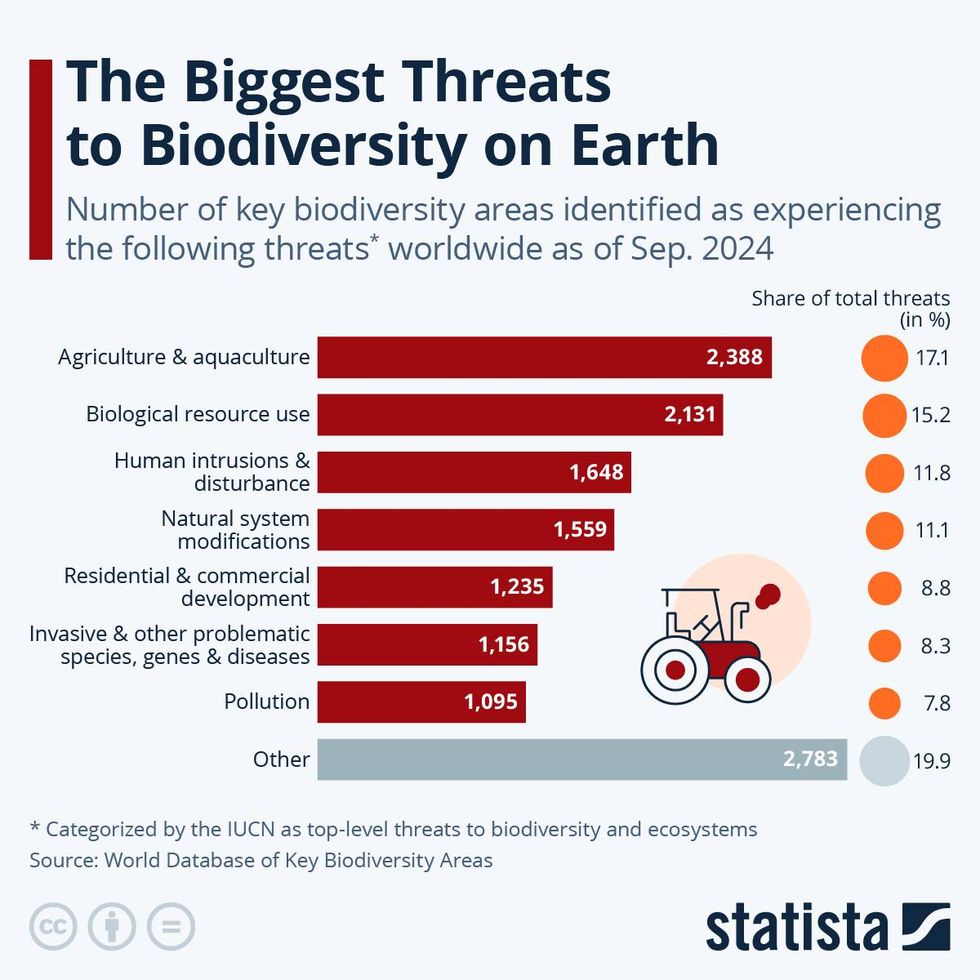
The world is off track to meet most of its 2030 targets under the Kunming-Montreal Global Biodiversity Framework.
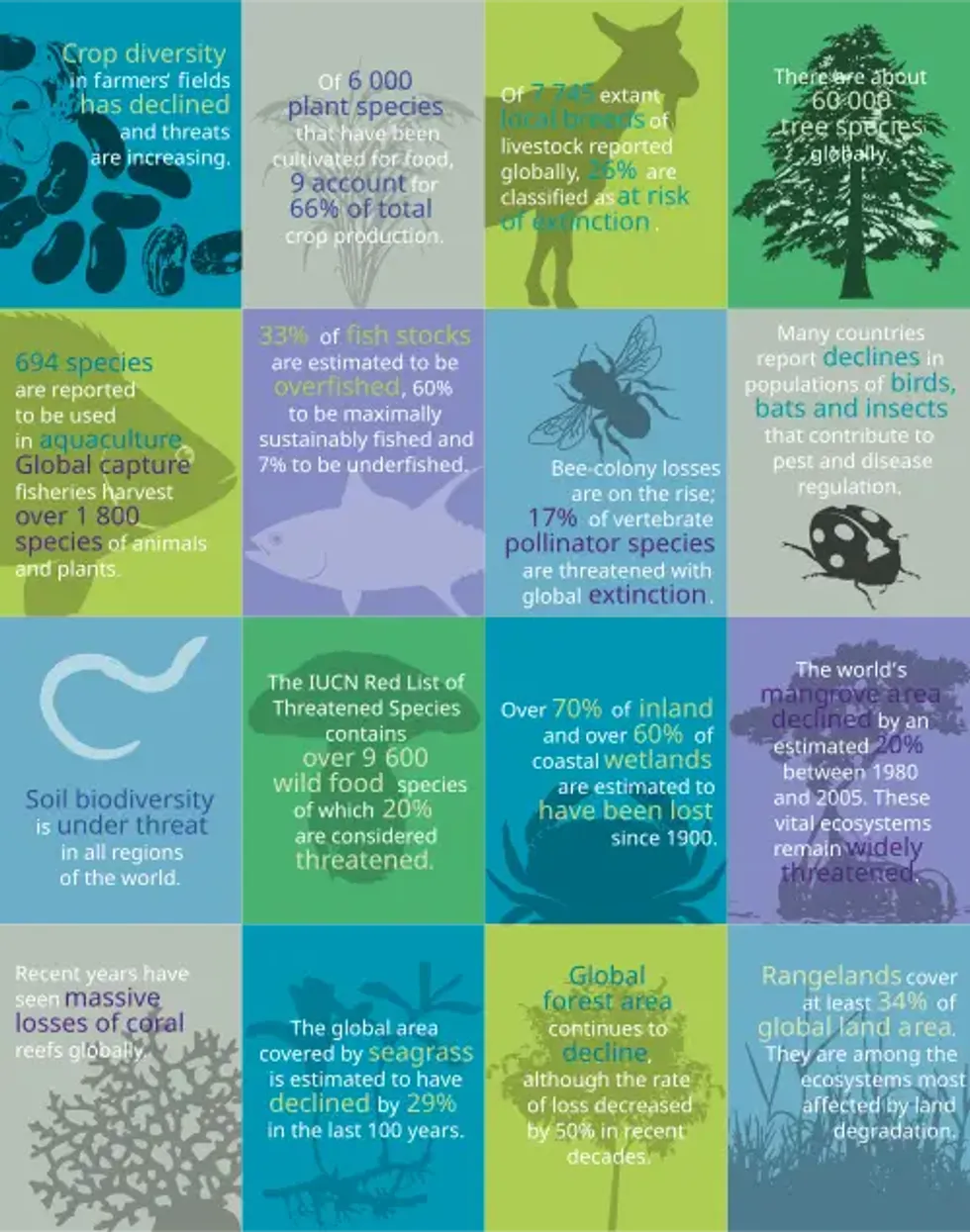
Managing the biodiversity crisis within political borders is impossible; we must prioritize a global approach that manages Earth’s interconnected systems.
The health of Earth’s living systems quite literally determines the long-term survival and stability of human civilization.
Biodiversity is the physical fabric that regulates the planet’s biogeochemical cycles (carbon, water, nitrogen). Losing biodiversity degrades the Earth system’s resilience and, with it, its capacity to absorb shocks like climate change, pollution, and extreme weather.
Climate change and biodiversity loss are twin crises driven by the same systemic roots. Healthy ecosystems act as essential carbon sinks and natural buffers, helping stabilize the climate.
We simply must safeguard our planet's natural boundaries. An important consideration is whether national commitments are scaling up fast enough to pull humanity back from irreversible tipping points (such as the destruction of the Amazon rainforest and widespread coral reef collapse).
To maintain a stable, habitable planet, humanity must not cross these thresholds. By shifting from extraction to regeneration, we can reduce humanity’s demands through industrial agriculture, mining, overfishing, and urban expansion. Days like Earth Overshoot Day remind us that humanity consumes more resources than the planet can regenerate annually.
Nature must be treated as a finite resource and respected as such. Harmful subsidies (like those backing fossil fuels or intensive industrial monocultures) must be redirected toward regenerative land and water use.

Children and young people are disproportionately affected by climate change and biodiversity loss; therefore, their voices are particularly important at major climate and biodiversity conferences.
Today's decisions have long-term consequences for their health, education, well-being, and future opportunities. Intergenerational justice looks at how present generations affect past and future people. Protecting ecosystems today is seen as a matter of securing a healthy, habitable future.
This COP17 recognizes children and young people as important stakeholders and constituencies. Official mechanisms have been established to support youth participation:
Both groups have access to official COP processes; they monitor government commitments, participate as observers in the diplomatic Blue Zones, and have the opportunity to speak during plenary sessions.
The Green Zone is a public area open to students, activists, and young researchers attending events in Yerevan, Armenia. The COP17 Green Zone will provide open spaces for workshops, cultural events, and collaborative problem-solving.
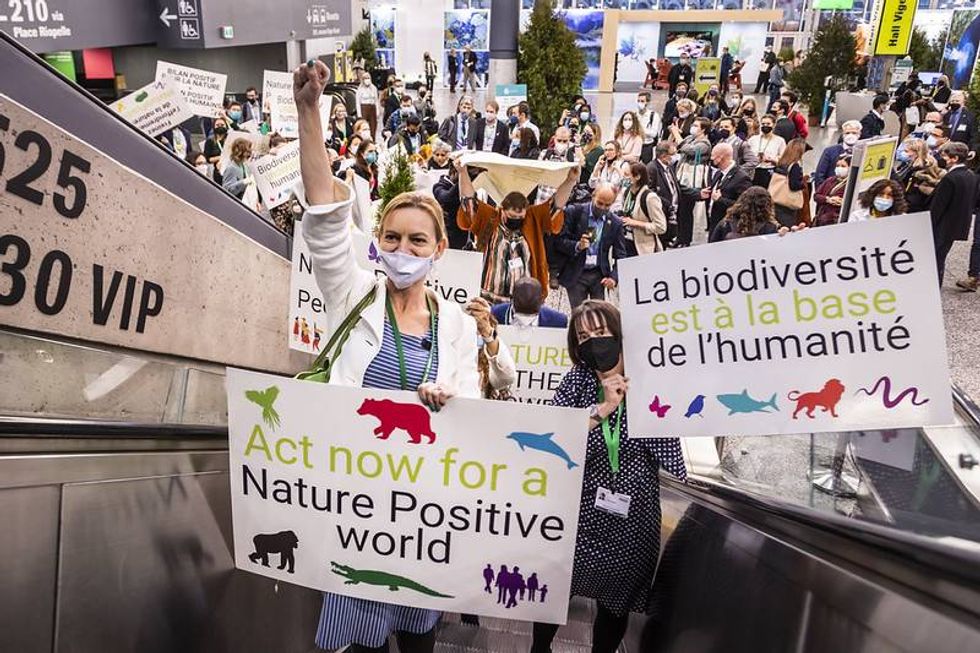
Non-governmental organisations, civil society coalitions, research bodies, and observer groups play a critical role at COP conferences. They serve as watchdogs, technical advisers, and advocates for groups that might not otherwise have a direct seat at the negotiating table.
NGOs bring local, grassroots priorities into global policy spaces, ensuring that community-level perspectives help shape international biodiversity decisions.
They provide scientific data, policy recommendations, and track national progress on targets.
Key non-state and civil society players actively shaping the discourse and engagement at COP17 include the International Institute for Environment and Development (IIED), the World Wide Fund for Nature (WWF), the International Union for Conservation of Nature (IUCN), and Conservation International.
Business for Nature is a major coalition that rallies global companies and commercial organisations to push governments for stronger nature policies, arguing that voluntary corporate action isn’t enough without systemic regulatory backing.
The Finance for Biodiversity Foundation is an accredited observer network representing financial institutions, banks, and investment funds. They focus heavily on resource mobilization, aligning financial flows with global biodiversity goals, and operationalizing funding mechanisms like the UN Cali Fund.
Indigenous Peoples’ and Local Communities’ Caucuses represent Indigenous stewards who work closely with civil society allies to ensure traditional ecological knowledge and land rights are protected in the global review process.
The CBD Women’s Caucus is an active network focused on gender-responsive biodiversity data and ensuring women, major stewards of local agriculture and ecosystems, are fairly represented in monitoring and policy systems.
After years of slow progress, these groups will push for greater accountability and real change. They will also advocate for greater biodiversity financing, ensuring it is mobilized and reaches vulnerable frontline projects where it is needed most.
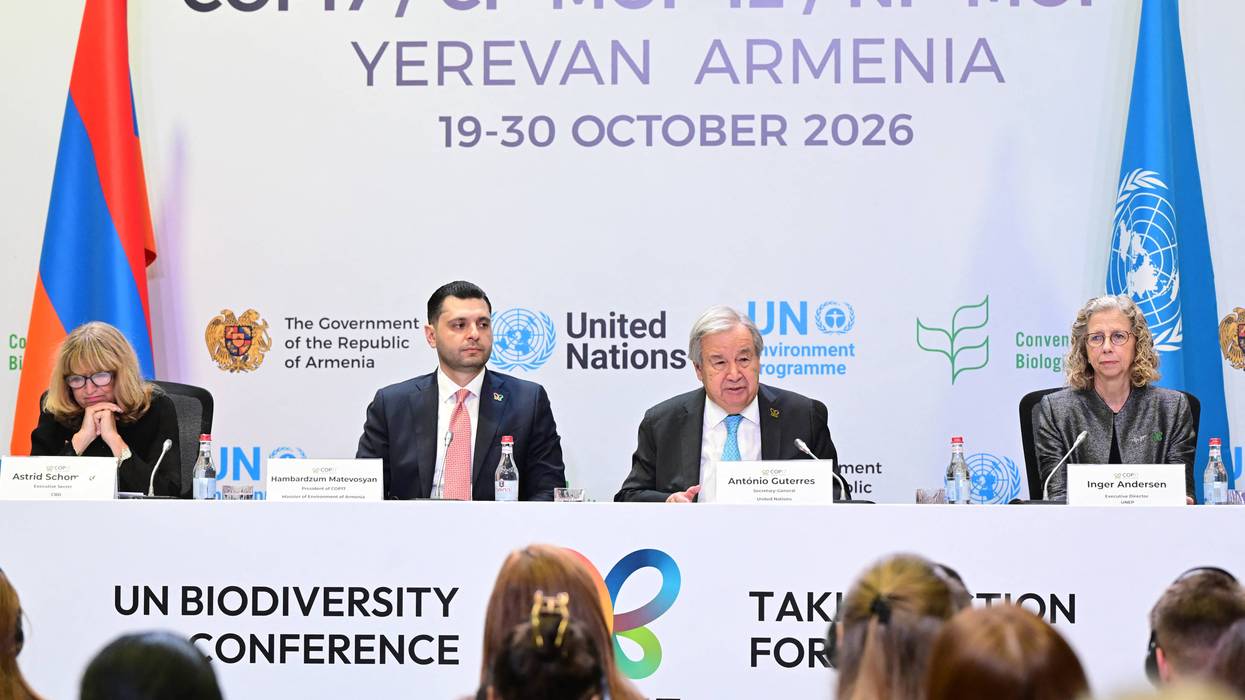
The President-Designate of COP17 is Hambardzum Matevosyan, Armenia's Minister of Environment.
COP17 will be the biggest event the country has ever held. He has already acknowledged the “many challenges and gaps” identified in the draft Global Biodiversity Framework report and even said they had to nudge leaders to submit their reports by the February deadline.
Matevosyan is adamant that “we are not changing the goals,” but rather “we are making a realistic assessment of where we stand and what is needed to achieve them. It is a course correction.”
The minister is also working on introducing environmental protection into the Armenian constitution.
As for the other government delegates, they are responsible for turning international environmental goals into domestic law, national budgets, and enforceable policies.
Key priorities include:
Better World Info provide a valuable platform to help NGOs, young people, and all other participants and observers prepare for the events of COP17. Stay tuned as we follow key developments and report back on whether our hopes for real tangible progress were realized.
As a side note, all UN member states, except the US, have ratified the Convention on Biological Diversity. While this means US funding is absent and the framework may carry less weight, it also means progress is not constrained by its historical blocking of consensus.
As the first official global review of collective progress since the landmark GBF was signed four years ago, hopes are high that this COP will be a COP of implementation in preparation for the 2030 moment of truth.
As Astrid Schomaker, executive secretary of the CBD, said: “Armenia’s vision for COP17 is a beautiful one. It aims to inspire us all to see that transformation is possible, that nature is worth protecting, that implementation is happening and that we all have an important and active role to play."

"The very limited progress we've seen so far in the negotiations at COP16 is insufficient to address the very real implications of getting this wrong," one expert said.
As a major international biodiversity summit approaches its Friday conclusion, environmental advocates fear that world leaders will not make the conservation and financial commitments needed to halt the destruction of nature.
The 16th meeting of the Conference of the Parties (COP16) to the Convention on Biological Diversity launched in Cali, Colombia on October 21. It is the first international meeting since nations pledged to protect 30% of land and ocean ecosystems by 2030 and generate $700 billion a year to fund the protection of nature, with a smaller goal of $200 billion per year by 2030.
Yet nations are not on track to meet these goals, even as studies released this month warn that vertebrates have declined on average by nearly three-quarters in the last half-century and that over a third of analyzed tree species are at risk of extinction.
"Each passing day without the fulfillment of agreed commitments is a missed opportunity to protect biodiversity."
"The very limited progress we've seen so far in the negotiations at COP16 is insufficient to address the very real implications of getting this wrong," Yadvinder Malhi, a University of Oxford professor of ecosystem science, told The Guardian. "Biodiversity is continuing to decline at an alarming rate. I really hope that the crunch discussions this week yield those commitments, for the sake of a flourishing future for people and for our planet."
World leaders failed to meet a single one of the biodiversity targets set for 2020 in Aichi, Japan. There was hope, after nations agreed to a Global Biodiversity Framework during the Kunming-Montreal talks that concluded in December 2022, that the next decade would be different. Yet progress so far has been lagging.
Ahead of COP16, nearly 85% of countries missed the deadline to submit new national biodiversity strategies and action plans, according to an analysis from Carbon Brief. Since the deadline passed, only five more countries had submitted plans as of October 25.
An official progress report published Monday by the United Nations Environment Program World Conservation Monitoring Center and the International Union for Conservation of Nature concluded that only 17.6% of land and 8.4% of the ocean are currently protected. To meet the 30 by 30 goal, nations will need to protect a land area the size of Australia and Brazil put together and a marine area larger than the Indian Ocean within the next six years.
"This report is a clear reminder that with only six years remaining until 2030, the window is closing for us to equitably and meaningfully conserve 30% of the Earth," IUCN director general Grethel Aguilar said in a statement. "The '30 by 30' is an ambitious target, but one that is still within reach if the international community works together across borders, demographics, and sectors."
A major stumbling block to meeting any targets is the question of who will pay for it, how, and how much. This has emerged as a central point of contention in the talks, with Global South nations and environmental justice advocates calling on the wealthier nations of the Global North to do more.
Wealthier countries have pledged $20 billion a year in public money by 2025, yet the African delegation said that the idea these countries would reach the goal was "wishful thinking," The Guardian reported.
On Monday, the U.K., Germany, France, Norway, and four other countries promised $163 million. But Alice Jay, Campaign for Nature's director of international relations, said actually meeting the target "would require them to announce $300 million each month from now to 2025, and then keep that up each year until 2030."
"Countries from the Global South expect more from the Global North," Nigeria Environment Minister Iziaq Kunle Salako said. "Finance is key in the context of implementing all the targets."
Brian O'Donnell, director of the Campaign for Nature, told The Guardian that progress had been "too slow."
"I think political prioritization of nature is still too low," O'Donnell said. "This is reflected by progress on the targets. Several target[s] are very easy to measure: 30x30 has metrics on area and quality, finance has a dollar figure. We have new data on both that show we're not on pace."
O'Donnell added that it was "disturbing' to approach countries about their finance plans and be received as if making an unrealistic demand, rather than a follow-up on a pledge the country had already made.
"To me, that is a reflection of not a true commitment to this," he said.
As the second week of negotiations began on Sunday, Greenpeace called on wealthier nations to step up and also to offer funds for Indigenous and local communities that are on the frontlines of protecting biodiversity in their territories.
"Each passing day without the fulfillment of agreed commitments is a missed opportunity to protect biodiversity," Estefania Gonzalez, Greenpeace Andino's deputy campaigns director, said in a statement. "Countries with greater resources have both the capacity and responsibility to drive change, by meeting the agreed goals and supporting those facing the greatest impacts of biodiversity loss."
An Lambrechts, a biodiversity politics expert at Greenpeace International, said that progress had partly been held up by lobbying efforts from the private sector, as has notably been the case at international climate talks as well.
"Well-paid industry representatives are doing their worst to undermine progress to ensure they can continue profiting off nature for free," Lambrechts said. "We need less big promo shows for false solutions like 'biodiversity credits' and more of the new money for actual nature protection that is absent so far. What is clear in Cali is the world is ready for global action on biodiversity if governments can deliver a real outcome at COP16."
Indigenous advocates have also called for money to be sent to them directly, rather than through intermediaries.
"Very little reaches the territories," Tabea Cacique, a member of the Asháninka people of the Interethnic Association for the Development of the Peruvian Rainforest, said at the talks, as El País reported. "Do not look at us as Indigenous peoples who cannot manage the funds; teach us."
Yet even as funding remains illusive, the stakes are high.
"Nature is life," U.N. Secretary-General António Guterres said in an address at COP16 on Tuesday, "and yet we are waging a war against it. A war where there can be no winner."
"Every year, we see temperatures climbing higher," he continued. "Every day, we lose more species. Every minute, we dump a garbage truck of plastic waste into our oceans, rivers, and lakes. Make no mistake. This is what an existential crisis looks like."
In his address, Guterres called for "making peace with nature."
"Biodiversity is humanity's ally," he said. "We must move from plundering it to preserving it. As I have said time and again, making peace with nature is the defining task of the 21st century."
While it may be creepy to read an industry-funded dossier on you online, it pales in comparison to what other pesticide industry critics have faced.
As I head back from Cali, Colombia after attending the Convention on Biological Diversity this week, I’ve been thinking a lot about the attempts by countless advocates around the world to take on one of the biggest drivers of biodiversity collapse: toxic pesticides. Reducing the use of pesticides is one of the key ways we can help beneficial insect species rebound, protect vital pollinators, ensure thriving aquatic ecosystems, and much more—all while protecting human health.
With all that we know about the benefits to biodiversity of reducing pesticides, why haven’t we made more progress in tackling these toxic substances? The latest clue came to us last month thanks to an investigation by Lighthouse Reports, which revealed that the Trump administration had used taxpayer dollars to fund a pesticide industry PR operation targeting advocates, journalists, scientists, and UN officials around the world calling for pesticide reforms.
The investigation exposed the details of a private online social network, funded by U.S. government dollars, with detailed profiles of more than 500 people—a kind of Wikipedia-meets-doxxing of pesticide opponents. It showed how the network was activated to block a conference on pesticide reform in East Africa, among other actions.
My interest in the leaked private network is also personal: I’m one of those profiled, attacked for working on numerous reports, articles, and education campaigns on pesticides. In my dossier, I’m described among other things as collaborating on a campaign alleging pesticide companies “use ‘tobacco PR’ tactics to hide health and environmental risk.” Guilty as charged. While it may be creepy to read an industry-funded dossier on you online, it pales in comparison to what other pesticide industry critics have faced.
When you don’t have science on your side, you have to rely on slime.
There’s Dr. Tyrone Hayes, the esteemed UC Berkeley professor, who has persevered through a yearslong campaign to destroy his reputation by the pesticide company Syngenta whose herbicide atrazine Hayes’s exacting research has linked to endocrine disruption in frogs. There’s journalist Carey Gillam who faced a Monsanto-funded public relations onslaught for raising substantive questions about the safety of the company’s banner herbicide product, Roundup. There’s Gary Hooser, former Hawaii State Senator and Kauaʻi County Councilmember who weathered a barrage of industry attacks for his advocacy for common sense pesticide reform—a barrage so effective he lost his seat in office. The list goes on.
Why develop elaborate attacks on journalists and scientists raising serious concerns about your products? It’s simple: When you don’t have science on your side, you have to rely on slime.
This latest exposé does not surprise me, of course, nor many colleagues who are also listed in this private online network. I’ve been tracking industry disinformation and its attacks on those working to raise the alarm about the environmental and human health impacts of pesticides for decades: this is what companies do. They try to defame, marginalize, and silence scientists, journalists, and community advocates who raise concerns about the health harms of their products.
Growing up, I saw this up close. My father, the toxicologist and epidemiologist Marc Lappé, was a professor of medical ethics and a frequent expert witness in legal cases where chemicals were a concern. He died at age 62 of brain cancer. By the time he passed away, I had heard countless tales of his legal wranglings in depositions and on the stand. Cases where he served as an expert witness for lawsuits on behalf of people harmed by exposure to dangerous chemicals, lawsuits against some of the biggest chemical companies in the world.
Thanks to this investigation, we now have another example of how the pesticide industry tries to shift attention away from these very real concerns, even using taxpayer dollars to do it.
The defense attorney’s strategy with my father was always the same: undermine his expertise, rattle his equanimity so juries would trust well-paid lawyers, not my dad. There was the time they quoted an excerpt of one of his journal articles to make it sound like he was contradicting himself, which backfired when he asked the lawyer to read for the jury the rest of the paragraph, putting the words in context and solidifying his point. The worst story was from a trial not long after my stepmother died in a tragic accident, leaving behind my three younger half-siblings. As my dad walked to the stand, one of the defense lawyers said under his breath, “Marc, how was Mother’s Day at your house this year?” Slime indeed.
But while they have the slime, we have the science: We know that many of the pesticides now ubiquitous in industrial agriculture are linked to serious health concerns, from ADHD to infertility, Parkinson’s, depression, a swath of cancers, and more. The insecticide chlorpyrifos is so toxic there are no determined safe levels for children or infants. Paraquat, linked to Parkinson’s, is so acutely deadly a teaspoon of the stuff can kill you—something its largest producer, Syngenta, has known for decades. And, 2,4-D, the defoliant used in the Vietnam War to wipe out forest cover in that country has been linked to birth defects among children there—and in the United States—even decades after the war.
The threat for biodiversity is severe, too. A 2019 comprehensive review of more than 70 studies around the world powerfully tied widespread pesticide use to insect declines worldwide. And, as reported in the Pesticide Atlas (I edited the U.S. edition), despite these known risks, pesticide use is increasing in many regions in the world. In South America, pesticide use went up 484 percent from 1990 to 2017. In Brazil, alone, pesticide sales have shot up nearly 1000% between 1998 and 2008
Thanks to this investigation, we now have another example of how the pesticide industry tries to shift attention away from these very real concerns, even using taxpayer dollars to do it. As I land in Colombia, where tens of thousands are gathered to envision a world conducive to thriving biodiversity, I hope this reporting will remind policymakers to rely on science, not spin.
For places where livestock is deeply embedded in livelihoods and culture, it is critical to see these farm animals from our perspective and help channel climate and biodiversity finance into their potential as a force for good.
Livestock are a vital component of both the African food system and rural livelihoods. The continent has around 400 million cattle alone, and the livestock sector accounts for a significant 30-40% of the total agricultural gross domestic product across the continent.
Small amounts of meat, milk and eggs can have life-changing benefits in tackling malnutrition, and these animals also provide a reliable income source when alternatives simply do not readily exist.
Yet, from an environmental perspective, livestock are often perceived only as a problem, contributing to habitat loss, greenhouse gas emissions, and land degradation. This narrow view can hold back much-needed finance into the sector, yet it misses a much more nuanced reality.
International climate finance should prioritise support for sustainable livestock systems, recognizing their unique role in tackling broad environmental challenges while providing food, livelihoods, and economic growth.
As the United Nations prepares for three major environmental meetings over the next few months—on biodiversity conservation, climate change, and land management, respectively—it is important for the world to rethink how it perceives livestock in the context of development progress, and to begin to see such animals as cows, goats, camels, and pigs as “solutions with legs” in combating these intensifying climate and environmental crises at scale.
For countries like Kenya, where livestock is deeply embedded in livelihoods and culture, it is critical for U.N. meetings to see these farm animals from our perspective and help channel climate and biodiversity finance into their potential as a force for good.
Firstly, contrary to popular belief, livestock can be powerful agents of biodiversity conservation when managed correctly. Well-managed grazing systems help maintain ecosystems, control invasive species, and foster the regeneration of diverse native plant life in degraded areas. Pastoralist communities in Kenya, from the Maasai to the Samburu, have long understood this, using livestock grazing as a tool to balance ecosystems and promote biodiversity while providing essential sources of income and producing almost 20% of Kenya’s milk.
And in many conservancies, livestock are intentionally integrated into wildlife conservation strategies. Cattle are grazed rotationally, mimicking natural patterns seen in wild herbivores like zebras and gazelles. This approach helps prevent overgrazing, maintains healthy grasslands, and supports both livestock and wildlife populations.
Secondly, in terms of climate action, the role of livestock is often framed solely around their methane emissions, particularly in the case of ruminant animals like cattle. However, the potential for livestock to contribute to climate solutions is much broader, particularly in places like Africa.
In terms of mitigation, improved rangeland management and the adoption of climate-smart feeding practices can significantly reduce livestock-related emissions. For instance, integrating climate-resilient forages into grazing systems improves both productivity and environmental outcomes.
Moreover, sustainable grazing practices can play a crucial role in lowering the emissions intensity of meat and dairy production through carbon sequestration. Rangelands, often considered wastelands, are actually some of the planet’s largest carbon sinks. When managed properly, they store significant amounts of carbon in their soils, and proper management can contribute as much as 20.92 gigatons of climate mitigation by 2050.
On the adaptation front, livestock are a critical lifeline for communities facing increasing climate variability, including in Kenya’s arid and semi-arid lands. By moving their livestock across landscapes in response to rainfall variability, pastoralists effectively manage scarce resources while avoiding overgrazing.
This adaptive mobility, coupled with the use of Indigenous livestock breeds adapted to harsh climates, provides a critical buffer against droughts and other climate stresses—even more so when index-based livestock insurance is available. The East African Zebu cattle, for example, are better equipped to survive on limited, poor-quality forage in dry conditions, making them crucial to climate resilience in Kenya.
Lastly, as the global land degradation crisis worsens, it is becoming increasingly clear that sustainable livestock management can be a tool for land restoration and rehabilitation. Somewhere between 25% and 35% of rangelands globally suffer from some form of degradation. If left unattended, they become unproductive, reducing food security and driving people to abandon rural areas. Livestock systems can actually help reverse this trend by promoting soil health and regenerating landscapes.
Sustainable grazing practices, including rotational grazing and controlled stocking densities, allow grasslands to recover and restore soil fertility. By moving livestock strategically across the land, these practices prevent overgrazing and promote the growth of deep-rooted plants, which stabilise the soil and improve water retention. Furthermore, healthy rangelands support a wide variety of plant species, protect watersheds, and improve overall ecosystem resilience.
Which begs the question, if livestock are so critical to all these environmental issues, why does the sector receive so little funding? International climate finance should prioritise support for sustainable livestock systems, recognizing their unique role in tackling broad environmental challenges while providing food, livelihoods, and economic growth.
Livestock are not the enemy in this fight. Rather, they are an integral part of the solution, especially in places like Africa where pastoralist and livestock-keeping communities depend on them for survival.
"Two years on from the signing of the landmark biodiversity plan, we continue to finance our own extinction, putting people and our resilience at huge risk."
Governments across the world now spend a total of $2.6 trillion per year on subsidies that harm the environment, jeopardizing global climate and biodiversity targets, according to an analysis released Tuesday.
The analysis came in an updated report from the research group Earth Track, which found that harmful fossil fuel subsidies top $1 trillion annually and harmful agricultural subsidies top $600 billion. Governments also fund pollution and destruction in sectors such as water, construction, transport, forestry, and fisheries.
The $2.6 trillion total, which the report authors said was likely an underestimate, marked an $800 billion increase—or about $500 billion in real dollars—from $1.8 trillion cited in the initial report, released in February 2022.
In December 2022, the world's nations agreed to the Kunming-Montreal Global Biodiversity Framework, a deal that included, as target 18, a commitment to identify environmentally harmful subsidies (EHS) by 2025 and reduce them by $500 billion by 2030.
"Two years on from the signing of the landmark biodiversity plan, we continue to finance our own extinction, putting people and our resilience at huge risk," Christiana Figueres, the United Nations' chief climate diplomat when the Paris agreement was signed in 2015, told The Guardian. "Estimates are higher than previously thought—with at least $2.6 trillion now funding the destruction of nature, endangering the chances of meeting our nature and climate goals."
Private interests usually benefit from the harmful subsidies. Bill McGuire, an emeritus professor of earth sciences at University College London, responded to Earth Track's findings by spelling out this out.
"Want to know how criminally insane our political-economic system is?" he wrote on social media. "We are actually paying corporations to destroy the planet."
Global spending on subsidies that harm environment rises to $2.6tn (£2tn).
Subsidies for fossil fuels, deforestation, over fishing, intensive farming, water pollution.
Companies and shareholders profit, people pick up the tab for consequences.https://t.co/g7VCeA4SLI
— Prem Sikka (@premnsikka) September 18, 2024
The report shows the massive scale of government investment in EHS across the world, with the $2.6 trillion total for 2023 amounting to about 2.5% of global gross domestic product.
Other estimates of EHS have been even higher. An International Monetary Fund working paper last year estimated that fossil fuel subsidies alone amount to $7 trillion annually. Subsidies are difficult to quantify as some are implicit, such as not applying an excise tax on fossil fuels that damage the environment.
Report co-author Doug Koplow of Earth Track told Common Dreams that the IMF paper included more externalities "rather than just fiscal subsidies," based on his recollection.
The Earth Track report found that increased global fossil fuel subsidies following the Russian invasion of Ukraine were the main reason for the $800 billion increase since the last report was written. "This example highlights the sensitivity of EHS to macroeconomic conditions," the report says.
In a statement, Koplow emphasized the importance of the cross-sectoral analysis, arguing that sectors, such as agriculture, are too often looked at in isolation. "It is the combined effect of subsidies to these sectors that compound to drive loss of nature and biodiversity resources," he wrote.
The analysis comes amid an onslaught of extreme weather this year that's been made more likely by fossil fuel-driven climate breakdown. Large-scale flooding devastated Central Europe this week, killing more than 20 people. The planet has seen record temperatures for 15 straight months.
Biodiversity loss also continues apace, with experts calling for strong action as the COP16 meeting of the United Nations Convention on Biological Diversity is set to begin in Colombia on October 21.
Convention on Biological Diversity cites countries "failure to evolve"
Attendees of this year's Convention on Biological Diversity (CBD) announced this week that Canada and the UK are the recipients of their annual Dodo Awards.
"The Awards, named after the Dodo Bird--the quintessential symbol of biodiversity loss," explained the CBD Alliance, a loose network of civil society organizations and individuals, "signify governments' failure to evolve."
At the ceremony--during which an Alliance member dressed in traditional dodo garb presents winners with a certificate--a Canadian representative was given the first award.
"Most deserving of the award," Silvia Ribero of the ETC Group cited the recent discovery of the "huge ocean fertilization experiment" that was carried out with the government's knowledge. Canada was further chastised for breaching the moratorium on ocean fertilization and geo-engineering adopted by the CBD in 2008 and 2010.
The United Kingdom was also bestowed with this honor for their work "behind the scenes blocking the EU and the CBD from adopting a precautionary approaching to synthetic biology and geo engineering." Presenter Helena Paul of EcoNexus went on to explain that, for the benefit of their economy, the UK hopes to emerge as a leader in these technologies and are "keen to commodify biodiversity."
The other nominees this year were Brazil, China and Paraguay; previous recipients of the award include former Alaska Governor, Sarah Palin.