Israeli Occupation Forces Ramp Up Ethnic Cleansing in West Bank After Palestinian Resistance Attack
"What we saw today was an attempt to copy the illegal practices used in Gaza, in the heart of the West Bank,” said one Israeli lawyer. “They want to wipe out entire areas exactly as they did in Gaza."
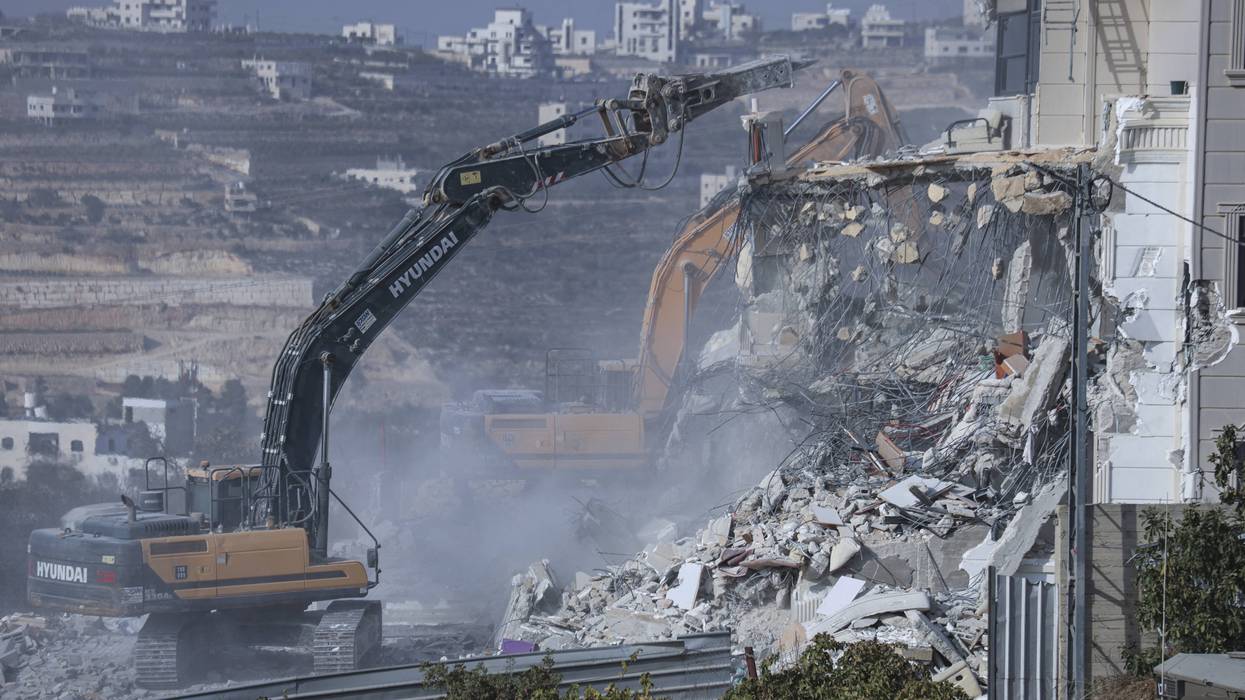
Israeli forces on Friday began demolishing homes and businesses and forcibly evacuating residents near Hebron in the illegally occupied West Bank following a Palestinian resistance attack that killed two Israeli soldiers.
"First, we will destroy this place and completely transform it, but we will do something that has never been done before," Israeli Prime Minister Benjamin Netanyahu said at the scene of the shooting attack that took place earlier Friday near Hebron Junction. "We will evacuate the residents, go from house to house, remove weapons from there as well, and deal with and destroy all terrorist infrastructure."
"We will consider expanding this model to other cities as well," Netanyahu added.
The prime minister also ordered the Israel Defense Forces (IDF) to “immediately impose a lockdown on Hebron and prepare for a full lockdown" of the entire West Bank, while vowing to launch the largest military operation in the occupied territory since it was conquered during the 1967 Six-Day War and subsequently ethnically cleansed of more than 100,000 Palestinians.
Israeli Defense Minister Israel Katz also vowed that neighborhoods associated with the attackers would be "evacuated"—a word that critics call a euphemism for ethnic cleansing—"just like in Gaza; just like in Lebanon."
Far-right Israeli Finance Minister Bezalel Smotrich echoed those calls.
"There is no other option but a comprehensive military campaign in Judea and Samaria to dismantle the Palestinian Authority, collect weapons, and eliminate terrorists," he said, referring to Israel's name for the West Bank.
"Exactly like in Gaza and Lebanon," Smotrich added.
Israeli forces have killed or wounded more than 250,000 people in Gaza since the Hamas-led attack of October 2023, while forcibly displacing around 1.9 million residents and destroying or damaging more than 80% of the strip's structures. In Lebanon, nearly 40,000 people have been killed or injured by Israeli attacks over the same period, during which there were two waves of mass displacement in which more than a million people were forced from their homes each time. Dozens of Lebanese villages have been flattened.
Demolition and displacement were the order of the day in the West Bank Friday as Israeli bulldozers began demolishing homes after Netanyahu's announcement, even as local residents said their properties had no connection to the attack on the slain IDF troops.
The Times of Israel reported that soldiers ordered Palestinians in the Farsh al-Hawa area to evacuate ahead of demolitions, with footage showing residents being pushed out as their belongings were loaded onto trucks.
“We are already here with the equipment on the ground, sending an unequivocal message to our enemies: If you mess with us, we will exact a very, very painful price from you,” Smotrich said in Farsh al-Hawa.
Israel’s High Court intervened and issued a temporary order to halt demolitions after Arab-Israeli human rights lawyer Mohammed Dahleh filed an urgent petition on behalf of two factory owners who claimed the destruction violated Israeli law as well as international prohibitions on collective punishment.
“What we saw today was an attempt to copy the illegal practices used in Gaza, in the heart of the West Bank,” Dahleh told The Guardian. “They want to wipe out entire areas exactly as they did in Gaza and the refugee camps in the West Bank.”
Another Israeli human rights attorney, Michael Sfard, called Smotrich's video announcement a "direct admission" of collective punishment.
The demolitions and forced evacuations are unfolding amid a wider Israeli campaign of home destruction, settler pogroms and other deadly violence, and displacement that Palestinian rights advocates and United Nations officials have called ethnic cleansing.
Palestinian olive harvesters, as well as international solidarity activists accompanying them, journalists covering settler attacks, and even international diplomats have come under attack by IDF-backed settler terrorists. The United Nations Office for the Coordination of Humanitarian Affairs (OCHA) said earlier this week that between September 1 and October 12, Israeli settlers carried out 199 attacks connected to the harvest, killing one Palestinian, injuring 124, and damaging more than 2,500 trees and saplings.
According to OCHA, over 1,130 Palestinians—at least 250 of them children—have been killed by Israeli soldiers and settlers in the West Bank since October 2023.
Friday's developments came four days ahead of Israel's elections, in which the ruling far-right coalition is trying to boost support among voters, including settler colonists pushing the government to annex the West Bank.
Netanyahu has vowed to annex all settler colonies. Smotrich has presented a plan to annex approximately 82% of the West Bank, excluding six major Palestinian cities. Ben-Gvir wants to annex the entire West Bank.
Israel's actions on Friday drew widespread condemnation.
“Israeli leaders are publicly announcing plans for collective punishment and acts that could constitute war crimes,” the Israeli human rights group B'Tselem said, while imploring “governments and international institutions to act now, using all means available under international law, to prevent the forcible displacement of Palestinian civilians, collective punishment, and extensive unlawful destruction in Hebron.”
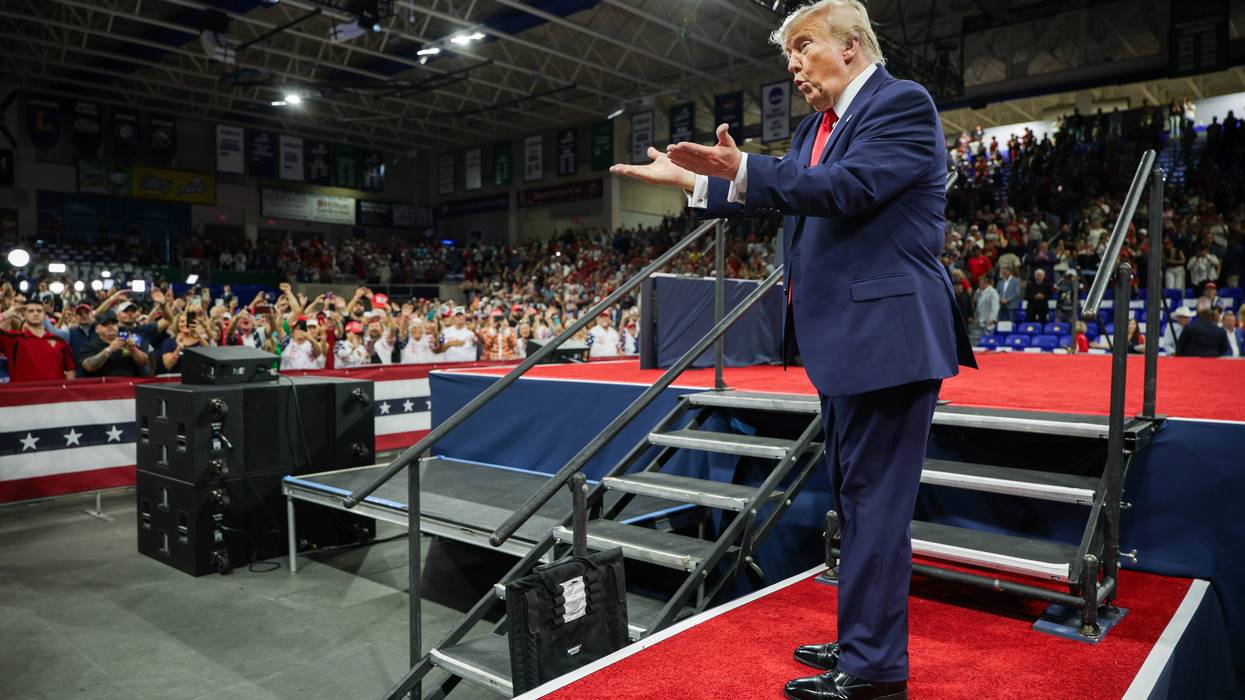
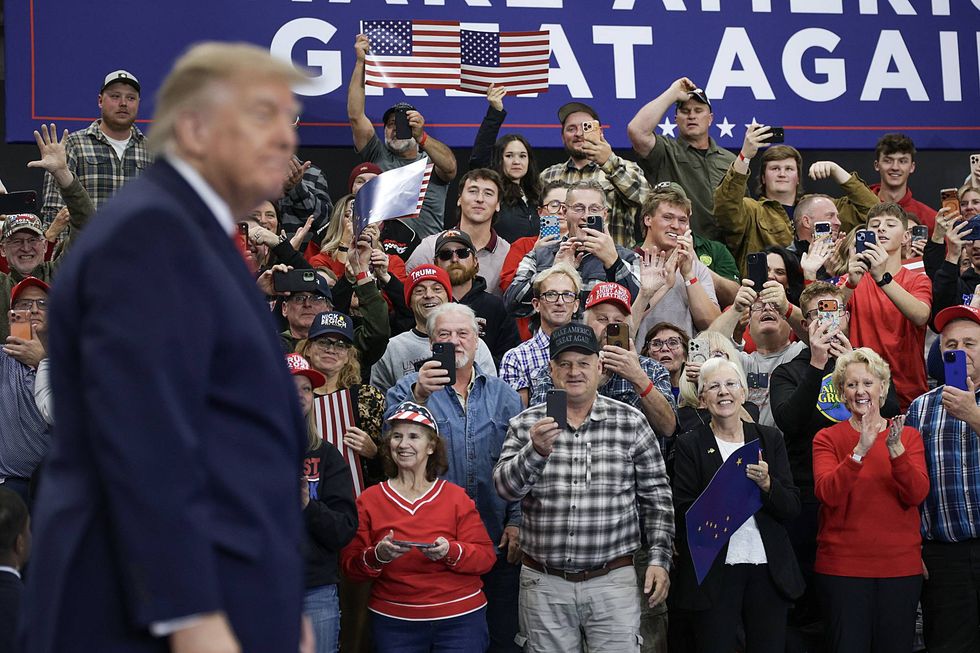 US President Donald Trump arrives for a campaign rally at the Menard Memorial Sports Center on October 13, 2026, in Wasilla, Alaska. (Photo by Alex Wong/Getty Images)
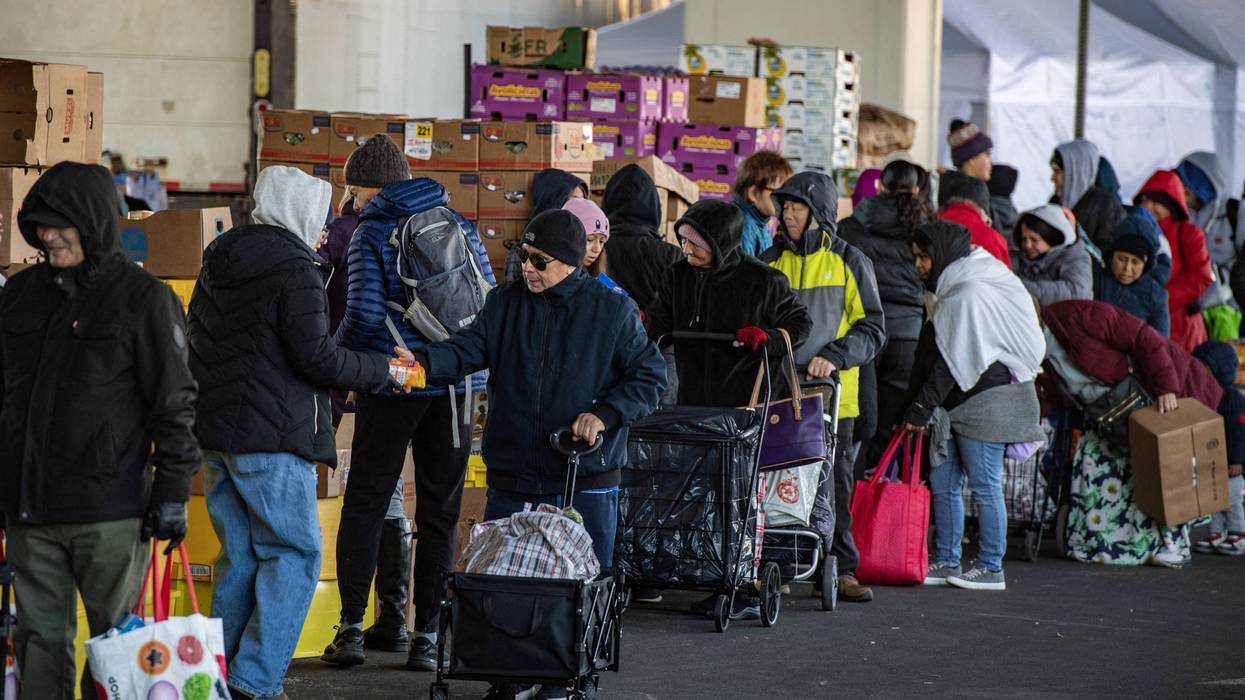

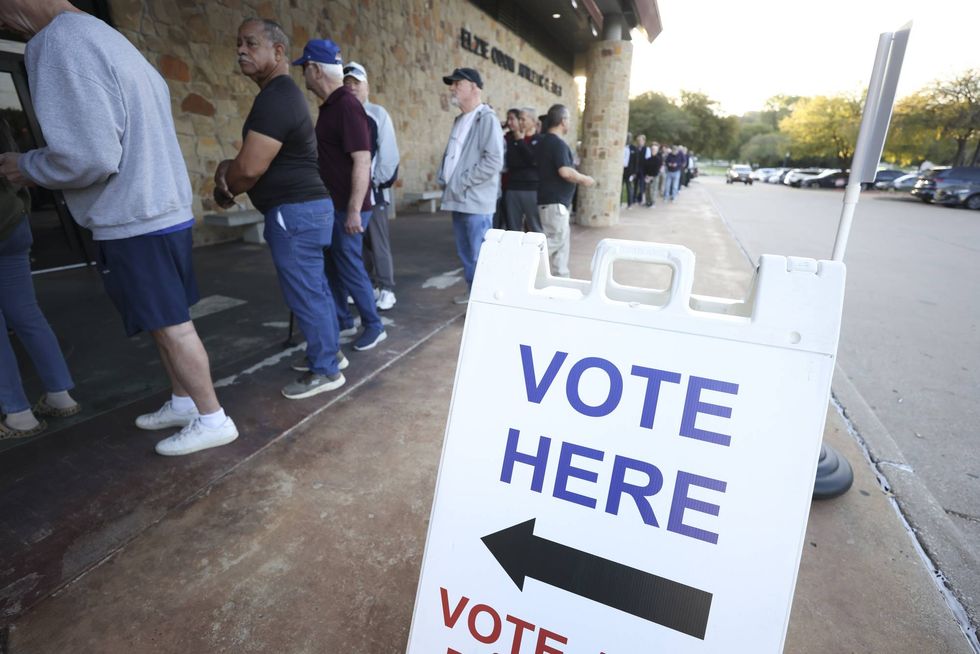 Voters line up outside the Elzie Odom Athletic Center in Arlington, Texas, on October 19, 2026, the first day of early voting for the November 3 midterm elections. (Photo by Chitose Suzuki/The Dallas Morning News via Getty Images)