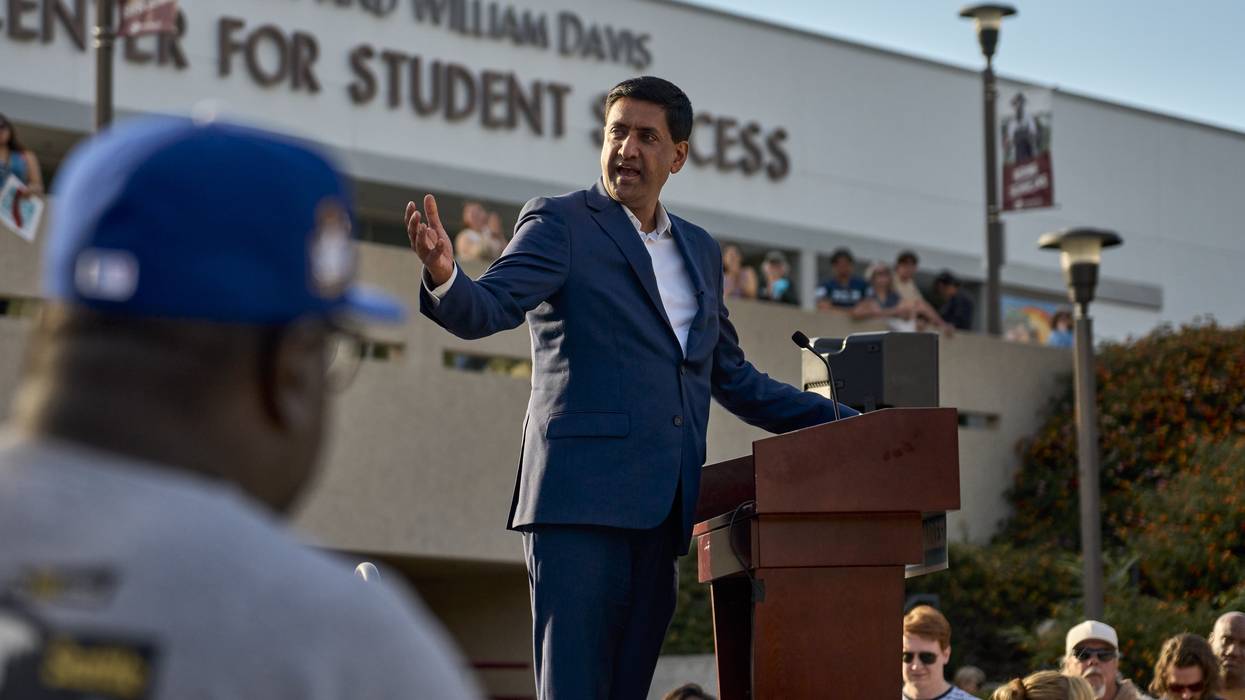
'Make Him Veto Medicare for All': Khanna Proposes Bold Agenda in Case of Dem Victory
Progressive California Rep. Ro Khanna argued against centrist Democratic Sen. Brian Schatz's statement that Democrats should not try to pass ambitious bills if they won control of Congress in November.
Progressives including Rep. Ro Khanna slammed a recommendation from Hawaii Sen. Brian Schatz, who will be the No. 2 Democrat in the Senate if the party retakes control of the body following the November 3 midterm elections, that Democratic legislators should moderate their ambitions if they regain control of Congress.
Speaking on CNN's "The Arena" with Kasie Hunt on Thursday, Schatz responded to Hunt's question about how a governing Democratic caucus might respond to the "energy" and "anger" on the left with a word of caution.
"I do not think it is time to propose things that the president of the United States is guaranteed to veto," Schatz said. "I think that is somewhat of a bit of wasted energy. And then if we want to be more aspirational, if we want to make more bold policy changes, we're going to have to take the presidency and both chambers and that's for 2028."
https://t.co/7ahr7Yu3Iv
— David Sirota (@davidsirota) October 24, 2026
Instead, Schatz argued that Democrats should see a midterm victory as an "institutional check against an out-of-control president" and use its leverage "to try to bring this war to a conclusion and to reverse the Medicaid and SNAP [Supplemental Nutrition Assistance Program] cuts."
Not everyone agreed with Schatz's prescription, however, arguing that forcing President Donald Trump to veto popular policies could only help the Democrats going forward.
Progressive Rep. Ro Khanna (D-Calif.) wrote on social media late Friday that Democrats should force Trump to veto a litany of progressive policies from Medicare for All to blocking aid and bombs to Israel to taxing billionaires.
"Make him veto Medicare for All," he advised.
Make him veto Medicare for AllMake him veto a $25 living wageMake him veto free childcareMake him veto Block the Bombs to IsraelMake him veto zero aid to IsraelMake him veto free collegeMake him veto erasing student loansMake him veto taxes on billionaires
— Ro Khanna (@RoKhanna) October 24, 2026
Groundwork CEO Lindsay Owens called Schatz's strategy "worrisome" on Saturday.
"Trump vetoing bills to make healthcare cheaper is a good political outcome for Dems," she wrote on social media, arguing that it would increase the likelihood of a Democratic victory in 2028.
Worrisome strategy form a top Dem. 1. By defn if the bill gets to potus’s desk ~everyone in the caucus voted for it (not just the left). 2. Trump vetoing bills to make health care cheaper is a good political outcome for Dems (& makes it more likely that we win in 28 to do this).
— Lindsay Owens (@owenslindsay1) October 24, 2026
Writer Katelyn Burns agreed, writing: "No, wrong. You pass the popular agenda and let the other party stand in the way of what the people want. Why the fuck would you pre-veto shit??"
The Debt Collective wrote: "This broken ideology actually explains a lot. They just genuinely do not understand the strategy of making President Trump veto popular things—it almost makes you wonder if they just don't support the popular things at all."
Other s responded with sarcasm.
"Let's just not make waves and confirm Trump's judges for two years, maybe let Republicans run the committees too, that would be the sensible move," wrote The Prospect executive editor David Dayen.
Austin Ahlman, a reporter and political analyst for anti-monopoly think tank the Open Market Institute, joked: "Smart. Wouldn’t want anyone to mistake you for the opposition."

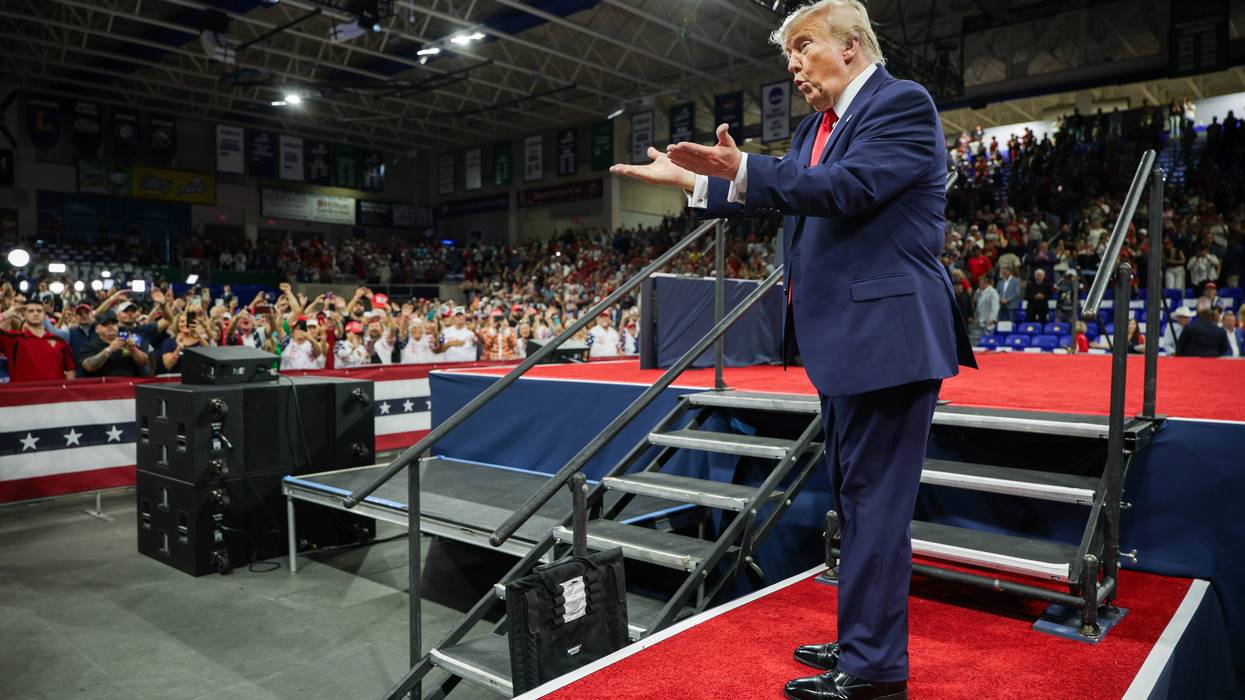
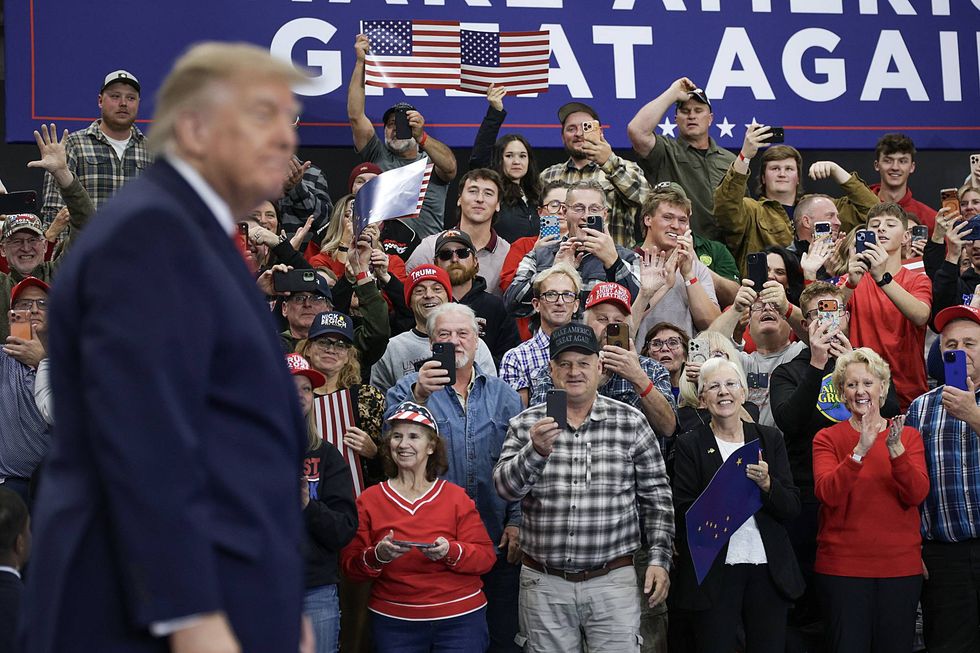 US President Donald Trump arrives for a campaign rally at the Menard Memorial Sports Center on October 13, 2026, in Wasilla, Alaska. (Photo by Alex Wong/Getty Images)


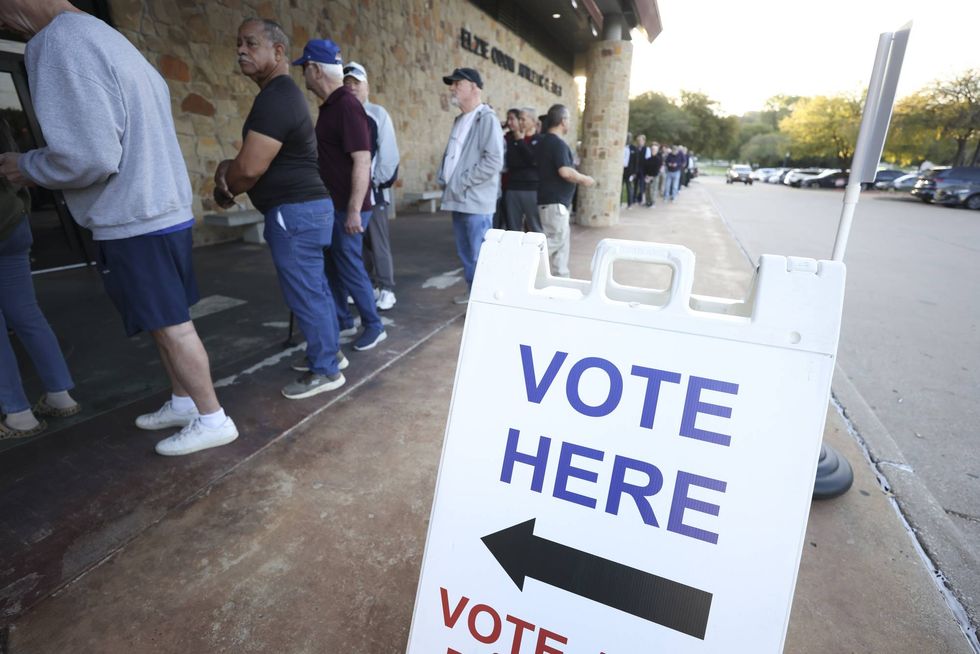 Voters line up outside the Elzie Odom Athletic Center in Arlington, Texas, on October 19, 2026, the first day of early voting for the November 3 midterm elections. (Photo by Chitose Suzuki/The Dallas Morning News via Getty Images)