SUBSCRIBE TO OUR FREE NEWSLETTER
Daily news & progressive opinion—funded by the people, not the corporations—delivered straight to your inbox.
5
#000000
#FFFFFF
To donate by check, phone, or other method, see our More Ways to Give page.
Daily news & progressive opinion—funded by the people, not the corporations—delivered straight to your inbox.
UN experts have said Israel's "destruction of urban and village housing that displaced persons would have returned to, is consistent with the pattern of domicide that was initiated during the genocide in Gaza."
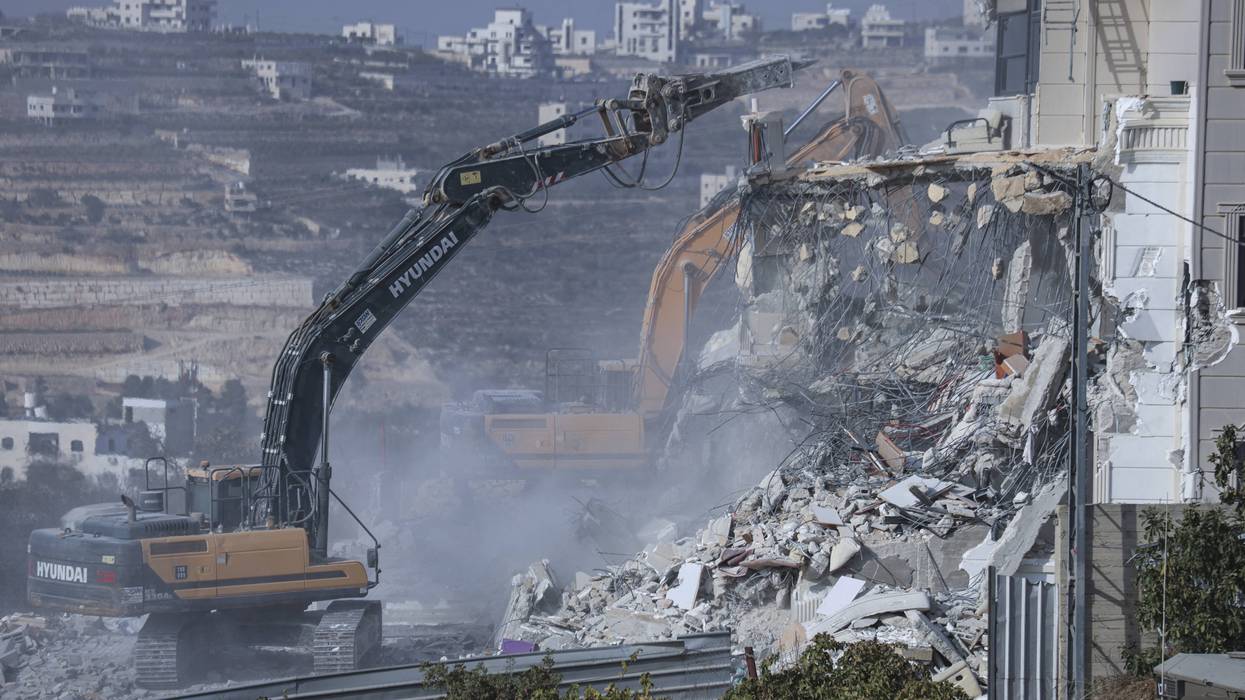
Despite a ceasefire announced Friday, after US President Donald Trump said Israel was "PROHIBITED" from continuing to strike Lebanon, Israel continued to level villages and homes across southern Lebanon from Friday into Saturday in what has been described as a continuation of its "Gaza tactics."
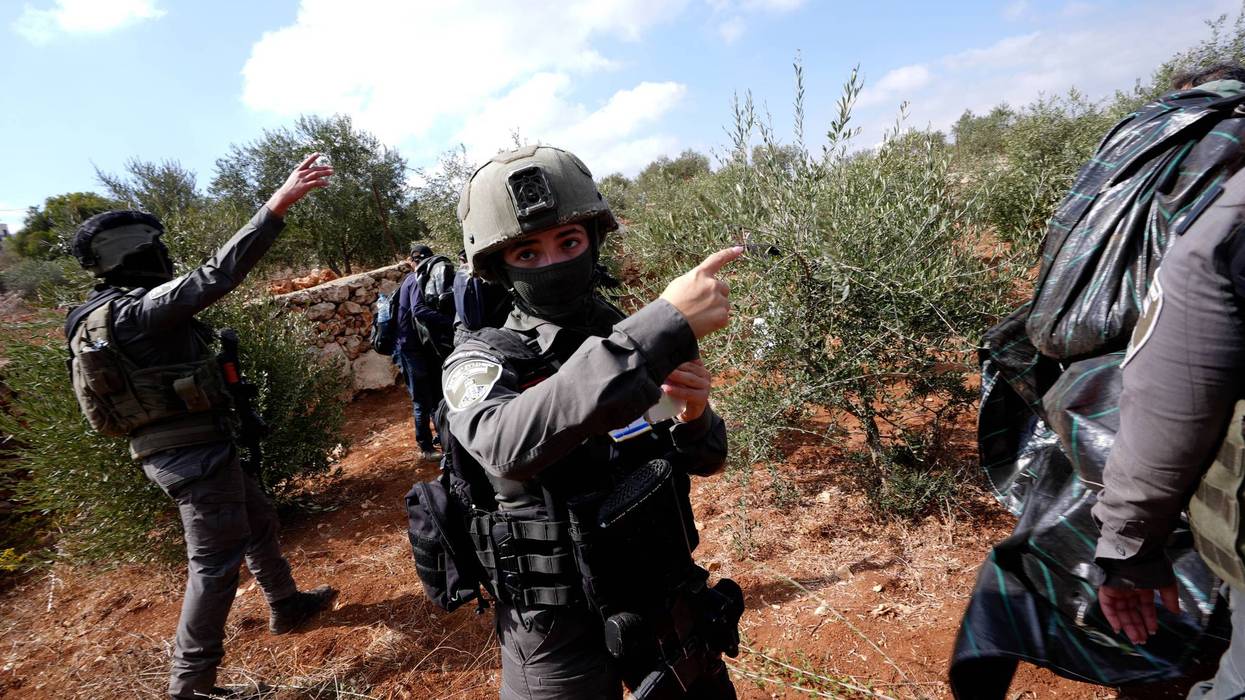
Just as it did in Gaza, Israeli Army Radio announced Friday night that Israel had established a "yellow line" in southern Lebanon about 10 kilometers north of the Israeli border, effectively allowing Israel to occupy about 10% of Lebanese territory and maintain control of 55 towns and villages.
According to a report by Lebanon’s National Council for Scientific Research, Israeli forces have been destroying more than 1,000 homes per day since March 2, sometimes wiping out entire villages across southern Lebanon.
The campaign escalated later in the month after Israeli Defense Minister Israel Katz ordered the military to "accelerate the destruction of Lebanese homes" near the Israeli border based on the "model in Gaza," where Israel has destroyed around 90% of all infrastructure and left most of the population sheltering in tents.
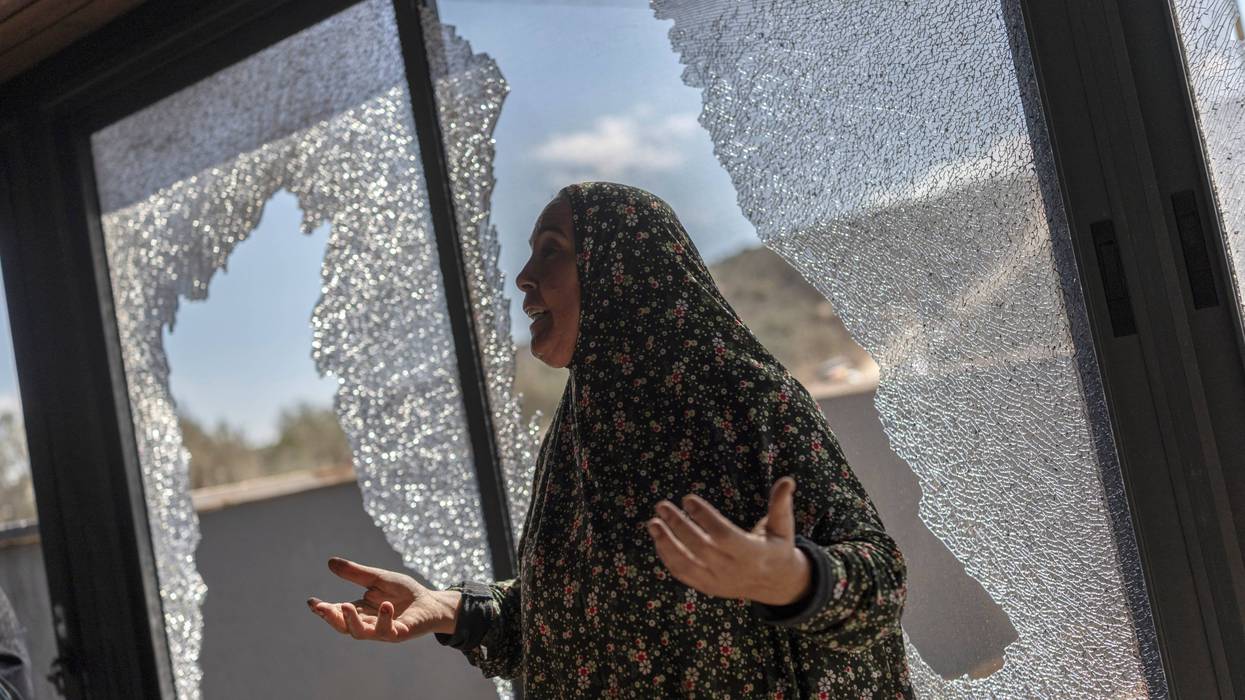
Israel has described this as an effort to destroy Hezbollah infrastructure. But the razing of entire villages has often appeared indiscriminate, and numerous attacks have targeted or damaged schools, hospitals, and other nonmilitary infrastructure. More than 40,000 homes have reportedly been destroyed or damaged.
Demolitions and land-clearing operations have continued after Friday's ceasefire, according to reporters on the ground in Lebanon for Al Jazeera. Israeli artillery also reportedly shelled areas around Beit Lif, al-Qantara, and Toul.
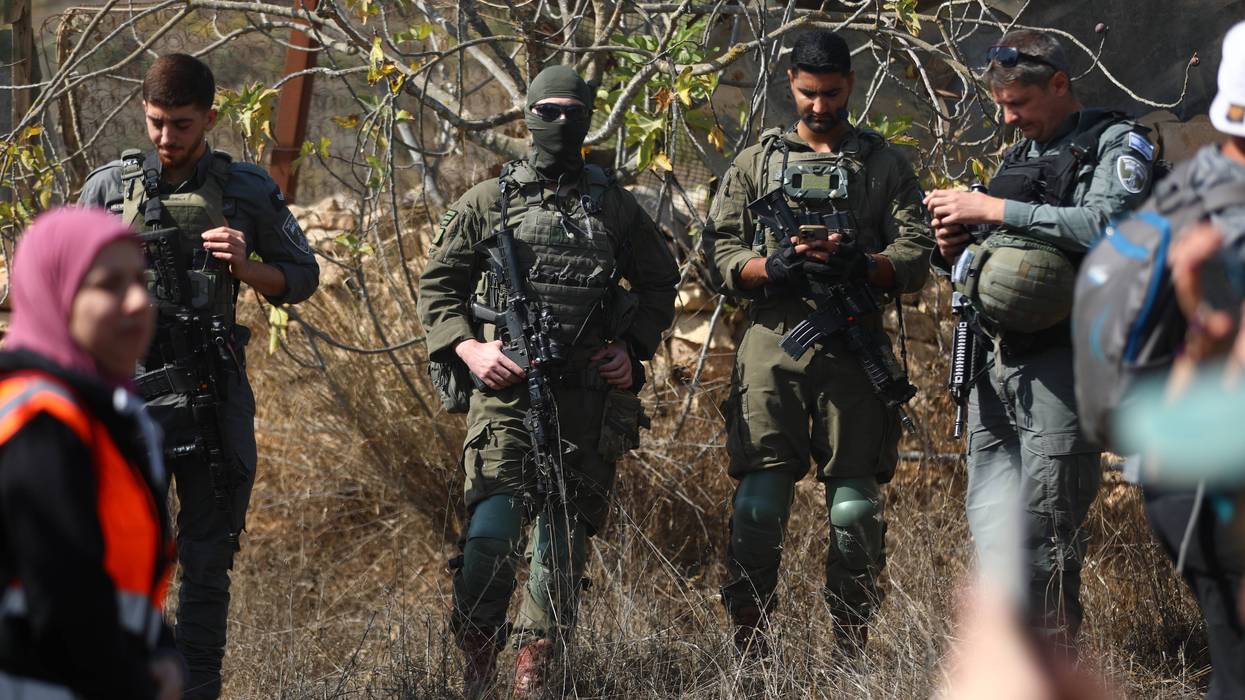
On Friday, Israel warned tens of thousands of displaced Lebanese civilians in southern Lebanon not to return to their homes despite the ceasefire, although some have begun to make the trek anyway. Many have found their former homes reduced to rubble.
“There’s destruction, and it’s unlivable," said one resident who was displaced from his home in Nabatieh. "We’re taking our things and leaving again."
Israel said Saturday that it had also carried out new airstrikes in southern Lebanon against people who approached the newly established yellow line. The Israeli military claimed that individuals crossed from north of the line toward Israeli troops, prompting "precise strikes" by air and ground forces against them.
An Israeli military statement described those approaching as "terrorists" who violated the ceasefire and said it carried out the strikes in "self-defense against threats." However, it did not specify what threat those approaching the line posed.
Previous attacks that Israel has said were directed at Hezbollah fighters have devastated civilian areas in southern Lebanon, as well as Beirut and its surrounding suburbs.
According to Lebanon’s Health Ministry, which does not distinguish between military and civilian casualties, more than 2,167 people have been killed since Israel renewed its attacks in Lebanon on March 2.
In Gaza, despite a ceasefire, nearly 100 Palestinians have been killed near the yellow line since it was established in October 2025. Those killed have included at least 36 women, children, and elderly people, according to TRT World.
On Wednesday, a group of United Nations experts denounced what they called Israel's "illegal aggression and indiscriminate bombing campaign" aimed at occupying land in violation of the UN Charter.
“The issuance of blanket evacuation orders, combined with the destruction of urban and village housing that displaced persons would have returned to, is consistent with the pattern of domicide that was initiated during the genocide in Gaza,” they warned.
On Saturday, a group of peacekeepers with the United Nations Interim Force in Lebanon also came under attack, resulting in the death of a French soldier. Lebanon's Foreign Ministry condemned the attack and pledged to identify the "perpetrators."
UN peacekeepers and French officials have said the attack was most likely carried out by Hezbollah, but Hezbollah has denied responsibility.
Israel's continued attacks on Lebanon also threaten to derail not only its ceasefire with Lebanon but also the US ceasefire with Iran.
After the announcement of a ceasefire between Israel and Lebanon on Friday, Iran briefly reopened the Strait of Hormuz to unrestricted travel. But on Saturday, following reports of Israel's violations of the ceasefire, it was once again closed.
While Iranian officials said the proximate reason for the closure was the continuation of US President Donald Trump's blockade of the strait, they have also indicated that they want Israel to stop attacking Lebanon as part of the ceasefire.
Trump's recent actions have convinced Tehran that the US is not "a trustworthy partner for any kind of deal," according to one Iranian professor.
The ceasefire between the US and Iran is in grave peril after Iran announced on Saturday that, in response to the continued US blockade, it would once again impose travel restrictions on the Strait of Hormuz after briefly reopening it on Friday.
Iran has used the strait—through which about 20% of the world's oil passes—as a chokepoint on Western commerce in response to the illegal US-Israeli war launched in February, and it has been the linchpin of the two-week ceasefire between the two sides, which is scheduled to end Wednesday.
Tehran announced Friday that the strait was "completely open" again in response to a ceasefire between Israel and Lebanon, which had taken effect. That agreement is also already falling apart following a slew of apparent violations by Israel, which has continued shelling southern Lebanon and demolishing homes even as displaced civilians return.
Iranian officials said they opted to reimpose their blockade of the strait because they believe that by continuing its own naval blockade of Iranian ports and vessels, which began over the past weekend, the US is not upholding its end of the deal.
According to a social media post from US Central Command on Saturday, the US military has already turned around at least 23 ships near the strait since its blockade began on April 13.
US President Donald Trump claimed Friday that Iran had agreed to reopen the strait without conditions, but that the US blockade would “remain in full force” until a broader deal was reached surrounding Iran's nuclear program.
But Iranian Deputy Foreign Minister Saeed Khatibzadeh said during a panel Saturday that "That is not the term we agreed on."
Iran's military headquarters later issued a formal statement declaring that it would begin limiting travel through the strait.
“The Islamic Republic of Iran, following previous agreements met in the negotiations conducted in good faith, agreed to manage the passage of a limited number of oil and commercial ships through the Strait of Hormuz," the statement said. "Unfortunately, the Americans, with their repeated breaches of trust that are part of their history, continue their acts of piracy and maritime theft under the pretext of a so-called blockade."
"This strategic waterway is under strict management and control by the armed forces," it continued. "As long as the United States does not end the complete freedom of movement for vessels from Iran to their destinations and back, the situation in the Strait of Hormuz will remain under strict control and will remain as it was before.”
Islamic Revolutionary Guard Corps (IRGC) gunboats later opened fire on an oil tanker traveling through the strait on Saturday. No injuries were reported.
As Al Jazeera reporter Ali Hashem described, talks between the US and Iran have been brought "back to square one."
The gap appears increasingly unlikely to be bridged by Wednesday, as Trump continues to demand that Iran allow the US to remove all its enriched uranium, which Iran has said is a nonstarter.
US and Israeli strikes in Iran have already killed more than 1,700 civilians, according to the US-based Human Rights Activist News Agency, and more than 3 million Iranians have been displaced since the war began, according to the United Nations Refugee Agency.
Trump said Friday that perhaps he "won't extend" the ceasefire and that "the blockade is going to remain. If an agreement is not reached by Wednesday, he said, "unfortunately, we'll have to start dropping bombs again."
The president said that Iran "got a little cute" on Saturday by closing the strait again, but said Iran "can't blackmail us."
Shutting the waterway has, however, proven to be one of Iran's most effective points of leverage against the US. It has caused gas prices to soar above $4 and inflation to ripple through the entire Western economy, further tanking Trump's already grim approval ratings as the US midterm elections approach.
Jennifer Parker, an adjunct fellow in naval studies at the University of New South Wales, told Al Jazeera that the US blockade of the strait does not have the ability to cripple Iran in the same way Iran can cripple the US.
“It is not the US blockade on Iranian ports that is impacting the majority of shipping going through that strait. It is the attacks the Iranian navy and IRGC have undertaken on civilian ships,” she said. "To solve the problem in the Strait of Hormuz, there either needs to be an agreement for Iran to stop attacking vessels, or a forcible military intervention that stops them from attacking vessels, and then general reassurance across the strait that it is clear of mines and that if the IRGC start trying to attack merchant ships, they will be defended... We are a long way from all of that.”
Iranian professor Mostafa Khoshcheshm said that Trump's contradictory statements surrounding the ceasefire have convinced Tehran that the United States is not "a trustworthy partner for any kind of deal," and that, as Trump continues to behave erratically, "Iran will continue the war.”
He told Al Jazeera: "Iran believes it has the upper hand and that this must be established in any future confrontation."
"While others open wounds, we want to mend them and cure them," said Spanish Prime Minister Pedro Sánchez.
Arriving in Spain on Friday for a two-day visit that will center on a gathering of progressive leaders from more than 100 political parties across five continents, Brazilian President Luiz Inácio Lula da Silva emphasized that the summit was not "an anti-Trump meeting."
But the contrast between US President Donald Trump's violent foreign and domestic policies and the international meeting, which will focus on wage inequality and electoral strategy for progressives, was unmistakable as Spanish President Pedro Sánchez opened the gathering at a press conference in Barcelona on Friday.
"We want to double our efforts to work for peace and for a reinforced multilateral order. While others open wounds, we want to mend them and cure them,” said Sánchez.
Da Silva—who is commonly called Lula—and Sánchez, as well as other leaders who will be attending the weekend event, have spoken out forcefully against Trump's policies and the rise of the far right in the US, Germany, Italy, and other European countries.
Sánchez has refused to allow US fighter planes to use Spanish military bases for missions in the US-Israeli war on Iran and closed the country's airspace to American military aircraft—plus doubled down on his condemnation of Trump and Israeli Prime Minister Benjamin Netanyahu's war even after the US president threatened Spain with a trade embargo.
Lula expressed solidarity with Pope Leo this week after the pontiff denounced the Iran war, and Mexican President Claudia Sheinbaum, who will also attend the meeting, took aim last month at Trump's claim that her country is the "epicenter of cartel violence"—blaming the US for the flow of illegal weapons into Mexico.
Lula emphasized that the 3,000 attendees of the summit, which will include the IV Meeting in Defense of Democracy as well as a gathering called the Global Progressive Mobilization on Saturday, will "discuss the state of democracy, to see what went wrong and what we have to do to repair it."
The Brazilian president added that "Brazil and Spain are side by side in the trenches together."
“We are an example that it is possible to find solutions to problems without giving into the empty promises of extremism," said Lula. "Democracy must go beyond just voting and bring real benefits to people’s lives.”
Sánchez added that "in a world that doubts and fragments, Spain and Brazil open a new chapter convinced that our countries have something the world needs: the strength to build bridges where others raise walls."
The Global Progressive Mobilization meeting will include roundtables dedicated to discussing economic inequality and other issues at a time when, as one report showed earlier this month, the richest 0.1% of people on the planet are stashing more than $2.8 trillion in tax havens—more than the wealth owned by the entire bottom 50% of humanity.
The economic hardships of working people have only been exacerbated by the war on Iran, which has sent global energy prices soaring.
US Sen. Chris Murphy (D-Conn.) is the only federal US official planning to attend the gathering, while New York City Mayor Zohran Mamdani—who has swiftly taken steps toward enacting a universal childcare program and announced a plan to tax second homes valued at over $5 million since taking office in January, is scheduled to participate virtually.
Also on Saturday, Lula and Sánchez will host the IV Meeting in Defense of Democracy, a summit first held in 2024 with the aim of combating "extremism, polarization, and misinformation."
European Council President António Costa, South African President Cyril Ramaphosa, Colombian President Gustavo Petro, and leaders from Albania, Ghana, and Lithuania are among those attending the meeting on democracy.
Lula said the large number of attendees is evidence that progressive governments are winning more influence around the world despite the rise of authoritarian political parties.
"Our flock is growing. We must give hope to the world," said Lula. "Otherwise, what happened with [Nazi leader Adolf] Hitler is going to happen."
Economist Gabriel Zucman, who joined Mamdani this week in publishing an op-ed calling for an end to regressive tax systems and highlighting a proposal for a 2% tax on the wealth of those with more than €100 million, or $117 million, expressed hope that the global left is amassing power by building a cooperative international movement.
"The good news is that, from Zohran Mamdani and [Congresswoman] Alexandria Ocasio-Cortez in New York to Pedro Sánchez in Spain, from Lula in Brazil to [Green Party Leader] Zack Polanski in the UK, we may be seeing the early signs of a new cross-border alliance taking shape against global oligarchy," said Zucman. "And I have no doubt that in this fight—the defining battle of the 21st century—democracy will prevail. See you in Barcelona this weekend to press ahead!"
"This fragile truce must not be undermined," said the secretary general of the Norwegian Refugee Council.
Less than an hour after US President Donald Trump announced that Israel was "PROHIBITED" from attacking Lebanon under a 10-day ceasefire reached Friday, an Israeli drone strike reportedly killed at least one person in southern Lebanon.
Citing Lebanese media, The Times of Israel reported that an Israeli drone targeted a motorcycle between the southern towns of Khounine and Beit Yahoun. The Israel Defense Forces have not commented on the attack.
It was the latest in what the Lebanese Army said on Friday morning were "a number of violations” of the ceasefire within hours of it going into effect at midnight local time on Friday, as well as "intermittent shelling targeting a number of villages."
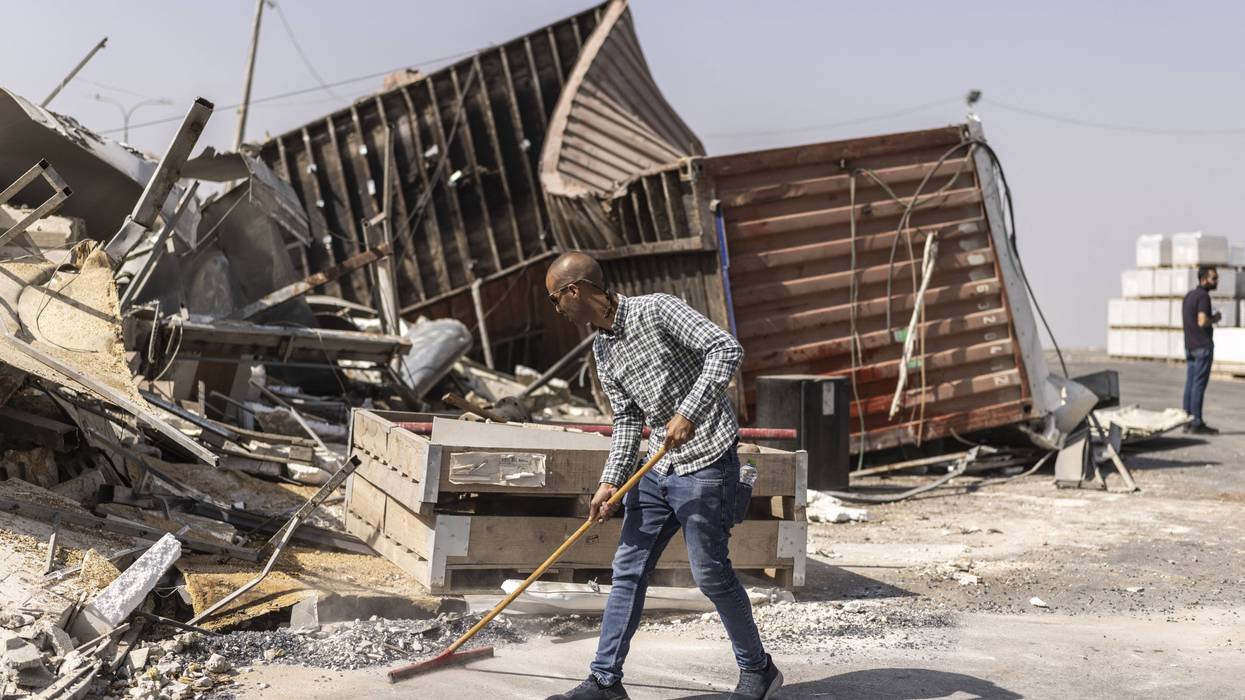
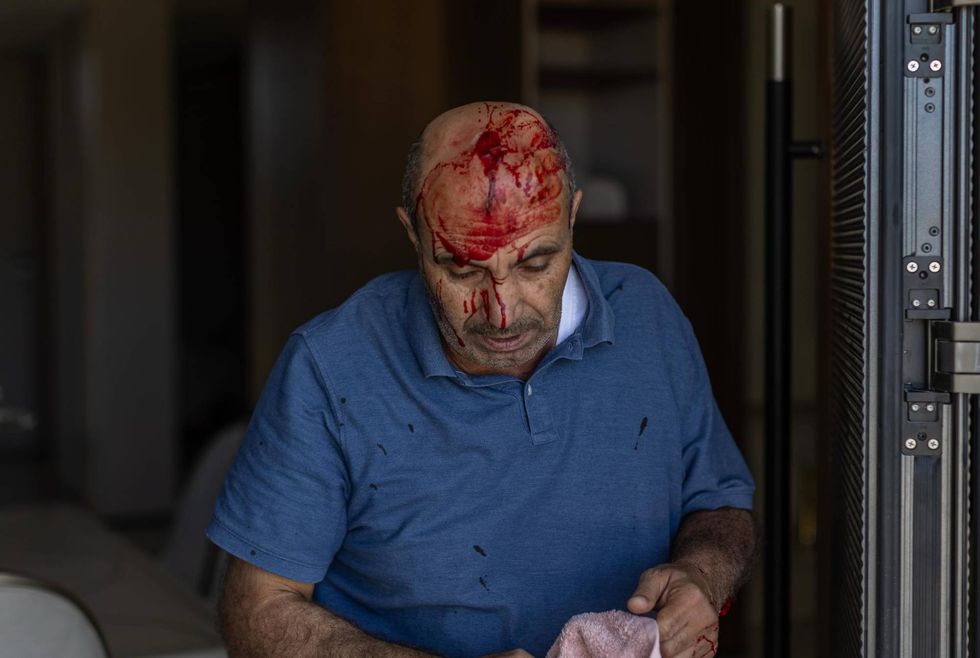
Lebanon's National News Agency reported that hours after the ceasefire went into effect, Israel struck an ambulance in the town of Khounine, near the Israeli border, which resulted in multiple casualties among the medical workers.
Israeli attacks on Lebanon since early March have killed nearly 2,300 people, according to Lebanese health officials and forced evacuation orders from Israel have resulted in the displacement of more than 1.2 million.
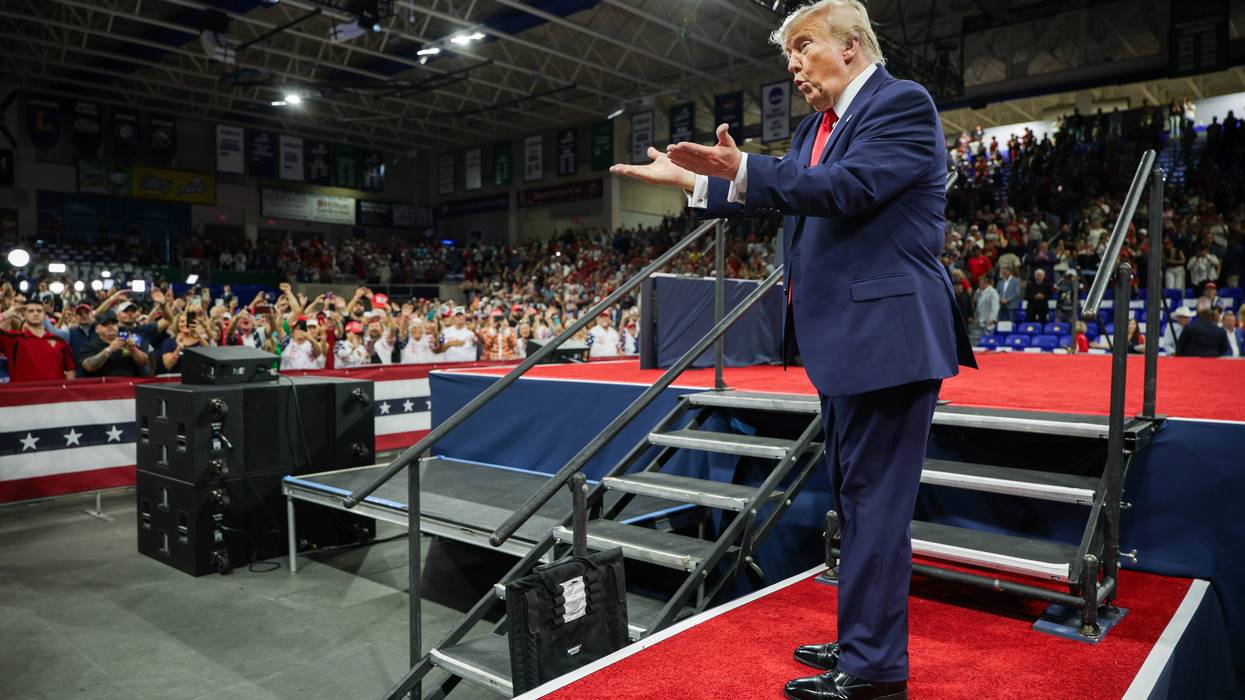
Trump said in a Friday social media post that under the framework reached Friday, "Israel will not be bombing Lebanon any longer. They are PROHIBITED from doing so by the U.S.A. Enough is enough!!!"
The US president has insisted that any agreement between Israel and Lebanon is separate from his ongoing two-week truce with Iran. Although Iran also announced on Friday that, following the Lebanon agreement, it stopped blocking travel through the Strait of Hormuz.
Iranian Foreign Minister Abbas Aragchi has specified that "the passage for all commercial vessels through the Strait of Hormuz is declared completely open for the remaining period of the ceasefire" between Israel and Lebanon.
Trump has claimed that the Iranian government “agreed to never close the Strait of Hormuz again,” and that the US will maintain its naval blockade of Iran.
Israel's continued attacks on Lebanon have already put the peace deal between the US and Iran in jeopardy. After Iran briefly reopened the strait in response to the two-week ceasefire earlier this month, it began blocking travel again after Israel launched its most devastating attacks on Lebanon of the entire war, which killed hundreds of civilians.
Israel launched the attacks despite Lebanon having initially been announced as a party to the ceasefire, which Israeli Prime Minister Benjamin Netanyahu and then Trump quickly rejected.
After another agreement with Israel was reached on Friday, Lebanese President Joseph Aoun urged that the opportunity "must not be squandered because it may not come again."
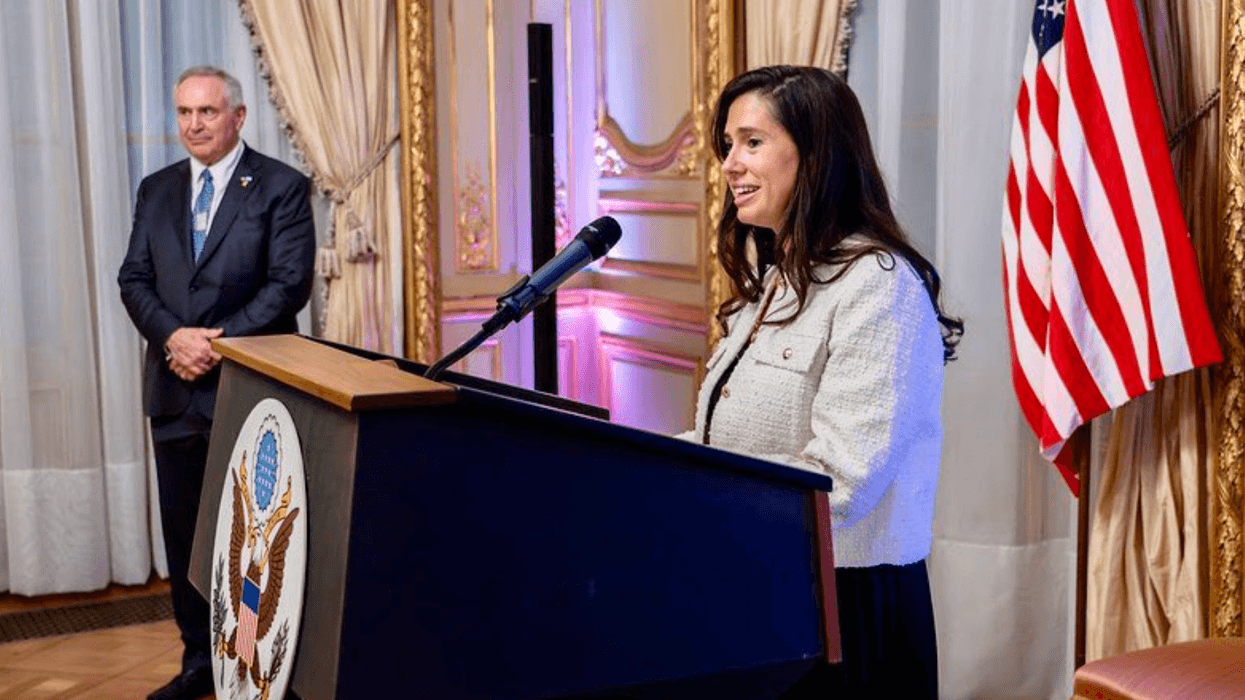
According to the US State Department, the agreement reached Friday still grants Israel the "right to take all necessary measures in self-defense, at any time, against planned, imminent, or ongoing attacks." However, it is not clear at this time what imminent attack Friday's strikes were intended to prevent.
Israel routinely violated its previous ceasefire with Lebanon that began in November 2024, with more than 10,000 air and land attacks over the first year, which the United Nations Interim Force in Lebanon (UNIFIL) said demonstrated a “total disregard of the ceasefire agreement.” It has done the same in Gaza, where hundreds of Palestinians have been killed since a ceasefire began in October 2025.
Netanyahu said on Friday that despite the ceasefire, Israel will continue its occupation of Southern Lebanon, where satellite images show the military has totally razed several towns and villages in what Israeli Defense Minister Israel Katz has described as a continuation of the "Gaza model," which left most buildings in the strip totally destroyed.
Israel's military spokesperson Avichay Adraee issued an "urgent message" to displaced Lebanese civilians following the ceasefire, urging them not to return to their homes south of the Litani River "until further notice."
According to The Associated Press, thousands have begun heading home regardless to find their villages reduced to rubble.
"Across the country, roads are already congested with hopeful families trying to return to their homes. That alone shows how deeply people want this war to end," said Jan Egeland, the Norwegian Refugee Council’s secretary general.
"This fragile truce must not be undermined. We cannot afford a repeat of the ineffective 2024 ceasefire, which saw countless violations. Worryingly, there are already reports of violations by the Israeli army, which also issued a warning against civilians returning to their homes south of the Litani river, home to hundreds of thousands of people," Egeland said. "For this ceasefire to be meaningful for civilians, it must lead to a real and durable halt in hostilities."