

SUBSCRIBE TO OUR FREE NEWSLETTER
Daily news & progressive opinion—funded by the people, not the corporations—delivered straight to your inbox.
5
#000000
#FFFFFF
To donate by check, phone, or other method, see our More Ways to Give page.
Daily news & progressive opinion—funded by the people, not the corporations—delivered straight to your inbox.

"Instead of increasing the cost of college in order to give more tax breaks to billionaires," said Sen. Bernie Sanders, "we are going to make public colleges and universities tuition-free."
As U.S. President Donald Trump and congressional Republicans move to gut federal student aid programs to help fund tax cuts for the rich, Sen. Bernie Sanders on Wednesday will introduce legislation aimed at making public colleges and universities tuition-free for most Americans.
The College for All Act of 2025, shared exclusively with Common Dreams ahead of its official introduction, would eliminate public college and university tuition and fees for students from married households earning $300,000 or less per year or single households earning $150,000 or less.
The legislation would also make public community colleges and trade schools tuition-free for all students, and provide grants to Historically Black Colleges and Universities, Tribal Colleges and Universities, and other institutions to eliminate tuition and fees for eligible students.
Sanders (I-Vt.) and Rep. Pramila Jayapal (D-Wash.), who will introduce identical companion legislation in the House, presented the bill as a direct counter to Trump and congressional Republicans, whose emerging reconciliation package and proposed federal budget for the coming fiscal year would enact deep cuts to federal higher education funding—while delivering huge tax breaks to the richest Americans.
"Instead of increasing the cost of college in order to give more tax breaks to billionaires, we have a better idea," said Sanders. "We are going to make public colleges and universities tuition-free so that working-class students can succeed and are not burdened with a lifetime of debt."
Jayapal, a senior House Democratic whip and chair emerita of the Congressional Progressive Caucus, said that "Congress can and must ensure that working families never have to take out crushing loans to pursue an education."
"The College for All Act will free students from a lifetime of debt, invest in working people, and transform higher education across America by making a degree more accessible to poor and working families across this country," she added. "This is more important now than ever as Trump continues to attack education in this country through attempts to strip funding from universities and to dismantle the Department of Education."
"Young people should not have to go deeply into debt to get the education they and our nation need. We must make public colleges and universities tuition-free."
The legislation stands no chance of passing the Republican-controlled Congress, but it represents an alternative vision for higher education that has proven extremely popular with the American public. A 2021 Pew Research Center survey found that 63% of U.S. adults support making public colleges and universities tuition-free.
More recent polling has shown similar support, with Democratic voters overwhelmingly backing the proposal as higher education costs rise and students graduate saddled with massive student loan debt.
Sanders plans to introduce the legislation Wednesday morning at a Senate Health, Education, Labor, and Pensions (HELP Committee hearing on the state of higher education in the U.S., where public college costs more per student than in any other country except Luxembourg, according to the Education Data Initiative.
"Making public colleges and universities tuition-free is not a radical idea," declares a summary of the College for All Act provided by Sanders' office. "Other wealthy countries like France, Germany, Denmark, Sweden, Norway, and Finland made their public colleges and universities tuition-free or virtually tuition-free several years ago."
"Over 50 years ago, many of our most prestigious public colleges and universities were also tuition-free or virtually tuition-free," the summary notes. "In a competitive global economy, we need the best-educated workforce in the world. Young people should not have to go deeply into debt to get the education they and our nation need. We must make public colleges and universities tuition-free."
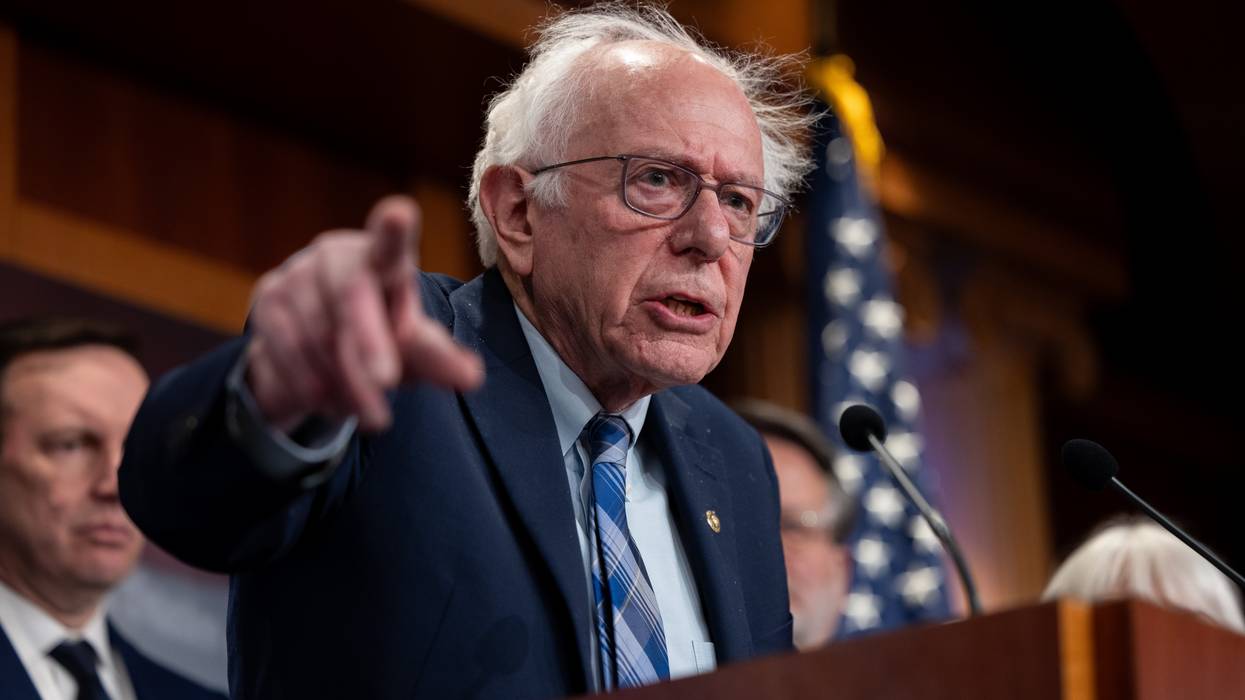
"The massive income and wealth inequality that exists in America today is not just an economic issue, it is literally a matter of life and death," said Sen. Bernie Sanders of Vermont.
People living in the top 1% of U.S. counties ranked by median household income live on average seven years longer than their counterparts in the bottom 50% of counties, according to a Friday report from Sen. Bernie Sanders, an Independent representing Vermont and the ranking member of the Senate Committee on Health, Education, Labor, and Pensions.
"The massive income and wealth inequality that exists in America today is not just an economic issue, it is literally a matter of life and death," said Sanders in a Friday statement announcing the report.
What's more, the stress of living paycheck to paycheck "also leads to higher levels of anxiety, depression, cardiovascular disease and poor health," Sanders argued, in a nod to some of the survey responses included in the analysis.
The analysis echoes findings by other researchers that higher income is associated with greater longevity. According to a Congressional Research Service report from 2021, life expectancy has generally increased over time in the United States—with the exception of during Covid-19 pandemic—but "researchers have long documented that it is lower for individuals with lower socioeconomic status compared with individuals with higher socioeconomic status. Recent studies provide evidence that this gap has widened in recent decades."
The findings in Sanders' report relied on county-level data in the United States between 2015 and 2019, the five years prior to the pandemic. For that time period, Sanders' staff matched each U.S. county with both median household income data from the U.S. Census Bureau and average life expectancy data from the Institute for Health Metrics and Evaluation, according to the report.
The life expectancy gap was greater when comparing higher-earning urban and suburban communities with lower-earning rural communities. "Urban and suburban counties with a median household income of $100,000 have an average life expectancy of 81.6 years, while small rural counties with a median household income of $30,000 have an average life expectancy of 71.7 years—a 10-year gap," according to the report.
A boost in earnings also translated into a boost in life expectancy. For example, "among rural counties, a $10,000 increase in median annual household income is associated with an additional 2.6 years of life expectancy," according to the report.
The analysis also includes qualitative data collected by Sanders, who asked working people via social media survey how stress impacts their lives. The outreach generated over 1,000 responses from people around the country.
According to the report, Caitlin from Colorado said: "Stress isn't just an inconvenience for me—it's a direct threat to my heart. Living with a congenital heart defect and multiple mechanical valves means that every surge of anxiety, every sleepless night worrying about bills, isn't just mentally exhausting—it physically wears on my heart."
"Living paycheck to paycheck while supporting a family stresses me out. We are always just one financial emergency from being homeless," said Patrick from Missouri.
One person also reported having to go without preventative healthcare because they are between jobs and can't afford the care without insurance.
The report offers a number of policy solutions to address the key findings of the analysis, including raising the minimum wage to at least $17 an hour, guaranteeing paid family and medical leave, and passing Medicare for All, which would enact a single-payer health insurance program.
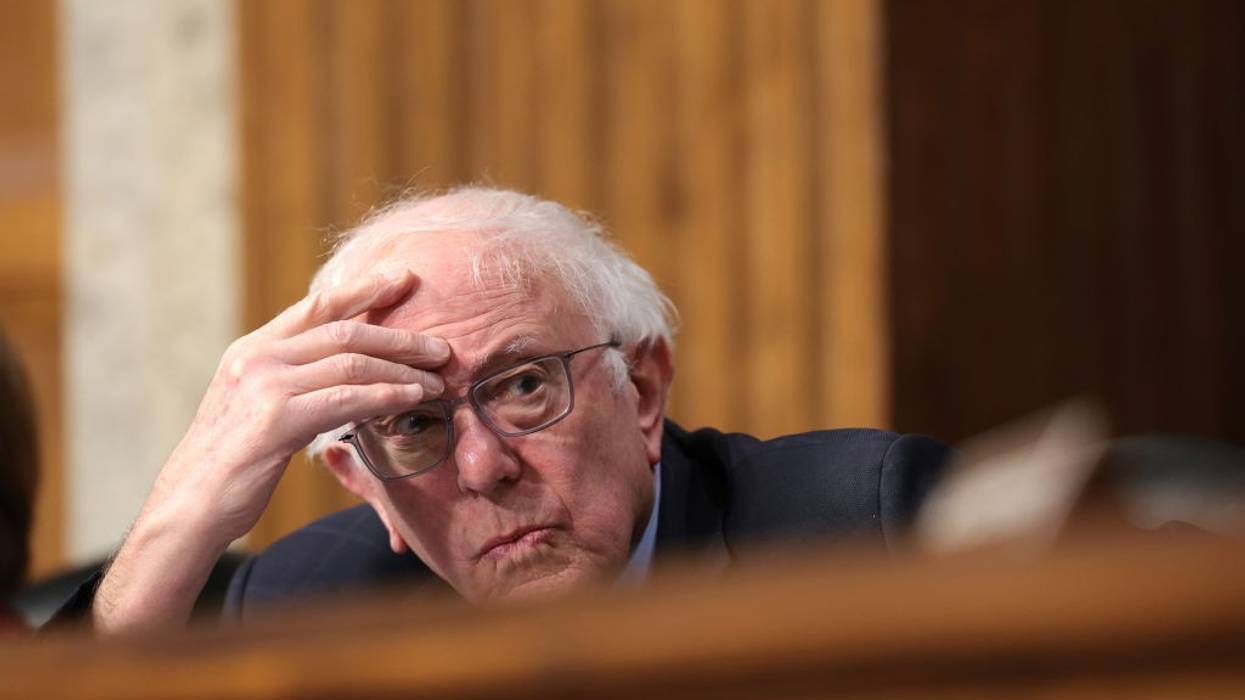
"My constituents in Vermont and constituents all over this country want to know what the hell is going on with the federal government right now," the democratic socialist senator said.
Sen. Bernie Sanders (I-Vt.)—the ranking member of the Senate Committee on Health, Education, Labor, and Pensions—on Thursday urged the panel to launch an investigation into the Department of Government Efficiency and its de facto chief, Elon Musk, "the richest man in the world, to testify about his plans for running the federal government."
"I think everybody on this committee and the people of America understand who is running the government, and it's not going to be the secretary of labor," Sanders said during Thursday's HELP committee hearing on the confirmation of Keith Sonderling, Republican U.S. President Donald Trump's nominee for deputy labor secretary.
"We must find out what is going on in the federal government. And the way we do that is bringing Mr. Musk before this committee."
"With all due respect to President Trump's nominees, the... person who is running the government right now is Elon Musk," Sanders asserted.
"Mr. Musk has taken it upon himself, with the support of President Trump, to virtually dismantle the United States government," the senator said.
Sanders noted various attacks on agencies, including efforts to oust over 80,000 employees at the Department of Veterans Affairs and get rid of half of the Social Security Administration's employees, "at a time when Social Security is now grossly understaffed."
"Mr. Musk has ordered [the Department of Health and Human Services], the Department of Labor, and the Department of Education to fire employees, hand over confidential and sensitive data, and defy judicial orders," he added.
"My constituents in Vermont and constituents all over this country want to know what the hell is going on with the federal government right now," Sanders said. "And it's not going to be the next deputy secretary of labor who is going to tell them."
"So if we are serious... about our oversight responsibilities, we must find out what is going on in the federal government," he added. "And the way we do that is bringing Mr. Musk before this committee."
Sanders' call for an investigation into DOGE and subpoena for Musk came on the same day that Trump convened an in-person Cabinet meeting during which he clarified that the department secretaries are in charge of their agencies, not Musk. Multiple administration officials told Politico that "Musk was empowered to make recommendations to the departments but not to issue unilateral decisions on staffing and policy."
Musk was in the room for the meeting. As Politico reported:
The president's message represents the first significant move to narrow Musk's mandate. According to Trump's new guidance, DOGE and its staff should play an advisory role—but Cabinet secretaries should make final decisions on personnel, policy, and the pacing of implementation.
Musk joined the conversation and indicated he was on board with Trump's directive. According to one person familiar with the meeting, Musk acknowledged that DOGE had made some missteps—a message he shared earlier this week with members of Congress.
"As the secretaries learn about, and understand, the people working for the various departments, they can be very precise as to who will remain, and who will go," Trump later explained on his Truth Social platform. "We say the 'scalpel' rather than the 'hatchet.' The combination of them, Elon, DOGE, and other great people will be able to do things at a historic level."
Since its launch, DOGE has been plagued by statistical and accounting mistakes, as well as overzealous and errant firings of thousands of critical government workers, including people in charge of nuclear and air traffic safety and pandemic response.

During a hearing, Sen. Bernie Sanders told the pharmaceutical giant's CEO to "stop ripping us off."
Sen. Bernie Sanders on Tuesday rejected the pharmaceutical Novo Nordisk's justifications for the high prices of two increasingly popular obesity and diabetes medications in the United States, telling the company's CEO to "stop ripping us off."
Sanders' (I-Vt.) remarks came during a Senate Health, Education, Labor, and Pensions (HELP) Committee hearing featuring testimony from Lars Fruergaard Jørgensen, the chief executive of the Danish pharmaceutical giant Novo Nordisk.
"The United States is Novo Nordisk's cash cow for Ozempic and Wegovy," said Sanders, noting that the company has made $50 billion in sales of the two drugs since 2018—a majority of them in the U.S., where the company charges significantly higher prices than in Denmark, Germany, and other rich countries.
The senator rejected Jørgensen's efforts in his written testimony to explain away the high prices for the two medications. The executive pointed to the "complexity" of the U.S. healthcare system and rebates to pharmacy benefit managers (PBMs), among other factors, to justify the current list prices of Ozempic and Wegovy—$969 a month and $1,349 a month, respectively, in the U.S.
Sanders observed that "even factoring in all of the rebates that PBMs receive, the net price for Ozempic is still nearly $600—over nine times as much as it costs in Germany."
"And the estimated net price of Wegovy," the senator added, "is over $800—nearly four and a half times as much as it costs in Denmark."
Watch the full hearing:
Ahead of Tuesday's hearing, Sanders released a report countering Jørgensen's insistence that cutting the list prices of Ozempic and Wegovy would lead to PBMs "dropping" the medications from their formularies, resulting in less access to the drugs.
"Three major PBMs that help determine drug coverage for most of the nation—Cigna Group/Express Scripts, CVS Health/Caremark, UnitedHealth Group/Optum Rx—confirmed to Chair Sanders that a list price reduction would not negatively impact formulary placement for Ozempic and Wegovy, and affirmed that lower list prices would, in fact, make the drugs more widely available to patients in need," Sanders' office said.
The report also disputes Novo Nordisk's claim that price cuts would undermine the company's ability to "invest in new and innovative drug research and development efforts"—a claim that pharmaceutical firms often use to justify high prices.
"Since launching Ozempic in 2018, Novo Nordisk has spent twice as much on stock buybacks and dividends ($44 billion) as it has on research and development ($21 billion), according to financial filings," the report notes. "Novo Nordisk has also lavished cash and perks on healthcare providers, sending doctors on trips to Alaska, Hawaii, and Florida, and paying for nearly 1.7 million meals and snacks for doctors and other healthcare providers to promote Ozempic and Wegovy, federal records show."
"Right now, rationing is a painful reality for American patients dealing with issues related to diabetes and obesity."
During Tuesday's hearing, Jørgensen said he would be willing to do "anything that will help patients get access to affordable medicine" but did not specifically pledge to reduce the prices of Ozempic and Wegovy. Jørgensen told the Senate committee that PBMs' vows not to reduce access to the drugs in the case of price cuts was "new information to me."
The consumer advocacy group Public Citizensaid following the Senate hearing that Medicare would save $14 billion on Ozempic and Wegovy if the Biden administration used its existing legal authority to approve generic competition for the two medications.
"Novo today appeared unable, or unwilling, to articulate a credible response [to] why it charges Americans more than people in other wealthy countries," said Peter Maybarduk, director of Public Citizen's Access to Medicines program. "The federal government must open generic competition with Ozempic and Wegovy."
"Right now, rationing is a painful reality for American patients dealing with issues related to diabetes and obesity," he continued. "The federal government has an obligation to serve these patients' health needs. In doing so, we can also improve Medicare's financial health. As Sen. Sanders has cautioned, Novo Nordisk's price gouging practices would impose unmanageable costs on Medicare if its drugs were made available to all seniors who might benefit from them."
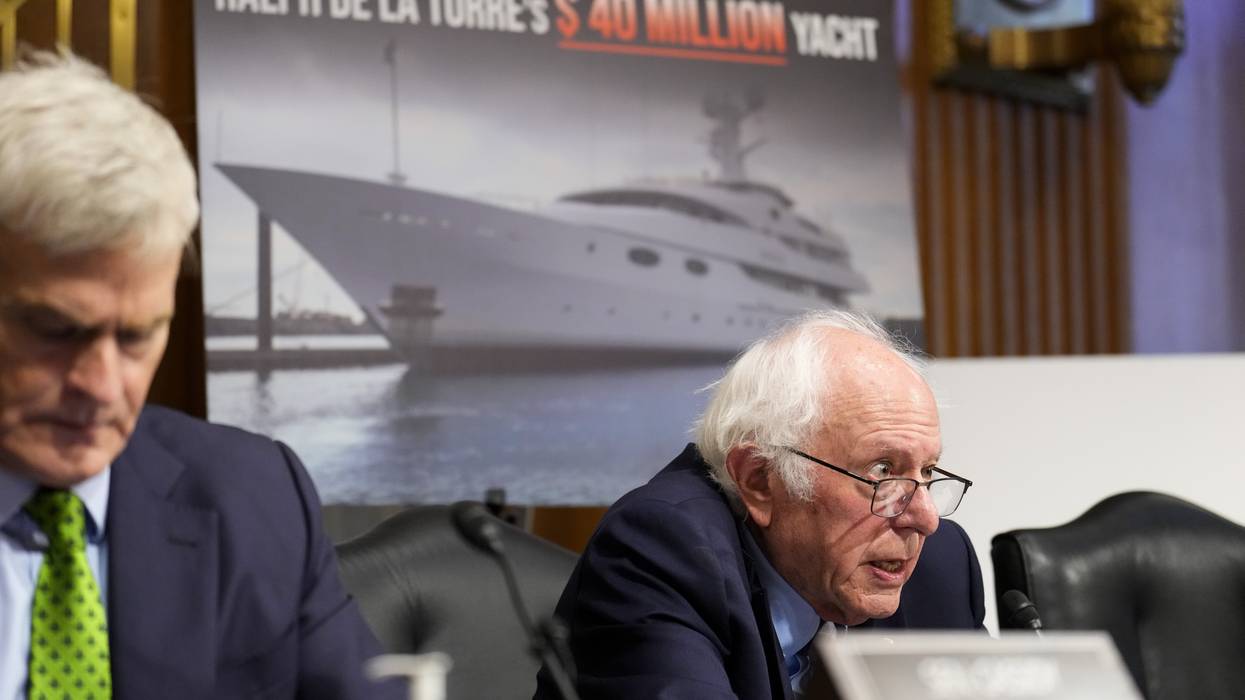
"Even though he may be able to afford some of the most expensive lawyers in America—no, Dr. de la Torre is not above the law," said Sen. Bernie Sanders.
A U.S. Senate panel led by Sen. Bernie Sanders voted Thursday in favor of holding Steward Health Care CEO Ralph de la Torre in civil and criminal contempt after he refused to appear at a hearing last week in defiance of a congressional subpoena.
The Senate Health, Education, Labor, and Pensions (HELP) Committee passed the contempt resolutions in a near-unanimous vote, with Sen. Rand Paul (R-Ky.) abstaining.
The vote marked "the first time in modern American history that the HELP Committee has issued a civil or criminal contempt resolution," according to Sanders' office.
The approval of the two resolutions, which now head to the full Senate for consideration, could mean jail time for de la Torre, who has come under fire for purchasing two yachts as his private equity-backed company faced financial turmoil. De la Torre was paid a salary of nearly $4 million the year before Steward ultimately filed for bankruptcy.
A lawyer for de la Torre insisted in a letter to Sanders (I-Vt.) on Wednesday that the CEO "lacks the authority to speak on behalf of Steward with respect to the ongoing bankruptcy proceedings and he is prohibited by a federal court order from doing so."
Ahead of Thursday's vote, Sanders said de la Torre's decision not to comply with the Senate HELP Committee's subpoena was "unfortunate and unacceptable."
"For months, this committee has invited Dr. de la Torre to testify about the financial mismanagement and what occurred at Steward Health Care. Time after time he has arrogantly refused to appear," said Sanders. "Dr. de la Torre has given us no choice but to move forward this morning on two resolutions to enforce the subpoena and to hold him accountable for his actions."
"Even though Dr. de la Torre may be worth hundreds of millions of dollars, even though he may be able to own fancy yachts and private jets and luxurious accommodations throughout the world, even though he may be able to afford some of the most expensive lawyers in America—no, Dr. de la Torre is not above the law," Sanders added.
Sen. Ed Markey (D-Mass.), a member of the Senate panel, said in a statement that "as a physician and as the CEO of Steward from its founding, there is no one who understood the potential consequences of Steward's failures more than Dr. Ralph de la Torre."
"Dr. de la Torre led Steward when it sold out hospital real estate to Medical Properties Trust and allowed [the private equity firm] Cerberus to extract over $800 million in profit," said Markey. "Dr. de la Torre led Steward as eight hospitals closed, 2,000 patients were endangered, and at least 15 patients died. Dr. de la Torre led Steward as it filed for bankruptcy."
"We are making clear to Dr. de la Torre, the Steward Board of Directors and senior leadership, and other CEOs, private equity investors, and corporate executives who treat the healthcare system like their piggy bank: Your millions do not shield you from accountability to a legal order issued by the United States Senate," Markey added.
The Senate panel's passage of the two resolutions comes a week after Steward nurses told the committee—in de la Torre's absence—that Steward-owned hospitals were disastrous for patients and healthcare workers. A report published by the Senate HELP Committee earlier this month found that "death rates for certain conditions at some Steward-owned hospitals increased as death rates for those same conditions held steady or decreased across the country."
Lisa Gilbert, co-president of the consumer advocacy group Public Citizen, said in a statement Thursday that the Senate panel's "actions today are an important reminder that no one is above the law."
"Congress and the American people deserve answers on what happened under Dr. de la Torre's watch at Steward, as his damaging actions had real consequences for patient health," said Gilbert. "Dr. de la Torre and others like him should not be able to ignore congressional subpoenas without accountability."
If the full Senate approves the criminal contempt resolution, it would "refer the matter to the U.S. Attorney for the District of Columbia to criminally prosecute Dr. de la Torre for failing to comply with the subpoena," Sanders' office said.

"Why? Excessive corporate greed," said Sen. Bernie Sanders.
U.S. Sen. Bernie Sanders called out the pharmaceutical giant Novo Nordisk on Tuesday for charging American patients more than $900 a month for the increasingly popular diabetes drug Ozempic, even though generic manufacturers are willing to sell the medication for significantly less.
During a panel discussion with experts, Sanders (I-Vt.) said he and his staff have been in contact with the top executives of major drug makers who say they could sell a generic version of Ozempic for less than $100 a month—and still turn a profit. A recent study found that the drug can be manufactured for less than $5 a month.
"Novo Nordisk, which has made nearly $50 billion in sales off of Ozempic and Wegovy, charges Americans almost $1,000 a month—the highest prices in the world," Sanders, the chair of the Senate Health, Education, Labor, and Pensions (HELP) Committee, said Tuesday. "Why? Excessive corporate greed."
Ozempic and Wegovy are part of a class of treatments known as GLP-1s. Wegovy, a weight-loss drug that Novo Nordisk sells for $1,349 a month in the U.S., contains the same active ingredient as Ozempic, which is approved only for people with Type 2 diabetes.
The drugs' growing popularity in the U.S. has drawn greater scrutiny to Novo Nordisk's pricing. Sanders' office noted Tuesday that the company's price tag for Wegovy is $186 in Denmark, $140 in Germany, and $92 in the United Kingdom.
Novo Nordisk's high prices for the drugs in the U.S. could have far-reaching impacts on the nation's healthcare system. A group of economists wrote in a recent op-ed for The New York Times earlier this year that "under reasonable assumptions and at current prices, making this class of drugs available to all obese Americans could eventually cost over $1 trillion per year," which is "almost as much as the government spends on the entire Medicare program and almost one-fifth of the entire amount America spends on healthcare."
Sanders warned Tuesday that if the prices of Ozempic and Wegovy aren't reined in, Medicare premiums could surge.
"Our healthcare system, I think most people understand, is in crisis," Sanders said during the panel discussion. "The business model of the pharmaceutical industry is unsustainable."
Over the course of our investigation into the outrageous cost of Ozempic and Wegovy in the U.S., I spoke with the CEOs of major generic pharmaceutical companies who confirmed:
They can sell a generic version of Ozempic for $100/mo. https://t.co/XDHdBRPIcM
— Bernie Sanders (@SenSanders) September 17, 2024
Peter Maybarduk, director of the Access to Medicines Program at Public Citizen, said in a statement Tuesday that "all we need to make Ozempic for $100 a reality is to overcome Novo's patent monopoly, which the government has the power to do any time."
"States and clinicians are asking the feds for help," said Maybarduk. "We estimate taking action on Novo's patents could save Medicare more than $14 billion in the first two years of competition, while making diabetes and obesity drugs affordable."
Last month, Public Citizen delivered a petition to U.S. Health and Human Services Secretary Xavier Becerra urging him to use existing law to "authorize generic competitors to Ozempic and Wegovy."
"Novo Nordisk’s outrageous pricing of [Ozempic and Wegovy] threatens to break the coffers of federal health programs," the group wrote. "Pursuant to 28 U.S.C. § 1498, the administration should authorize use of any and all patents necessary to allow manufacturers to produce generic alternatives to these treatments on behalf of the United States government, which can be used to supply Medicare, Medicaid, and other federal health programs. This will facilitate competition and make the treatments more affordable and accessible for patients."
The CEO of Novo Nordisk, which has spent aggressively on lobbying this year, is scheduled to testify before the Senate HELP Committee next week.
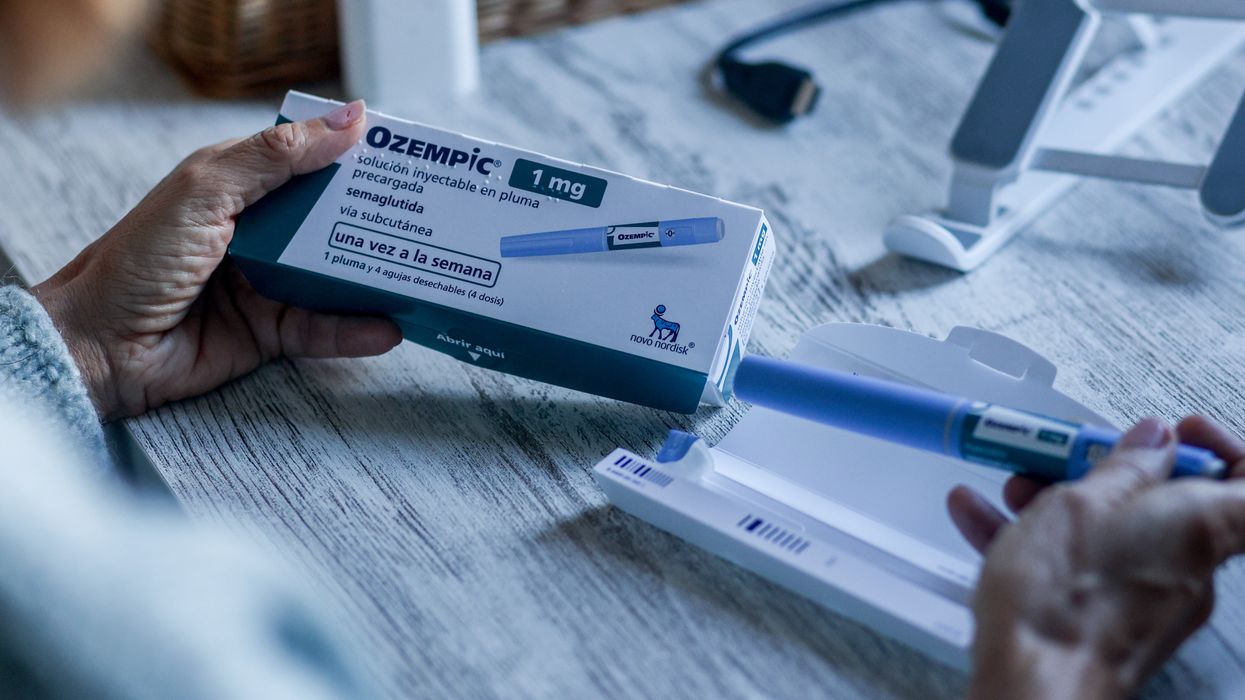
"Too often, because manufacturers are pricing out my patients, I have to resort to treatment options that are less effective and less safe," one doctor said.
As the U.S. Senate prepares for a hearing on Novo Nordisk overcharging Americans for Ozempic and Wegovy, Sen. Bernie Sanders on Monday released a letter from 253 health professionals asking Congress to take on the "exorbitant prices set by manufacturers" for non-insulin diabetes and weight loss medications.
The clinicians wrote that drugs including "semaglutide (marketed by Novo Nordisk as Ozempic for diabetes and Wegovy for weight loss) and... tirzapetide (marketed by Eli Lilly as Mounjaro for diabetes and Zepbound for weight loss) have been revolutionary in the management of chronic conditions of diabetes and obesity."
"However, even the most transformative medications cannot help our patients if they cannot afford them," states the letter, which is addressed to Sanders (I-Vt.), chair of the Senate Committee on Health, Education, Labor, and Pensions (HELP), and Sen. Bill Cassidy (R-La.), the panel's ranking member.
"If Novo Nordisk does not end its greed and substantially reduce the price of these drugs, we must do everything we can to end it for them."
"Studies have shown that semaglutide can be manufactured for as little as nearly $5 per month, substantially lower than the current U.S. list price of $968 for Ozempic or $1,349 per month for Wegovy," the letter notes. "In contrast, Novo Nordisk has set the price of Wegovy at $92 in the United Kingdom and $186 in Denmark, clearly demonstrating that these drugs are being priced unfairly for our U.S. patients."
The health providers stressed that "for patients, these are not one-off prices they shoulder, but potentially lifelong costs they will need to consider. For obesity, the drugs work while patients take them, but once off treatment, studies have found that patients regain the weight."
"Patients in the U.S. face multiple hurdles in accessing the drugs, which we as prescribers do our best to help them navigate," they explained, detailing issues faced by people who have private insurance, Medicare and Medicaid coverage, and no insurance. "Lack of coverage, supply shortages, and the unreasonable sticker prices of these medications are pushing patients to consider alternative options, which are often unsafe."
"We want our patients to be able to access medications that can improve their health and quality of life, but we do not want to rob the American taxpayers to line the pockets of the pharmaceutical manufacturers," the clinicians concluded. "Senators, we are asking you to do everything in your power to bring down the price of these novel diabetes and obesity drugs. Our patients deserve to have the best options available to them at a fair price."
Echoing the letter in a Monday statement, Dr. Kasia Lipska, a practicing endocrinologist and diabetes researcher at the Yale School of Medicine in Connecticut, said that "the exorbitant prices that manufacturers are asking my patients to pay for these novel diabetes and obesity medications are simply unacceptable."
"Too often, because manufacturers are pricing out my patients, I have to resort to treatment options that are less effective and less safe," Lipska continued. "These are life-changing treatments that should be available to my patients and everyone who needs them, not just those who can afford to pay."
Dr. Elizabeth Dewey, another letter signatory who practices family medicine in Greensboro, North Carolina, said that in her state, "we have been struggling all year with lack of coverage for weight loss medications."
"When our state plan and large employers dropped coverage for weight loss medications earlier this year, patients were left without treatment," Dewey explained. "Those who wanted to continue on the medications could pay cash. But for most patients, paying hundreds of dollars without insurance coverage is not affordable. Even with drug company coupons or discounts on certain doses, these treatments are still unattainable for most of my patients."
Sanders, who launched a probe into Denmark-based Novo Nordisk back in April, welcomed the letter, saying that "doctors across this country are sick and tired of seeing their patients ripped off by giant pharmaceutical companies."
"There is no rational reason, other than greed, for Novo Nordisk to charge Americans with Type 2 diabetes $969 a month for Ozempic, while this same exact drug can be purchased for just $155 in Canada and just $59 in Germany," he argued. "Novo Nordisk also charges Americans with obesity $1,349 a month for Wegovy, while this same exact product can be purchased for just $140 in Germany."
"Doctors agree," he added. "If Novo Nordisk does not end its greed and substantially reduce the price of these drugs, we must do everything we can to end it for them."
The Senate HELP Committee hearing on Capitol Hill is scheduled for 10:00 am on Tuesday, September 24.
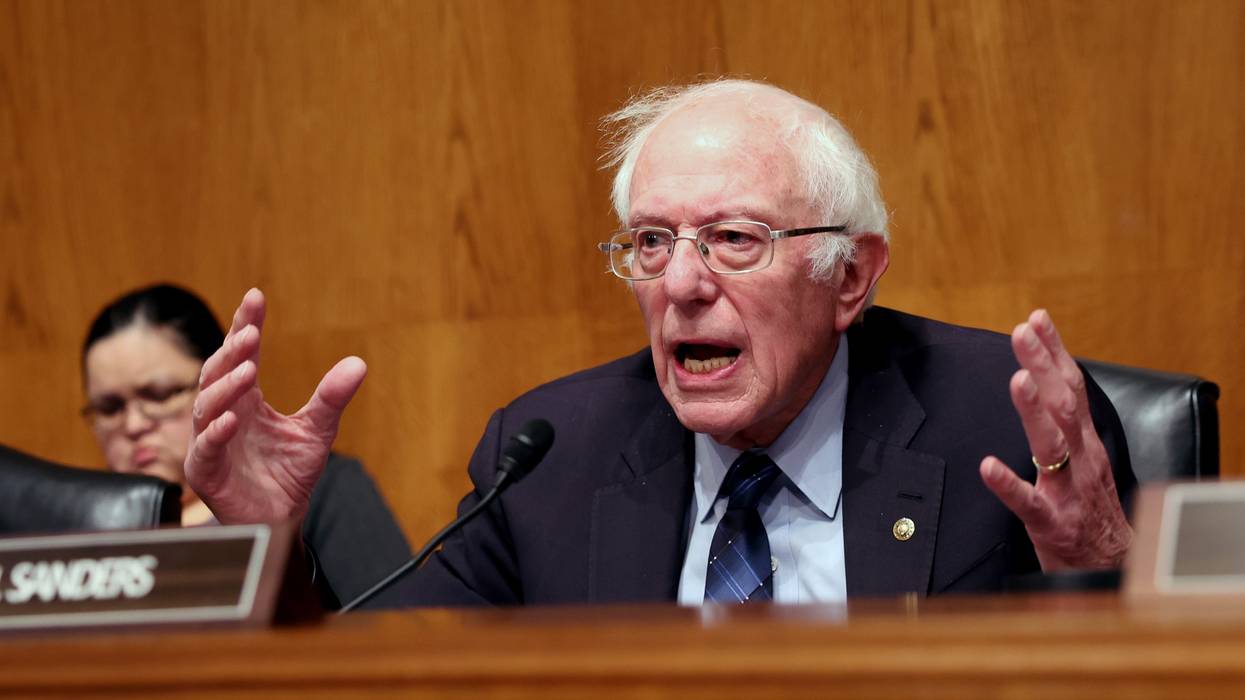
"Dr. de la Torre will be held accountable for his greed and the damage he has caused the American people and our nation's healthcare system."
Taking aim at Steward Health Care CEO Dr. Ralph de la Torre's refusal to comply with a Senate subpoena, U.S. Sen. Bernie Sanders on Friday said the committee he chairs will still hold a hearing next week on the company's bankruptcy and healthcare industry greed.
"Working with private equity vultures, Steward Health Care CEO Dr. Ralph de la Torre has made hundreds of millions of dollars ripping off patients and healthcare providers across the country," said Sanders, who heads the Senate Committee on Health, Education, Labor, and Pensions (HELP).
"This outrageous display of corporate greed has resulted in more than 30 Steward hospitals in eight states being forced to declare bankruptcy, putting patients and communities at risk," added the senator, who said the hearing is set to take place next Thursday at 10:00 am Eastern time.
"Ralph de la Torre has made hundreds of millions of dollars ripping off patients and health care providers across the country."
Steward is trying to auction off all 31 of its hospitals in order to pay down its debt. As Common Dreams reported, the HELP committee—which includes 10 Republicans—voted 20-1 in July to investigate Steward Health Care's bankruptcy, and 16-4 to subpoena de la Torre.
"Dr. de la Torre will be held accountable for his greed and the damage he has caused the American people and our nation's healthcare system," Sanders said Friday. "Is it my hope that Dr. de la Torre will do the right thing, change his mind, and join our hearing to provide testimony? Yes. But let me be clear: With or without him, this hearing is going forward."
"We will expose his fraud, and put his greed on display," the senator added. "I look forward to hearing from patients, medical professionals, and community members whose lives have been upended by Dr. de la Torre and his private equity cronies."
Another HELP committee member, Sen. Ed Markey (D-Mass.), and Sen. Elizabeth Warren (D-Mass.), who is a bankruptcy law expert, on Wednesday accused de la Torre of using Steward-owned hospitals "as his personal piggy bank."
De la Torre—who according to Steward's bankruptcy filing received more than $4 million in compensation between May 2023 and April 2024—has also come under fire for his 2021 purchase of a 190-foot megayacht believed to be worth around $40 million. That year, Steward's owners paid themselves millions of dollars in dividends.
On Thursday, CBS News reported that in 2017 Steward executives including de la Torre illegally conspired with Maltese officials in order to secure a hospital contract, according to a whistleblower.
While a spokesperson for the executive denied any wrongdoing, whistleblower Ram Tumuluri alleged in a complaint to the U.S. Congress that "in touting Steward's supposed competitive advantage in Malta... de la Torre boasted that he could issue 'brown bags' to government officials if necessary to close transactions."
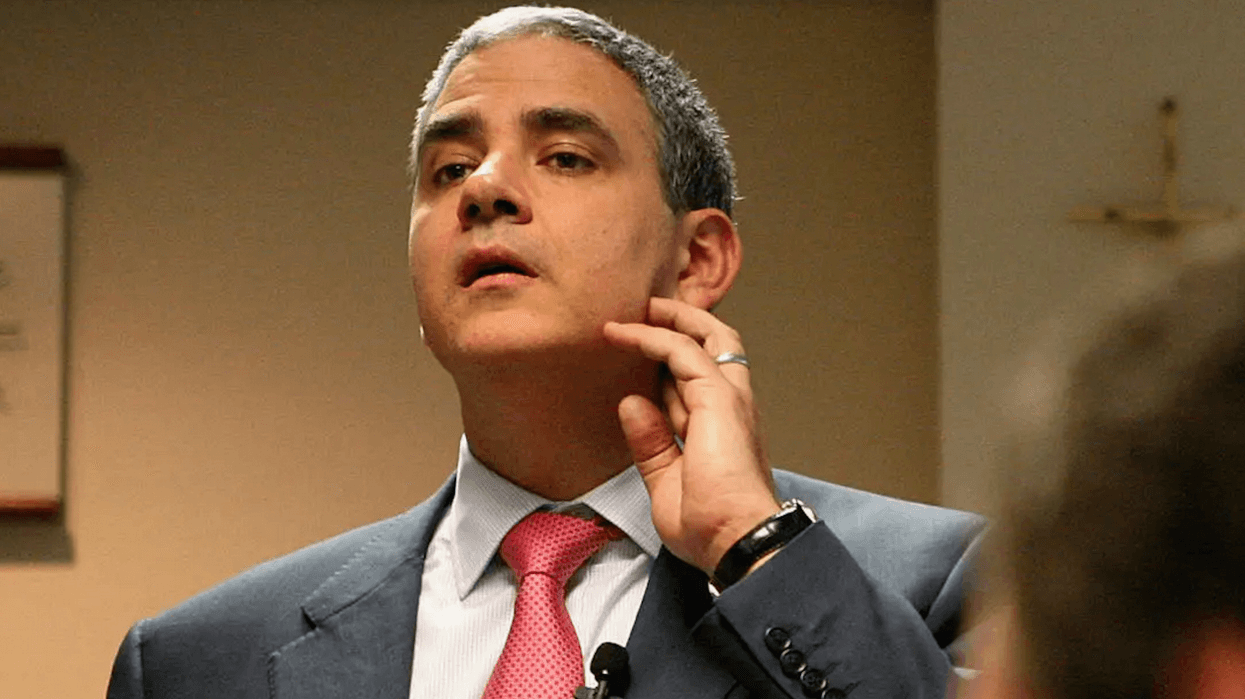
"It is time for Dr. de la Torre to get off of his $40 million yacht and explain to the American people how much he has gained financially while bankrupting the hospitals he manages."
U.S. Sen. Bernie Sanders on Wednesday blasted Dr. Ralph de la Torre—the CEO of a bankrupt health services company "who has made hundreds of millions of dollars ripping off patients and healthcare providers"—for refusing to comply with a bipartisan subpoena compelling him to testify about his company's insolvency.
"Perhaps more than anyone else in America, Dr. de la Torre is the poster child for the type of outrageous corporate greed that is permeating through our for-profit healthcare system," said Sanders (I-Vt.), who chairs the Senate Committee on Health, Education, Labor, and Pensions (HELP).
"Working with private equity vultures, he became obscenely wealthy by loading up hospitals across the country with billions in debt and selling the land underneath these hospitals to real estate executives who charge unsustainably high rent," the senator added. "As a result, Steward Health Care, and the more than 30 hospitals it owns in eight states, were forced to declare bankruptcy with some $9 billion in debt."
Steward is trying to sell all 31 of its hospitals in order to pay down its debt.
As Common Dreams reported on July 25, the HELP committee, which includes 10 Republicans, voted 20-1 to investigate Steward Health Care's bankruptcy, and 16-4 to subpoena de la Torre.
"I am now working with members of the HELP committee to determine the best path forward," Sanders said on Wednesday. "But let me be clear: We will not accept this postponement. Congress will hold Dr. de la Torre accountable for his greed and for the damage he has caused to hospitals and patients throughout America. This committee intends to move forward aggressively to compel Dr. de la Torre to testify to the gross mismanagement of Steward Health Care."
"It is time for Dr. de la Torre to get off of his $40 million yacht and explain to the American people how much he has gained financially while bankrupting the hospitals he manages," Sanders added, referring to the 190-foot megayacht the CEO purchased as Steward hospitals failed to pay their bills.
Sens. Ed Markey (D-Mass.)—a HELP committee member—and Elizabeth Warren (D-Mass.) also slammed de la Torre on Wednesday, calling his failure to appear before the panel "outrageous."
"De la Torre used hospitals as his personal piggy bank and lived in luxury while gutting Steward hospitals," the senators said. "De la Torre is as cowardly as he is cruel. He owes the public and Congress answers for his appalling greed—and de la Torre must be held in contempt if he fails to appear before the committee."
De la Torre's attorney, Alexander Merton, lashed out against the Senate subpoena Wednesday in a letter
accusing HELP committee members of being "determined to turn the hearing into a pseudo-criminal proceeding in which they use the time, not to gather facts, but to convict Dr. de la Torre in the eyes of public opinion."
The same day the HELP Committee voted to probe Steward and subpoena de la Torre, Markey and Rep. Pramila Jayapal (D-Wash.), who chairs the Congressional Progressive Caucus, introduced the Health Over Wealth Act, which would increase the powers of the U.S. Department of Health and Human Services to block private equity deals in the healthcare industry.
Last month, Markey and Warren expressed concerns over the proposed $245 million sale of Steward Health Care's nationwide physician network to a private equity firm.
"Two Massachusetts hospitals are closing and communities are suffering because of private equity's looting of Steward," said Warren. "Selling Massachusetts doctors to another private equity firm could be a disaster. We can't make the same mistake again. Regulators must scrutinize this deal."
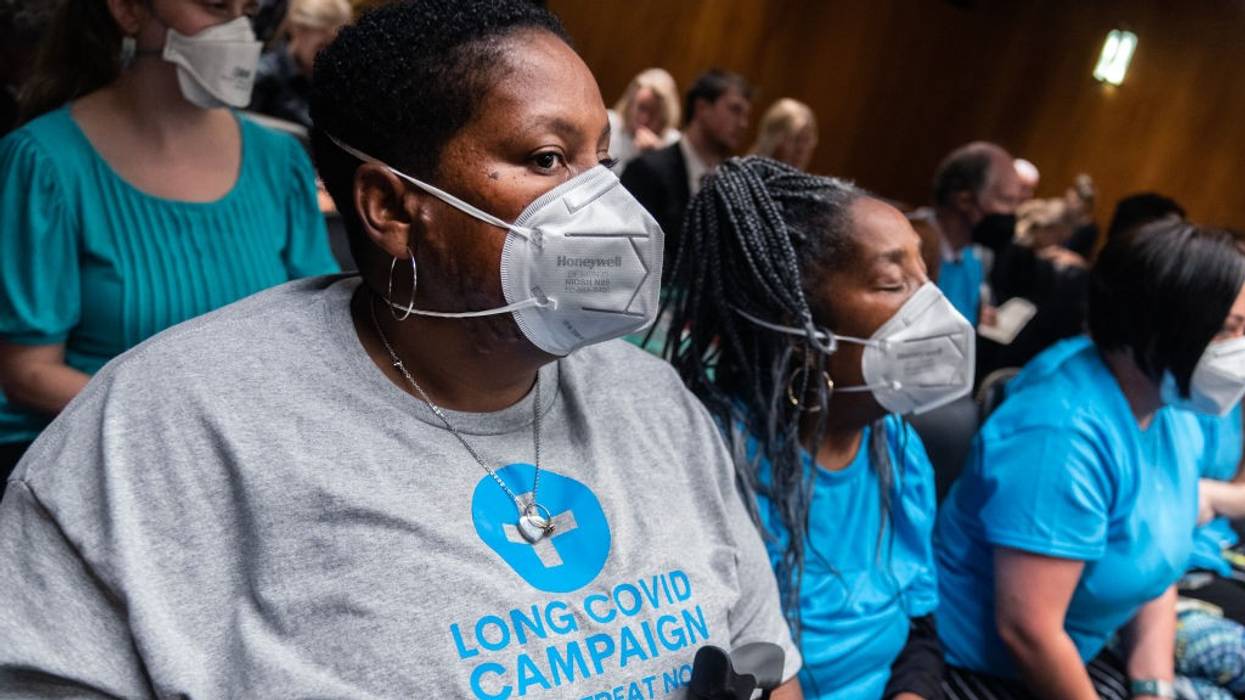
"The legislation that we have introduced finally recognizes that long Covid is a public health emergency and provides an historic investment into research, development, and education," he said.
Over four months after seeking public comments on long Covid legislation, U.S. Sen. Bernie Sanders on Friday unveiled a bill to help tackle the crisis "that is affecting more than 22 million adults and 1 million children across the United States—and millions more around the globe."
Long Covid "can include a wide range of ongoing symptoms and conditions that can last weeks, months, or even years" after an initial infection, according to the U.S. Centers for Disease Control and Prevention. Symptoms can include brain fog, fatigue, heart palpitations, mood changes, muscle or joint pain, shortness of breath, and difficulty sleeping.
The Long Covid Research Moonshot Act of 2024 would provide the National Institutes of Health (NIH) with $1 billion in mandatory funding per year for a decade to support studies, the pursuit of treatments, and the expansion of care for U.S. patients impacted by the condition.
As Sanders' (I-Vt.) office highlighted, the bill would:
"For far too long, millions of Americans suffering from long Covid have had their symptoms dismissed or ignored—by the medical community, by the media, and by Congress," said Sanders, chair of the Senate Committee on Health, Education, Labor, and Pensions (HELP). "That is unacceptable and has got to change."
"The legislation that we have introduced finally recognizes that long Covid is a public health emergency and provides an historic investment into research, development, and education needed to counter the effects of this terrible disease," he continued. "Congress must act now to ensure treatments are developed and made available for Americans struggling with long Covid. Yes. It is time for a long Covid moonshot."
In addition to Sanders, the bill is backed by Sens. Tammy Duckworth (D-Ill.), Tim Kaine (D-Va.), Ed Markey (D-Mass.), Tina Smith (D-Minn.), and Peter Welch (D-Vt.). It also has support from over 45 groups including Body Politic, Covid-19 Longhauler Advocacy Project, Long Covid Alliance, Infectious Diseases Society of America, Marked by Covid, Mount Sinai Health System, National Partnership for Women and Families, and Patient-Led Research Collaborative (PLRC).
"The act is a historic piece of legislation," PLRC said on social media, sharing some details about the proposal. "We are so grateful for Sens. Sanders, Kaine, Markey, Welch, Duckworth, and Smith's leadership on #LongCovid, and for responding to the patient community's call with this incredible bill."
"This took a tremendous amount of work behind the scenes. PLRC is so honored to have been part of this process and so appreciative of everyone involved!" the group added. "This is a rare opportunity that most illnesses will never have and a chance that may not come again. In the coming months we will need the full support of the community and all allies to rally around this bill, and to call your representatives to support and co-sponsor this bill."
The groups #MEAction and Solve M.E. also support the legislation, and advocates for people with other diagnoses celebrated that the NIH initiative would be directed to "conduct comparative research to understand the similarities and differences between long Covid and other infection-associated chronic conditions with similar phenotypes, such as myalgic encephalomyelitis/chronic fatigue syndrome, postural orthostatic tachycardia syndrome, and post-treatment Lyme disease syndrome/persistent Lyme disease, and how activities funded by the program could improve understanding of such other conditions."
The bill also states that the program should "conduct comparative research to understand the similarities and differences between long Covid and severe, long-term effects from Covid-19 vaccinations," which were rolled out globally—though unequally and inadequately—during the pandemic.