Social Security Agency Accused—Once Again—of Illegally Using Federal Resources to Praise Trump
"Here we are, watching the SSA join a list of politicized agencies being used as partisan tools in the White House’s political toolbox."
The US Social Security Administration on Friday was accused yet again of unlawfully using federal resources for the overtly political purpose of celebrating President Donald Trump—this time less than two weeks out from the midterm elections.
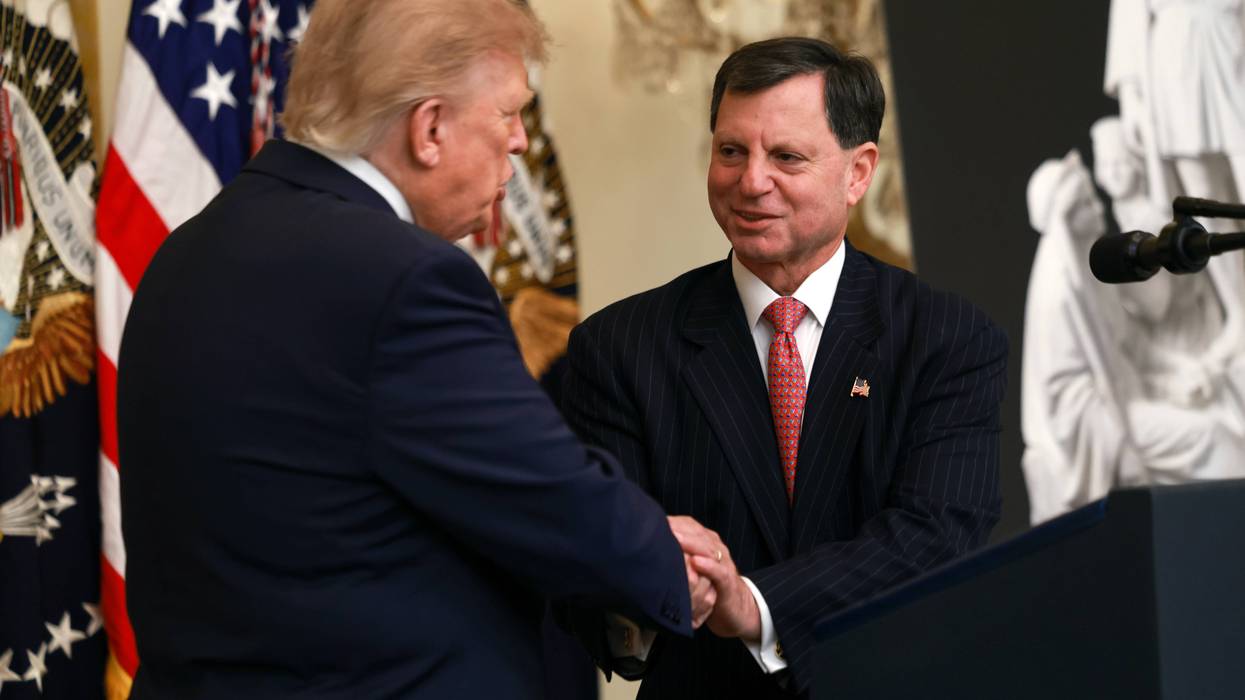
On Thursday, SSA—headed by Trump nominee Frank Bisignano—sent out an email praising the "historic tax cut" that Trump signed into law last summer, a reference to the Republican budget law that gutted Medicaid and federal nutrition assistance while damaging Social Security's finances.
The SSA email noted that the law "also created Trump Accounts, individual investment accounts for America’s children designed to grow with the US economy and build long-term savings."
"Trump Accounts are one of the most significant investments in the next generation of Americans in our nation’s history, by giving every American child a stake in our country’s success and a strong financial foundation for the future," the email gushes, not mentioning that Trump's treasury secretary and one of the president's top Republican allies have described the accounts as a backdoor way to privatize Social Security.
Now the Social Security Administration is using taxpayer funds to campaign for Trump and his candidates in the midterms—an obvious violation of federal law but a classic authoritarian move https://t.co/qVoyB4lIvl
— Berin Szóka (@BerinSzoka) October 22, 2026
SSA sent its email weeks after the Trump administration faced backlash for unlawfully using taxpayer funds to air political ads ahead of the midterms.
MS NOW's Steve Benen noted Thursday that the latest SSA email is part of a "broader pattern" of behavior by the Bisignano-led Social Security agency.
"In early July the Social Security Administration sent out an unsolicited email celebrating Republican tax breaks... which followed related political emails to Social Security beneficiaries in July 2025 and August 2025," Benen wrote. "When people get unsolicited official statements from the Social Security Administration, they should be able to have some confidence that the agency isn’t trying to lobby them with political messaging."
"And yet, here we are, watching the SSA join a list of politicized agencies being used as partisan tools in the White House’s political toolbox, creating a dynamic in which many Americans are likely to approach the next message they receive from the government about Social Security with some skepticism," he added.
In July, a group of Democratic senators led by Elizabeth Warren of Massachusetts wrote to Bisignano about the SSA's "partisan, politicized" messages "that heaped praise on President Trump." The senators pointed to a July 2, 2026 email to "an untold number of Americans" in which SSA "referred to President Trump six times, named him directly in reference to 'protecting and strengthening Social Security' and gave him and his administration credit for 'not only protecting Social Security, but... [also] providing meaningful and immediate relief to older Americans.'"
"It is safe to say that few presidents have done more than President Trump to damage Social Security—yet in an Orwellian twist, you are misusing official resources to heap praise on him," the senators wrote to Bisignano. "The decision to send this email raises fresh questions about your judgement and your ability to prioritize SSA beneficiaries."


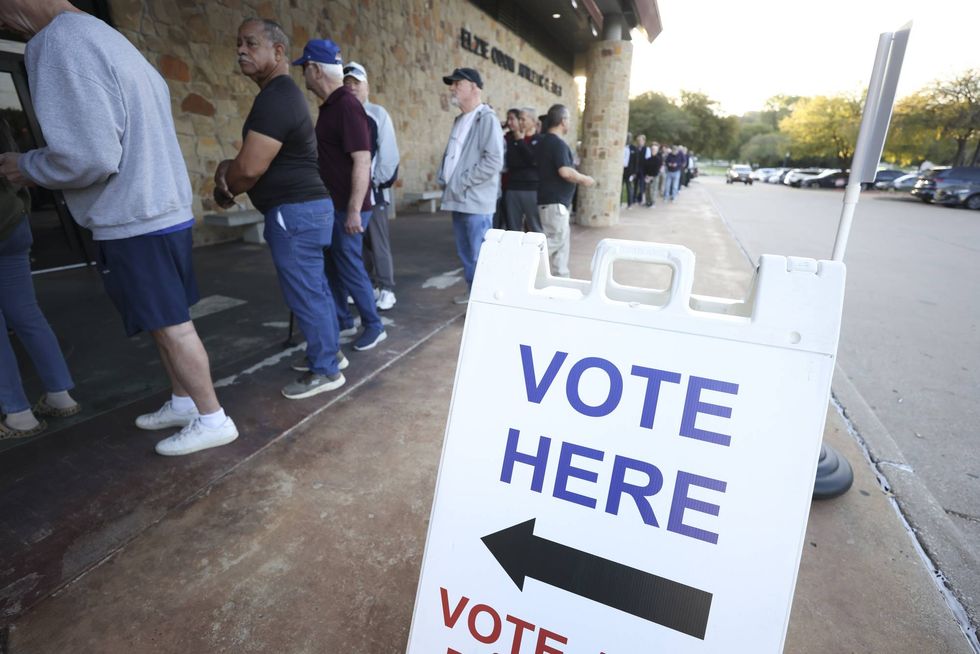 Voters line up outside the Elzie Odom Athletic Center in Arlington, Texas, on October 19, 2026, the first day of early voting for the November 3 midterm elections. (Photo by Chitose Suzuki/The Dallas Morning News via Getty Images)