

5
#000000
#FFFFFF
To donate by check, phone, or other method, see our More Ways to Give page.
Daily news & progressive opinion—funded by the people, not the corporations—delivered straight to your inbox.
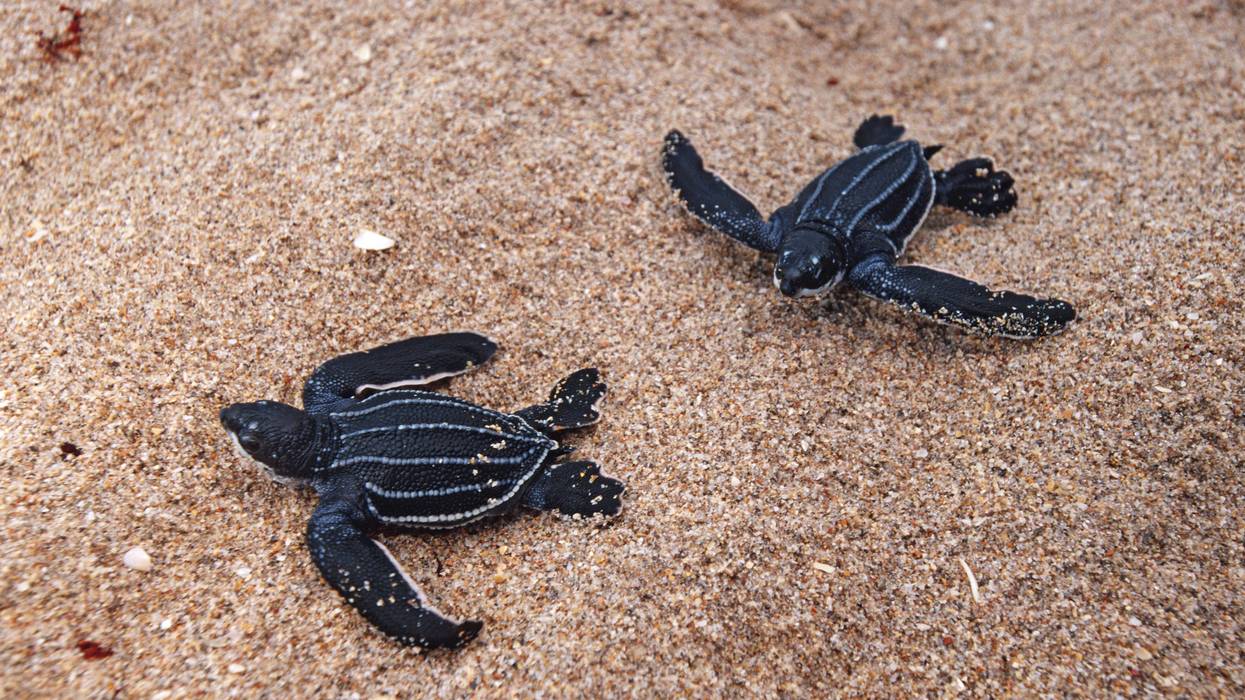
"At a time when we should be strengthening protections for species," said one advocate, "not weakening them, it’s clear there is growing opposition to efforts that put special interests ahead of science and conservation."
Republican leadership in the US House of Representatives planned to mark Earth Day with a "catastrophic" attack on the Endangered Species Act, but ultimately canceled Wednesday's vote at the last minute, a development celebrated by conservationists nationwide.
After reports of "problems" getting some Republicans to back the ESA Amendments Act and a procedural vote that "showed shaky support from party members," as The New York Times put it, the House adjourned without a final vote on the bill—which the newspaper called "an embarrassing setback" for Speaker Mike Johnson (R-La.).
While the lead sponsor, House Committee on Natural Resources Chair Bruce Westerman (R-Ark.), claimed that "we just have a few provisions we've got to work through on it, and hopefully in the next couple of weeks, we'll be able to vote on it," Stephanie Kurose, deputy director of government affairs at the Center for Biological Diversity, said that "this should be a wake-up call to Rep. Westerman that not even his own colleagues support his extreme attacks on wildlife."
"It's time for him to drop this failed crusade," Kurose declared. "Good riddance."
Other wildlife defenders joined Kurose in enthusiastically welcoming the blow to what Bradley Williams, the Sierra Club's deputy legislative director for wildlife and lands protection, called "extremely harmful legislation."
"We are encouraged to see that the House of Representatives has pulled this bill after outcry from Republicans and Democrats," Williams said in a statement. "By rejecting a bill that would have gutted protections for endangered and threatened species across the country, Congress is sending a clear message that protecting wildlife is a shared American value, not a partisan issue."
Jewel Tomasula, policy director for the Endangered Species Coalition, which has hundreds of member organizations, said that "given the more than 58,000 emails sent to elected officials, along with hundreds—if not thousands—of calls made in just the past few days, it is clear that the American people support the Endangered Species Act, understand its value, and want its protections for threatened and endangered wildlife to remain in place."
"This is a welcome sign that efforts to gut protections for imperiled species are not moving forward on Earth Day," Tomasula continued. "We're glad Congress is hearing their constituents' concerns about Westerman's harmful bill and taking pause to listen. For now, the important work to protect endangered species can continue. This Congress should leave the ESA alone."
Major #EarthDay win 🎉: H.R. 1897, aka the Endangered Species Act Amendments Act was just pulled from house floor consideration following outcry from both Republicans and Democrats who oppose the bill.
[image or embed]
— Center for Biological Diversity (@biologicaldiversity.org) April 22, 2026 at 2:36 PM
Sara Amundson, president of Humane World for Animals Action Fund, similarly said that "on Earth Day, pulling the House vote on the deeply flawed Endangered Species Act bill is a clarion call that legislators need to stop heeding their own leadership and start doing the will of their constituents."
"At a time when we should be strengthening protections for species like grizzly bears and sea turtles, not weakening them, it’s clear there is growing opposition to efforts that put special interests ahead of science and conservation," Amundson said. "We urge Congress to abandon this harmful proposal altogether and instead focus on upholding and strengthening the Endangered Species Act for future generations."
Defenders of Wildlife legislative director Mary Beth Beetham proclaimed that "now we can really celebrate Earth Day!"
"The public defeat of the Westerman bill is a direct result of sustained constituent pressure," she stressed. "Congress is finally listening to the majority of Americans who support the Endangered Species Act, rather than centering politics and money in its policy decisions."
"The decision to not advance the vote keeps current safeguards in place, which have protected 99% of species from extinction," Beetham added. "While there is still much more work to secure lasting protections for wildlife, today's outcome is a meaningful victory for conservation."
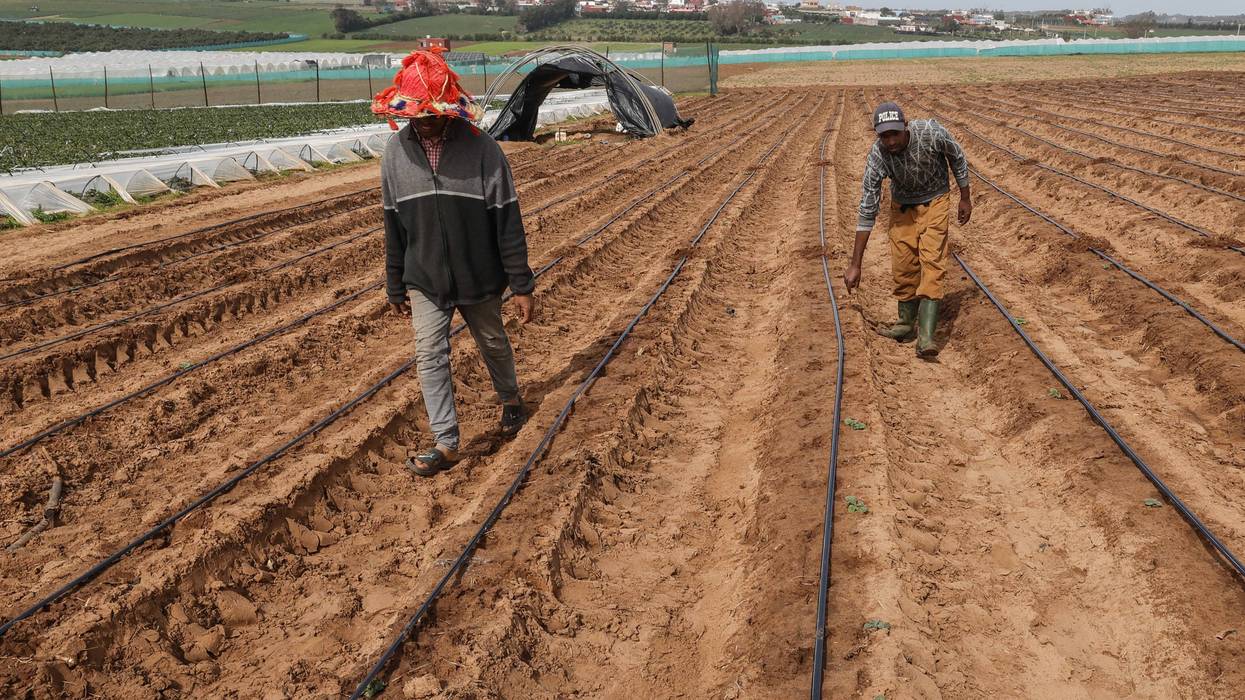
"Alongside robust adaptation and risk reduction strategies," the report says, "the only durable solution to the escalating threat of extreme heat lies in ambitious, multilateral climate change mitigation."
Just a month after a sweeping World Meteorological Organization report led United Nations Secretary-General António Guterres to declare that "every key climate indicator is flashing red," WMO and another UN agency marked Earth Day on Wednesday by releasing an analysis focused on "how extreme heat is reshaping food production and food security."
Simply titled "Extreme Heat and Agriculture," the WMO and Food and Agriculture Organization (FAO) report lays out how extreme heat "is influenced by multiple interlinked drivers," including the trends and inertia of human-induced climate change, natural climate variability, and meteorological phenomena such as droughts and atmospheric and marine heatwaves. Then, it gets into what that means for agriculture.
"Extreme heat is increasingly defining the conditions under which agrifood systems operate," WMO Secretary-General Celeste Saulo and FAO Director-General Qu Dongyu stressed in the foreword of the report. "Rising temperatures and heatwaves, occurring with greater frequency, duration, and intensity, are often accompanied by prolonged drought and other climate extremes."
"Higher temperatures parch soils, reduce harvests, strain livestock, disrupt fisheries, and increase wildfire risk. When combined with water scarcity, the consequences intensify, cutting production, lowering incomes, and tightening food supplies," the pair wrote. "These impacts extend far beyond the farm gate. They represent a systemic risk to global food security and to the livelihoods of more than 1.23 billion people who rely on agriculture."
For example, yields of staple crops such as maize and wheat have already declined by 7.5% and 6%, respectively, with 1ºC of global temperature rise beyond preindustrial levels. The publication points out that yields "are projected to decline by up to an additional 10% for every 1ºC of warming in the future."
It also notes that "under high-emission scenarios, nearly half the world's cattle could be exposed to dangerous heat by 2100," resulting in annual losses nearing $40 billion. Under a low-emission scenario, the report adds, "impacts from livestock exposure to extreme heat are reduced by nearly two-thirds."
The report details vulnerabilities, observed impacts, and projections for not only crops and livestock but also fisheries and aquaculture; forests, plantations, and orchards; and agricultural workers.
Saulo and Qu highlighted that "agricultural workers are already experiencing effects on their health, productivity, and income. As climate variability intensifies, hard-won progress in reducing hunger and poverty comes under strain, with shocks rippling through economies and households and disproportionately affecting the most vulnerable."
The report outlines the existing "range of technical agricultural adaptation options and other broader nontechnical risk management strategies" for responding to extreme heat, as well as barriers to implementing them. It also offers a case study: the extreme heat event that hit Brazil in 2023-24.
That period in the South American country "serves as a stark example of the breadth and severity of compound impacts that can be triggered by a primary extreme heat event," the report states. "On top of a warmer baseline shaped by climate change and amplified by El Niño, the heatwave simultaneously impacted crops, livestock, forests, fisheries, and human health."
"The interconnected failures highlight the profound vulnerability of the entire agricultural sector and the grave implications such events have for the livelihoods and food security of the millions who depend on it," the report continues, emphasizing that "building systemic resilience through adaptation and dedicated risk reduction is imperative."
"While this report outlines a path toward enhanced resilience, solutions and opportunities are not infinite," the publication adds. "Alongside robust adaptation and risk reduction strategies, the only durable solution to the escalating threat of extreme heat lies in ambitious, multilateral climate change mitigation."
🌡️ Extreme heat is already affecting crops, livestock, forests, fisheries & the people who produce our food.New @fao.org-@wmo-global.bsky.social report on #ExtremeHeat & Agriculture shows the impacts & #ClimateAction needed to respond to this growing threat.🔗 https://bit.ly/4cXmmOe#EarthDay
[image or embed]
— Food and Agriculture Organization of the United Nations (@fao.org) April 22, 2026 at 4:15 AM
After the most recent UN Climate Change Conference, COP30, concluded in Brazil late last year, critics called it "another failed climate summit." The United States is the world's largest historical climate polluter, yet President Donald Trump didn't even attend, and has spent his second term not only repealing climate policies but also serving the planet-wrecking fossil fuel industry whose campaign cash helped him return to power.
Trump has also started a new illegal war in the Middle East, partnering with Israel to target Iran. That assault has underscored how armed conflict negatively impacts agriculture and food systems around the world. The Iranian government has restricted traffic through the Strait of Hormuz—a key trade route, including for fertilizer and fossil fuels—which has prompted mounting alarm about a global food crisis.
Earlier this month, ahead of the current fragile ceasefire, the FAO's chief economist, Máximo Torero, warned that farmers would soon "have to choose: Farm the same with fewer inputs, plant less, or switch to less intensive fertilizer crops."
Jorge Moreira da Silva, executive director of the UN Office for Project Services, said Tuesday that "the planting season has already started, and in most countries in Africa it will end in May. So, if we don't get some solution immediately, the crisis will be very significant and severe, particularly for the poorest countries and for the poorest citizens."
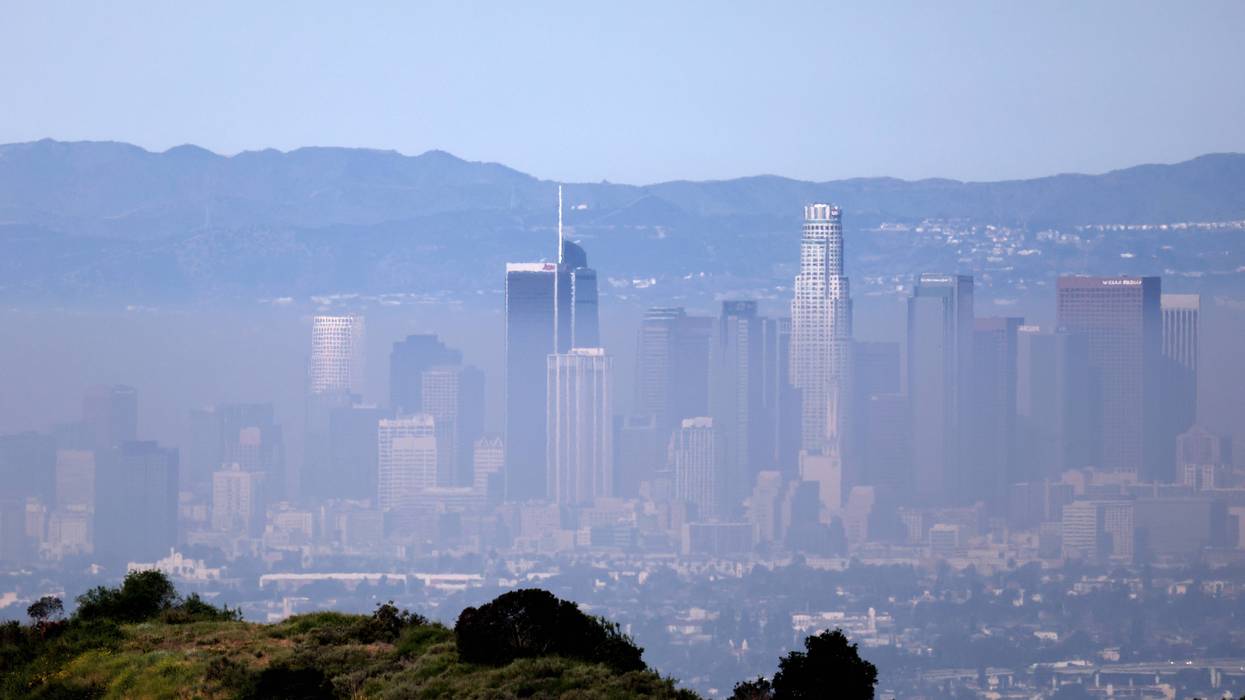
The head of the American Lung Association said President Donald Trump's Environmental Protection Agency has "rolled back rules that would have protected kids from power plant and vehicle pollution."
Close to half of the children in the United States—more than 33 million kids—live in counties with dangerously high levels of toxic air pollution, according to the American Lung Association's annual air quality report out Wednesday.
The 27th iteration of the ALA's report examines "two of the most widespread and dangerous air pollutants"—fine particles and ground-level ozone, commonly known as smog—and assigns grades to counties and cities based on pollution levels, both daily and annually. In what the report describes as a "grim indication of the deterioration of air quality nationwide," just one city—Bangor, Maine—was "ranked on all three cleanest-cities lists by earning an 'A' for ozone and short-term particle pollution and being listed among the 25 cities with the lowest year-round particle levels."
"Last year, there were two (the other metro area being San Juan-Bayamón, Puerto Rico)," the report notes. "Past reports have been graced by as many as half a dozen metro areas meeting these criteria."
The report, which uses air quality data collected between 2022 and 2024, estimated that 46% of all children in the US live in counties that received a failing grade on at least one measure of air pollution analyzed by the ALA. More than 7 million children—10% of all kids in the country—live in an area with failing grades for all three of the ALA's measures.
Harold Wimmer, president and CEO of the ALA, said at a time when the federal government should be strengthening air quality standards, President Donald Trump's Environmental Protection Agency (EPA) "is doing the opposite," despite Trump's campaign promise to deliver "the cleanest air."
"In the last year, EPA has weakened enforcement and rolled back rules that would have protected kids from power plant and vehicle pollution," said Wimmer. "Children need clean air to grow and play, and communities need clean air to thrive. Leaders at every level must act to improve and protect America’s air quality."
For the seventh consecutive year, Bakersfield, California ranked as the US metropolitan area with the worse year-round particle pollution. Fairbanks, Alaska ranked as the city with the worse short-term particle pollution, while Los Angeles topped the list of cities with the worst ozone pollution.
The Trump administration has gleefully taken an ax to climate regulations—including air pollution standards—and the legal finding underpinning environmental rules while aggressively promoting the oil, gas, and coal industries, threatening decades of progress toward cleaner air and water.
The Guardian noted Wednesday that "since returning to office last year, the Trump administration has initiated at least 70 actions to roll back environmental and climate protections. Among them is the loosening of regulations on power plants that limit mercury and other hazardous air toxins."
"Other rollbacks include overturning limits on major air pollution sources, disbanding EPA advisory committees on air quality, and ending the practice of estimating the monetary value of lives saved by limiting fine particulate matter and ozone while still calculating costs to companies," the outlet added.

"The economic case for fossil fuels has not just weakened, it has collapsed," said the head of 350.org, the group behind the publication.
Oil price spikes caused by the US and Israel's war in Iran are straining the pocketbooks of ordinary citizens the world over. But a new study shows that even in normal times, dependence on fossil fuels poses a tremendous financial cost while a small group of companies reaps the rewards.
The report published by the environmental group 350.org on Tuesday found that people around the world are subsidizing the fossil fuel industry to the tune of $12 trillion per year, a cost of about $1,400 for every person on Earth.
The number goes beyond direct government subsidies, with the report explaining that "ordinary people are paying for fossil fuels three times over."
The fossil fuel industry costs every person on Earth $1,400 a year — and pays almost nothing back.350.org's new #OutOfPocket report breaks it down. Santa Marta is the first conference ever called to end fossil fuels, and this report is the receipt.Read the full report: 350.org/out-of-pocke...
[image or embed]
— 350.org (@350.org) April 21, 2026 at 9:26 AM
In addition to the $636 billion in government handouts the International Monetary Fund (IMF) found were paid to fossil fuel companies in 2024, the public also has to bear the burden when conflict or other emergencies cause prices to spike.
The report estimates that during the first 50 days of the Iran war, consumers and businesses have paid an additional $158.6–$166.9 billion due to higher fuel costs. This comes not only at the gas pump, but through heightened costs for food, transport fees, and other basic necessities.
"This crisis is a stark reminder of just how risky it is to rely on fossil fuels, with around 80% of global energy still coming from them and driving the instability we see today," said Jan Rosenow, professor of energy and climate policy at Oxford University. "Price volatility is not a flaw in the fossil fuel system; it is a built-in feature."
An investigation published earlier this month by The Guardian found that while consumers are getting hit, the war has been a bonanza for Big Oil. The top 100 companies have raked in an extra $30 million per hour since it began and made $23 billion in windfall profits during the war's first month.
But the true mammoth cost to consumers comes from mitigating the climate damage caused by unrestrained fossil fuel use, from droughts to floods to heatwaves that have grown increasingly frequent and severe as global temperatures have climbed.
Using peer-reviewed data relied on by the US Environmental Protection Agency (EPA), 350.org estimated that the global population is footing the bill for about $9.3 trillion in climate-related damages and air-pollution-related deaths each year, social costs that the industry causes but pays almost nothing to solve.
The effects hit the poor hardest: Low-income households spend almost twice as large a share of their budgets on energy as higher-income households.
Meanwhile, renewable energy infrastructure, which has high upfront costs but pays for itself over time, is less abundant in developing parts of the world, and countries like Pakistan, Bangladesh, and South Sudan have had to ration power during energy crises.
The poorer Global South is also on the frontlines of some of the worst and most immediate effects of the climate crisis.
In addition to one of the deadliest ongoing conflicts in the world, South Sudan has suffered both severe floods and droughts that have ravaged crop outputs, raising the risk of famine, and schools have had to close for weeks as extreme heat caused children to faint from heat stroke.
Eastern Africa has dealt with the displacement of more than 20 million people from record-breaking floods and droughts.
In Sri Lanka, chronic flooding and pest outbreaks exacerbated by rising temperatures are expected to cost the country 3.5% of its gross domestic product by 2050.
Bill McKibben, the co-founder of 350.org, said that in the coming years, climate upheaval can only be expected to get worse.
"A building El Niño means 2026 and 2027 will set new global temperature records, and that will offer yet more chaos, and yet more reminders that it is the poorest people on Earth who must bear most of the cost of this ongoing tragedy," he said.
The research conducted by 350.org was built on a model used by the IMF, which found that fossil fuels were costing taxpayers about $7.4 trillion. However, that research rested on a carbon price of $85 per tonne of CO2 emitted into the atmosphere.
350.org found that this figure, which "represents the cheapest possible price to keep warming below 2°C," vastly understates the damage caused by warming, which peer-reviewed research suggests is between $185-233 per tonne.
While proponents of continued fossil fuel use often oppose green energy expansion on the grounds of cost, the report notes that just that $4.1 trillion undercount would be enough to finance more than 5,900 gigawatts of new solar capacity—enough to power every home in Africa, South Asia, and Latin America combined.
"The economic case for fossil fuels has not just weakened, it has collapsed," said Anne Jellema, 350.org's chief executive.
In addition to calling for an immediate end to both the war in Iran and Israel's war against Lebanon, 350.org called on governments around the world to tax the industry's wartime windfall profits and put the money toward lowering the energy bills of ordinary families.
The group also called to replace fossil fuel subsidies with household support and subsidies for cheaper renewables, which it says will be resistant to the shocks that oil and gas regularly face.
"Renewables are not controlled by a few fossil fuel-exporting countries," said Hala Kilani, the head of energy diplomacy for the international climate policy network REN21. "It is abundant, distributed, and affordable. It can stabilize costs and be deployed locally, empowering communities rather than concentrating power. It is a peace, development, and justice solution. It’s high time we transition to reliable, affordable renewable energy.”