5
#000000
#FFFFFF
To donate by check, phone, or other method, see our More Ways to Give page.
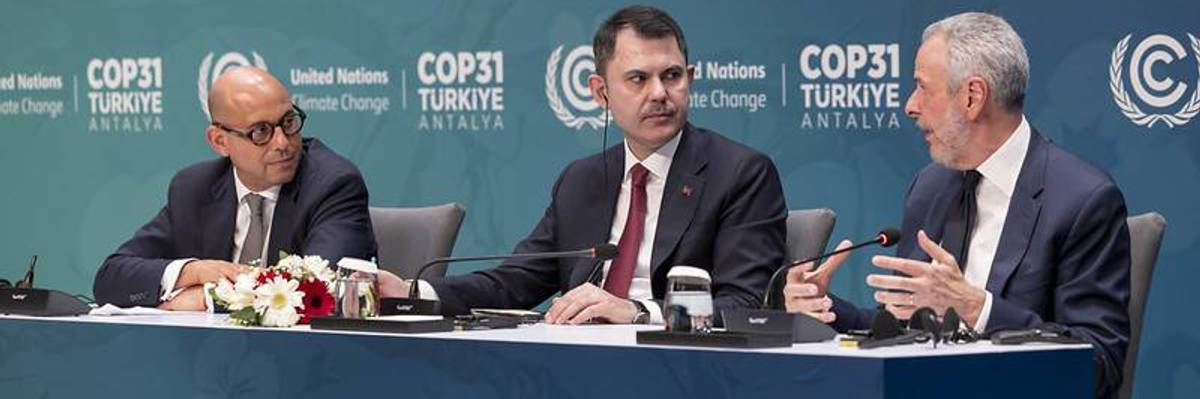
The 31st Conference of the Parties to the United Nations Framework Convention on Climate Change, or COP31, marks a critical juncture in the global effort to translate diplomatic pledges into tangible climate action.
This year's negotiations will operate under an unprecedented shared-leadership framework. Türkiye will host the event, and Murat Kurum, the Turkish minister of environment, urbanization, and climate change, will serve as the president-designate. Meanwhile, Chris Bowen, the Australian minister for climate change and energy, has been designated president of the negotiations.
In the run-up to the event, two major findings have been released:
These shocking insights prompted 146 scientists to urge the United Nations to declare climate change an official "global health emergency" and finally force nations to act.
Against the backdrop of increasingly frequent and extreme weather events, water stress, and food insecurity, this COP must prioritize critical mandates on equitable fossil fuel transitions, post-2020 climate finance, and global urban resilience.
This COP must ensure that the newly submitted nationally determined contributions are put into practice while also demanding the urgent submission of outstanding NDCs from parties that delayed their updates.
It will also enact the Climate Implementation Bridge, an initiative to help developing countries translate their high-level NDC commitments into concrete, investable portfolios that can secure international financing.
Murat Kurum has positioned this COP as a vital transition phase in global climate policy. He describes the 1.5°C goal as "a matter of survival. The survival of cultures, history, memories, your homeland, your homes."
The following areas have been flagged as urgent priorities:
Both Türkiye (proposing Antalya) and Australia (proposing Adelaide, in partnership with Pacific Island nations) submitted bids to host COP31 back in 2022. Without consensus on who would host, the process stalled as both nations refused to withdraw their bids.
At COP30, the two countries agreed to split responsibilities and divide leadership. Theoretically, this reduces the risk of negotiation gridlock, brings two very different perspectives into the mix, and allows both sides to hyperfocus on their responsibilities.
It also comes with its fair share of concerns, if the two presidents misalign on major priorities such as the urgency of fossil fuel phaseouts or the mechanisms of debt-free climate finance, it could lead to bureaucratic fragmentation, diluting accountability, and stalling consensus.
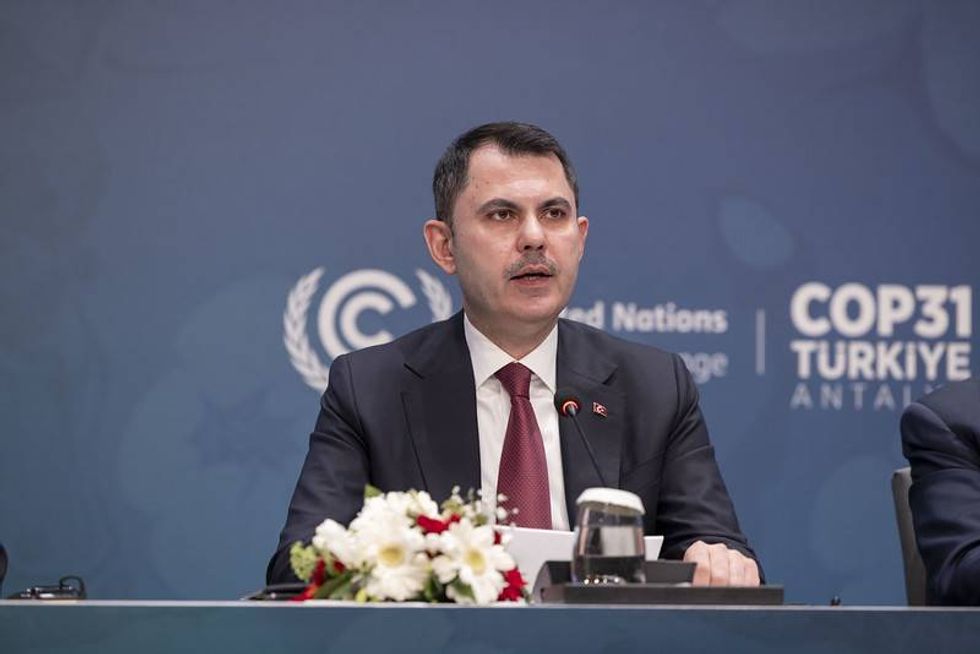 Murat Kurum, the Turkish minister of environment, urbanization, and climate change and COP31 president-designate, speaks. (Photo by UNclimatechange / Flickr/ CC BY-NC-SA 4.0)
President Recep Tayyip Erdoğan sought the COP31 hosting rights to elevate Türkiye's global profile and position the country as a major bridge and mediator between developed and developing nations.
The focus was on making COP31 a "COP of implementation," not on bringing in more pledges.
Türkiye's bid complements its own national initiatives like its 2053 net-zero target, new national climate laws, plans for an emissions trading system, and commitments to increase renewable energy investments.
When Türkiye voluntarily stepped aside in 2021 to let the United Kingdom host COP26 in Glasgow, it felt it had a strong claim and was unwilling to back down.
Türkiye will steer the summit's overall direction and manage event logistics, infrastructure, and the massive green trade fair in Antalya (Growtech), with the Leaders' Summit planned across Antalya and Istanbul.
It is also responsible for the non-negotiated Action Agenda, pushing for strong, measurable implementation and important side deals.
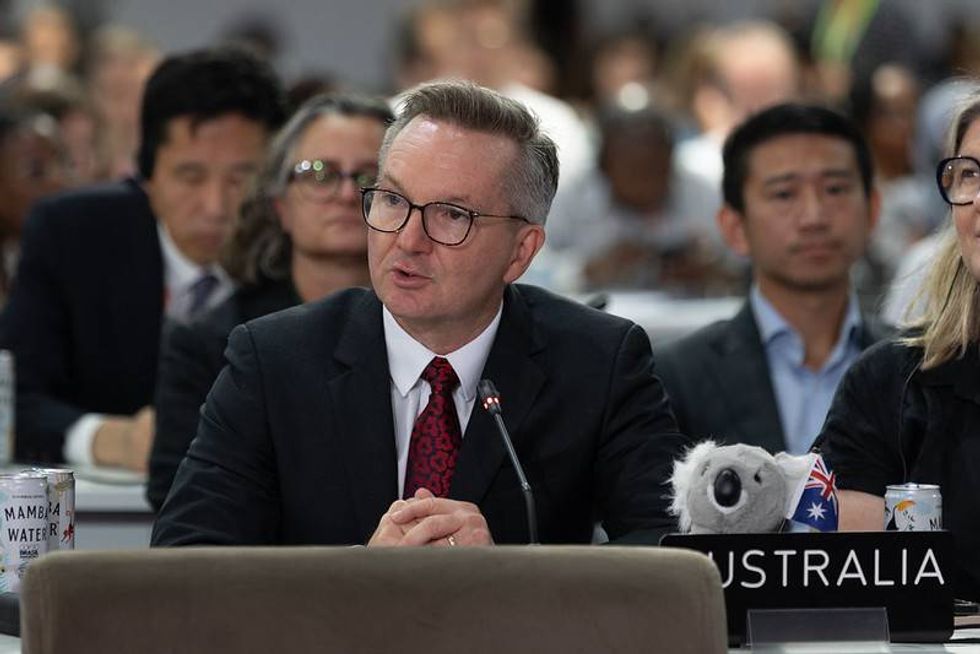 Chris Bowen, the Australian minister for climate change and energy and COP31 president of negotiations, speaks. (Photo by UNclimatechange / Flickr/ CC BY-NC-SA 4.0)
Australia’s bid for COP31 was a chance to reposition itself as a clean energy superpower, build regional goodwill, and counter rising geopolitical competition from China.
It proposed an unprecedented co-hosting arrangement with Pacific Island nations to amplify the voices of the world's most climate-vulnerable communities, acting as a heavyweight champion for its neighbors.
Their priorities are to address the existential concerns of Small Island Developing States (SIDS), including loss-and-damage funding and rapid divestment from fossil fuels.
"It is like taking a glass of water to a burning house if we do not urgently act to address the root cause of the existential threat facing Tuvalu, Fiji, and all Pacific countries: fossil fuel expansion," said Bowen.
Australia is a shining example of the energy transition in action. By the end of 2025, renewable energy has provided well over half of Australia's electricity needs. Today, 1 in 3 Australian homes generate their own power from rooftop solar panels.
As President of Negotiations, Australia will work with countries to build consensus, draft texts, and lead formal policy negotiations. Australia is also working with the past presidencies to deliver on key initiatives like the Belém Mission to 1.5°C and the Global Implementation Accelerator.
Australia's approach will integrate First Nations knowledge and leadership, and it has selected Sally Higgins as the COP31 presidency youth climate champion.
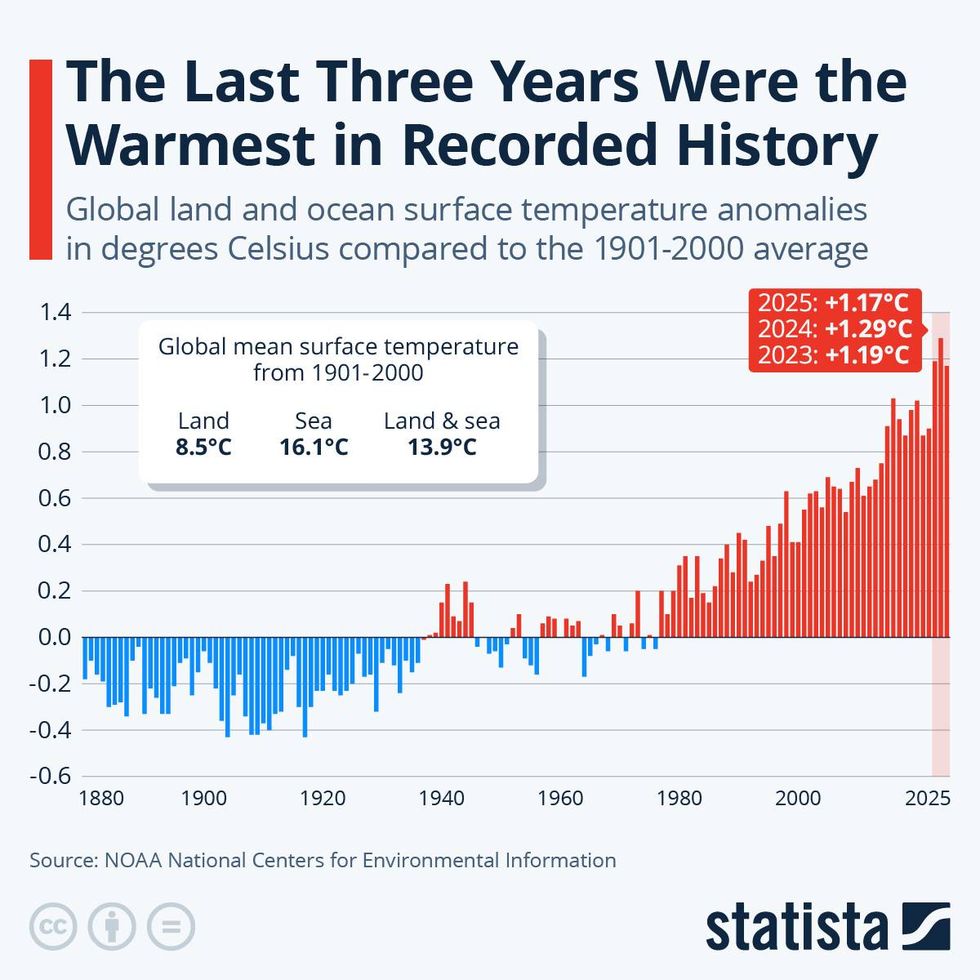
Nearly 50 parties have still not filed their updated NDCs. Major nations such as India, Argentina, Egypt, Iran, and Vietnam missed the standard deadlines, signalling an alarming lack of political will to pursue ambitious action under the Paris Agreement.
COP29 in Baku was billed as the "Finance COP," yet developed nations fell far short of what was needed to meet mitigation targets. COP30 in Belém finished without securing binding, high-level pathways to funnel capital to the Global South.
The UN framework has repeatedly and frustratingly failed to mandate an outright phaseout of fossil fuels. Recent host nations with strong economic ties to oil and gas have successfully diluted negotiation language.
In light of this, the climate crisis continues to accelerate:
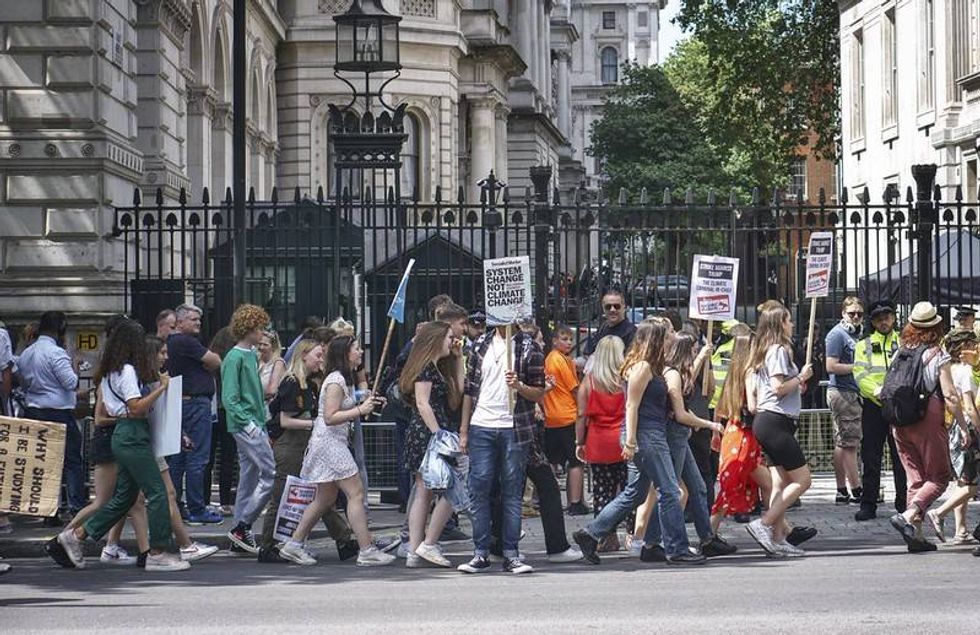 Young people participate in a school climate strike on May 24, 2019. (Photo by Garry Knight)
Children and young people are disproportionately affected by climate change; therefore, their voices are particularly important at major climate and biodiversity conferences.
Today's decisions have long-term consequences for their health, education, well-being, and future opportunities. Intergenerational justice looks at how present generations affect past and future people.
On July 23, 2025, the International Court of Justice issued the advisory opinion, which was unanimously adopted by all 15 judges: "Nations have a legal duty to combat the planetary crisis."
This COP31 recognizes children and young people as important stakeholders and constituencies. Official mechanisms have been established to support youth participation:
Major youth organisations and umbrella networks driving the youth climate agenda at COP31 include the European Youth Forum, Generation Climate Europe, Youth Environment Europe (YEE), Regional Conference of Youth (RCOY) Networks, World Food Forum Youth Network, and UNICEF Climate Youth Tracks.
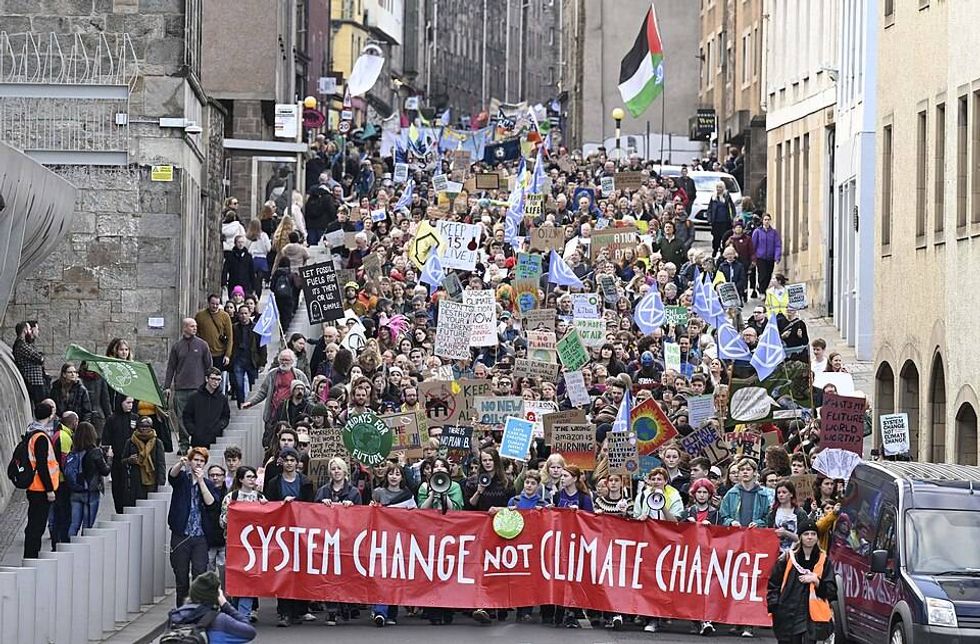 People in Edinburgh, Scotland participate in a march coinciding with COP27 on November 12, 2022. (Photo by Friends of the Earth Scotland / CC BY 2.0)
For years, global frustration has grown with these climate conferences; observers, climate scientists, and world leaders point to a persistent pattern of failure in climate finance, the fossil fuel transition, and consensus deadlocks.
COP28 and COP29 saw record-breaking attendance from thousands of fossil fuel lobbyists, diluting the voices of civil society and marginalized youth delegates. It is no wonder they were labelled a farce.
Whether the COP31 unprecedented co-hosting arrangement will help or hinder progress remains to be seen.
Both countries are already drawing criticism for expanding their coal and gas supply chains and omitting any mention of a global fossil fuel phaseout from their official pre-summit communications.
Since 2022, Australia has approved a major Hunter Valley coal mine expansion and 37 new fossil fuel projects.
Türkiye has plans to actively expand its domestic coal and gas capacity by 30% by 2035.
Pacific nations have also expressed their concerns about the joint presidency and the weakening of Australian regional solidarity. They worry the spotlight will shift away from sea-level rise and the vulnerability of small island nations.
On a positive note, the new voluntary "Electrification" pledge, which should help counter the stalemate on phasing out fossil fuels, gives us cause for hope. Another encouraging sign is that record funding for the global energy transition and renewable investment in 2025 reached $2.3 trillion.
It is also hoped that new transparency and funding disclosure rules introduced for delegates will limit the number of fossil fuel lobbyists delaying progress.
Drawing attention to the alarming global rise of militarism, COP31 President-Designate Murat Kurum publicly argued that wealthy countries need to spend much more on climate action than the 5% of GDP NATO members target for defense, warning that climate change is the ultimate security threat.
Without definitive progress at COP31, climate pledges, and indeed the COP conferences themselves, risk collapsing into broken promises and losing public trust. Influential figures such as Greta Thunberg, Chris Packham, Ban Ki-moon, and Mary Robinson have already declared the summits unfit for purpose.
Quite simply, time has run out for more empty words.
The 31st Conference of the Parties to the United Nations Framework Convention on Climate Change, or COP31, marks a critical juncture in the global effort to translate diplomatic pledges into tangible climate action.
This year's negotiations will operate under an unprecedented shared-leadership framework. Türkiye will host the event, and Murat Kurum, the Turkish minister of environment, urbanization, and climate change, will serve as the president-designate. Meanwhile, Chris Bowen, the Australian minister for climate change and energy, has been designated president of the negotiations.
In the run-up to the event, two major findings have been released:
These shocking insights prompted 146 scientists to urge the United Nations to declare climate change an official "global health emergency" and finally force nations to act.
Against the backdrop of increasingly frequent and extreme weather events, water stress, and food insecurity, this COP must prioritize critical mandates on equitable fossil fuel transitions, post-2020 climate finance, and global urban resilience.
This COP must ensure that the newly submitted nationally determined contributions are put into practice while also demanding the urgent submission of outstanding NDCs from parties that delayed their updates.
It will also enact the Climate Implementation Bridge, an initiative to help developing countries translate their high-level NDC commitments into concrete, investable portfolios that can secure international financing.
Murat Kurum has positioned this COP as a vital transition phase in global climate policy. He describes the 1.5°C goal as "a matter of survival. The survival of cultures, history, memories, your homeland, your homes."
The following areas have been flagged as urgent priorities:
Both Türkiye (proposing Antalya) and Australia (proposing Adelaide, in partnership with Pacific Island nations) submitted bids to host COP31 back in 2022. Without consensus on who would host, the process stalled as both nations refused to withdraw their bids.
At COP30, the two countries agreed to split responsibilities and divide leadership. Theoretically, this reduces the risk of negotiation gridlock, brings two very different perspectives into the mix, and allows both sides to hyperfocus on their responsibilities.
It also comes with its fair share of concerns, if the two presidents misalign on major priorities such as the urgency of fossil fuel phaseouts or the mechanisms of debt-free climate finance, it could lead to bureaucratic fragmentation, diluting accountability, and stalling consensus.
Murat Kurum, the Turkish minister of environment, urbanization, and climate change and COP31 president-designate, speaks. (Photo by UNclimatechange / Flickr/ CC BY-NC-SA 4.0)
President Recep Tayyip Erdoğan sought the COP31 hosting rights to elevate Türkiye's global profile and position the country as a major bridge and mediator between developed and developing nations.
The focus was on making COP31 a "COP of implementation," not on bringing in more pledges.
Türkiye's bid complements its own national initiatives like its 2053 net-zero target, new national climate laws, plans for an emissions trading system, and commitments to increase renewable energy investments.
When Türkiye voluntarily stepped aside in 2021 to let the United Kingdom host COP26 in Glasgow, it felt it had a strong claim and was unwilling to back down.
Türkiye will steer the summit's overall direction and manage event logistics, infrastructure, and the massive green trade fair in Antalya (Growtech), with the Leaders' Summit planned across Antalya and Istanbul.
It is also responsible for the non-negotiated Action Agenda, pushing for strong, measurable implementation and important side deals.
Chris Bowen, the Australian minister for climate change and energy and COP31 president of negotiations, speaks. (Photo by UNclimatechange / Flickr/ CC BY-NC-SA 4.0)
Australia’s bid for COP31 was a chance to reposition itself as a clean energy superpower, build regional goodwill, and counter rising geopolitical competition from China.
It proposed an unprecedented co-hosting arrangement with Pacific Island nations to amplify the voices of the world's most climate-vulnerable communities, acting as a heavyweight champion for its neighbors.
Their priorities are to address the existential concerns of Small Island Developing States (SIDS), including loss-and-damage funding and rapid divestment from fossil fuels.
"It is like taking a glass of water to a burning house if we do not urgently act to address the root cause of the existential threat facing Tuvalu, Fiji, and all Pacific countries: fossil fuel expansion," said Bowen.
Australia is a shining example of the energy transition in action. By the end of 2025, renewable energy has provided well over half of Australia's electricity needs. Today, 1 in 3 Australian homes generate their own power from rooftop solar panels.
As President of Negotiations, Australia will work with countries to build consensus, draft texts, and lead formal policy negotiations. Australia is also working with the past presidencies to deliver on key initiatives like the Belém Mission to 1.5°C and the Global Implementation Accelerator.
Australia's approach will integrate First Nations knowledge and leadership, and it has selected Sally Higgins as the COP31 presidency youth climate champion.
Nearly 50 parties have still not filed their updated NDCs. Major nations such as India, Argentina, Egypt, Iran, and Vietnam missed the standard deadlines, signalling an alarming lack of political will to pursue ambitious action under the Paris Agreement.
COP29 in Baku was billed as the "Finance COP," yet developed nations fell far short of what was needed to meet mitigation targets. COP30 in Belém finished without securing binding, high-level pathways to funnel capital to the Global South.
The UN framework has repeatedly and frustratingly failed to mandate an outright phaseout of fossil fuels. Recent host nations with strong economic ties to oil and gas have successfully diluted negotiation language.
In light of this, the climate crisis continues to accelerate:
Young people participate in a school climate strike on May 24, 2019. (Photo by Garry Knight)
Children and young people are disproportionately affected by climate change; therefore, their voices are particularly important at major climate and biodiversity conferences.
Today's decisions have long-term consequences for their health, education, well-being, and future opportunities. Intergenerational justice looks at how present generations affect past and future people.
On July 23, 2025, the International Court of Justice issued the advisory opinion, which was unanimously adopted by all 15 judges: "Nations have a legal duty to combat the planetary crisis."
This COP31 recognizes children and young people as important stakeholders and constituencies. Official mechanisms have been established to support youth participation:
Major youth organisations and umbrella networks driving the youth climate agenda at COP31 include the European Youth Forum, Generation Climate Europe, Youth Environment Europe (YEE), Regional Conference of Youth (RCOY) Networks, World Food Forum Youth Network, and UNICEF Climate Youth Tracks.
People in Edinburgh, Scotland participate in a march coinciding with COP27 on November 12, 2022. (Photo by Friends of the Earth Scotland / CC BY 2.0)
For years, global frustration has grown with these climate conferences; observers, climate scientists, and world leaders point to a persistent pattern of failure in climate finance, the fossil fuel transition, and consensus deadlocks.
COP28 and COP29 saw record-breaking attendance from thousands of fossil fuel lobbyists, diluting the voices of civil society and marginalized youth delegates. It is no wonder they were labelled a farce.
Whether the COP31 unprecedented co-hosting arrangement will help or hinder progress remains to be seen.
Both countries are already drawing criticism for expanding their coal and gas supply chains and omitting any mention of a global fossil fuel phaseout from their official pre-summit communications.
Since 2022, Australia has approved a major Hunter Valley coal mine expansion and 37 new fossil fuel projects.
Türkiye has plans to actively expand its domestic coal and gas capacity by 30% by 2035.
Pacific nations have also expressed their concerns about the joint presidency and the weakening of Australian regional solidarity. They worry the spotlight will shift away from sea-level rise and the vulnerability of small island nations.
On a positive note, the new voluntary "Electrification" pledge, which should help counter the stalemate on phasing out fossil fuels, gives us cause for hope. Another encouraging sign is that record funding for the global energy transition and renewable investment in 2025 reached $2.3 trillion.
It is also hoped that new transparency and funding disclosure rules introduced for delegates will limit the number of fossil fuel lobbyists delaying progress.
Drawing attention to the alarming global rise of militarism, COP31 President-Designate Murat Kurum publicly argued that wealthy countries need to spend much more on climate action than the 5% of GDP NATO members target for defense, warning that climate change is the ultimate security threat.
Without definitive progress at COP31, climate pledges, and indeed the COP conferences themselves, risk collapsing into broken promises and losing public trust. Influential figures such as Greta Thunberg, Chris Packham, Ban Ki-moon, and Mary Robinson have already declared the summits unfit for purpose.
Quite simply, time has run out for more empty words.