SUBSCRIBE TO OUR FREE NEWSLETTER
Daily news & progressive opinion—funded by the people, not the corporations—delivered straight to your inbox.
5
#000000
#FFFFFF
To donate by check, phone, or other method, see our More Ways to Give page.
Daily news & progressive opinion—funded by the people, not the corporations—delivered straight to your inbox.
One week before UN climate talks conclude here, Friends of the Earth International activists urged the participating 195 nations to start building clean, sustainable, community-based energy solutions.
"We urgently need to decrease our energy consumption and push for a just transition to community-controlled renewable energy if we are to avoid devastating climate change. We must stop subsidising fossil fuels and put this money towards community-based energy solutions," said Susann Scherbarth, climate justice and energy campaigner at Friends of the Earth Europe.
Community-owned renewable energy solutions bring wide ranging benefits, including reduced CO2 emissions, reduced energy consumption, increased public acceptance for renewables, stronger communities, and green jobs.
A proposal presented by African nations (pdf) earlier in the year calls for an energy transformation and was welcomed by climate justice activists including Friends of the Earth International.
"Africa as a continent contributed the least to the climate crisis. Now Africans are pointing to the real solutions to stop global warming and for environmental justice," said Godwin Ojo, executive director of Friends of the Earth Nigeria.
"We urgently need a transition to clean energy in developing countries and one of the best incentives is globally funded feed-in tariffs for renewable energy," he added.
Today, the What Next Forum and Centre for Science and Environment launch their report on a 'Global Renewable Energy Support Programme' which shows how globally funded feed-in tariffs can promote community energy.
"Solutions to the climate and energy crisis exist. Among the most innovative ones is a mechanism to deliver international climate finance to Southern communities through feed-in tariffs. These are subsidies that cover the difference between actual costs and affordable, clean energy for people. It is a way to promote decentralised, community controlled energy and is the most effective and visionary approach to tackling the urgent need for transformation to renewable energy", said Niclas Hallstrom of What Next Forum.
Our current energy system - the way we produce, distribute and consume energy - is unsustainable, unjust and harming communities, workers, the environment and the climate. This is fundamentally an issue of corporate and elite power and interests outweighing the power of ordinary citizens and communities.
"We believe it is possible and indeed crucial to transform our energy system to one which ensures access for everyone to sufficient energy to meet their basic needs for well-being and lives with dignity," said Dipti Bhatnagar, Climate Justice and Energy Coordinator of Friends of the Earth International.
"We need an energy system which supports a safe climate, clean air and water, biodiversity protection, and healthy, thriving local societies that provide safe, decent and secure jobs and livelihoods," she added.
Friends of the Earth International is the world's largest grassroots environmental network, uniting 74 national member groups and some 5,000 local activist groups on every continent. With over 2 million members and supporters around the world, FOEI campaigns on today's most urgent environmental and social issues.
Cuba's Deputy Foreign Minister Carlos Fernandez de Cossio said he hoped the people of the United States would ask, "Why does our government treat the whole population of Cuba this way?"
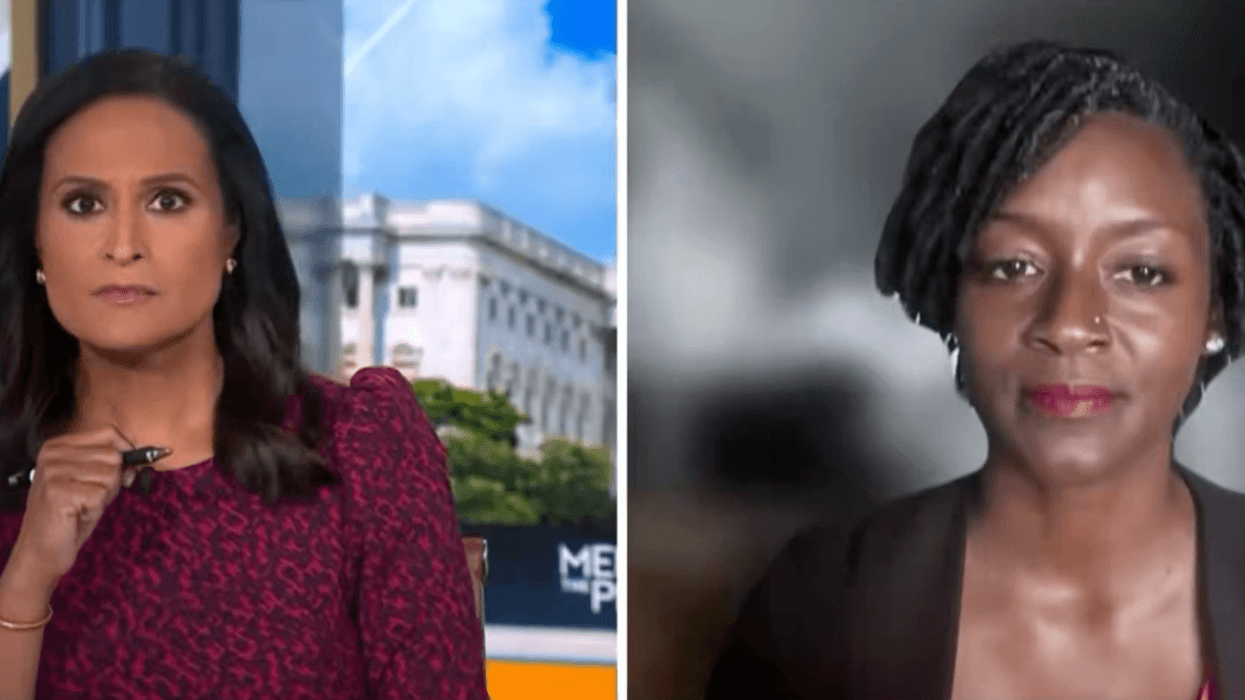
More than 96,000 Cubans, including 11,000 children, are "waiting for surgery" due to a fuel shortage caused by the American blockade, the country's deputy foreign minister, Carlos Fernandez de Cossio, said on Sunday.
The numbers cited by the minister on NBC's "Meet the Press" on Sunday were first reported earlier this month by Cuban Minister of Public Health José Ángel Portal Miranda, who explained that President Donald Trump's policy of “energy asphyxiation," using tariffs to threaten countries out of importing fuel to Cuba, has devastated its National Health Service.
The policy has left Cuba unable to import oil from abroad for more than three months, reducing its fuel supply by about 90% and leading to periodic blackouts and strict energy rationing.
Using the severely limited electricity at its disposal, Cuba's health system has been forced to prioritize continuing cancer treatments and other lifesaving procedures, putting those awaiting non-urgent surgeries on the sidelines.
Last month, a specialist at a hospital in Holguín told Diario de Cuba that the surgeries canceled included "uncomplicated hernias, cataract surgeries, some non-urgent gynecological procedures, and scheduled orthopedic surgeries."
Other healthcare professionals said that nobody was being admitted to the hospital for tests and that it was running low on basic supplies like syringes, IV tubing, and antibiotics, which could not be delivered due to fuel shortages. Most of those that have been used had to be donated by family members or purchased for exorbitant prices on the black market.
Jorge Barrera, a reporter for CBC News, spoke with patients and employees at Havana’s National Institute of Cardiology and Cardiovascular Surgery this weekend and found it to be at about half capacity, and that nonessential care has been virtually all suspended.
"Even though the health system is a point of pride for Cuba... something that they export to the rest of the world," Barrera explained, "because of this crisis, because of the impact it's had on the skyrocketing prices, it's just not enough for them to make ends meet. So people are quitting... to find other ways to make money to feed their families."
Experts with the United Nations have condemned the blockade of Cuba as "a serious violation of international law." Condemnations have grown louder over the past week as Trump said he believed he'd have "the honor of taking Cuba" after it collapsed.
De Cossio said he hoped the people of the United States would ask "Why does our government treat the whole population of Cuba this way?" and that they'd "understand that it's not correct to treat another nation the way the US is doing simply to try to achieve political goals."
The US blockade of Cuba is largely unpopular with the American public. A poll published last week by YouGov found that just 28% of adult US citizens said they approved of the US blocking oil shipments to the country, while 46% said they opposed it.
Asked by anchor Kristen Welker about suggestions from Trump that Cuba would collapse "on its own" without the need for the US to intervene militarily, De Cossio retorted, "What does 'on its own' mean when it’s being forced by the United States?"
Prior to Trump's further measures to isolate Cuba in January, the US had placed Cuba under an economic embargo for more than 60 years, which severely hampered the country's economic development and has cost Cuba trillions of dollars since it began, according to the UN.
"It’s a very bizarre statement, and it’s claimed by most US politicians repeatedly that Cuba will collapse on its own," De Cossio said. "Then why does the US government need to employ so many resources, so much political capital, so many human resources to try to destroy the economy of another country? Evidently, it implies that the country does not have the characteristics to collapse on its own."
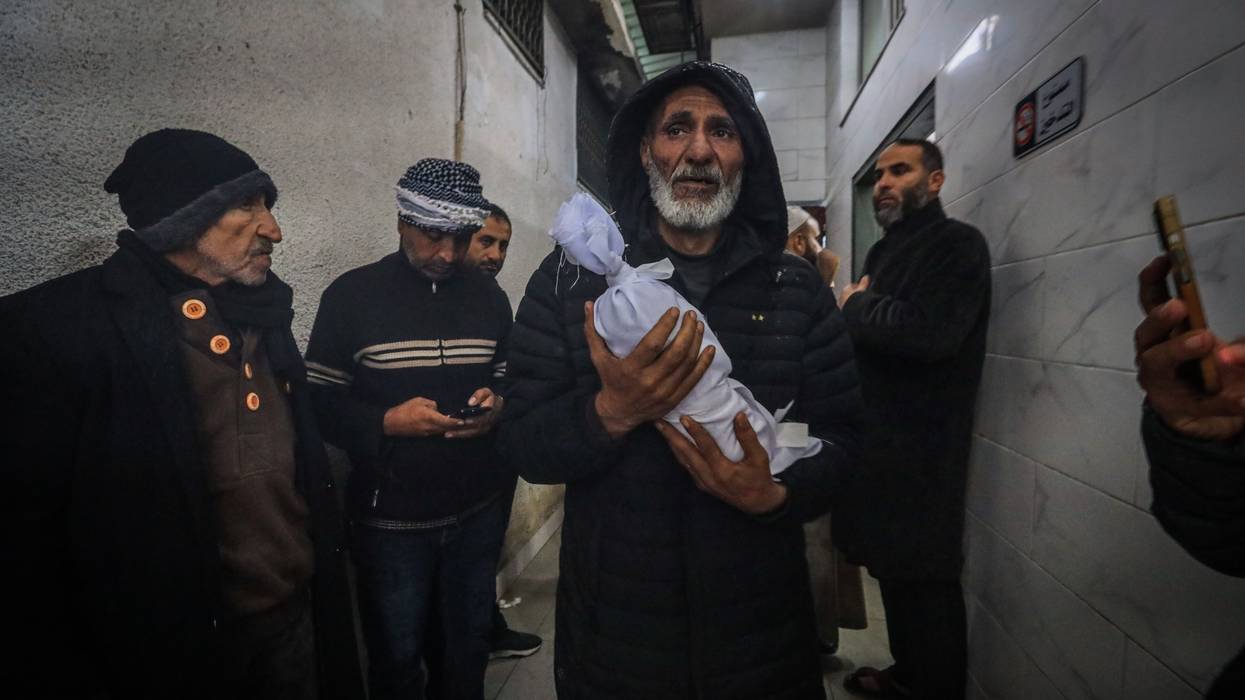
Reports of 1-year-old Karim Abu Nassar being burned with a cigarette and pierced with a nail followed the publication of a United Nations analysis detailing Israel's "systematic" torture of Palestinians since October 2023.
Israeli soldiers in Gaza allegedly tortured an 18-month-old Palestinian toddler in an effort to force a confession from his father, local and international media outlets reported Monday.
According to Al Jazeera, Karim Abu Nassar was with his father, Osama Abu Nassar, near the al-Maghazi refugee camp in central Gaza on Saturday when they came under Israel Defense Forces fire. Eyewitnesses told Palestine TV that IDF troops ordered the man to leave the child on the ground and advance to a nearby checkpoint, where he was stripped naked and searched.
Witnesses said IDF soldiers then tortured Karim in front of his father to pressure him to confess to something. Journalist Osama Al-Kahlout interviewed the child's mother, who said the toddler suffered a cigarette burn to one leg and a nail puncture to the other. Al-Kahlout's video shows wounds on the child's legs—injuries reportedly confirmed by an unspecified medical authority.
Karim was reportedly released to relatives via the International Committee of the Red Cross after 10 hours of detention. The ICRC has not issued a statement regarding the matter and rarely does so absent an investigation.
The Palestine Chronicle reported that Osama Abu Nassar remains in custody, in a system rife with torture—sometimes deadly—and other abuse.
The IDF has not commented on the alleged incident.
In the United States, the story is being amplified by prominent figures including Congresswoman Rashida Tlaib (D-Mich.) and the Council for American Islamic Relations (CAIR), which issued a statement calling the accusations "revolting."
“Israel’s use of a nail and cigarette burns to torture a 1-year-old child and force a confession from his father is a revolting moral outrage that demands immediate action from Congress," the group said. "No child, anywhere in the world, should be subjected to such cruelty, especially with American taxpayer dollars. These actions constitute grave violations of international law and basic human decency."
“Our nation must end its complicity in these crimes," CAIR added. "Congress has a responsibility to ensure that American taxpayer dollars are not used to support the torture or slaughter of more children. Every lawmaker with a conscience must vote to end military aid for the out-of-control Israeli regime.”
The US has given Israel hundreds of billions of inflation-adjusted dollars in aid to Israel since the country was established in 1948, including more than $20 billion since October 2023.
A new report published by UN Palestine expert Francesca Albanese examines the "systematic use by Israel of torture against Palestinians," finding "practices that meet the threshold for genocide" under the Genocide Convention—the basis of the ongoing International Court of Justice (ICJ) case brought by South Africa.
A summary of the report states:
Torture has become integral to the domination of and punishment inflicted on men, women, and children—both through custodial abuse and through a relentless campaign of forced displacement, mass killings, deprivation, and the destruction of all means of life to inflict long-term collective pain and suffering. A continuous, territorially pervasive regime of psychological terror is being imposed, designed to break bodies, deprive a people of their dignity, and force them from their land. This is not incidental violence. It is the architecture of settler-colonialism, built on a foundation of dehumanization and maintained by a policy of cruelty and collective torture.
Palestinian victims—including minors—and witnesses, as well as Israeli soldiers, veterans, and medical professionals have described widespread torture and other abuses including rape and sexual assault by male and female soldiers, electrocution, mauling by dogs, beatings, denial of food and water, sleep deprivation, stress positions, and exposure to loud music and temperature extremes.
At least scores of Palestinian detainees have died or been killed in Israeli custody, including one who died after allegedly being sodomized with an electric baton. Many bodies of former Palestinian prisoners returned by Israel have shown signs of torture, execution, and mutilation.
Since the Hamas-led attack of October 2023, Israeli forces have killed or wounded at least 250,000 Palestinians, including more than 65,000 children. Israeli troops have been accused by Palestinians, Western medical volunteers, and their own colleagues of deliberately targeting children with sniper fire and executing them along with their adult relatives during massacres.
In addition to facing the ICJ genocide case, Israeli Prime Minister Benjamin Netanyahu and his former defense minister, Yoav Gallant, are fugitives from the International Criminal Court, where they are wanted for alleged crimes against humanity and war crimes in Gaza, including murder and forced starvation.
"As they continue to hike prices, the pharmaceutical industry is also working overtime to block reforms that would lower them, and patients are paying the price."
A report released Monday found that Big Pharma has continued raising prices on dozens of cancer drugs, despite President Donald Trump's repeated false claims that he and his administration have slashed drug prices by a mathematically impossible 600%.
The analysis, conducted by Patients for Affordable Drugs, found that pharmaceutical companies increased prices on 64 oncology drugs in the first weeks of 2026, with the vast majority of price hikes coming in above the rate of inflation.
Patients for Affordable Drugs noted the heavy financial toll that paying for treatments takes on US cancer patients, and said the latest price increases would only exacerbate the crisis.
"Cancer drugs are among the most expensive drugs on the market, costing $74,000 more on average than non-cancer drugs," the group explained. "More than 42% of cancer patients in the US fully depleted their savings within two years of diagnosis to cover their care. More than half of Americans with cancer go into debt because of the cost of their care."
Making matters worse, the group added, is that Big Pharma is heavily lobbying Congress to pass legislation that would further delay small molecule drugs, including "widely used, high-cost cancer treatments," from becoming eligible for Medicare price negotiations.
Merith Basey, CEO of Patients for Affordable Drugs, stressed that the latest price increases were unacceptable given that "cancer is a leading cause of death among American seniors, and the treatments patients rely on are already among the most expensive."
"Yet as they continue to hike prices, the pharmaceutical industry is also working overtime to block reforms that would lower them," added Basey, "and patients are paying the price."
While the Patients for Affordable Drugs report focuses on cancer drugs, a December report from Reuters found that at least 350 branded medications are set for price hikes in 2026, including “vaccines against Covid, RSV, and shingles,” as well as the “blockbuster cancer treatment Ibrance.”
The total projected number of drugs seeing price increases in 2026 is significantly higher than in 2025, when 3 Axis Advisors estimated that pharmaceutical companies raised prices on 250 medications. The median price increase for drugs in 2026 is projected at 4%, roughly the same as in 2025.
All of these price increases have come despite Trump's false claims that he has lowered the prices of drugs to the point where pharmaceutical companies would actually be paying patients to take them.
An analysis released last week by the Center for American Progress (CAP) found that the president's TrumpRx initiative, which was created to purportedly offer Americans cheaper prescription drugs, offered genuinely lower prices on "exactly one" of the 54 medications listed on its website.
CAP also found that nearly one-third of the drugs available on the TrumpRx website have generic alternatives that were cheaper than what was being offered, and that the website made no mention of this.