
SUBSCRIBE TO OUR FREE NEWSLETTER
Daily news & progressive opinion—funded by the people, not the corporations—delivered straight to your inbox.
5
#000000
#FFFFFF
To donate by check, phone, or other method, see our More Ways to Give page.


Daily news & progressive opinion—funded by the people, not the corporations—delivered straight to your inbox.
An alternative to the Nobel Peace Prize honors those who truly align with Alfred Nobel's original will and celebrates their achievements.
The annual Nobel Peace Prize ceremony takes place on December 10 in Oslo, Norway. In a symbol of Western hypocrisy, the 2025 Nobel Peace Prize was controversially awarded to María Corina Machado, the leader of Venezuela's hard-line right-wing opposition. Coupled with US President Donald Trump's contentious nomination and the awards' declining credibility, it's time we examine the merits and effectiveness of the once-prestigious award.
The late Fredrik S. Heffermehl, a Norwegian lawyer and author, long championed a critical examination of the Nobel Peace Prize and its alignment with Alfred Nobel's original will— "...the person who has done the most or the best work for fraternity between nations and for the abolition or reduction of standing armies as well as for the holding and promotion of peace congresses."
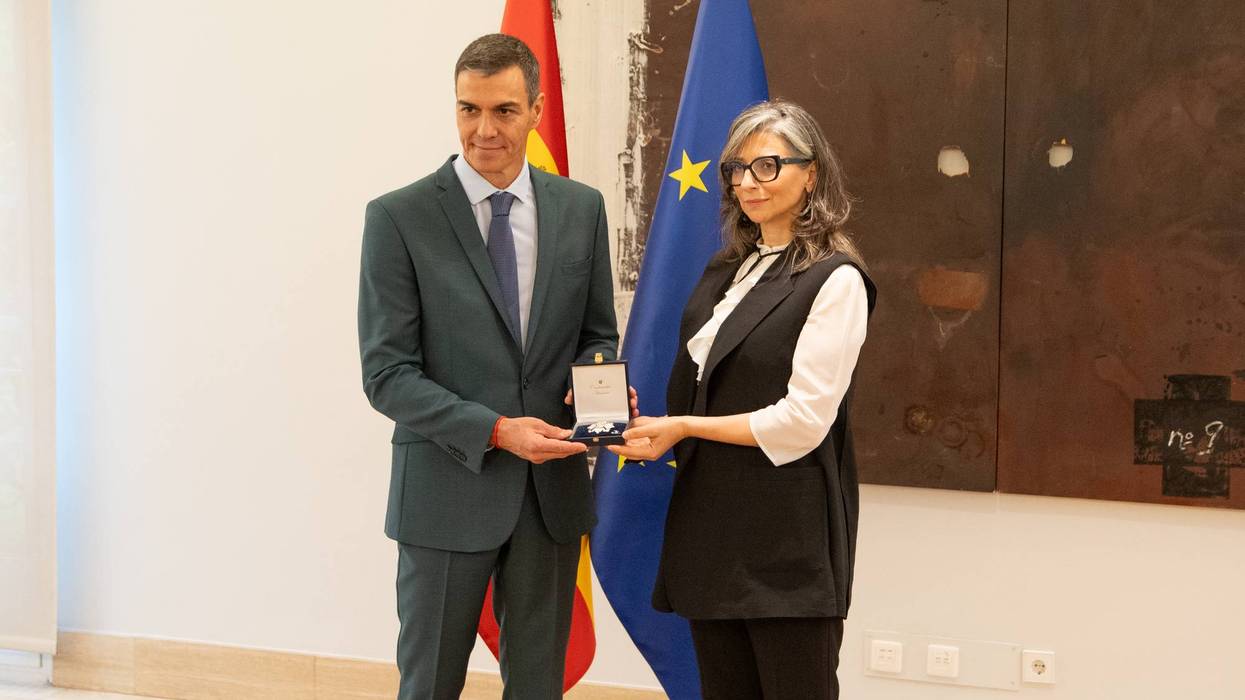
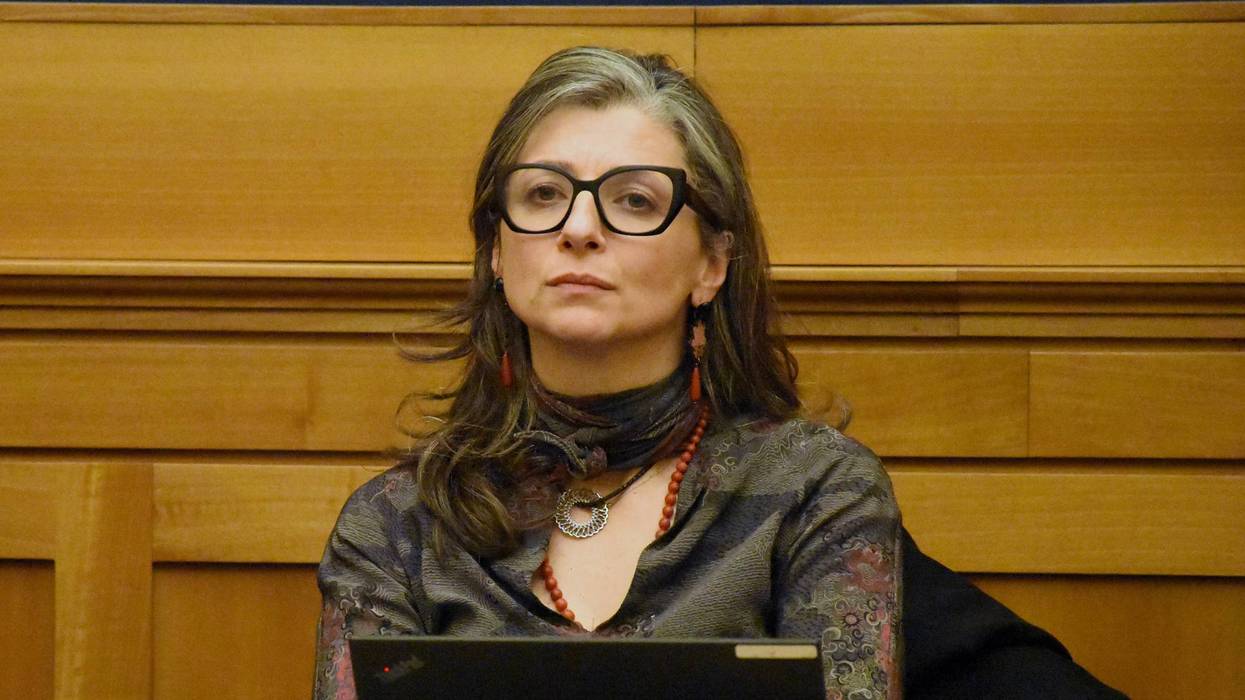
In 2014, he established the Swedish peace organisation, Lay Down Your Arms, which fights against war and armaments, and annually honors a '"champion for peace." The 2025 recipient is United Nations Special Rapporteur on the Occupied Palestinian Territories Francesca Albanese.
Criticisms of the Nobel Peace Prize have grown louder in recent years as politics seem to have hijacked the award's subjectivity. As if to exemplify this exact point, just take Trump's shameless campaign for the 2025 award.
As of 2021, only 33 recipients have qualified under Nobel's founding principles in the 120 years since its founding. The further the award has drifted from peace, the more it has lost its former prestige and, more importantly, its ability to foster long-lasting, sustainable peace.
If the Nobel Prize is losing its credibility, it also loses the impact it can have on world peace.
There are many instances in which laureates are champions of noble causes that, while commendable, are not directly aligned with peace but rather with human rights, democracy, the environment, or sustainability. In the worst cases, recipients were former war makers, and the prize was either politically motivated or awarded prematurely. Controversial Nobel Peace Prize laureates over the years include Henry Kissinger, Menachem Begin, Yasser Arafat, Barack Obama, and Abiy Ahmed.
The increasing Eurocentricity is another point of debate, as a disproportionate number of laureates hail from Europe and North America. The award seems to support Western values and power structures over those from the Global South. Evidence of gender bias is also very apparent, as the peace efforts of women have historically been massively underrepresented. By 2025, only 16% of the individual Nobel Peace Prize recipients were women.
Nobel's wish was that his prizes go to those who have demonstrated the "greatest benefit on mankind." Nobel Peace laureates who stand out for their remarkable contributions to creating a more peaceful world include the International Committee of the Red Cross, Martin Luther King Jr., the Dalai Lama, Nelson Mandela and F.W. de Klerk, IPPNW, Campaign against Landmines and Jody Williams, Médecins Sans Frontières, United Nations and Kofi Annan, Martti Ahtisaari, ICAN, and Nihon Hidankyo.
Established in 2024, this alternative to the Nobel Peace Prize honors those who truly align with Alfred Nobel's original will and celebrates their achievements.
The first-ever recipient in 2024 was David Swanson. He is an American author, activist, and journalist, prominently known for his work in the anti-war movement with World Beyond War. He is the co-founder, executive director, and board member of this global organization dedicated to ending war and establishing just and sustainable peace.
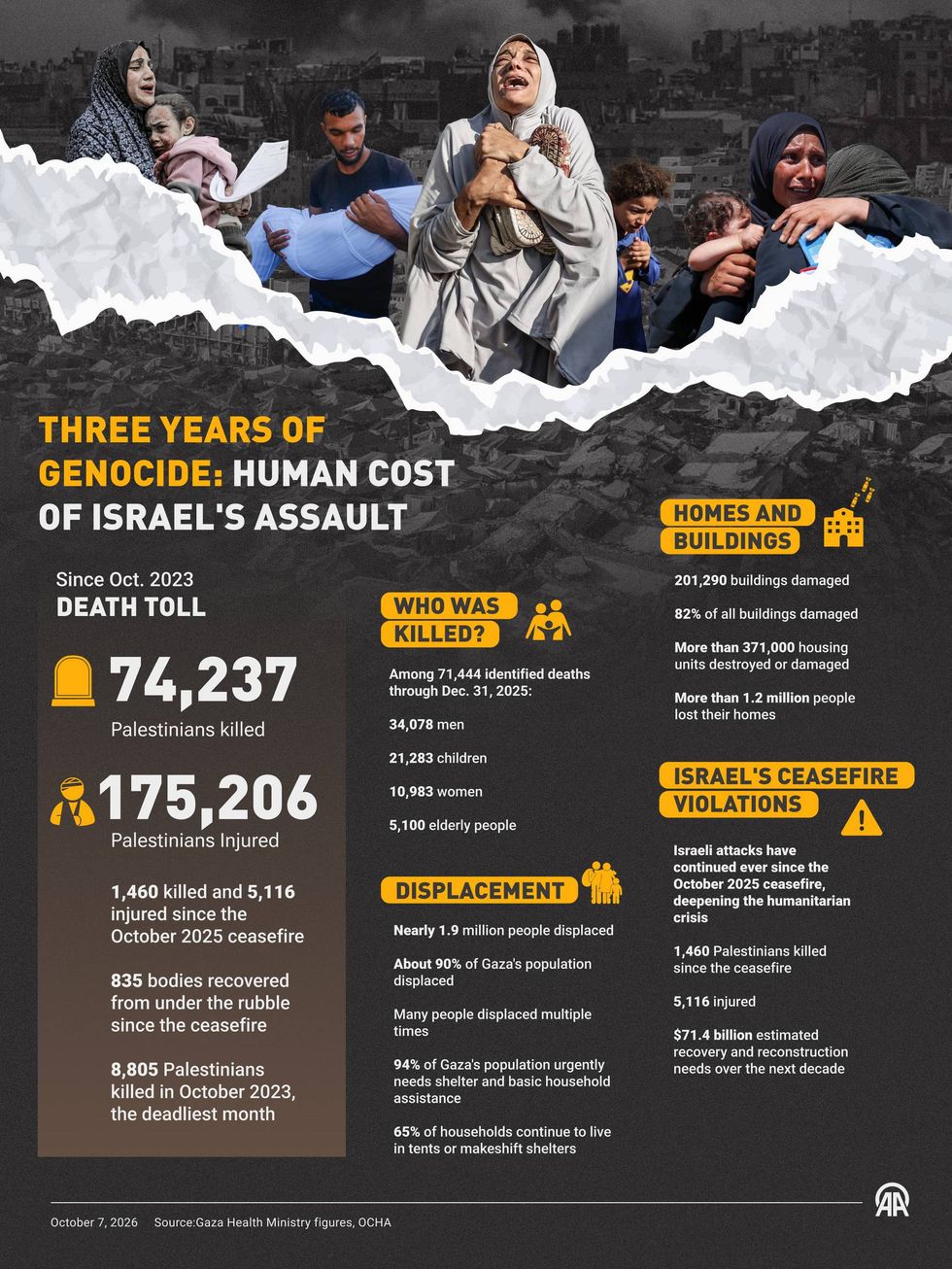
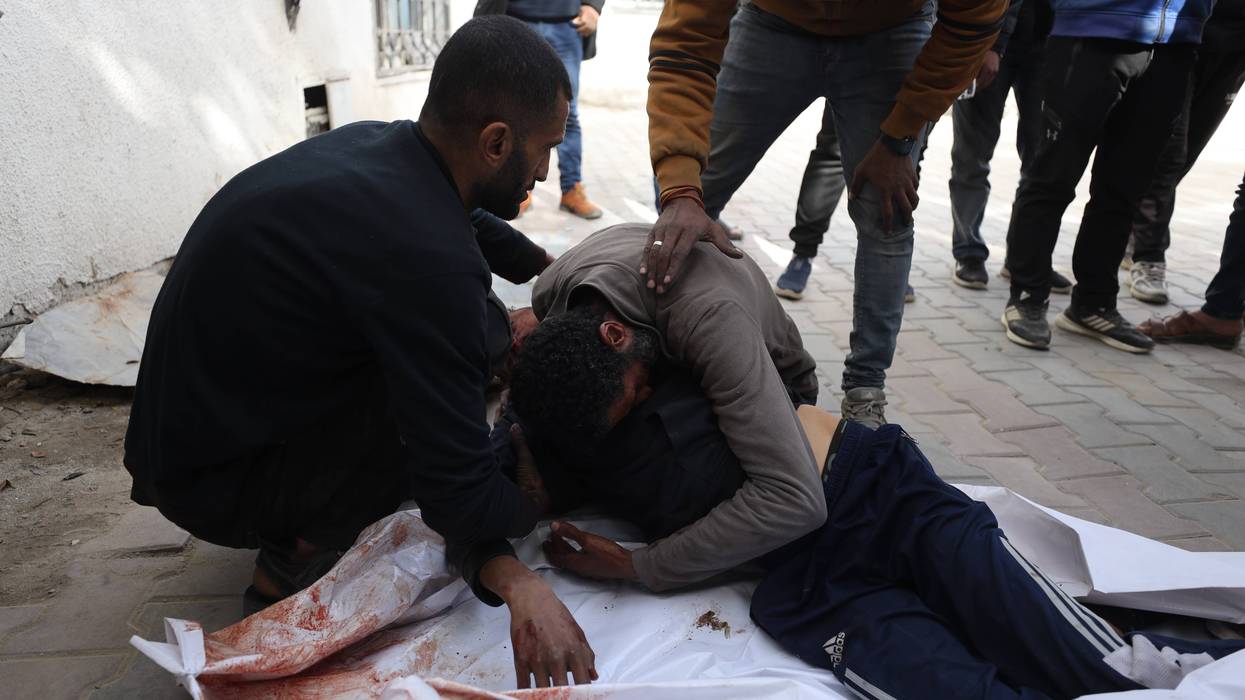
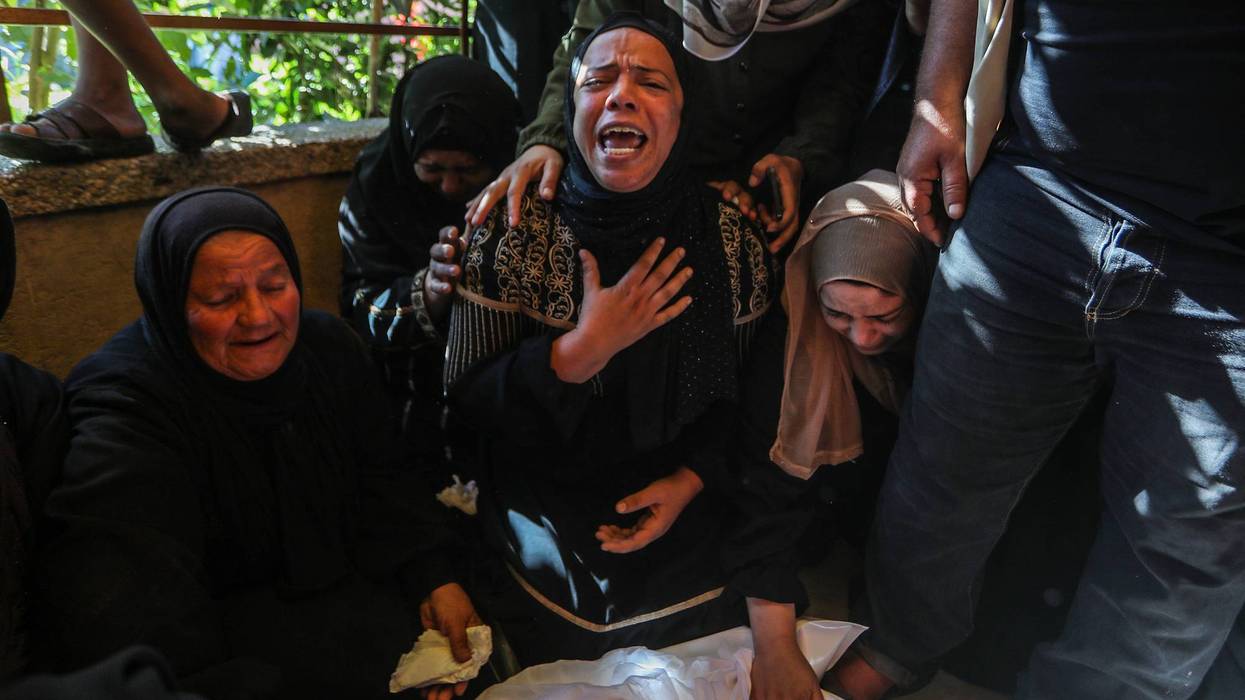
Throughout the now two-year war, which has resulted in the death of more than 70,000 Palestinians, Albanese has been one of the most outspoken advocates for Palestinian rights.
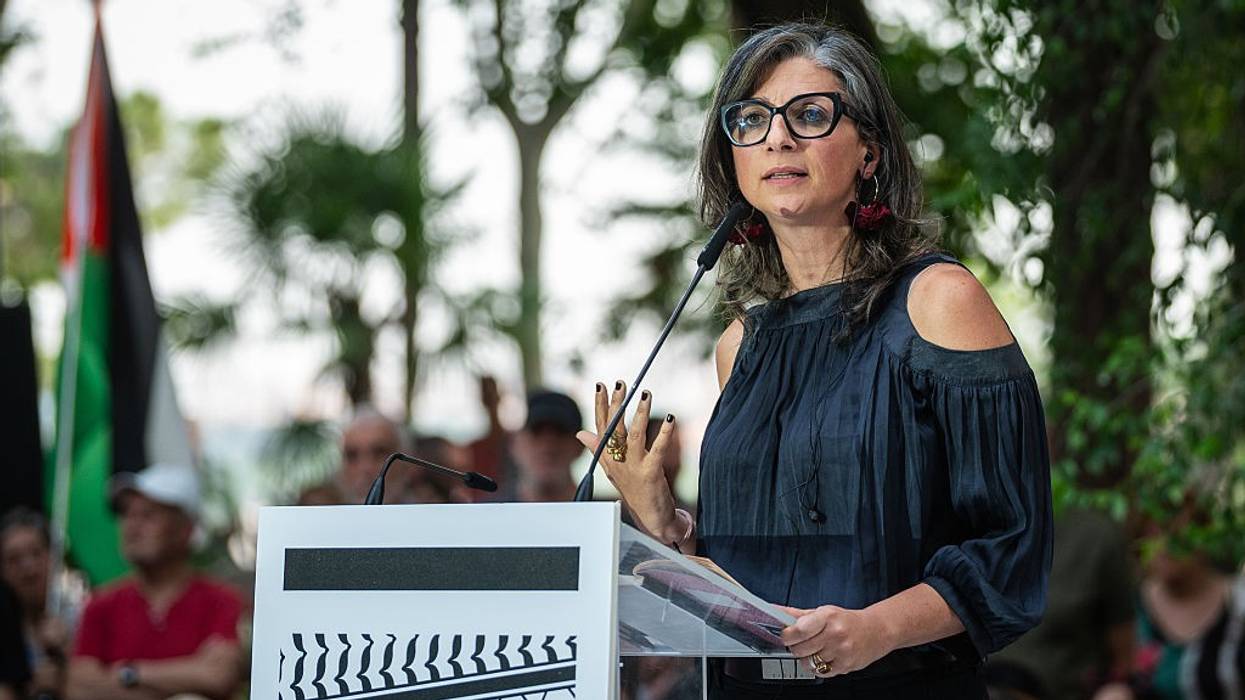
This year, the award goes to Francesca Albanese, who "has forcefully and unwaveringly worked against Israel's full-scale war on the occupied Palestinian territories, in particular Israel's ongoing genocide against the Palestinian people."
Albanese has tirelessly pushed for nations to implement an embargo on arms sales to Israel, put an end to all trade agreements, ensure accountability for war crimes, and complete Israeli withdrawal from occupied territories. She highlights the world's responsibility to stop arming, funding, and profiting from Israel's atrocities in Gaza.
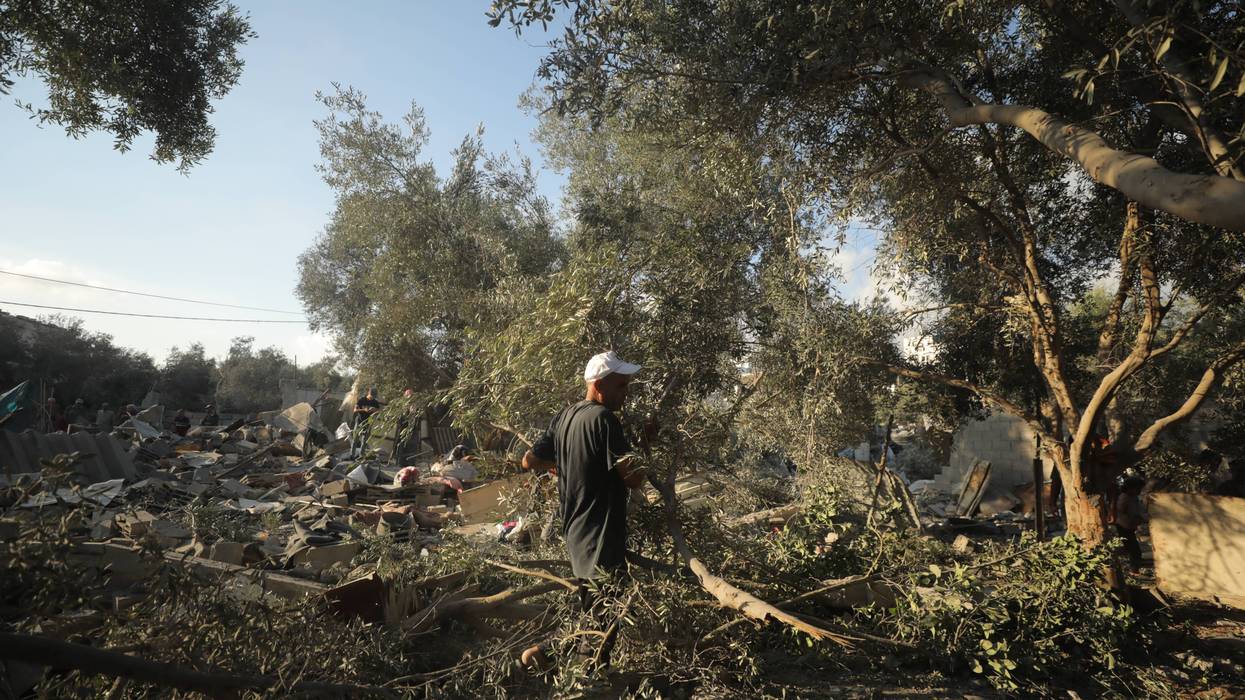
Throughout the now two-year war, which has resulted in the death of more than 70,000 Palestinians, Albanese has been one of the most outspoken advocates for Palestinian rights. The Israeli onslaught on Gaza has resulted in 2.2 million people enduring emergency levels of food insecurity and left more than 170,000 injured, many with life-changing wounds.
Heffermehl's advocacy for a return to Nobel's original criteria has sparked international debate. His work questioned whether political and commercial interests have skewed the selection process. By bringing greater transparency to the criteria and selection process, Heffermehl sought to ensure that the Nobel Peace Prize upholds both its founder's legacy and continues to serve as a meaningful catalyst for lasting global peace.
Summarized in his book, The Nobel Peace Prize: What Nobel Really Wanted, Heffermehl argued that the prize has frequently deviated from Nobel's original criteria to reward those dedicated to disarmament, demilitarization, peace negotiations, mediation, peace journalism, and conflict resolution.
In his career, he held respected positions as vice president of the International Peace Bureau (IPB) and of the International Association of Lawyers Against Nuclear Arms (IALANA). He also led the Norwegian Peace Council from 1985 to 2000, and authored multiple globally celebrated books on peace.
The Nobel Peace Prize has become a political prize and is too often given to champions of democracy, the environment, or human rights. In order to celebrate true champions of peace, we must return to Alfred Nobel's original intention for the prize.
Members of the Norwegian Nobel Committee who are responsible for selecting Nobel Peace Prize laureates are selected by the Norwegian Parliament. More often than not, they are former politicians of major parties, or if not, they are closely associated with them. Let's not forget that Norway is a founding member of NATO and is closely associated with the EU and its ideologies.
This is not just about reputation and status; if the Nobel Prize is losing its credibility, it also loses the impact it can have on world peace. We must ensure that, first and foremost, lasting sustainable peace remains the primary goal of this prestigious award.
In the words of Fredrik Heffermehl, "Peace is not just a dream, but a possibility within our grasp."
Francesca Albanese wrote that states that supported Israel financially and militarily "could and should be held liable for aiding, assisting, or jointly participating in internationally wrongful acts."
A report by one of the United Nations’ leading experts on Israel-Palestine describes the more than two years of genocide in Gaza as a “collective crime,” for which all nations with financial, diplomatic, and military ties with Israel are culpable.
The draft report, published Monday, was written by Francesca Albanese, the UN’s special rapporteur on human rights in the occupied Palestinian territories, who is expected to speak at length on the humanitarian crisis in Gaza this weekend as part of the Nelson Mandela Foundation’s lecture series in Johannesburg, South Africa.
Her report names more than 60 countries, without which she says the systematic destruction of Gaza—which has killed or injured more than 10% of the strip’s population and displaced nearly everyone there—would not have been possible.
“Framed by colonial narratives that dehumanize the Palestinians, this livestreamed atrocity has been facilitated through third states’ direct support, material aid, diplomatic protection, and, in some cases, active participation,” Albanese wrote. “The world now stands on a knife-edge between the collapse of the international rule of law and hope for renewal. Renewal is only possible if complicity is confronted, responsibilities are met, and justice is upheld.”
Her report says that the states most responsible are “primarily Western ones,” the United States being chief among them.
The US accounts for two-thirds of Israel’s annual arms imports. And according to a report out this week from the Center for International Policy, it has spent over $38 billion since October 2023, both directly arming Israel through military grant programs and waging war against its enemies in Iran, Lebanon, and other nations across the Middle East.
Under both a Democratic and Republican administration, the US has also provided critical diplomatic cover for Israel, proposing temporary “pauses” and “truces” to the conflict before international bodies, “sidestepping a permanent ceasefire and ensuring a continuation of the violence.”
On several occasions, the US has used its veto power to block unanimous votes in favor of a binding ceasefire resolution by the UN Security Council. In September, it did so for the fifth time, vetoing a 14-1 resolution that would have required both parties to halt the violence and release all hostages.
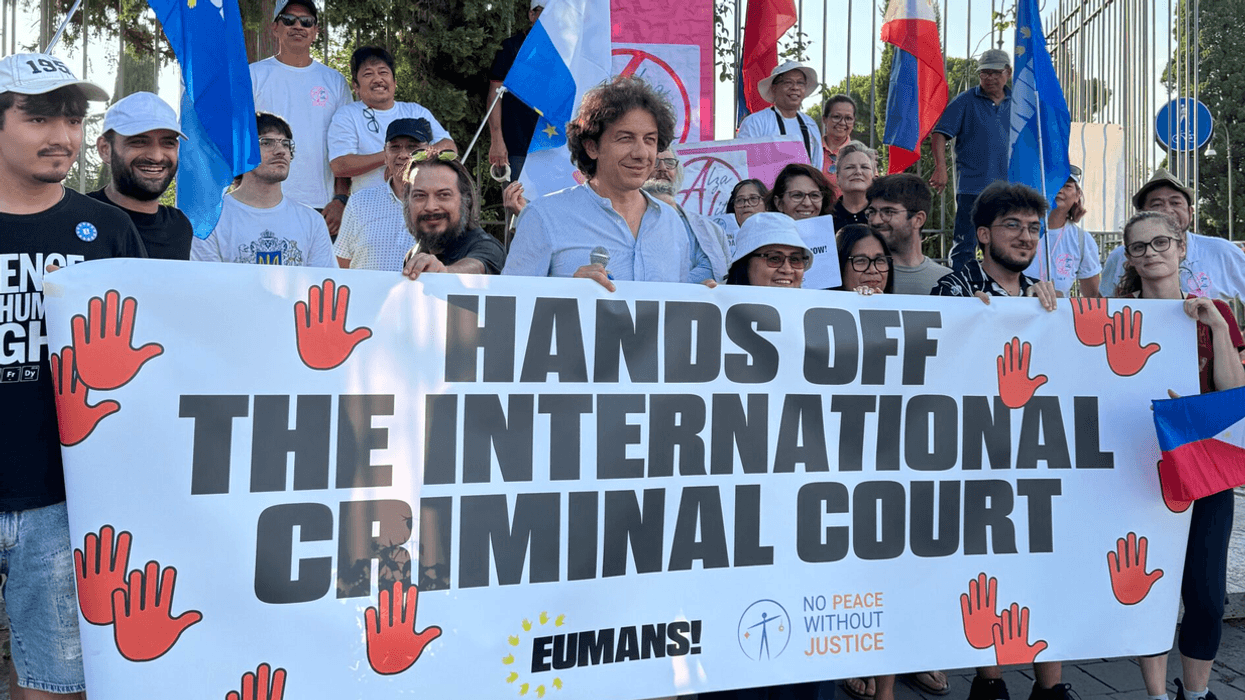
The US has sanctioned the International Criminal Court (ICC), which issued arrest warrants against Israeli Prime Minister Benjamin Netanyahu and his former defense minister, Yoav Gallant, for war crimes and crimes against humanity. The Trump administration also placed Albanese herself under sanctions in July for her support of the ICC’s efforts.
American non-governmental organizations supported by US President Donald Trump were also directly involved with the creation and administration of the Gaza Humanitarian Foundation (GHF), which administered aid sites after humanitarian organizations like the United Nations Relief and Works Agency (UNRWA) were pushed out. In just over three months, more than 1,000 Palestinian aid seekers were killed in routine massacres by Israeli troops, who have described the GHF sites as “killing fields.”
Many senior US politicians, Albanese said, have helped to prolong the genocide through rhetoric that frames Israeli lives as more important and worthy of protection than Palestinian ones.
“Israelis were depicted as ‘civilians’ and ‘hostages,’ and Palestinians as ‘Hamas terrorists,’ ‘legitimate’ or ‘collateral’ targets,’ ‘human shields’ or lawfully detained ‘prisoners,’” she wrote.
Albanese also singled out many European nations as particularly culpable. These include Germany, which provided Israel with over $565 million worth of weapons, making it the second-largest exporter behind the US; and the United Kingdom, which has participated in hundreds of surveillance missions over Gaza and whose prime minister, Keir Starmer, defended Israel’s right to cut off water and power to civilians at the war’s outset.
She also called out others that increased trade with Israel during the two years of genocide—Germany, Poland, Greece, Italy, Denmark, and France—as well as Arab countries like the United Arab Emirates, Egypt, Jordan, and Morocco. She said their continued economic support not only “legitimizes and sustains the Israeli apartheid regime” but “countered the trade decline Israel might otherwise have faced” as a result of its increasing global isolation.
Albanese wrote that for helping Israel, which she described as a “genocidal apartheid state,” these nations “could and should be held liable for aiding, assisting, or jointly participating in internationally wrongful acts.”
Though a ceasefire is now in effect between Israel and Gaza, Albanese said on Wednesday that the plan, which currently has Israel occupying more than half the Gaza Strip, was “absolutely inadequate and it doesn’t comply with international law.”
She said that the recognition of a Palestinian state by several Western nations in recent months has “been a pretense of doing something while the emergency was to discuss... how we stop the genocide.”
Albanese said that the states “who still have ties with Israel, diplomatic, but especially economic, political, and military ties, are all responsible in some measure.”
The UN special rapporteur for the occupied Palestinian territories implored other countries "to mobilize their fleet to grant the flotilla safe sailing to Gaza, and deploy a real humanitarian convoy to break the blockade."
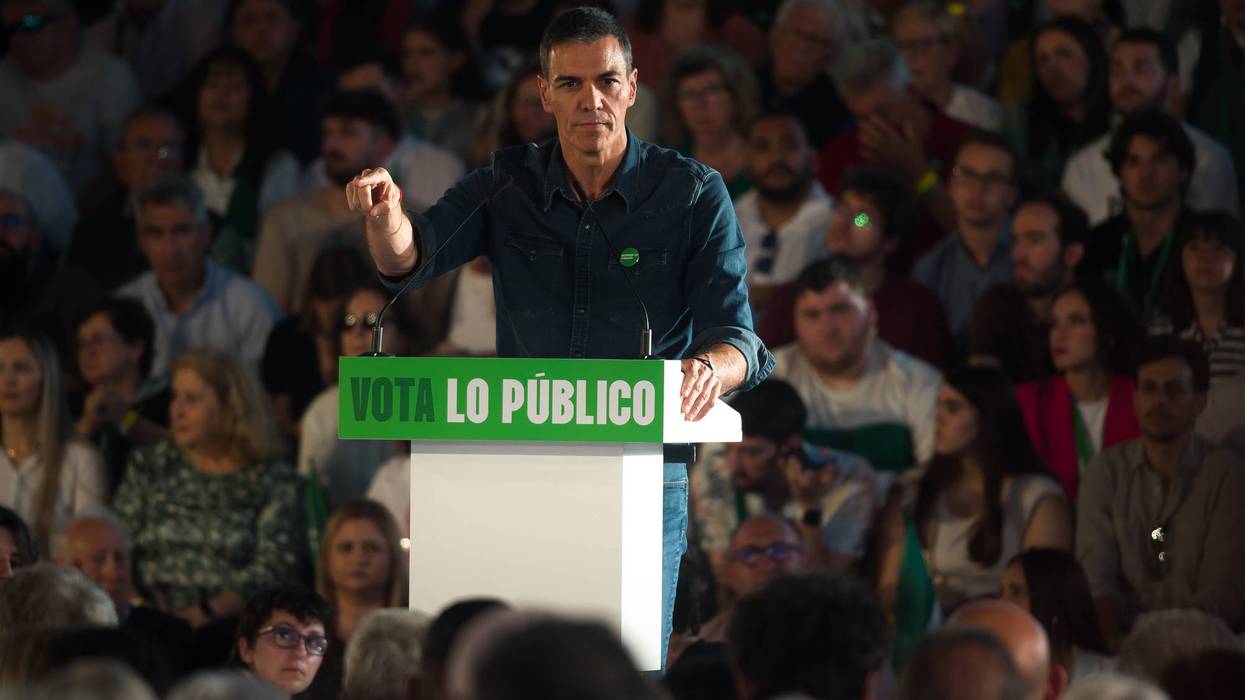
Critics of Israel's genocide in the Gaza Strip welcomed Spanish Prime Minister Pedro Sánchez's Wednesday announcement that his country will join Italy in sending a warship to protect the Global Sumud Flotilla, which has endured several drone attacks during its journey to deliver humanitarian aid to starving Palestinians.
The flotilla—whose name means perseverance in Arabic—departed Barcelona over three weeks ago. The peaceful mission to break Israel's blockade of Gaza involves around 50 boats carrying hundreds of people from dozens of countries, including Spain.
"The government of Spain demands compliance with international law and respect for the right of its citizens to safely navigate the Mediterranean," Sánchez said during a Wednesday press conference in New York City, where he is attending the United Nations General Assembly. He said a vessel equipped to assist the flotilla will depart from Cartagena on Thursday.
Sánchez's move came after Italy's defense minister, Guido Crosetto, said earlier Wednesday that his government sent a naval ship "to ensure assistance to the Italian citizens on the flotilla" following an overnight drone attack in the Mediterranean Sea.
Both ship announcements followed 16 foreign ministers, including Spain's José Manuel Albares, warning Israel against attacking the Global Sumud Flotilla last week. On Monday, the Spaniard had reaffirmed diplomatic support for participants, vowing that Spain "will react to any act that violates their freedom of movement, their freedom of expression, and international law."
The Israeli government has a history of attacking flotillas, and although it has not formally claimed credit for the recent drone attacks, it is widely believed to be responsible. The latest was "the largest and most terrifying attack yet," Progressive International co-general coordinator David Adler, who is part of the Global Sumud Flotilla, told Jacobin.
"While we expect these attacks to escalate each day that we approach Gaza, we cannot normalize the criminal violence committed against this peaceful convoy of humanitarian workers and the critical aid that we carry with us," Adler said. "This midnight incident is just a reminder of the brutal violence deployed against the people of Palestine, hour by hour and day by day. If the state of Israel can attack us here—with the eyes of the world watching—then they can do so in Gaza a millionfold, with even greater impunity."
Israel's Ministry of Foreign Affairs has posted multiple threatening messages on social media attempting to connect the Global Sumud Flotilla to Hamas, which Israel and its ally the United States have designated a terrorist organization.
"We have another proposal for the Hamas-Sumud flotilla: If this is not about provocation and serving Hamas, you are welcome to unload any aid you might have at any port in a nearby country outside Israel, from which it can be transferred peacefully to Gaza," the ministry said several hours after the latest attack. "Israel will not allow vessels to enter an active combat zone and will not allow the breach of a lawful naval blockade. Is this about aid or about provocation?"
The Spanish and Italian governments' decisions have generated questions about how Israel will now engage with the flotilla.
"Wow. This is absolutely huge," British writer Owen Jones said of Sánchez's move. "After the attacks, Spain is offering direct military protection to the flotilla bringing humanitarian aid to Gaza. So what now, Israel? Are you going to risk acts of war against a European nation so you can attack humanitarian vessels?"
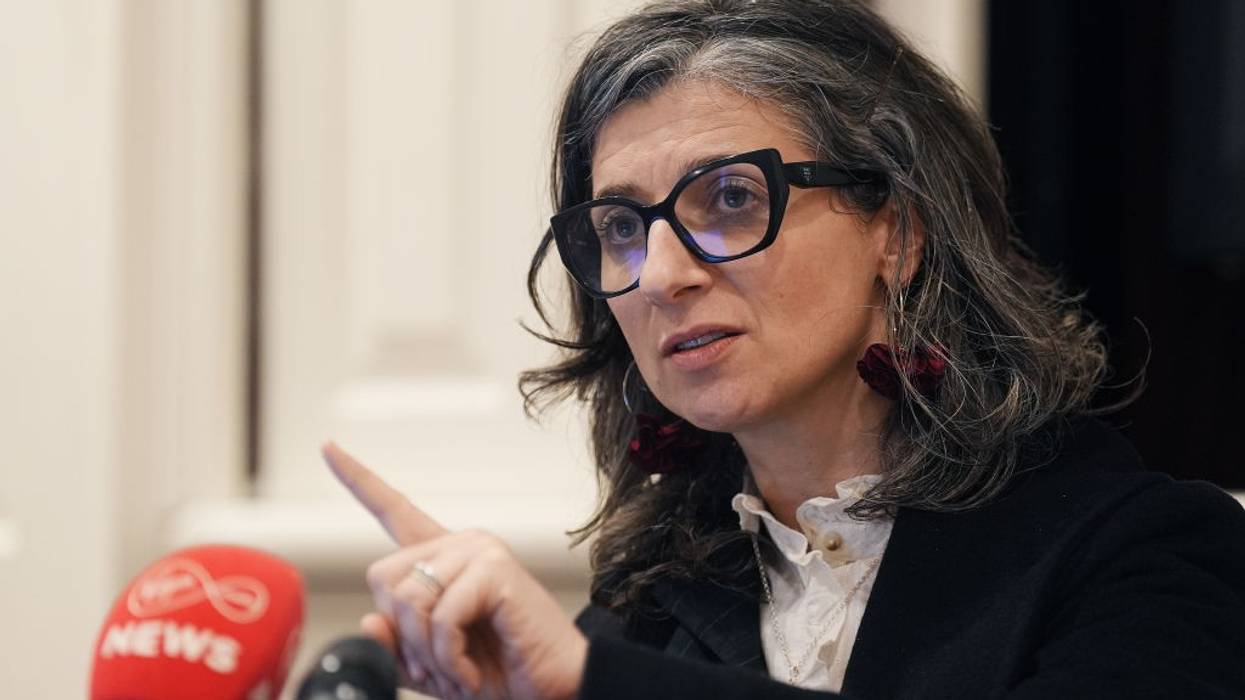
The European leaders' actions have also been met with applause. Francesca Albanese, an Italian human rights lawyer now serving as UN special rapporteur for the occupied Palestinian territories, said: "Thank you, Spain."
"I implore other countries to mobilize their fleet to grant the flotilla safe sailing to Gaza, and deploy a real humanitarian convoy to break the blockade," she continued. "That's what people want. That's what humanity commands. If not in the time of a genocide, when??"
Nathan J. Robinson, editor in chief of Current Affairs, said: "This is a good start. Now tell him to gather food, pack it on ships, and send the whole navy."
"Let Israel face down the full Spanish Armada if it wants to block aid from entering Gaza," he added.
As casualties have continued to climb in Gaza—local officials said Wednesday that the Israeli assault has killed at least 65,419 Palestinians and injured 167,160, though global experts believe those figures are undercounts—a growing number of world leaders have not only called for a cease-fire but also recognized the Palestinian state.
At UN headquarters earlier this week, Sánchez described recent recognition of Palestine as "a crucial step" toward "the two-state solution" but also stressed that "there can be no solution when the population of one of those states is the victim of genocide."
Speaking to the General Assembly on Tuesday, Colombian President Gustavo Petro called for invoking the United for Peace resolution to send an armed protection force to Gaza. He also took aim at US diplomatic and weapons support for Israel, saying that President Donald Trump "allows missiles to be launched at children, young people, women, and the elderly" and "becomes complicit in genocide."