

5
#000000
#FFFFFF
To donate by check, phone, or other method, see our More Ways to Give page.
Daily news & progressive opinion—funded by the people, not the corporations—delivered straight to your inbox.
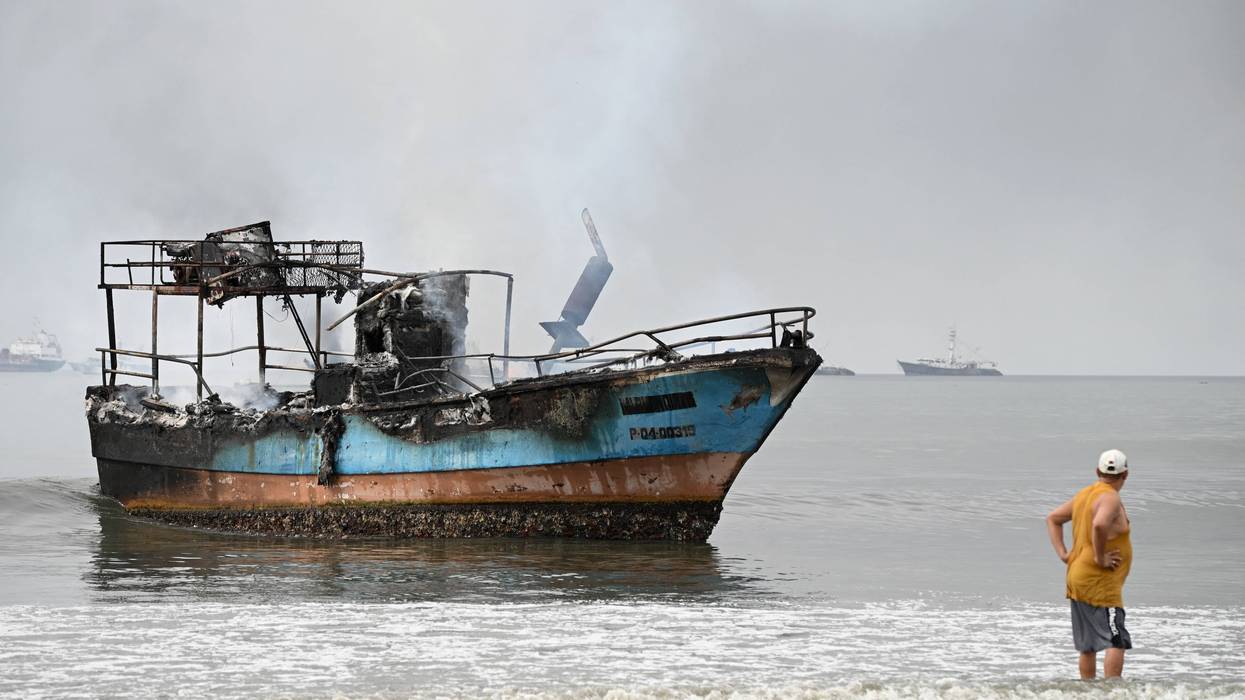
“It begs the question about why you would need to do this. What would be the purpose of the secrecy?” said a former US government official.
The Washington Post reported on Thursday that recent mysterious attacks on Ecuadoran fishing boats were carried out as part of a covert CIA operation.
According to the Post, the strikes on the fishing boats, which took place in multiple instances near the Galápagos Islands earlier this year, are separate from the US Department of Defense's bombing campaign against purported drug-trafficking boats that was launched in September 2025 and has so far killed at least 220 people.
Survivors of a boat attack that occurred in March told the Post they remember coming under fire from small quadcopter drones that either dropped munitions on their vessels or directly crashed into them.
After being shipwrecked, the survivors said they were picked up by a nearby vessel, where they were taken aboard, and "hooded and cuffed by armed men, and transported to El Salvador—only to be returned later without explanation to Ecuador."
The Post noted that "no evidence has publicly emerged that the crew members were involved in drug trafficking," adding that "the Galápagos Islands have increasingly become a hub for drug traffickers, where local fishermen are known to pick up jobs delivering gas to smugglers heading to the United States."
Some former US officials with experience working in Latin America told the Post that they were bewildered about the need for a covert CIA boat strike campaign given that the Trump administration has openly boasted about its other attacks on vessels, which many human rights groups and international law experts have called acts of murder.
“It begs the question about why you would need to do this,” one former official said. “What would be the purpose of the secrecy?”
The covert boat strikes were also reported on Wednesday by The New York Times, which presented evidence that they originated in the US without naming their specific source.
Amnesty International last month raised suspicions of US involvement in the January disappearance of Ecuadoran fishing boat called Fiorella.
Amnesty's investigation of the Fiorella's disappearance found that the vessel, in the days before its disappearance, was "allegedly subjected to sustained monitoring by aircraft, patrol boats, and drones bearing United States markings," as the boat's captain sent "daily satellite messages to his family expressing his growing concern about the surveillance."
The ship vanished on January 20.
Two crew members who had departed the ship earlier in the day on a skiff to lay out fishing lines reported seeing "a large column of smoke in the distance in the direction of the Fiorella, but were unable to determine with certainty whether it was from a fire on board," wrote Amnesty.
The two crew members aboard the skiff are the only confirmed survivors of the incident, as the eight other men aboard the Fiorella are still missing.

One critic said he hopes the Hague-based tribunal will investigate the Trump administration's "illegal, unproven, expensive, destructive, and pointless boat strikes."
US Defense Secretary Pete Hegseth on Wednesday urged Latin American governments to quit the International Criminal Court, accusing the Hague-based tribunal of plotting to prosecute American and allied military personnel while defending the Trump administration’s increasingly aggressive—and, experts say, illegal—campaign against alleged drug traffickers.
"We are working together, we are building together, and we are training together," Hegseth said during a speech in Panama at a gathering of the Americas Counter Cartel Coalition (ACCC), a group of mostly right-wing regional governments. "We are killing terrorists. And we're defeating the failed and toxic ideologies of radical socialism and communism."
"Now, speaking of socialism, make no doubt about it, the international left, along with their enabling left-wing media, is plotting to unlawfully assert International Criminal Court jurisdiction over US and partner military personnel and operations," Hegseth asserted, offering no evidence or explanation to support his claim.
Legal experts, including former US military Judge Advocate General Corps attorneys, have argued that aspects of the Trump administration's bombings of boats allegedly smuggling drugs in the Caribbean Sea and Pacific Ocean—particularly Hegseth's alleged order to "kill everybody" and follow-up attacks targeting survivors—may constitute unlawful extrajudicial killings and war crimes. More than 220 people have been killed in at least 66 such strikes over the past 11 months, with survivors, victims' relatives, and regional governments claiming at least some of those killed were fishers with no narco-trafficking ties.
Hegseth has also been accused of promoting war crimes in the illegal US-Israeli war of choice on Iran by vowing that US forces would not be bound by "stupid rules of engagement," threatening to destroy critical Iranian civilian infrastructure like power plants and bridges, and by boasting that US forces were delivering "death and destruction from the sky all day long" as airstrikes killed hundreds of civilians, including 156 students and staff massacred at an elementary school in Minab on February 28.
"To be clear, there is no legitimate basis for the ICC's lawless power grab that they will entertain anywhere they can in the world," Hegseth said in Panama. "Our efforts in this effort are 100% lawful under the laws of armed conflict. It's striking that this so-called court and other globalist bodies undermine our efforts but do nothing to hold real terrorists and real tyrants accountable. And that's why the ICC poses a threat to your national sovereignty, your constitutional mandates, and the national interests of your people—just as it does ours."
"That's why I strongly encourage every ACCC member to leave the ICC, and reject their attempts to rob your governments and your courts of your sovereignty," he added. "I know as a soldier, I swore an oath to the Constitution, not some fake and illegitimate international court."
si
Trump's assault on the ICC, which began during his first administration, has escalated during his second term. In February 2025, the president issued an executive order declaring a national emergency over the ICC and authorizing sanctions against court personnel involved in investigations concerning the United States and Israel—two of whose leaders are fugitives from the tribunal.
In November 2024, the ICC issued arrest warrants for Israeli Prime Minister Benjamin Netanyahu and former Defense Minister Yoav Gallant for alleged crimes against humanity and war crimes in Gaza, including murder and forced starvation. The court also ordered the arrest of three Hamas leaders for the same categories of crimes allegedly committed during and after the October 7, 2023 attack on Israel, but Israeli forces extrajudicially assassinated all three of the men.
The warrants for the Israeli leaders incensed the Trump administration, which responded with sanctions and threats.
Last month, Secretary of State Marco Rubio announced a "campaign to dismantle" the ICC, promising to “teach” the court "the full meaning of American resolve." The State Department, meanwhile, said the campaign would seek to “systematically disable” the tribunal’s ability to operate or target US personnel.
The US is not a party to the Rome Statute governing the ICC. However, the treaty states that individuals from nonsignatory nations can be held liable for crimes committed in the territory of a member state, a situation applicable in Palestine, which is an ICC member, while Israel is not.
US disdain and animosity toward the ICC long predates Trump's presidencies. During the administration of George W. Bush, the US passed the American Service Members’ Protection Act—also known as the Hague Invasion Act—which authorizes the president to use “all means necessary and appropriate,” including military intervention, to secure the release of American or allied personnel held by or on behalf of the ICC.
The Trump administration is seeking to persuade countries to abandon the ICC.
Chad and Venezuela—where Trump ordered a January invasion to abduct President Nicolás Maduro and his wife—have announced plans to withdraw, with Chad saying its decision followed a call from a senior US diplomat. The ICC’s Assembly of States Parties has urged both countries to reverse course, warning that the departures threaten the global fight against impunity. The two nations join Burkina Faso, Mali, and Niger, which also initiated ICC withdrawals in 2026.
Only Burundi and the Philippines have actually completed withdrawals from the Rome Statute. Hungary, meanwhile, reversed its planned departure this year after voters ousted longtime right-wing Prime Minister Viktor Orbán.
Hegseth’s Panama appearance coincided with Colombia becoming the ACCC’s 19th member, as new right-wing President Abelardo de la Espriella requested joint US-Colombian military operations against drug cartels and trafficking.
The alignment marks a sharp turn from the government of former leftist President Gustavo Petro, which repeatedly criticized Trump administration boat strikes and supported the South African-led genocide case against Israel currently before the International Court of Justice, also in The Hague.
Such cooperation has led to US intervention in Ecuador's war on drugs. US and Ecuadorian forces are carrying out Operation Total Extermination, a joint counternarcotics operation beset by allegations of human rights violations, including arbitrary detention, torture, and destruction of civilian property.
Responding to reporting, University of Virginia researcher and doctoral student Joseph Bouchard wrote on X that the "ICC may investigate the US's illegal, unproven, expensive, destructive, and pointless boat strikes."
"They should, and hopefully hold these criminals accountable," he asserted. "They are killing hundreds of fishermen for no reason beyond cruelty."

A former top US intelligence official said the reliance on apparently faulty Israeli intelligence was "a great example of how we got into the war with Iran."
US and Turkish officials are reportedly suspicious that the supposed Iranian assassination plot that led President Donald Trump to make an elaborate escape from Ankara using a catering truck last month may have been a fabrication by Israeli intelligence.
Earlier this week, it was reported that Trump had to be secreted onto a nondescript plane to leave a NATO summit on July 8 after Israel passed an intelligence report to the CIA warning that Iran had planned to launch a missile at Air Force One. But new reporting indicates that neither Turkish nor American officials found the evidence all that compelling.
The alleged threat came at a highly volatile time, as the "memorandum of understanding" between the US and Iran to end nearly five months of war was on the verge of collapse, in part thanks to Israel's attempts to undermine it.
As Middle East Eye reported on Tuesday, Turkish officials suggested that the intelligence report was “probably a ruse by [Israeli Prime Minister Benjamin] Netanyahu’s government to portray itself as protecting Trump, derail negotiations with Iran, and undermine Trump’s apparently close relationship with [Turkish President Recep Tayyip Erdoğan].”
Turkey tightened security after US officials informed it of the plot. But after examining the details of the scheme—which purportedly involved using shoulder-fired missiles to attack Trump’s plane within a kilometer of the runway—they said they found the intelligence report highly implausible.
“Of course, we took the report very seriously and tried to assist our American counterparts as much as possible,” one person familiar with the matter said. “Yet it was very clear to us that there was no way this report was true.”
It turns out that it wasn't just Turkish officials who felt this way. The Washington Post on Wednesday cited a senior US official who said that the CIA analysts who'd received the report from Israel "did not view the intelligence as compelling and conveyed that skepticism to Trump administration officials."
Another official said the report was “Israeli-derived, not US-generated, and viewed as low confidence.” The Secret Service acted on the report anyway out of an abundance of caution.
Nevertheless, the Post indicated that there was a striking amount of doubt among US intelligence officials about the motives of one of the country's top allies, whom they suggest passed the information along to nudge Washington toward Israel's own foreign policy objectives:
Some US intelligence officials saw Israel’s sharing of the warning about threats to Trump’s life as designed less to inform than to influence the president’s decision-making and US policy in the region, a current and a former US official said. Israel views Iran as by far its most urgent near-term threat.
But it views Turkey as a medium- to long-term threat and is anxious about warming ties between Washington and Ankara, bolstered by the personal rapport between Trump and Turkish President Recep Tayyip Erdoğan, the current official said.
It “fit a broader pattern of Israeli intelligence reporting that some officials see as designed as much to shape presidential decision-making as to inform it,” the former official familiar with the matter said.
Iranian leaders have denied any attempt to assassinate Trump. As they try to push him to admit defeat in the war the US and Israel started in February and accept a series of harsh surrender terms, they are having a laugh at his reaction to what they say was a fabricated plot.
Abbas Araghchi, Iran's foreign minister, portrayed it as part of a larger pattern of the US having been misled by faulty Israeli intelligence.
Netanyahu was notably one of the driving forces behind Trump’s mistaken belief that an operation to topple the Iranian government would be quick and painless.
"The US has long miscalculated due to intelligence failures," Araghchi wrote Thursday on social media. "Case in point: The war on Iran. Now, an even bigger miscalculation on the Strait of Hormuz."
"Worse than fake news is fake intelligence," he said. "Be careful."
Joe Kent, the former director of the US National Counterterrorism Center, who resigned in March after accusing Trump of being manipulated into starting the war by false reports that Iran posed an imminent threat, said that “the story of Trump secretly switching airplanes is actually a great example of how we got into the war with Iran... ‘Israeli-derived, not US-generated, and viewed as low confidence’ by our own intelligence agencies.”
"It’s smart to take all threats seriously," Kent said. "But if you’re basing a decision about going to war on information from a liaison intel service or an 'ally,' it’s important to remember they are most certainly providing that information to influence us as well as inform us."

"He never wavered for a single moment from carrying out his mission, reporting the news, delivering the truth, and exposing the atrocities of the Israeli genocide in the Gaza Strip," said one journalist of Al Jazeera correspondent Anas al-Sharif.
Just over a year after six journalists—Anas al-Sharif, Mohammed Qraiqea, Ibrahim Zaher, Mohammed Noufal, Mohammed al-Khalidi, and Moamen Aliwa—were assassinated in an Israeli strike on their tent outside Al-Shifa Hospital in Gaza City, a collective of media workers on Wednesday set out to ensure that all 270 Palestinian reporters who have been killed while covering Israel's nearly three-year assault on the exclave are remembered by the world.
The New York War Crimes collective, a project of Writers Against the War on Gaza (WAWOG), said it initially aimed to gather remembrances of al-Sharif, a 28-year-old Al Jazeera correspondent who was born in Jabalia refugee camp and started his career as a volunteer for Al-Shamal Media Network before becoming internationally known for his "ceaseless coverage" of Israel's US-backed assault on Gaza.
The responses the collective got, said the organizers, "transformed the project. Anas, his colleagues told us, would not have wanted to be remembered as a singular hero, but as a servant of the Palestinian cause."
"So, over the course of the following year, we gathered spoken testimonies from fellow journalists, photographers, cameramen, journalism professors, students, and workers across the media sector in Gaza," reads the website for the project, titled A Living Record. "Each contributor was asked to record a personal remembrance of one or more martyrs, to tell a small part of the history that, as [journalist] Samira Nassar says, should be written in gold."
A number of journalists spoke to WAWOG about al-Sharif, who reported from northern Gaza while the Israel Defense Forces (IDF) were heavily restricting humanitarian aid there as they waged intense attacks there on refugee camps and other civilian infrastructure.
"All the journalists were in awe—really in awe—of him," said Isra al-Madallal. "Just the fact that he was in the north while all the other journalists were in the south was enough to make everyone keep asking, 'How are you? Where are you? What are you doing? What is happening? May God keep you steadfast.' And the starvation—that was something that they lived through together, something intense."
Another colleague, Doaa Shaheen, said Al-Sharif served as "the voice of Jabalia, the voice of the north as a whole; he never left
"He never wavered for a single moment from carrying out his mission, reporting the news, delivering the truth, and exposing the atrocities of the Israeli genocide in the Gaza Strip," said Shaheen, adding that when her fellow Jabalia camp native was killed she thought: "So that’s it? He’s been martyred? So where is Anas’ voice?"
Freelance journalist Baraa Lafi remembered Mariam Abu Dagga, a visual journalist who extensively documented how children were being affected by Israel's attacks, which have been called a genocide by leading human rights groups and Holocaust scholars. She photographed overwhelmed hospitals as medical workers struggled to care for sick and injured Palestinians, as well as documenting the impact of Israel's blockade on humanitarian aid.
Lafi was wounded in the Israeli double-tap strike on Nasser Hospital that killed Abu Dagga, as well as Moaz Abu Taha, Hussam al-Masri, Ahmad Abu Aziz, and Mohammad Salama, just weeks after Al-Sharif and his colleagues were killed.
"As a journalist, Mariam was brave. Braver than many men," said Lafi. "Everyone could see that. Mariam in the field was not unassuming and timid—no. She was fearless. She ran toward the fire, she was first on the scene. If she saw an injured child in distress, she would stop and comfort them. If she saw someone upset, she would stop and stay by their side. If Mariam saw a mother searching for her children—whether during famine or bombardment—she would stop filming and stay by her side, going with her from hospital to hospital to help her find them."
WAWOG collected remembrances from several reporters of "journalists as a collective," with Bisan Owda, who won the Peabody Award in 2024 for her coverage of the war on social media, saying that despite Israel's slaughter of more than 73,000 Palestinians and decimation of the exclave's civilian infrastructure, "there’s still goodness here, in this small place, in the ground underneath us, in those who fight the evil spreading through the rest of the world. To me, those are the people and journalists of Gaza."
"To me, these individuals were daring enough to dream, to believe that we can make a difference," said Owda. "We are brave. We are the ones who have the courage to document with our cameras, to change the narrative, change our current conditions, and to draw attention to our people’s oppression. To change what is happening. You are dealing with the bravest people on the face of the Earth. They are the ones spreading the truth to combat every false narrative in the world."
As The Living Record was published Wednesday, protesters rallied outside The New York Times headquarters in New York City to demand accountability for the killing of journalists in Gaza, while Drop Site News correspondent Mohamed Awad was detained by Israeli forces in Ramallah, the West Bank.
WAWOG said that in the fall, as the third anniversary of Israel's assault on Gaza approaches, it plans to publish more eulogies of Gaza journalists who have been killed in the exclave.
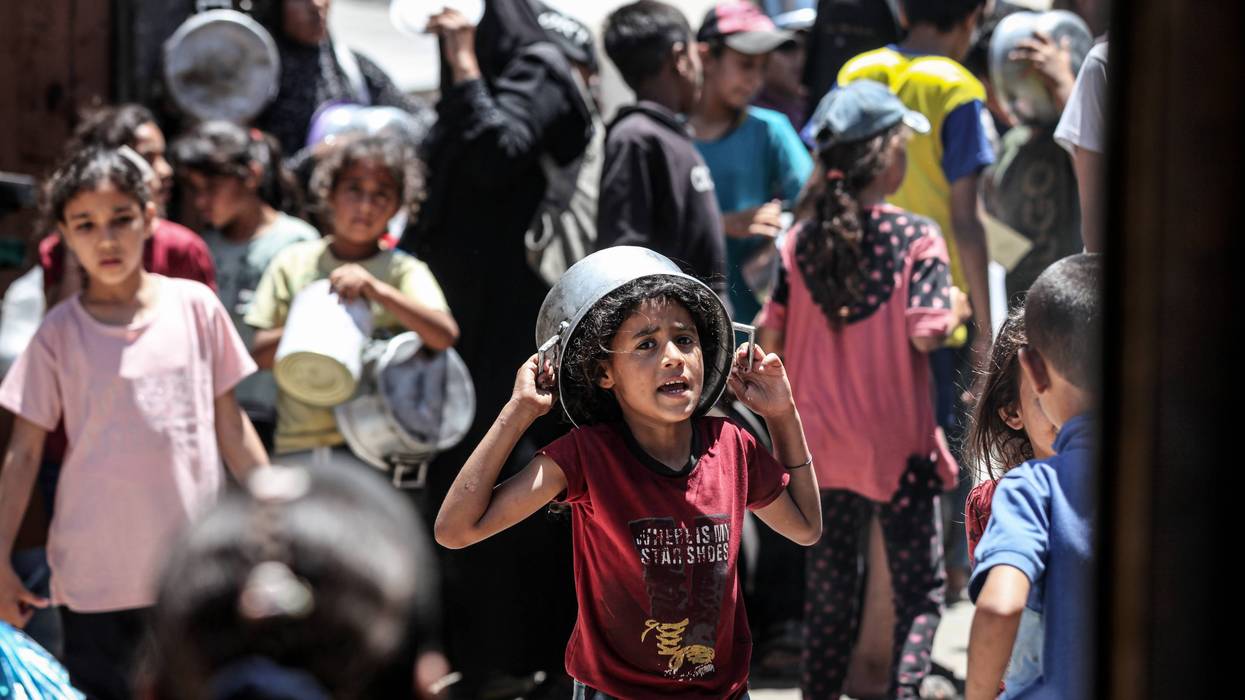
"What we are witnessing in Gaza is not a series of isolated shortages, it is a policy of attrition by design."
The renowned humanitarian group Doctors Without Borders said Wednesday that the Israeli government is still restricting the entry of engine oil and generator parts to the Gaza Strip, imperiling life-saving hospital functions and other essential services in the decimated territory.
Doctors Without Borders, known internationally as Médecins Sans Frontières (MSF), noted that Gaza's remaining healthcare system relies "almost entirely" on generators, "with most electricity cut by Israeli authorities and much of the electrical infrastructure destroyed." The group said that in some Gaza facilities, its teams barely have sufficient engine oil to last a month and have been forced to "buy engine oil at the local market at exorbitant prices."
Filipe Ribeiro, MSF's head of mission in Palestine, said that "what we are witnessing in Gaza is not a series of isolated shortages, it is a policy of attrition by design."
"For more than two years, we have observed Israel's policies restricting the entry of supplies," said Ribeiro. "These policies do not merely delay aid; they dismantle the very systems people rely on to survive."
Israel's continued restriction of supplies comes as the country's military, which is armed by the United States, keeps up its deadly bombing of the strip despite a purported ceasefire deal that took effect in October 2025. Israeli attacks have killed more than 1,200 people in Gaza since the start of the ceasefire agreement. The Israeli government, headed by Prime Minister Benjamin Netanyahu, has rejected a US-backed plan for Hamas disarmament in exchange for Israeli withdrawal from Gaza.
Earlier this week, a group of United Nations experts condemned Israel's recent "strikes on hospitals and shelters, the killing of police officers and UN-contracted staff, attacks on fishers, and abductions and abuses by armed groups reportedly collaborating with the Israeli military, as well as the killing of humanitarian workers, who through their work protecting and promoting fundamental human rights, are human rights defenders."
"These restrictions have become increasingly far-reaching, also preventing the entry of routine items ranging from ointments for skin diseases to rubber seals needed for medical sterilization equipment."
According to MSF, Israel's sustained attacks and obstruction of supplies "extend far beyond hospitals."
"Without engine oil, all transport services could stop, including much-needed water trucks during the peak of summer heat, ambulances, buses transporting medical staff to work, and trucks delivering humanitarian supplies," the group said. "Bakeries and flour mills also rely on generators, meaning food production could also be affected."
MSF characterized Israel's continued obstruction of engine oil and spare generator parts as "one piece of a larger pattern of structural violence imposed by Israeli authorities to intentionally restrict access to vital services and supplies as part of the ongoing genocide against Palestinians in Gaza."
"These restrictions have become increasingly far-reaching, also preventing the entry of routine items ranging from ointments for skin diseases to rubber seals needed for medical sterilization equipment," the group said. "The shortages now impact virtually every aspect of life in Gaza, leaving hospitals and humanitarian organizations without basic supplies."
Ribeiro said in a statement that "the items change, but the logic remains the same: reducing people to conditions in which life becomes untenable, and dignity is systematically stripped away through the denial of the most ordinary, most essential goods."
"This is not bureaucracy," he added. "It is a deliberate effort to make existence itself impossible."
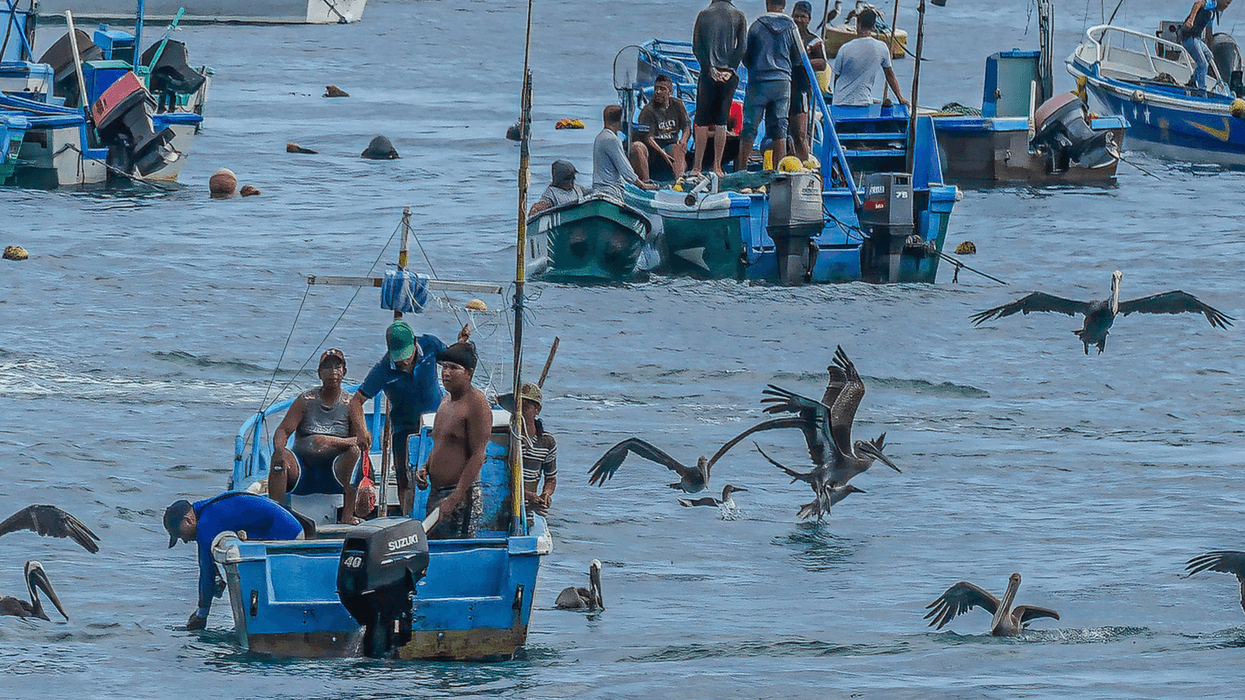
“It would be one thing if the US didn’t have an overt maritime strike campaign, but they do, and they’re posting snuff films of boats going up in flames regularly,” said one expert.
An investigation published Wednesday by The New York Times has raised fresh questions about who attacked three Ecuadorian fishing vessels in the Pacific Ocean earlier this year—but for fishers and their families in the South American nation, the mystery is hardly new.
According to the Times, Ecuadorian fishers aboard the Fiorella, Negra Francisca Duarte II, and Don Maca were separately attacked by what witnesses called unidentified "gringos" using drones. Survivors said they "came under attack by English-speaking assailants wearing matching uniforms with American flag patches, but without any clear insignia to link them to an official government force."
International rights groups have called for an investigation after the Fiorella and its crew of eight disappeared in January amid Operation Southern Spear, President Donald Trump's largely ineffective campaign of extrajudicial strikes on boats that the US administration claims, without evidence, were smuggling drugs.
By the Pentagon's own admission, more than 220 people have been killed in at least 66 such strikes since last September. The US military says no civilians were killed in the strikes, a claim that anonymous government officials called "a fucking joke" and "a total whitewash."
This is a very worrying story. Ecuadorian fishermen are being attacked and killed, and the perpetrators seem to be either the U.S. military engaged in clandestine operations or an American mercenary company working for Bukele or another Central American country.
[image or embed]
— Aaron Reichlin-Melnick (@reichlinmelnick.bsky.social) August 12, 2026 at 7:12 AM
Government officials in countries including Colombia and Venezuela, as well as victims' relatives, have contradicted the US claim. The families of two Trinidadian men killed in one strike earlier this year filed wrongful death lawsuits against the United States. Relatives of a Colombian slain in another US strike also filed a complaint at the Inter-American Commission on Human Rights.
Some of the Ecuadorian fishers featured in the new Times piece say they were seized and interrogated by the attackers before being handed over to the Salvadoran navy, which conducts long-range maritime patrols and counternarcotics operations in the Eastern Pacific and occasionally intercepts vessels.
The new Times report says that a maritime patrol aircraft based at a military facility in El Salvador repeatedly flew toward and tracked the Ecuadorian fishing boats in the days before they were attacked or disappeared. An analysis of flight data found that the aircraft's course appeared to follow the vessels over several days.
Yet the aircraft was not listed among Pentagon operational aircraft. According to the Times, it was registered to a private company whose address was a UPS store mailbox in Virginia, deepening the mystery over who was operating it—and for whom.
“It would be one thing if the US didn’t have an overt maritime strike campaign, but they do, and they’re posting snuff films of boats going up in flames regularly," Brian Finucane, a former State Department lawyer who specializes in the laws of war, told the Times.
"And that’s what makes this even more squirrelly," added Finucane, now a senior adviser in the US Program at the International Crisis Group. “Who are these people that are operating, and under what authority? And they are using a UPS store as their company address? Come on.”
The Pentagon has denied involvement, claiming that US Southern Command (SOUTHCOM) did not know about the attacks or have a role in them. But the new findings raise the possibility that the attacks could have involved a private military contractor or another force operating in coordination with Washington's expanding anti-drug campaign.
“Who are these people that are operating, and under what authority? And they are using a UPS store as their company address?"
In addition to the boat bombing campaign—which the Pentagon has replaced with the newly created Joint Task Force Western Hemisphere—SOUTHCOM has launched Operation Total Extermination, a joint counternarcotics operation with Ecuadorian forces involving the deployment of US ground troops into the Andean nation.
In one operation in the campaign, Ecuadorian soldiers raided and destroyed a dairy farm in San Martín, Sucumbíos, on March 3. Ecuador claimed the site was a traffickers’ camp, but investigations by The New York Times and, later, Human Rights Watch found substantial evidence that it was a working cattle and dairy farm with no credible evidence of a criminal connection. HRW said four workers at the farm were detained and tortured by Ecuadorian forces, and that the broader operation was carried out with US assistance.
The Times investigation published Wednesday followed months of reporting by Ecuadorian and international media and human rights groups, including HRW, on the three fishing vessels and their crews.
In April, Primicias reported growing fear among fishermen in Manabí, Ecuador's major fishing province, where crews said they had been intercepted and attacked at sea. Fishers from the Don Maca and Negra Francisca Duarte II separately described being surrounded by drones and subsequently detained by what they believed were US personnel.
Don Maca's crew told El Universo that drones bombed their boat without warning on March 26. Fishers aboard said they escaped in small boats, approached a foreign vessel for help, and were instead handcuffed and hooded before eventually being transferred to Salvadoran authorities.
El Universo also separately reported a strikingly similar account from the crew of the Negra Francisca Duarte II. Captain Hernán Flores said a drone struck the boat on March 17, setting it ablaze and forcing all 16 fishermen into the water. When they approached a nearby blue vessel seeking assistance, Flores said, armed foreign personnel pointed weapons at them, bound them, and covered their heads.
In the case of the Fiorella, Primicias and El Universo reported that two fishers who had separated from the boat in a smaller vessel saw a drone circling above shortly before they spotted smoke on the horizon. Fiorella and those aboard it have never been found.
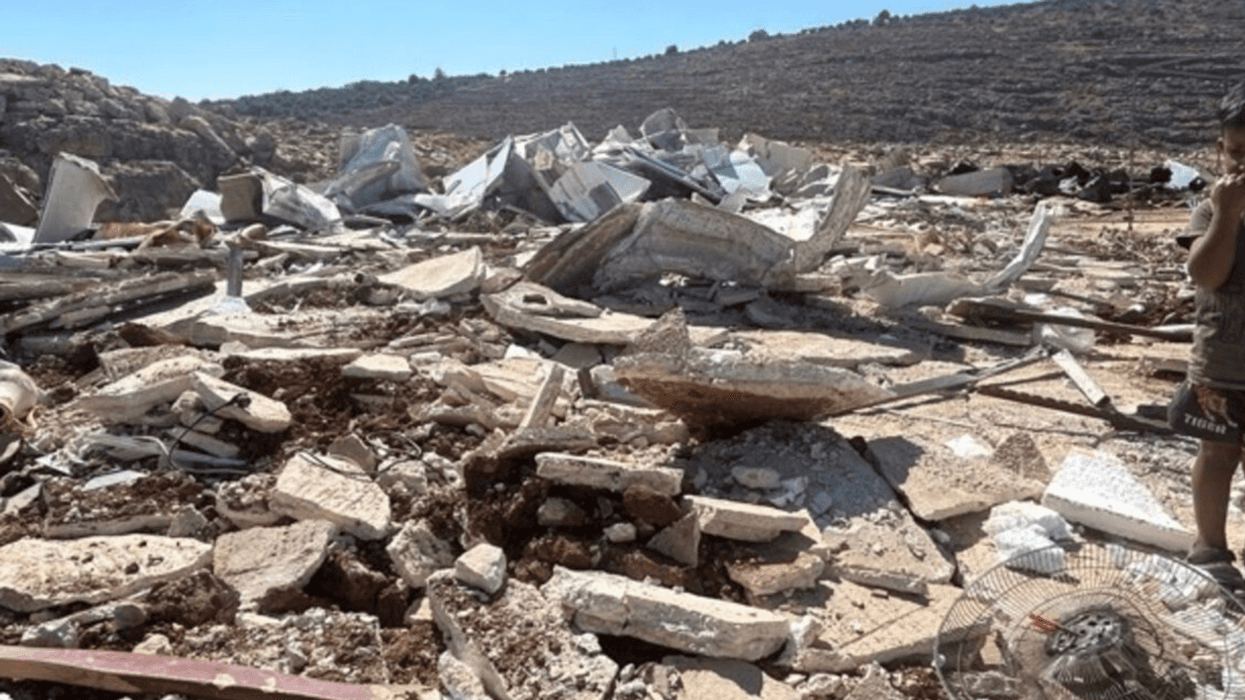
"Settler violence has reached unprecedented levels," said a coordinator for the Middle East peace process. "Many incidents occurred in the presence of Israeli forces."
Home demolitions by Israeli forces; attacks on healthcare infrastructure, homes, and schools; mass displacement of Palestinians; and the expansion of illegal settlements across the West Bank have brought the occupied Palestinian territory to "the breaking point," said a top humanitarian official at the United Nations Security Council Tuesday, calling for a "coordinated international effort" to end the violent Israeli occupation.
At a meeting on the situation in the territory, Ramiz Alakbarov, the UN special coordinator for the Middle East peace process, addressed the council as families in the town of Qusra, northern Nablus, were facing days of attacks by Israeli settlers.
That violence exemplified what the Israeli human rights group B'Tselem called an escalating "ethnic cleansing" operation that Israel's military allows.
As B'Tselem said Wednesday, settlers had established an illegal outpost in the yards of two Palestinian families' homes, “forcing the families out and taking over their homes," and the US-backed Israel Defense Forces (IDF) had done nothing to protect the Palestinian residents.
“Israeli ethnic cleansing in the West Bank is accelerating and expanding in full view of everyone,” Yuli Novak, president of B'Tselem, told Anadolu Agency, adding that the settlers' seizure of the Palestinian homes was “not an isolated incident."
Breaking the Silence, an organization run by former IDF members who oppose the occupation, explained how settlers, with the backing of the military, essentially blockade individual homes as a method of driving Palestinians out.
"Violent settlers may do the 'dirty work' of daily terror against Palestinian men, women, and children, but neither this terror nor ethnic cleansing would be possible without the army’s support," said the group. "Village after village, house after house. It keeps happening because it is policy."
At the Security Council meeting, Alakbarov said Israeli forces have killed 76 Palestinians, including 18 children, in the West Bank in 2026 so far, while children make up nearly half of the 3,800 Palestinians who have been displaced by settler attacks, demolitions, and evictions.
"One hundred and twenty-seven Palestinian communities have experienced full or partial displacement since January 2023, including 47 that have been entirely displaced, affecting more than 6,390 Palestinians," said Alakbarov. "Settler violence has reached unprecedented levels. So far this year the UN has documented more than 1,430 incidents involving Israeli settlers that resulted in casualties, property damage, or both, affecting approximately 260 Palestinian communities. Many incidents occurred in the presence of Israeli forces."
As Alakbarov spoke Tuesday, the World Health Organization warned that the West Bank has also seen an uptick in violence against healthcare infrastructure, with Israeli carrying out 83 attacks on healthcare transport such as ambulances and 11 attacks on medical centers and facilities, injuring at least 33 people and killing four. July saw a surge in healthcare attacks—a hallmark of Israel's assault on Gaza that began in 2023—with 37 strikes on infrastructure.
Settler attacks were once mainly concentrated in Area C, which comprises about 60% of the West Bank and is under Israeli control.
But Alakbarov said settlers are increasingly waging violence against Palestinians in Areas A and B, which are under the administration of the Palestinian Authority.
“The future of the region is at stake,” the UN permanent observer for the state of Palestine, Riyad Mansour, told the Security Council. “International will cannot bow before the colonial whims of the Israeli government.”
Israeli officials in recent months have advanced and approved about 12,360 housing units in settlements across the West Bank this year, with the Security Cabinet signing off on 13 new settlements in the central part of the territory last month. The move further isolates East Jerusalem, which Palestinians consider the capital of a future Palestinian state, from the rest of the West Bank.
Last year Prime Minister Benjamin Netanyahu also signed an agreement to develop 3,400 new units in the E1 settlement, which would also cut off access to East Jerusalem. The prime minister said as he approved the deal, "There will be no Palestinian state."
The approvals of more settlement housing this year and the escalation in IDF-sanctioned violence against Palestinian communities across the West Bank "are interconnected steps, not isolated developments,” Alakbarov said Tuesday.
"The situation in the West Bank must be treated as an emergency requiring urgent action," he said. "The concern is not only the continued expansion of settlements, but the speed and systematic manner in which new facts are being created on the ground. New outposts are established, often with state support, and can be retroactively authorized or incorporated into the wider settlement system. From these outposts, settler violence and intimidation have driven the displacement of Palestinian communities."
He added that the spread of settler outposts in agricultural and grazing areas is "deeply troubling."
"Requiring only a small number of settlers, they enable control over vast areas of land," said Alakbarov. "Israeli monitoring organizations report that agricultural and pastoral outposts now exercise effective control over close to 20% of the West Bank."
Israeli forces also arrested 23 Palestinians on Tuesday, including two children, days after a large-scale operation at Qalandia refugee camp resulted in the detentions of more than 60 people.
Hannah Sulieman, deputy executive director of the UN Children's Fund (UNICEF), emphasized that 355 Palestinian children are currently being detained in Israeli military prisons—"the highest number in eight years."
The arrests and the violence mean that for children and their families in the West Bank, "the fundamental spaces of childhood—the home, the classroom, the street, the community—are becoming increasingly unsafe," said Sulieman.
“Children in the West Bank have the same rights as children everywhere,” she said. "To live, to learn, to be protected, and to imagine a future beyond violence and fear."
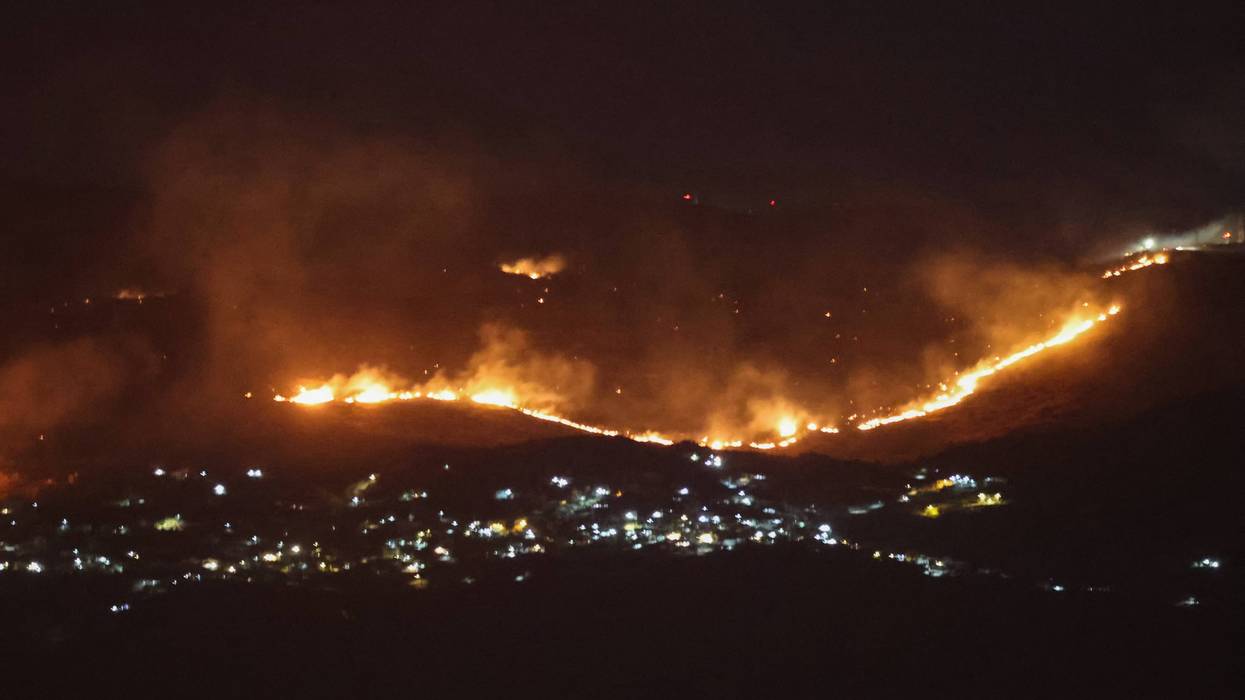
“They had already bulldozed the whole village," said one mayor of a southern Lebanese town. "Then they set fire to the trees."
Environmental and rights advocates are condemning what one academic called "the latest in a neverending series of international crimes" by the Israel Defense Forces as firefighters and residents in southern Lebanon report that the IDF has purposely started destructive wildfires by continuing to bomb the region.
The blazes are an attempt, one town mayor said Wednesday, to make it appear "as though nobody had ever lived here.”
Israel renewed attacks against Hezbollah in Lebanon in March, as the US-Israeli war on Iran widened across the Middle East. Following a "ceasefire" agreement in June, Israeli forces have continued occupying about 20% of Lebanese territory after forcibly displacing over 1 million people from the southern part of the country.
Israeli officials have said they aim to apply the "Gaza model" to Lebanon, deploying the kinds of attacks that have destroyed 90% of civilian infrastructure in Gaza since the IDF began attacking the exclave in October 2023 in retaliation for a Hamas-led attack, and Israeli Defense Minister Israel Katz recently boasted that the IDF had destroyed 24 villages “that had existed for hundreds of years."
Now, Hafez Ghasham, mayor of the southern town of Yaroun, told The Guardian, “they are trying to make the land uninhabitable."
“They had already bulldozed the whole village. Then they set fire to the trees. What remained in this particular area were the olive trees—large groves, with very old olive trees," Ghasham told the newspaper. “Many of these trees, most of them, in fact, were inherited from our grandparents and parents. They have enormous sentimental value. The trees were also an important source of income for the people of the village."
Residents who had been forced out of Yaroun said they learned from people in nearby Christian towns that their olive and fruit groves as well as many homes had been set on fire by Israeli soldiers.
The head of Civil Defense in the Nabatieh region said about 30-40% of the land in the area had been affected by the fires, and firefighters have been forced to withdraw as they've tried to extinguish the flames as the IDF has launched drone strikes after the initial attacks that sparked the fires.
"There are enormous areas of woodland that have burned," Hussein Fakih told The Guardian.
Kelley B. Vlahos, editor-in-chief of Responsible Statecraft, noted that "while the rest of the world is trying to put out forest fires this summer, Israel reportedly started them as a military tactic," even following the Lebanon ceasefire.
Last Friday, large wildfires were caused by Israeli munitions and drones that struck woodlands in Kfarchouba and in the area between Jezzine and the western Bekaa valley.
The Israeli military has accused Hezbollah of using woodland areas as cover for its military outposts and tunnels. The IDF has similarly defended extensive bombing of Gaza's schools, hospitals, and other civilian infrastructure by claiming Hamas operates in tunnels beneath the buildings.
In a statement, Hezbollah's media relations officials said the fires represent "a continuation of urban destruction, the bulldozing of infrastructure, and the theft of ancient olive trees."
"The party called on the government, the Ministry of Environment, and all relevant authorities to speak out and act immediately to halt Israeli savagery against the environment, human life, and infrastructure," reported Al Mayadeen.
Hisham Younes, the founder of Lebanese conservation group Green Southerners, told The Guardian that Israel's bombing of forested areas amounts to "ecocide."
“These are long-established woodlands," said Younes. "They perform critical functions. The wider area is also an important passage and resting ground for migratory birds."
“It is not about any single fire or attack, but a pattern of destruction that progressively erodes the ability of ecosystems to function, regenerate, and sustain life," Younes added. "When those cascading effects also undermine livelihoods and people’s ability to return to and remain on their land, environmental destruction becomes inseparable from the wider transformation of the territory itself.”
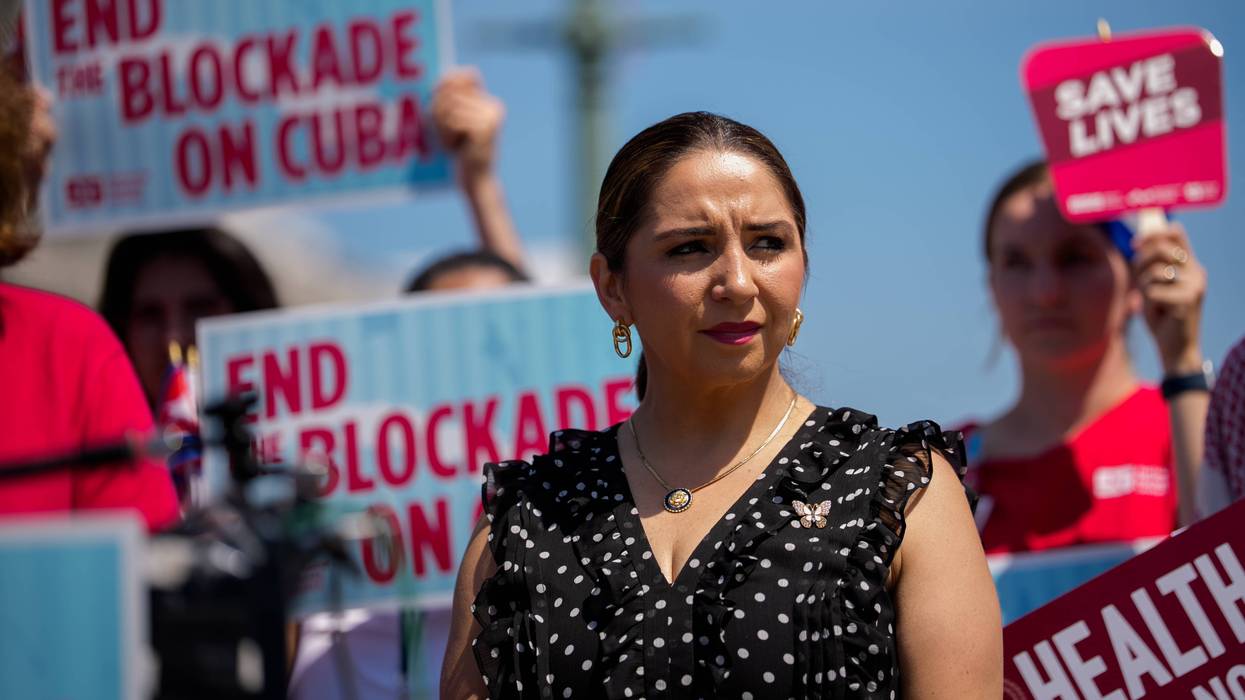
"Despite what warmongers want you to believe, the Monroe Doctrine undermines the partnerships needed to confront our complex challenges," said Rep. Delia Ramirez. "We must change course."
A congresswoman whose parents immigrated to the United States during US-backed genocidal dictatorships in Guatemala on Tuesday excoriated a State Department video hailing the Monroe Doctrine, an imperialist policy used by Washington to declare the Western Hemisphere its exclusive sphere of influence while masking aggression as protection from outside powers.
The roughly five-minute State Department video presents the Monroe Doctrine as a continuous thread in US foreign policy from 1823 to today, culminating in January's abduction of Venezuelan President Nicolás Maduro. It starts with President James Monroe's warning that the Americas were no longer open to European colonization, then moves through the Spanish-American War—launched by President William McKinley on false pretenses—the Roosevelt Corollary, the Cold War and Cuban Missile Crisis, and finally to the Trump administration.
"American dominance in the Western Hemisphere will never be questioned again," the State Department said in a social media post promoting the video.
Responding to the clip, Congresswoman Delia Ramirez (D-Ill.) said: "What a cheap piece of imperialist propaganda. The Monroe Doctrine's legacy is political instability, deep poverty, extreme migration, and colonialism throughout Latin America and the Caribbean."
Declared in December 1823 by Monroe as Spanish colonies in the Americas won their independence, the doctrine states that European powers should not establish new colonies or interfere politically in the independent states of the Western Hemisphere. While it was partly a response to European attempts to restore colonial rule in Latin America, the Monroe Doctrine also asserted US hegemony over the Americas.
Over time, the Monroe Doctrine was transformed from a warning against European imperialism into a rationale for US imperial interventions and conquest, beginning with waging war on Mexico—again, under false pretenses, this time challenged by opponents including a young congressman named Abraham Lincoln—that resulted in the seizure of more than half of Mexican territory.
The US attempted to use the Monroe Doctrine to justify acquisition of a 10-mile zone around the Panama Canal via "gunboat diplomacy" and, after the 1904 Roosevelt Corollary, the right to intervene in Latin American and Caribbean countries when it judged their governments unstable, indebted, hostile, or vulnerable to foreign influence. Invasions and occupations of Cuba, Haiti, the Dominican Republic, and Nicaragua followed.
During the Cold War, successive US administrations used the largely imagined communist "threat" as pretext for CIA overthrows of democratically elected governments in Guatemala, Chile, Brazil, and other countries outside the Americas, including Iran and Congo—none of which were actually run by communists. The US also backed the ill-fated Bay of Pigs invasion, attempts to assassinate Cuban leader Fidel Castro, and terrorism targeting his regime and the Cuban people. Right-wing, pro-US military dictatorships were installed and lavished with financial, armed, and security aid, including torture training by operatives from the CIA, USAID, and other agencies.
The State Department video was not well received throughout Latin America. One Brazilian news site resented its "threatening tone," while Cuban media underscored the socialist island's sovereignty amid fears of a takeover repeatedly teased by US President Donald Trump.
In addition to illegal airstrikes on alleged drug-smuggling boats in the Caribbean Sea and Pacific Ocean and bombing and invasion of Venezuela to kidnap Maduro and his wife, the US under Trump has deployed troops to Ecuador as part of a joint campaign against alleged drug gangs dubbed Operation Total Extermination. Trump has also ordered the military to plan an invasion to seize the Panama Canal, attack Mexico and Colombia, invade and annex Greenland, and somehow make Canada the “51st state.”
Critics and supporters alike have called Trump's aggressive policies in the Americas the "Donroe Doctrine."
All told, Trump has bombed seven countries around the world since returning to the White House and 10 nations over the course of his two terms—including Iran, where he launched an illegal war with Israel.
Respondents to international public opinion surveys have repeatedly named the United States as the biggest threat to world peace. The late former US President Jimmy Carter even called his own country the "most warlike nation in the history of the world."
The US has attacked, invaded, or bombed dozens of countries and supported most right-wing dictatorships in the world since the end of World War II. It has overthrown or attempted to overthrow numerous foreign governments and has actively sought to crush many people’s liberation movements over that same period. It has also meddled in elections in countries that are allies and adversaries alike.
"Despite what warmongers want you to believe, the Monroe Doctrine undermines the partnerships needed to confront our complex challenges," Ramirez said on Tuesday. "We must change course. We must pass the New Good Neighbor Act."
Named after the short-lived period when the Franklin D. Roosevelt administration pursued policies of nonintervention and improved diplomatic relations with Latin America in the 1930s, the New Good Neighbor Act—a resolution introduced in February by Ramirez and Rep. Nydia Velazquez (D-NY)—calls on the US to adopt a new approach to the region based on cooperation, not confrontation.
“For more than 200 years, the United States has used the Monroe Doctrine to justify a paternalistic, damaging approach to relations with Latin America and the Caribbean," Ramirez said at the time. "As a result, the legacy of our nation’s foreign policy in those regions is political instability, deep poverty, extreme migration, and colonialism. It is well past time we change our approach."
“We must recognize our interconnectedness and admit that the Monroe Doctrine undermines the partnership needed to confront the complex challenges of this century," she added. "We must become better neighbors."

The head of one affiliated organization called Trump's sanctions "a slap in the face to victims and survivors of grave crimes everywhere who depend on the ICC as a court of last resort.”
A quartet of US human rights groups filed a federal lawsuit on Tuesday challenging the Trump administration’s sanctions targeting members of the International Criminal Court for their roles in seeking to hold Israeli leaders accountable for alleged crimes against humanity in Gaza.
The American Friends Service Committee (AFSC), the Center for Constitutional Rights (CCR), Human Rights Watch (HRW), and the Open Society Institute (OSI) filed suit in the US District Court for the Southern District of New York challenging the Trump administration’s sanctions against ICC prosecutors and judges, a United Nations human rights expert, and three Palestinian human rights groups.
The groups argue that US President Donald Trump's February 2025 executive order that imposed sanctions on the ICC are a “blatantly illegal attack on international justice and should be struck down."
James Goldston, executive director of the Open Society Justice Initiative, called the sanctions "a slap in the face to victims and survivors of grave crimes everywhere who depend on the ICC as a court of last resort.”
Trump's sanctions follow the ICC's November 2024 issuance of arrest warrants for Israeli Prime Minister Benjamin Netanyahu and Yoav Gallant, his former defense minister, for alleged crimes against humanity and war crimes in Gaza, including murder and forced starvation. The tribunal simultaneously issued warrants for the arrest of three Hamas leaders for the same categories of crimes allegedly committed on and after the October 7, 2023 attack on Israel. However, Israel extrajudicially assassinated all three of the men.
The groups' complaint argues that the Trump administration has effectively transformed human rights advocacy into a potential criminal offense. Organizations can face severe civil and criminal penalties for providing what the government may determine are “services” to sanctioned individuals or groups.
That threat, they contend, has already had tangible consequences. The plaintiffs say the sanctions have disrupted their ability to represent victims of war crimes, submit evidence and legal arguments to the ICC, and collaborate with sanctioned Palestinian organizations on research, litigation, advocacy, and humanitarian work.
Targeted groups and individuals have experienced "frozen or closed bank accounts, rejection of financial transactions, denial of access to digital services, and travel bans," CCR notes. "US organizations, including the plaintiffs, can face punishment of up to 20 years of imprisonment and exorbitant fines for providing services to sanctioned persons or entities."
CCR called the sanctions "one of many" actions taken by the Trump administration "against free speech, protest, and advocacy in support of the human rights of Palestinians."
“For many years, I have represented victims in pressing for justice for crimes committed by the powerful, and finally saw much-needed, even if overdue, investigations opened at the ICC," said CCR senior staff attorney Katherine Gallagher. "In response, the Trump administration took the extraordinary step to not only deny Palestinians and victims of US torture equal access to justice, but to criminalize and punish them, their lawyers and advocates, and their partners."
Israeli officials and their supporters argue that the ICC and the International Court of Justice—where Israel is facing a genocide case filed by South Africa and formally supported by nearly 20 nations—have unfairly singled out Israel. However, the ICC has launched 18 investigations involving conflicts in countries including Afghanistan, the Central African Republic, the Democratic Republic of Congo, Libya, the Philippines, Sudan (Darfur), and Ukraine.
Trump’s order asserts that ICC efforts involving US or allied nationals constitute a threat to American national security. But the new complaint argues that there is no genuine “national emergency” that can lawfully justify invoking the International Emergency Economic Powers Act against the court’s routine judicial work.
"The US government’s efforts to dismantle the ICC and punish people seeking justice for grave human rights violations harm far more than the individuals and groups facing sanctions," AFSC general secretary Joyce Ajlouny said in a statement Tuesday. “It is an affront to all victims and survivors of war crimes and genocide."
Ajlouny asserted that the Trump administration "seeks to intimidate human rights defenders and deter people of conscience from advocating for the rights and dignity of others."
"We are joining this lawsuit because we refuse to stay silent when the pursuit of justice is criminalized," she added.
Tuesday's complaint is the latest in a string of lawsuits challenging Trump's sanctions.
Francesca Albanese, the UN special rapporteur on the situation of human rights in the Palestinian territories occupied since 1967, earlier this year sued Trump and three of his senior Cabinet officials over sanctions imposed on her and her family. Although a federal district judge temporarily blocked the move on First Amendment grounds, an appeals court quickly reinstated the sanctions via an administrative stay.
In April 2025, two human rights advocates sued over sanctions against then-ICC Prosecutor Karim Khan, arguing that the restrictions violated their First Amendment rights. A federal judge subsequently found the advocates were likely to succeed on their constitutional claims and issued a preliminary injunction protecting their communications with the court.
In June, three sanctioned ICC judges—Judges Kimberly Prost of Canada, Solomy Bossa of Uganda, and Reine Alapini-Gansou of Benin—filed suit against the Trump administration, arguing that the president's order directly violated the Administrative Procedure Act, which prohibits the government from making arbitrary and capricious policy changes.
Last month, Democracy for the Arab World Now (DAWN) and the Taxpayer Alliance Against Genocide also sued Trump and senior administration officials over the ICC sanctions.
“The Trump administration is using the blunt instrument of economic sanctions not only to punish human rights defenders but to police the political expression of millions of Americans,” DAWN executive director Omar Shakir said at the time. “The government is violating the constitutional rights of American citizens in order to shield officials of a foreign government who have committed a genocide.”
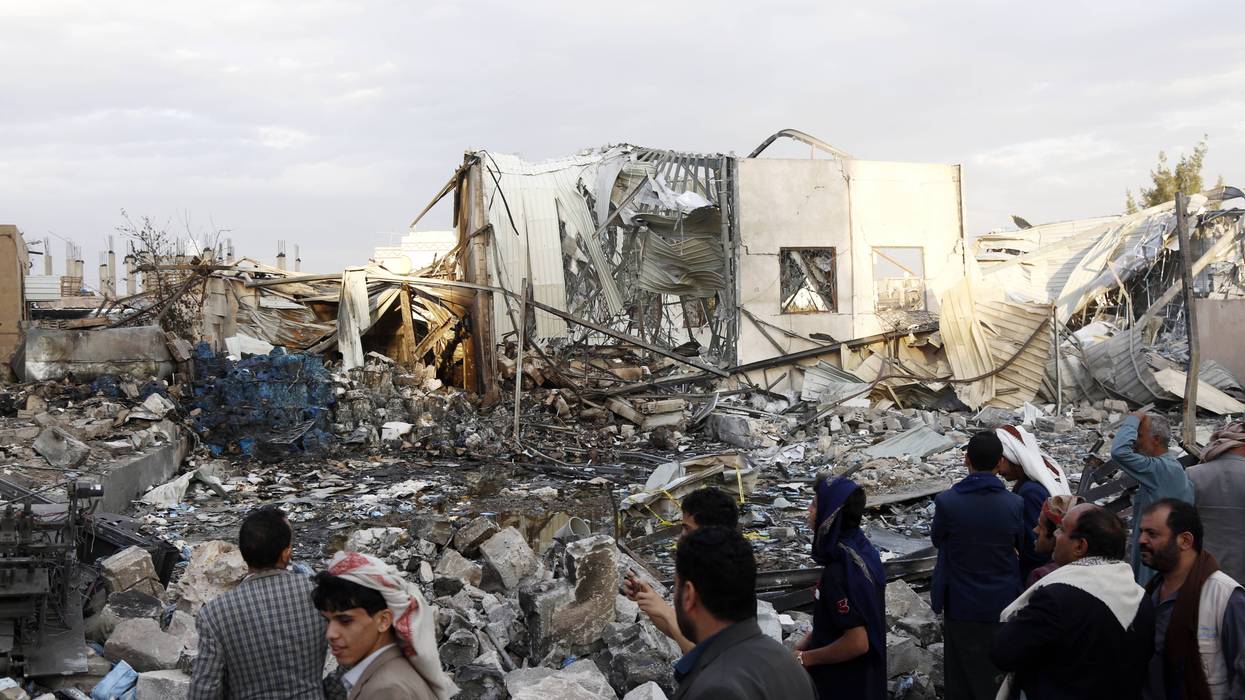
The US Department of Defense had initially denied that any civilians were killed in its operations in Yemen.
An internal review conducted by the US Department of Defense found that US airstrikes in Yemen last year killed and wounded hundreds of civilians.
As reported by The Washington Post on Tuesday, the Pentagon review estimated that US strikes killed more than 150 Yemeni civilians while wounding nearly 250 others.
The strikes were carried out as part of an operation authorized by President Donald Trump targeting Houthi rebels, who were suspected of launching attacks on commercial ships in the Red Sea.
The body count from US strikes in Yemen could be even larger than the Pentagon's current estimates, which only cover three attacks that were determined to have "more likely than not" harmed civilians. An additional 15 incidents are still being reviewed by the DOD.
The deadliest operation carried out by US forces was a strike on Ras Issa Port in the city Hodeidah, which the DOD estimates killed 80 people and wounded 171 others.
As noted by NBC News, the DOD initially said the Yemen strikes did not cause any civilian deaths, and the Pentagon "has yet to publicly acknowledge the casualties or share a full account with Congress."
Stanford University historian Robert Crews remarked that the internal DOD report shows that there is "no end in sight for America’s brutal colonial wars" and "still no substantive domestic anti-colonial movement in the US."
Human rights groups have long been critical of US operations in Yemen, and Human Rights Watch last year described the attack on Ras Issa Port as "an apparent war crime."