

5
#000000
#FFFFFF
To donate by check, phone, or other method, see our More Ways to Give page.
Daily news & progressive opinion—funded by the people, not the corporations—delivered straight to your inbox.
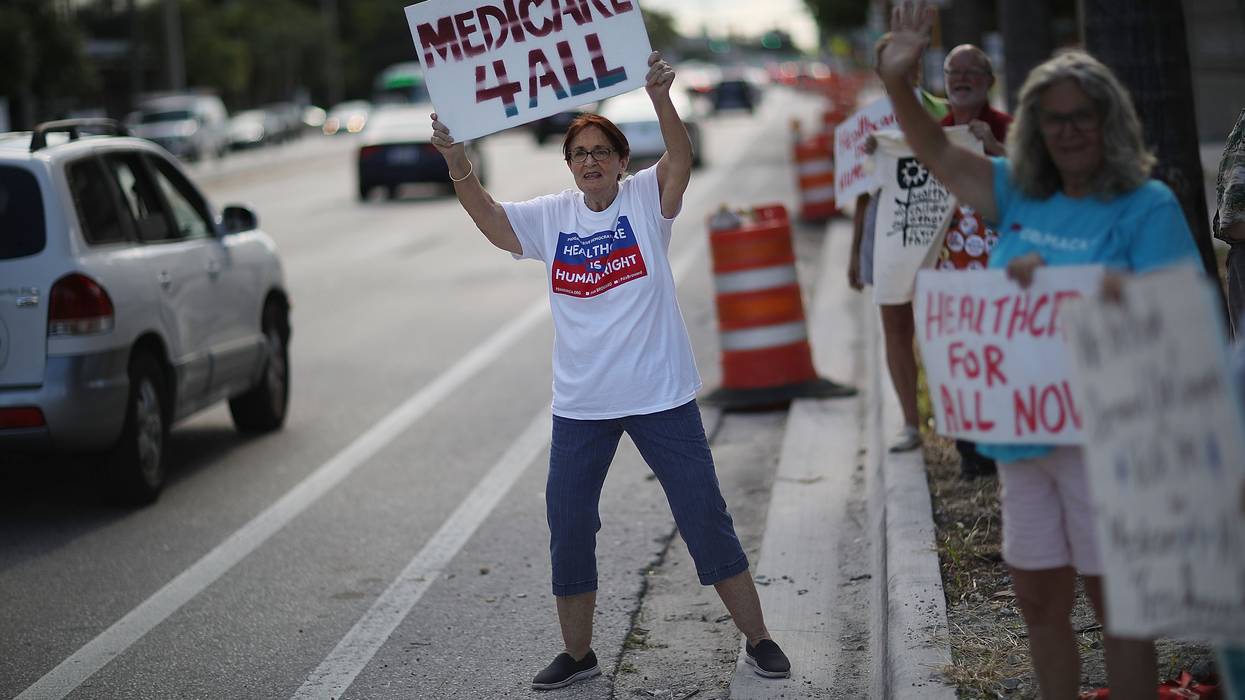
Health care should be available to everyone in America as a right—automatic and free of charge when we need it. Rich or poor, sick or healthy, old or young, no matter where you live, everyone should have high-quality health care.
In the early morning hours of December 4, 2024, the CEO of UnitedHealthcare was gunned down outside the Hilton Hotel in midtown Manhattan in New York City. The CEO was on his way to the health insurance company’s annual investor conference. The police found the words “Delay,” “Deny,” and “Depose” carved into bullet casings at the scene.
The public reaction was swift and overwhelming. People took to social media to describe stories of mothers, fathers, spouses, children, and friends who had died from treatable illnesses, dead because UnitedHealthcare or other health insurance companies had either denied the life-saving care doctors had prescribed to their loved ones or had endlessly delayed approval of the lifesaving treatment.
Physicians posted stories of the hours they spent on the phone, seeking to convince insurance companies of the necessity of the care. The providers detailed spending countless hours advocating for their patients to insurance company doctors who had little or no expertise in their area of medicine but with the power of literal life or death to authorize or deny payment for the prescribed treatment. The frustrated providers recounted incidents of being on hold for hours and transferred among insurance executives in what felt like perpetual loops.
The United States is an outlier. Its health care is the most expensive in the industrialized world, while its outcomes rank at or near the bottom
When the treating physicians finally got through and were told they had to schedule a time to talk, the time for the so-called peer-to-peer conversation was solely at the convenience of the insurance company doctor, with no concern for the schedule of the treating physician. One doctor talked about a particular insurance company that told doctors they would get a call back but were not told when or from what number. They were told, though, that if they didn’t answer, the claim would be denied.
Then came the denials. UnitedHealthcare and other insurance companies are not required to disclose their denial rates, but anecdotal evidence and lawsuits suggest that the rates are high. And denial is a life and death matter. Virtually all treatments are prohibitively expensive without insurance. One TikTok contributor described receiving six months of chemotherapy for her dangerously advanced, stage 4 cancer, only to receive a letter from her insurer saying it would no longer pay for the treatment. She explained in her post that the treatment cost $15,000 every three weeks and the alternatives she had tried before starting the current regimen had done nothing. Only the current treatment prescribed by her oncologist worked.
The delay and denial of lifesaving care doesn’t happen in other wealthy countries the way it does here. The United States is an outlier. Its health care is the most expensive in the industrialized world, while its outcomes rank at or near the bottom… Thirty million Americans—almost 10 percent of the population—have no health insurance whatsoever. Millions more are underinsured. Though they have health insurance, it does not cover the care they need at a cost they can afford. Even those with supposedly adequate coverage often have high deductibles, causing them to delay care until their health issues are too severe to ignore. The problem is that in the United States, health care is implicitly treated like a commodity, like the latest iPhone or simply a service, like plumbing or electrical work in a home. Of course, health care is not just another commodity or service. It is literally a life-and-death matter.
Like our court system, police and fire departments, public libraries, and our public schools, high-quality health care should be available to everyone in America as a right—automatic and free of charge when we need it.
Unlike the government, which has the power to tax, can control its currency, and is not going out of business, companies can only stay in business if they turn a profit. That means that health insurance corporations must ensure that they don’t pay out more in benefits than they collect in premiums, and the premiums can’t be too large or their customers will go elsewhere. To make the numbers work and earn a large enough profit to keep shareholders happy, these companies must seek to entice those who are healthy and therefore not in need of health care, by offering benefits like gym memberships. They must carefully screen to cherry-pick the healthiest of the population and avoid covering those likely to need expensive care. If their enrollees do get sick, insurance companies can restrict what treatment patients are able to get by limiting the doctors and hospitals that are in-network. The companies can delay or even deny prescribed treatments, if they are expensive and supposedly uncertain of success, by requiring pre-authorizations. Indeed, insurance companies refused to insure anyone with pre-existing conditions, such as birth defects, pregnancy, and job-related injuries, until the 2010 Patient Protection and Affordable Care Act prohibited that discriminatory practice designed to reduce expenses and bolster profits.
In short, private companies must cover their costs to remain in business. That too often translates, in the case of health insurance corporations, to denying payment for doctor-prescribed medical care. Like our court system, police and fire departments, public libraries, and our public schools, high-quality health care should be available to everyone in America as a right—automatic and free of charge when we need it. Rich or poor, sick or healthy, old or young, no matter where you live, everyone should have high-quality health care.
The way for health insurance in the United States to be universal, affordable, and efficient is to make the federal government the insurer. Insurance is most cost-efficient and reliable when the risks can be spread across as broad a population as possible and when people cannot delay purchasing the insurance until the moment people know they are getting sick—a practice known as adverse selection. Only the national government has the power and ability to establish a nationwide, universal risk pool, with mandatory participation, making adverse selection impossible. Furthermore, when the federal government administers the insurance, overhead is minimized. Instead of high-paid CEOs wielding power over our health care, hardworking, modestly-paid civil servants are in charge. Instead of unaccountable private actors in control, federal employees, subject to transparency and oversight, are the administrators. Moreover, other costs, like advertising and marketing, are unnecessary.
Fundamentally, the government is not seeking a profit for shareholders or high salaries for executives. In addition, there is only one payer, producing more efficiency and less waste. Consequently, all of us, collectively through the government, can provide health care less expensively and more efficiently for everyone. [...] Profit should have no place in our healthcare system. Instead, there should be a single insurer that can pay for the most efficient care equitably and universally. We would spend less as a nation and have better health outcomes.
Profit should have no place in our healthcare system.
We know it works because an American institution has been paying for health care efficiently and fairly for over 60 years: Medicare. To be clear, the solution is definitely not the vastly inferior, misleadingly-named Medicare “Advantage.” […] The solution is traditional Medicare as it was designed and enacted in 1965, with it improved and expanded to everyone.
Medicare works. Americans overwhelmingly agree. After living with private health insurance or, worse, no health insurance at all, your 65th birthday is eye-opening. That birthday brings Medicare. Once you enroll in Medicare, you generally have no claims to fill out, no insurance companies to contact. It is comparatively simple.
The vision of Medicare for all is for everyone to have that simplicity and much, much more. In addition to expanding it to everyone, Medicare should be improved. Today, those with traditional Medicare who can afford supplemental private-insurance coverage (colloquially known as Medigap, because it fills in the gaps) generally must purchase it to control their costs. That will be in the rearview mirror under Improved Medicare for All. All premiums, co-pays, co-insurance, and deductibles should be eliminated.
The vision is for cradle to grave, comprehensive healthcare coverage for everyone in America, automatically. It means better protection for everyone at lower cost—including for those covered under today’s Medicare. Improved Medicare for All means going to the doctor of your choice, without first checking to see if your preferred practitioner is in your insurance network. With Improved Medicare for All, there is essentially one big network of virtually every doctor and hospital in America. The result? Guaranteed health care with the provider of your choice, anywhere you happen to be, without the stress of dealing with private insurance companies. […] So how do we make that vision a reality? Medicare provides protection to the grave. But not from the cradle. At least, not yet. We are the wealthiest nation in the entire world at the wealthiest moment in our history. We are much wealthier than we were in 1965, more than a half century ago, when we enacted Medicare for those aged 65 and older. We are much wealthier than we were in 1972, when we extended Medicare coverage to people with serious, work-limiting disabilities. Seniors and people with disabilities are the segments of our population who, on average, have the highest medical costs and the most frequent need for care. Covering the rest of us should be easy. The politics make it hard, but it is achievable. As the title of the book makes clear, we are on a journey.
With Improved Medicare for All, there is essentially one big network of virtually every doctor and hospital in America. The result? Guaranteed health care with the provider of your choice, anywhere you happen to be, without the stress of dealing with private insurance companies.
Every chapter contains aspects of the discussion of how we got here—the nation’s history of health care—in order to provide context for the following points: Chapter 2 explains that the nation was on a slow path toward a single-payer system (essentially Medicare for All) during the first three-quarters of the twentieth century despite the strong opposition of powerful forces. Then, though, as Chapter 3 details, the powerful forces became more organized and pro-active. They succeeded in stopping the push for Medicare for All in its tracks. Indeed, they did not just halt progress; they partly reversed it. Perhaps most damaging, mainstream Democratic political leaders lost sight of the destination. Opportunities were lost as a result. Chapter 4 explains that where we are now is a result of having failed to enact a single-payer system. It discusses the flaws and unsustainability of the current patchwork system. The chapter explains that Democratic leaders, in the face of the election of President Ronald Reagan almost a half century ago, gave up on the destination. That was unfortunate. It has led to where the nation finds itself today. Continuing down the current road, simply tinkering with the present system, is unsustainable. Exiting the current road and getting back on track is essential.
Chapter 5 explains what the right road is. It reminds us what our North Star was prior to 1972 and what it should be again. It lays out the vision of a single-payer Improved Medicare for All system. It also explains that questioning the affordability of Medicare for All is misguided. The correct questions are (1) since the new system will save money, how should we divvy up the savings; and (2) given the complete unsustainability of the current system, how can the nation afford not to enact Improved Medicare for All. Monied interests have prevailed for the last half century, but history is not destiny. Replacing our current Rube Goldberg-style, overly complicated, dysfunctional healthcare system with a straightforward, superior system of Improved Medicare for All won’t happen without determined effort. History teaches that the commercial health insurance industry fears losing its business and will fight every initiative that jeopardizes those profits. The pharmaceutical industry will fight any initiative that will cut its exorbitant profits. Historically, physicians and hospitals have opposed government-provided health insurance. Given the powerful forces arrayed against Improved Medicare for All, its failure so far to become the law of the land is not hard to understand. Indeed, because health care is so crucial to all of us, it is easy to convince us that we will lose, not gain, from Improved Medicare for All. It is not hard to scare us into thinking that it is something foreign, un-American, inconsistent with the nation’s values, and harmful for us as individuals.
Replacing our current Rube Goldberg-style, overly complicated, dysfunctional healthcare system with a straightforward, superior system of Improved Medicare for All won’t happen without determined effort.
The concluding three chapters answer all of these challenges and fears. They provide the tools, including a roadmap, to finally reach our destination. Chapter 6 highlights the politics and how a winning coalition can be forged. It discusses why the organizations that represent hospitals and physicians may be convinced to end their opposition to Improved Medicare for All and join the other supporters working to enact it. Whether that happens or not, it is crucial to understand that the forces arrayed against Improved Medicare for All have been defeated in the past and they can be defeated again. The response to the murder of the UnitedHealthcare CEO is but one example spotlighting that the American people are both united and ready. The answer lies in numbers, active involvement, and determination. To the extent the electorate is engaged and clear-eyed, victory is not only achievable; it is inevitable. Chapter 7 alerts supporters to at least some of the disinformation that opponents will use to stymie and depress those engaged in the effort. The chapter adopts the premise that forewarned is forearmed. Finally, Chapter 8 provides specific actions that readers may take to join the winning fight. Universal Health Care Is a Fight We Can and Must Win And a winning fight it will be.
It may appear that the worst time to engage in this fight is now, in the shadow of the November 2024 election, when Donald Trump was returned to office together with a Republican House of Representatives and Senate. The Supreme Court is controlled by conservative forces hostile to a domestically-active federal government, and the entire judiciary will be even more conservative after the first few years of a Trump presidency. Yet this is the perfect time.
As polarized as the American people currently are, we are overwhelmingly united in our support for Medicare, as well as Social Security. Expanding both programs can lead the way to re-unite the United States. Together, we will win. We must. Medicare for All won’t happen without a fight, but it is a fight we can win. It is a fight we must win. Our lives literally depend on it.
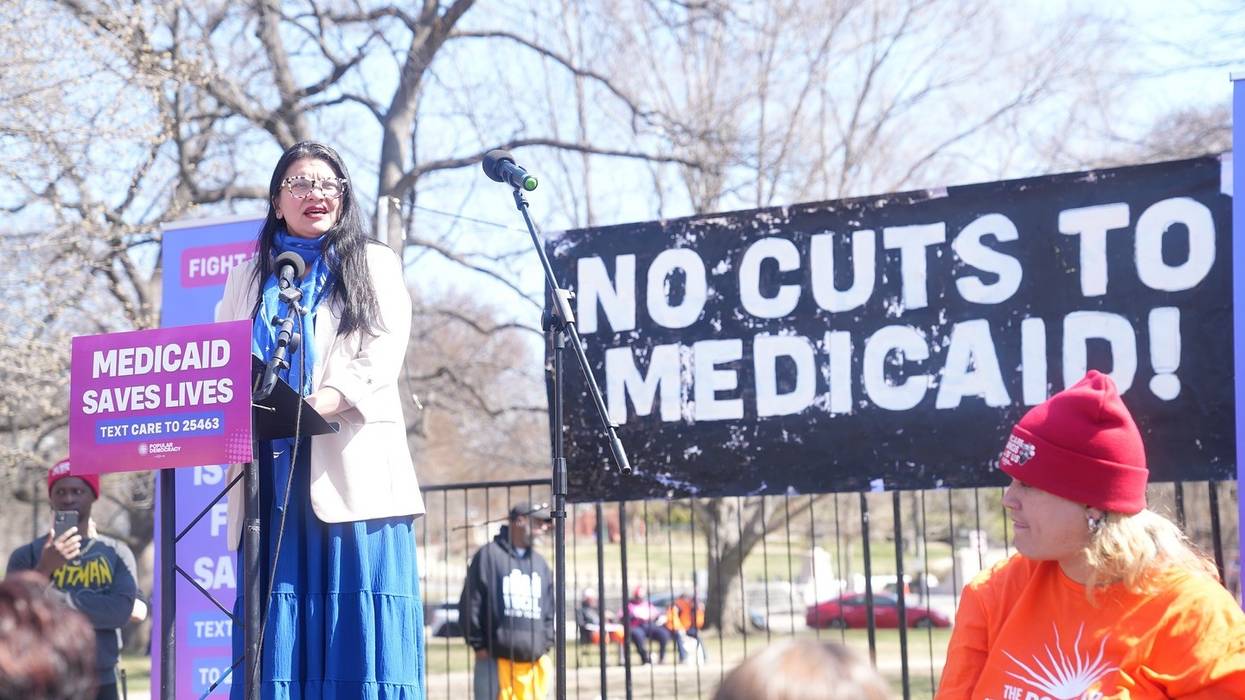
"Over half the provisions of the Big Ugly Bill have already gone into effect, and the negative results are already devastating."
Independent healthcare analyst Charles Gaba on Thursday published a detailed report estimating that up to 10 million people living in the US have lost their healthcare coverage since the start of President Donald Trump's second term.
In his analysis, Gaba brought together the most recent enrollment data for Medicaid, the Children's Health Insurance Program (CHIP), Medicare, and the Affordable Care Act (ACA).
Breaking things down by program, Gaba estimated there are 5.9 million fewer people enrolled in Medicaid and CHIP, as well as at least 4.5 million fewer people enrolled in the ACA, since Trump returned to power in January 2025.
These losses in coverage are somewhat mitigated by Medicare, whose enrollment has increased by around 1.6 million people during Trump's second term.
Losing access to these programs doesn't mean that the people were on them have gotten well paying jobs and are receiving insurance from their employer, Gaba wrote. Given that the unemployment rate has risen during Trump's second term, Gaba suggested it is highly unlikely that there are now more people who get employer-sponsored coverage now than in January 2025.
Depending on a number of variables, Gaba concluded, somewhere between 8.8 million to 10.3 million fewer people now have healthcare coverage.
Adjusting for population growth, Gaba added, "you get a grand total of between 10.27 million and 11.75 million more Americans not enrolled in a public healthcare coverage program as of May 2026 than in were as of January 2025."
The healthcare analyst noted that "this isn't quite the same thing as counting how many lost coverage, but not having healthcare sucks regardless of how you slice it."
He also pointed out that the lost in healthcare coverage all came before the Medicaid work requirements from the GOP's 2025 budget law are put into effect.
"Over half the provisions of the Big Ugly Bill have already gone into effect," wrote Gaba, "and the negative results are already devastating."
Gaba's analysis was published just days after the Georgetown University Center for Children and Families released a report estimating that nearly 2.5 million children in the US have lost access to Medicaid or CHIP during Trump's second term.
Trump and congressional Republicans have taken a number of actions that have made healthcare less affordable.
First, they cut spending on Medicaid by an estimated $900 billion over a 10-year period when they enacted the One Big Beautiful Bill Act in 2025. The Congressional Budget Office projects these cuts will leave more than 10 million fewer people enrolled in the program by 2034.
GOP lawmakers last year also refused to extend enhanced subsidies for insurance plans purchased through the ACA, even as insurers raised premiums on those plans by an average of 26% this year, according to an analysis published by KFF.
According to Wednesday reporting by Politico, hospitals are sounding the alarm about new regulations being proposed by the Centers for Medicare and Medicaid Services that they say would cost hundreds of billions of dollars in lost revenue.
"If the rules are finalized and they lose hundreds of billions on top of Congress’ funding cuts," Politico reported, "hospitals say they’ll be forced to reduce services, lay off workers, consolidate operations or shutter entirely."
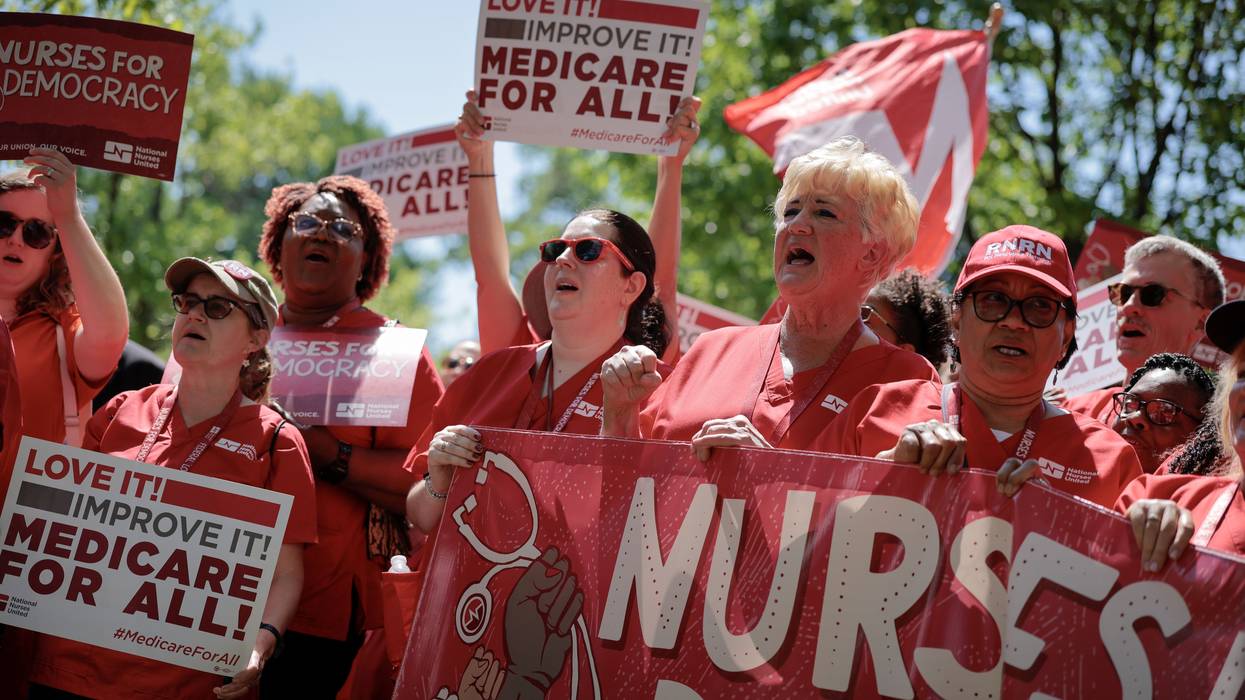
As Trump-GOP healthcare cuts devastate millions, Yale experts have found that Medicare for All would save the US over $1 trillion and more than 114,000 lives per year.
US President Donald Trump railed against Medicare for All during an Oval Office event on Tuesday, falsely claiming the proposal would be prohibitively expensive and ineffective despite new research confirming it would save lives and cost significantly less than the corporate-dominated status quo.
The president's remarks came during an event touting his limited, voluntary, and secretive agreements with leading pharmaceutical companies, deals purportedly aimed at lowering drug prices. Trump again lied by claiming that his efforts are "much bigger" than Medicare for All, which would provide comprehensive health coverage to every person in the US for free at the point of service, eliminating premiums, copays, and deductibles.
Trump said that Medicare for All, which has not been tried at a national level in the US, "doesn't work," falsely claiming a single-payer system would cost "the entire budget of the whole country" and send taxes into the stratosphere.
Nancy Altman, president of the progressive advocacy group Social Security Works and author of the forthcoming book, The Road to Medicare for All: A Call to Action, told Common Dreams on Wednesday that "Trump is once again revealing that he lies about healthcare or is totally ignorant of it."
Total federal outlays were $7.04 trillion in 2025. According to a study published last month by Yale University researchers, a single-payer system like the one set out in Sen. Bernie Sanders' (I-Vt.) Medicare for All Act would save the US roughly $1 trillion per year in national healthcare expenditures, which totaled around $5.7 trillion last year. The finding was consistent with past research showing major savings under Medicare for All compared with the current privatized system.
"A universal healthcare system in the US would not require the country to spend more on healthcare," the Yale researchers wrote. "It would require it to spend less. Our results indicate that the existing budget is more than sufficient to cover everyone at lower total cost."
The study also found that Medicare for All would save more than 114,000 lives across the US each year by providing the tens of millions of uninsured and underinsured Americans with comprehensive coverage.
The researchers contrasted the life-saving impacts of a Medicare for All system with the deadly consequences of the unprecedented Medicaid cuts that Trump signed into law last summer. Experts at Yale and the University of Pennsylvania estimated that the sweeping Republican assault on Medicaid could cause more than 51,000 deaths annually as millions are kicked off the program.
"Numerous highly respected analyses show that improving Medicare and expanding it to everyone, with no premiums, copays, deductibles or coinsurance costs trillions of dollars less than what the nation now spends, while covering the entire population and saving lives," Altman of Social Security Works told Common Dreams. "The question isn't how will we pay for universal coverage, but how will we divvy up the savings."
The House version of the Medicare for All Act, led by Reps. Pramila Jayapal (D-Wash.) and Debbie Dingell (D-Mich.), is cosponsored by a majority of the chamber's Democratic caucus—though it's opposed by the House Democratic leader, Rep. Hakeem Jeffries of New York. The Senate version of the bill, led by Sanders, has 17 cosponsors.
"We already introduced the legislation. Now we need the political will to pass it," Jayapal said on Tuesday. "Healthcare is a human right. No one should go broke, or die, because they got sick."
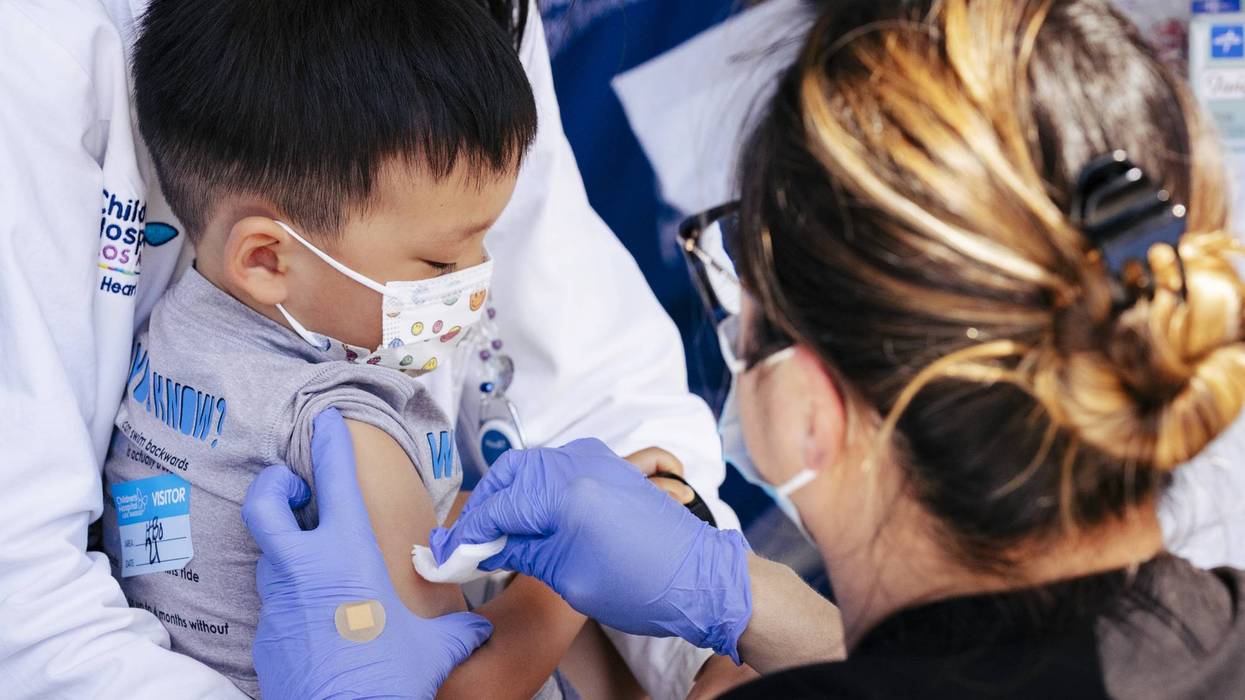
The drop in children covered by Medicaid comes before the most draconian changes to the program made by Republicans' 2025 budget law are set to take effect next year.
Nearly 2.5 million children living in the US have lost access to Medicaid or Children's Health Insurance Program coverage during President Donald Trump's second term, according to data published on Monday by the Georgetown University Center for Children and Families.
In total, five states have seen children's enrollment in Medicaid and CHIP fall by 10% or higher since January 2025, with Indiana seeing a drop in enrollment in those programs of more than 23%.
Colorado and Hawaii were the only two states to see a net increase in children in Medicaid or CHIP over that same period.
Joan Alker, executive director of the Center for Children and Families, described the drop in children enrolled in the programs as "a lot," and said it was important to track because "when Medicaid child enrollment declines, the number of uninsured kids typically goes up."
President Donald Trump and congressional Republicans cut spending on Medicaid by an estimated $900 billion over a 10-year period when they enacted the One Big Beautiful Bill Act in 2025. The Congressional Budget Office projects these cuts will leave more than 10 million fewer people enrolled in the program by 2034.
One way the GOP budget law is projected to kick people off Medicaid has been to add extra administrative burdens and paperwork for people who qualify for the program.
As explained by a Scripps News report published last week, Medicaid starting next year will make beneficiaries enroll twice a year instead of just once, while also mandating adults who "earn above a typical income cutoff and do not have children... work or volunteer at least 80 hours a month, or enroll in school."
Eileen Appelbaum, co-director of the Center for Economic and Policy Research, told Scripps News that this will result in many people not receiving Medicaid coverage despite being qualified for it.
"The best guesses from the experts are that two-thirds of the people that will be disqualified will actually be eligible, but they just couldn't handle the paperwork," Appelbaum explained.
In an op-ed published by Stat on Monday, Brown University epidemiologists Abdullah Shihipar and Brandon DL Marshall highlighted how getting out of the new Medicaid work requirements by proving yourself "medically frail" is shaping up to be a "nightmare scenario for millions of Americans."
"Let’s say you are undergoing cancer treatment, but you don’t have the right paperwork for your renewal," Shihipar and Marshall wrote. "As a result, you’re disenrolled from Medicaid. You desperately try to fix the mistake, but you are faced with long wait times and no answers, so you cease treatment altogether... Paperwork here is not merely an annoyance, it is a matter of life or death for millions with Medicaid coverage."
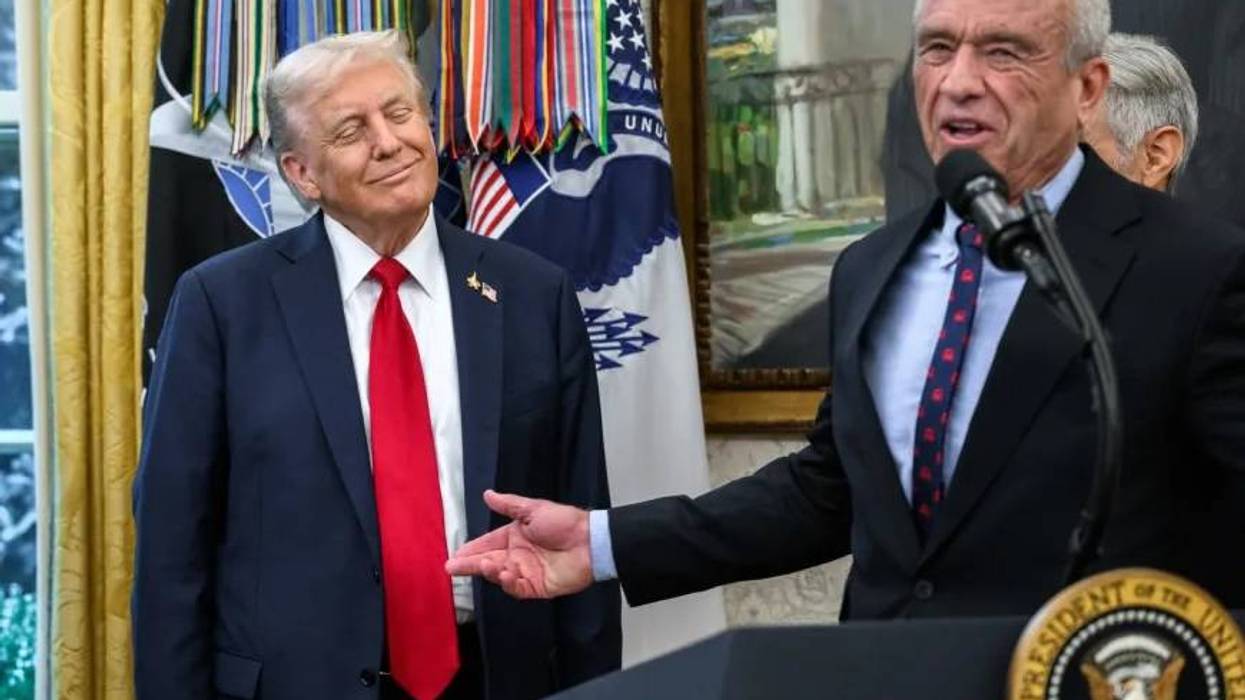
"Lasting relief requires transparent, enforceable measures that lower drug prices and hold big drug companies accountable," said one critic.
US President Donald Trump on Monday announced nine more agreements with pharmaceutical manufacturers intended to lower prescription drug prices nationwide, bringing the total to 26, but patient advocates responded skeptically.
The administration previously struck "most favored nation" (MFN) deals with 17 large drug manufacturers. The new ones with midsized companies—Alcon, Astellas Pharma, BeOne Medicines, BridgeBio, CSL, Kyowa Kirin, Sun Pharma, Teva Pharmaceuticals, and UCB—mean that 89% of the branded drug market is subject to an agreement, according to a White House fact sheet.
"It has been nearly a year since Trump announced his first secret MFN deal with Pfizer, and he has almost nothing to show for it," Peter Maybarduk, Access to Medicines director at the watchdog group Public Citizen, said in a Monday statement. "The new deals are a distraction from the administration's failed plan to lower US drug prices to the levels paid in other wealthy countries."
Earlier this month, Public Citizen released an analysis of Trump's policies to cut drug costs, including MFN deals. Maybarduk said at the time that "Trump has three kinds of drug pricing policy: fake, exaggerated, and not-real-yet, probably-won't-happen."
Following Monday's agreements, the campaigner argued that "a more serious approach would build international reference pricing into Medicare drug price negotiation. Instead, Trump is cozying up to Big Pharma and keeping American drug prices high."
"There still is no evidence that any pharma company has followed through on prior commitments to the Trump administration to launch new drugs at MFN price points," he explained. "Uptake of TrumpRx, which may cause consumers to overpay on medicines, has been lackluster."
TrumpRx is a government-operated website that helps patients find discounted prices and coupons for certain medications—and, as the Public Citizen analysis highlighted, the only part of the president's MFN program that is fully underway.
"The Centers for Medicare and Medicaid Services (CMS) has not announced any state participants in a pilot to test MFN-based prices in Medicaid," Maybarduk noted. "And CMS has failed to issue final rules to test MFN-pricing in Medicare, while simultaneously excluding almost all drug companies from these programs."
Public Citizen said it plans to immediately file a Freedom of Information Act request to obtain the texts of these "farce" deals—a pledge that came just days after US Sen. Elizabeth Warren (D-Mass.) highlighted that Health and Human Services Secretary Robert F. Kennedy Jr. has failed to publicize initial 17 agreements, despite agreeing to do so during an April hearing.
Like Public Citizen, the advocacy group Patients for Affordable Drugs was critical of the new deals, with CEO Merith Basey pointing out that "for decades, drug companies have been charging Americans at least four times more for brand-name medicines than people in other high-income nations."
"Patients need systemic reforms that will lower drug prices, rather than short-term, voluntary agreements whose terms remain secret," she asserted. "The deals announced today focus on Medicaid, where steep discounts already exist, and even then, states can choose whether to participate. Lasting relief requires transparent, enforceable measures that lower drug prices and hold big drug companies accountable."
As the industry trade publication Fierce Pharma reported, the large companies behind the initial deals "made a combination of drug pricing commitments and domestic investment pledges to win temporary immunity from the Trump administration's drug import tariffs," and "individual company press releases Monday, like UCB's, suggest that tariff immunity is still very much part of the MFN equation."
Although Trump's tried taking credit for a recent drop in medication costs, with the White House X account claiming Monday that he's "leveled the playing field, and made prescription drugs more affordable than ever for the American people," as Common Dreams reported earlier this month, experts have cited the Biden administration's policy allowing Medicare to directly negotiate some prices.
As Trump has touted his MFN deals, critics of the United States' for-profit healthcare system have in recent months renewed calls for shifting to Medicare for All—which new research shows would save over 114,000 lives and $1 trillion each year—and other healthcare reforms, including breaking up industry giants, capping drug prices, strengthening antitrust enforcement, and expanding the sector's workforce.

One expert said the options are to "watch the US healthcare system spiral into profit-driven chaos or finally treat the Big Medicine disease to create a healthcare system that puts patients and clinicians in control of care."
As millions of working-class Americans suffer from President Donald Trump and congressional Republicans' cuts to the already dysfunctional US healthcare system, a leading anti-monopoly group this week released a report with recommendations to restore "affordability and control to patients, clinicians, and communities across the country."
"The healthcare crisis didn’t happen by accident, it is the direct result of decades of neoliberal policy choices that handed more power to corporate healthcare giants while families paid the price," said Morgan Harper, director of policy and advocacy at the American Economic Liberties Project (AELP).
"The choice now is clear: Continue to watch the US healthcare system spiral into profit-driven chaos or finally treat the Big Medicine disease to create a healthcare system that puts patients and clinicians in control of care," she explained. "This agenda presents a roadmap for how to do it."
Harper and Emma Freer, AELP's senior policy analyst for healthcare, co-authored the new report, "Break Up Big Medicine," with contributions from a trio of other experts. One of them is Dr. Will Flanary, an independent ophthalmologist in Portland, Oregon.
"The US healthcare system, once made up of mostly independent practices like mine, is now dominated by Big Medicine behemoths—including private insurance conglomerates, Big Pharma manufacturers, pharmaceutical middlemen, megahospitals, and private equity-backed practices—whose only fiduciary duty is to executives and investors," he wrote in the foreword. "This makes it increasingly difficult to keep my practice afloat and uphold my oath, resulting in moral injury."
"So, I now have a second career as an advocate," who goes by "Dr. Glaucomflecken" on social media. "What my patients need most is bold policy reforms to break up Big Medicine and build a better healthcare system, one where they can access affordable, high-quality care and independent physicians like me can thrive."
The report notes that "between 2005 and 2025, the annual cost of employer-sponsored family coverage nearly tripled, from $12,214 to $35,119," US patients pay nearly three times as much for prescription drug prices as people in other countries, and "the United States spends more than $15,000 per person on healthcare each year—roughly one-fifth of our entire economy, and more than twice what peer nations spend, in return for worse patient outcomes on a variety of metrics."
Costs continue to rise, with The Wall Street Journal reporting last week that, according to benefits consulting giant Aon, US workers with employer-sponsored insurance are expected to spend an average of $5,297 on healthcare this year, or $388 more than last year. Another consultant, WTW, found that US employers expect their healthcare costs will rise 11.1% next year.
Meanwhile, six "corporate behemoths" in the sector—Cardinal Health, Cencora, Cigna, CVS Health, McKesson, and UnitedHealth Group—"now rank among the Fortune 15, making nearly $34 billion in annual profit," collectively, as AELP detailed Thursday. "Big Medicine now employs more than four in five US doctors," and practices must spend time completing, "on average, 40 prior authorizations per physician per week, time that would be better spent on patient care."
"Our current healthcare crisis is the result of several decades of federal policymaking by both political parties based on the flawed premise that empowering private insurers to ration access to healthcare, rather than addressing the underlying root causes of high prices, would effectively contain costs," the AELP report says.
The publication lays out a four-part "treatment plan" to save Americans $795 billion annually, or more than $6,000 per household: break up Big Medicine, bring down healthcare prices, build capacity, and bolster enforcement of existing laws.
The first section highlights how some solutions already exist in Congress, pointing to various bills, including Sens. Elizabeth Warren (D-Mass.) and Josh Hawley's (R-Mo.) Break Up Big Medicine Act, their Patients Before Monopolies Act with Reps. Diana Harshbarger (R-Tenn.) and Jake Auchincloss (D-Mass.), Sen. Jeff Merkley (D-Ore.) and Rep. Val Hoyle's (D-Ore.) Patients Over Profits Act, Sen. Chris Murphy (D-Conn.) and Rep. Mary Gay Scanlon's (D-Pa.) Take Back Our Hospitals Act, and the Corporate Crimes Against Health Care Act, introduced by Rep. Maggie Goodlander (D-NH) and Sens. Richard Blumenthal (D-Conn.), Peter Welch (D-Vt.), Merkley, and Warren.
The second section calls for standardizing and capping "healthcare prices across public and private payers using traditional Medicare reimbursement rates for inpatient and outpatient services and negotiated drug prices as benchmarks." It urges a ban on prior authorization, an end to patient cost-sharing obligations, investments "in public options that eliminate Big Medicine administrative waste," and passage of Rep. Rashida Tlaib's (D-Mich.) Medicines for the People Act.
The third section calls for investments in the US prescription drug manufacturing base as well as in providers, "especially safety-net hospitals in rural and low-income metro areas, independent medical and dental practices, community pharmacies, and primary care physicians."
The final section calls on Congress to "close loopholes that allow anti-competitive business practices, which Big Medicine uses to drive up prescription drug costs," specifically promoting the repeal of the 1987 safe harbor for pharmacy benefit managers (PBMs) and other pharmaceutical middlemen, and the prohibition of "price discrimination, spread pricing, self-preferencing, network discrimination, and sole-source or exclusive contracting terms across all payers." It further advocates for an increase in funding for antitrust enforcers at the Federal Trade Commission and the US Department of Justice.
"For decades, healthcare reform has focused on expanding private coverage and putting more money into a broken system while allowing corporate giants to consolidate power and drive up costs," said Freer. "Working families have paid more only to receive lower-quality care.
"Americans need a new policy paradigm that actually takes on the root causes of the crisis: consolidation, corporate control, and lack of competition," she argued. "This agenda is about moving beyond the status quo to build a healthcare system where patients come first, clinicians can thrive, and every American can afford the care they need."
The report comes amid renewed scrutiny of the president's "most favored nation" deals with Big Pharma, with Peter Maybarduk, access to medicines director for the watchdog Public Citizen, saying last week that "Trump has three kinds of drug pricing policy: fake, exaggerated, and not-real-yet, probably-won't-happen."
After pointing out on social media Wednesday that Health and Human Services Secretary Robert F. Kennedy Jr. in April agreed to publicize the deals for medicines listed on the direct-to-consumer website TrumpRx, and "months later, still crickets," Warren wondered, "Why should Americans believe this isn't just another Trump handout to fatten Big Pharma's pockets?"
Additionally, as Americans have started contending with the Medicaid cuts in the One Big Beautiful Bill Act passed by Republicans in Congress and signed by Trump last year, as well as the GOP's refusal to extend Affordable Care Act subsidies, which has caused premiums to skyrocket, there have also been renewed calls for shifting the United States to a universal healthcare system.
A study published earlier this month by researchers at Yale University suggests the Medicare for All Act that's been repeatedly introduced by Sen. Bernie Sanders (I-Vt.) would save more than $1 trillion and over 114,000 lives annually.
"At a time when 15 million Americans are being thrown off the healthcare they have and 20 million Americans have already seen their premiums double, on average, as a result of Trump’s so-called ‘Big Beautiful Bill,’ we need Medicare for All now more than ever," Sanders said in response to the study. "The time is now to end the greed of the big insurance and drug companies and pass Medicare for All."
David Dayen, executive editor of The American Prospect and the author of books including Monopolized: Life in the Age of Corporate Power, noted in his Thursday coverage of AELP's report that "while it's complementary to a Medicare for All approach, single-payer insurance is not mentioned."
"In tandem with moving toward a Medicare for All system, we have to address consolidation that is the cause of healthcare being so expensive, with degraded quality, and the squeezing of healthcare professionals," Freer told Dayen. "Otherwise we end up with something like Medicare Advantage for All, which would be disastrous."
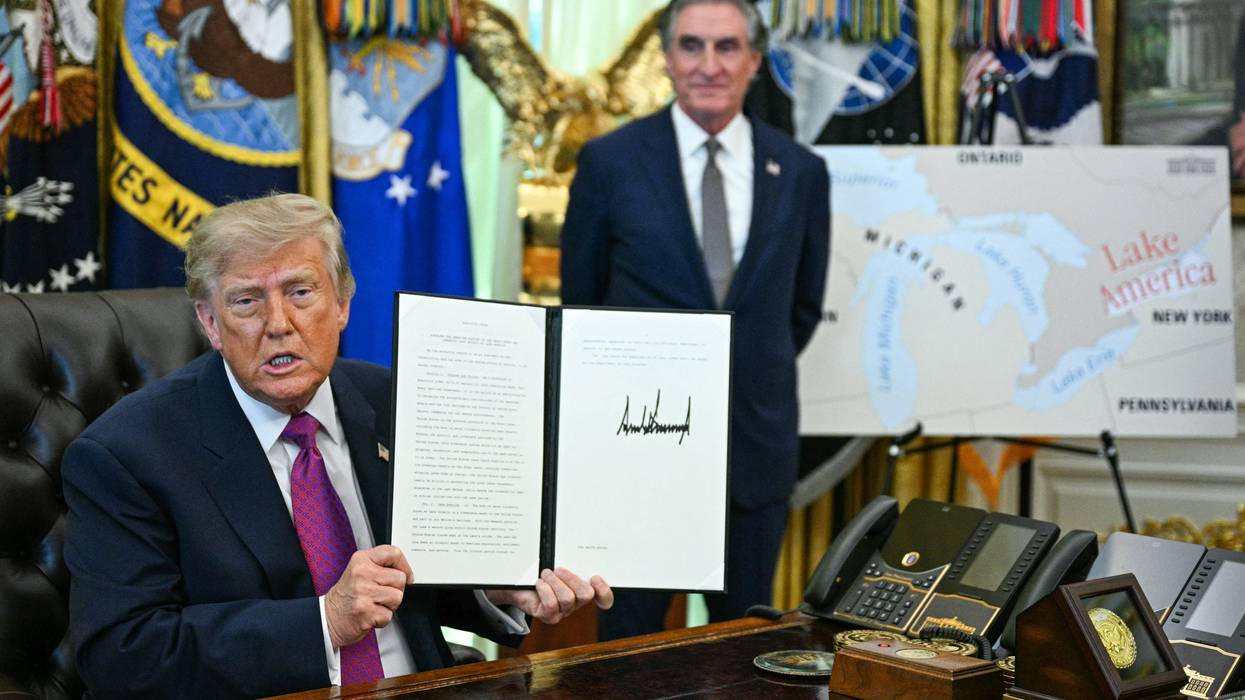
"The American people don’t want to rename Lake Ontario Lake America," said Sen. Bernie Sanders. "They want affordable healthcare, childcare, housing, education, nutrition assistance—all of which you have massively cut."
The United States is locked in another Middle East quagmire, the American economy is shedding jobs, wage growth is decelerating, and the costs of essentials are rising, but President Donald Trump on Thursday took time to hold an Oval Office event for the signing of an executive order renaming Lake Ontario to "Lake America," as his damaging trade war with Canada intensifies.
"We'd really prefer affordable healthcare," the consumer advocacy group Public Citizen wrote in response to the president's order, which was widely derided as idiotic and pointless, particularly amid skyrocketing health insurance premiums, large-scale loss of food aid, and other crises sparked by Trump and his Republican allies in Congress.
"No, President Trump," Sen. Bernie Sanders (I-Vt.) wrote following the White House event. "The American people don’t want to rename Lake Ontario Lake America. They want affordable healthcare, childcare, housing, education, nutrition assistance—all of which you have massively cut in order to pay for your $1 trillion tax break to the top 1%."
Trump—who recently admitted that he doesn't "think about Americans’ financial situation" when considering the impacts of waging war on Iran—said Thursday that the "Lake America" name change was something he had been "thinking about for a long time, actually."
Trump: We have a gulf, a lake.. now all we need is an ocean. Maybe we’ll have to change the name of the Atlantic and the Pacific. pic.twitter.com/DadFb9xIv9
— Acyn (@Acyn) August 27, 2026
Trump's order instructs the US interior secretary to, within 30 days, "take all appropriate actions to rename as 'Lake America' the body of water currently named as Lake Ontario."
"We’re on it, Mr. President!" Interior Secretary Doug Burgum wrote on social media in response to Trump's directive.
After Trump floated the name change earlier this week, Canadian Industry Minister Mélanie Joly responded that "we'll always call it Lake Ontario."
"We're proud of the Great Lakes... and we'll stand up for what we have," said Joly. "I really think that, with all these shenanigans happening, we'll just be smart and we'll be strategic, and we'll fight back."
New York Gov. Kathy Hochul, who leads the only US state that touches Lake Ontario, said Wednesday that the Trump administration "should be focusing on ways to mend relationships with Canada so our farmers and our consumers and our families do not continue suffering from this inane war over tariffs."
"The fact that [the name change] is even part of the conversation shows how absurd the Trump administration is," said Hochul.
“Government-provided healthcare is a bad idea. I’d rather Americans work long, hard hours, not receive sick leave, and die young," said one critic, "is one hell of a message.”
The precise point Republican US Sen. Darline Graham was making was unclear Tuesday evening when she attacked her Democratic opponent, Dr. Annie Andrews, for supporting what Graham called "government-run healthcare" and then pivoted to the story of her parents' early deaths.
But some observers wondered whether the lawmaker from South Carolina, who took over the Senate seat of her brother, the late Sen. Lindsey Graham, last month, was arguing for the continuation of a system in which many Americans can't get the healthcare they need.
Graham, who has worked at the state workforce agency and the South Carolina Commission for the Blind, spoke after winning a special runoff election against US Rep. Ralph Norman (R-SC). She was endorsed by President Donald Trump and will now face Andrews, a pediatrician, in the November midterm election for a full Senate term.
Speaking to supporters, Graham criticized Andrews for supporting "bad idea after bad idea," including "government-run healthcare." Andrews has spoken out against the Republican Party's cuts to Medicaid and Affordable Care Act (ACA) subsidies. Her website states support for "policies like a public option that expand access to affordable healthcare for all South Carolinians."
Graham said she has "a different background and vision for our state," describing her childhood growing up "in one room in central South Carolina" before explaining her parents' personal experience with healthcare and working "long, hard hours to make ends meet."
Darline Graham: Government run health care…. bad idea after bad idea. Annie Andrews backs it all. I have a different background. My parents worked long, hard hours. If that were sick, they had to get up and go to work. My mother passed away when I was 11 and my father just over… pic.twitter.com/fvFCrmudhi
— Acyn (@Acyn) August 26, 2026
"We didn't take vacations," she said. "If they were sick, they had to get up and go to work, because if the doors weren't open, we weren't making money."
She then added, "My mother passed away when I was 11, and my father just over a year later," before saying she has "worked hard for the people of South Carolina" and understands "the struggles facing South Carolina families because I've faced them too."
Andrews responded on social media that Graham's "family suffered and died without healthcare and apparently [she] thinks yours should too.
"Call me crazy, but as a doctor, I believe there are few responsibilities more fundamental to government than keeping its citizens healthy and safe," she said. "No family should have to suffer simply because generations before them did."
Other observers were perplexed about the message embedded in Graham's story.
“'Government-provided healthcare is a bad idea. I’d rather Americans work long, hard hours, not receive sick leave, and die young' is one hell of a message," said journalist Ahmed Baba.
A "straightforward reading" of Graham's statement, said Matthew Sitman of the podcast Know Your Enemy, would point to a proposal that "more parents of 11-year-olds die."
Graham's official website does not appear to outline any healthcare proposal. The senator said this week that voters she has met around the state are "talking about the rising cost of healthcare and affordability," but declined to name legislation or describe any proposals for tackling the issues.
The healthcare advocacy group Protect Our Care found last week that the Republican Party's $900 billion in cuts to Medicaid and its decision to slash ACA subsidies have left 8 million people across the country without health coverage so far, affecting Americans in all 50 states.
In South Carolina, Protect Our Care said, 235,000 people have lost their ACA subsidies or coverage under Medicaid or the Children's Health Insurance Program. Premiums have doubled for more than 587,000 South Carolinians in the past year, while 14 hospitals, clinics, and nursing homes have been forced to shut down or are on the verge of closing due to the healthcare cuts.
Healthcare facilities in the state are facing a $1.5 billion loss in funding and have seen a 26.9% spike in care that they are providing without reimbursement from Medicaid or other public programs.
"South Carolinians are dropping coverage they can no longer afford, delaying care, rationing medications, and living with the constant fear that an emergency could push them deeper into debt," said Protect Our Care.
Writer and engineer Hayden Clarkin suggested voters in the state may not be convinced by a "healthcare proposal" that appeared to amount to, "If you’re sick, you have to get up and work."
A 2020 poll by Data for Progress on behalf of the advocacy group Medicare for All NOW found that 77% of Democratic voters in South Carolina supported "expanding Medicare so that it becomes the primary insurer for all Americans."
Rep. Maxwell Frost (D-Fla.) noted that should Graham win a full Senate term, she will benefit from the "government-provided healthcare" she had attacked as a "bad idea."
The Centers for Medicare and Medicaid Services' implementation of the One Big Beautiful Bill narrows the very protections Congress included to prevent vulnerable people nationwide from losing the health coverage they need.
The biggest Medicaid fight today isn't happening in Congress—it's happening inside the Centers for Medicare and Medicaid Services.
Now, a year after H.R. 1’s passage (the 2025 federal reconciliation bill enacting significant cuts and changes to Medicaid), CMS’ recently issued interim final rule (IFR) implementing the law’s work-reporting requirements in the program narrows the very protections Congress included to prevent vulnerable people nationwide from losing the health coverage they need.
The Congressional Budget Office previously estimated that more than 5 million people will lose Medicaid coverage because of these requirements. Already a conservative estimate as other organizations estimated over 10 million people are at risk of losing coverage, the number will surely be higher given CMS' IFR goes beyond the statutory language of the law.
The clearest example of this is the IFR's treatment of the medically frail exemption.
If the goal is really healthier communities and greater workforce participation, making it harder for medically vulnerable people to keep their health insurance is exactly the wrong approach.
Congress recognized that people living with complex medical conditions, disabilities, and chronic illnesses, including substance use disorder (SUD), should be protected from burdensome work-reporting requirements. As such, H.R. 1 specifically includes “medically frail” individuals among those exempt from the new requirements.
Yet CMS has added a new hurdle, putting millions of eligible Americans at dire risk of losing access to essential healthcare.
Under the IFR, people with SUD and other qualifying health conditions must also demonstrate that their condition "significantly impairs" their ability to satisfy the requirement before they can qualify for the exemption. This additional standard does not appear in the statute and will inevitably reduce the number of people who can secure the exemption.
For people living with SUD, the consequences could be profound.
While SUD is a chronic but treatable medical condition, pervasive stigma and discriminatory barriers have led to fewer than 1 in 5 people who need treatment actually receiving it. Amid persistent addiction and overdose crises, we should be making it easier for people to access the services and supports they need to become and stay well, not erecting additional barriers to lifesaving care.
Moreover, while CMS' rule relies heavily on Medicaid claims data and provider documentation to identify individuals who qualify as medically frail, the administration’s approach overlooks the reality that many people with SUD have never entered treatment due to the above-mentioned stigma and discrimination. Requiring additional documentation will not "motivate" people to seek care, as CMS suggests. Instead, it creates yet another barrier for people who are already among the hardest to reach.
When people are deprived of Medicaid access, their ability to engage in preventive care, behavioral health services, medications, and treatment that keep chronic conditions under control is also lost. And it doesn’t take a rocket scientist to understand how untreated health conditions can not just impede a person’s capacity to work but quickly lead to costly emergency services.
These are not only personal tragedies—they are costly public policy failures.
Taking away health coverage does not eliminate health needs. It just shifts and raises costs while undermining public health and safety. Access to healthcare is precisely what enables many people to work, care for their families, and be productive community members, so why are we erecting so many barriers?
If the goal is really healthier communities and greater workforce participation, making it harder for medically vulnerable people to keep their health insurance is exactly the wrong approach.
Last month, both our organizations, along with many other leading advocates nationwide, explicitly articulated these concerns and submitted comments urging the agency to reverse course and faithfully reinforce the protections Congress included in the law. While CMS' public comment period on the IFR is now closed, all those who share the same perspective can still take action by calling their members of Congress to share their concerns about the impact of H.R. 1 and specifically, how the administration is planning to implement the law.
A year after H.R. 1’s passage, the question is no longer simply about what Congress enacted—it is whether the regulations that make the law real will preserve purposeful protections or quietly erode them through administrative action.
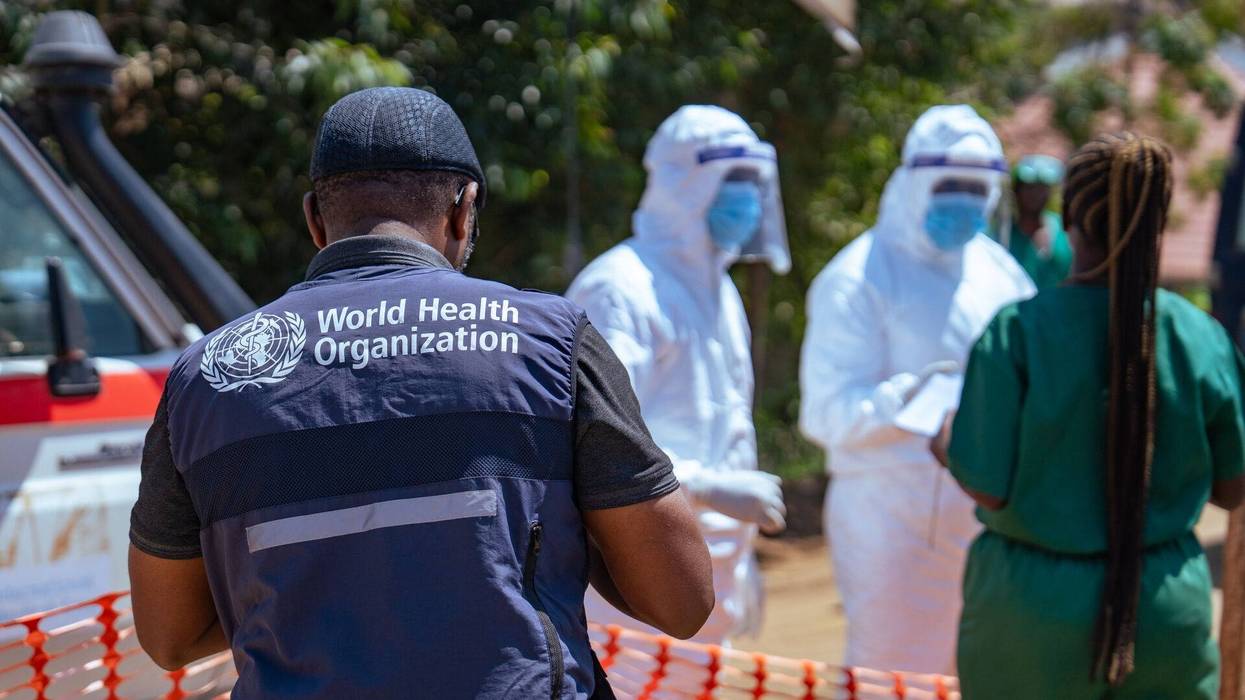
In just under 100 days, the epidemic has killed over 2,500 people and is "now covering an area that is bigger than France."
It's been nearly 100 days since authorities in the Democratic Republic of Congo declared the Ebola outbreak and, as a key United Nations humanitarian official said Friday, the disease has now killed over 2,500 people and continues to rapidly spread.
"The Ebola outbreak is growing exponentially," said the UN's senior Ebola coordinator, Julien Harneis. "In the last three months, 2,500 people have died, and half of those in the last 20 days."
"The epidemic is spreading widely," he continued. "It's now covering an area that is bigger than France."
Harneis acknowledged the outbreak's toll on healthcare providers, with 160 having contracted Ebola—43 of whom have died. He said that "apart from the threat from the virus, healthcare workers and frontline workers have been attacked by youths, ambulances have been burned and stoned, and the healthcare facilities have been attacked."
"Conditions on the ground are extremely difficult," the official said, "but we will continue deploying all the humanitarian and medical assistance needed until the job is done."
"We're only covered for the next weeks, and very soon funding will run out," he noted. "Every delay in funding and implementation makes this epidemic more deadly, more difficult to stop and more expensive. So, we need that international support immediately."
As the outbreak has worsened, US President Donald Trump has faced renewed global criticism for withdrawing from the World Health Organization (WHO), dismantling the US Agency for International Development, and cutting public health funds.
Harneis nodded to those moves on Friday, according to UN News:
Although the United States has contributed $80 million to the DRC government to boost bed capacity and safe burial practices, among other support, cuts to aid work—especially in the last two years—have reduced the capacity of humanitarian organizations by more than 30%, he added.
Despite these challenges, multiple specialist UN agencies continue to work alongside the DRC authorities to push back Ebola. They include the World Health Organization, the World Food Program, the UN Children's Fund (UNICEF), the UN migration agency (IOM) and partners including Médecins Sans Frontières.
"This epidemic continues to spread, moving faster than the response can keep up," Dr. Javid Abdelmoneim, international president of Médecins Sans Frontières (MSF), also known as Doctors Without Borders, said in a Friday statement. "Treatment centers remain essential for saving lives, but this response needs more than extra beds."
"It needs better detection, safe isolation for sick people and their contacts, and support to health workers," Abdelmoneim said. "People seeking care in existing health facilities also need to be protected from infection. Crucially, the response must be built with communities, not around them."
Trish Newport, the group's emergency program manager in Ituri province, said that UN agencies, humanitarian organizations, and the Congolese Ministry of Health "must urgently expand" training and support so that workers and community leaders can "help detect cases early, refer people safely, reinforce infection prevention and control, and protect themselves and others from infection."
WHO said Thursday that "Ituri province remains the epicenter, but ongoing transmission, spread to new areas, a high case fatality ratio (47%), and increasing infections among healthcare workers indicate that the outbreak remains severe and difficult to control."
"Imported cases have been reported in Uganda, France, and Germany, demonstrating the potential for international spread, although no sustained transmission has occurred outside the DRC," the agency continued. "The overall risk remains very high in the DRC, high for neighboring countries, particularly those sharing land borders with the DRC, and low at the regional and global levels, where preparedness and rapid detection measures are helping to prevent wider spread."
While the DRC infections are being caused by the Bundibugyo virus, the government recently requested a release of Ervebo vaccines from the global stockpile, given that, as WHO explained Thursday, "early laboratory and animal data suggest it may provide some protection."
The UN agency said that the International Coordinating Group on Vaccine Provision, which manages the stockpile, informed the DRC of an immediate initial release of 70,000 doses, including 50,000 for frontline and health workers, and 20,000 "for a Phase 3 clinical trial to understand the impact of the vaccine on the Bundibugyo virus."