Iran War Has Cost the Average American More Than $1,200 Over Six Months, Economist Estimates
One columnist said it’s impossible to know the true extent to which the war has hit Americans’ pocketbooks, but “this figure should be understood as a rough sketch that conveys the magnitude of Trump’s folly.”
As President Donald Trump's war with Iran crosses the six-month mark without an end in sight, a new analysis calculates that it has cost the average American household at least $1,200 more than they would have paid if it had never started.
That is according to Mark Zandi, the chief economist at Moody’s Analytics, who was quoted by New Yorker columnist John Cassidy on Monday as he sought to look beyond military costs to determine the true extent to which the war has impacted Americans' pocketbooks.
Cassidy wrote that the task of reaching a solid number is "far from straightforward," especially since, in his assessment, the Pentagon has been "less than forthright about many aspects of the conflict," including the cost.
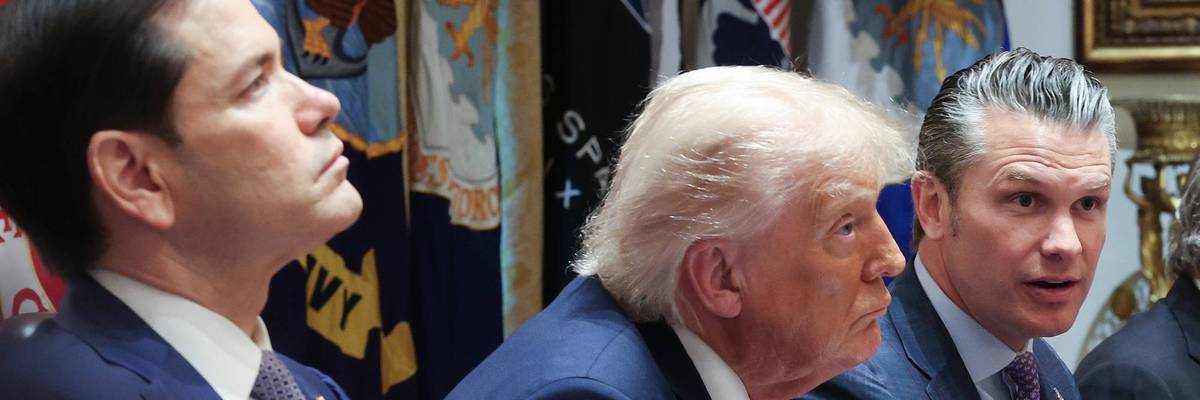
Defense Secretary Pete Hegseth told the Senate Appropriations Committee in July that the conflict had cost roughly $37.5 billion.
But prior to that, NBC News reported on internal Pentagon estimates that put the cost of the conflict between $80 billion and $100 billion when accounting for the cost to repair damage to US military bases, which has occurred on a level that, according to former Marine Col. Mark Cancian, has not been seen since World War II.
These costs do not include the additional $73 billion that House Republicans have approved for defense and intelligence related to the war, which will come up for a Senate vote in September.
"Whatever the true figure is, it’s a considerable sum that comes on top of the bloated trillion-dollar Pentagon budget that has already been approved for 2026, and it is money that could, in theory, be used for other purposes," Cassidy wrote.
He cited a recent analysis by the Center for American Progress (CAP), which found that the $73 billion could “provide full Medicaid coverage for 5 million more people, with $33 billion left over."
Some of those remaining funds could be used to provide free school lunch for every child in America, provide free childcare for 1 million children, or extend the Affordable Care Act tax credits that Republicans allowed to expire last year, which would reduce premiums for around 20 million Americans.
Trump has explicitly emphasized that funding the war is coming at the expense of other priorities.
“We’re fighting wars. We can’t take care of daycare. You gotta let a state take care of daycare, and they should pay for it too,” he said in April. “It’s not possible for us to take care of daycare, Medicaid, Medicare, all these individual things.”
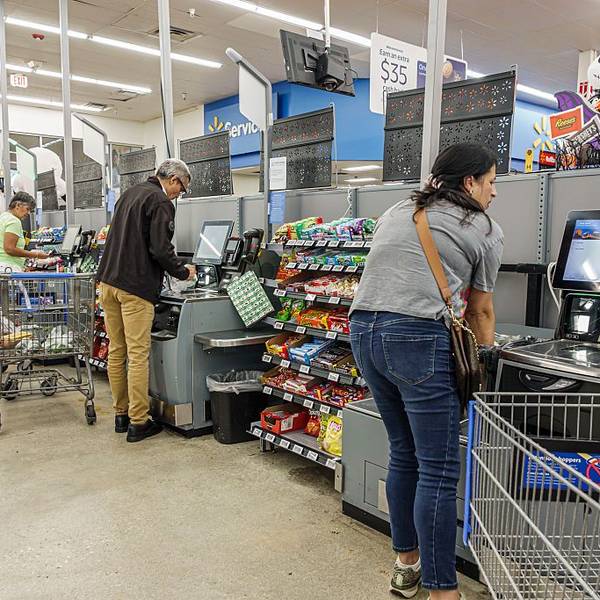
Just taking the lower-bound $80 billion cost estimate would mean the average household has been forced to pay about $300 more as a result of the war, using the same methodology that the National Priorities Project used to estimate the cost to taxpayers in April. But this is only a fraction of the overall cost.
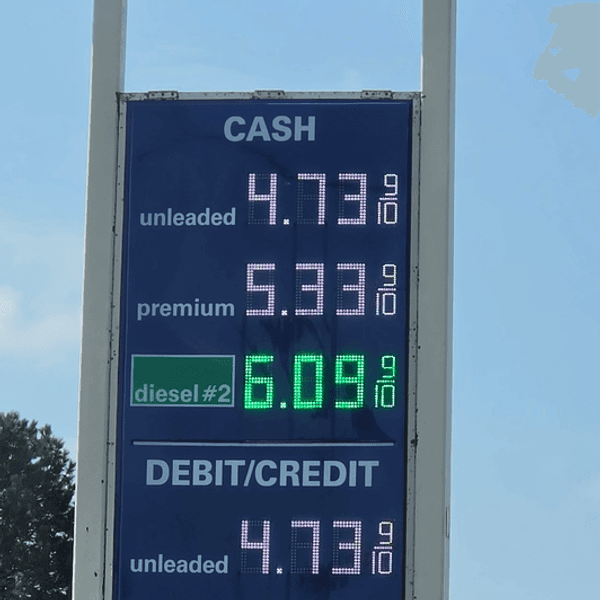
Average gasoline prices have shot up by more than $1 since the war began, while the price of diesel has risen by roughly half. Citing an energy-cost tracker maintained by the Climate Solutions Lab at Brown University’s Watson School of International and Public Affairs, Cassidy said these combined price hikes have cost Americans an additional $93 billion—more than an extra $700 per household.
Oil and fertilizer prices have also shot up, rippling through the economy and contributing to higher food prices. The overall rate of inflation has climbed to 3.4%, up from 2.4% in February. Cassidy notes that inflation has also hiked market interest rates, "raising the costs of mortgages, car loans, and other types of consumer credit."
Combining all these added costs, Zandi estimated that the average household had paid roughly an extra $1,200 in the six months since the war started, but emphasized that this was only a conservative estimate.
"Rather than being taken as a precise number," Cassidy added, "this figure should be understood as a rough sketch that conveys the magnitude of Trump’s folly."
As the midterms approach, Trump's approval rating has hit an all-time low of just 33% according to a poll out Monday from Reuters/Ipsos, which also found just 36% approval for the war.
Meanwhile, 71% of Americans, including 4 in 10 Republicans, said they disapprove of how Trump is handling the cost of living. This has caused the longstanding Republican advantage in the economy to evaporate, with 36% of registered voters saying in a poll last week they believe Democrats are better prepared to tackle the cost of living compared with 28% of Republicans.
"Absent a break in the war’s current stalemate between now and the November midterms," Cassidy said, "the president and his party may end up paying a higher political price. But the economic costs of the conflict can’t be reversed."
An Urgent Message From Our Co-Founder
Dear Common Dreams reader, It’s been nearly 30 years since I co-founded Common Dreams with my late wife, Lina Newhouser. We had the radical notion that journalism should serve the public good, not corporate profits. It was clear to us from the outset what it would take to build such a project. No paid advertisements. No corporate sponsors. No millionaire publisher telling us what to think or do. Many people said we wouldn't last a year, but we proved those doubters wrong. Together with a tremendous team of journalists and dedicated staff, we built an independent media outlet free from the constraints of profits and corporate control. Our mission has always been simple: To inform. To inspire. To ignite change for the common good. Building Common Dreams was not easy. Our survival was never guaranteed. When you take on the most powerful forces—Wall Street greed, fossil fuel industry destruction, Big Tech lobbyists, and uber-rich oligarchs who have spent billions upon billions rigging the economy and democracy in their favor—the only bulwark you have is supporters who believe in your work. But here’s the urgent message from me today. It's never been this bad out there. And it's never been this hard to keep us going. At the very moment Common Dreams is most needed, the threats we face are intensifying. We need your support now more than ever. We don't accept corporate advertising and never will. We don't have a paywall because we don't think people should be blocked from critical news based on their ability to pay. Everything we do is funded by the donations of readers like you. When everyone does the little they can afford, we are strong. But if that support retreats or dries up, so do we. Will you donate now to make sure Common Dreams not only survives but thrives? —Craig Brown, Co-founder |
As President Donald Trump's war with Iran crosses the six-month mark without an end in sight, a new analysis calculates that it has cost the average American household at least $1,200 more than they would have paid if it had never started.
That is according to Mark Zandi, the chief economist at Moody’s Analytics, who was quoted by New Yorker columnist John Cassidy on Monday as he sought to look beyond military costs to determine the true extent to which the war has impacted Americans' pocketbooks.
Cassidy wrote that the task of reaching a solid number is "far from straightforward," especially since, in his assessment, the Pentagon has been "less than forthright about many aspects of the conflict," including the cost.
Defense Secretary Pete Hegseth told the Senate Appropriations Committee in July that the conflict had cost roughly $37.5 billion.
But prior to that, NBC News reported on internal Pentagon estimates that put the cost of the conflict between $80 billion and $100 billion when accounting for the cost to repair damage to US military bases, which has occurred on a level that, according to former Marine Col. Mark Cancian, has not been seen since World War II.
These costs do not include the additional $73 billion that House Republicans have approved for defense and intelligence related to the war, which will come up for a Senate vote in September.
"Whatever the true figure is, it’s a considerable sum that comes on top of the bloated trillion-dollar Pentagon budget that has already been approved for 2026, and it is money that could, in theory, be used for other purposes," Cassidy wrote.
He cited a recent analysis by the Center for American Progress (CAP), which found that the $73 billion could “provide full Medicaid coverage for 5 million more people, with $33 billion left over."
Some of those remaining funds could be used to provide free school lunch for every child in America, provide free childcare for 1 million children, or extend the Affordable Care Act tax credits that Republicans allowed to expire last year, which would reduce premiums for around 20 million Americans.
Trump has explicitly emphasized that funding the war is coming at the expense of other priorities.
“We’re fighting wars. We can’t take care of daycare. You gotta let a state take care of daycare, and they should pay for it too,” he said in April. “It’s not possible for us to take care of daycare, Medicaid, Medicare, all these individual things.”
Just taking the lower-bound $80 billion cost estimate would mean the average household has been forced to pay about $300 more as a result of the war, using the same methodology that the National Priorities Project used to estimate the cost to taxpayers in April. But this is only a fraction of the overall cost.
Average gasoline prices have shot up by more than $1 since the war began, while the price of diesel has risen by roughly half. Citing an energy-cost tracker maintained by the Climate Solutions Lab at Brown University’s Watson School of International and Public Affairs, Cassidy said these combined price hikes have cost Americans an additional $93 billion—more than an extra $700 per household.
Oil and fertilizer prices have also shot up, rippling through the economy and contributing to higher food prices. The overall rate of inflation has climbed to 3.4%, up from 2.4% in February. Cassidy notes that inflation has also hiked market interest rates, "raising the costs of mortgages, car loans, and other types of consumer credit."
Combining all these added costs, Zandi estimated that the average household had paid roughly an extra $1,200 in the six months since the war started, but emphasized that this was only a conservative estimate.
"Rather than being taken as a precise number," Cassidy added, "this figure should be understood as a rough sketch that conveys the magnitude of Trump’s folly."
As the midterms approach, Trump's approval rating has hit an all-time low of just 33% according to a poll out Monday from Reuters/Ipsos, which also found just 36% approval for the war.
Meanwhile, 71% of Americans, including 4 in 10 Republicans, said they disapprove of how Trump is handling the cost of living. This has caused the longstanding Republican advantage in the economy to evaporate, with 36% of registered voters saying in a poll last week they believe Democrats are better prepared to tackle the cost of living compared with 28% of Republicans.
"Absent a break in the war’s current stalemate between now and the November midterms," Cassidy said, "the president and his party may end up paying a higher political price. But the economic costs of the conflict can’t be reversed."
- While Cost of Living Soars and Healthcare Taken Away, Trump Spending $1 Billion Per Day in War of Choice With Iran ›
- Bessent Suggests Economic Warfare Against Iran Could 'Blow Up the Global Financial System' ›
- Harvard Expert Says She Is 'Certain' Price Tag of Trump's Illegal Iran War Will Hit $1 Trillion ›
- Expert Puts True Cost of Trump's Iran War at $72 Billion—Nearly 3 Times Higher Than Pentagon Said ›
As President Donald Trump's war with Iran crosses the six-month mark without an end in sight, a new analysis calculates that it has cost the average American household at least $1,200 more than they would have paid if it had never started.
That is according to Mark Zandi, the chief economist at Moody’s Analytics, who was quoted by New Yorker columnist John Cassidy on Monday as he sought to look beyond military costs to determine the true extent to which the war has impacted Americans' pocketbooks.
Cassidy wrote that the task of reaching a solid number is "far from straightforward," especially since, in his assessment, the Pentagon has been "less than forthright about many aspects of the conflict," including the cost.
Defense Secretary Pete Hegseth told the Senate Appropriations Committee in July that the conflict had cost roughly $37.5 billion.
But prior to that, NBC News reported on internal Pentagon estimates that put the cost of the conflict between $80 billion and $100 billion when accounting for the cost to repair damage to US military bases, which has occurred on a level that, according to former Marine Col. Mark Cancian, has not been seen since World War II.
These costs do not include the additional $73 billion that House Republicans have approved for defense and intelligence related to the war, which will come up for a Senate vote in September.
"Whatever the true figure is, it’s a considerable sum that comes on top of the bloated trillion-dollar Pentagon budget that has already been approved for 2026, and it is money that could, in theory, be used for other purposes," Cassidy wrote.
He cited a recent analysis by the Center for American Progress (CAP), which found that the $73 billion could “provide full Medicaid coverage for 5 million more people, with $33 billion left over."
Some of those remaining funds could be used to provide free school lunch for every child in America, provide free childcare for 1 million children, or extend the Affordable Care Act tax credits that Republicans allowed to expire last year, which would reduce premiums for around 20 million Americans.
Trump has explicitly emphasized that funding the war is coming at the expense of other priorities.
“We’re fighting wars. We can’t take care of daycare. You gotta let a state take care of daycare, and they should pay for it too,” he said in April. “It’s not possible for us to take care of daycare, Medicaid, Medicare, all these individual things.”
Just taking the lower-bound $80 billion cost estimate would mean the average household has been forced to pay about $300 more as a result of the war, using the same methodology that the National Priorities Project used to estimate the cost to taxpayers in April. But this is only a fraction of the overall cost.
Average gasoline prices have shot up by more than $1 since the war began, while the price of diesel has risen by roughly half. Citing an energy-cost tracker maintained by the Climate Solutions Lab at Brown University’s Watson School of International and Public Affairs, Cassidy said these combined price hikes have cost Americans an additional $93 billion—more than an extra $700 per household.
Oil and fertilizer prices have also shot up, rippling through the economy and contributing to higher food prices. The overall rate of inflation has climbed to 3.4%, up from 2.4% in February. Cassidy notes that inflation has also hiked market interest rates, "raising the costs of mortgages, car loans, and other types of consumer credit."
Combining all these added costs, Zandi estimated that the average household had paid roughly an extra $1,200 in the six months since the war started, but emphasized that this was only a conservative estimate.
"Rather than being taken as a precise number," Cassidy added, "this figure should be understood as a rough sketch that conveys the magnitude of Trump’s folly."
As the midterms approach, Trump's approval rating has hit an all-time low of just 33% according to a poll out Monday from Reuters/Ipsos, which also found just 36% approval for the war.
Meanwhile, 71% of Americans, including 4 in 10 Republicans, said they disapprove of how Trump is handling the cost of living. This has caused the longstanding Republican advantage in the economy to evaporate, with 36% of registered voters saying in a poll last week they believe Democrats are better prepared to tackle the cost of living compared with 28% of Republicans.
"Absent a break in the war’s current stalemate between now and the November midterms," Cassidy said, "the president and his party may end up paying a higher political price. But the economic costs of the conflict can’t be reversed."
- While Cost of Living Soars and Healthcare Taken Away, Trump Spending $1 Billion Per Day in War of Choice With Iran ›
- Bessent Suggests Economic Warfare Against Iran Could 'Blow Up the Global Financial System' ›
- Harvard Expert Says She Is 'Certain' Price Tag of Trump's Illegal Iran War Will Hit $1 Trillion ›
- Expert Puts True Cost of Trump's Iran War at $72 Billion—Nearly 3 Times Higher Than Pentagon Said ›