September, 03 2009, 03:44pm EDT
For Immediate Release
Contact:
Sarah Burt, Earthjustice, (510) 550-6755
Kristina Johnson, Sierra Club, (415) 977-5619
Chuck Laszewski, MCEA, (651) 223-5969
Marty Cobenais, Indigenous Environmental Network, (218) 760-0284
Native & Green Groups Challenge State Dept. Permit for Dirty Oil Pipeline
Alberta Clipper’ Would Bring Canadian Tar Sands Crude to U.S.
SAN FRANCISCO
Native American and environmental groups filed suit in federal court
today challenging a proposed tar sands oil pipeline that would bring
the dirtiest oil on Earth from Canada to the United States.
The U.S. State Department's approval on August 20 of Enbridge
Energy's Alberta Clipper pipeline permits 450,000 barrels of tar sands
oil per day to be pumped from northern Alberta to Superior, Wisconsin,
for refining.
Tar sands oil is dirtier and, over its lifecycle, emits more global
warming pollution than any other type of oil. Tar sands development in
Alberta is creating an environmental catastrophe, with toxic tailings
ponds so large they can be seen from space, and plans to strip away
forests and peat lands of an area the size of Florida. (Photos at www.dirtyoilsands.org.)
The Indigenous Environmental Network, Minnesota Center for
Environmental Advocacy, National Wildlife Federation and Sierra Club
filed the suit in the U.S. District Court for Northern California. They
are represented by the nonprofit law firm Earthjustice.
Read the complaint (PDF)
"The Alberta Clipper will mean more air, water and global warming
pollution, particularly in communities near refineries that process tar
sands oil," said Earthjustice attorney Sarah Burt. "The State
Department fails to show how building a pipeline to import the dirtiest
oil on Earth is in our national interest."
Kevin Reuther, legal director of the Minnesota Center for
Environmental Advocacy, said there are too many unanswered questions to
allow the pipeline to go forward.
"What happens when this dirty oil leaks and spills from the
pipeline?" asked Reuther. "How much more global warming pollution will
be emitted? How much more water will be polluted? How many more
migratory birds will die? No one knows, because neither the state nor
federal agencies responsible for protecting us have done their jobs."
The Alberta Clipper is the latest of a massive network of tar sands
pipelines up for approval by the State Department. The agency has been
under pressure from Canadian Prime Minister Stephen Harper to allow the
pipelines to go forward, despite the risks they pose to American
communities, clean energy jobs, and national security.
"This project will lock our nation into a dirty energy
infrastructure for decades to come," said Sierra Club Executive
Director Carl Pope. "Instead of increasing our reliance on oil and
piping in pollution, the State Department should support clean,
American energy and the jobs that come with it."
Marty Cobenais of the Indigenous Environmental Network of Bemidji,
Minn., said the State Department's permit is invalid because the Leech
Lake Band of Chippewa had not given its approval in a tribal
referendum. "The voices and rights of the Leech Lake Band members are
not being listened to by the Obama Administration," said Cobenais.
"This pollution pipeline will increase our dependency on foreign
fuels and accelerate the development of one of the dirtiest, most
destructive fuels on the planet," said Joe Mendelson, director of
global warming policy for the National Wildlife Federation. "We should
be investing in clean energy technologies that will help solve the
climate crisis."
Background
- Global warming pollution from tar sands production is three times
that of conventional crude oil and tar sands oil contains 11 times more
sulfur and nickel, six times more nitrogen and five times more lead
than conventional oil. - The Alberta Clipper pipeline would cross the border in Neche,
N.D., and run for 384 miles through the Chippewa National Forest and
the Leech Lake tribal lands in Minnesota before terminating in
Superior, Wis. Construction would impact over 200 water bodies and
would destroy more than 1,200 acres of upland forested lands, more than
650 acres of open lands, and more than 1,300 acres of wetlands. - By approving the pipeline, the State Department overlooks the
serious environmental, climate, and human health impacts of tar sands
oil. The decision is a departure from the Obama Administration's
commitment to a clean energy future. - Development of tar sands oil poses a threat to national
security because it increases our dependence on foreign oil and
contributes to climate change, a growing source of concern for security
experts. - Proponents of the pipeline claim it will create jobs. The
truth is that more and longer-lasting American jobs can be created by
investments in clean energy sources like wind and solar power.
LATEST NEWS
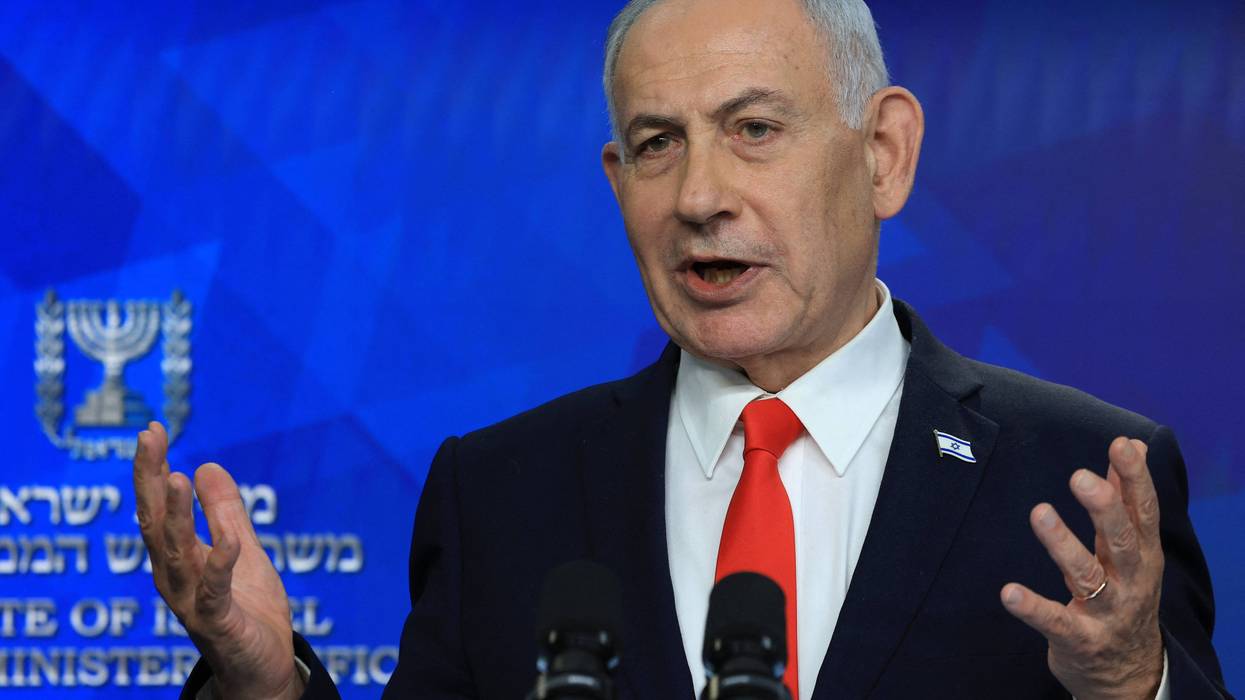
Despite Trump-Iran Deal, Netanyahu Says Israel Will Not Leave Lebanon 'As Long as I Am Prime Minister'
"Words are not enough to restrain the Israelis," one journalist said. "There have to be real consequences."
Jun 24, 2026
Israeli Prime Minister Benjamin Netanyahu stated on Wednesday that he will not end the military occupation of Lebanon even if it tanks US President Donald Trump's peace deal with Iran.
"As long as I am prime minister, we will maintain the security zone in southern Lebanon," he said, referring to Israel's occupation, which has cleared about one-fifth of the country of its inhabitants.
About 1.2 million residents have been displaced by Israeli attacks and forced evacuation orders since March as part of a military campaign that's killed about 4,200 people, according to the Lebanese Ministry of Public Health.
As Trump seeks an end to his war with Iran, the Iranian delegation has stressed that it must be peace "on all fronts," including Lebanon, which was outlined in the memorandum of understanding that has served as the basis for ongoing negotiations.
Behind the scenes, Trump has reportedly fumed that by ramping up attacks on Lebanon, Israel is trying to sabotage the deal and drag the US back into war.
But while he and Vice President JD Vance have offered some uncommonly blunt criticism of Israel over the past week, they've not yet gone beyond words. And Israel's leaders seem to believe they won't.
Echoing the prime minister, Defense Minister Israel Katz said on Wednesday that the Israel Defense Forces were "not withdrawing" from Lebanon "even if there is an American demand to do so."
But he also stated that despite a US-mediated ceasefire between Israel and Hezbollah, "as of this moment... there is no American demand for Israel to withdraw from Lebanon," which he described as "a political achievement."
That's not likely to sit well with the Iranians, who, in response to a wave of Israeli attacks this weekend, announced that they were once again closing off the Strait of Hormuz, threatening more of the economic pandemonium that Trump wants to quell by ending the war.
“For us, a ceasefire in Lebanon is as important as a ceasefire in Iran and, further, an end to the war in Lebanon is as important as an end to the war in Iran,” said Mohammad Bagher Ghalibaf, Iran's parliamentary speaker and lead negotiator, on Wednesday.
US Secretary of State Marco Rubio has attempted to thread the needle by claiming on Wednesday that "the Israelis have been clear they don't have any quarrels with the Lebanese people, nor do they have any claims on the territory of Lebanon."
But this was undercut somewhat by Katz's statement on Wednesday that the 200,000 civilians whom Israel ordered to leave southern Lebanon "will not return" to their homes because of the risk they allegedly pose to Israeli soldiers.
"Soldiers in, residents out," Katz said. "The infrastructure is destroyed, the houses are dangerous and ruined. We are not withdrawing."
Critics have pointed out that Trump does have ample amounts of leverage to coerce the Israelis to get with the program, including threatening to cut off US weapons shipments, and that his failure to do this may destroy any chance at peace with Iran.
"The Israelis are going to continue testing what they can get away with," said Rania Khalek, a journalist for BreakThrough News, on social media. "Iran was very clear that a deal with the US is dependent on a ceasefire in Lebanon."
"How embarrassing for Trump that the Israelis don’t care about his orders. They are trying to preserve their ability to kill all their neighbors," she added. "Words are not enough to restrain the Israelis. There have to be real consequences."
Keep ReadingShow Less
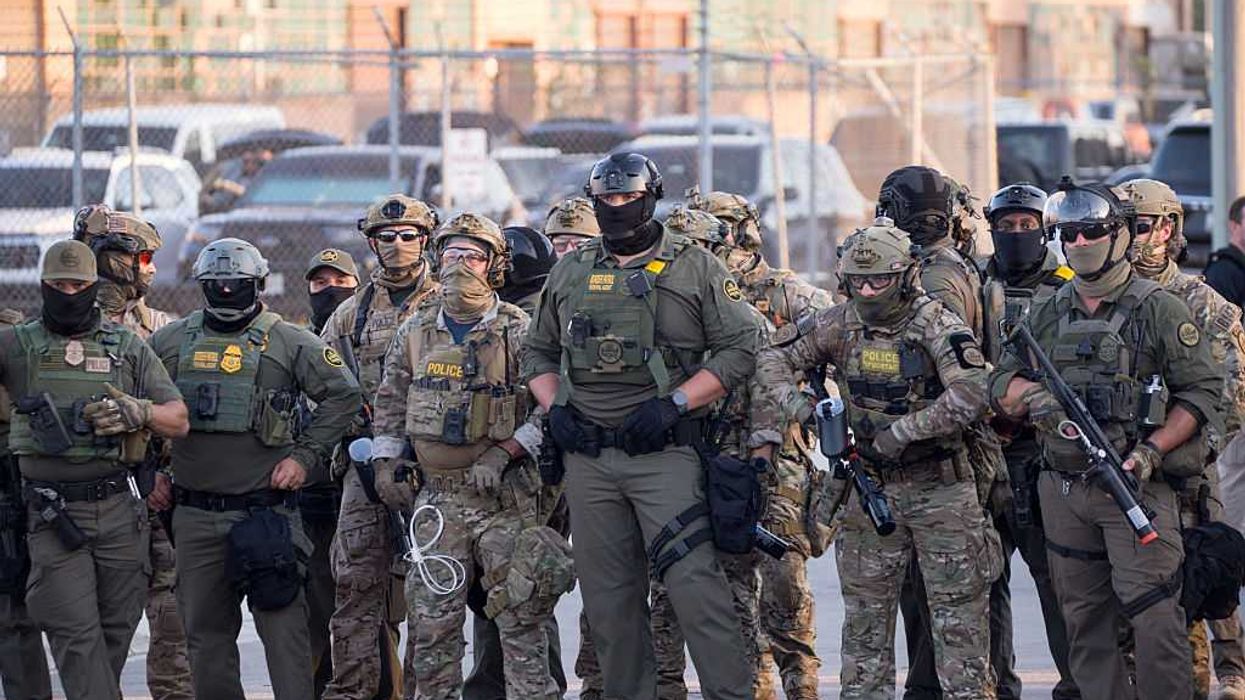
US News Outlet Sues Trump Admin Over Refusal to Release 'Secret List of Activities'
“The government is not allowed to selectively hide information about its actions that impact protected First Amendment activity,” said a member of the legal team representing The Intercept in its legal challenge.
Jun 24, 2026
The progressive US media outlet The Intercept filed a lawsuit on Wednesday seeking to compel the Trump administration to hand over documents related to claims by federal officials of a secret database used to track protesters and others dubiously deemed "domestic terrorists."
The Intercept is asking the US District Court for the Southern District of New York to force the Department of Homeland Security (DHS) to release material sought via a Freedom of Information Act (FOIA) request it filed on February 23.
“It’s not illegal to monitor the activity of immigration agents inside your community,” Intercept editor-in-chief Ben Muessig said on Wednesday. “What is illegal is the US government’s secret list of activists—and its refusal to turn over information about that database to the American public.”
The Intercept's FOIA request came amid mounting evidence that, "by using photos, video, license plates, hotel check-in information, and more to create a database of lawful protestors, the government may be taking concerning action affecting the rights of those exercising their First Amendment rights," as plaintiff's counsel Democracy Forward noted in a statement announcing the lawsuit.
The Intercept's complaint cites a video posted on social media on January 23 that shows a federal immigration agent telling a legal observer in Maine during a protest against the deadly US Immigration and Customs Enforcement (ICE) anti-immigrant crackdown that "we have a nice little database, and now you’re considered a domestic terrorist."
According to the lawsuit:
In a court hearing regarding immigration enforcement actions in Minnesota, attorneys for the state of Minnesota reportedly included an exhibit of a recording of a federal agent saying, “Well, this person is gonna have a hard time traveling from now on" after taking a photo of an ICE observer's license plate. The press has reported that “a memo sent earlier this month to agents temporarily assigned to the city asked them to ‘capture all images, license plates, identifications, and general information on hotels, agitators, protestors, etc., so we can capture it all in one consolidated form.'"
Democracy Forward noted that "in a separate court case, a civilian observing ICE submitted a declaration stating that her [Transportation Security Administration] PreCheck and Global Entry were revoked three days after an encounter with immigration enforcement officials."
"Additionally, at least one prominent supporter of transgender rights has reportedly had her Global Entry and US passport canceled in the past few months," the group added.
Not included in the lawsuit are remarks made by White House "border czar" Tom Homan during a January interview with Fox News, during which he said that he aimed to “create a database where those people that are arrested for interference, impeding, and assault" and "make them famous.”
Democracy Forward president and CEO Skye Perryman said Wednesday, "The government is not allowed to selectively hide information about its actions that impact protected First Amendment activity."
"The surveillance and retaliation being reported would be egregious violations of core constitutional principles," she added, "and we are honored to represent a storied news organization as it fights to demand the public have access to the information we need to protect our democracy.”
Keep ReadingShow Less
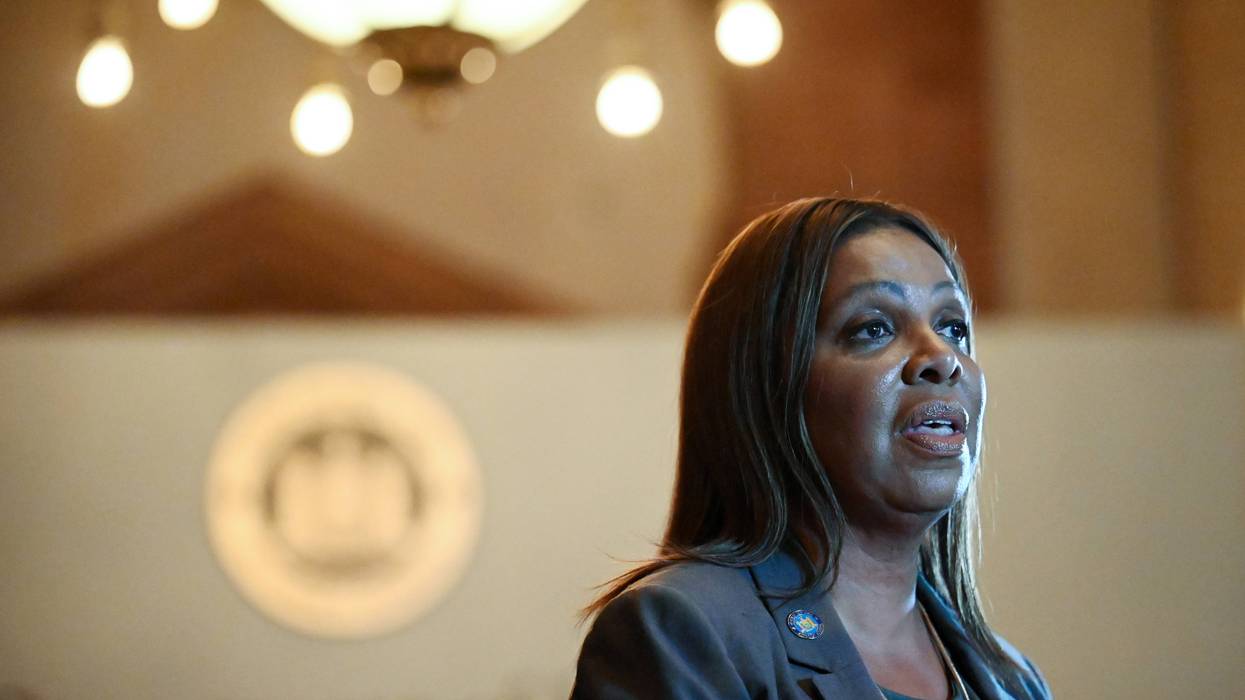
State AGs Applaud Court Blocking 'Unconstitutional' Trump Proof of Citizenship Voting Requirement
"As President Trump has made clear today, the fight to protect the right to vote isn’t over," said California Attorney General Rob Bonfa.
Jun 24, 2026
A federal judge on Wednesday blocked portions of an executive order signed by President Donald Trump last year that required Americans to show proof of citizenship when registering to vote.
US District Court Judge Denise Casper ruled that Trump's March 2025 executive order establishing proof-of-citizenship requirements was illegal because the US Constitution explicitly gives states the power to implement elections, with some oversight and input from the US Congress.
In contrast, wrote Casper, the Constitution "does not grant the president any specific powers over elections," making any effort to regulate voter registration via executive order unconstitutional on its face.
Casper's ruling came about after 19 states sued to block the Trump executive order from taking effect.
New York Attorney General Letitia James expressed gratitude that the court "blocked the president’s unconstitutional attempt to seize control of our elections."
"Generations of Americans fought tirelessly for the right to vote, and we honor their legacy by protecting that right against anyone who tries to undermine it," said James. "As we approach this year’s midterms, I will continue doing everything in my power to protect free and fair elections and defend the sacred right to vote for New Yorkers and all Americans."
Nevada Secretary of State Cisco Aguilar called the ruling "an important reminder to our president that he does not administer our elections." Aguilar vowed that he and other state-level officials nationwide would use every tool we have to protect the right to run our elections at the local level, and the ability of our voters to lawfully participate.”
California Attorney General Rob Bonta celebrated the court victory but warned that Trump would continue efforts to rig the 2026 midterm elections in the GOP's favor.
"As President Trump has made clear today, the fight to protect the right to vote isn’t over," Bonta said. "While President Trump continues to spread lies and feed into delusions about our elections, our coalition of AGs will continue to stand strong in protecting our democracy."
Keep ReadingShow Less
Most Popular