Retired General Says Hegseth Boat Strike on Shipwrecked Sailors Was a 'War Crime'
"Secretary Hegseth is basically convening everyone to think... this is the kind of thing that happens in war," said retired Lt. Gen. Mark Hertling. "It's not."
A retired general suggested Monday that the Trump administration’s strike on shipwrecked survivors on September 2 may have been a war crime.
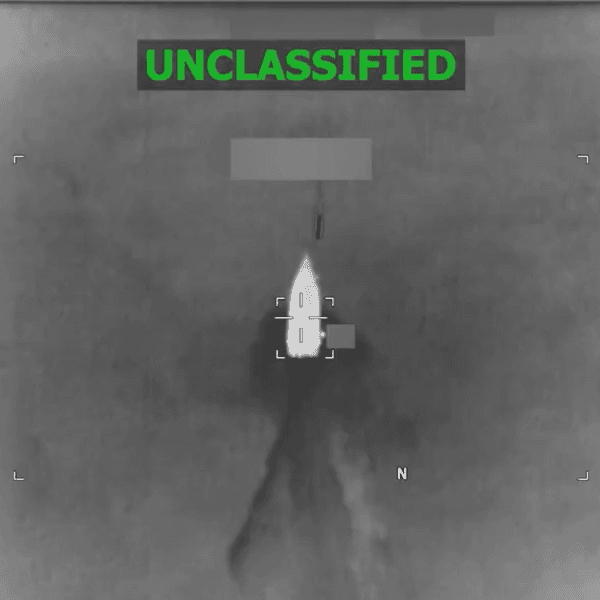
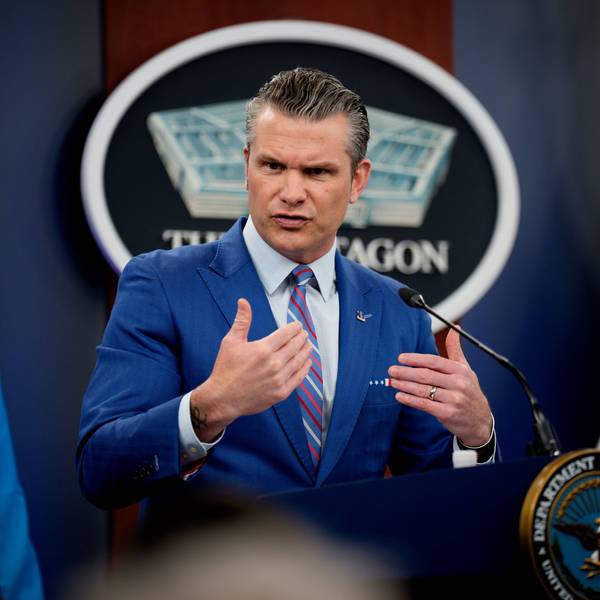
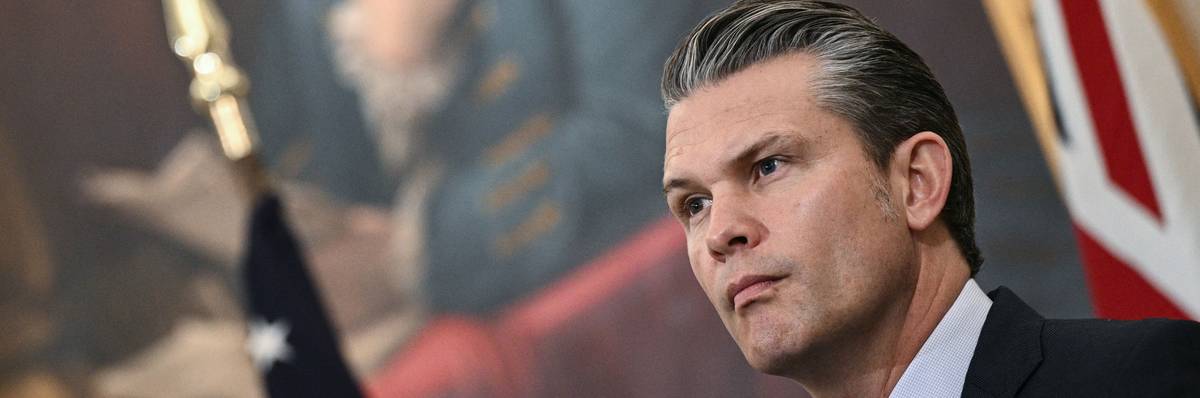
In the face of mounting scrutiny, Secretary of Defense Pete Hegseth has continued to defend what has been described as a "double-tap" strike off the coast of Trinidad, alleging that the two survivors were drug traffickers bound for America who could have still theoretically harmed it in some way despite clinging to the wreckage for their lives following the first strike.
NBC reported this weekend that Adm. Frank "Mitch" Bradley, who oversaw the strikes, told lawmakers that Hegseth had given direct orders for all 11 men aboard the vessel to be killed because "they were on an internal list of narco-terrorists who US intelligence and military officials determined could be lethally targeted.”
Last week, when reports first emerged of a second strike, Hegseth denied that it had taken place, calling it “fake news” before the White House later confirmed and defended the killing of the survivors.
Lt. Gen. Mark Hertling, who served as the commanding general of the US Army Europe from 2011 to 2012, discussed the strikes on Monday in an appearance on MS NOW's (formerly MSNBC's) "Morning Joe."
"It is, in fact, in my view, a war crime," Hertling said.
"Imagine yourself falling off a cruise ship and being asked to hang on to a piece of wood after you've just been struck with a large kinetic round that has killed nine of your 11 copilots on this boat," Hertling said. "It doesn't matter what they're doing at that point."
Hertling suggested that the frequent use of the term "double-tap" to refer to the strike was a misnomer, as was Hegseth's invocation of the phrase "fog of war" to defend the military's actions.
“That’s a term that special operators use when there are two successive rounds at a target to eliminate it, and to get rid of someone who is attacking them,” the general explained regarding the claims of a "double-tap" strike. “This was a restrike, with time between the first strike and the second. That gives you time to figure out what you’re going to do and clear that so-called ‘fog of war.'”
He cited the definition from Carl von Clausewitz, the 18th-century Prussian general and military theorist who coined the term to describe the “uncertainty” of battle.
"Secretary Hegseth is basically convening everyone to think he has been in war for 20 years, and this is the kind of thing that happens in war. It's not," Hertling continued. "What I'll tell you, having been involved in strikes like this on the ground, the only time you consider a restrike is when the enemy continues to fight, and you're continuing to either strike them with artillery or some type of faraway missile. So a restrike like this occurs when you realize the individuals on the ground or in the water are trying to fight back."
Hegseth and Bradley’s defense of the strikes has centered around the idea that even as they floated helplessly on a piece of debris, the victims still posed a “continuing threat” as they could have theoretically called in other traffickers as backup to retrieve them and their cargo.
As of yet, the administration has presented no evidence that the men were calling for backup, and videos of the incident viewed by members of Congress during a closed-door hearing reportedly suggest they lacked any means of communication. Bradley, meanwhile, acknowledged in his Senate testimony that the survivors did not appear to have any radio or communication devices.
Further undermining the Trump administration's argument that the boat posed an immediate threat, Bradley also reportedly told Congress that the ship was not even bound for the US, but for the South American nation of Suriname.
Hertling emphasized that the two men were shipwrecked on "a piece of debris floating in the middle of the Caribbean," adding that "these individuals are not going to go anywhere, which will become clear with the film," though Hertling acknowledged that he had not personally seen it.
In recent days, leading Democrats, as well as some Republicans in Congress, have called for the release of the video, which House Permanent Select Committee on Intelligence Ranking Member Jim Himes (D-Conn.) described last week as “one of the most troubling things I’ve seen in my time in public service.” Himes said that while the video showed the men were carrying drugs, “they were not in a position to continue their mission in any way.”
The strike was the first in a months-long campaign of extrajudicial bombings by the Trump administration on boats that they have claimed without evidence have contained drug traffickers bound for the US. At least 87 people have been killed in the two dozen strikes since September. Some of those killed in the strikes were later reported to have been ordinary fishermen, and others who had nothing to do with the drug trade.
While focus has been centered on the details of the September 2 strike in recent days and Hegseth's role, experts have emphasized that the entire boat-bombing campaign is illegal.
"The initial attack was illegal too,” said Kenneth Roth, the former longtime director of the advocacy group Human Rights Watch, on social media last week. "Whether Hegseth ordered survivors killed after a US attack on a supposed drug boat is not the heart of the matter. It is blatantly illegal to order criminal suspects to be murdered rather than detained. There is no 'armed conflict' despite Trump's claim."
While the "Morning Joe" segment focused on the question of whether the second September 2 strike was a war crime, some legal experts have said those involved in ordering and carrying out that attack and the other bombings could actually be liable for murder under US law, since Congress has not authorized an armed conflict in the Caribbean.
We are at a crossroads
This country and this world are at a monumental crossroads. In a few short weeks, US voters will have an opportunity to beat back the forces of fascism and confront the billionaires who are rigging the economy, our media system, and our democracy, making it increasingly impossible for ordinary people to get by. We’re not just talking about the election. We’re talking about what must be done once these fascist elements are vanquished from power. We need a bolder set of solutions than what either major party has so far been willing to offer and a working-class movement ready to fight like hell for it. Trump didn't emerge from nowhere. The conditions that fueled MAGA authoritarianism were created by decades of radical neoliberal economic policies and a corrupt political system dominated by corporate interests. They slashed taxes on the super-rich, promising that the benefits would trickle down. They said giveaways to the corporate titans would make life more affordable for the rest of us. It was all bullshit. And when a bitter, betrayed populace searches for someone to blame, right-wing demagogues have little trouble finding scapegoats. People know when they're being lied to, but you won't hear any of this from the corporate media. Only independent journalism—powered and funded by people who believe in building a better world—can deliver truly trustworthy daily news. Our Fall Campaign is underway, and we need your help. To power our newsroom through the rest of the year, we need to raise $125,000 by midnight on October 31. So if you share our vision, please contribute whatever you can to sustain our work. |
A retired general suggested Monday that the Trump administration’s strike on shipwrecked survivors on September 2 may have been a war crime.
In the face of mounting scrutiny, Secretary of Defense Pete Hegseth has continued to defend what has been described as a "double-tap" strike off the coast of Trinidad, alleging that the two survivors were drug traffickers bound for America who could have still theoretically harmed it in some way despite clinging to the wreckage for their lives following the first strike.
NBC reported this weekend that Adm. Frank "Mitch" Bradley, who oversaw the strikes, told lawmakers that Hegseth had given direct orders for all 11 men aboard the vessel to be killed because "they were on an internal list of narco-terrorists who US intelligence and military officials determined could be lethally targeted.”
Last week, when reports first emerged of a second strike, Hegseth denied that it had taken place, calling it “fake news” before the White House later confirmed and defended the killing of the survivors.
Lt. Gen. Mark Hertling, who served as the commanding general of the US Army Europe from 2011 to 2012, discussed the strikes on Monday in an appearance on MS NOW's (formerly MSNBC's) "Morning Joe."
"It is, in fact, in my view, a war crime," Hertling said.
"Imagine yourself falling off a cruise ship and being asked to hang on to a piece of wood after you've just been struck with a large kinetic round that has killed nine of your 11 copilots on this boat," Hertling said. "It doesn't matter what they're doing at that point."
Hertling suggested that the frequent use of the term "double-tap" to refer to the strike was a misnomer, as was Hegseth's invocation of the phrase "fog of war" to defend the military's actions.
“That’s a term that special operators use when there are two successive rounds at a target to eliminate it, and to get rid of someone who is attacking them,” the general explained regarding the claims of a "double-tap" strike. “This was a restrike, with time between the first strike and the second. That gives you time to figure out what you’re going to do and clear that so-called ‘fog of war.'”
He cited the definition from Carl von Clausewitz, the 18th-century Prussian general and military theorist who coined the term to describe the “uncertainty” of battle.
"Secretary Hegseth is basically convening everyone to think he has been in war for 20 years, and this is the kind of thing that happens in war. It's not," Hertling continued. "What I'll tell you, having been involved in strikes like this on the ground, the only time you consider a restrike is when the enemy continues to fight, and you're continuing to either strike them with artillery or some type of faraway missile. So a restrike like this occurs when you realize the individuals on the ground or in the water are trying to fight back."
Hegseth and Bradley’s defense of the strikes has centered around the idea that even as they floated helplessly on a piece of debris, the victims still posed a “continuing threat” as they could have theoretically called in other traffickers as backup to retrieve them and their cargo.
As of yet, the administration has presented no evidence that the men were calling for backup, and videos of the incident viewed by members of Congress during a closed-door hearing reportedly suggest they lacked any means of communication. Bradley, meanwhile, acknowledged in his Senate testimony that the survivors did not appear to have any radio or communication devices.
Further undermining the Trump administration's argument that the boat posed an immediate threat, Bradley also reportedly told Congress that the ship was not even bound for the US, but for the South American nation of Suriname.
Hertling emphasized that the two men were shipwrecked on "a piece of debris floating in the middle of the Caribbean," adding that "these individuals are not going to go anywhere, which will become clear with the film," though Hertling acknowledged that he had not personally seen it.
In recent days, leading Democrats, as well as some Republicans in Congress, have called for the release of the video, which House Permanent Select Committee on Intelligence Ranking Member Jim Himes (D-Conn.) described last week as “one of the most troubling things I’ve seen in my time in public service.” Himes said that while the video showed the men were carrying drugs, “they were not in a position to continue their mission in any way.”
The strike was the first in a months-long campaign of extrajudicial bombings by the Trump administration on boats that they have claimed without evidence have contained drug traffickers bound for the US. At least 87 people have been killed in the two dozen strikes since September. Some of those killed in the strikes were later reported to have been ordinary fishermen, and others who had nothing to do with the drug trade.
While focus has been centered on the details of the September 2 strike in recent days and Hegseth's role, experts have emphasized that the entire boat-bombing campaign is illegal.
"The initial attack was illegal too,” said Kenneth Roth, the former longtime director of the advocacy group Human Rights Watch, on social media last week. "Whether Hegseth ordered survivors killed after a US attack on a supposed drug boat is not the heart of the matter. It is blatantly illegal to order criminal suspects to be murdered rather than detained. There is no 'armed conflict' despite Trump's claim."
While the "Morning Joe" segment focused on the question of whether the second September 2 strike was a war crime, some legal experts have said those involved in ordering and carrying out that attack and the other bombings could actually be liable for murder under US law, since Congress has not authorized an armed conflict in the Caribbean.
- Opinion | Clinging to the Planetary Wreckage With Pete Hegseth | Common Dreams ›
- Before Executing 2 Shipwrecked Sailors, US Admiral Consulted Top Military Lawyer: Report | Common Dreams ›
- Trump ‘Murder Spree’ Continues With 11 More People Killed in US Boat Strikes | Common Dreams ›
- 'Like an Obedient Servant': Indian Opposition Blasts Modi's Response to US Killing of Sailors | Common Dreams ›
A retired general suggested Monday that the Trump administration’s strike on shipwrecked survivors on September 2 may have been a war crime.
In the face of mounting scrutiny, Secretary of Defense Pete Hegseth has continued to defend what has been described as a "double-tap" strike off the coast of Trinidad, alleging that the two survivors were drug traffickers bound for America who could have still theoretically harmed it in some way despite clinging to the wreckage for their lives following the first strike.
NBC reported this weekend that Adm. Frank "Mitch" Bradley, who oversaw the strikes, told lawmakers that Hegseth had given direct orders for all 11 men aboard the vessel to be killed because "they were on an internal list of narco-terrorists who US intelligence and military officials determined could be lethally targeted.”
Last week, when reports first emerged of a second strike, Hegseth denied that it had taken place, calling it “fake news” before the White House later confirmed and defended the killing of the survivors.
Lt. Gen. Mark Hertling, who served as the commanding general of the US Army Europe from 2011 to 2012, discussed the strikes on Monday in an appearance on MS NOW's (formerly MSNBC's) "Morning Joe."
"It is, in fact, in my view, a war crime," Hertling said.
"Imagine yourself falling off a cruise ship and being asked to hang on to a piece of wood after you've just been struck with a large kinetic round that has killed nine of your 11 copilots on this boat," Hertling said. "It doesn't matter what they're doing at that point."
Hertling suggested that the frequent use of the term "double-tap" to refer to the strike was a misnomer, as was Hegseth's invocation of the phrase "fog of war" to defend the military's actions.
“That’s a term that special operators use when there are two successive rounds at a target to eliminate it, and to get rid of someone who is attacking them,” the general explained regarding the claims of a "double-tap" strike. “This was a restrike, with time between the first strike and the second. That gives you time to figure out what you’re going to do and clear that so-called ‘fog of war.'”
He cited the definition from Carl von Clausewitz, the 18th-century Prussian general and military theorist who coined the term to describe the “uncertainty” of battle.
"Secretary Hegseth is basically convening everyone to think he has been in war for 20 years, and this is the kind of thing that happens in war. It's not," Hertling continued. "What I'll tell you, having been involved in strikes like this on the ground, the only time you consider a restrike is when the enemy continues to fight, and you're continuing to either strike them with artillery or some type of faraway missile. So a restrike like this occurs when you realize the individuals on the ground or in the water are trying to fight back."
Hegseth and Bradley’s defense of the strikes has centered around the idea that even as they floated helplessly on a piece of debris, the victims still posed a “continuing threat” as they could have theoretically called in other traffickers as backup to retrieve them and their cargo.
As of yet, the administration has presented no evidence that the men were calling for backup, and videos of the incident viewed by members of Congress during a closed-door hearing reportedly suggest they lacked any means of communication. Bradley, meanwhile, acknowledged in his Senate testimony that the survivors did not appear to have any radio or communication devices.
Further undermining the Trump administration's argument that the boat posed an immediate threat, Bradley also reportedly told Congress that the ship was not even bound for the US, but for the South American nation of Suriname.
Hertling emphasized that the two men were shipwrecked on "a piece of debris floating in the middle of the Caribbean," adding that "these individuals are not going to go anywhere, which will become clear with the film," though Hertling acknowledged that he had not personally seen it.
In recent days, leading Democrats, as well as some Republicans in Congress, have called for the release of the video, which House Permanent Select Committee on Intelligence Ranking Member Jim Himes (D-Conn.) described last week as “one of the most troubling things I’ve seen in my time in public service.” Himes said that while the video showed the men were carrying drugs, “they were not in a position to continue their mission in any way.”
The strike was the first in a months-long campaign of extrajudicial bombings by the Trump administration on boats that they have claimed without evidence have contained drug traffickers bound for the US. At least 87 people have been killed in the two dozen strikes since September. Some of those killed in the strikes were later reported to have been ordinary fishermen, and others who had nothing to do with the drug trade.
While focus has been centered on the details of the September 2 strike in recent days and Hegseth's role, experts have emphasized that the entire boat-bombing campaign is illegal.
"The initial attack was illegal too,” said Kenneth Roth, the former longtime director of the advocacy group Human Rights Watch, on social media last week. "Whether Hegseth ordered survivors killed after a US attack on a supposed drug boat is not the heart of the matter. It is blatantly illegal to order criminal suspects to be murdered rather than detained. There is no 'armed conflict' despite Trump's claim."
While the "Morning Joe" segment focused on the question of whether the second September 2 strike was a war crime, some legal experts have said those involved in ordering and carrying out that attack and the other bombings could actually be liable for murder under US law, since Congress has not authorized an armed conflict in the Caribbean.
- Opinion | Clinging to the Planetary Wreckage With Pete Hegseth | Common Dreams ›
- Before Executing 2 Shipwrecked Sailors, US Admiral Consulted Top Military Lawyer: Report | Common Dreams ›
- Trump ‘Murder Spree’ Continues With 11 More People Killed in US Boat Strikes | Common Dreams ›
- 'Like an Obedient Servant': Indian Opposition Blasts Modi's Response to US Killing of Sailors | Common Dreams ›