SUBSCRIBE TO OUR FREE NEWSLETTER
Daily news & progressive opinion—funded by the people, not the corporations—delivered straight to your inbox.
5
#000000
#FFFFFF
To donate by check, phone, or other method, see our More Ways to Give page.
Daily news & progressive opinion—funded by the people, not the corporations—delivered straight to your inbox.
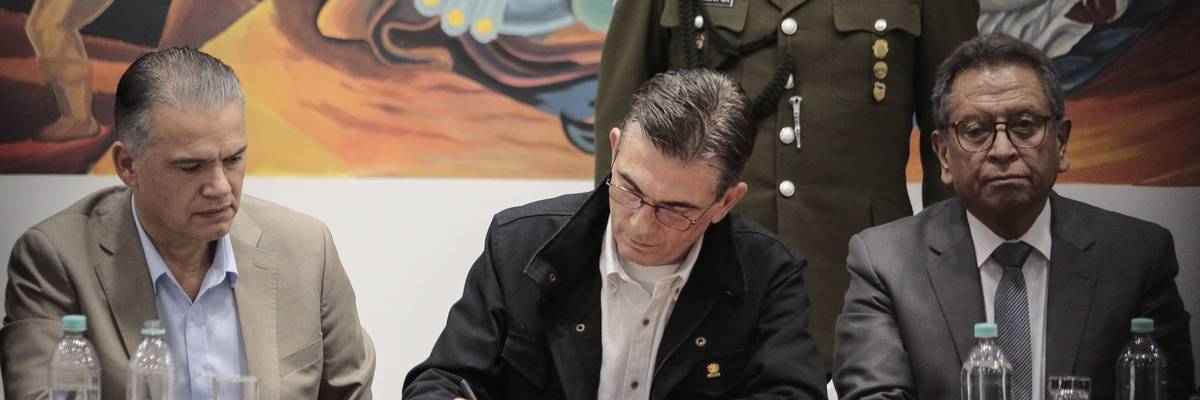
Bolivian President Rodrigo Paz signs a law that regulates states of emergency as labor unions and Indigenous groups lead protests and blockades in La Paz, Bolivia, on June 8, 2026.
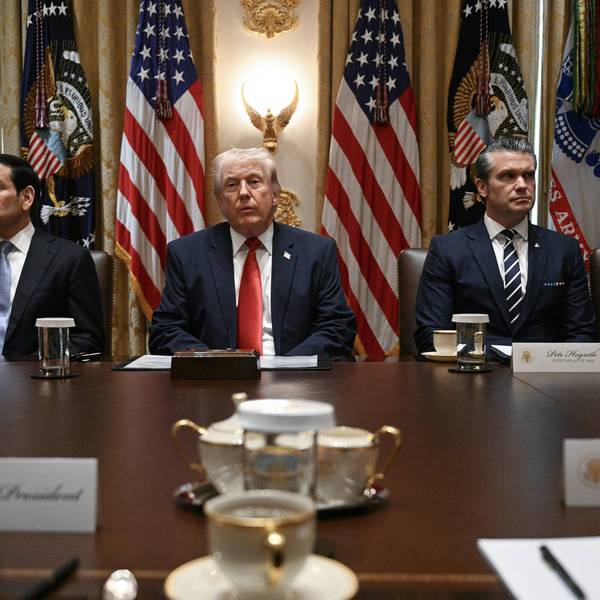
US Secretary of Defense Pete Hegseth linked "narco-terrorism," a top target of the Trump administration, to Bolivia's ongoing protests last week.
Days after the Trump administration blamed "narco-terrorists" for ongoing anti-government protests in Bolivia, US-backed President Rodrigo Paz adopted the term in a statement Monday as he signed legislation that could clear the way for his administration to impose a state of emergency—allowing the military to take action against the demonstrations and suspending constitutional rights across the South American country.
"Our security is put at risk when narco‑terrorism, and the priorities of certain actors, are not aligned with our democracy, our Constitution," Paz said at a signing ceremony. "They put their own interests above those of Bolivian society."
The president warned that the protest organizers' "days are numbered."
Local journalist Joseph Bouchard noted that Paz did not provide any evidence that the dozens of roadblocks that have been erected in Bolivia and the marches and other protests that have been held in cities including La Paz and El Alto are in any way connected to drug trafficking or "narco-terrorism." The government of the Santa Cruz department, the largest of nine constituent departments in Bolivia, also used the term "narcoguerrillas" to describe protest organizers.
Paz signed the legislation into law weeks after the Bolivian Chamber of Senators overturned a law that imposed strict limits on how the government can declare a state of emergency in the country. The limitations included ensuring that certain rights could not be suspended under a state of exception and making the president criminally liable for exceeding the law’s parameters.
On Sunday the legislature passed a new law clearing the way for Paz to declare a state of emergency and allow the military to deploy to clear about 90 blockades and other protests.
The demonstrations have included a 683-mile march in May from the northern territories to La Paz, with Indigenous representatives, teachers, mining unions, and other labor federations among those protesting low wages, privatization, and Paz's decision to end a fuel subsidy after he became president last November. The subsidy had been crucial for working people, organizers say. Some groups are calling for Paz's resignation.
According to The Associated Press and other outlets, the road blockades have disrupted deliveries of food, fuel, and medical supplies.
Before Paz signed the law on Monday, the country's public prosecutor charged a leader of the main labor federation with "terrorism" for his role in leading the demonstrations.
The independent public ombudsman said over the weekend that 10 people have died as a result of the blockades, 37 people have been injured, and 365 arrests have been made from May 1-June 2. The government has said seven of the deaths resulted from a lack of medical attention, but they are still being investigated.
Last week, US Secretary of Defense Pete Hegseth said on social media that the US government and military would “reject all attempts to overthrow the legitimate government” of Paz.
“The United States is watching. Bolivia must not allow itself to fall prey to the old status quo of narco-terrorist dominance in the region,” Hegseth added.
The Trump administration has also claimed to be fighting "narco-terrorism" as it has killed more than 200 people in boat bombings in the Caribbean and eastern Pacific Ocean, and charged Venezuelan President Nicolás Maduro with drug trafficking after the US military invaded Venezuela and abducted the president in January.
In March, residents of a farming town in Ecuador described an "ambush" by Ecuadorian and American forces who had attacked the area in what the country's right-wing president, Daniel Noboa, called an operation to take down “a training ground for drug traffickers."
The farmers said the town was a "livestock area" with no drug trafficking activity taking place.
Bouchard noted that before signing the law regarding the declaration of a state of emergency, Paz thanked Hegseth for his "support for democracy."
"I really don't know how anyone could take any of this seriously," said Bouchard, "after reading for three seconds about the Trump administration and the history of the US in Bolivia/Latin America."
Dear Common Dreams reader, It’s been nearly 30 years since I co-founded Common Dreams with my late wife, Lina Newhouser. We had the radical notion that journalism should serve the public good, not corporate profits. It was clear to us from the outset what it would take to build such a project. No paid advertisements. No corporate sponsors. No millionaire publisher telling us what to think or do. Many people said we wouldn't last a year, but we proved those doubters wrong. Together with a tremendous team of journalists and dedicated staff, we built an independent media outlet free from the constraints of profits and corporate control. Our mission has always been simple: To inform. To inspire. To ignite change for the common good. Building Common Dreams was not easy. Our survival was never guaranteed. When you take on the most powerful forces—Wall Street greed, fossil fuel industry destruction, Big Tech lobbyists, and uber-rich oligarchs who have spent billions upon billions rigging the economy and democracy in their favor—the only bulwark you have is supporters who believe in your work. But here’s the urgent message from me today. It's never been this bad out there. And it's never been this hard to keep us going. At the very moment Common Dreams is most needed, the threats we face are intensifying. We need your support now more than ever. We don't accept corporate advertising and never will. We don't have a paywall because we don't think people should be blocked from critical news based on their ability to pay. Everything we do is funded by the donations of readers like you. When everyone does the little they can afford, we are strong. But if that support retreats or dries up, so do we. Will you donate now to make sure Common Dreams not only survives but thrives? —Craig Brown, Co-founder |
Days after the Trump administration blamed "narco-terrorists" for ongoing anti-government protests in Bolivia, US-backed President Rodrigo Paz adopted the term in a statement Monday as he signed legislation that could clear the way for his administration to impose a state of emergency—allowing the military to take action against the demonstrations and suspending constitutional rights across the South American country.
"Our security is put at risk when narco‑terrorism, and the priorities of certain actors, are not aligned with our democracy, our Constitution," Paz said at a signing ceremony. "They put their own interests above those of Bolivian society."
The president warned that the protest organizers' "days are numbered."
Local journalist Joseph Bouchard noted that Paz did not provide any evidence that the dozens of roadblocks that have been erected in Bolivia and the marches and other protests that have been held in cities including La Paz and El Alto are in any way connected to drug trafficking or "narco-terrorism." The government of the Santa Cruz department, the largest of nine constituent departments in Bolivia, also used the term "narcoguerrillas" to describe protest organizers.
Paz signed the legislation into law weeks after the Bolivian Chamber of Senators overturned a law that imposed strict limits on how the government can declare a state of emergency in the country. The limitations included ensuring that certain rights could not be suspended under a state of exception and making the president criminally liable for exceeding the law’s parameters.
On Sunday the legislature passed a new law clearing the way for Paz to declare a state of emergency and allow the military to deploy to clear about 90 blockades and other protests.
The demonstrations have included a 683-mile march in May from the northern territories to La Paz, with Indigenous representatives, teachers, mining unions, and other labor federations among those protesting low wages, privatization, and Paz's decision to end a fuel subsidy after he became president last November. The subsidy had been crucial for working people, organizers say. Some groups are calling for Paz's resignation.
According to The Associated Press and other outlets, the road blockades have disrupted deliveries of food, fuel, and medical supplies.
Before Paz signed the law on Monday, the country's public prosecutor charged a leader of the main labor federation with "terrorism" for his role in leading the demonstrations.
The independent public ombudsman said over the weekend that 10 people have died as a result of the blockades, 37 people have been injured, and 365 arrests have been made from May 1-June 2. The government has said seven of the deaths resulted from a lack of medical attention, but they are still being investigated.
Last week, US Secretary of Defense Pete Hegseth said on social media that the US government and military would “reject all attempts to overthrow the legitimate government” of Paz.
“The United States is watching. Bolivia must not allow itself to fall prey to the old status quo of narco-terrorist dominance in the region,” Hegseth added.
The Trump administration has also claimed to be fighting "narco-terrorism" as it has killed more than 200 people in boat bombings in the Caribbean and eastern Pacific Ocean, and charged Venezuelan President Nicolás Maduro with drug trafficking after the US military invaded Venezuela and abducted the president in January.
In March, residents of a farming town in Ecuador described an "ambush" by Ecuadorian and American forces who had attacked the area in what the country's right-wing president, Daniel Noboa, called an operation to take down “a training ground for drug traffickers."
The farmers said the town was a "livestock area" with no drug trafficking activity taking place.
Bouchard noted that before signing the law regarding the declaration of a state of emergency, Paz thanked Hegseth for his "support for democracy."
"I really don't know how anyone could take any of this seriously," said Bouchard, "after reading for three seconds about the Trump administration and the history of the US in Bolivia/Latin America."
Days after the Trump administration blamed "narco-terrorists" for ongoing anti-government protests in Bolivia, US-backed President Rodrigo Paz adopted the term in a statement Monday as he signed legislation that could clear the way for his administration to impose a state of emergency—allowing the military to take action against the demonstrations and suspending constitutional rights across the South American country.
"Our security is put at risk when narco‑terrorism, and the priorities of certain actors, are not aligned with our democracy, our Constitution," Paz said at a signing ceremony. "They put their own interests above those of Bolivian society."
The president warned that the protest organizers' "days are numbered."
Local journalist Joseph Bouchard noted that Paz did not provide any evidence that the dozens of roadblocks that have been erected in Bolivia and the marches and other protests that have been held in cities including La Paz and El Alto are in any way connected to drug trafficking or "narco-terrorism." The government of the Santa Cruz department, the largest of nine constituent departments in Bolivia, also used the term "narcoguerrillas" to describe protest organizers.
Paz signed the legislation into law weeks after the Bolivian Chamber of Senators overturned a law that imposed strict limits on how the government can declare a state of emergency in the country. The limitations included ensuring that certain rights could not be suspended under a state of exception and making the president criminally liable for exceeding the law’s parameters.
On Sunday the legislature passed a new law clearing the way for Paz to declare a state of emergency and allow the military to deploy to clear about 90 blockades and other protests.
The demonstrations have included a 683-mile march in May from the northern territories to La Paz, with Indigenous representatives, teachers, mining unions, and other labor federations among those protesting low wages, privatization, and Paz's decision to end a fuel subsidy after he became president last November. The subsidy had been crucial for working people, organizers say. Some groups are calling for Paz's resignation.
According to The Associated Press and other outlets, the road blockades have disrupted deliveries of food, fuel, and medical supplies.
Before Paz signed the law on Monday, the country's public prosecutor charged a leader of the main labor federation with "terrorism" for his role in leading the demonstrations.
The independent public ombudsman said over the weekend that 10 people have died as a result of the blockades, 37 people have been injured, and 365 arrests have been made from May 1-June 2. The government has said seven of the deaths resulted from a lack of medical attention, but they are still being investigated.
Last week, US Secretary of Defense Pete Hegseth said on social media that the US government and military would “reject all attempts to overthrow the legitimate government” of Paz.
“The United States is watching. Bolivia must not allow itself to fall prey to the old status quo of narco-terrorist dominance in the region,” Hegseth added.
The Trump administration has also claimed to be fighting "narco-terrorism" as it has killed more than 200 people in boat bombings in the Caribbean and eastern Pacific Ocean, and charged Venezuelan President Nicolás Maduro with drug trafficking after the US military invaded Venezuela and abducted the president in January.
In March, residents of a farming town in Ecuador described an "ambush" by Ecuadorian and American forces who had attacked the area in what the country's right-wing president, Daniel Noboa, called an operation to take down “a training ground for drug traffickers."
The farmers said the town was a "livestock area" with no drug trafficking activity taking place.
Bouchard noted that before signing the law regarding the declaration of a state of emergency, Paz thanked Hegseth for his "support for democracy."
"I really don't know how anyone could take any of this seriously," said Bouchard, "after reading for three seconds about the Trump administration and the history of the US in Bolivia/Latin America."