

SUBSCRIBE TO OUR FREE NEWSLETTER
Daily news & progressive opinion—funded by the people, not the corporations—delivered straight to your inbox.
5
#000000
#FFFFFF
To donate by check, phone, or other method, see our More Ways to Give page.
Daily news & progressive opinion—funded by the people, not the corporations—delivered straight to your inbox.
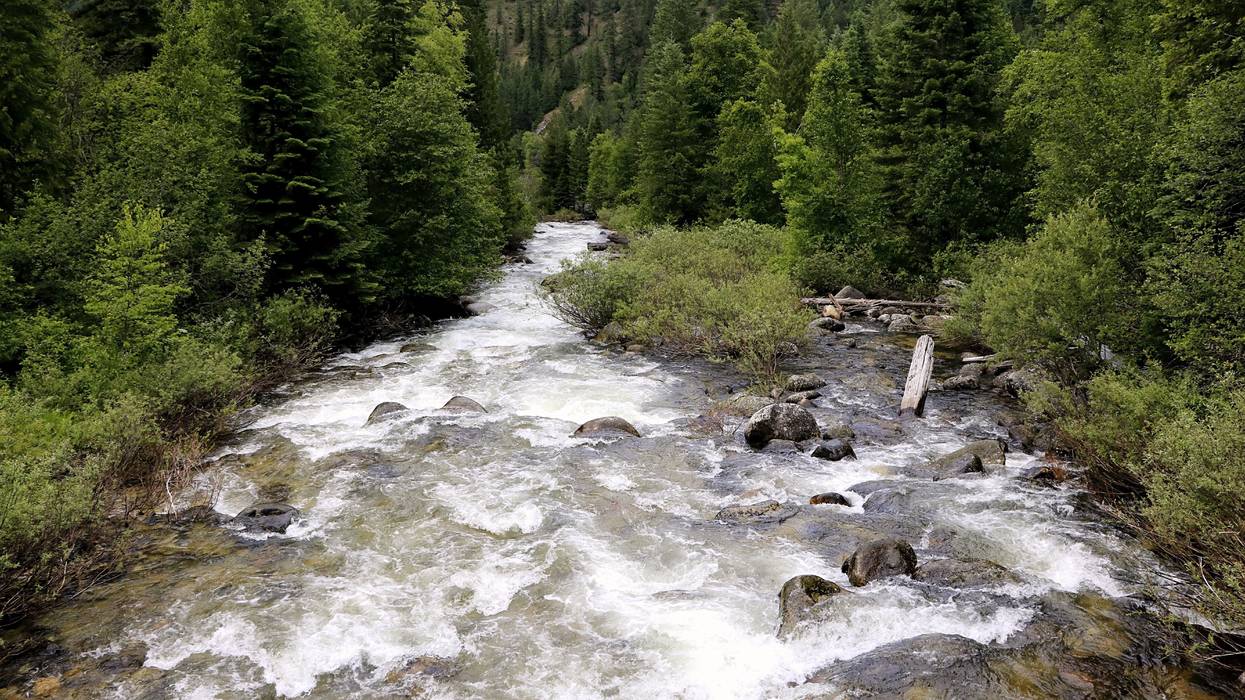
One critic said the administration clearly plans to weaken restrictions requiring "the Forest Service to carefully manage our natural resources and listen to the public, then open the gates to industry and extraction."
Still under fire for attacking the Roadless Area Conservation Rule this week, President Donald Trump's administration provoked a fresh wave of criticism on Friday by targeting another policy meant to protect public lands.
The US Forest Service announced Friday that it was moving forward with a proposed revision to the Travel Management Rule that "simplifies the regulatory requirements to enhance quicker local decision-making and increase access, including for motorized vehicles, e-bikes, and other mobility devices."
While leaders at the Forest Service and its parent agency, the US Department of Agriculture (USDA), framed the pending changes as progress, Defenders of Wildlife called out the administration for trying to "gut" the rule managing off-road vehicles.
"The USDA's announcement to gut the Travel Management Rule and the roadless rule in the same week is a one-two punch that together deals a tremendous blow to wildlife," said Vera Smith, who directs the advocacy group's national forests and public lands program, in a statement.
"The Travel Management Rule states simply that motorized vehicles must stay on routes and areas designated locally for that use," Smith said. "The Forest Service issued the rule over 20 years ago to curb damage from unmanaged recreation, reduce user conflict, and protect public safety. Rescinding it now is irresponsible and reckless."
Hilary Eisen, federal policy director at the organization Wild Montana, was similarly critical, explaining that "the Travel Management Rule is why dirt bikers and snowmobilers can share national forest lands with hikers and backcountry skiers without conflict. It's why our national forests provide habitat to support thriving wildlife populations. It is built on local decision-making, with a designation process that ensures that no user group gets steamrolled and all our national forest values are protected."
"Just two days after doubling down on repealing the roadless rule, this announcement makes the administration's plan obvious: Gut the rules that require the Forest Service to carefully manage our natural resources and listen to the public, then open the gates to industry and extraction," Eisen warned.
"Forest Service leadership has already shown during the roadless rescission how much it values public input, science, and expert management: not at all," she added. "Agency leadership has lost the public's trust, and should expect the public to hold them accountable."
Agriculture Secretary Brooke Rollins confirmed Tuesday that the administration was working to fully rescind the 2001 roadless rule that blocked road building and commercial logging on about 30% of all national forest land. She attempted to frame it as a move to prevent wildfires, but conservation groups contested her claims.
Josh Hicks, director of conservation campaigns at the Wilderness Society, declared that "opening our backcountry forests to more roads and development, and therefore more ignitions, is... not a wildfire solution, and never will be."
Criticism of that pending rollback had continued throughout the week, with the Wilderness Society's senior director of native lands partnerships, Starlyn Miller, calling out the administration's "failure to engage in meaningful government-to-government consultation with tribal nations," which she said "undermines tribal sovereignty and federal trust responsibilities."
"This failure disregards tribes' deep cultural, historical, and ongoing connections to these roadless lands and the clean water and wildlife they sustain," said Miller, a Little Shell Chippewa citizen who is of Menominee and Mohican descendant. "We stand with tribal nations and Indigenous communities in defending their freedom to shape and manage forests that are vital to their cultures, identities, and future generations."
National Congress of American Indians executive director Larry Wright Jr. also spoke out on Friday, saying that "tribal nations possess an inherent and legally recognized relationship with these lands, which remain the foundation of our cultural identities. Attempting to fast-track the removal of the roadless rule circumvents the mandatory government-to-government consultation process required by federal law."
Wright, who is from the Ponca Tribe of Nebraska, added that "upholding the federal trust responsibility means honoring our treaty rights and ensuring that the protection of sacred sites is recognized as an uncompromisable legal obligation, not an afterthought."
You do not need to fire a shot to kill an animal and imperil its entire species’ existence—you only need to take away the place it lives. A Trump administration Endangered Species Act rollback would do just that.
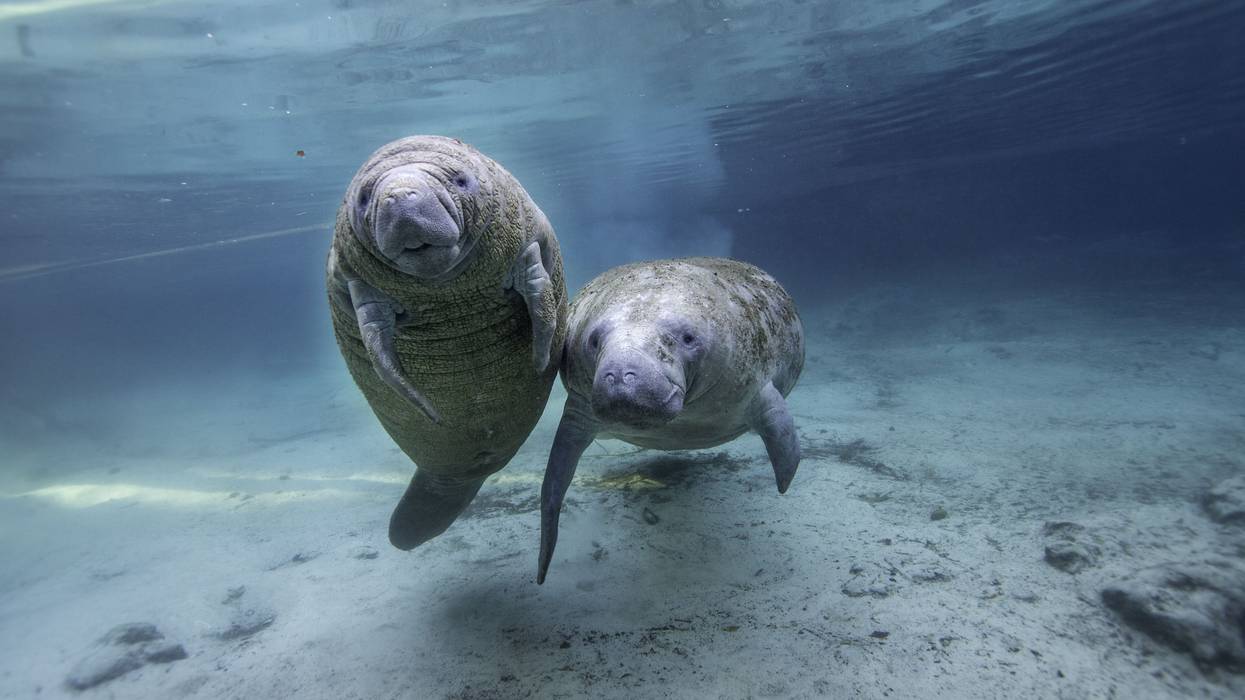
There is a vision of this country that still exists to anyone who grew up near its wild places: manatees drifting beneath a dock, Florida leafwing butterflies fluttering through the wind, yellow-billed cuckoos migrating in the spring and fall. For generations of Americans, these were not rare sightings. They were proof that people and wildlife could share the same natural inheritance
That inheritance is now under direct threat, and the erosion is no longer incremental. It is accelerating at an unprecedented pace.
Earlier this month, the Trump administration formally rescinded the regulatory definition of "harm" under the Endangered Species Act (ESA)—a single word that has helped to protect this nation's imperiled wildlife for more than 50 years. For decades, "harm" was understood to include not just the direct killing or injuring of an endangered animal, but the destruction or degradation of the habitat that animal depends on to breed, feed, migrate, or shelter. That understanding was not a bureaucratic technicality. It was the legal recognition of a basic ecological truth: An animal cannot survive the loss of its home and its resources for daily living any more than a person can. Each of these species has a story that will end the same way without habitat protection: not a quick death by bullet but a slow death by a thousand cuts.
Remove that definition, and you remove the government's ability to regulate clear-cutting old growth forest filled with an endangered bird’s nesting sites, draining a wetland key for an endangered frog’s breeding, or dumping pollution into the lagoon where sea turtles and marine mammals graze. You do not need to fire a shot to kill an animal and imperil its entire species’ existence. You only need to take away the place it lives.
Habitat destruction is already the leading driver of species decline in the US, and this rollback removes one of the few legal tools available to slow it.
Congress enacted the ESA in 1973 with overwhelming bipartisan support, and Republican President Richard Nixon signed it, "to provide a means whereby the ecosystems upon which endangered species and threatened species depend may be conserved." In the more than five decades since, the ESA has prevented the extinction of an estimated 99% of the species placed under its protection—one of the most successful conservation records in the world.
Rescinding the definition of harm will eviscerate the ESA. And it does so under the pretense of streamlining obstacles to American economic growth, as if the nation's economy runs on oil, gas, logging, and mining alone. But our national economy—and our national welfare—are inextricably linked to healthy, thriving wildlife and habitats. Wildlife watching, for example, supports a $250.2 billion industry in the US. Commercial and recreational fisheries generate $319 billion in sales and sustain 2.1 million jobs. Hunting and fishing support $400 billion in annual economic value. And the ecosystem services nature provides for free—clean water, crop pollination, flood control, pest suppression—are valued at an estimated $5 trillion a year.
Habitat destruction is already the leading driver of species decline in the US, and this rollback removes one of the few legal tools available to slow it.
Consider the Florida manatee, listed as threatened under the ESA. Manatees lack blubber and cannot fully regulate their own body temperature; in winter, their survival depends on access to water near 72°F. Coastal development and polluted runoff have devastated the seagrass beds manatees depend on and degraded the natural springs that once kept them warm through the winter. More than half of Florida's manatees now survive only because they cluster near the artificial warm-water discharge of aging power plants. Without the harm definition, it will be exponentially harder to protect and restore their foraging and sheltering habitats they need to survive and recover.
The same pattern will repeat across the country. The North American wolverine depends on vanishing high-elevation snowpack at risk of being lost to development and expanding winter recreation. The whooping crane, one of the rarest birds in North America, needs undisturbed wetland corridors to complete its migration. In the Arctic National Wildlife Refuge, polar bears depend on undisturbed denning sites; seismic testing, vehicle traffic, and aircraft noise associated with oil exploration can cause mother bears to abandon their dens and cubs. For five decades, the ESA enabled economic activities in the habitats species need to survive and recover, with permitting guardrails to ensure adequate protections. Now that the administration has eliminated those guardrails, it’s open season for industry to sacrifice habitat—and the future of our imperiled wildlife species. Defenders of Wildlife, along with other conservation organizations, has already gone to federal court to challenge this unlawful action.
At the same time, we’re standing up to defend the ESA itself from anti-wildlife members of Congress who favor unfettered logging, mining, grazing, and drilling, no matter the cost to endangered animals—or to our irreplaceable natural heritage. One of the most effective actions concerned citizens can take right now is to call their representative and senators and oppose any effort to undermine this bedrock wildlife law.
We are closer than most people realize to losing the manatees in our canals, the whooping cranes in our wetlands, and the wolverines in our mountains. What remains to be seen is whether we act while there is still habitat left to save.
“In the midst of an extinction crisis," said one advocate, "the Trump administration is gutting protections to benefit industry interests."
“Yet again, the Trump administration has sold out our endangered wildlife to the highest bidder,” said one biodiversity advocate after the US Department of Interior, in a Friday news dump, issued two new policy changes that would weaken the Endangered Species Act and make it easier for corporate polluters to prioritize their own bottom lines over habitat protection.
The US Fish and Wildlife Service (FWS) rescinded a policy that has been known as the "blanket rule" since 1975, which has given threatened species the same protections from illegal killing, trapping, harassment, and other forms of "take" under the ESA, as species that are officially designated as endangered.
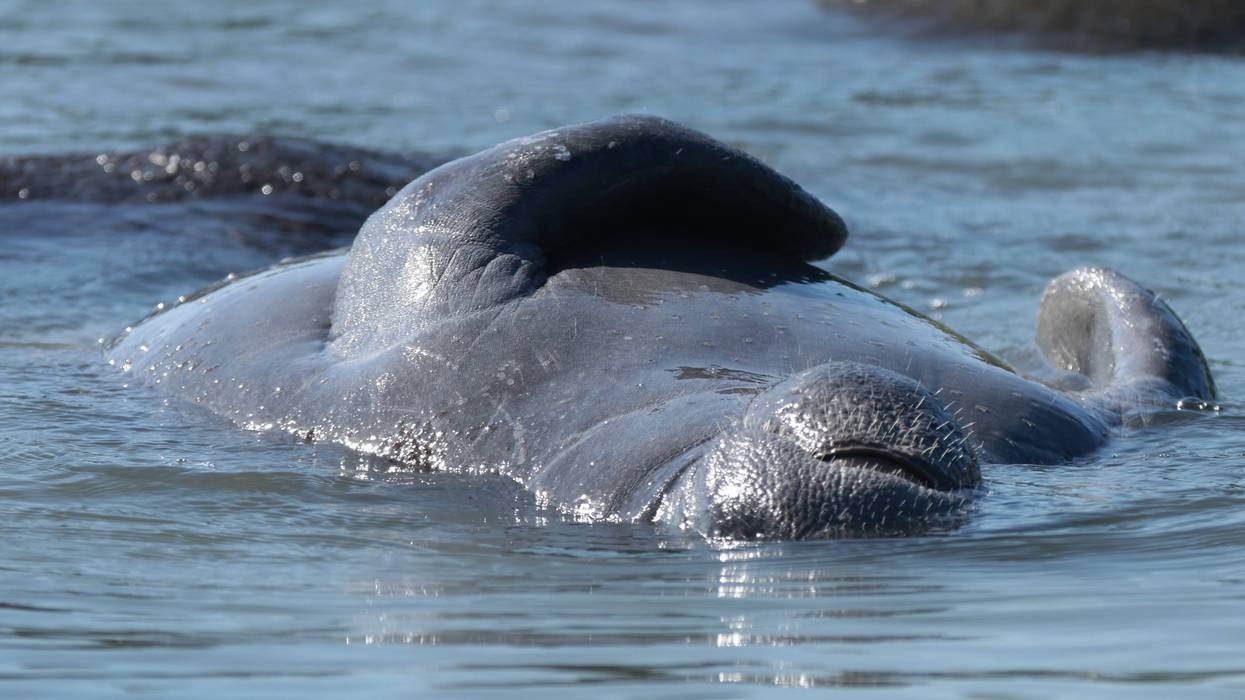
The rollback would apply to species that have been newly declared as threatened, including the Florida manatee, the Pygmy rabbit, the Aztec Gilia, and Clover's Cactus—which could now go for years without protections despite their habitat loss and declining populations.
“Today’s decision represents a profound failure by Interior Secretary [Doug] Burgum and his department, and it amounts to an utter abdication of the federal government’s responsibility to protect America’s wildlife," said Sara Amundson, president of the Humane World Action Fund. "The department’s role is to faithfully implement—and certainly not to dismantle—the Endangered Species Act.”
The other policy change will require the FWS to consider the economic impact on various industries of designating areas as "critical" habitats in order to protect threatened and endangered species. The agency has previously had discretion over whether to consider economics when making habitat protection decisions.
Under President Donald Trump's new rule, said the Center for Biological Diversity, the FWS will be forced "to accept at face value claims by corporations and landowners of economic impacts from designating critical habitat, which could greatly limit the amount and quality of habitat protected for imperiled wildlife."
“Trump is bending over backward for corporate polluters by ripping away the blanket that protects so many struggling wildlife species as well as the air we breathe, the water we drink, and the natural places where we seek peace of mind."
"The way this is written, a landowner could falsely claim they planned to build the next Disneyland on their property, so designating critical habitat would supposedly cost them tens of millions of dollars,” said Noah Greenwald, CBD's endangered species co-director. “This rule is clearly intended to prevent the protection of the wild places that endangered animals and plants need to survive. It’s a despicable move that cheapens the value of our most imperiled wildlife so corporations can make more money. Anyone can make outrageous claims about how much their property is worth, but that shouldn’t be taken as gospel.”
Advocacy groups said both policy changes amounted to giveaways to the logging, mining, drilling, and cattle ranching industries. The latter industry has long lobbied against land being designated as a critical habitat for the ‘I‘iwi bird in Hawaii, Clay Samford, an attorney with the environmental legal group Earthjustice, told The Washington Post.
“It’s part of this administration’s push to reduce protections for public lands and wildlife that are enjoyed by all Americans, in favor of narrow business interests,” Samford told the newspaper.
A senior attorney for the group, Elizabeth Forsyth, said in a statement that "the Trump administration is turning the law on its head by letting extractive industries dictate where critical habitat can be destroyed."
"This prioritization of industry interests over science is fundamentally at odds with the clear purpose of the Endangered Species Act," said Forsyth. "We won’t let this dangerous giveaway go unchallenged.”
There is currently a backlog of more than 500 species awaiting consideration for listing as threatened or endangered, and the rule changes, along with the Trump administration's 18% reduction in the FWS workforce, are expected to leave imperiled species waiting even longer for protections.
“In the midst of an extinction crisis, with hundreds of species like the Florida manatee and the wolverine desperately needing stronger protections for their habitats, the Trump administration is gutting protections to benefit industry interests," said Ryan Shannon, a senior attorney at Defenders of Wildlife. "Where we see our nation's irreplaceable wildlife, they see dollar signs. But our federal lands and waters, and the species they support, belong to all Americans, not to the logging, drilling, and mining industries that oppose all limits on maximizing their private profits.”
In a statement, Interior Secretary Doug Burgum asserted that the ESA has long been "weaponized to stop almost any new project in America, driving up costs for families, weakening our competitiveness, and undermining our national security,” continued Secretary Burgum.
He added that the endangered species list has "fallen short," with 97% of listed species remaining designated as endangered, and called for "species recovery and delisting."
But Defenders of Wildlife noted that the ESA "has succeeded in preventing extinction for 99% of listed species."
"Public support for protecting our native wildlife remains overwhelmingly high, with 84% of voters supporting the ESA, according to nationwide polling conducted by Defenders of Wildlife," said the group.
The rules announced on Friday came days after the Interior Department proposed a new rule under which management of threatened grizzly bears would be transferred from the federal government to the states, where Republican leaders have pushed to end protections for the species.
The administration also exempted oil and gas companies from having to protect endangered species in the Gulf of Mexico, and earlier this month changed the regulatory interpretation of the word "harm" in the ESA.
“These rules are a one-way ticket to extinction for our most imperiled animals and plants, from monarch butterflies to giraffes to alligator snapping turtles,” said Greenwald. “Trump is bending over backward for corporate polluters by ripping away the blanket that protects so many struggling wildlife species as well as the air we breathe, the water we drink, and the natural places where we seek peace of mind. This is the last thing we need in the middle of an extinction crisis, and we’ll fight it with everything we’ve got.”
"If animals don’t have a place to live, they can’t live," said one critic.
President Donald Trump's administration on Friday paved the way for letting US corporations destroy the habitats of endangered species by rescinding a longtime interpretation of the Endangered Species Act.
As reported by The New York Times, the Interior Department and the Commerce Department announced that they were narrowing the law's definition of what constitutes harming endangered species.
Whereas the law has for decades been interpreted as protecting endangered animals' habitats from significant "modification or degradation," the administration said that offenders would have to directly injure or kill an endangered animal to be considered in violation of the law.
"The change could open the door for fossil fuel companies, agricultural interests, land developers, and others," wrote the Times, "to disturb or even destroy the habitats of vulnerable species."
The Endangered Species Act has been interpreted as protecting animals' habitats for decades, and that interpretation upheld by the US Supreme Court in 1995.
Environmental advocates expressed horror in response to the rule change, which they said would put endangered species at unprecedented risk.
Kristen Boyles, attorney for Earthjustice, vowed that the administration would face legal challenges for its rule change, which she said would jeopardize endangered animals' ability to "raise their young, or search for food."
"Let’s be clear: There is no support for the Trump Administration’s rule—no scientific support, no legal support, no public support," Boyles said. "We will see the Trump Administration in court."
Ben Greuel, wildlife campaign manager at the Sierra Club, called the rule changed "a direct attack on the foundation of the Endangered Species Act" that, if kept in place, would put species "on a path to extinction."
"This rule ignores that reality in an unlawful attempt to open the door for corporate polluters to degrade vitally important habitats, wildlife be damned," Greuel emphasized. "The Endangered Species Act is a bedrock law that must be followed."
Tara Zuardo, a senior campaigner at the Center for Biological Diversity, pointed out that "habitat destruction is the number one threat to endangered species," while calling the Trump administration's new policy "a death knell for America’s wildlife."
"If animals don’t have a place to live, they can’t live," Zuardo said. "Spotted owls, Atlantic salmon, Florida panthers, and thousands of other species need protections for the wild places where they make their homes."
Andrew Bowman, president and CEO of Defenders of Wildlife, accused the Trump administration of embracing an "erroneous and nonsensical interpretation" of the Endangered Species Act that he vowed to challenge in court.
"We intend to fight back with the full force of the law," said Bowman, "to defeat this attack and innumerable others by the administration on the statutes and regulations that protect America’s cherished wildlife."
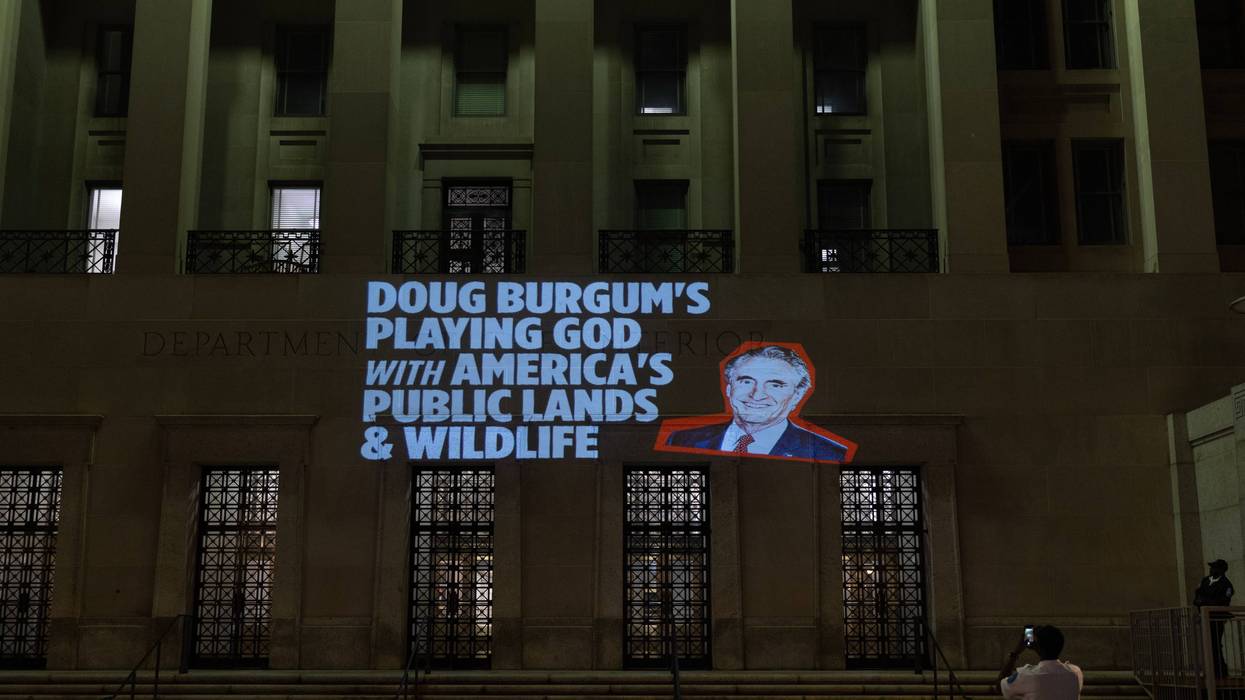
"This administration cannot recklessly play God with our shared American heritage at Secretary Hegseth's arbitrary say-so," said one conservationist.
The Trump administration's so-called "God Squad" swiftly came under fire from conservationists on Tuesday after voting unanimously for an "unprecedented" exemption allowing fossil fuel operations in the Gulf of Mexico to ignore policies intended to protect endangered species.
In the lead-up to the snap meeting, the Center for Biological Diversity filed a lawsuit in a Washington, DC federal court, and the administration confirmed in a filing last week that US Interior Secretary Doug Burgum, who chairs the Endangered Species Committee, organized the gathering at Defense Secretary Pete Hegseth's request.
The closed-door but livestreamed meeting proceeded as scheduled after a federal judge declined to block it. The New York Times reported Tuesday that as protesters rallied outside the Department of the Interior, Hegseth told the panel inside that "when development in the Gulf is chilled, we are prevented from producing the energy we need as a country."
"Recent hostile action by the Iranian terror regime highlights yet again why robust domestic oil production is a national security imperative," Hegseth claimed, though he emphasized that the administration's position on the matter preceded President Donald Trump's war on Iran, which has caused a surge in gasoline prices.
While a spokesperson for the oil and gas industry's trade group, the American Petroleum Institute, welcomed the vote on regulations for what president calls the Gulf of America, Brett Hartl, government affairs director at the Center for Biological Diversity, declared that "this amoral action by Pete Hegseth and Trump's cronies is as horrific as it is illegal, and we'll overturn it in court."
The center plans to update its suit to challenge Hegseth's "unfounded" national security determination and the unlawful exemption granted by the committee on Tuesday.
"Americans overwhelmingly oppose sacrificing endangered whales and other marine life so the fossil fuel industry can get richer," said Hartl. "This has nothing to do with national security and everything to do with Trump and his lackeys kowtowing to Big Oil."
"The fossil fuel industry has certainly gotten its money's worth from supporting Trump's reelection. I'm sure CEOs are gleeful about this vote, hoping to make even more money by sacrificing our country's wildlife and gutting environmental protections," he added. "When we overturn this heartless, cowardly act by Hegseth and the goons on the extinction committee, it's important for people to remember who failed to speak out against their actions."
It’s propaganda to call this group “The God Squad.”God creates life.This is “The Death Panel.”That’s all.
[image or embed]
— Dr. Genevieve Guenther (she/they) (@doctorvive.bsky.social) March 31, 2026 at 11:10 AM
In addition to Burgum, the panel includes the agriculture and Army secretaries; the Environmental Protection Agency and National Oceanic and Atmospheric Administration administrators; and the chair of the Council of Economic Advisers. Tuesday was only the fourth time the committee has convened since it was created by Congress nearly five decades ago, according to the Times.
"In a farcical piece of political theater consisting of high-level officials reading scripted remarks and engaging in zero deliberation, the Trump administration stripped America's wildlife heritage in the Gulf of Mexico of essential protections. The Endangered Species Act has not slowed an iota of oil from being extracted from the Gulf," Andrew Bowman, president and CEO of Defenders of Wildlife, said in a post-meeting statement. "I cannot stress enough how unprecedented and unlawful this action is."
"Invoking national security cannot justify potentially pushing the Rice's whale—or any of our nation's irreplaceable wildlife species—into the abyss of extinction," he asserted. "If this administration were truly concerned about national security, it would focus on what will protect our quality of life and a secure future for all Americans. That includes healthy lands and waters that support people and the wildlife that we love and rely upon."
Bowman added that "this administration cannot recklessly play God with our shared American heritage at Secretary Hegseth's arbitrary say-so. We will fight this injustice every step of the way."
While Trump and his appointees have worked to serve the fossil fuel industry and roll back Endangered Species Act protections throughout both of his terms, Lisa Gilbert, co-president of Public Citizen, suggested that, despite Hegseth's claims, Tuesday's meeting was tied to the new war in the Middle East and its consequences around the world.
"Trump's attempt to use secret meetings to sidestep the law and end key protections is a dangerous precedent by an unpopular administration that failed to understand the consequences of starting a war in the Middle East," she said. "Using 'national security' as justification to take shortcuts with legal requirements is a dangerous move with far-reaching implications."
"The Endangered Species Act requires that documents and meetings must be open to the public, yet the administration is cloaking this decision in secrecy," she explained. "Fossil fuel companies are not requesting this waiver, nor is any other industry—instead the Trump administration is using its war in Iran to justify a power grab that will do nothing to lower the price of fuel here in the US."
The night before the meeting, Save Our Parks projected messages onto the facade of the Interior Department building: "Doug Burgum's Playing God With America's Public Lands & Wildlife," "Burgum's Censoring Science, History, and the Truth," and "GOD SQUAD ENTER HERE."
Jayson O'Neill, a spokesperson for Save Our Parks, said that "Burgum has a 'god complex' over America’s parks, public lands, and wildlife. Throughout his entire tenure in the DC swamp, Burgum has used the heavy hand of government to muzzle the truth, limit public participation, strip science from decisions, and even whitewash and censor our history."
"Now, Burgum and his so-called 'God Squad' are continuing this failed leadership, ignoring science and public opinion to serve the interests of his buddies in the oil industry," he added. "Burgum's censorship is as unpopular as it is un-American."
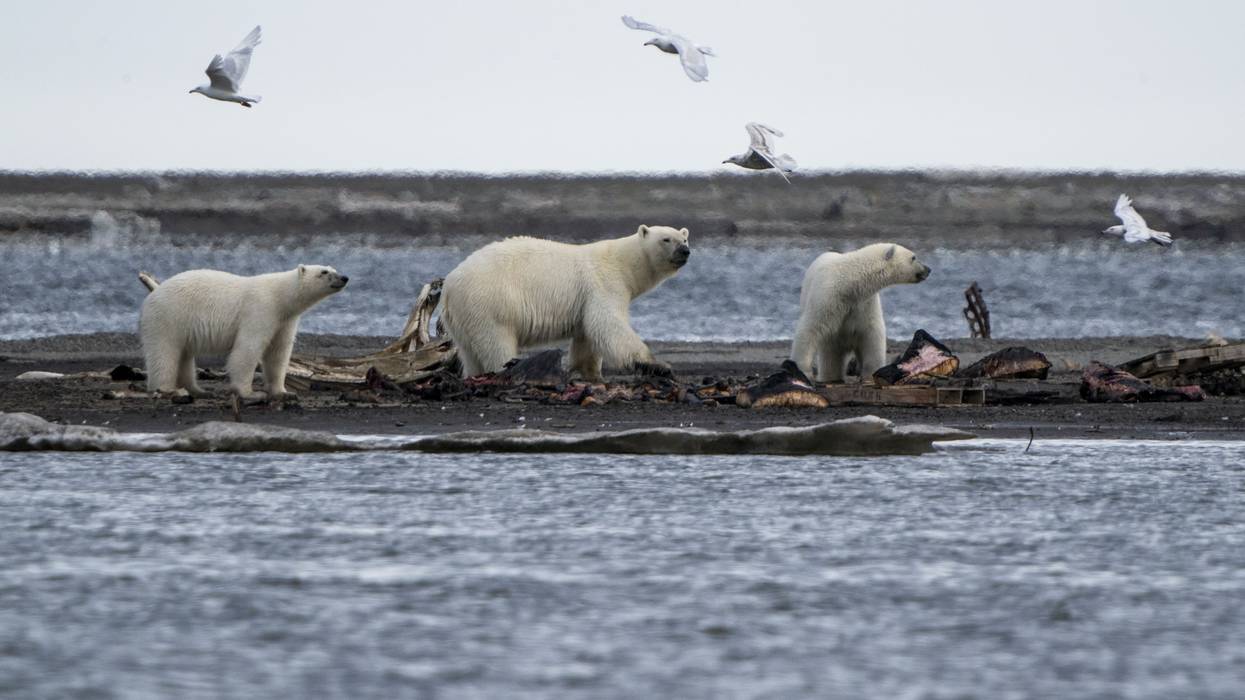
"Once again, oil and gas development is taking precedence over science-based solutions for conserving wildlife and mitigating climate change," said one campaigner.
Climate campaigners, conservationists, and Indigenous people vowed to keep defending the Arctic National Wildlife Refuge after US Senate Republicans on Thursday sent legislation that would restart fossil fuel leasing in ANWR's Coastal Plain to President Donald Trump's desk.
All Republicans present except Sen. Susan Collins of Maine supported House Joint Resolution 131. The 49-45 vote came after three Democrats—Reps. Jim Costa (Calif.), Henry Cuellar (Texas), and Vicente Gonzalez (Texas)—joined all GOP House members but Congressman Brian Fitzpatrick (Pa.) in advancing the bill last month.
If Big Oil-backed Trump signs the joint resolution of disapproval, as expected, it will nullify the Biden administration's December 2024 efforts to protect over 1 million acres of land in Alaska from planet-wrecking oil and gas exploration.
"Simply put, the Arctic refuge is the crown jewel of the American National Wildlife Refuge System," Sen. Martin Heinrich (D-NM) said in a Wednesday floor speech against the measure, noting that the area is "home to hundreds of iconic wildlife species."
"The Arctic refuge is also deeply connected to the traditions and daily life of the people who have lived there for thousands of years," the senator continued, ripping "the Trump administration's relentless attacks on public lands."
Heinrich's speech was welcomed by groups including the Alaska Wilderness League, League of Conservation Voters, and Defenders of Wildlife, whose vice president of government relations, Robert Dewey, also blasted lawmakers' use of the Congressional Review Act (CRA) to repeal the refuge's protections.
"Once again, oil and gas development is taking precedence over science-based solutions for conserving wildlife and mitigating climate change. In these instances, the use of the CRA accomplishes nothing meaningful and instead harms iconic species such as polar bears, caribou, wolves, and migratory birds," Dewey said after the vote. "In addition to threatening wildlife, severe regulatory disruption in Alaska is the inevitable result of targeted rollbacks in one of America's most ecologically critical regions."
Andy Moderow, senior director of policy at Alaska Wilderness League, said Thursday that "while we are deeply disappointed by the final vote, we're grateful to see bipartisan support from lawmakers who stood up for the Refuge and upheld a long-standing, cross-party legacy of protecting this truly incredible place."
"America's public lands—including the iconic Arctic refuge—shouldn't be on the shortlist for a public land selloff to the oil and gas industry," Moderow continued. "We'll continue fighting the management chaos brought by today's vote in favor of actions that respect the Arctic Refuge for what it actually is: a national wildlife refuge, and not an oilfield."
Kristen Moreland, executive director of the Gwich'in Steering Committee, a group formed decades ago by Alaska Natives in response to proposed oil drilling in the Coastal Plain, also spoke out after the Senate vote.
"The Gwich'in Nation views the decision by lawmakers to leverage the Congressional Review Act to advance oil and gas development in the Arctic National Wildlife Refuge as a deliberate attempt to undercut the standards and laws that are designed to protect this sacred landscape," Moreland said.
"This action from DC ignores years of consultation and communication with our Gwich'in communities that rely on this landscape for not only our subsistence and survival, but also our culture and spiritual health and well-being," she added. "We stand united in our opposition to any oil and gas development in the Arctic refuge, and will continue to fight this effort from the Trump administration and decision-makers who ignore our voices."
The proposal "could seal the fate of animals that, without these protections, would disappear from the Earth," said the Sierra Club’s executive director.
Environmentalists are sounding the alarm about a slate of new proposals from the Trump administration to weaken the Endangered Species Act, which they say will put more imperiled species in danger to line the pockets of the wealthy.
On Wednesday, the Department of the Interior's Fish and Wildlife Service (FWS) announced that it would once again roll back several key provisions of the ESA. Many had been in place for decades before they were slashed during President Donald Trump's first term. They were then restored under former President Joe Biden.
"These revisions end years of legal confusion and regulatory overreach, delivering certainty to states, tribes, landowners, and businesses while ensuring conservation efforts remain grounded in sound science and common sense," said Interior Secretary Doug Burgum, a billionaire ally of the fossil fuel industry.
But some of the nation's leading environmental groups say the proposals will allow the government to flout science and approve new projects that will destroy the habitats of vulnerable creatures and accelerate the already worsening extinction crisis.
“The ESA is one of the world’s most powerful laws for conservation and is responsible for keeping 99% of listed species from extinction,” said Jane Davenport, senior attorney at Defenders of Wildlife.
The group said the changes "could accelerate the extinction crisis we face today." According to a 2023 investigation by the Montana Free Press, the ESA has prevented 291 species from going extinct since it was passed in 1973. At that point, around 40% of all animals and 34% of plants were considered at risk of extinction according to NatureServe, a nonprofit that collects conservation data.
“The ESA is only as effective as the regulations that implement it," Davenport said. “Rolling back these regulations risks reversing the ESA’s historic success and threatens the well-being of plant and animal species that pollinate our crops, generate medicine, keep our waterways clean, and support local economies.”
One of the rules being rolled back requires species to receive "blanket" protections when they are added to the list of threatened species. Instead of those blanket protections—which protect these newly-added species from killing, trapping, and other forms of harm—the FWS will instead create individual designations for each species.
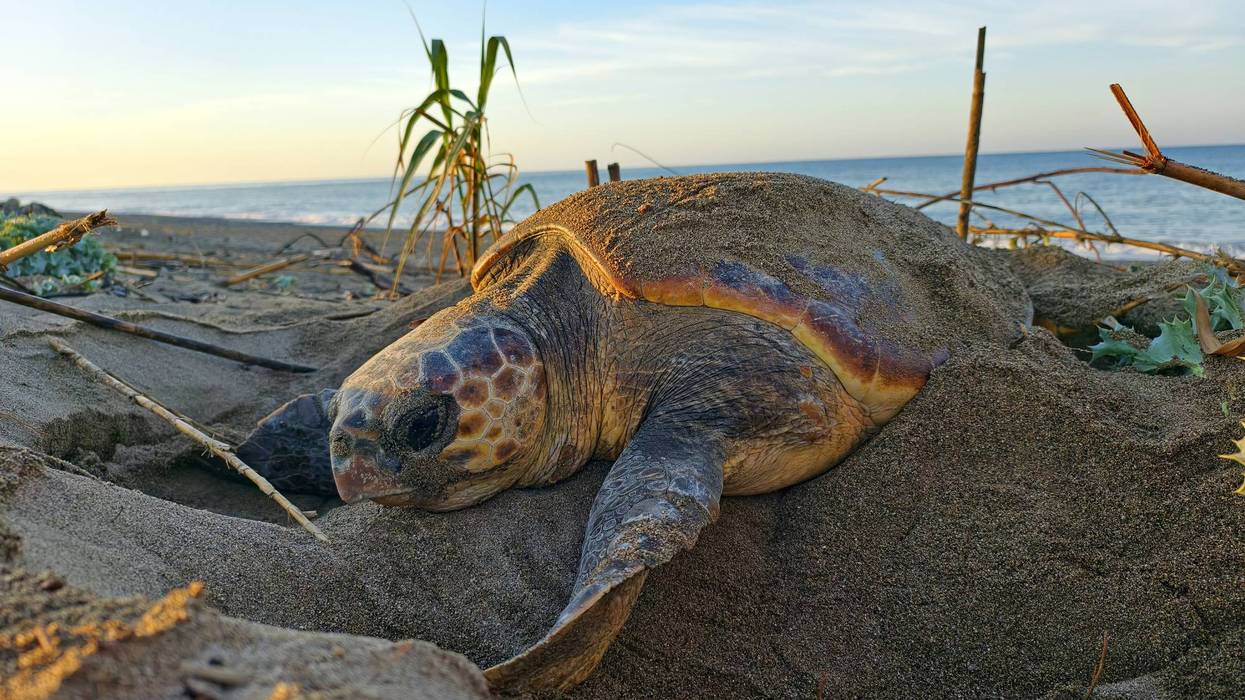
According to Jackson Chiappinelli, a spokesperson for Earthjustice, some of the species that would lose protection under this rule would be the Florida manatee, California spotted owl, greater sage grouse, and monarch butterfly, which it said could remain unprotected for years after being listed.
Another major change would let the government consider "economic impacts" when deciding which habitats are required to be protected. In 1982, Congress modified the ESA to clarify that the secretary of the interior must make decisions "solely on the basis of the best scientific and commercial data available," an amendment specifically intended to prevent economic factors from overawing environmental concerns.
The Interior Department said "the revised framework provides transparency and predictability for landowners and project proponents while maintaining the service’s authority to ensure that exclusions will not result in species extinction."
But Chiappinelli contends that the change would "violate the letter of the law" and warns that "the federal government could decide against protecting an endangered species after considering lost revenue from prohibiting a golf course or hotel development to be built where the species lives."
"If finalized, the rules would bias listing decisions with unreliable economic analyses, obstruct the ability to list new protected species, and make it easier to remove those now on the federal endangered or threatened list," said Ian Brickey, a spokesperson for the Sierra Club.
The proposed rules would also reduce the requirements for other federal agencies to consult with wildlife agencies to determine whether their actions could harm critical habitats. It also eliminates the requirement for agencies to "offset" habitat damage when approving new projects, such as logging or drilling, that harm protected species.
“Without rigorous consultations,” Davenport said, “projects could push species like the northern spotted owl and Cook Inlet beluga whale closer to extinction.”
The new proposals follow several efforts by the Trump administration to weaken protections for endangered species. Earlier this year, it proposed weakening the half-century-old definition of what counts as "harm" to endangered species to exclude habitat destruction.
The Department of Agriculture, meanwhile, has proposed rescinding the 2001 "Roadless Rule," which has shielded nearly 45 million acres of protected national forest from logging, oil and gas drilling, and road construction.
Amid the government shutdown, the administration announced its intent to lay off more than 2,000 Interior Department employees, including 143 from the FWS, though a federal judge blocked those layoffs.
It also attempted to sneak a provision into July's One Big Beautiful Bill Act that would have mandated the sale of millions of acres of public lands, but it was stripped out in the Senate following fierce backlash.
"The Trump administration is stopping at nothing in its quest to put corporate polluters over people, wildlife and the environment," said Loren Blackford, the Sierra Club's executive director. "These regulations attempt to undermine the implementation of one of America’s bedrock environmental laws, and they could seal the fate of animals that, without these protections, would disappear from the Earth."
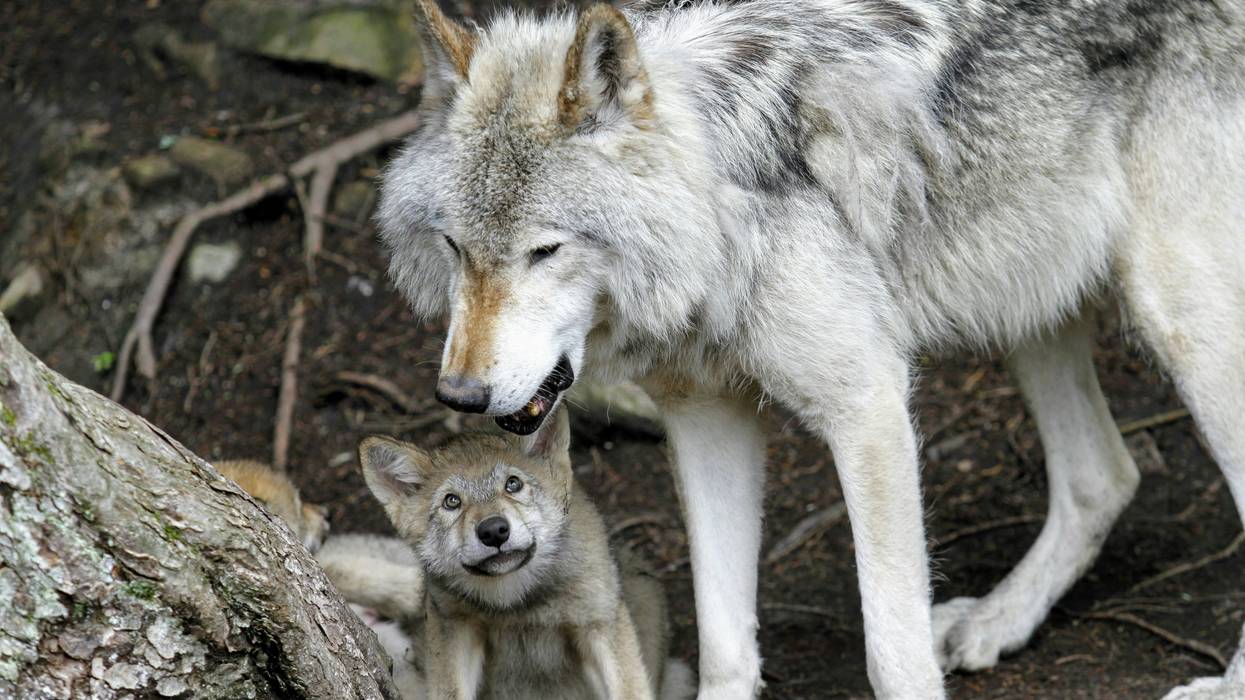
"This budget proposal shows yet again the extremes to which anti-wildlife members of Congress will go to sacrifice endangered species," said one conservationist.
As Republicans in the U.S. House of Representatives begin work on spending legislation for fiscal year 2026, conservationists and congressional Democrats are blasting a key appropriations bill released Monday.
" House Republicans are once again waging war on America's wildlife in yet another giveaway to their industry allies," said Stephanie Kurose, deputy director of government affairs at the Center for Biological Diversity, in a statement. "Extinction isn't inevitable, it's a political choice. The Appropriations Committee has one job to do, which is to fund the government, not decide whether our most vulnerable animals get to survive."
The bill that the Interior, Environment, and Related Agencies Subcommittee is set to consider on Tuesday morning would not only slash funding for the U.S Environmental Protection Agency (EPA)—by 23%—and the Fish and Wildlife Service, but also strip Endangered Species Act (ESA) protections from animals including gray wolves, the center noted.
"This budget proposal shows yet again the extremes to which anti-wildlife members of Congress will go to sacrifice endangered species," declared Robert Dewey, vice president of government relations at Defenders of Wildlife. "The bill is loaded with riders that attack the Endangered Species Act and would put some of America's most iconic species, including the grizzly bear and wolverine, at serious risk of extinction."
"The bill and all who support it are compromising the crucial habitats, outdoor recreation areas, and natural resources that Americans and wildlife rely on."
The legislation would block funding for listing the greater sage-grouse as well as money to protect the northern long-eared bat, the lesser prairie-chicken, and captive fish listed under the ESA. It would also block the Biden administration's rules for the landmark law.
"By blocking protections for public lands while also providing short-sighted lease sales for the benefit of oil and gas corporations, the bill and all who support it are compromising the crucial habitats, outdoor recreation areas, and natural resources that Americans and wildlife rely on," Dewey said.
Democrats on the committee put out a statement highlighting that, along with attacking wildlife, worsening the fossil fuel-driven climate emergency, and jeopardizing public health by favoring polluters, the GOP legislation would hike utility bills, promote environmental discrimination against rural and poor communities, and cut national park funding.
"With the release of the FY26 Interior bill, it's clear House Republicans are once again pushing an agenda that accelerates the climate crisis, upends our national parks system, and leaves local communities to fend for themselves—all while undermining the power of the Appropriations Committee and of Congress," said Rep. Chellie Pingree (D-Maine), ranking member on the Interior, Environment, and Related Agencies Subcommittee.
"We are still living with the fallout of last year's failure to negotiate a full-year funding bill. Instead of correcting course, the bill released today delivers more of the same: It cuts water infrastructure funding, slashes EPA programs, and wipes out environmental justice and climate initiatives. It even blocks the EPA from completing its risk assessment on PFAS in sewage sludge," she continued, referring to per- and polyfluoroalkyl substances, also called forever chemicals. "On top of the environmental attacks, Republicans are taking aim at the arts and cultural institutions that enrich communities and drive local economies."
Pingree asserted that "any arguments that these irresponsible cuts are somehow fiscally responsible ring hollow in the wake of Republicans adding $3.4 trillion to the national deficit thanks to their disastrous so-called 'One Big Beautiful Bill.' I urge my Republican colleagues to come to the table and support the essential work of this subcommittee: Protecting public health, conserving our lands and waters, investing in resilience, and ensuring that every community—from rural Maine to urban centers—has access to a healthy environment and a vibrant cultural life."
House Appropriations Committee Ranking Member Rosa DeLauro (D-Conn.) pointed out that President Donald Trump "promised to address the cost-of-living crisis, but instead, he and House Republicans are making it worse."
"House Republicans' 2026 Interior funding bill raises utility bills and energy prices to benefit billionaires and big corporations," DeLauro said. "Republicans are threatening the air we breathe and the water we drink and taking steps that damage our public lands, promote dirty energy, and hinder our ability to confront the climate crisis."
"In addition to these dangerous cuts, Republicans' proposal would mean fewer trips to national parks and less access to museums and the arts," she warned. "House Republicans are more focused on lining the pockets of big oil companies than lowering prices for working-class, middle-class, rural, and vulnerable families; protecting our public health; and preserving the planet."
One conservation campaigner accused the president of "trying to drive a knife through the heart of the Endangered Species Act."
The Trump administration on Wednesday published an anticipated proposal that one green group warned "would rescind nearly all habitat protections for endangered species nationwide" by changing the regulatory definition of a single word in the country's cornerstone wildlife conservation law.
Two federal agencies published a proposed overhaul of the Endangered Species Act (ESA) that would rescind the definition of "harm" to plants and animals protected under the landmark 1973 legislation, which according to the U.S. Department of the Interior has saved 99% of listed species from extinction.
Under the proposal from the U.S. Fish and Wildlife Service and the National Oceanic and Atmospheric Administration (NOAA), habitat destruction—the leading driver of extinction—would not be considered "harm." Opponents say the Trump administration is planning the redefinition in order to enable more destructive resource extraction like logging, mining, and fossil fuel expansion that would imperil ESA-protected species.
The Center for Biological Diversity (CBD) warned that the proposal would open the door "for industries of all kinds to destroy the natural world and drive species to extinction in the process."
UPDATE: The Trump administration issued a proposed rule today that would rescind nearly all habitat protections for endangered species nationwide. You can't protect animals and plants from extinction without protecting the places they live. More info: biodiv.us/42EnuQH
[image or embed]
— Center for Biological Diversity (@biologicaldiversity.org) April 16, 2025 at 8:26 AM
Noah Greenwald, CBD's co-director of endangered species, said Wednesday that U.S. President Donald Trump "is trying to drive a knife through the heart of the Endangered Species Act."
"We refuse to let him wipe out America's imperiled wildlife, and I believe the courts won't allow this radical assault on conservation," he continued. "There's just no way to protect animals and plants from extinction without protecting the places they live, yet the Trump administration is opening the flood gates to immeasurable habitat destruction."
"This administration's greed and contempt for imperiled wildlife know no bounds, but most Americans know that we destroy the natural world at our own peril," Greenwald added. "Nobody voted to drive spotted owls, Florida panthers, or grizzly bears to extinction."
CBD says the definition of harm has been "pivotal to protecting and recovering endangered species," noting that the U.S. Supreme Court has affirmed that it includes habitat destruction.
Andrew Bowman, president and CEO of Defenders of Wildlife, said Wednesday, "Despite the fact that the Endangered Species Act is America's single greatest tool to prevent species extinction, has a 99% success rate, and is supported across party lines and the country by 95% of the electorate, the Trump administration is hell-bent on destroying it to further line the pockets of industry."
"The vast majority of imperiled wildlife listed as endangered or threatened under the ESA are there because of loss of habitat," Bowman added. "This latest salvo to redefine 'harm' to eliminate protection for wildlife from habitat destruction, if successful, will further imperil threatened and endangered species. We will fight this action and continue to protect the wildlife and wild places we hold dear as a nation."
Drew Caputo, vice president of litigation for lands, wildlife, and oceans at Earthjustice, on Wednesday accused the Trump administration of "trying to rewrite basic biology."
"Like all of us, endangered species need a safe place to live," Caputo said. "This misguided new proposal threatens a half-century of progress in protecting and restoring endangered species. We are prepared to go to court to ensure that America doesn't abandon its endangered wildlife."
Trump has already attacked the ESA during his current term by issuing an executive order declaring a "national energy emergency" meant to promote his "drill, baby, drill" fossil fuel policy. The order states that the ESA and Marine Mammal Protection Act will not be allowed stand in the way of fossil fuel development.
The proposed redefinition of "harm" in the ESA comes as the Trump administration, spearheaded by Elon Musk's Department of Government Efficiency, eviscerates federal agencies including the Fish and Wildlife Service and NOAA. As he did during his first term, Trump is pursuing a massive rollback of climate and environmental regulations and has appointed Cabinet secretaries whose backgrounds and beliefs are often inimical to their agencies' purposes.
These include Interior Secretary Doug Burgum, a staunch fossil fuel proponent; Energy Secretary Chris Wright, a former CEO of a fracking company who has denied the existence of a climate emergency; and Environmental Protect Agency Administrator Lee Zeldin, described by the Sunrise Movement as "a disaster for our planet and a win for Big Oil."
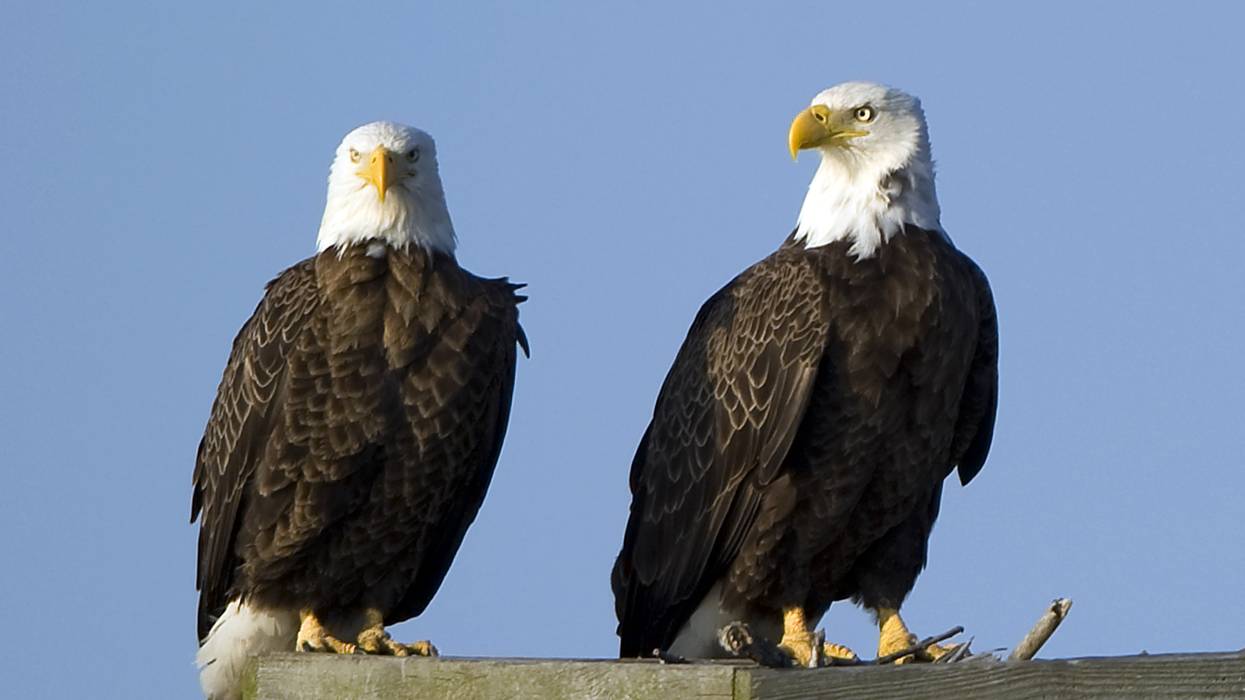
In response to the administration's proposal, Sierra Club executive director Ben Jealous said that "in Donald Trump's world, future generations will know bald eagles, blue whales, grizzly bears, and other imperiled species only through photographs."
"A world with the ESA is a world where those species have a chance to thrive," he added. "We will do everything in our power to defend this law and save our wildlife for future generations."
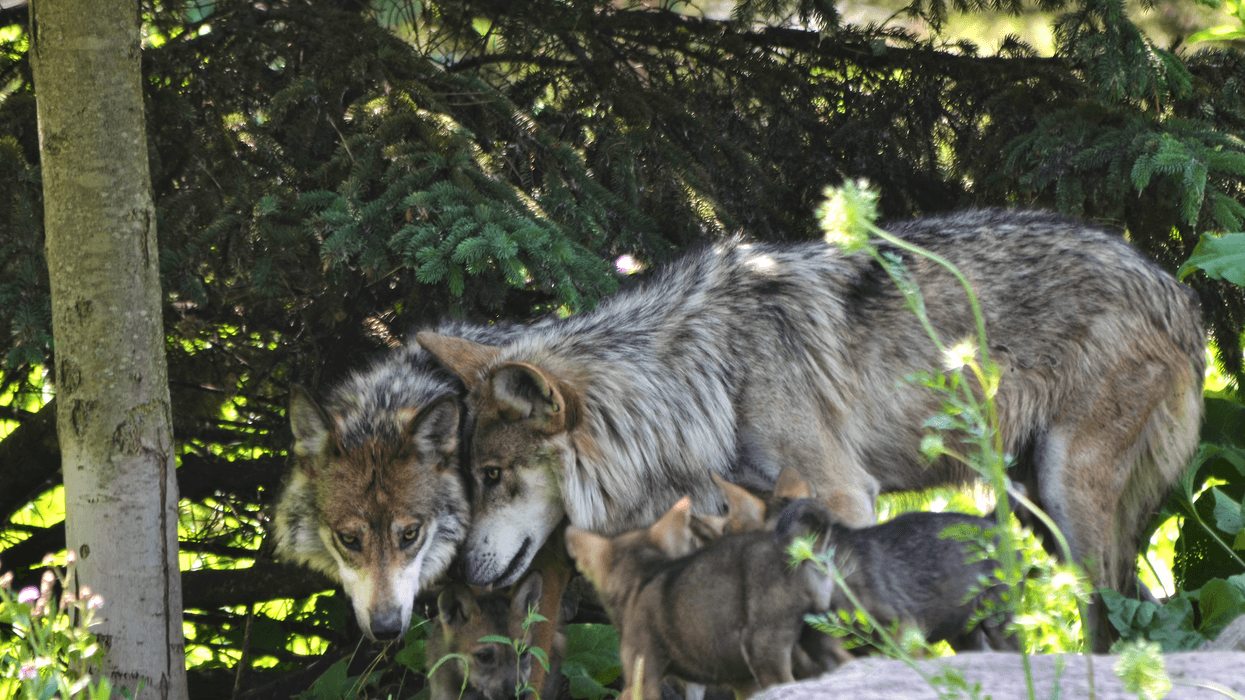
"We are in a biodiversity crisis, and Congress is playing with fire," warned one wildlife defender. "These bills would accelerate extinction at a time when we can least afford it."
Green groups warned this week that a pair of Republican-led bills in the U.S. House of Representatives, including proposals to amend the Endangered Species Act and strip gray wolves of ESA protection, would, as Sierra Club said, "radically undercut the ability of the federal government to protect imperiled wildlife."
On Tuesday, the Republican-led House Natural Resources Subcommittee on Water, Wildlife, and Fisheries held legislative hearings on four bills, two of which involve the ESA.
Rep. Bruce Westerman (R-Ark.) said his ESA Amendments Act of 2025—which aims to streamline regulatory and permitting processes—is needed because "the Endangered Species Act has consistently failed to achieve its intended goals and has been warped by decades of radical environmental litigation into a weapon instead of a tool."
However, Sierra Club said Monday that the bill would "amend the ESA beyond recognition."
Congress is trying to kill the Endangered Species Act. New bill would amend iconic law's ability to protect wildlife. Today, a House committee held a hearing on a bill that would drastically limit the Endangered Species Act's ability to protect our country's imperiled wildlife.
[image or embed]
— Sierra Club (@sierraclub.org) March 25, 2025 at 10:44 AM
Earthjustice warned Tuesday that the legislation "would gut the critical protections that the ESA provides for thousands of imperiled species, upend the scientific consultation process (which has been the cornerstone of American species protection for 50 years), slow listings to a crawl while fast-tracking delistings, and allow much more exploitation of threatened species and shift their management out of federal hands to the states, even while they are still nationally listed."
Rep. Lauren Boebert (R-Colo.) said that the second bill, the Pet and Livestock Protection Act of 2025—which she introduced in January with Rep. Tom Tiffany (R-Wis.)—would "remove the ability of progressive judges to get in the way of science and allow states to set their own rules and regulations for managing their gray wolf population" by delisting the species from the ESA within 60 days and prohibiting judicial review of the action.
During his first administration, U.S. President Donald Trumpdelisted gray wolves from the ESA across most of the country, a move that was reversed by a federal judge in 2022.
Defenders of Wildlife senior attorney Ellen Richmond said Monday that "this bill is deceptively named and if enacted will directly undermine our nation's landmark conservation laws."
"Wolves play important roles in maintaining healthy ecosystems, and cutting short their recovery not only harms the species but also the incredible landscapes we all love," Richmond added.
Josh Osher, public policy director for Western Watersheds Project, said Tuesday: "We are in a biodiversity crisis, and Congress is playing with fire. These bills would accelerate extinction at a time when we can least afford it."
"The Endangered Species Act isn't just about saving wolves, grizzlies, or sea turtles—it's about protecting the ecosystems that sustain us all," Osher added. "Weakening these protections pushes our planet further into collapse. Congress must open its eyes and reject these reckless attacks before it's too late."
On Monday, dozens of green groups sent a letter to senior lawmakers on Water, Wildlife, and Fisheries Subcommittee urging them to reject the two bills, arguing they would "dramatically weaken the ESA and make it harder, if not impossible, to achieve the progress we must make to address the alarming rate of extinction our planet now faces."
The two bills come amid wider Republican attacks on the ESA by members of Congress and the Trump administration, including Elon Musk's Department of Government Efficiency. In a bid to boost logging on public lands, Trump is planning to establish a so-called "God Squad" committee that could veto ESA protections. DOGE, meanwhile, has fired hundreds of U.S. Fish and Wildlife Service employees while ordering a hiring freeze on seasonal workers tasked with species protection.
"The Endangered Species Act is one of the country's most popular and successful conservation laws, and Donald Trump wants to throw it in the garbage to pad the bottom lines of his corporate supporters," Sierra Club deputy legislative director for wildlife and lands protection Bradley Williams said on Monday. "Since day one of his administration, Trump has shown again and again that he wants to hand over control of our public lands and waters to billionaires and corporations. Imperiled wildlife will suffer the consequences."
"For more than 50 years, the United States has made amazing progress bringing species back from the brink of extinction," Williams added. "It's because of the ESA that species like the grizzly bear and bald eagle are living symbols of America and not just photos in a history book. If Trump and his allies in Congress get their way, that progress won't just come to a screeching halt—it could be completely reversed."