SUBSCRIBE TO OUR FREE NEWSLETTER
Daily news & progressive opinion—funded by the people, not the corporations—delivered straight to your inbox.
5
#000000
#FFFFFF
To donate by check, phone, or other method, see our More Ways to Give page.
The couple's three daughters and son—Faryal, Salma, Amira, and Naeem—ranged in age from 6 to 13.
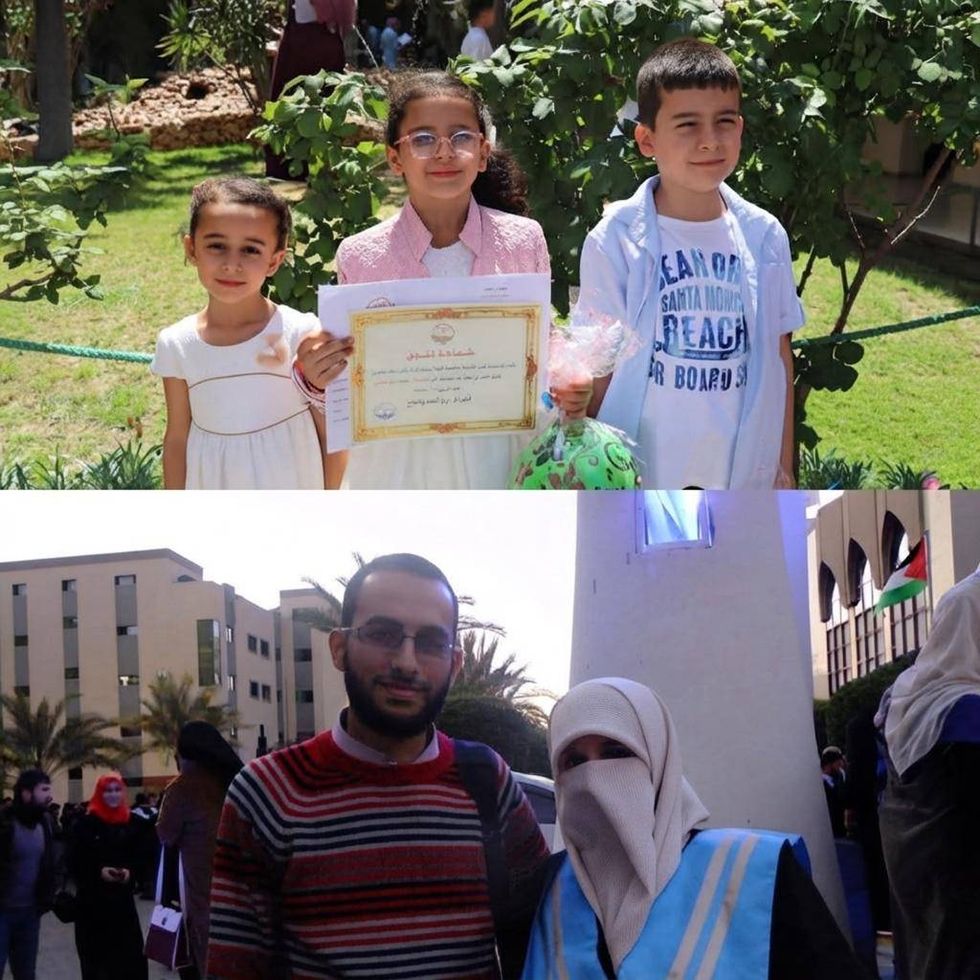 (Photo by el-Masri family/X)
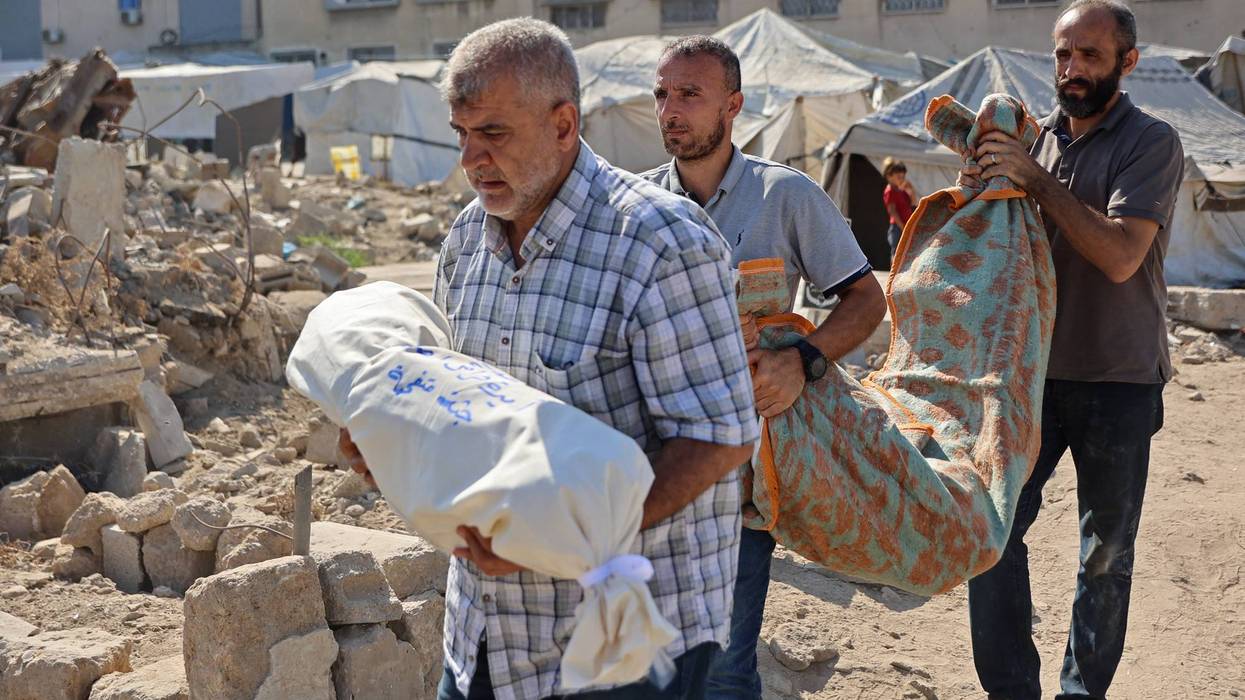
At least some members of the family—who were sleeping when their home was bombed—were apparently not killed by the blast.
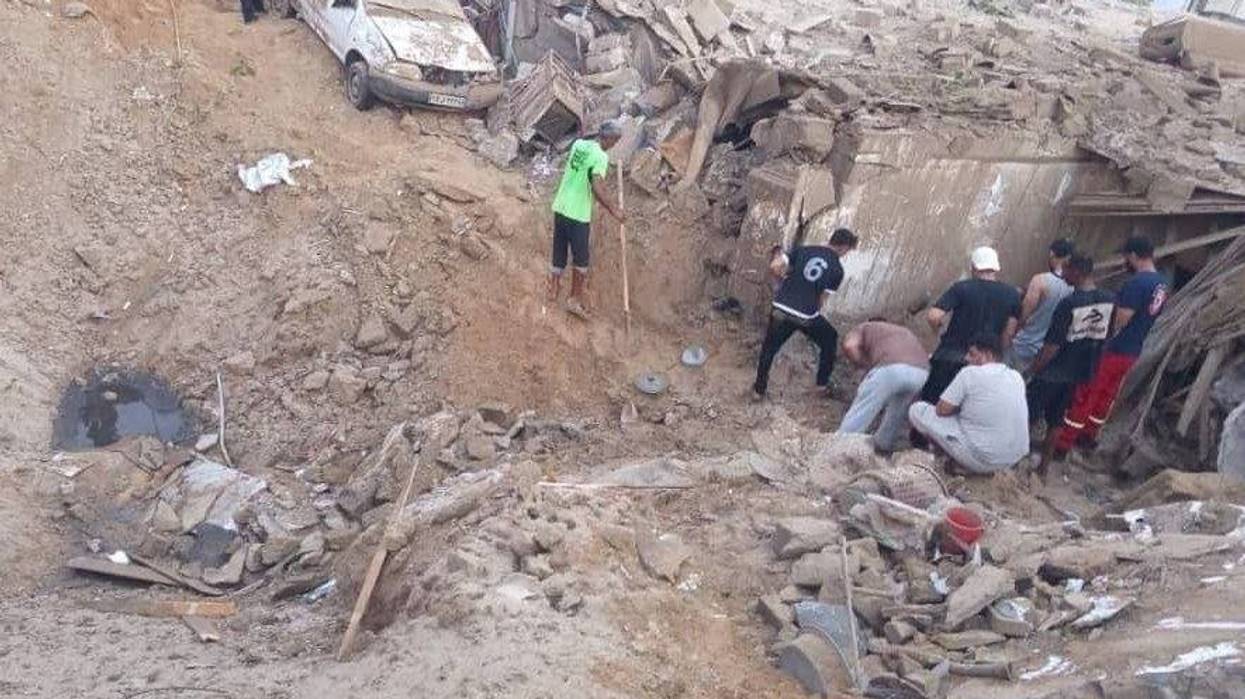
"They were all burned so much that our crews couldn't reach them," said Palestinian Civil Defense spokesperson Mahmoud Basal. "They were screaming and begging us to get them before they were martyred, but all attempts failed."
Video recordings of the airstrike's aftermath show first responders desperately trying to extinguish the blaze caused by the attack and retrieving the burnt victims' bodies.
Ahmed el-Masri told the Emirati newspaper The National that his brother's "entire family was wiped out from the civil registry."
The el-Masri family is one of approximately 2,700 erased from the registry since Israel launched its war on Gaza in retaliation for the Hamas-led attack of October 7, 2023, according to an Al Jazeera analysis published in January.
The Israel Defense Forces confirmed the bombing, claiming the strike was targeting a Hamas member. The IDF dramatically loosened its rules of engagement following the October 7 attack, effectively allowing an unlimited number of civilians to be killed when targeting a single Hamas member, no matter how low-ranking.
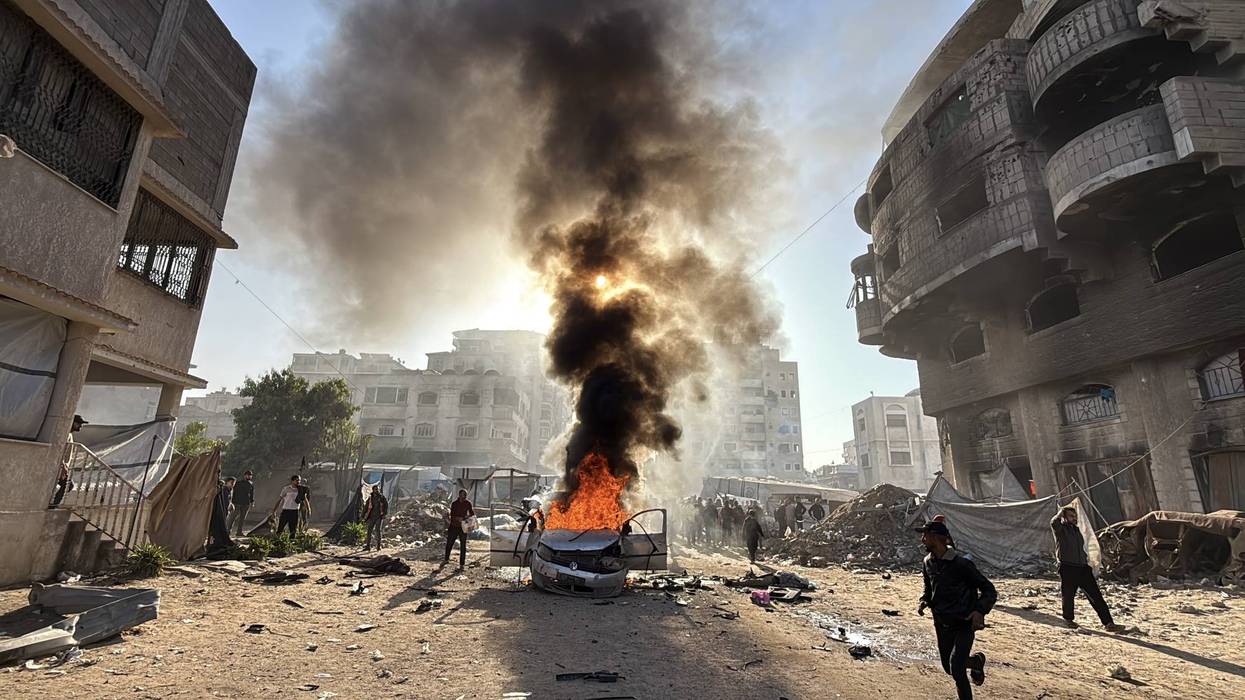
Reuters reported at least six more Palestinians were killed by Israeli strikes later on Tuesday, including one targeting a vehicle in the central Gaza Strip.
On Monday, an IDF missile attack on the al-Yemen al-Saeed Hospital in northern Gaza's Jabalia refugee camp killed at least two people and wounded 16 others, including women and children.
“The children were having fun and playing football, and suddenly they started screaming,” eyewitness Youssef Akasha told Drop Site News contributor Mohamed Ahmed. “We found many children lying on the ground, women screaming, and young men running to rescue the wounded."
Graphic video footage shows children, including infants, being treated for shrapnel embedded in their bodies.
Israel's attack on the el-Masri family followed a Saturday IDF airstrike on the home of the Nasman family in the al-Nasser neighborhood of Gaza City that killed five people. The Israeli newspaper Haaretz reported that Adham Nasman, 42; his wife, Marwa, 40; and three of their children—Arwa, 8, Ibrahim, 16, and Yahya, 18—were killed, and that Adham was apparently the intended target.
The couple's 13-year-old son, also named Adham, was not home at the time of the strike. Video footage published by photojournalist Nahed Hajjaj shows the grieving boy beside the bodies of his slain family.
In another massacre on Saturday, an Israeli drone bombed a funeral in the Nuseirat refugee camp for a man who was allegedly a member of Palestinian Islamic Jihad, who had been killed earlier the same day in another IDF strike. Eight people were killed and 20 others wounded in the second attack, according to Palestinian, Israeli, and international media reports.
Israel's US-backed assault on Gaza has left more than 250,000 Palestinians dead, maimed, or missing since October 2023 and around 2 million people forcibly displaced, starved, or sickened. Over 21,500 children—1,022 of them babies—are among the more than 73,000 Palestinians killed by Israeli forces during the war that scholars, jurists, human rights groups, a panel of United Nations experts, and others say is a genocide.
Israel is facing a genocide case filed by South Africa at the International Court of Justice and supported by nearly 20 nations, while Israeli Prime Minister Benjamin Netanyahu and Yoav Gallant—his former defense minister who ordered the "complete siege" on Gaza that fueled famine and disease—are wanted by the International Criminal Court for alleged crimes against humanity and war crimes, including murder and forced starvation.
The IDF's continued attacks come despite a US-backed ceasefire that went into effect last October. Since then, more than 1,160 Palestinians—most of them civilians—have been killed and over 3,750 others wounded by Israeli forces, according to the Gaza Health Ministry.
“Nine months after the announcement of a ceasefire, still nowhere is safe for Palestinians in Gaza,” UN human rights spokesperson Thameen Al-Kheetan told reporters in Geneva on Tuesday. "The killing of civilians in these attacks raises concerns of continuing violations of international humanitarian law, war crimes and other possible atrocity crimes in Gaza. Under international law, deliberately attacking civilians is a war crime."
Akasha, who witnessed the Jabalia hospital bombing, told Drop Site News, “I don’t feel like there is a ceasefire at all."
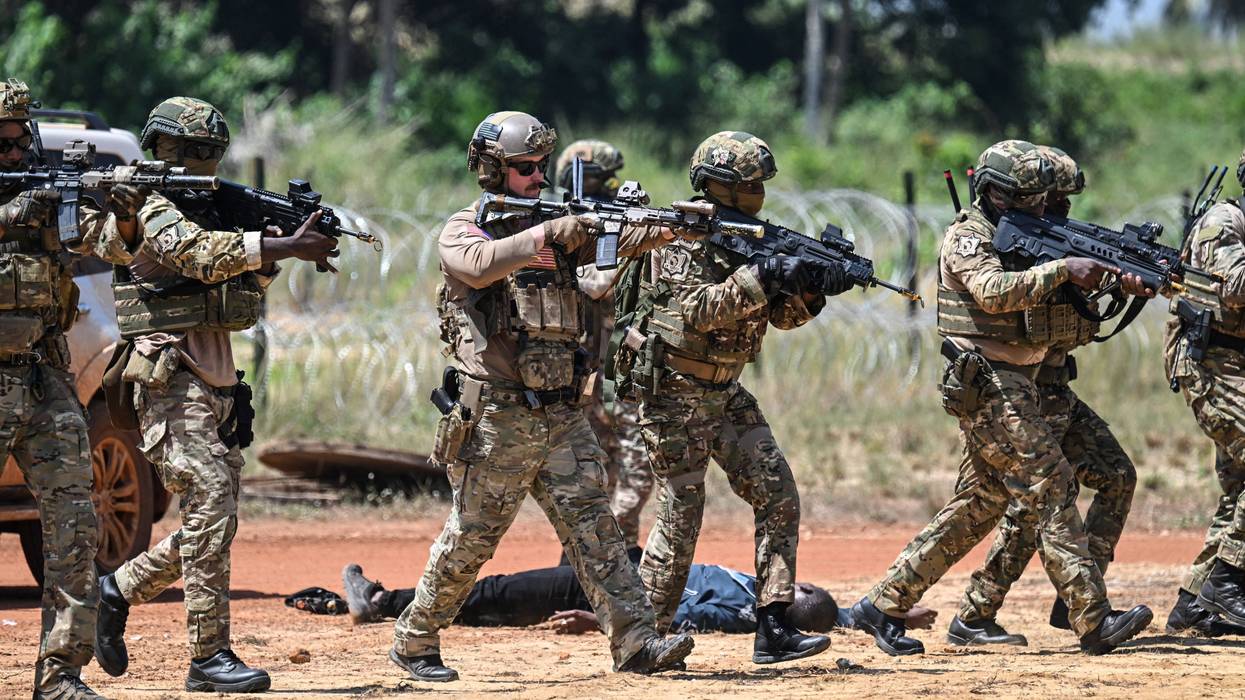
It estimates that major US military engagements since 1950—in Korea, Vietnam, Iraq, and Afghanistan—have directly cost the lives of nearly 4.5 million civilians and more than $5.7 trillion.
The data, collected into a sprawling open-source WarCosts archive maintained by TheDataProject.AI, comes from a variety of government reports, peer-reviewed academic research, and investigative organizations.
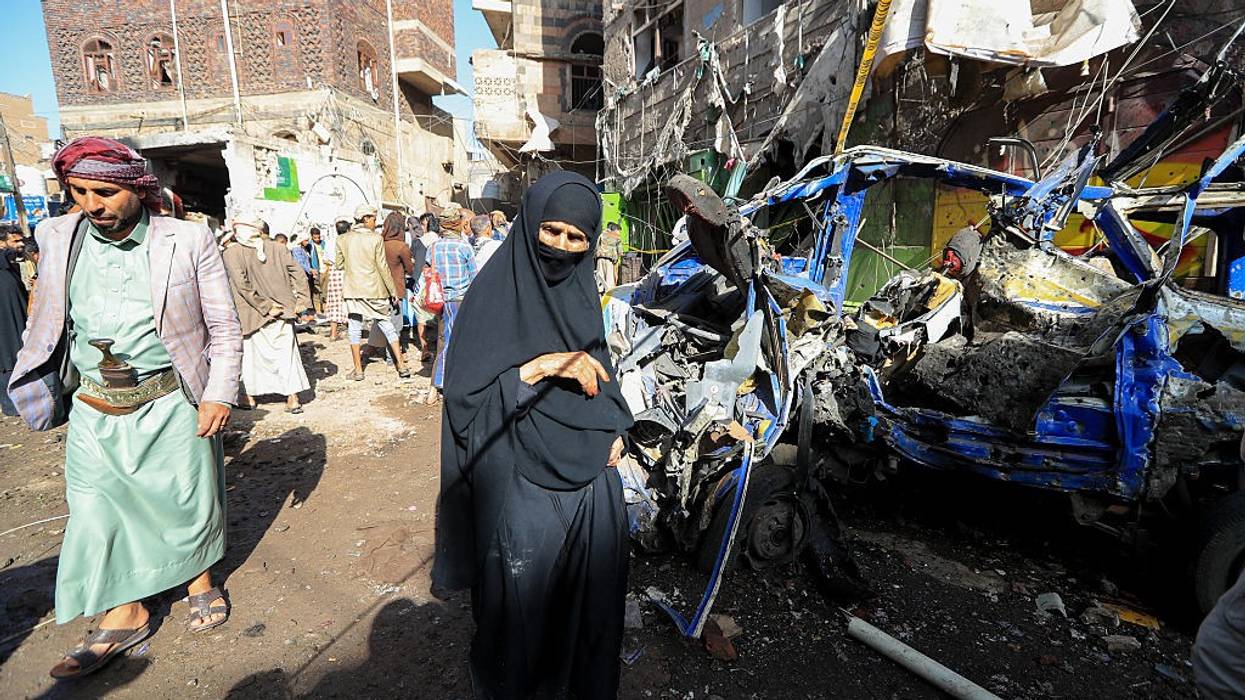
The civilian casualty number notably only includes those directly caused by the wars themselves, not those caused by the resulting losses of food, healthcare, or war-related diseases. It also does not include the lives lost in proxy conflicts funded by the US, Saudi Arabia's brutal war in Yemen, which resulted in an estimated 150,000 violent civilian deaths between 2015-22, or Israel's more than two-year genocidal war in Gaza, which has resulted in at least over 75,000 deaths, and likely many more.
The dollar figure, meanwhile, does not include the additional $2.2 trillion the US is expected to spend caring for veterans of the post-9/11 wars until 2050, according to Brown University's Costs of War research series.
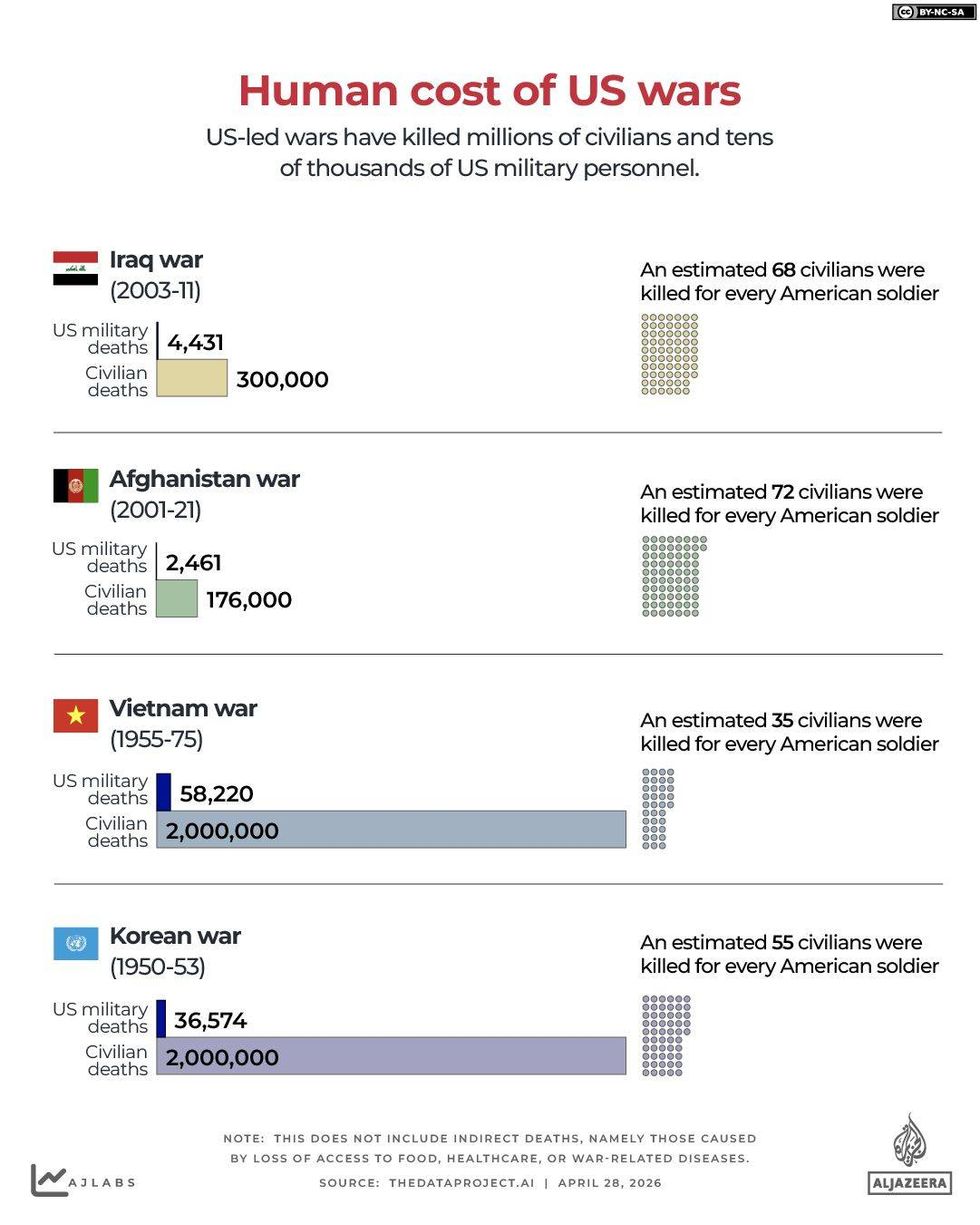 (Graphic by Al Jazeera, data from TheDataProject.AI's WarCosts database)
Even compared with the staggering figures throughout US history, the cost of the war in Iran so far is uniquely high.
The Pentagon estimated that during just the first six days of the war, the US government spent an average of $1.88 billion per day, nearly three times the daily cost of the next most expensive major conflict, Iraq.
On Wednesday, Pentagon comptroller Jules Hurst told Congress that the Iran War had cost about $25 billion in total since it began two months ago. But many critics, including Rep. Ro Khanna (D-Calif.), have suggested that this number is "totally off" and the cost is likely much higher.
Stephen Semmler, a data analyst and senior fellow at the Center for International Policy, estimated based on statements from officials, federal procurement and operations data, and reporting on military deployments and armaments use that by March 13—just two weeks into the conflict—the war had already cost about $28.7 billion, over $2.1 billion per day. This analysis included the military's operational costs, the costs of weapons, damage to US military assets, and subsidies to Israel.
The Trump administration has reportedly requested an additional $200 billion in military funding from Congress for the war.
The war in Iran resulted in 1,701 civilian deaths during its first 40 days, according to the US-based Human Rights Activists News Agency, equivalent to about 43 per day—nearly double the number killed per day in Afghanistan.
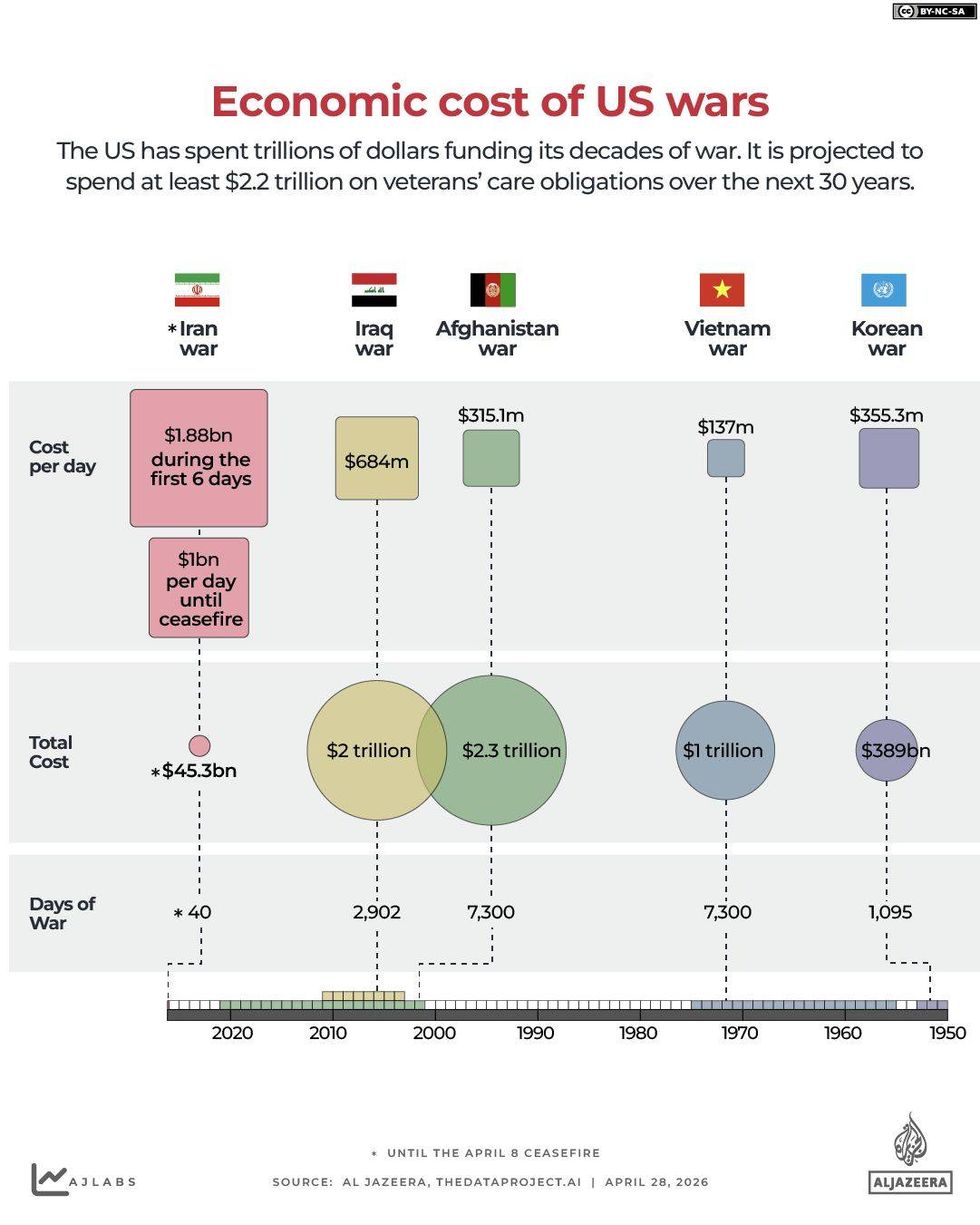 (Graphic by Al Jazeera, data from TheDataProject.AI's WarCosts database)
What distinguishes the Iran War from previous US military adventures is its staggering unpopularity. At its start, polls showed 43% of Americans disapproved of Trump's decision to launch the war. Disapproval had jumped to 60% as of April 12.
With the exception of the Korean War, which began very unpopular and gained approval over time, no other major US conflict has begun with so little backing from the US public—just 9% disapproved of the Afghanistan War when it began, 23% disapproved of Iraq, and 24% disapproved of Vietnam, and it took years for the majority of the public to turn against them.
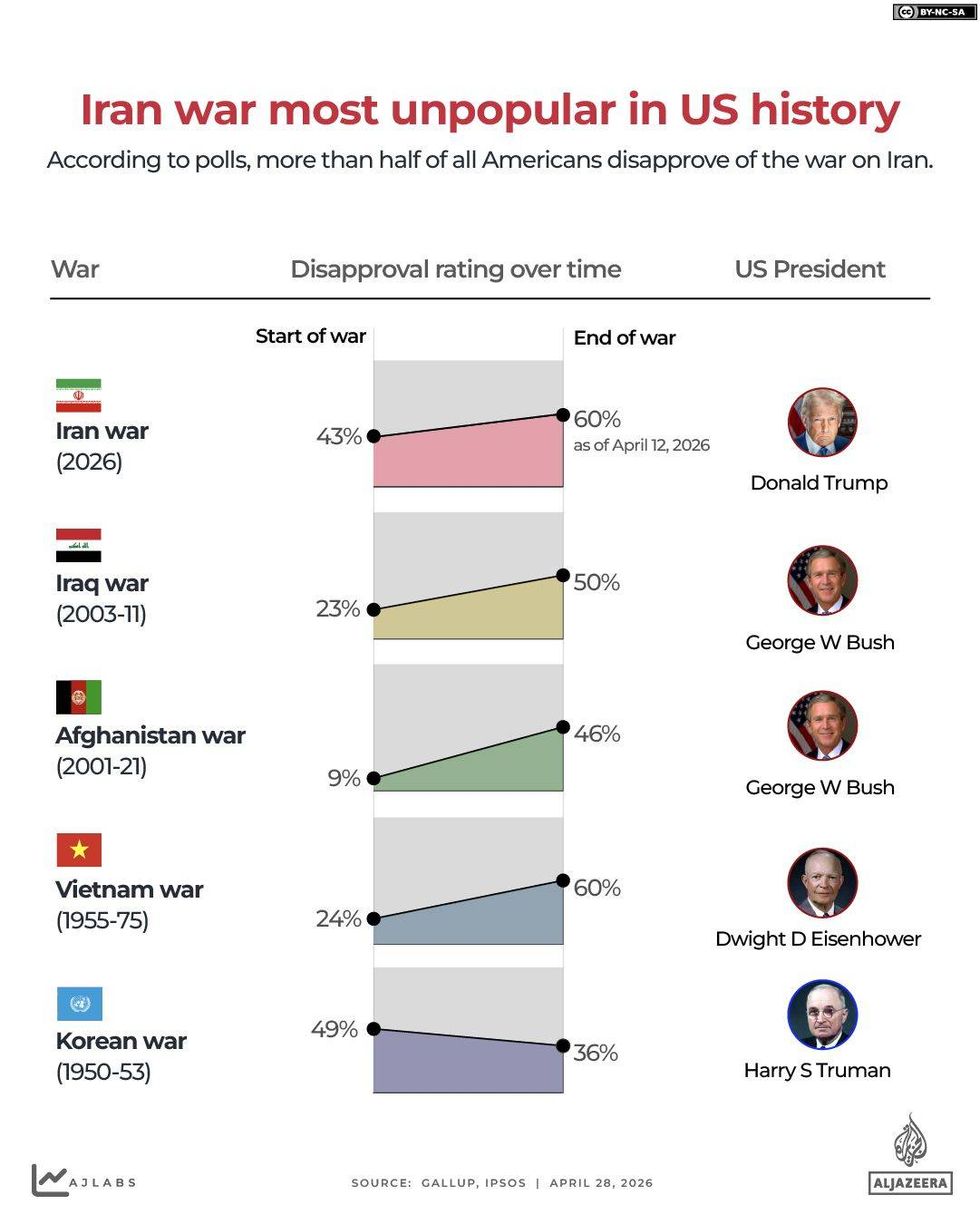 (Graphic by Al Jazeera, data from Gallup and Ipsos)
The WarCosts data center estimates that the nearly $8 trillion spent on these major wars could have paid for a century of four-year public college for every American, 400 years of clean drinking water for everyone on Earth, or more than 200 years of universal pre-K for every child.
Citing a recent expert estimate that the Iran War could cost $1 trillion if it goes on for a decade, Sen. Bernie Sanders (I-Vt.) lamented in a social media post that "somehow, there is always money for war, but never enough money for housing, education, or the needs of working people."
The senator said, "We must and will change our national priorities."