
RECOMMENDED...
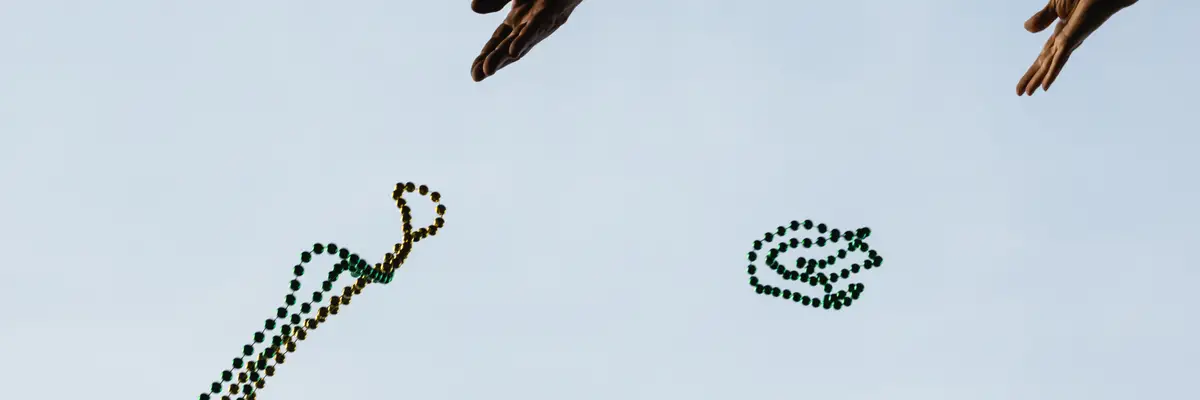
Mardi Gras participants throw beads to celebrants on Bourbon Street on February 21, 2023 in New Orleans, Louisiana.
(Photo: Jon Cherry/Getty Images)
From Mardi Gras to Plastic-Free Fridays: The RISE of Sustainable Celebrations
Whether you’re driven by a desire to protect the environment or the need to reduce waste mindfully, dedicating one day each week to a plastic-free lifestyle can have a meaningful impact.
Mar 07, 2025
Mardi Gras and Carnival celebrations are coming to an end, and communities are moving towards a time of reflection with the observance of Lent. These communities, and people of any faith looking to make practical changes to protect our planet, should consider embracing “Plastic-Free Fridays” during this time. This simple weekly commitment is a powerful way to make planet-friendly choices that also nurture your well-being. It’s a small step that can lead to a significant change in how we consume products, giving us hope for a more sustainable future.
Plastic production and consumption play a significant role in our present environmental crisis. Production relies heavily on fossil fuels, contributing substantially to greenhouse gas emissions and harming local ecosystems and frontline communities through resource extraction. On the consumption side, single use of plastics generates excessive waste that clogs landfills, litters natural habitats, threatens wildlife, and raises potential health concerns due to chemical leaching and microplastic contamination.
These health concerns are already evident in our bodies and the bodies of those we love. People living near petrochemical plants bear the brunt of pollution, but their often single-use plastic products are everywhere. Plastic is in our food and water—even our breast milk and placentas are polluted with plastic, and the myriad of chemicals in plastics are linked to numerous health problems from cancer to infertility. Furthermore, 36% of plastic produced is for packaging—including single-use items like beverage containers that are discarded after the contents are consumed. We are poisoning communities and trashing our oceans to produce stuff we don’t even need.
It is daunting to turn the tide against plastic pollution, but we can achieve it through collective action.
With a reuse and refill system, we could eliminate over a third of the existing plastic production. It’s imperative that, on an individual and community level, we’re taking steps to reduce the consumption of materials that are so harmful, wasteful, and damaging to our environment.
In 2023, RISE St. James Louisiana was among the first to take steps toward a plastics-free Mardi Gras. We distributed glass beads to Mardi Gras riders—an innovative, vintage-inspired alternative to nonbiodegradable plastic throws. More than ever, there is a growing collaboration among local krewes, more than 25 community organizations, and the City of New Orleans Office of Resilience and Sustainability. We are all working together to reduce plastic waste, champion eco-friendly alternatives, and shield vulnerable areas from unchecked petrochemical expansion.
This year, the Krewe of Freret hosted the first major parade free from plastic beads, setting a strong precedent for more sustainable Mardi Gras celebrations. At RISE St. James Louisiana, we believe these partnerships are essential to safeguarding our environment and preserving our unique cultural traditions for future generations.
As we enter a Lenten season of renewal, join Sharon C. Lavigne, members of RISE St. James, and various civic and cultural leaders in making a difference by embracing “Plastic-Free Fridays” every week through Easter. With simple, practical steps, you can participate in this movement and reduce single-use waste by using reusable bags, containers, water bottles, coffee cups, and utensils. You can further minimize our plastic impact by buying bulk whenever possible and following local recycling rules. Together, we can protect our planet and ensure healthier communities.
Whether you’re driven by a desire to protect the environment or the need to reduce waste mindfully, dedicating one day each week to a plastic-free lifestyle can have a meaningful impact. It is daunting to turn the tide against plastic pollution, but we can achieve it through collective action. Together, we can preserve our region’s vibrant spirit and build a healthier future for all through simple, sustainable actions and a shared commitment to eco-friendly celebrations.
We are at a crossroads
This country and this world are at a monumental crossroads. In a few short weeks, US voters will have an opportunity to beat back the forces of fascism and confront the billionaires who are rigging the economy, our media system, and our democracy, making it increasingly impossible for ordinary people to get by. We’re not just talking about the election. We’re talking about what must be done once these fascist elements are vanquished from power. We need a bolder set of solutions than what either major party has so far been willing to offer and a working-class movement ready to fight like hell for it. Trump didn't emerge from nowhere. The conditions that fueled MAGA authoritarianism were created by decades of radical neoliberal economic policies and a corrupt political system dominated by corporate interests. They slashed taxes on the super-rich, promising that the benefits would trickle down. They said giveaways to the corporate titans would make life more affordable for the rest of us. It was all bullshit. And when a bitter, betrayed populace searches for someone to blame, right-wing demagogues have little trouble finding scapegoats. People know when they're being lied to, but you won't hear any of this from the corporate media. Only independent journalism—powered and funded by people who believe in building a better world—can deliver truly trustworthy daily news. Our Fall Campaign is underway, and we need your help. To power our newsroom through the rest of the year, we need to raise $125,000 by midnight on October 31. So if you share our vision, please contribute whatever you can to sustain our work. |
Our work is licensed under Creative Commons (CC BY-NC-ND 3.0). Feel free to republish and share widely.
A longtime resident of St. James Parish in Louisiana, Sharon Lavigne founded Rise St. James to advocate for environmental justice. Lavigne was awarded the Goldman Environmental Prize, dubbed the Green Nobel, in 2021.
Gary C. Watson Jr., a native of St. John the Baptist Parish in Louisiana, is a New Orleans-based executive marketing and environmental communications strategist with RISE St. James Louisiana.
greenhouse gas emissions
plastic pollution
petrochemicals
public health
fossil fuels
louisiana
climate emergency
plastics
new orleans
Mardi Gras and Carnival celebrations are coming to an end, and communities are moving towards a time of reflection with the observance of Lent. These communities, and people of any faith looking to make practical changes to protect our planet, should consider embracing “Plastic-Free Fridays” during this time. This simple weekly commitment is a powerful way to make planet-friendly choices that also nurture your well-being. It’s a small step that can lead to a significant change in how we consume products, giving us hope for a more sustainable future.
Plastic production and consumption play a significant role in our present environmental crisis. Production relies heavily on fossil fuels, contributing substantially to greenhouse gas emissions and harming local ecosystems and frontline communities through resource extraction. On the consumption side, single use of plastics generates excessive waste that clogs landfills, litters natural habitats, threatens wildlife, and raises potential health concerns due to chemical leaching and microplastic contamination.
These health concerns are already evident in our bodies and the bodies of those we love. People living near petrochemical plants bear the brunt of pollution, but their often single-use plastic products are everywhere. Plastic is in our food and water—even our breast milk and placentas are polluted with plastic, and the myriad of chemicals in plastics are linked to numerous health problems from cancer to infertility. Furthermore, 36% of plastic produced is for packaging—including single-use items like beverage containers that are discarded after the contents are consumed. We are poisoning communities and trashing our oceans to produce stuff we don’t even need.
It is daunting to turn the tide against plastic pollution, but we can achieve it through collective action.
With a reuse and refill system, we could eliminate over a third of the existing plastic production. It’s imperative that, on an individual and community level, we’re taking steps to reduce the consumption of materials that are so harmful, wasteful, and damaging to our environment.
In 2023, RISE St. James Louisiana was among the first to take steps toward a plastics-free Mardi Gras. We distributed glass beads to Mardi Gras riders—an innovative, vintage-inspired alternative to nonbiodegradable plastic throws. More than ever, there is a growing collaboration among local krewes, more than 25 community organizations, and the City of New Orleans Office of Resilience and Sustainability. We are all working together to reduce plastic waste, champion eco-friendly alternatives, and shield vulnerable areas from unchecked petrochemical expansion.
This year, the Krewe of Freret hosted the first major parade free from plastic beads, setting a strong precedent for more sustainable Mardi Gras celebrations. At RISE St. James Louisiana, we believe these partnerships are essential to safeguarding our environment and preserving our unique cultural traditions for future generations.
As we enter a Lenten season of renewal, join Sharon C. Lavigne, members of RISE St. James, and various civic and cultural leaders in making a difference by embracing “Plastic-Free Fridays” every week through Easter. With simple, practical steps, you can participate in this movement and reduce single-use waste by using reusable bags, containers, water bottles, coffee cups, and utensils. You can further minimize our plastic impact by buying bulk whenever possible and following local recycling rules. Together, we can protect our planet and ensure healthier communities.
Whether you’re driven by a desire to protect the environment or the need to reduce waste mindfully, dedicating one day each week to a plastic-free lifestyle can have a meaningful impact. It is daunting to turn the tide against plastic pollution, but we can achieve it through collective action. Together, we can preserve our region’s vibrant spirit and build a healthier future for all through simple, sustainable actions and a shared commitment to eco-friendly celebrations.
From Your Site Articles
- Plastic Overshoot Day Spotlights Growing 'Climate Nightmare' of Global Waste ›
- Latest Plastics Treaty Draft 'Far From What We Need' as Talks Near Deadline ›
- Ahead of Treaty Negotiations, Hundreds March to 'End the Plastic Era' ›
- 187 Countries Just Took 'Crucial' Step to Stop Rich Nations From Treating Global South as Dumping Ground for Plastic Waste ›
- Sustainigras: Partygoers’ Plastic Beads Increase Cancer Risk and Fuel the Climate Crisis ›
- 'Turn Off the Tap on Plastic,' UN Chief Declares Amid Debate Over New Global Treaty ›
A longtime resident of St. James Parish in Louisiana, Sharon Lavigne founded Rise St. James to advocate for environmental justice. Lavigne was awarded the Goldman Environmental Prize, dubbed the Green Nobel, in 2021.
Gary C. Watson Jr., a native of St. John the Baptist Parish in Louisiana, is a New Orleans-based executive marketing and environmental communications strategist with RISE St. James Louisiana.
Mardi Gras and Carnival celebrations are coming to an end, and communities are moving towards a time of reflection with the observance of Lent. These communities, and people of any faith looking to make practical changes to protect our planet, should consider embracing “Plastic-Free Fridays” during this time. This simple weekly commitment is a powerful way to make planet-friendly choices that also nurture your well-being. It’s a small step that can lead to a significant change in how we consume products, giving us hope for a more sustainable future.
Plastic production and consumption play a significant role in our present environmental crisis. Production relies heavily on fossil fuels, contributing substantially to greenhouse gas emissions and harming local ecosystems and frontline communities through resource extraction. On the consumption side, single use of plastics generates excessive waste that clogs landfills, litters natural habitats, threatens wildlife, and raises potential health concerns due to chemical leaching and microplastic contamination.
These health concerns are already evident in our bodies and the bodies of those we love. People living near petrochemical plants bear the brunt of pollution, but their often single-use plastic products are everywhere. Plastic is in our food and water—even our breast milk and placentas are polluted with plastic, and the myriad of chemicals in plastics are linked to numerous health problems from cancer to infertility. Furthermore, 36% of plastic produced is for packaging—including single-use items like beverage containers that are discarded after the contents are consumed. We are poisoning communities and trashing our oceans to produce stuff we don’t even need.
It is daunting to turn the tide against plastic pollution, but we can achieve it through collective action.
With a reuse and refill system, we could eliminate over a third of the existing plastic production. It’s imperative that, on an individual and community level, we’re taking steps to reduce the consumption of materials that are so harmful, wasteful, and damaging to our environment.
In 2023, RISE St. James Louisiana was among the first to take steps toward a plastics-free Mardi Gras. We distributed glass beads to Mardi Gras riders—an innovative, vintage-inspired alternative to nonbiodegradable plastic throws. More than ever, there is a growing collaboration among local krewes, more than 25 community organizations, and the City of New Orleans Office of Resilience and Sustainability. We are all working together to reduce plastic waste, champion eco-friendly alternatives, and shield vulnerable areas from unchecked petrochemical expansion.
This year, the Krewe of Freret hosted the first major parade free from plastic beads, setting a strong precedent for more sustainable Mardi Gras celebrations. At RISE St. James Louisiana, we believe these partnerships are essential to safeguarding our environment and preserving our unique cultural traditions for future generations.
As we enter a Lenten season of renewal, join Sharon C. Lavigne, members of RISE St. James, and various civic and cultural leaders in making a difference by embracing “Plastic-Free Fridays” every week through Easter. With simple, practical steps, you can participate in this movement and reduce single-use waste by using reusable bags, containers, water bottles, coffee cups, and utensils. You can further minimize our plastic impact by buying bulk whenever possible and following local recycling rules. Together, we can protect our planet and ensure healthier communities.
Whether you’re driven by a desire to protect the environment or the need to reduce waste mindfully, dedicating one day each week to a plastic-free lifestyle can have a meaningful impact. It is daunting to turn the tide against plastic pollution, but we can achieve it through collective action. Together, we can preserve our region’s vibrant spirit and build a healthier future for all through simple, sustainable actions and a shared commitment to eco-friendly celebrations.
From Your Site Articles
- Plastic Overshoot Day Spotlights Growing 'Climate Nightmare' of Global Waste ›
- Latest Plastics Treaty Draft 'Far From What We Need' as Talks Near Deadline ›
- Ahead of Treaty Negotiations, Hundreds March to 'End the Plastic Era' ›
- 187 Countries Just Took 'Crucial' Step to Stop Rich Nations From Treating Global South as Dumping Ground for Plastic Waste ›
- Sustainigras: Partygoers’ Plastic Beads Increase Cancer Risk and Fuel the Climate Crisis ›
- 'Turn Off the Tap on Plastic,' UN Chief Declares Amid Debate Over New Global Treaty ›
greenhouse gas emissions
plastic pollution
petrochemicals
public health
fossil fuels
louisiana
climate emergency
plastics
new orleans
We've had enough. The 1% own and operate the corporate media. They are doing everything they can to defend the status quo, squash dissent and protect the wealthy and the powerful. The Common Dreams media model is different. We cover the news that matters to the 99%. Our mission? To inform. To inspire. To ignite change for the common good. How? Nonprofit. Independent. Reader-supported. Free to read. Free to republish. Free to share. With no advertising. No paywalls. No selling of your data. Thousands of small donations fund our newsroom and allow us to continue publishing. Can you chip in? We can't do it without you. Thank you.
To inform. To inspire. To ignite change for the common good.
News & Opinion
Trending
Common Dreams, Inc. Founded 1997. Registered 501(c3) Non-Profit
Privacy Policy