

SUBSCRIBE TO OUR FREE NEWSLETTER
Daily news & progressive opinion—funded by the people, not the corporations—delivered straight to your inbox.
5
#000000
#FFFFFF
To donate by check, phone, or other method, see our More Ways to Give page.
Daily news & progressive opinion—funded by the people, not the corporations—delivered straight to your inbox.
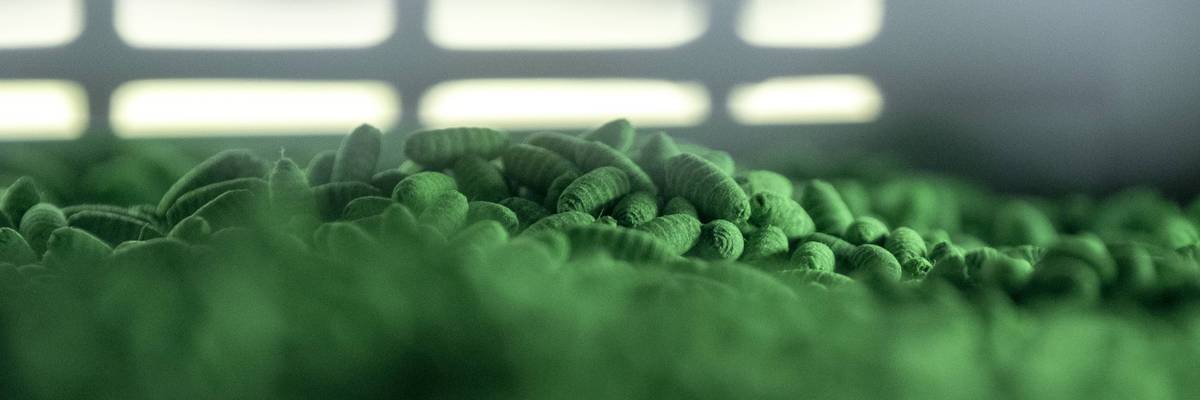
A crate of 80,000 sterile New World Screwworm pupae is installed at Chapparosa Ranch on June 11, 2026 in La Pryor, Texas.
"Trump and Musk’s DOGE 'saved' $15 million by cutting a program dedicated to preventing the spread of screwworm," said Rep. Pramila Jayapal. "Now, there’s an outbreak infecting our beef and the administration is spending $1 billion."
When Elon Musk's "Department of Government Efficiency" took its chainsaw to the federal bureaucracy last year, it created bottlenecks that may have hampered the fight against the screwworm infestation currently menacing the southwest while making it much more expensive.
The annual US Department of Agriculture (USDA) spending to combat the flesh-eating insects only amounted to about $15 million per year. But along with about $382 million aimed at combating animal-borne illnesses around the globe, it was terminated in March 2025 as part of DOGE's effort to root out what it described as government "waste."
But now, with the pests bearing down on Texas and New Mexico, and at least 12 infections already identified in the US as of Tuesday, the Trump administration is spending at least $1 billion to fight the outbreak.
Brooke Rollins last November: We have screwworm under control south of the border. Beef prices will come down by spring 2026.
(The screwworm has just been detected in Texas for the first time in 60 years) pic.twitter.com/ozXdI88jXk
— FactPost (@factpostnews) June 4, 2026
Last week, during a Senate hearing, Secretary of Agriculture Brooke Rollins attempted to shift blame for the screwworm outbreak onto the Biden administration, while portraying herself and President Donald Trump as proactive in response to reports last spring that the insects were rapidly climbing through Central America.
Rollins said she asked Trump for "$1 billion to build a significant facility" in Texas that would breed hundreds of millions of sterilized male screwworm flies, a method that had been used to keep them contained in South America for decades. "Without hesitation, a couple questions, he said, ‘go.’”
That facility is expected to release around 300 million sterile flies per week. But it is not expected to be fully operational until the end of 2027.
In addition to the $15 million cut to monitoring the spread of the bugs from Panama, the Houston Chronicle reported that DOGE paused plans for a facility in Mexico that the Biden administration had authorized in 2024 as part of a $165 million emergency package to fight screwworm.
Amid mass layoffs at the USDA, it reported that funding for the facility—which was supposed to produce between 60-100 million sterile flies per week—was not announced until May 2025.
While the USDA’s Animal and Plant Health Inspection Service (APHIS) still says fly production at the facility is expected to begin "as early as summer 2026," it is still listed as "under construction."
Kevin Shea, who served as administrator of APHIS under the Obama administration and retired from the agency in January 2025, told the Chronicle that efforts to contain the screwworm were put on hold at the start of Trump's second term.
“This administration came in so skeptical of the career people, they didn’t really want to listen,” he said. “The hold up in the money going to Mexico for the sterile fly facility was most likely caught up in the whole DOGE thing. It probably looked like some sort of foreign aid.”
Journalist Christopher Collins wrote in the Texas Observer on Tuesday that, additionally, “deep staffing cuts" to APHIS, which lost nearly 1,900 employees during Trump's first year back in office, eliminated "the first line of defense against incoming parasites," who are responsible for "inspecting the cattle awaiting import from Mexico to ensure no screwworms are hitching a ride."
Not joking but @elonmusk should have to pay for this right?
You broke it, why do we all have to pay for it? https://t.co/7SSgyuP0yr
— Ryan Grim (@ryangrim) June 16, 2026
As the spread of screwworm across cattle country threatens to further drive up beef prices that have already increased by over 20% since Trump returned to office, critics of the administration are seizing on it to highlight the failure of the president's so-called "efficiency" initiative, which—despite the grandeur of Musk's cost-cutting claims—ended up costing taxpayers an estimated $165 billion, according to an April 2026 report from the nonpartisan Partnership for Public Service.
Rep. Pramila Jayapal (D-Wash.) called the screwworm saga a prime example of DOGE's "peak incompetence."
"Trump and Musk’s DOGE 'saved' $15 million by cutting a program dedicated to preventing the spread of screwworm," she said. "Now, there’s an outbreak infecting our beef and the administration is spending $1 billion."
Reacting to the news that the government was spending at least $1 billion to confront the screwworm crisis, Drop Site News co-founder Ryan Grim wrote on social media, "Not joking but Elon Musk should have to pay for this right?"
"You broke it," he said, tagging the man who recently became the world's first trillionaire. "Why do we all have to pay for it?"
Dear Common Dreams reader, It’s been nearly 30 years since I co-founded Common Dreams with my late wife, Lina Newhouser. We had the radical notion that journalism should serve the public good, not corporate profits. It was clear to us from the outset what it would take to build such a project. No paid advertisements. No corporate sponsors. No millionaire publisher telling us what to think or do. Many people said we wouldn't last a year, but we proved those doubters wrong. Together with a tremendous team of journalists and dedicated staff, we built an independent media outlet free from the constraints of profits and corporate control. Our mission has always been simple: To inform. To inspire. To ignite change for the common good. Building Common Dreams was not easy. Our survival was never guaranteed. When you take on the most powerful forces—Wall Street greed, fossil fuel industry destruction, Big Tech lobbyists, and uber-rich oligarchs who have spent billions upon billions rigging the economy and democracy in their favor—the only bulwark you have is supporters who believe in your work. But here’s the urgent message from me today. It's never been this bad out there. And it's never been this hard to keep us going. At the very moment Common Dreams is most needed, the threats we face are intensifying. We need your support now more than ever. We don't accept corporate advertising and never will. We don't have a paywall because we don't think people should be blocked from critical news based on their ability to pay. Everything we do is funded by the donations of readers like you. When everyone does the little they can afford, we are strong. But if that support retreats or dries up, so do we. Will you donate now to make sure Common Dreams not only survives but thrives? —Craig Brown, Co-founder |
When Elon Musk's "Department of Government Efficiency" took its chainsaw to the federal bureaucracy last year, it created bottlenecks that may have hampered the fight against the screwworm infestation currently menacing the southwest while making it much more expensive.
The annual US Department of Agriculture (USDA) spending to combat the flesh-eating insects only amounted to about $15 million per year. But along with about $382 million aimed at combating animal-borne illnesses around the globe, it was terminated in March 2025 as part of DOGE's effort to root out what it described as government "waste."
But now, with the pests bearing down on Texas and New Mexico, and at least 12 infections already identified in the US as of Tuesday, the Trump administration is spending at least $1 billion to fight the outbreak.
Brooke Rollins last November: We have screwworm under control south of the border. Beef prices will come down by spring 2026.
(The screwworm has just been detected in Texas for the first time in 60 years) pic.twitter.com/ozXdI88jXk
— FactPost (@factpostnews) June 4, 2026
Last week, during a Senate hearing, Secretary of Agriculture Brooke Rollins attempted to shift blame for the screwworm outbreak onto the Biden administration, while portraying herself and President Donald Trump as proactive in response to reports last spring that the insects were rapidly climbing through Central America.
Rollins said she asked Trump for "$1 billion to build a significant facility" in Texas that would breed hundreds of millions of sterilized male screwworm flies, a method that had been used to keep them contained in South America for decades. "Without hesitation, a couple questions, he said, ‘go.’”
That facility is expected to release around 300 million sterile flies per week. But it is not expected to be fully operational until the end of 2027.
In addition to the $15 million cut to monitoring the spread of the bugs from Panama, the Houston Chronicle reported that DOGE paused plans for a facility in Mexico that the Biden administration had authorized in 2024 as part of a $165 million emergency package to fight screwworm.
Amid mass layoffs at the USDA, it reported that funding for the facility—which was supposed to produce between 60-100 million sterile flies per week—was not announced until May 2025.
While the USDA’s Animal and Plant Health Inspection Service (APHIS) still says fly production at the facility is expected to begin "as early as summer 2026," it is still listed as "under construction."
Kevin Shea, who served as administrator of APHIS under the Obama administration and retired from the agency in January 2025, told the Chronicle that efforts to contain the screwworm were put on hold at the start of Trump's second term.
“This administration came in so skeptical of the career people, they didn’t really want to listen,” he said. “The hold up in the money going to Mexico for the sterile fly facility was most likely caught up in the whole DOGE thing. It probably looked like some sort of foreign aid.”
Journalist Christopher Collins wrote in the Texas Observer on Tuesday that, additionally, “deep staffing cuts" to APHIS, which lost nearly 1,900 employees during Trump's first year back in office, eliminated "the first line of defense against incoming parasites," who are responsible for "inspecting the cattle awaiting import from Mexico to ensure no screwworms are hitching a ride."
Not joking but @elonmusk should have to pay for this right?
You broke it, why do we all have to pay for it? https://t.co/7SSgyuP0yr
— Ryan Grim (@ryangrim) June 16, 2026
As the spread of screwworm across cattle country threatens to further drive up beef prices that have already increased by over 20% since Trump returned to office, critics of the administration are seizing on it to highlight the failure of the president's so-called "efficiency" initiative, which—despite the grandeur of Musk's cost-cutting claims—ended up costing taxpayers an estimated $165 billion, according to an April 2026 report from the nonpartisan Partnership for Public Service.
Rep. Pramila Jayapal (D-Wash.) called the screwworm saga a prime example of DOGE's "peak incompetence."
"Trump and Musk’s DOGE 'saved' $15 million by cutting a program dedicated to preventing the spread of screwworm," she said. "Now, there’s an outbreak infecting our beef and the administration is spending $1 billion."
Reacting to the news that the government was spending at least $1 billion to confront the screwworm crisis, Drop Site News co-founder Ryan Grim wrote on social media, "Not joking but Elon Musk should have to pay for this right?"
"You broke it," he said, tagging the man who recently became the world's first trillionaire. "Why do we all have to pay for it?"
When Elon Musk's "Department of Government Efficiency" took its chainsaw to the federal bureaucracy last year, it created bottlenecks that may have hampered the fight against the screwworm infestation currently menacing the southwest while making it much more expensive.
The annual US Department of Agriculture (USDA) spending to combat the flesh-eating insects only amounted to about $15 million per year. But along with about $382 million aimed at combating animal-borne illnesses around the globe, it was terminated in March 2025 as part of DOGE's effort to root out what it described as government "waste."
But now, with the pests bearing down on Texas and New Mexico, and at least 12 infections already identified in the US as of Tuesday, the Trump administration is spending at least $1 billion to fight the outbreak.
Brooke Rollins last November: We have screwworm under control south of the border. Beef prices will come down by spring 2026.
(The screwworm has just been detected in Texas for the first time in 60 years) pic.twitter.com/ozXdI88jXk
— FactPost (@factpostnews) June 4, 2026
Last week, during a Senate hearing, Secretary of Agriculture Brooke Rollins attempted to shift blame for the screwworm outbreak onto the Biden administration, while portraying herself and President Donald Trump as proactive in response to reports last spring that the insects were rapidly climbing through Central America.
Rollins said she asked Trump for "$1 billion to build a significant facility" in Texas that would breed hundreds of millions of sterilized male screwworm flies, a method that had been used to keep them contained in South America for decades. "Without hesitation, a couple questions, he said, ‘go.’”
That facility is expected to release around 300 million sterile flies per week. But it is not expected to be fully operational until the end of 2027.
In addition to the $15 million cut to monitoring the spread of the bugs from Panama, the Houston Chronicle reported that DOGE paused plans for a facility in Mexico that the Biden administration had authorized in 2024 as part of a $165 million emergency package to fight screwworm.
Amid mass layoffs at the USDA, it reported that funding for the facility—which was supposed to produce between 60-100 million sterile flies per week—was not announced until May 2025.
While the USDA’s Animal and Plant Health Inspection Service (APHIS) still says fly production at the facility is expected to begin "as early as summer 2026," it is still listed as "under construction."
Kevin Shea, who served as administrator of APHIS under the Obama administration and retired from the agency in January 2025, told the Chronicle that efforts to contain the screwworm were put on hold at the start of Trump's second term.
“This administration came in so skeptical of the career people, they didn’t really want to listen,” he said. “The hold up in the money going to Mexico for the sterile fly facility was most likely caught up in the whole DOGE thing. It probably looked like some sort of foreign aid.”
Journalist Christopher Collins wrote in the Texas Observer on Tuesday that, additionally, “deep staffing cuts" to APHIS, which lost nearly 1,900 employees during Trump's first year back in office, eliminated "the first line of defense against incoming parasites," who are responsible for "inspecting the cattle awaiting import from Mexico to ensure no screwworms are hitching a ride."
Not joking but @elonmusk should have to pay for this right?
You broke it, why do we all have to pay for it? https://t.co/7SSgyuP0yr
— Ryan Grim (@ryangrim) June 16, 2026
As the spread of screwworm across cattle country threatens to further drive up beef prices that have already increased by over 20% since Trump returned to office, critics of the administration are seizing on it to highlight the failure of the president's so-called "efficiency" initiative, which—despite the grandeur of Musk's cost-cutting claims—ended up costing taxpayers an estimated $165 billion, according to an April 2026 report from the nonpartisan Partnership for Public Service.
Rep. Pramila Jayapal (D-Wash.) called the screwworm saga a prime example of DOGE's "peak incompetence."
"Trump and Musk’s DOGE 'saved' $15 million by cutting a program dedicated to preventing the spread of screwworm," she said. "Now, there’s an outbreak infecting our beef and the administration is spending $1 billion."
Reacting to the news that the government was spending at least $1 billion to confront the screwworm crisis, Drop Site News co-founder Ryan Grim wrote on social media, "Not joking but Elon Musk should have to pay for this right?"
"You broke it," he said, tagging the man who recently became the world's first trillionaire. "Why do we all have to pay for it?"

