

SUBSCRIBE TO OUR FREE NEWSLETTER
Daily news & progressive opinion—funded by the people, not the corporations—delivered straight to your inbox.
5
#000000
#FFFFFF
To donate by check, phone, or other method, see our More Ways to Give page.
Daily news & progressive opinion—funded by the people, not the corporations—delivered straight to your inbox.
"This global trend towards expanding PFAS production raises the frightening prospect that the partial restrictions on PFAS favored by some politicians will be swept aside by a tidal wave of new output."
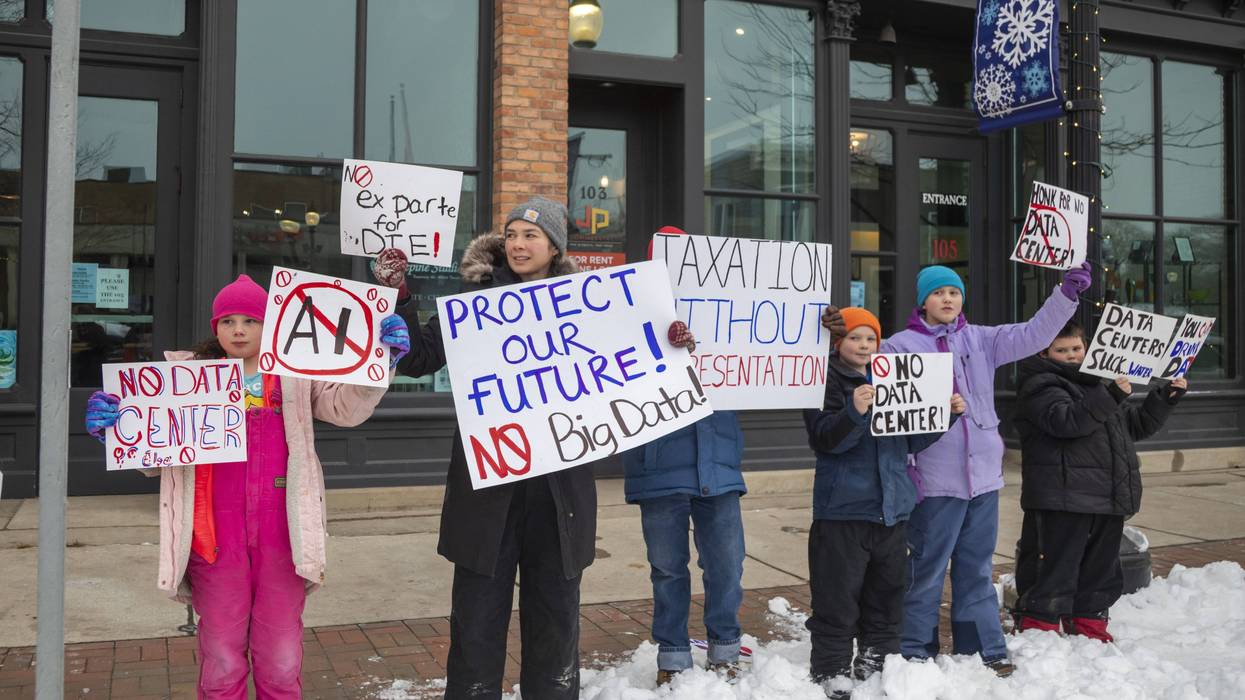
As a United Nations expert reiterated a call for a global ban on nonessential uses of per- and polyfluoroalkyl substances, a Swedish nonprofit on Monday released research on how rapidly advancing artificial intelligence and related data centers are helping to drive a surge in PFAS production.
Often called "forever chemicals" because they don't easily break down in human bodies or the environment, PFAS are tied to range of health issues, including various cancers. For months, advocacy groups, journalists, and researchers have stressed that "data centers have a PFAS problem."
That's illustrated clearly in the new report from the International Chemical Secretariat, or ChemSec, which found that an ongoing expansion by many of the world's top 10 PFAS producers "is driven by three main sources of demand—AI and data center infrastructure, semiconductor manufacturing, and lithium-ion battery materials."
Covering the report, The Guardian explained that "PFAS are used for a new form of data center cooling touted as more water- and energy-efficient. In 'two-phase immersion cooling' systems, servers are immersed in a pool of PFAS with a low boiling point. As the hardware gets hot, the fluid boils, drawing heat away as vapor. That rises to a water-cooled condensing coil at the top of the tank, cools back to a liquid state, and reenters the cycle."
ChemSec highlighted that "PFAS manufacturers all over the world are explicitly framing their investments around 'the AI revolution' and microchip fabrication. Battery-grade fluoropolymers are a parallel growth area, in which Arkema and Syensqo are expanding their existing production and building new manufacturing facilities."
In addition to those companies—based in France and Belgium, respectively—the report examines AGC and Daikin in Japan, Archroma in Switzerland, BASF and Bayer in Germany, Chemours and Solstice in the United States, and Orbia Fluor & Energy Materials in Mexico. It also mentions US-based 3M, which "pioneered PFAS production when the chemicals were first invented back in the 1940s" and has plans to leave the industry, though that exit "is still very recent and shrouded in secrecy."
The report points out that "the CEO of US manufacturer Solstice told investors in June that strong AI demand represents a 'generational opportunity' for growth. And we know what that means: a lot more PFAS. Japanese multinational Daikin plans to more than triple its fluoropolymer production capacity in response to the rapidly growing semiconductor market. It is building a new factory, set to start manufacturing more PFAS next year."
"This global trend towards expanding PFAS production raises the frightening prospect that the partial restrictions on PFAS favored by some politicians will be swept aside by a tidal wave of new output," ChemSec warned. "It confirms that the only effective method to end this toxic pollution crisis is to implement universal bans with strictly time-limited derogations to enable certain sectors to adjust."
"The only clear exceptions are 3M and BASF, which have announced they will cease production as expensive legal challenges to their PFAS pollution pile up, and Archroma, which markets PFAS-free alternatives," the group noted. "These companies are sending a signal to the rest of the industry—it can be done, and it must be done."
Bethanie Carney Almroth, an environmental scientist and researcher who became the United Nations' special rapporteur on toxics and human rights last month, spotlighted a recent UN report on PFAS—which urged a ban on nonessential uses—and emphasized that "this is an issue of global environmental justice."
Melanie Benesh, the US-based Environmental Working Group's vice president for government affairs, said in a Monday statement that "PFAS have been linked to kidney, liver, pancreatic, and testicular cancers; as well as immune system suppression, thyroid disease, reduced vaccine efficacy, reproductive and developmental harm, low birth weight, increased cholesterol, weight gain in children and dieting adults, and a growing list of serious health effects."
"For decades, US regulators have let industry set the pace on PFAS. Communities pay the price, like in North Carolina, where Emily Donovan's group Clean Cape Fear is leading the fight to make polluters pay," she continued. "The United States helped create this crisis. It has a responsibility to help end it."
"The world's governments now have a UN report telling them exactly what needs to happen," she added. "The only question left is whether they'll act on it. We must stop making the problem worse and ensure that polluters—not contaminated communities—pay for the damage."
Separately—and on the heels of various artificial intelligence experts sounding the alarm about the pace at which the technology is advancing—UN High Commissioner for Human Rights Volker Türk argued Monday in an open letter that "to protect human rights now and into the future, we must govern AI urgently."
In the United States, the current administration and Republican-controlled Congress have resisted restricting AI, data center construction, or PFAS. Amid mounting calls for limits on the first of those, President Donald Trump claimed on Monday that "the only control or 'guardrails' that AI needs is a STRONG AND SMART (High IQ!) PRESIDENT, and the USA has that, in spades!"
"The EPA's silence leaves families in the dark and falls far short of its responsibility to protect public health," said the Environmental Working Group's president.
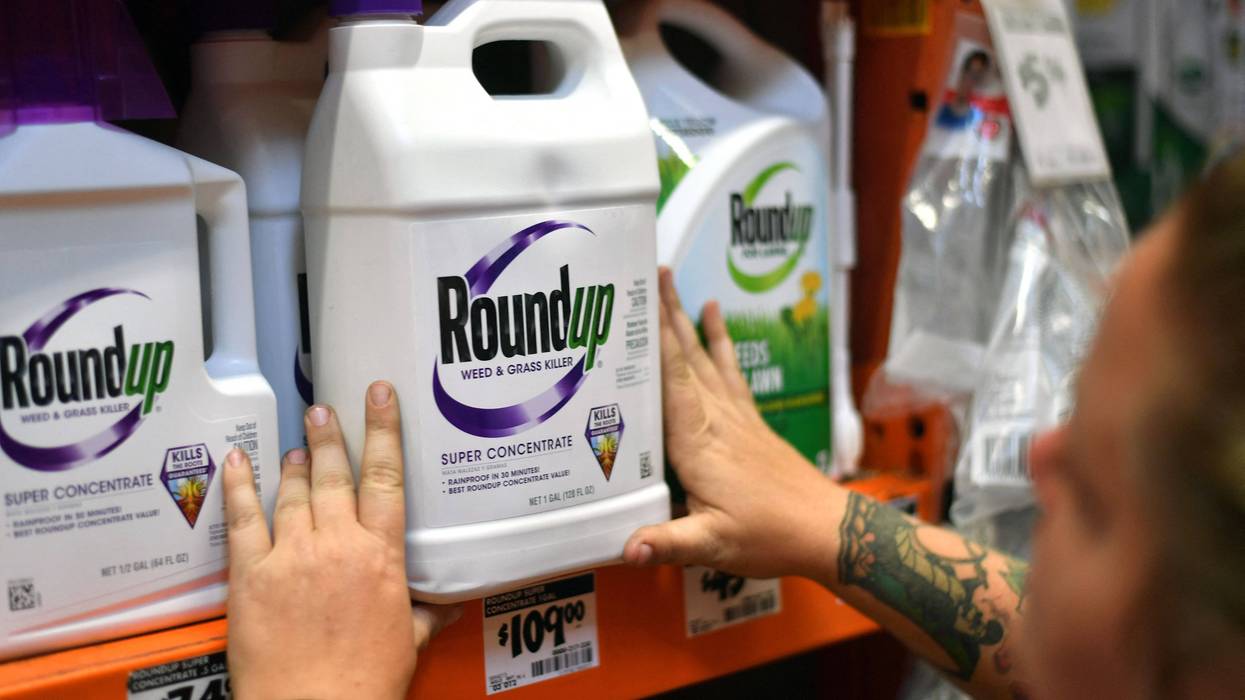
Just days before the US Supreme Court is set to hear arguments related to glyphosate's health risks, the Environmental Working Group on Tuesday sued the Trump administration for unlawfully delaying its response to an EWG petition seeking stronger restrictions on "the most widely used herbicide in the United States and globally."
The filing at the US Court of Appeals for the District of Columbia Circuit calls out the US Environmental Protection Agency (EPA) for failing to act on evidence that glyphosate, the active ingredient in Monsanto's Roundup, "is exposing infants and young children to harmful levels through everyday foods."
EWG and its co-petitioners filed a formal administrative petition under the Federal Food, Drug, and Cosmetic Act in 2018, during President Donald Trump's first term, and amended it the following year. They want the EPA to revoke or modify the glyphosate policy for oats, so it's stricter, and restrict its use as a pre-harvest drying agent.
"Congress required EPA to ensure that pesticide residues in food are safe, with particular protection for children," the new filing states. "Yet, more than seven years after being presented with substantial scientific evidence that the current tolerance for glyphosate in oats may not meet that standard, EPA has failed to make any final, reviewable determination."
EWG president and co-founder Ken Cook declared in a Tuesday statement that "parents shouldn't have to second-guess whether everyday foods like cereal and snack bars are putting their children at risk of cancer."
"The EPA's silence leaves families in the dark and falls far short of its responsibility to protect public health," he continued. "It's time for the agency to stop stalling and do its job."
The World Health Organization's International Agency for Research on Cancer classified glyphosate as "probably carcinogenic" to humanity over a decade ago, while the EPA has repeatedly claimed that it is not likely to cause cancer in humans despite mounting research, the recent retraction of a landmark study on the pesticide's supposed safety, and legal battles between patients and Bayer, which bought Monsanto in 2018.
Next week, the nation's top court is set to hear arguments in a case that, as EWG warned Tuesday, "could have sweeping implications for whether farmers and consumers can keep pursuing lawsuits for harms linked to glyphosate, and whether states can require warning labels on glyphosate products."
The Wall Street Journal noted Monday that while the company continues to insist on glyphosate's safety, it "wants anyone with a claim to join the settlement" negotiated with a team of lawyers representing around 40,000 claimants that "would bring Bayer's total price tag to resolve the Roundup litigation to roughly $22 billion."
Despite Trump and Health and Human Services Secretary Robert F. Kennedy Jr.'s campaign promise to "Make America Healthy Again," the administration has notably sided with Bayer in the case before the Supreme Court, and the president in February even issued an executive order mandating the production of glyphosate.
"If anyone still wondered whether 'Make America Healthy Again' was a genuine commitment to protecting public health or a scam concocted by President Trump and RFK Jr. to rally health-conscious voters in 2024, today's decision answers that question," Cook said at the time. "It's a shocking betrayal to all of us but especially the people who live and work near farm fields where glyphosate is used."
Still, EWG is plowing ahead with its legal action, arguing that "the EPA has a clear legal duty to act on this petition, and it has simply refused to do so," as the group's general counsel and COO, Caroline Leary, put it. "This kind of delay has real consequences for families who rely on the agency to ensure children are not exposed to toxic farm chemical residues like glyphosate."
"This is exactly the kind of situation where courts are meant to step in," Leary added. "The EPA cannot avoid its responsibilities simply by doing nothing."
“This is not just a policy shift—it’s a wholesale abandonment of government commitments to the American public," said one advocate.
The so-called "Make America Healthy Again" movement encapsulated a key campaign promise ahead of President Donald Trump's second term in office, with Trump telling one Pennsylvania crowd in 2024, "We’re going to get toxic chemicals out of our environment, and we’re going to get them out of our food supply."
But the Trump administration has gradually announced a slew of public health-related policies and proposals since the president took office—pushing to loosen emissions rules for the cancer-causing gas ethylene oxide; suggesting the polio vaccine should be optional; and mandating the production of carcinogenic glyphosate—and a peer-reviewed study has now cataloged the "grave threat to America's health" that Trump's policies present.
"During the first administration of President Donald Trump, nearly 100 environmental and occupational protections, including air-quality safeguards, were rescinded," reads the study, published in The New England Journal of Medicine (NEJM) on March 25. "Although many of those rescissions were delayed by litigation or reversed by President Joe Biden, they inflicted considerable harm on Americans’ health. The second Trump administration’s actions have been even more aggressive, portending greater harm."
Weeks after the US Senate confirmed Health and Human Services Secretary Robert F. Kennedy in February 2025—a confirmation that he secured after making the baseless claim that Americans would prefer the for-profit insurance system over universal healthcare and refusing to reject debunked claims about vaccines—the administration appeared to make clear its true views on public health when it announced 31 climate regulation rollbacks.
"Those initiatives and other administration actions are set to reverse progress on pollution, make workplaces more dangerous, and (in Environmental Protection Agency Administrator Lee Zeldin’s words) drive 'a dagger straight into the heart of the climate change religion,'" reads the study.
The proposals swiftly introduced by the administration included:
Ken Cook, co-founder of the Environmental Working Group (EWG), said the study described "a deliberate dismantling of safeguards that protect the air, water, and health of nearly every person in this country—all in the service of polluters."
“This is not just a policy shift—it’s a wholesale abandonment of government commitments to the American public and the MAHA movement that helped propel Trump into office,” said Cook, who did not contribute to the study.
Philip Landrigan, a pediatrician and public health physician who directs the Global Observatory on Planetary Health at Boston College and is the lead author of the paper, told EWG that the “impacts of these rollbacks will fall most heavily on the most vulnerable among us—including infants—resulting in brain injury, neurodevelopmental disorders, increased preterm births, and elevated lifelong risk of chronic disease.”
Children and other vulnerable populations, including those in low-income communities situated close to petrochemical industrial areas, are likely to have increased mercury, benzene, and arsenic exposures—raising their risk of developing cancers and other diseases—due to the Trump administration's rollbacks, according to the study.
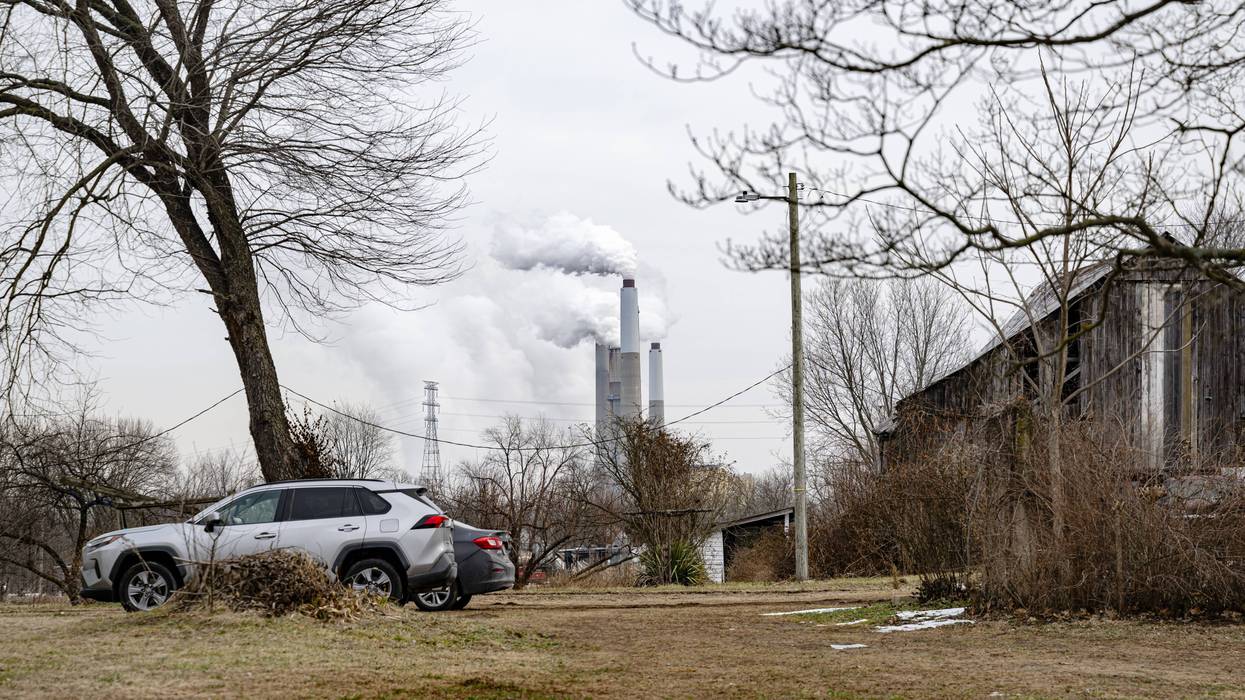
"Several proposed policies would weaken water-quality standards, reducing drinking-water safety for millions of people," reads the paper. "For example, the EPA seeks to weaken regulations governing effluent discharges from coal-fired power plants. The resulting increase in waterborne lead, mercury, and arsenic will increase the incidence of bladder cancers and adversely affect children’s cognitive function."
The study's authors emphasized that "statistics and documentation are not enough" to protect the public from the White House's harmfiul policies.
"Unless health professionals speak up, and unless we put a human face on the tragic consequences of these environmental rollbacks, the connection between these seemingly abstract policy changes and the real health harms they cause may remain invisible," reads the study. "We health professionals must call urgent attention to this silent but deadly assault on Americans’ health, work with broad coalitions to halt it, and ultimately rebuild the agencies, protections, and shared sense of trust and responsibility that have given us clean air and water and enabled us and our children to live longer, healthier lives."
Cook noted that the NEJM itself has been a target of the administration, with Kennedy calling highly respected, science-based journals "corrupt" and the Department of Justice questioning the publication's editorial integrity.
“No amount of political pressure or intimidation should silence independent science or the experts working to protect public health,” Cook said. “The NEJM and the study’s authors rightly ignore those threats and lay bare the real-world consequences of the Trump administration’s actions—and the American people deserve to hear it.”

"This is what happens when pesticide oversight is controlled by industry lobbyists," said one campaigner.
Despite U.S. President Donald Trump's supposed goal to "Make America Healthy Again," his administration is moving to reregister dicamba, a pesticide twice banned by federal courts, for use on genetically engineered cotton and soybeans.
In response to legal challenges from the Center for Biological Diversity, Center for Food Safety, National Family Farm Coalition, and the Pesticide Action Network, courts ruled against the herbicide's registration in 2020 and again last year.
The Environmental Protection Agency announced its latest push to allow the use of dicamba on Wednesday, detailing proposed mitigation efforts—including temperature restrictions and the use of drift reduction agents—that EPA spokesperson Molly Vaseliou told The Washington Post would "minimize impact to certain species and the environment."
The EPA's proposed registration is now open for public comment until August 22, but supporters and critics are already weighing in. While the pesticide companies welcomed the agency's attempt to allow dicamba products from BASF, Bayer, and Syngenta, the advocacy groups behind the court battles sharply called out the Trump administration.
"EPA has had seven long years of massive drift damage to learn that dicamba cannot be used safely with GE dicamba-resistant crops," said Bill Freese, science director at the Center for Food Safety, in a statement.
"If we allow these proposed decisions to go through, farmers and residents throughout rural America will again see their crops, trees, and home gardens decimated by dicamba drift, and natural areas like wildlife refuges will also suffer," he warned. "EPA must reverse course and withdraw its plans to reapprove this hazardous herbicide."
Nathan Donley, environmental health science director at the Center for Biological Diversity, declared that "Trump's EPA is hitting new heights of absurdity by planning to greenlight a pesticide that's caused the most extensive drift damage in U.S. agricultural history and twice been thrown out by federal courts."
"This is what happens when pesticide oversight is controlled by industry lobbyists," he charged. "Corporate fat cats get their payday and everyone else suffers the consequences."
The centers pointed out that "the decision to seek reapproval comes less than a month after Kyle Kunkler, a former lobbyist for the American Soybean Association, was installed as the deputy assistant administrator for pesticides in the EPA's Office of Chemical Safety and Pollution Prevention. The ASA has been a vocal cheerleader for dicamba since its initial approval for use on soybeans in 2016, despite the fact that soybeans have been the most widely damaged crop."
The Post asked the EPA whether Kunkler's recent appointment influenced the dicamba decision. In response, Vaseliou said that the "EPA follows the federal Insecticide, Fungicide, and Rodenticide Act when registering pesticides" and any insinuation otherwise was "further 'journalism' malpractice by The Washington Post."
After Kunkler's new job was made public last month, the Environmental Working Group (EWG) also flagged his "years of advocating against restrictions on farm chemicals such as glyphosate and atrazine," and stressed that "these are the very pesticides singled out in Department of Health and Human Services Secretary Robert F. Kennedy Jr.'s 'Make America Healthy Again' report for their potential links to chronic illness in children."
"The appointment of Kyle Kunkler sends a loud, clear message: Industry influence is back in charge at the EPA," said EWG president Ken Cook at the time. "It's a stunning reversal of the campaign promises Trump and RFK Jr. made to their MAHA followers—that they'd stand up to chemical giants and protect children from dangerous pesticides."
"To those who genuinely believed the MAHA movement would lead to meaningful change on toxic exposures: We understand the hope," he said. "But hope doesn't regulate pesticides. People with power do. And this pick all but guarantees the status quo will remain untouched."
Cook—whose group has also sounded the alarm about dicamba—concluded that Kunkler's EPA post "is but the latest example of the Trump administration's sweeping betrayal of environmental protection and public health."
"Once again, the Trump administration has demonstrated that its priority is bending to corporate interests, not protecting the safety and well-being of everyday people," said one critic.
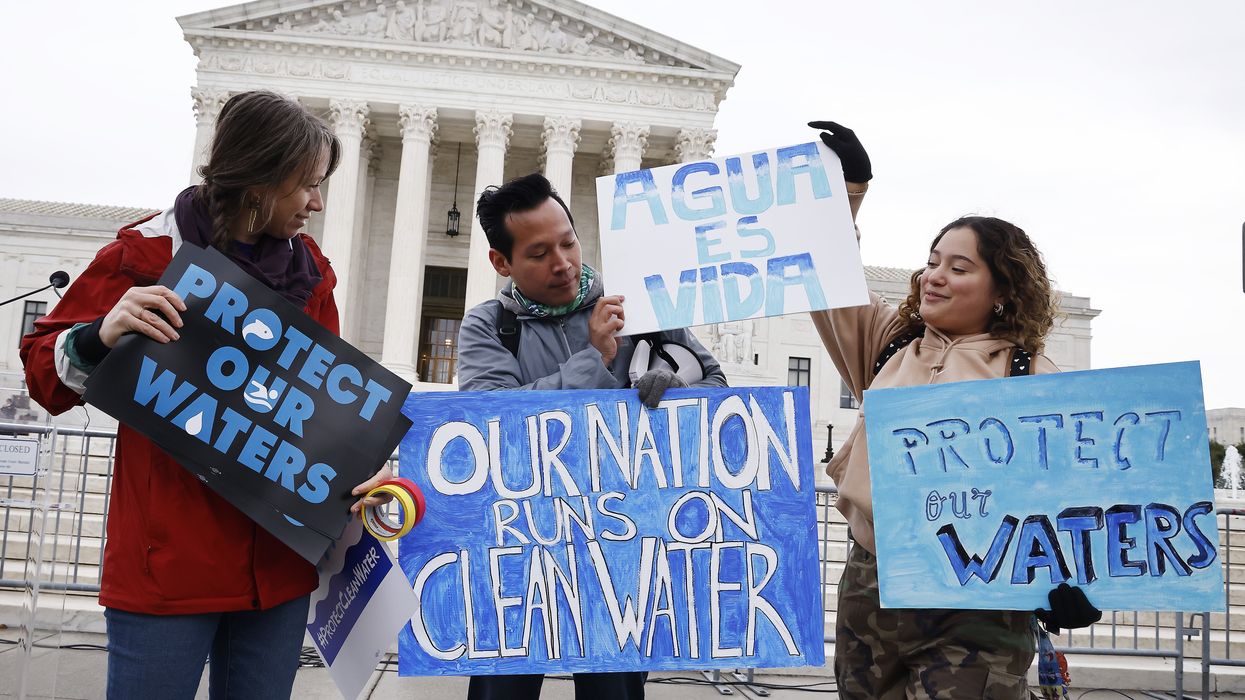
Bowing to industry pressure, the Environmental Protection Agency is planning to roll back limits on so-called "forever chemicals" in drinking water—a move that critics said belies President Donald Trump's dubious pledge to "ensure that America has among the very cleanest air and cleanest water on the planet."
In a misleading announcement, the EPA said Wednesday that it will "keep maximum contaminant levels" (MCLs) for two per- and polyfluoroalkyl substances (PFAS)—PFOA and PFOS—as part of an effort to "provide regulatory flexibility and holistically address these contaminants in drinking water."
However, the EPA plans to scrap MCLs for four other forever chemicals: PFNA, PFHxS, GenX, and PFBS.
"These four chemicals are the ones currently in use because industry developed them to replace PFOA and PFOS, so they are the chemicals most likely to increase contamination in the future," explained former senior EPA water official Betsy Southerland in a statement issued by the Environmental Protection Network on Wednesday.
"It is incredibly inefficient to regulate them years after the treatment has been installed only for PFOA and PFOS," Southerland added. "[EPA Administrator Lee] Zeldin's announcement on PFAS drinking water standards ensures that America's children will be drinking PFAS for another decade while he slows drinking water and wastewater PFAS treatment for years."
The EPA just announced its decision on PFAS, toxic forever chemicals, that reverses course on most of a crucial public health rule from just last year. We need more action, not less, to protect Americans from PFAS.
[image or embed]
— NRDC (@nrdc.org) May 14, 2025 at 7:34 AM
The EPA also pushed back the deadline for compliance with a Biden administration rule finalized last year aimed at ensuring polluters pay forever chemical cleanup costs, from 2029 to 2031. Earlier this week, the EPA said it is delaying a key PFAS reporting rule by one year.
"This is a betrayal of public health at the highest level," Environmental Working Group president Ken Cook said in response to Wednesday's announcement. "You can't make America healthy while allowing toxic chemicals to flow freely from our taps. The EPA is caving to chemical industry lobbyists and pressure by the water utilities, and in doing so, it's sentencing millions of Americans to drink contaminated water for years to come."
"The cost of PFAS pollution will fall on ordinary people, who will pay in the form of polluted water and more sickness, more suffering, and more deaths from PFAS-related diseases," Cook added.
"Zeldin's announcement on PFAS drinking water standards ensures that America's children will be drinking PFAS for another decade."
Approximately half of the U.S. population is drinking PFAS-contaminated water, "including as many as 105 million whose water violates the new standards," according to the Natural Resources Defense Council (NRDC), which added that "the EPA has known for decades that PFAS endangers human health, including kidney and testicular cancer, liver damage, and harm to the nervous and reproductive systems."
Forever chemicals—so called because some of them take up to 1,000 years to break down in the environment—have myriad uses, from nonstick cookware to waterproof clothing to firefighting foam. Increasing use of forever chemicals has resulted in the detection of PFAS in the blood of nearly every person in the United States and around the world.
"The PFAS contamination crisis is much larger than just two chemicals, and there is increasing evidence that other PFAS chemicals that pollute water harm health," Cook said. "Eliminating all PFAS chemicals from drinking water is an urgent public health priority."
"If this administration is serious about making America healthier, it needs to prove it by stopping PFAS from contaminating our drinking water," he added.
NRDC senior strategic director of health Erik Olson said Wednesday that "with a stroke of the pen, the EPA is making a mockery of the Trump administration's promise to deliver clean water for Americans."
"With this action, the EPA is making clear that it's willing to ignore Americans who just want to turn on their kitchen taps and have clean, safe water," Olson asserted. "The EPA's plan to retain but delay standards for two legacy forever chemicals may offer modest consolation to some, but throwing out protections against four others will be devastating."
"The law is very clear that the EPA can't repeal or weaken the drinking water standard. This action is not only harmful, it's illegal," Olson stressed. The Safe Drinking Water Act contains an "anti-backsliding" provision prohibiting the EPA from repealing or weakening the standard.
"With a stroke of the pen, the EPA is making a mockery of the Trump administration's promise to deliver clean water for Americans."
Kelly Moser, senior attorney and leader of the Water Program at the Southern Environmental Law Center—which successfully sued the industrial chemicals giant Chemours to stop PFAS contamination in North Carolina—said Wednesday that "when this administration talks about deregulation, this is what they mean—allowing toxic chemicals in drinking water at the request of polluters."
"This action also undercuts Administrator Zeldin's acknowledgment of the severe health harms of PFAS; what people need are protections from pollution, not press releases feigning concern," Moser added.
Food & Water Watch water program director Mary Grant said Wednesday that "today's decision is a shameful and dangerous capitulation to industry pressure that will allow continued contamination of our drinking water with toxic PFAS."
"Once again, the Trump administration has demonstrated that its priority is bending to corporate interests, not protecting the safety and well-being of everyday people," Grant continued. "Nothing is safe from Trump's greed-driven agenda—not even our drinking water."
"This will cost lives," she warned.
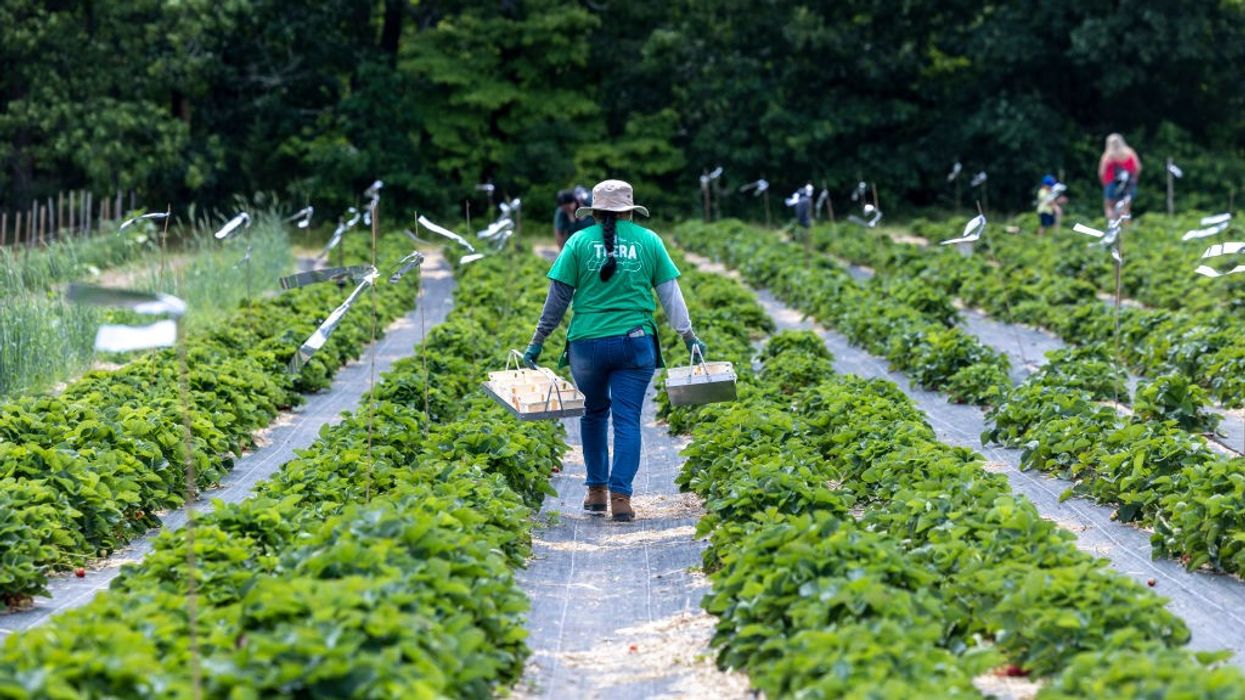
"USDA should be working to protect our food system from droughts, wildfires, and extreme weather, not denying the public access to critical resources," argued one attorney.
Climate defenders and farmers sued the Trump administration in federal court on Monday over "the U.S. Department of Agriculture's unlawful purge of climate-related policies, guides, datasets, and resources from its websites."
The complaint was filed in the Southern District of New York by Earthjustice and the Knight First Amendment Institute at Columbia University on behalf of the Environmental Working Group (EWG), Natural Resources Defense Council (NRDC), and Northeast Organic Farming Association of New York (NOFA-NY).
The case focuses on just one part of Republican President Donald Trump's sweeping effort to purge the federal government and its resources of anyone or anything that doesn't align with his far-right agenda, including information about the fossil fuel-driven climate emergency.
"USDA's irrational climate change purge doesn't just hurt farmers, researchers, and advocates. It also violates federal law several times over," Earthjustice associate attorney Jeffrey Stein said in a statement. "USDA should be working to protect our food system from droughts, wildfires, and extreme weather, not denying the public access to critical resources."
"The Trump administration has deliberately stripped farmers and ranchers of the vital tools they need to confront the escalating extreme weather threats."
Specifically, the groups accused the department of violating the Administrative Procedure Act, Freedom of Information Act, and Paperwork Reduction Act. As the complaint details, on January 30, "USDA Director of Digital Communications Peter Rhee sent an email ordering USDA staff to 'identify and archive or unpublish any landing pages focused on climate change' by 'no later than close of business' on Friday, January 31."
"Within hours, and without any public notice or explanation, USDA purged its websites of vital resources about climate-smart agriculture, forest conservation, climate change adaptation, and investment in clean energy projects in rural America, among many other subjects," the document states. "In doing so, it disabled access to numerous datasets, interactive tools, and essential information about USDA programs and policies."
EWG Midwest director Anne Schechinger explained that "by wiping critical climate resources from the USDA's website, the Trump administration has deliberately stripped farmers and ranchers of the vital tools they need to confront the escalating extreme weather threats like droughts and floods."
NOFA-NY board president Wes Gillingham emphasized that "farmers are on the frontlines of climate impacts, we have been reacting to extreme weather and making choices to protect our businesses and our food system for years. Climate change is not a hoax. Farmers, fishermen, and foresters know from experience, that we need every piece of science and intergenerational knowledge to adjust to this new reality."
Rebecca Riley, NRDC's managing director of food and agriculture, pointed out that "by removing climate information from the USDA's website, the Trump administration is not just making farming harder—it is undermining our ability to adapt and respond to the very challenges climate change presents."
The coalition asked the court to declare the purge unlawful and order the USDA to restore the webpages, to refrain from further implementing Rhee's directive, and to comply with its legal obligations regarding public notices.
“USDA's policies influence everything from the shape of our economy to the food we eat," said Stephanie Krent, a staff attorney at the Knight First Amendment Institute. "USDA's sudden elimination of webpages that used to provide this information hurts all of us. Members of the public have a right to know how the department is implementing its priorities and administering its programs."
The New York Times reported Monday that "the Agriculture Department referred questions about the lawsuit to the Justice Department, which did not immediately respond to a request for comment." The suit is just one of dozens filed against the Trump administration since the inauguration last month.
Schechinger stressed that "this lawsuit isn't just about transparency—it's about holding those in power accountable for undermining the very information that helps protect the livelihoods of food producers, the food system, and our future."

"At long last, the FDA is ending the regulatory paradox of Red 3 being illegal for use in lipstick, but perfectly legal to feed to children in the form of candy," said one advocate.
It's been used to color everything from candy to soft drinks to even watermelon—but after decades of knowing that it causes cancer, the U.S. Food and Drug Administration is finally banning erythrosine, popularly known as Red Dye No. 3, in foods and beverages.
Red Dye No. 3—commonly used to color maraschino cherries, fruit cocktails, toaster pastries, sodas, seasonal candies, cough syrups, and many other orally consumed products—has been known to cause cancer in animals since the 1980s. It has been banned in cosmetics since 1990. Manufacturers have until January 2027 to remove the toxic additive from products subject to the ban.
"This is exactly the action we need to see from the FDA."
"Because the FDA failed to uphold its legal obligation to fully ban cancer-causing additives, Red 3 remained permitted in foods, supplements, and oral drugs more than 34 years later," the Center for Science in the Public Interest said in a statement Wednesday. "That changed on January 16, 2025, thanks to a color additive petition filed by CSPI in 2022."
CSPI called the ban "a win for public health."
"At long last, the FDA is ending the regulatory paradox of Red 3 being illegal for use in lipstick, but perfectly legal to feed to children in the form of candy," Dr. Peter Lurie, president of the Center for Science in the Public Interest, said in a statement. "The primary purpose of food dyes is to make candy, drinks, and other processed foods more attractive. When the function is purely aesthetic, why accept any cancer risk?"
In addition to CSPI, numerous other groups and activists including the Center for Food Safety, Environmental Working Group (EWG), and Food & Water Watch (FWW) had petitioned the FDA for the ban.
"We wouldn't be celebrating this historic decision today without the relentless leadership of public health champions like Michael Jacobson and others who took up this fight decades ago on behalf of consumers," EWG president and co-founder Ken Cook said in a statement hailing the ban. "We all owe a debt of gratitude to Michael and the other early leaders who pushed the FDA to remove toxic chemical ingredients from the nation's food supply."
FWW senior food policy analyst Rebecca Wolf said that "this move by the FDA is long overdue, but represents a step in the right direction for consumer safety from harmful, cancer-causing chemicals."
"This is exactly the action we need to see from the FDA," Wolf added. "If the incoming FDA is serious about food safety and system reform, they should build on this win by endorsing scientifically sound policies and regulatory changes that Food & Water Watch has supported for years. These include ending the GRAS loophole that companies use to pollute our food system, removing antibiotics from animal feed, and supporting a ban on harmful chemicals in food."

"Both of these chemicals have caused too much harm for too long, despite the existence of safer alternatives," said one environmental campaigner.
The Biden administration's Environmental Protection Agency on Monday announced a permanent ban on a pair of carcinogenic chemicals widely used in U.S. industries, including dry cleaning services and automative work.
The announcement includes the complete ban of trichloroethylene—also known as TCE—a substance found in common consumer and manufacturing products including degreasing agents, furniture care and auto repair products. In addition, the agency banned all consumer uses and many commercial uses of Perc—also known as tetrachloroethylene and PCE — an industrial solvent long used in applications such as dry cleaning and auto repair.
Jonathan Kalmuss-Katz, a senior attorney at Earthjustice, applauded the move but suggested to the Post that it should have come sooner.
"Both of these chemicals have caused too much harm for too long, despite the existence of safer alternatives," Kalmuss-Katz.
The EPA's decision, reports the New York Times, was "long sought by environmental and health advocates, even as they braced for what could be a wave of deregulation by the incoming Trump administration."
The Times reports:
TCE is known to cause liver cancer, kidney cancer and non-Hodgkin’s lymphoma, and to damage the nervous and immune systems. It has been found in drinking water nationwide and was the subject of a 1995 book that became a movie, “A Civil Action,” starring John Travolta. The E.P.A. is banning all uses of the chemical under the Toxic Substances Control Act, which was overhauled in 2016 to give the agency greater authority to regulate harmful chemicals.
Though deemed "less harmful" than TCE, the Times notes how Perc has been shown to "cause liver, kidney, brain and testicular cancer," and can also damage the functioning of kidneys, the liver, and people's immune systems.
Environmentalists celebrated last year when Biden's EPA proposed the ban on TCE, as Common Dreams reported.
Responding to the news at the time, Scott Faber, senior vice president for government affairs at the Environmental Working Group (EWG), said the EPA, by putting the ban on the table, was "once again putting the health of workers and consumers first."
While President-elect Donald Trump ran on a having an environmental agenda that would foster the "cleanest air" and the "cleanest water," the late approval of EPA's ban on TCE and Perc in Biden's term means the rule will be subject to the Congressional Review Act (CRA), meaning the Republican-control Senate could reverse the measure.
In his remarks to the Times, Kalmuss-Katz of Earthjustice said that if Trump and Senate Republicans try to roll back the ban, they will be certain to "encounter serious opposition from communities across the country that have been devastated by TCE, in both blue and red states."

"We're at a tipping point, where the next administration must act decisively to avert a public health catastrophe that could define the next decade."
Environmental Working Group, a research and advocacy nonprofit, released a roadmap on Thursday calling for a comprehensive government program to address the PFAS contamination crisis facing the United States.
The EWG roadmap details the agency-by-agency response the group says is needed to deal with the environmental and public health threat posed by the nearly ubiquitous presence of per- and polyfluoroalkyl substances (PFAS), which are linked to many cancers and other serious health conditions.
EWG's plan involves not just steps that should be taken by the Environmental Protection Agency (EPA) but also the Food and Drug Administration (FDA), the departments of Agriculture, Defense, and Health and Human Services, and several other federal agencies.
Scott Faber, EWG's vice president of government affairs, said in a statement that PFAS contamination was "an unfolding disaster that demands immediate and unprecedented action."
"We're at a tipping point, where the next administration must act decisively to avert a public health catastrophe that could define the next decade," he said.
The contamination crisis from the “forever chemicals” known as PFAS is far from over, despite the Biden-Harris administration’s strides combating PFAS pollution. EWG has identified steps the next administration should take to build on successes so far. https://t.co/BQUUNnUTdI
— EWG (@ewg) August 15, 2024
EWG commended the Biden administration for the steps that it's taken to deal with the PFAS contamination crisis. The White House put forth an eight-agency PFAS plan in October 2021 and has implemented key parts, most notably by setting strict national limits on PFAS in drinking water. That rule, finalized in April, faces legal challenges from industry groups.
PFAS are set of roughly 16,000 synthetic compounds that were developed by chemical companies for use in a wide range of products. They can enter the human body—where, as "forever chemicals," they accumulate in bones and organs—through drinking water, food, the skin, or the air. Most Americans have PFAS in their blood.
Reporting by Sharon Lerner, a ProPublica journalist who previously worked at The Intercept, has indicated that 3M and DuPont, two of the major PFAS producers, knew about the dangers and widespread distribution of PFAS but hid them from the public.
In April, the EPA designated two of the most common PFAS, perfluorooctanoic acid (PFOA) and perfluorooctanesulfonic acid (PFOS), as hazardous substances under the Superfund law—another move that EWG celebrated.
"But there's much more that must be done," according to the new roadmap, authored by John Reeder, EWG's vice president of federal affairs.
In the roadmap, Reeder, a former EPA deputy chief of staff, called for the agency to double its budget for PFAS—i.e., increase its funding request to Congress—and crack down on industrial discharges, among many other proposals. He also called on the FDA to ban the use of PFAS in food packaging and establish limits on their use in foods. For the Department of Defense, Reeder's plan includes giving defense communities safe water to drink—at least 100 military sites are known to have contaminated water—and end the use of PFAS in firefighting foam.
Such federal action will likely depend on the results of the presidential and congressional elections. Project 2025, a right-wing policy blueprint for a Republican administration, proposes deregulation of PFAS and funding cuts for key EPA functions. Experts inside and outside the agency told The Guardian late last month that a victory by Republican nominee Donald Trump would mean PFAS rules would become subject to a great deal of industry influence.
Meanwhile, the scale of the PFAS problem continues to become more clear. Data recently updated by the EPA shows that 7,457 U.S. drinking water locations have PFAS in their supply, putting much of the American population at risk, according to EWG. The EPA has found that there's "no safe level of exposure" to PFOA and PFOS.
"The sheer number of contaminated sites is a red flag that says we are facing a pervasive and devastating crisis," said Tasha Stoiber, a senior scientist at EWG. "More than 130 million Americans are drinking water tainted with PFAS, putting them at risk of severe health issues. This is no longer just an environmental concern; it's a major public health emergency."

"America's farmers and consumers need forward-looking policies that build a sustainable, resilient, and fair food system," said one campaigner.
As Democratic and Republican leaders on Wednesday unveiled competing visions for the next Farm Bill, green groups sounded the alarm about the GOP proposal that "slashes nutrition programs and climate-focused conservation funding in order to boost commodity crop production."
U.S. House Committee on Agriculture Chair Glenn "GT" Thompson (R-Pa.) put out a "title-by-title overview" of priorities and announced plans for a legislative markup on May 23 while Senate Agriculture, Nutrition, and Forestry Committee Chair Debbie Stabenow (D-Mich.) released the Rural Prosperity and Food Security Act, which includes over 100 bipartisan bills.
"The contrast between the House and Senate farm bill proposals could not be clearer," asserted Environmental Working Group senior vice president for government affairs Scott Faber. "The Senate framework would ensure that farmers are rewarded when they take steps to reduce greenhouse gas emissions, and the House framework would not."
"At a time when farmer demand for climate-smart funding is growing, Congress should ensure that support for farmers offering to reduce nitrous oxide emissions from fertilizer, and methane emissions from animals and their waste, is the Department of Agriculture's top priority," Faber said. "Unless farmers are provided the tools to reduce nitrous oxide and methane emissions from agriculture, farming will soon be the nation's largest source of greenhouse gas emissions."
Friends of the Earth senior program manager Chloe Waterman declared that "House Republicans have proposed a dead-on-arrival Farm Bill framework that puts Big Ag's profits over everyone else: communities, family farmers, consumers, states and local rule, farmed animals, and the planet."
"Senate Democrats are off to a much better start than the House, but they have also fallen short by failing to shift subsidies and other support away from factory farming and pesticide-intensive commodities toward diversified, regenerative, and climate-friendly farming systems," she added. "We are particularly concerned that millions of dollars intended for climate mitigation will continue to be funneled to factory farms, including to support greenwashed factory farm gas."
Both Waterman's organization and Food and Water Watch spotlighted the Ending Agricultural Trade Suppression (EATS) Act, which aims to prevent state and local policies designed to protect animal welfare, farm workers, and food safety—like California's Proposition 12, which the U.S. Supreme Court upheld last year. The Republican bill is opposed by more than 200 members of Congress and over 150 advocacy groups.
"Despicable ploys to undermine critical consumer and animal welfare protections must be dead on arrival," Food & Water Watch senior food policy analyst Rebecca Wolf said in a Wednesday statement blasting the House GOP's priorities.
"America's farmers and consumers need forward-looking policies that build a sustainable, resilient, and fair food system," she stressed. "Instead, House leadership seems poised to take us backwards, trading state-level gains for a few more bucks in the pockets of corporate donors. Congress must move beyond partisan bickering, and get to work on a Farm Bill that cuts handouts to Big Ag and factory farms."
As green groups slammed the GOP's agricultural proposals for the Farm Bill, the Center on Budget and Policy Priorities (CBPP) called out the Republican scheme to attack food stamps.
Stabenow's bill "would protect and strengthen the Supplemental Nutrition Assistance Program (SNAP), our nation's most important and effective anti-hunger program," noted Ty Jones Cox, CBPP's vice president for food assistance.
Meanwhile, Thompson's plan "would put a healthy diet out of reach in the future for millions of families with low incomes by cutting future benefits for all SNAP participants and eroding the adequacy of SNAP benefits over time," she warned.
As Jones Cox detailed:
Thompson's proposal would prevent SNAP benefits from keeping pace with the cost of a healthy, realistic diet over time, which the Congressional Budget Office estimates would result in a roughly $30 billion cut to SNAP over the next decade. The proposal would do this by freezing the cost of the U.S. Department of Agriculture's Thrifty Food Plan (the basis for SNAP benefit levels) outside of inflation adjustments, even if nutrition guidelines or other factors change the cost of an adequate diet. The Thompson proposal's modest benefit improvements do not outweigh the harm to the tens of millions of SNAP participants—including children, older adults, and people with disabilities—who would receive less food assistance in the future because of this policy.
"Stabenow's proposal rejects the false premise that improvements in SNAP must come at the expense of food assistance for low-income families who count on SNAP to put food on the table," she concluded. "The Senate framework, which rejects harmful benefit cuts, should be the basis for farm bill negotiations moving forward."