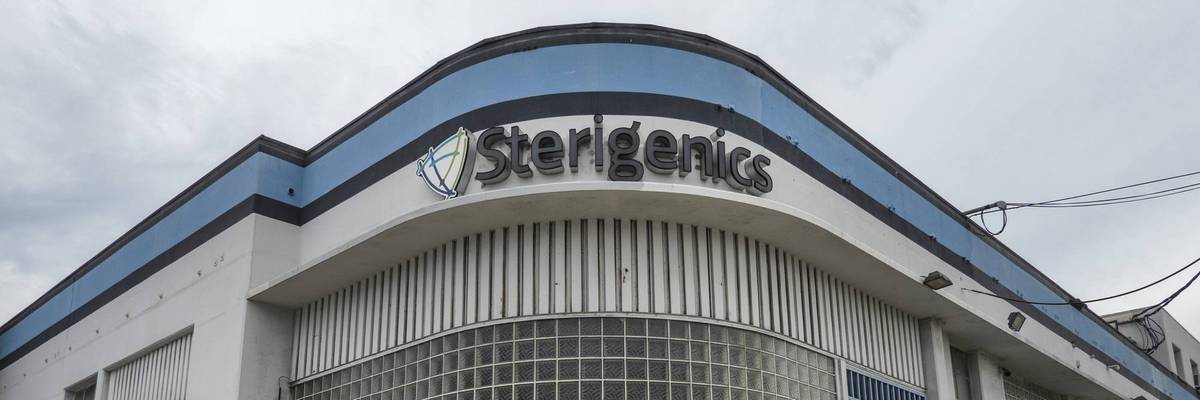
A Sterigenics facility that uses ethylene oxide is shown in Vernon, California on August 4, 2022.
Trump EPA Risks Health of Millions With Giveaway to Corporate Polluters That Use Cancer-Causing Gas
"Walking back key regulations for ethylene oxide sterilizer facilities is essentially giving a highly polluting industry a get-out-of-jail-free card," said one campaigner.
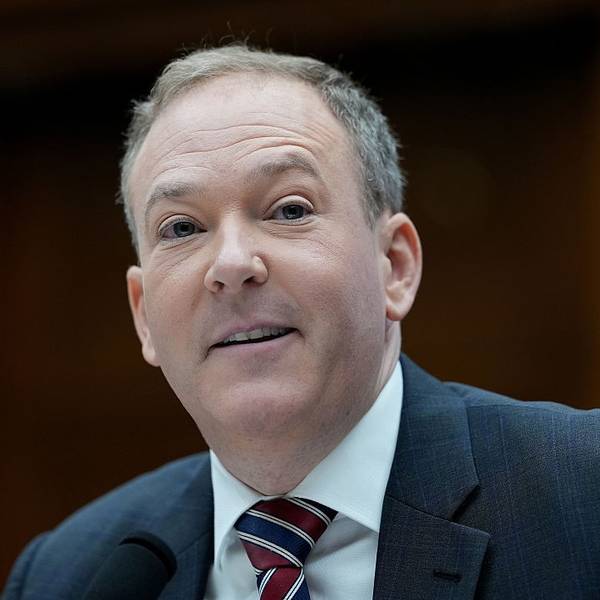
While US Environmental Protection Agency Administrator Lee Zeldin on Friday presented a proposed policy change as a demonstration of the Trump administration's commitment to "ensuring lifesaving medical devices remain available," public health advocates warned that relaxing rules on emissions of the cancer-causing gas ethylene oxide puts millions of Americans at risk.
As The New York Times explained: "The move revived a long-running debate about the paradoxical effects of ethylene oxide on public health. While it plays a crucial role in sterilizing lifesaving medical devices like pacemakers and syringes, long-term exposure can cause leukemia and other types of cancer among people who work in or live near medical sterilization facilities."
The EPA proposal would amend the Biden administration's 2024 National Emissions Standards for Hazardous Air Pollutants for facilities that use ethylene oxide, which the agency estimated would have eliminated over 90% of dangerous pollution from the gas. The previous policy was cheered by organizations including Earthjustice, which sounded the alarm on Friday.
"The 2024 standards would have delivered enormous public health benefits. EPA knows that ethylene oxide is carcinogenic and determined that sterilizers can install effective and affordable pollution controls," said Earthjustice senior attorney Deena Tumeh. "EPA has no basis to repeal this well-supported rule. By rolling back the rule, the Trump EPA is bending the knee to the sterilizer industry at the expense of millions of people's health."
Darya Minovi, a senior analyst at the Union of Concerned Scientists' (UCS) Center for Science and Democracy, similarly stressed that "this dangerous decision puts people across the United States and in Puerto Rico at a higher risk of breathing dangerous fumes known to cause respiratory irritation, nausea, blurred vision, headaches, and various cancers. Children are especially vulnerable to the cancer-causing harms of ethylene oxide exposure."
As Minovi detailed:
According to UCS analysis, nearly 14 million people in the United States live within five miles of at least one commercial sterilization facility, and more than 10,000 schools and childcare facilities fall within those areas. These communities are disproportionately made up of people of color or those who do not speak English as a first language...
This decision is a reckless and self-serving handout to big industry, which asked for this rule to be rolled back. This process sidestepped community input from the start and is an affront to communities that have unknowingly lived with ethylene oxide exposure for decades. These actions show, yet again, that this administration has little to no regard for the health and welfare of working people or any interest in protecting children from exposure to toxic chemicals.
Minovi declared that "ethylene oxide emissions controls need to be strengthened—not dismantled," an argument echoed by Jane Williams, executive director of California Communities Against Toxics and chair of the Sierra Club National Clean Air Team.
"Walking back key regulations for ethylene oxide sterilizer facilities is essentially giving a highly polluting industry a get-out-of-jail-free card. Sterilizers are some of the largest, most toxic chemical manufacturing facilities in the country,” said Williams. "Rather than regressing on key protections, these facilities need even more controls in place to ensure the safety of workers and nearby communities."
People who live near sterilizer facilities also spoke out against the proposed rule, which now faces a 45-day public comment period.
"We understand that industry applied heavy pressure to weaken the previously finalized rule. We also understand that industry remains more concerned with their profits than the lives of those who live near sterilizer facilities, like my community in Laredo," said Tricia Cortez, executive director of Rio Grande International Study Center in Texas.
"Sterilizer facilities like Midwest must be held accountable for their dangerous, cancer-causing emissions," she said. "We need an EPA that works to protect us, the people, not financial interests and corporations that continue to cause so much harm to so many."
Victor Alvarado, founder and coordinator for Comité Diálogo Ambiental, said that "I remember the EPA informing us that Steri-Tech's ethylene oxide emissions in my hometown of Salinas, Puerto Rico, were so high that we had one of the highest rates of toxic air cancer risk in the United States... Eliminating the new protections against ethylene oxide emissions is unjust."
The EPA proposal comes after President Donald Trump in July signed a series of proclamations easing pollution rules for over 100 facilities focused on energy, chemical manufacturing, iron ore processing, and sterile medical equipment. His "regulatory relief," as the Republican called it, applied to dozens of sterilization plants.
The Southern Environmental Law Center and Natural Resources Defense Council responded by filing a federal lawsuit on behalf of CleanAIRE NC, Sustainable Newton, Savannah Riverkeeper, and Virginia Interfaith Power & Light.
"We always knew the presidential exemptions issued last year were part a broader plan to put the interests of corporate polluters above the health and well-being of American families," Sustainable Newton president Maurice Carter said Friday. "But we won't stop fighting to protect our community by demanding commonsense, reasonable measures that even the EPA has said would reduce harmful emissions by 90% and lower cancer risks by 92%."
We are at a crossroads
This country and this world are at a monumental crossroads. In a few short weeks, US voters will have an opportunity to beat back the forces of fascism and confront the billionaires who are rigging the economy, our media system, and our democracy, making it increasingly impossible for ordinary people to get by. We’re not just talking about the election. We’re talking about what must be done once these fascist elements are vanquished from power. We need a bolder set of solutions than what either major party has so far been willing to offer and a working-class movement ready to fight like hell for it. Trump didn't emerge from nowhere. The conditions that fueled MAGA authoritarianism were created by decades of radical neoliberal economic policies and a corrupt political system dominated by corporate interests. They slashed taxes on the super-rich, promising that the benefits would trickle down. They said giveaways to the corporate titans would make life more affordable for the rest of us. It was all bullshit. And when a bitter, betrayed populace searches for someone to blame, right-wing demagogues have little trouble finding scapegoats. People know when they're being lied to, but you won't hear any of this from the corporate media. Only independent journalism—powered and funded by people who believe in building a better world—can deliver truly trustworthy daily news. Our Fall Campaign is underway, and we need your help. To power our newsroom through the rest of the year, we need to raise $125,000 by midnight on October 31. So if you share our vision, please contribute whatever you can to sustain our work. |
While US Environmental Protection Agency Administrator Lee Zeldin on Friday presented a proposed policy change as a demonstration of the Trump administration's commitment to "ensuring lifesaving medical devices remain available," public health advocates warned that relaxing rules on emissions of the cancer-causing gas ethylene oxide puts millions of Americans at risk.
As The New York Times explained: "The move revived a long-running debate about the paradoxical effects of ethylene oxide on public health. While it plays a crucial role in sterilizing lifesaving medical devices like pacemakers and syringes, long-term exposure can cause leukemia and other types of cancer among people who work in or live near medical sterilization facilities."
The EPA proposal would amend the Biden administration's 2024 National Emissions Standards for Hazardous Air Pollutants for facilities that use ethylene oxide, which the agency estimated would have eliminated over 90% of dangerous pollution from the gas. The previous policy was cheered by organizations including Earthjustice, which sounded the alarm on Friday.
"The 2024 standards would have delivered enormous public health benefits. EPA knows that ethylene oxide is carcinogenic and determined that sterilizers can install effective and affordable pollution controls," said Earthjustice senior attorney Deena Tumeh. "EPA has no basis to repeal this well-supported rule. By rolling back the rule, the Trump EPA is bending the knee to the sterilizer industry at the expense of millions of people's health."
Darya Minovi, a senior analyst at the Union of Concerned Scientists' (UCS) Center for Science and Democracy, similarly stressed that "this dangerous decision puts people across the United States and in Puerto Rico at a higher risk of breathing dangerous fumes known to cause respiratory irritation, nausea, blurred vision, headaches, and various cancers. Children are especially vulnerable to the cancer-causing harms of ethylene oxide exposure."
As Minovi detailed:
According to UCS analysis, nearly 14 million people in the United States live within five miles of at least one commercial sterilization facility, and more than 10,000 schools and childcare facilities fall within those areas. These communities are disproportionately made up of people of color or those who do not speak English as a first language...
This decision is a reckless and self-serving handout to big industry, which asked for this rule to be rolled back. This process sidestepped community input from the start and is an affront to communities that have unknowingly lived with ethylene oxide exposure for decades. These actions show, yet again, that this administration has little to no regard for the health and welfare of working people or any interest in protecting children from exposure to toxic chemicals.
Minovi declared that "ethylene oxide emissions controls need to be strengthened—not dismantled," an argument echoed by Jane Williams, executive director of California Communities Against Toxics and chair of the Sierra Club National Clean Air Team.
"Walking back key regulations for ethylene oxide sterilizer facilities is essentially giving a highly polluting industry a get-out-of-jail-free card. Sterilizers are some of the largest, most toxic chemical manufacturing facilities in the country,” said Williams. "Rather than regressing on key protections, these facilities need even more controls in place to ensure the safety of workers and nearby communities."
People who live near sterilizer facilities also spoke out against the proposed rule, which now faces a 45-day public comment period.
"We understand that industry applied heavy pressure to weaken the previously finalized rule. We also understand that industry remains more concerned with their profits than the lives of those who live near sterilizer facilities, like my community in Laredo," said Tricia Cortez, executive director of Rio Grande International Study Center in Texas.
"Sterilizer facilities like Midwest must be held accountable for their dangerous, cancer-causing emissions," she said. "We need an EPA that works to protect us, the people, not financial interests and corporations that continue to cause so much harm to so many."
Victor Alvarado, founder and coordinator for Comité Diálogo Ambiental, said that "I remember the EPA informing us that Steri-Tech's ethylene oxide emissions in my hometown of Salinas, Puerto Rico, were so high that we had one of the highest rates of toxic air cancer risk in the United States... Eliminating the new protections against ethylene oxide emissions is unjust."
The EPA proposal comes after President Donald Trump in July signed a series of proclamations easing pollution rules for over 100 facilities focused on energy, chemical manufacturing, iron ore processing, and sterile medical equipment. His "regulatory relief," as the Republican called it, applied to dozens of sterilization plants.
The Southern Environmental Law Center and Natural Resources Defense Council responded by filing a federal lawsuit on behalf of CleanAIRE NC, Sustainable Newton, Savannah Riverkeeper, and Virginia Interfaith Power & Light.
"We always knew the presidential exemptions issued last year were part a broader plan to put the interests of corporate polluters above the health and well-being of American families," Sustainable Newton president Maurice Carter said Friday. "But we won't stop fighting to protect our community by demanding commonsense, reasonable measures that even the EPA has said would reduce harmful emissions by 90% and lower cancer risks by 92%."
- EPA Agrees to Update Rules for Cancer-Causing Chemical Plants ›
- EPA Faces Lawsuit as Inaction Exposes Millions to Carcinogenic Ethylene Oxide Every Day ›
- After Almost a Decade of Missed Deadlines, EPA Ordered to Finalize Ethylene Oxide Regulations ›
- 'People Are Dying': Air in 'Cancer Alley' Louisiana More Toxic Than Previously Thought ›
- EPA Names 23 High-Risk Ethylene Oxide Facilities Across the Country ›
- They're Called 'Super Pollutants'—And Trump's EPA Wants to Expose You to More of Them | Common Dreams ›
While US Environmental Protection Agency Administrator Lee Zeldin on Friday presented a proposed policy change as a demonstration of the Trump administration's commitment to "ensuring lifesaving medical devices remain available," public health advocates warned that relaxing rules on emissions of the cancer-causing gas ethylene oxide puts millions of Americans at risk.
As The New York Times explained: "The move revived a long-running debate about the paradoxical effects of ethylene oxide on public health. While it plays a crucial role in sterilizing lifesaving medical devices like pacemakers and syringes, long-term exposure can cause leukemia and other types of cancer among people who work in or live near medical sterilization facilities."
The EPA proposal would amend the Biden administration's 2024 National Emissions Standards for Hazardous Air Pollutants for facilities that use ethylene oxide, which the agency estimated would have eliminated over 90% of dangerous pollution from the gas. The previous policy was cheered by organizations including Earthjustice, which sounded the alarm on Friday.
"The 2024 standards would have delivered enormous public health benefits. EPA knows that ethylene oxide is carcinogenic and determined that sterilizers can install effective and affordable pollution controls," said Earthjustice senior attorney Deena Tumeh. "EPA has no basis to repeal this well-supported rule. By rolling back the rule, the Trump EPA is bending the knee to the sterilizer industry at the expense of millions of people's health."
Darya Minovi, a senior analyst at the Union of Concerned Scientists' (UCS) Center for Science and Democracy, similarly stressed that "this dangerous decision puts people across the United States and in Puerto Rico at a higher risk of breathing dangerous fumes known to cause respiratory irritation, nausea, blurred vision, headaches, and various cancers. Children are especially vulnerable to the cancer-causing harms of ethylene oxide exposure."
As Minovi detailed:
According to UCS analysis, nearly 14 million people in the United States live within five miles of at least one commercial sterilization facility, and more than 10,000 schools and childcare facilities fall within those areas. These communities are disproportionately made up of people of color or those who do not speak English as a first language...
This decision is a reckless and self-serving handout to big industry, which asked for this rule to be rolled back. This process sidestepped community input from the start and is an affront to communities that have unknowingly lived with ethylene oxide exposure for decades. These actions show, yet again, that this administration has little to no regard for the health and welfare of working people or any interest in protecting children from exposure to toxic chemicals.
Minovi declared that "ethylene oxide emissions controls need to be strengthened—not dismantled," an argument echoed by Jane Williams, executive director of California Communities Against Toxics and chair of the Sierra Club National Clean Air Team.
"Walking back key regulations for ethylene oxide sterilizer facilities is essentially giving a highly polluting industry a get-out-of-jail-free card. Sterilizers are some of the largest, most toxic chemical manufacturing facilities in the country,” said Williams. "Rather than regressing on key protections, these facilities need even more controls in place to ensure the safety of workers and nearby communities."
People who live near sterilizer facilities also spoke out against the proposed rule, which now faces a 45-day public comment period.
"We understand that industry applied heavy pressure to weaken the previously finalized rule. We also understand that industry remains more concerned with their profits than the lives of those who live near sterilizer facilities, like my community in Laredo," said Tricia Cortez, executive director of Rio Grande International Study Center in Texas.
"Sterilizer facilities like Midwest must be held accountable for their dangerous, cancer-causing emissions," she said. "We need an EPA that works to protect us, the people, not financial interests and corporations that continue to cause so much harm to so many."
Victor Alvarado, founder and coordinator for Comité Diálogo Ambiental, said that "I remember the EPA informing us that Steri-Tech's ethylene oxide emissions in my hometown of Salinas, Puerto Rico, were so high that we had one of the highest rates of toxic air cancer risk in the United States... Eliminating the new protections against ethylene oxide emissions is unjust."
The EPA proposal comes after President Donald Trump in July signed a series of proclamations easing pollution rules for over 100 facilities focused on energy, chemical manufacturing, iron ore processing, and sterile medical equipment. His "regulatory relief," as the Republican called it, applied to dozens of sterilization plants.
The Southern Environmental Law Center and Natural Resources Defense Council responded by filing a federal lawsuit on behalf of CleanAIRE NC, Sustainable Newton, Savannah Riverkeeper, and Virginia Interfaith Power & Light.
"We always knew the presidential exemptions issued last year were part a broader plan to put the interests of corporate polluters above the health and well-being of American families," Sustainable Newton president Maurice Carter said Friday. "But we won't stop fighting to protect our community by demanding commonsense, reasonable measures that even the EPA has said would reduce harmful emissions by 90% and lower cancer risks by 92%."
- EPA Agrees to Update Rules for Cancer-Causing Chemical Plants ›
- EPA Faces Lawsuit as Inaction Exposes Millions to Carcinogenic Ethylene Oxide Every Day ›
- After Almost a Decade of Missed Deadlines, EPA Ordered to Finalize Ethylene Oxide Regulations ›
- 'People Are Dying': Air in 'Cancer Alley' Louisiana More Toxic Than Previously Thought ›
- EPA Names 23 High-Risk Ethylene Oxide Facilities Across the Country ›
- They're Called 'Super Pollutants'—And Trump's EPA Wants to Expose You to More of Them | Common Dreams ›