SUBSCRIBE TO OUR FREE NEWSLETTER
Daily news & progressive opinion—funded by the people, not the corporations—delivered straight to your inbox.
5
#000000
#FFFFFF
To donate by check, phone, or other method, see our More Ways to Give page.
Daily news & progressive opinion—funded by the people, not the corporations—delivered straight to your inbox.
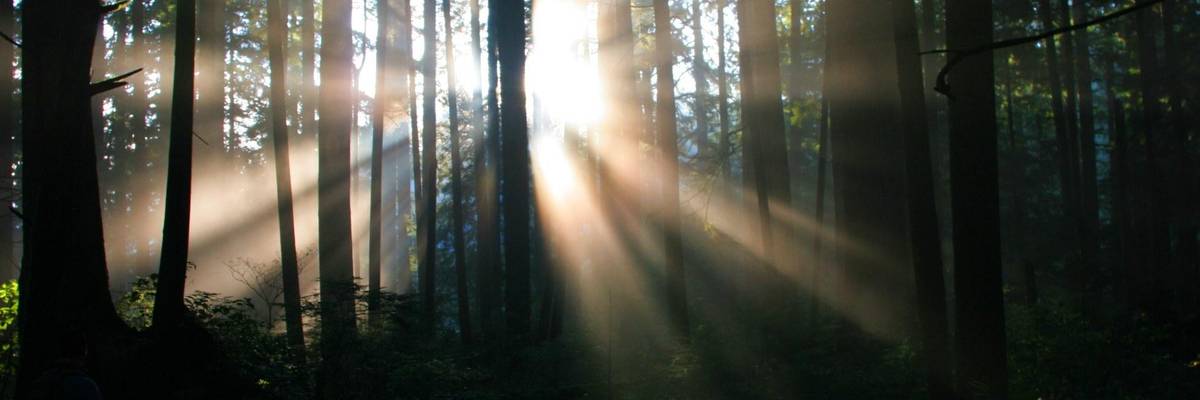
For some species, climate impacts are not as direct but all living things depend on a stable climate and functioning ecosystems (Photo: Jenny Lee Silver via Flickr)
For other species, climate impacts are not as direct. The 2019 State of Canada's Birds report found aerial insectivores like swifts, swallows and nightjars have declined by 59 per cent since 1970. The report cites climate change as one of several threats, as severe weather limits insect availability.
Similarly, according to Lauren Meads, director of the Burrowing Owl Conservation Society of B.C., extreme weather events linked to climate change have affected habitat where captive rehabilitated burrowing owls are released, affecting their ability to return to breeding grounds the following year.
For those working to help species recover, addressing the primary cause of decline is key. Although climate disruption is exacerbating the plight of many species, the polar bear and its Arctic neighbours stand (or swim or fly) alone to some extent. The primary cause of decline for most at-risk species in Canada is habitat loss and degradation.
Some industries are trying to use the ever-evolving climate crisis to stall habitat protection and recovery. When the forestry industry called for a delay in much-needed recovery measures, citing the need to explore climate change impacts on caribou populations, some leading caribou scientists wrote, "There is little evidence to suggest that climate change brought caribou populations to their current threatened condition, nor does climate change explain the rapid rates of decline and range recession that are continuing today in many locations."
The ecological emergency driving species imperilment and the climate crisis can't be entirely conflated.
Although they intersect, the ecological emergency driving species imperilment and the climate crisis can't be entirely conflated. The extinction crisis is caused by a lack of sufficient limits to development, agricultural and resource-extraction activities. The climate crisis is cause by a lack of sufficient limits to greenhouse gases we release into the atmosphere.
That isn't to say that there isn't significant overlap, in causes and solutions.
A Canadian Parks and Wilderness Society report says, "Human activity, including industrial farming, logging, mining, hydro-electric development, and oil and gas exploration, have caused these twin ecological crises, which are closely interrelated." Finding Common Ground finds, "Reducing human-driven land use change in Canada's ecosystems, especially wetlands, offers a potential treasure trove of emission reductions with significant biodiversity benefits."
This is especially true in Alberta and northeastern B.C., where oil and gas development have devastated caribou habitat and imperilled wildlife and the Indigenous communities that depend on it. Industrial activity has disturbed 96 per cent of the Little Smoky caribou range and 70 to 80 per cent of the Chinchaga, West Side Athabasca River, East Side Athabasca River, Cold Lake, Nipisi and Slave Lake boreal caribou ranges.
These high disturbance levels reduce caribou populations' chances of persistence to less than 20 per cent. To increase their chances, significant changes are needed to contain the logging and oil and gas footprint and initiate aggressive restoration.
Protecting habitat such as the boreal forest, rich with peatlands, would also serve as a means of sequestering carbon.
Protecting habitat such as the boreal forest, rich with peatlands, would also serve as a means of sequestering carbon.
Wildlife decline isn't just an ecological issue. In B.C.'s Peace River Valley, more than three-quarters of Blueberry River First Nations traditional territory is within a few minutes' walk of industrial disturbance. In May 2019, Blueberry took the province to court, arguing that the cumulative impacts of industrial activities -- primarily oil and gas -- have significantly affected the lands and wildlife within their traditional territory and, accordingly, their treaty rights to hunt and fish.
Although there are different ways to mend and mitigate the two crises, the root causes -- avoiding our duties to repair what we have fractured, neglecting to set limits to human activities, stalling direly needed actions -- are the same, as are the broad solutions: recognizing our impacts on the planet, taking responsibility for them and coming together to take immediate, meaningful action. As the CPAWS report says, protecting and restoring forests, peatlands, grasslands and wetlands can advance biodiversity and climate goals.
As daunting as both crises are, we can't look away. We must face them and change course.
All living things depend on a stable climate and functioning ecosystems. Our planet is the only one with badgers and dragonflies -- and chocolate! It's worth fighting for.
Dear Common Dreams reader, It’s been nearly 30 years since I co-founded Common Dreams with my late wife, Lina Newhouser. We had the radical notion that journalism should serve the public good, not corporate profits. It was clear to us from the outset what it would take to build such a project. No paid advertisements. No corporate sponsors. No millionaire publisher telling us what to think or do. Many people said we wouldn't last a year, but we proved those doubters wrong. Together with a tremendous team of journalists and dedicated staff, we built an independent media outlet free from the constraints of profits and corporate control. Our mission has always been simple: To inform. To inspire. To ignite change for the common good. Building Common Dreams was not easy. Our survival was never guaranteed. When you take on the most powerful forces—Wall Street greed, fossil fuel industry destruction, Big Tech lobbyists, and uber-rich oligarchs who have spent billions upon billions rigging the economy and democracy in their favor—the only bulwark you have is supporters who believe in your work. But here’s the urgent message from me today. It's never been this bad out there. And it's never been this hard to keep us going. At the very moment Common Dreams is most needed, the threats we face are intensifying. We need your support now more than ever. We don't accept corporate advertising and never will. We don't have a paywall because we don't think people should be blocked from critical news based on their ability to pay. Everything we do is funded by the donations of readers like you. When everyone does the little they can afford, we are strong. But if that support retreats or dries up, so do we. Will you donate now to make sure Common Dreams not only survives but thrives? —Craig Brown, Co-founder |
For other species, climate impacts are not as direct. The 2019 State of Canada's Birds report found aerial insectivores like swifts, swallows and nightjars have declined by 59 per cent since 1970. The report cites climate change as one of several threats, as severe weather limits insect availability.
Similarly, according to Lauren Meads, director of the Burrowing Owl Conservation Society of B.C., extreme weather events linked to climate change have affected habitat where captive rehabilitated burrowing owls are released, affecting their ability to return to breeding grounds the following year.
For those working to help species recover, addressing the primary cause of decline is key. Although climate disruption is exacerbating the plight of many species, the polar bear and its Arctic neighbours stand (or swim or fly) alone to some extent. The primary cause of decline for most at-risk species in Canada is habitat loss and degradation.
Some industries are trying to use the ever-evolving climate crisis to stall habitat protection and recovery. When the forestry industry called for a delay in much-needed recovery measures, citing the need to explore climate change impacts on caribou populations, some leading caribou scientists wrote, "There is little evidence to suggest that climate change brought caribou populations to their current threatened condition, nor does climate change explain the rapid rates of decline and range recession that are continuing today in many locations."
The ecological emergency driving species imperilment and the climate crisis can't be entirely conflated.
Although they intersect, the ecological emergency driving species imperilment and the climate crisis can't be entirely conflated. The extinction crisis is caused by a lack of sufficient limits to development, agricultural and resource-extraction activities. The climate crisis is cause by a lack of sufficient limits to greenhouse gases we release into the atmosphere.
That isn't to say that there isn't significant overlap, in causes and solutions.
A Canadian Parks and Wilderness Society report says, "Human activity, including industrial farming, logging, mining, hydro-electric development, and oil and gas exploration, have caused these twin ecological crises, which are closely interrelated." Finding Common Ground finds, "Reducing human-driven land use change in Canada's ecosystems, especially wetlands, offers a potential treasure trove of emission reductions with significant biodiversity benefits."
This is especially true in Alberta and northeastern B.C., where oil and gas development have devastated caribou habitat and imperilled wildlife and the Indigenous communities that depend on it. Industrial activity has disturbed 96 per cent of the Little Smoky caribou range and 70 to 80 per cent of the Chinchaga, West Side Athabasca River, East Side Athabasca River, Cold Lake, Nipisi and Slave Lake boreal caribou ranges.
These high disturbance levels reduce caribou populations' chances of persistence to less than 20 per cent. To increase their chances, significant changes are needed to contain the logging and oil and gas footprint and initiate aggressive restoration.
Protecting habitat such as the boreal forest, rich with peatlands, would also serve as a means of sequestering carbon.
Protecting habitat such as the boreal forest, rich with peatlands, would also serve as a means of sequestering carbon.
Wildlife decline isn't just an ecological issue. In B.C.'s Peace River Valley, more than three-quarters of Blueberry River First Nations traditional territory is within a few minutes' walk of industrial disturbance. In May 2019, Blueberry took the province to court, arguing that the cumulative impacts of industrial activities -- primarily oil and gas -- have significantly affected the lands and wildlife within their traditional territory and, accordingly, their treaty rights to hunt and fish.
Although there are different ways to mend and mitigate the two crises, the root causes -- avoiding our duties to repair what we have fractured, neglecting to set limits to human activities, stalling direly needed actions -- are the same, as are the broad solutions: recognizing our impacts on the planet, taking responsibility for them and coming together to take immediate, meaningful action. As the CPAWS report says, protecting and restoring forests, peatlands, grasslands and wetlands can advance biodiversity and climate goals.
As daunting as both crises are, we can't look away. We must face them and change course.
All living things depend on a stable climate and functioning ecosystems. Our planet is the only one with badgers and dragonflies -- and chocolate! It's worth fighting for.
For other species, climate impacts are not as direct. The 2019 State of Canada's Birds report found aerial insectivores like swifts, swallows and nightjars have declined by 59 per cent since 1970. The report cites climate change as one of several threats, as severe weather limits insect availability.
Similarly, according to Lauren Meads, director of the Burrowing Owl Conservation Society of B.C., extreme weather events linked to climate change have affected habitat where captive rehabilitated burrowing owls are released, affecting their ability to return to breeding grounds the following year.
For those working to help species recover, addressing the primary cause of decline is key. Although climate disruption is exacerbating the plight of many species, the polar bear and its Arctic neighbours stand (or swim or fly) alone to some extent. The primary cause of decline for most at-risk species in Canada is habitat loss and degradation.
Some industries are trying to use the ever-evolving climate crisis to stall habitat protection and recovery. When the forestry industry called for a delay in much-needed recovery measures, citing the need to explore climate change impacts on caribou populations, some leading caribou scientists wrote, "There is little evidence to suggest that climate change brought caribou populations to their current threatened condition, nor does climate change explain the rapid rates of decline and range recession that are continuing today in many locations."
The ecological emergency driving species imperilment and the climate crisis can't be entirely conflated.
Although they intersect, the ecological emergency driving species imperilment and the climate crisis can't be entirely conflated. The extinction crisis is caused by a lack of sufficient limits to development, agricultural and resource-extraction activities. The climate crisis is cause by a lack of sufficient limits to greenhouse gases we release into the atmosphere.
That isn't to say that there isn't significant overlap, in causes and solutions.
A Canadian Parks and Wilderness Society report says, "Human activity, including industrial farming, logging, mining, hydro-electric development, and oil and gas exploration, have caused these twin ecological crises, which are closely interrelated." Finding Common Ground finds, "Reducing human-driven land use change in Canada's ecosystems, especially wetlands, offers a potential treasure trove of emission reductions with significant biodiversity benefits."
This is especially true in Alberta and northeastern B.C., where oil and gas development have devastated caribou habitat and imperilled wildlife and the Indigenous communities that depend on it. Industrial activity has disturbed 96 per cent of the Little Smoky caribou range and 70 to 80 per cent of the Chinchaga, West Side Athabasca River, East Side Athabasca River, Cold Lake, Nipisi and Slave Lake boreal caribou ranges.
These high disturbance levels reduce caribou populations' chances of persistence to less than 20 per cent. To increase their chances, significant changes are needed to contain the logging and oil and gas footprint and initiate aggressive restoration.
Protecting habitat such as the boreal forest, rich with peatlands, would also serve as a means of sequestering carbon.
Protecting habitat such as the boreal forest, rich with peatlands, would also serve as a means of sequestering carbon.
Wildlife decline isn't just an ecological issue. In B.C.'s Peace River Valley, more than three-quarters of Blueberry River First Nations traditional territory is within a few minutes' walk of industrial disturbance. In May 2019, Blueberry took the province to court, arguing that the cumulative impacts of industrial activities -- primarily oil and gas -- have significantly affected the lands and wildlife within their traditional territory and, accordingly, their treaty rights to hunt and fish.
Although there are different ways to mend and mitigate the two crises, the root causes -- avoiding our duties to repair what we have fractured, neglecting to set limits to human activities, stalling direly needed actions -- are the same, as are the broad solutions: recognizing our impacts on the planet, taking responsibility for them and coming together to take immediate, meaningful action. As the CPAWS report says, protecting and restoring forests, peatlands, grasslands and wetlands can advance biodiversity and climate goals.
As daunting as both crises are, we can't look away. We must face them and change course.
All living things depend on a stable climate and functioning ecosystems. Our planet is the only one with badgers and dragonflies -- and chocolate! It's worth fighting for.