

SUBSCRIBE TO OUR FREE NEWSLETTER
Daily news & progressive opinion—funded by the people, not the corporations—delivered straight to your inbox.
5
#000000
#FFFFFF
To donate by check, phone, or other method, see our More Ways to Give page.
Daily news & progressive opinion—funded by the people, not the corporations—delivered straight to your inbox.
Instead of admiration and awe, many visitors will react to this display with disgust, seeing the governor’s trophy as an example of the shameful way wildlife are treated in Alaska.
That Alaska Gov. Mike Dunleavy killed a large, majestic Alaska brown bear simply for his amusement, ego, and bragging rights, then had the hide mounted prominently in the Anchorage International Airport for all to see—complete with a photo of the governor posing with his kill, and an advertisement for the Safari Club International, whose “generous contribution” paid for the sordid display—is a perfect embodiment of the State of Alaska’s disgraceful treatment of its world-renowned wildlife.
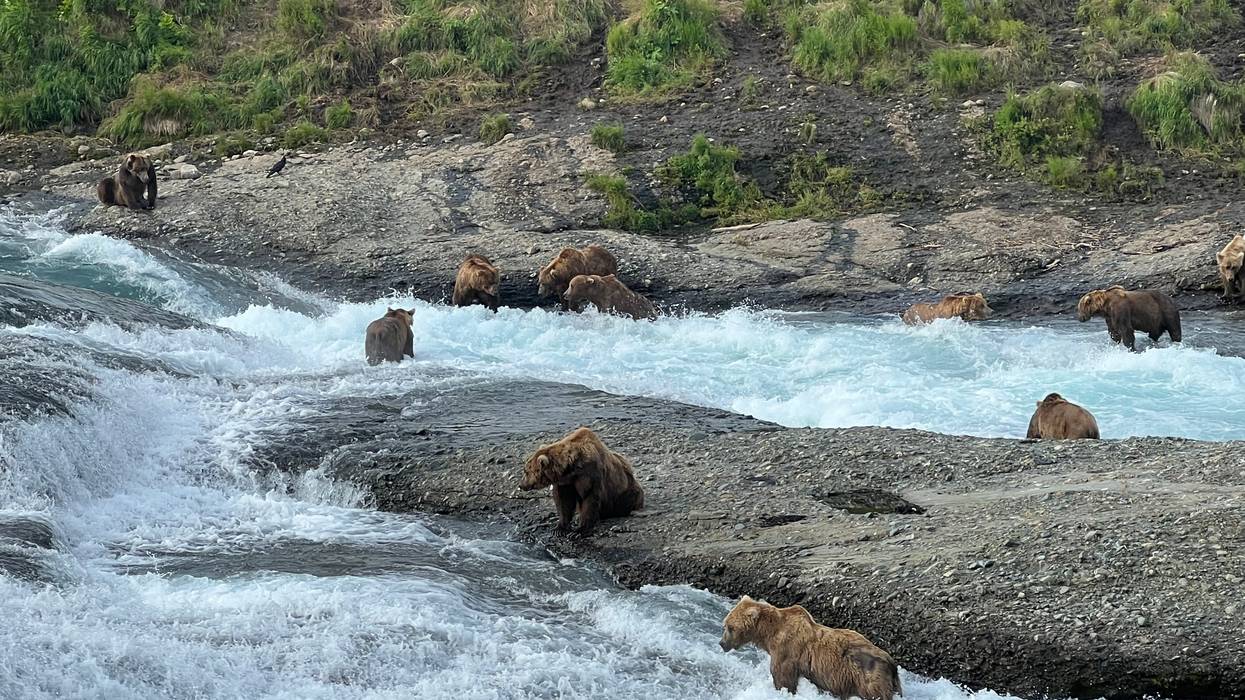
The governor’s kill was one of the 1,200-1,900 permitted trophy brown bear kills in Alaska every year, mostly by non-residents. These kills are not for food or subsistence (the state says fewer than 10 brown bears a year are killed for subsistence purposes), but just for hides, trophies, and the "joy” of killing. This includes bears that gather to feed on salmon runs in protected areas such as Katmai National Park and McNeil River State Game Sanctuary—to the delight of thousands of paying visitors—that are then targeted by trophy hunters as they disperse after the salmon runs end. The skinned carcasses of these bears are mostly discarded and left to rot—the very definition of wanton waste. The hides are apt to end up on the living room wall of a vain, rich Texan to brag about at cocktail parties.
Further, Gov. Dunleavy’s administration has recently shot and killed hundreds of brown bears (many of them newborn cubs), black bears, and wolves in its unscientific and futile aerial predator control effort; permits “hunters” to bait bears; permits killing of bear mothers and cubs using artificial lights at dens; permits killing wolves and coyotes and their pups at dens; and its Board of Game is a special-interest travesty.
It takes a very small man indeed to kill an innocent animal simply for a sadistic sense of pleasure, a trophy, and bragging rights.
Now, this depravity is on full display—along with the many other dead, snarling animals displayed around the airport—for thousands of visitors to see as they first step foot in the state, most coming here specifically to view Alaska’s spectacular wildlife (which contributes twice the revenue to the state’s economy as does recreational hunting), and many specifically wanting a chance to see our iconic brown bears in the wild—alive, not stuffed in a glass case. Instead of admiration and awe, many visitors will react to this display with disgust, seeing the governor’s trophy as an example of the shameful way wildlife are treated in Alaska. People increasingly feel that bears deserve better than to be killed merely for human ego, and want trophy hunting banned.
Psychologists say that this sort of trophy hunting derives from narcissism, an inflated sense of self, an infantile ego craving attention; a deep-seated psychopathy, incapable of empathy; and virtue-signaling to those from whom one is desperate for admiration and validation. And there may be a peculiar religious component to such killing, as it accords with the perverse biblical instruction for man to “subdue… and have dominion over… every living thing that moveth upon the Earth.” And perhaps such trophy killing simply provides a brief dopamine hit—a momentary, physiological high—desired by our Paleolithic ancestry.
To trophy hunters like Alaska’s governor, killing large animals, particularly predators, is a feeble attempt to project superiority, power, machismo, wealth, and prestige. Even though the governor may be a full-time office bureaucrat, he’s desperate to be seen as a courageous, tough Alaska man right out of a Jack London novel. In fact, it shows just the opposite.
Killing an innocent brown bear for fun, with a high powered rifle, from a distance, with a professional guide leading him to the bear, and then displaying the mounted hide in a public commons for all to see, projects a pathetic, disturbing emotional insecurity. While trophy hunting is increasingly being banned around the world (recall the global outrage to the 2015 killing of Cecil the lion by an American trophy hunter in Zimbabwe), not here in the “lost frontier,” where it still serves the insecure egos of many clinging to the 19th-century image of the great white hunter, the buffalo hunters, conquering an untamed wilderness.
It takes a very small man indeed to kill an innocent animal simply for a sadistic sense of pleasure, a trophy, and bragging rights. Now thousands of Alaska visitors will see this psychopathy on full display at the Anchorage airport, where the governor’s trophy stands as a monument to arrogance, special interests, phony masculinity, contempt for nature, and the State of Alaska’s tragic mismanagement of wildlife.
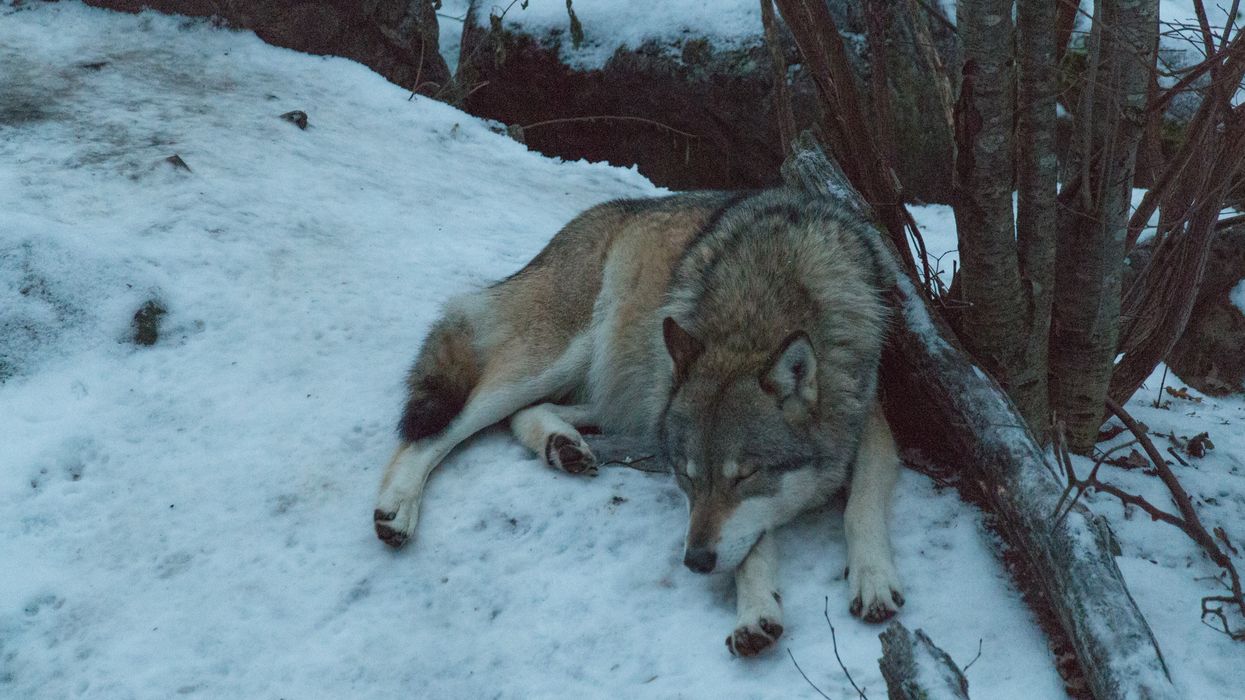
"The Swedish government since 2010 has been blatantly disregarding the wolf's special protection status, allowing a yearly licensed quota hunt and thereby breaking E.U. law," one campaigner said.
Sweden is set to start a controversial wolf hunt on Thursday that could see its declining wolf population fall by another 8%.
The country has authorized the killing of 30 of the nation's 375 wolves—or five entire families—in a move that conservationists say is illegal under European Union law. Ultimately, the Swedish government wants to nearly halve the minimum number of wolves for "favorable conservation status" from 300 to 170.
'Imagine... the outcry if this were Sri Lanka killing leopards, or Botswana lions, both much trickier animals to live with," U.K. environmentalist Ben Goldsmith wrote on social media. "Shame, shame on Sweden."
"If Sweden, one of the richest countries in the world with a population of 10.5 million people, can't accept a population of 375 wolves, what hope is there for the planet's biodiversity?"
Under the Council of Europe's Convention on the Conservation of European Wildlife and Natural Habitats, or Bern Convention, countries must preserve the populations of protected species so that they remain above a sustainable level. However, Magnus Orrebrant, the chair of the Swedish Carnivore Association, told The Guardian that E.U. law has not meant much for Sweden's wolves.
"The Swedish government since 2010 has been blatantly disregarding the wolf's special protection status, allowing a yearly licensed quota hunt and thereby breaking E.U. law," Orrebrant said. "We filed a formal complaint to the E.U. commission, leading to an infringement procedure against Sweden, as yet to no avail."
Excessive wolf hunting has been a problem in Sweden for decades, and was part of the reason that the country had no breeding population at all between 1966 and 1983. In addition, increased hunting slashed the population by nearly 20% between 2022 and 2023.
Beyond licensed hunts, Sweden's wolf population also faces pressure from poachers, according to conservation group Revolution Rov, with DNA evidence suggesting that up to 80 wolves are killed illegally each year.
"In many license hunting decisions on wolves in recent years, it has been argued that if legal hunting is allowed, illegal hunting will disappear, but that has not happened at all... Instead, even more wolves have had to die," the group wrote in a petition against 2024's hunt.
The group also wrote that Sweden's wolf population is genetically vulnerable, with many mating pairs being closely related. For the population to remain healthy, it needs an influx of new genes from wolves migrating from Finland or Russia, but these wolves are often killed before they can pair off.
Wildlife advocates outside of Sweden also criticized the 2025 hunt.
"I believe that one of the hallmarks of human progress is learning to coexist with other species that our ancestors once feared," wrote Wildlife Trusts CEO Craig Bennett on social media. "And sadly, it often feels like we still live in the Dark Ages."
Ecologist and conservationist Alan Watson Featherstone wrote: "I really do despair about humanity—we are such a selfish species. If Sweden, one of the richest countries in the world with a population of 10.5 million people, can't accept a population of 375 wolves, what hope is there for the planet's biodiversity?"
However, Sweden is not alone in Europe in its hostility to wolves. The Bern Convention in December accepted an E.U. proposal to lower the wolf's status from "strictly protected" to "protected." The decision followed complaints from farmers that the continent's rebounding wolf population was harming livestock, but conservationists say that allowing the killing of wolves will threaten the species in a vulnerable moment and is not the solution to livestock killings.
"The wolf is still endangered in many parts of Europe, and weakening its protection will only lead to further conflict and threaten its recovery," Ilaria Di Silvestre, regional director of policy at the International Fund for Animal Welfare, told The Associated Press in December.
The Bern Convention's decision, which will go into effect on March 7, will clear the way for the European Commission to alter its habitats directive for wolves to reflect their higher numbers in the mountains and forests of Scandinavia and Western Europe, which will then make it easier to approve more wolf killings.
"We are very critical to the path that the E.U. is now taking, downgrading the protection status of the wolf," Orrebrant told The Guardian. "If the E.U. follows up the latest Bern Convention decision by changing the wolf's protection status in the habitat directive, the result will be very negative not only for the wolves, but for all wildlife in Europe."
Banning lead from our national parks would be one of the single biggest conservation advances in a generation.
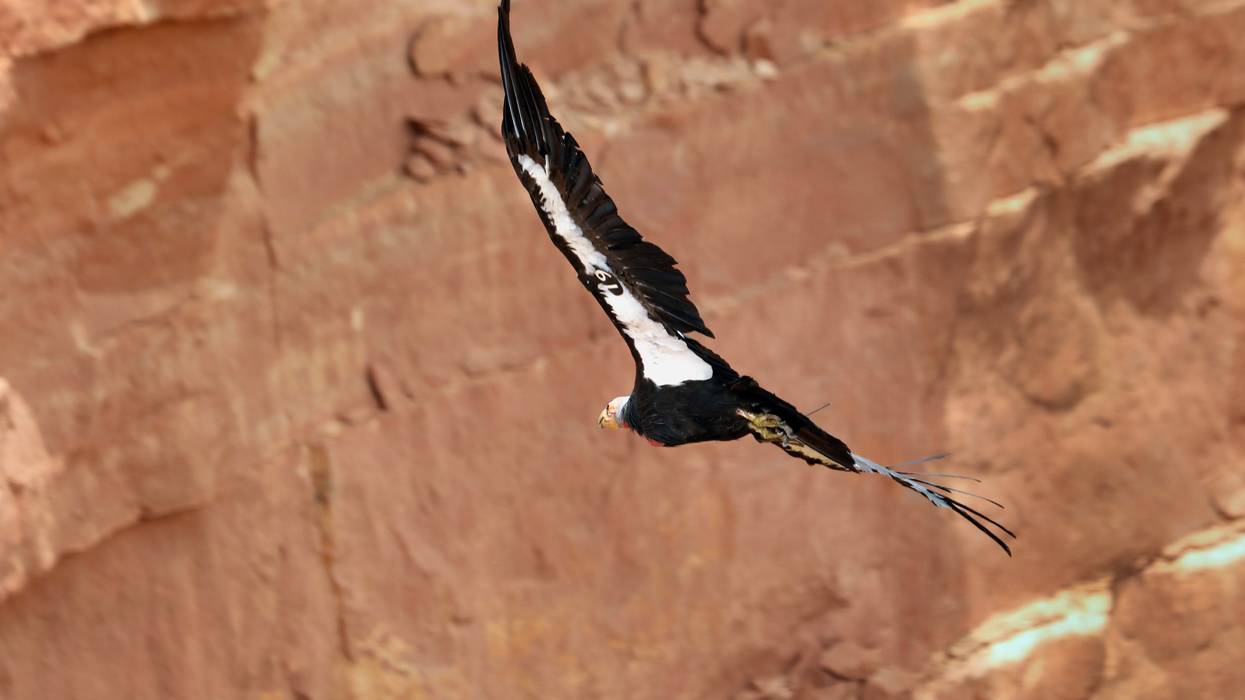
Earlier this month, a California condor, the first of its kind to hatch and take flight in Zion National Park, died of lead poisoning just shy of its fifth birthday. Shockingly, one of this condor’s siblings was earlier found to have the highest recorded lead value ever documented in a live bird over the entire 28-year history of the condor release program.
Lead poisoning remains the leading cause of diagnosed death among California condors. About 90% of condors trapped and tested during this past year had blood lead levels indicating lead exposure. As scavengers, condors ingest lead shot from carcasses of animals killed with lead-based ammunition.
But condors are not the only victims. Lead is a leading threat to all national park birdlife, especially bald eagles, hawks, and other raptors. Lead fragments from spent shells contaminate the entire wildlife food chain.
It’s time for decisive action to protect the wildlife that our national parks were created to preserve.
While most parks by law do not permit hunting, a significant number do. Of the 429 national parks, 76 allow various types of hunting—recreational, subsistence, or tribal hunting. These parks (the largest of which are in Alaska) cover more than 60% of land within the entire national park system. In addition, more than 85% of parks with fish (213 in all) are open for fishing with lead tackle.
The impact is devastating. More than 130 park wildlife species are exposed to or killed by ingesting lead or prey contaminated with lead.
These wildlife deaths are preventable. Since November of 2022, Interior Secretary Deborah Haaland, the cabinet officer overseeing the National Park Service, has had a proposed rule sitting on her desk that would end the use of lead-based ammunition and fishing tackle in all park units. Despite this, no action has been taken on this rule-making petition.
In contrast to the Park Service’s total inaction, its sister agency, the U.S. Fish and Wildlife Service, (FWS) has declared that “lead ammunition and tackle have negative impacts on both wildlife and human health.” The FWS has taken the first tentative steps to reduce or eliminate the use of lead ammunition by:
Though these steps do not constitute a complete ban on lead ammunition, they represent a significant step forward, especially considering that nearly 80% of wildlife refuges and other management districts offer hunting and fishing access.
Unfortunately, wildlife protection does not appear to be a high priority for National Park Service Director Chuck Sams and his leadership team. Earlier this year, he approved questionable hunting practices, such as killing bear cubs and wolf pups in their dens, using dogs and artificial lights to hunt black bears, and shooting swimming caribou from motorboats across more than 22 million acres of Park Service administered lands in Alaska.
These are not the actions of a conservation-focused agency.
Banning lead from our national parks would be one of the single biggest conservation advances in a generation. Such a move would place the Park Service alongside 26 states and countries that have already banned lead ammunition.
The ecological stakes are profound. It’s time for decisive action to protect the wildlife that our national parks were created to preserve.
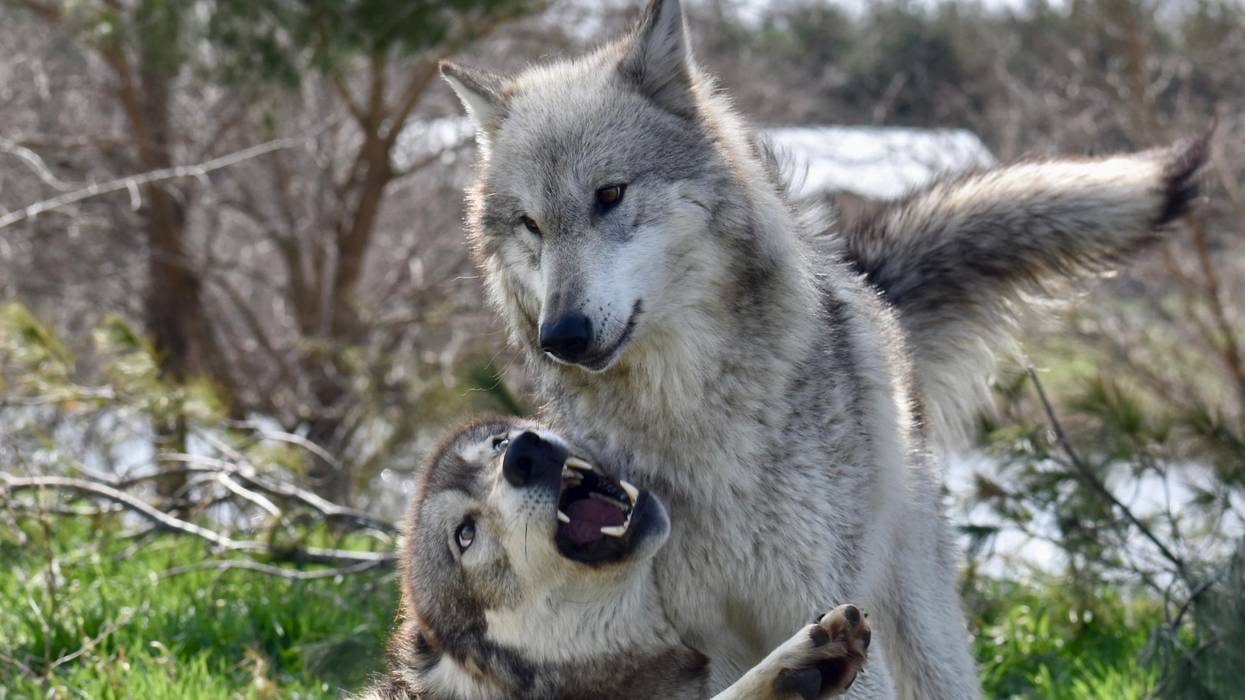
"It's disastrous for the entire ecosystem," warned one activist. "The existence of wolves contributes to a richer animal and plant life. Human survival depends on healthy ecosystems."
Wildlife defenders in Sweden and beyond decried the start on Monday of what's being called the largest wolf cull in modern times, arguing that killing nearly a fifth of the country's critically endangered lupine population could have grave consequences for biodiversity.
Swedish public broadcaster SVT reports hunters in the five Swedish counties with the most wolves—Gävleborg, Dalarna, Västmanland, Örebro, and Värmland—will be allowed to kill a total of 75 wolves out of a national population of 460 animals.
"The existence of wolves contributes to a richer animal and plant life. Human survival depends on healthy ecosystems."
Last winter, Sweden authorized the killing of 27 wolves, while hunters in neighboring Norway had permission to kill 51 wolves—about 60% of the lupine population—and Finland approved the culling of 27 wolves.
While Gunnar Glöersen, the predator manager at the Swedish Hunters' Association, says "hunting is absolutely necessary to slow the proliferation of wolves," Daniel Ekblom of Sweden's Nature Conservation Society called the cull "tragic."
"It could have consequences for a long time to come," Ekblom told SVT.
Other opponents of the cull noted Sweden's relatively low wolf population. Italy, for example, is only about half as large as Sweden but has around 3,000 wolves, which are strictly protected by law.
"Wolves as top predators in the food chain are a prerequisite for biodiversity," Marie Stegard, president of the anti-hunting group Jaktkritikerna, told The Guardian, warning that killing so much of "the population through hunting has negative consequences for animals and nature."
"It's disastrous for the entire ecosystem," she said. "The existence of wolves contributes to a richer animal and plant life. Human survival depends on healthy ecosystems."
Stegard added:
It is obvious that there is strong political pressure for licensed hunting for wolves, and also lynx and bear.
There is a large majority of Swedes who like wolves, even where they live. In our opinion, the reason for these hunts is simply that there is a demand for shooting wolves among hunters. The hunters' organizations have enormous power in Sweden. It is a fact that the Swedish parliament has a hunters' club open to members of all parties, with a shooting gallery underneath the parliament. This sounds like a joke but it's absolutely true.
The Swedish Parliament is also lobbying the European Union to remove wolves and bears from its list of species in need of protection.
Hanna Dittrich-Söderman, who leads the Swedish Environmental Protection Agency's wolf program, says the lupine predators hold a special place in national folklore, evoking primal fears and irrational hatred.
"There is no other animal that is so easy to both demonize and glorify as the wolf—an imagined fear or hatred has been attached to it," Dittrich-Söderman told The Local. "We have almost made it a symbol of our fearful nature as a whole, it has almost mythical qualities."

The small ranching hamlet of Deer Trail, Colorado is considering becoming the first US town to issue drone hunting licenses.
The ordinance, drafted by Deer Trail resident Phillip Steel, proposes a bounty of $100 to any licensed "shooter" who presents the "identifiable parts of an unmanned aerial vehicle whose markings and configuration are consistent with those used on any similar craft known to be owned or operated by the United States federal government."
"This is a very symbolic ordinance," Steel told local 7NEWS. "Basically, I do not believe in the idea of a surveillance society, and I believe we are heading that way."
Steel told Reuters that, though he had not seen any drones, "some local ranchers" outside the town limits had. Deer Trail, the site of the world's first rodeo, is situated approximately 55 miles east of Denver.
The ordinance further specifies that hunters can legally shoot down a drone flying under 1,000 feet with weapons limited to "any shotgun, 12 gauge or smaller, having a barrel length of 18 inches or greater."
Further, reports Reuters, Deer Trail will also be required to establish a drone "recognition program" for hunters to properly identify the targeted aircraft.
The Deer Trail board of trustees, a seven-member panel representing the town's roughly 600 residents, will vote on the ordinance on August 6. If passed, they will charge $25 for drone hunting licenses, valid for one year.
"We do not want drones in town," said Steel. "They fly in town, they get shot down."
Colorado's 7NEWS had this report on the ordinance:
Deer Trail eyes drone hunting bounties7/16/2013 - 10pm - The town of Deer Trail considers offering drone hunting licenses and bounties for unmanned aerial vehicles.
_____________________