December, 02 2021, 12:39pm EDT

Citing New Omicron Variant, Nurses Say Permanent Osha COVID-19 Standard for Health Care Workers Badly Needed
Widespread transmission will continue to result in evolution and spread of new variants of concern, such as Omicron, making a permanent standard even more important.
WASHINGTON
National Nurses United (NNU) today urges the U.S. Occupational Safety and Health Administration (OSHA) to adopt a permanent OSHA standard on Covid-19 in health care workplaces, building on the emergency temporary standard (ETS) adopted in June 2021 and set to expire Dec. 21, 2021.
"The pandemic is far from over," said NNU President Zenei Triunfo-Cortez, RN. "Unfettered, widespread transmission has resulted in and will continue to result in the evolution and spread of new variants of concern, such as Omicron. Nurses are urging OSHA not to let the hard-won Covid-19 protections in the ETS end--especially as we learn more about the latest variant."
"The Covid-19 health care ETS has been an important step forward in ensuring safe working conditions for frontline health care workers by mandating optimal PPE and other protections, but it has also been a stopgap," said Triunfo-Cortez. "We urge OSHA to make our protections permanent with no lapse in the enforcement of the temporary standard before the permanent standard is issued."
NNU sent a letter to OSHA on Nov. 3, urging permanent protections. Read it here.
The Covid-19 health care ETS has meant mandatory requirements for health care employers on infection control protections, with penalties for those who violate those requirements. Registered nurses noted that this has been the first OSHA emergency temporary standard since 1983, and it was promulgated thanks to unrelenting union nurse advocacy over the extensive opposition of the hospital industry and other corporate interests. Letting it expire without adopting a permanent standard would mean more transmission of the virus, more hospitalizations, and more deaths from Covid-19.
"Nurses and other health care workers have fought on the front lines of this deadly pandemic for two years," said Triunfo-Cortez. "We haven't forgotten that in the beginning, many of our employers told us to wear the same N95 respirator for a month--with no repercussions. It was a major step forward when OSHA issued the Covid-19 health care ETS in June, and it is imperative that OSHA maintain these lifesaving protections by issuing a permanent Covid-19 standard to ensure nurses and other health care workers can protect our patients."
Nurses say the adoption of a permanent OSHA standard on Covid-19 in health care workplaces should be built on current ETS requirements, the precautionary principle, and updated scientific knowledge of the virus. Such a standard should include:
- All health care employers must have written infection control safety and implementation plans, developed in consultation with nonmanagement employees and their representatives.
- All nurses and other frontline health care workers exposed to Covid-19 must be provided optimal personal protective equipment against aerosol transmission of the virus, including respiratory protection, eye protection, protective clothing, and gloves.
- Protective requirements on notification of health care employees exposed to Covid-19 in the workplace, and provision of pay and benefits for those who must take time off as a result of exposure or infection.
- Mandates on screening and testing of patients and visitors, isolation and dedicated Covid-19 units, mask wearing, physical distancing, and ventilation in the workplace.
"If Covid has taught us anything, it's that we can't let our guard down too soon," said Triunfo-Cortez. "We must stay vigilant. Our patients are still dying, cases remain high in many areas of the country, and nurses and other frontline workers remain at risk. To save as many lives as possible and to keep our communities safe, we are calling for OSHA's emergency temporary standard to be made permanent so that nurses and other health care workers remain protected."
In addition to acting immediately to protect nurses and other health care workers from the grave danger posed by the Covid-19 pandemic, NNU encourages OSHA to work expediently to issue a separate, broader standard to prepare for future pandemics and to protect all workers from workplace exposure to aerosol transmissible diseases.
As of this week, 476 RNs have died of Covid-19, among 4,632 health care worker deaths overall, according to NNU tracking data. Since the data has not been collected in many places, a full accounting may never be known. More than 1 million health care workers have been infected.
National Nurses United, with close to 185,000 members in every state, is the largest union and professional association of registered nurses in US history.
(240) 235-2000LATEST NEWS
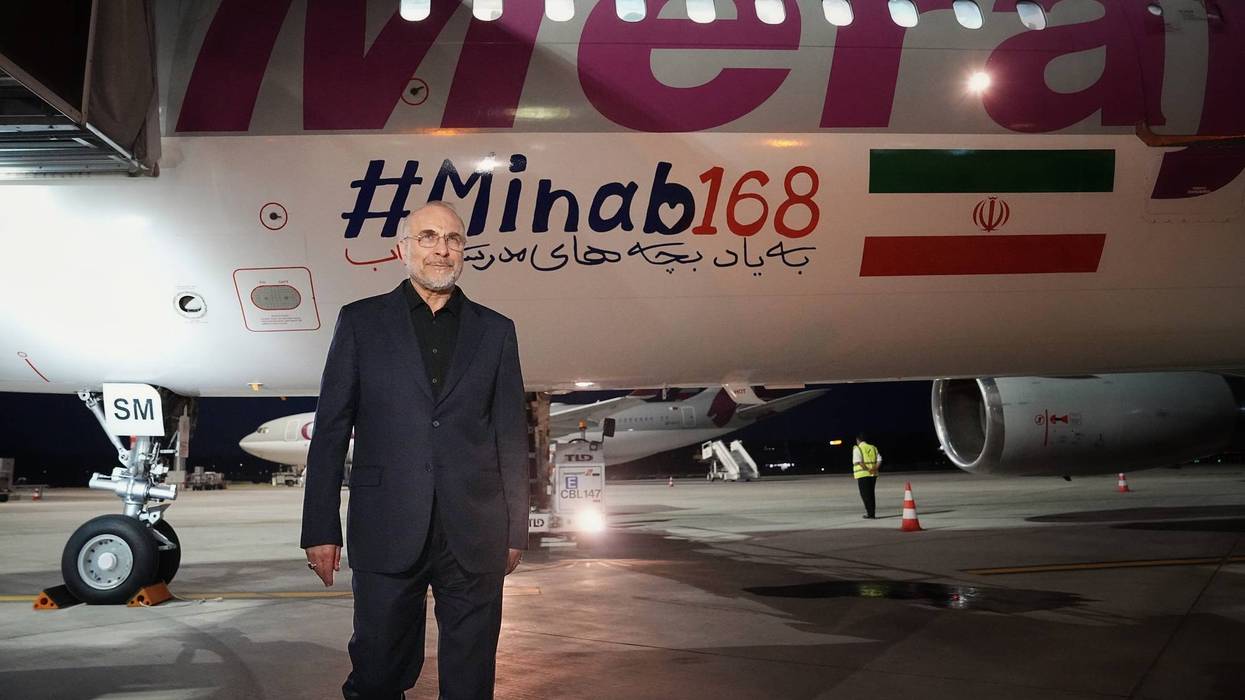
Insulted by Trump's Threats, Iranian Negotiators Walk Out of Peace Talks
"Don’t they think that if their threats had worked, they wouldn’t have ended up in today’s desperate situation?" said Iran's chief negotiator.
Jun 21, 2026
US President Donald Trump’s threats to destroy Iran and send US forces to occupy the country on Sunday appear to have derailed peace negotiations in Switzerland, with the Iranian delegation reportedly walking out and demanding an apology.
Following Iran’s announcement that it was closing the Strait of Hormuz again after Israel intensified its assault on Lebanon, Trump went on a tirade Sunday in which he threatened to assassinate negotiators and said Iran “won’t have a country” if access to the critical waterway was shut off, while also threatening to “take over” Iran with a full US invasion.
But after Trump’s threats—which broke the first clause of the memorandum of understanding—Iran’s negotiators filed a complaint with the Pakistani and Qatari mediators and stormed out of the mountain resort where talks were being held, according to several outlets.
While Trump clearly sought to project strength, Iran’s chief negotiator, Mohammad Bagher Ghalibaf, said his team “do not take American threats seriously.”
In previous months, as Trump sought to squeeze concessions from the Iranians, he issued escalatory threats to wipe out their “whole civilization” and “blow up” the whole country. However, he did not act on those threats, even as Iran refused to budge from its negotiating posture.
"Don’t they think that if their threats had worked, they wouldn’t have ended up in today’s desperate situation?" Ghalibaf said.
Ghalibaf said the US had “better be more careful with their statements,” adding that “our armed forces are ready to respond in a different way." He said, “No matter what they say, we are the ones who act.
While the Iranian delegation left the venue, talks are reportedly continuing via mediators. However, according to the Lebanese outlet Al Mayadeen, the delegation said it will not return until Trump apologizes for his threats and Israel fully withdraws from Lebanon.
According to senior Israeli officials cited by Channel 12, Israel is reportedly considering “limited withdrawals” from Lebanon, including in areas within its so-called “buffer zone.” Despite Iranian claims, the officials said the US has not requested Israel’s withdrawal from the country.
Previous peace talks have been derailed by Trump’s threats to commit indiscriminate war crimes in Iran. But this past week has seen perhaps the most violent swing yet in his approach toward Iran.
Where earlier this week, Trump acknowledged Iran's right to enrich uranium and maintain a nuclear energy program like that of other nations, his outburst Sunday appeared to have been prompted by a statement by Iranian President Masoud Pezeshkian, who said the US would be "forced to accept" its right to enrichment.
And while Trump has raged against Israel’s actions in Lebanon while privately claiming that Prime Minister Benjamin Netanyahu is trying to sabotage peace, he has not taken concrete action to force Israel to comply with the memorandum’s terms.
"The mixed messages coming out of the White House," remarked Jeet Heer, a writer at The Nation, "are going to make it much harder to end the war, and could in fact spark further conflict."
Keep ReadingShow Less
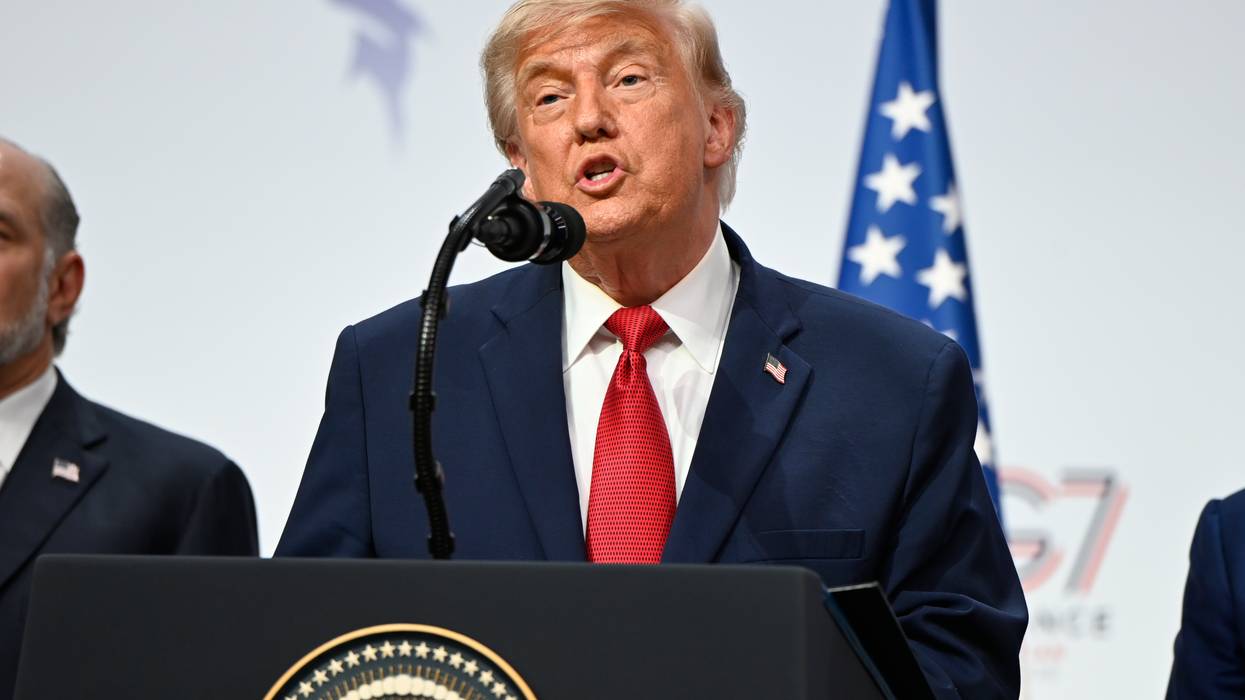
'You Won't Have a Country': Trump Threatens Full Ground Invasion and Destruction of Iran Amid Hormuz Closure
One expert said Israel's continued assault on Lebanon, which led Iran to announce its closure of the strait, posed an "existential threat" to the ceasefire.
Jun 21, 2026
Rather than force Israel to halt its occupation in Lebanon in accordance with the memorandum of understanding, President Donald Trump on Sunday responded to Iran's announcement that it was closing the Strait of Hormuz with a new litany of psychotic threats—claiming that if the waterway were closed, he would blow up the country, launch a full ground invasion to take it over, and assassinate Iranian negotiators.
According to Fox News correspondent Trey Yingst, Trump told the Iranian negotiators overnight that if they close the strait, which Iran claimed to have shuttered once again on Saturday, “you won’t have a country,” adding that they “won’t even make it back to their f***ing country,” in what appeared to be a threat to assassinate the negotiators, as happened during the initial phase of the war.
Responding to statements by Iranian President Masoud Pezeshkian, who said Iran would not give up its “right to enrich uranium” and that the US “will be forced to accept it,” Trump reportedly said Pezeshkian had better “watch his mouth” and “shape up,” or the US “will take over the rest of the country.”
It’s yet another sharp reversal from Trump, who—after months of claiming Iran must agree to “zero enrichment”—suddenly acknowledged this week that it was “common sense” for the nation to be allowed to have a nuclear energy program as other countries do.
Trump’s renewed threats against Iran, which mirror his genocidal threats earlier in the war to wipe out Iran’s “whole civilization” and “blow up” the entire country, also appear to violate the first clause of the memorandum of understanding, which calls on signatories to “refrain from the threat or use of force against each other.”
The threat to fully occupy Iran, which Trump made publicly for the first time on Sunday, stands in sharp contrast to his comments that continuing the war for much longer would cause “economic catastrophe” and that even limited ground operations, such as one he had proposed to seize Iran’s uranium, would be too big an effort to be worth it.
The war with Iran is already deeply unpopular among the American public, even without US boots on the ground. Polls have shown that even a majority of Republicans would be opposed to Trump escalating the war by deploying ground troops, and military officials have shelved planned operations to occupy certain strategic locations, including Kharg Island, fearing a large number of American casualties.
Nevertheless, Trump also told Yingst that the US could become the “guardian angel” of the Strait of Hormuz, collecting tolls and taking oil from countries using the waterway for exports. He did not make clear how the US would gain control of the strait under such a scenario.
Iran announced that it would close the strait again on Saturday after Israel deepened its occupation and escalated its bombing of southern Lebanon, despite the MOU’s ceasefire agreement covering all fronts.
Iranian negotiators have described an end to Israel’s Lebanon occupation, which has killed more than 4,000 people and forced more than 1.2 million Lebanese civilians from their homes in the south, as a red line for negotiating peace.
Behind the scenes, Trump has acknowledged that Israeli Prime Minister Benjamin Netanyahu is using Lebanon to sabotage the ceasefire and drag the US back into a full-scale war.
In the phone call with Yingst, Trump once again said he was “disappointed Israel can’t put Hezbollah away,” adding that Israel “can’t do anything without knocking buildings down.” He also said he was close to allowing Syrian President Ahmed al-Sharaa—the former leader of al-Qaeda’s Syrian affiliate—to take over the operation against Hezbollah.
While this is yet another instance of Trump using harsher rhetoric toward Israel—which Vice President JD Vance has also done in recent days—there is no indication yet that he is willing to take the next step of forcing Netanyahu to accept the ceasefire agreement by imposing material consequences, such as suspending military aid.
Even as Israel’s attacks continued unabated and threatened to derail the deal entirely, Vance did not indicate that he thought the US needed to exert more pressure.
“I think Trump and the US have done more to stop the conflict in Lebanon than any government anywhere in the world,” he said at a press conference in Switzerland on Sunday.
Trita Parsi, executive vice president at the Quincy Institute for Responsible Statecraft, described Israel’s continued escalations as “an existential threat” to the peace process between the US and Iran.
He told ABC News on Saturday that Iran’s threat to close the strait just before a meeting in Geneva this weekend was meant to be “part of a background of how serious they are” about ensuring that the US understands the stakes if Israel refuses to withdraw.
“Israel would prefer for this war to continue until you have a complete defeat of the Iranians, which, of course, is not in the cards,” Parsi said. “The Israelis sold this war to Trump as a quick, easy fix to the region’s problems that would take no more than four days, and they were dead wrong.”
“Now, Trump is recognizing that US interests necessitate that he pull out of this war and strikes this deal, but the Israelis are trying to sabotage it because they are afraid they’re going to be left out, that the balance in the region is going to shift against their interests,” he added. “They’re willing to essentially jeopardize their relationship with the United States over this.”
Keep ReadingShow Less
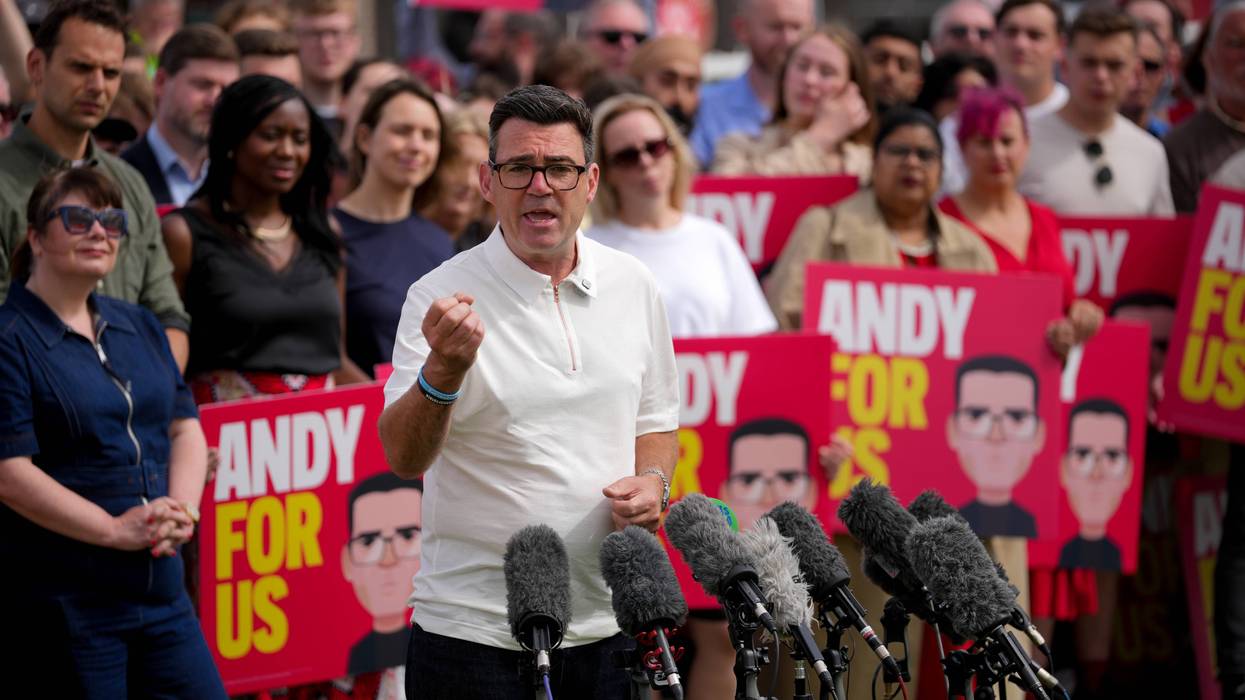
Starmer Expected to Resign as PM, But UK Left Warns of 'More of the Same' From His Replacement
Jeremy Corbyn said Andy Burnham would be "accepting too much of the austerity that we've had imposed upon us" and "doesn't appear to be doing anything different internationally."
Jun 20, 2026
UK Prime Minister Keir Starmer is expected to announce as soon as Monday that he will resign, according to new reports, as Labour supporters abandon the party.
But many on the left remain skeptical that his likely replacement, Andy Burnham, will truly bring the "change" he promises.
Britain's Observer newspaper reported on Saturday that the prime minister appeared "resigned" to stepping down, well aware that "support isn't there" for his continued leadership amid the party's dismal unpopularity.
Though Starmer swept away nearly a decade and a half of Conservative rule in 2024, his honeymoon has been short-lived. His embrace of austerity in the face of a cost-of-living crisis and his government's ferocious crackdowns on pro-Palestinian speech have left progressive supporters seeking alternatives like the ascendant Green Party.
Meanwhile, his hard-right pivot on immigration has done little to siphon votes from Brexiteer Nigel Farage's far-right Reform UK party, which currently leads in national polls.
The immediate trigger for Starmer's reported resignation was Burnham's victory in Thursday's Makerfield by-election, which marked the former mayor of Greater Manchester's return to Westminster. Burnham comfortably defeated a Reform UK candidate, and The Guardian reported that he was expected to have support from about 200 Labour MPs in a leadership challenge against Starmer.
Burnham emphasized during a victory rally that it was "a last chance to change" Labour as it heads for electoral oblivion.
Responding to what he said were requests from constituents to "do something to make life more affordable," Burnham called for an end to "trickle down economics," with government interventions to bring down utility bills and rail fares, public procurement of businesses, pushes for reindustrialization, and job guarantees for people ages 16 to 18.
But some leaders on the British left have warned that Burnham will do little to deviate from Starmer's failures.
While he has pledged to reverse Starmer's welfare cuts and privatizations of public services, Burnham has also committed to maintaining the party's spending limits, which may make significant changes impossible.
Islington North MP Jeremy Corbyn, who led the Labour Party from 2015-20, said that while he personally likes Burnham, "his basic economic strategy and views... seem to me to be accepting too much of the austerity that we've had imposed upon us."
The ex-leader also said Burnham "doesn't appear to be doing anything different internationally," noting that he has not given a straight answer on whether Britain should conduct an inquiry into the UK government's policy on Gaza and its supply of weapons to Israel.
Burnham has also drawn criticism for saying he would maintain Home Secretary Shabana Mahmood, who has spearheaded hard-line changes to UK asylum policies and has enforced the repressive ban on Palestine Action, which has led to the arrest of thousands of nonviolent protesters, many of whom have been charged with terrorism.
"The architect of Labour’s cruel plans on settled status and persecution of free speech and protest stays in place," said Green Party leader Zack Polanski, who said it was a sign of "more of the same."
Remarking on Burnham's team of economic advisers, who include former chief economists for the Bank of England and Goldman Sachs, Polanski said it "isn’t a team of advisers which looks like challenging wealth and power."
Keep ReadingShow Less
Most Popular