SUBSCRIBE TO OUR FREE NEWSLETTER
Daily news & progressive opinion—funded by the people, not the corporations—delivered straight to your inbox.
5
#000000
#FFFFFF
To donate by check, phone, or other method, see our More Ways to Give page.
Daily news & progressive opinion—funded by the people, not the corporations—delivered straight to your inbox.
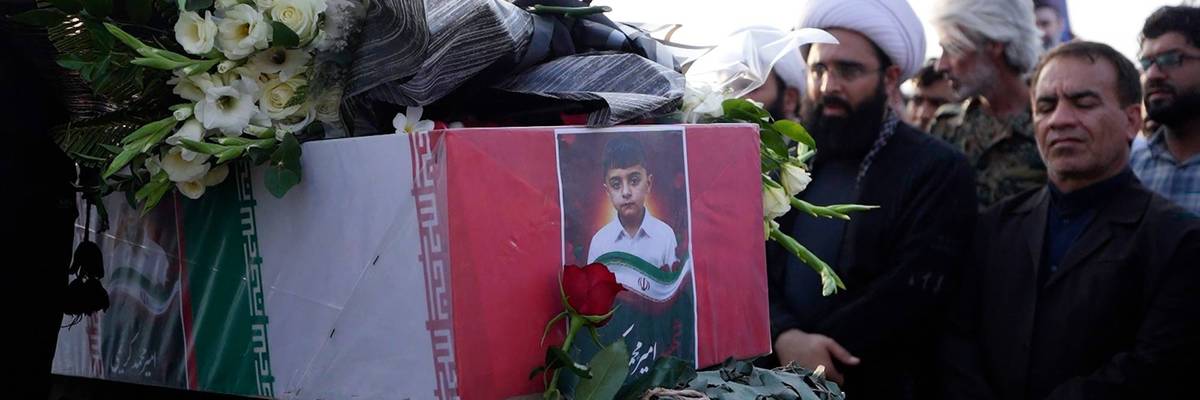
Mourners gather around the coffin of one of the victims of a likely US airstrike on a wedding party, on September 3, 2026 in the village of Kuhestak, Iran.
The September 1 strike, which killed five women and children and wounded more than 70 other Iranians, is but one of several civilian massacres during Trump's illegal war of choice.
More than 70 House Democrats on Tuesday sought answers and accountability from the Pentagon regarding a likely US strike on a September wedding gathering in southern Iran that killed five civilians—all women and children—and wounded over 70 others.
In a letter to Defense Secretary Pete Hegseth, Reps. Yassamin Ansari (D-Ariz.), Sara Jacobs (D-Calif.), and Jason Crow (D-Colo.) led 74 lawmakers in demanding an explanation for the September 1 bombing in Kuhestak and details of what the Trump administration is doing to protect Iranian civilians.
“We demand urgent answers regarding the United States’ role in this strike, why the strike proceeded given the clear risk of significant civilian harm, and what steps the [US Department of Defense] is taking to prevent further civilian casualties in Iran,” the lawmakers wrote.
The strike occurred at approximately 9:30 pm local time while preparations were underway for the wedding of the daughter of a local fisher.
According to witnesses interviewed by The Associated Press, around 150 women and children were gathered at the Mallahi family compound. The celebration was following a regional tradition in which women and men gather separately. The bride and groom had not yet arrived, and the main celebration had not begun. A bomb struck the room where dinner would have been served.
Four initial fatalities—two women and two children—were identified by Iranian authorities and human rights groups: 50-year-old Zarkhatoun Taheri, 43-year-old Kolsoum Malahi Najandnia, 16-year-old Mohammad Mallahi, and 4-year-old Amir Mohammad Karimi. A fifth victim, 22-year-old woman Asiyeh Molainejad, died in a hospital on September 3.
Weapons experts concluded the blast was likely caused by a direct hit from a US munition. The Pentagon has not publicly accepted responsibility for the strike, which remains under investigation.
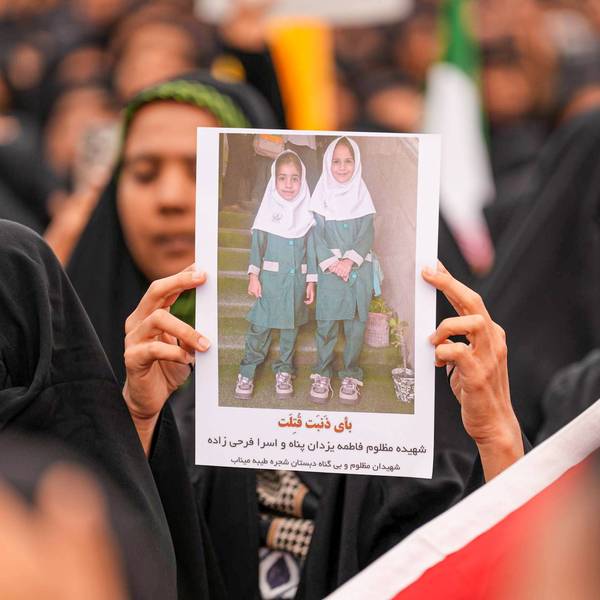
"This incident is regrettably among the latest in a string of civilian casualty incidents arising from the US-led war in Iran," the lawmakers wrote in their letter. "This includes a strike at the Shajareh Tayyebeh Elementary School in Minab, Iran, on the first day of the war that killed a reported 175 civilians, including 120 children."
The United Nations' Independent International Fact-Finding Mission on Iran said it found “reasonable grounds" to believe that the Minab school strike constituted a war crime.
"While it has been reported that a preliminary investigation by the department found that the US military was responsible for the strike, over six months later the department has still not publicly acknowledged responsibility for the strike nor released the findings of its investigation," the lawmakers' letter notes.
"Similarly, reporting and independent analysis indicate that US forces were responsible for a strike at a youth sports hall in Lamerd, Iran, that killed 21 civilians, including 7 children, on February 28. While the department has denied responsibility, analysis by weapons experts found that the damage pattern is consistent with that of an American Precision Strike Missile," the lawmakers continued, referring to Lockheed Martin's next-generation surface-to-surface ballistic missile.
Hegseth, who advocates “maximum lethality” for US forces, has expressed disdain for what he called “stupid rules of engagement” designed to minimize civilian harm. He has overseen the dismantling of efforts meant to mitigate wartime harm to civilians—hundreds of thousands of whom have been killed in US-led wars during this century, according to experts.
“Maximum lethality," combined with AI-powered systems allowing for exponentially faster and more numerous target selection, has raised concerns that have been underscored by actions including US-backed Israeli massacres in Gaza and Lebanon, and US airstrikes in Iran, where tens of thousands of people have been killed or wounded during more than seven months of President Donald Trump's illegal war of choice, according to Iranian government figures.
The Washington, DC-based National Iranian American Council (NIAC) welcomed the lawmakers’ intervention, arguing that Iranian civilians must not be treated as expendable casualties of war.
“The lives of Iranian civilians cannot be treated as an acceptable cost of war,” NIAC president Jamal Abdi said in a statement. “These are families, children, and entire communities whose lives have been irreversibly altered by a military campaign that Congress never authorized."
“Credible allegations of unlawful attacks on civilians demand independent investigations, full public disclosure of the findings, and accountability for any violations of international humanitarian law,” Abdi added. “The Trump administration cannot be permitted to wage an unauthorized war in defiance of US and international law while evading responsibility for its devastating human consequences.”
Dear Common Dreams reader, It’s been nearly 30 years since I co-founded Common Dreams with my late wife, Lina Newhouser. We had the radical notion that journalism should serve the public good, not corporate profits. It was clear to us from the outset what it would take to build such a project. No paid advertisements. No corporate sponsors. No millionaire publisher telling us what to think or do. Many people said we wouldn't last a year, but we proved those doubters wrong. Together with a tremendous team of journalists and dedicated staff, we built an independent media outlet free from the constraints of profits and corporate control. Our mission has always been simple: To inform. To inspire. To ignite change for the common good. Building Common Dreams was not easy. Our survival was never guaranteed. When you take on the most powerful forces—Wall Street greed, fossil fuel industry destruction, Big Tech lobbyists, and uber-rich oligarchs who have spent billions upon billions rigging the economy and democracy in their favor—the only bulwark you have is supporters who believe in your work. But here’s the urgent message from me today. It's never been this bad out there. And it's never been this hard to keep us going. At the very moment Common Dreams is most needed, the threats we face are intensifying. We need your support now more than ever. We don't accept corporate advertising and never will. We don't have a paywall because we don't think people should be blocked from critical news based on their ability to pay. Everything we do is funded by the donations of readers like you. When everyone does the little they can afford, we are strong. But if that support retreats or dries up, so do we. Will you donate now to make sure Common Dreams not only survives but thrives? —Craig Brown, Co-founder |
More than 70 House Democrats on Tuesday sought answers and accountability from the Pentagon regarding a likely US strike on a September wedding gathering in southern Iran that killed five civilians—all women and children—and wounded over 70 others.
In a letter to Defense Secretary Pete Hegseth, Reps. Yassamin Ansari (D-Ariz.), Sara Jacobs (D-Calif.), and Jason Crow (D-Colo.) led 74 lawmakers in demanding an explanation for the September 1 bombing in Kuhestak and details of what the Trump administration is doing to protect Iranian civilians.
“We demand urgent answers regarding the United States’ role in this strike, why the strike proceeded given the clear risk of significant civilian harm, and what steps the [US Department of Defense] is taking to prevent further civilian casualties in Iran,” the lawmakers wrote.
The strike occurred at approximately 9:30 pm local time while preparations were underway for the wedding of the daughter of a local fisher.
According to witnesses interviewed by The Associated Press, around 150 women and children were gathered at the Mallahi family compound. The celebration was following a regional tradition in which women and men gather separately. The bride and groom had not yet arrived, and the main celebration had not begun. A bomb struck the room where dinner would have been served.
Four initial fatalities—two women and two children—were identified by Iranian authorities and human rights groups: 50-year-old Zarkhatoun Taheri, 43-year-old Kolsoum Malahi Najandnia, 16-year-old Mohammad Mallahi, and 4-year-old Amir Mohammad Karimi. A fifth victim, 22-year-old woman Asiyeh Molainejad, died in a hospital on September 3.
Weapons experts concluded the blast was likely caused by a direct hit from a US munition. The Pentagon has not publicly accepted responsibility for the strike, which remains under investigation.
"This incident is regrettably among the latest in a string of civilian casualty incidents arising from the US-led war in Iran," the lawmakers wrote in their letter. "This includes a strike at the Shajareh Tayyebeh Elementary School in Minab, Iran, on the first day of the war that killed a reported 175 civilians, including 120 children."
The United Nations' Independent International Fact-Finding Mission on Iran said it found “reasonable grounds" to believe that the Minab school strike constituted a war crime.
"While it has been reported that a preliminary investigation by the department found that the US military was responsible for the strike, over six months later the department has still not publicly acknowledged responsibility for the strike nor released the findings of its investigation," the lawmakers' letter notes.
"Similarly, reporting and independent analysis indicate that US forces were responsible for a strike at a youth sports hall in Lamerd, Iran, that killed 21 civilians, including 7 children, on February 28. While the department has denied responsibility, analysis by weapons experts found that the damage pattern is consistent with that of an American Precision Strike Missile," the lawmakers continued, referring to Lockheed Martin's next-generation surface-to-surface ballistic missile.
Hegseth, who advocates “maximum lethality” for US forces, has expressed disdain for what he called “stupid rules of engagement” designed to minimize civilian harm. He has overseen the dismantling of efforts meant to mitigate wartime harm to civilians—hundreds of thousands of whom have been killed in US-led wars during this century, according to experts.
“Maximum lethality," combined with AI-powered systems allowing for exponentially faster and more numerous target selection, has raised concerns that have been underscored by actions including US-backed Israeli massacres in Gaza and Lebanon, and US airstrikes in Iran, where tens of thousands of people have been killed or wounded during more than seven months of President Donald Trump's illegal war of choice, according to Iranian government figures.
The Washington, DC-based National Iranian American Council (NIAC) welcomed the lawmakers’ intervention, arguing that Iranian civilians must not be treated as expendable casualties of war.
“The lives of Iranian civilians cannot be treated as an acceptable cost of war,” NIAC president Jamal Abdi said in a statement. “These are families, children, and entire communities whose lives have been irreversibly altered by a military campaign that Congress never authorized."
“Credible allegations of unlawful attacks on civilians demand independent investigations, full public disclosure of the findings, and accountability for any violations of international humanitarian law,” Abdi added. “The Trump administration cannot be permitted to wage an unauthorized war in defiance of US and international law while evading responsibility for its devastating human consequences.”
More than 70 House Democrats on Tuesday sought answers and accountability from the Pentagon regarding a likely US strike on a September wedding gathering in southern Iran that killed five civilians—all women and children—and wounded over 70 others.
In a letter to Defense Secretary Pete Hegseth, Reps. Yassamin Ansari (D-Ariz.), Sara Jacobs (D-Calif.), and Jason Crow (D-Colo.) led 74 lawmakers in demanding an explanation for the September 1 bombing in Kuhestak and details of what the Trump administration is doing to protect Iranian civilians.
“We demand urgent answers regarding the United States’ role in this strike, why the strike proceeded given the clear risk of significant civilian harm, and what steps the [US Department of Defense] is taking to prevent further civilian casualties in Iran,” the lawmakers wrote.
The strike occurred at approximately 9:30 pm local time while preparations were underway for the wedding of the daughter of a local fisher.
According to witnesses interviewed by The Associated Press, around 150 women and children were gathered at the Mallahi family compound. The celebration was following a regional tradition in which women and men gather separately. The bride and groom had not yet arrived, and the main celebration had not begun. A bomb struck the room where dinner would have been served.
Four initial fatalities—two women and two children—were identified by Iranian authorities and human rights groups: 50-year-old Zarkhatoun Taheri, 43-year-old Kolsoum Malahi Najandnia, 16-year-old Mohammad Mallahi, and 4-year-old Amir Mohammad Karimi. A fifth victim, 22-year-old woman Asiyeh Molainejad, died in a hospital on September 3.
Weapons experts concluded the blast was likely caused by a direct hit from a US munition. The Pentagon has not publicly accepted responsibility for the strike, which remains under investigation.
"This incident is regrettably among the latest in a string of civilian casualty incidents arising from the US-led war in Iran," the lawmakers wrote in their letter. "This includes a strike at the Shajareh Tayyebeh Elementary School in Minab, Iran, on the first day of the war that killed a reported 175 civilians, including 120 children."
The United Nations' Independent International Fact-Finding Mission on Iran said it found “reasonable grounds" to believe that the Minab school strike constituted a war crime.
"While it has been reported that a preliminary investigation by the department found that the US military was responsible for the strike, over six months later the department has still not publicly acknowledged responsibility for the strike nor released the findings of its investigation," the lawmakers' letter notes.
"Similarly, reporting and independent analysis indicate that US forces were responsible for a strike at a youth sports hall in Lamerd, Iran, that killed 21 civilians, including 7 children, on February 28. While the department has denied responsibility, analysis by weapons experts found that the damage pattern is consistent with that of an American Precision Strike Missile," the lawmakers continued, referring to Lockheed Martin's next-generation surface-to-surface ballistic missile.
Hegseth, who advocates “maximum lethality” for US forces, has expressed disdain for what he called “stupid rules of engagement” designed to minimize civilian harm. He has overseen the dismantling of efforts meant to mitigate wartime harm to civilians—hundreds of thousands of whom have been killed in US-led wars during this century, according to experts.
“Maximum lethality," combined with AI-powered systems allowing for exponentially faster and more numerous target selection, has raised concerns that have been underscored by actions including US-backed Israeli massacres in Gaza and Lebanon, and US airstrikes in Iran, where tens of thousands of people have been killed or wounded during more than seven months of President Donald Trump's illegal war of choice, according to Iranian government figures.
The Washington, DC-based National Iranian American Council (NIAC) welcomed the lawmakers’ intervention, arguing that Iranian civilians must not be treated as expendable casualties of war.
“The lives of Iranian civilians cannot be treated as an acceptable cost of war,” NIAC president Jamal Abdi said in a statement. “These are families, children, and entire communities whose lives have been irreversibly altered by a military campaign that Congress never authorized."
“Credible allegations of unlawful attacks on civilians demand independent investigations, full public disclosure of the findings, and accountability for any violations of international humanitarian law,” Abdi added. “The Trump administration cannot be permitted to wage an unauthorized war in defiance of US and international law while evading responsibility for its devastating human consequences.”