Is It (Still) Un-American to Care?
I don’t think it’s inherently un-American to care about suffering in Gaza or Cuba. It is just an American expectation to get threatened by the State Department for giving a fuck.
I initially wrote this piece in 2024 during the student uprisings that took place around the United States. The content was focused on Gaza and the people who made up the movement for Palestine in the belly of the beast. I've rewritten some of it and replaced Gaza with Cuba. The arguments needed no editing at all.
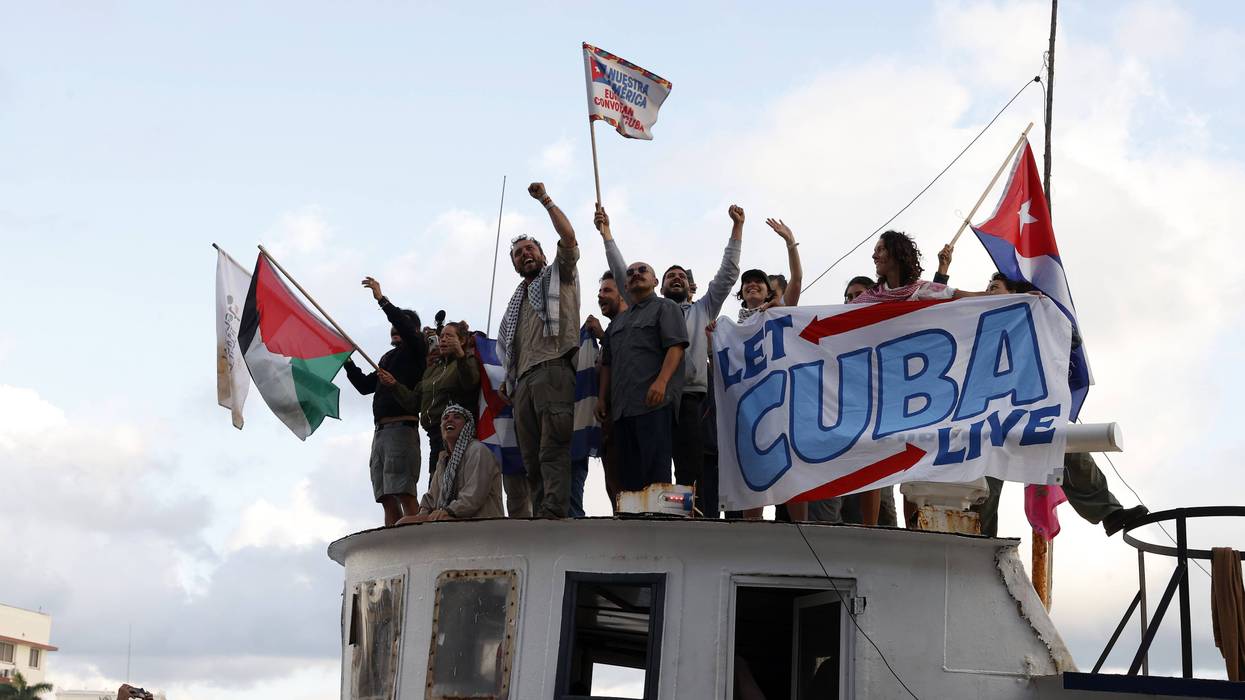
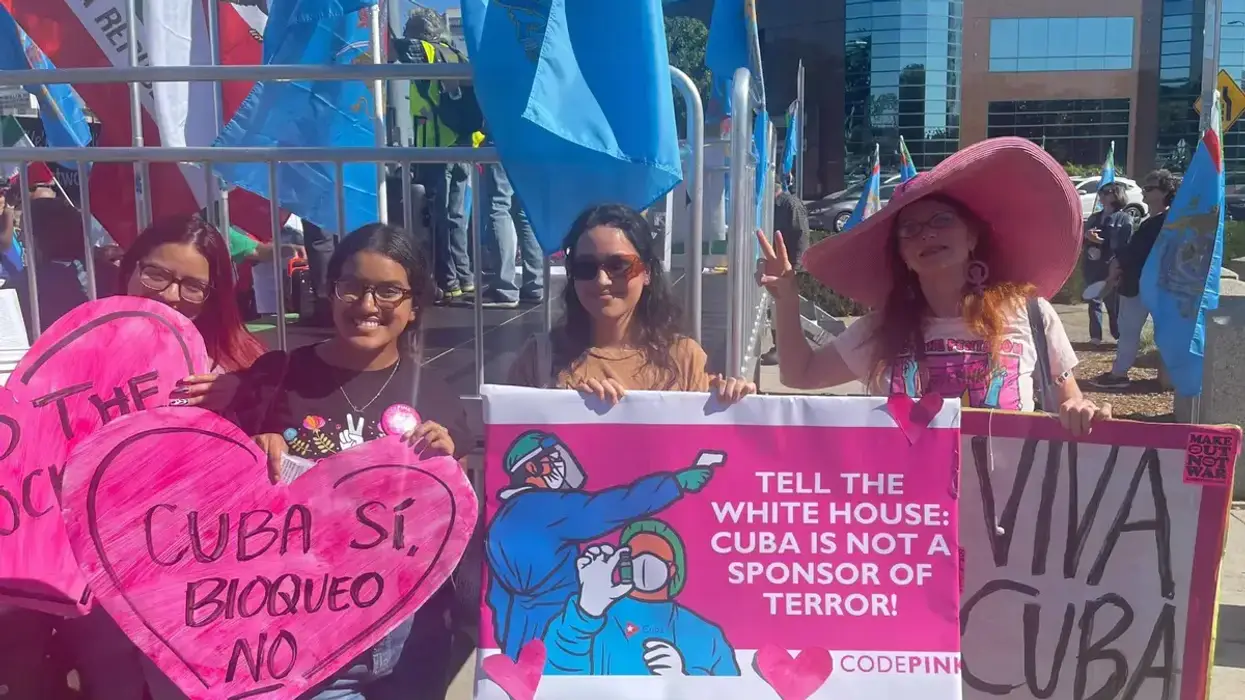
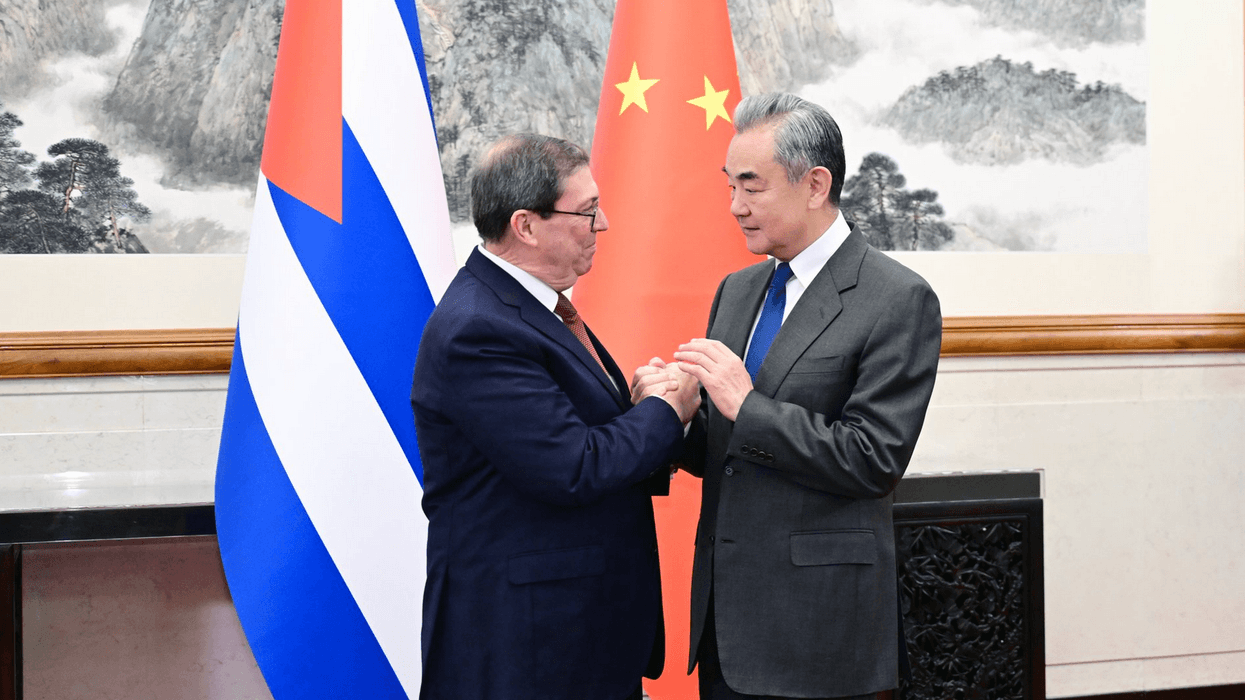
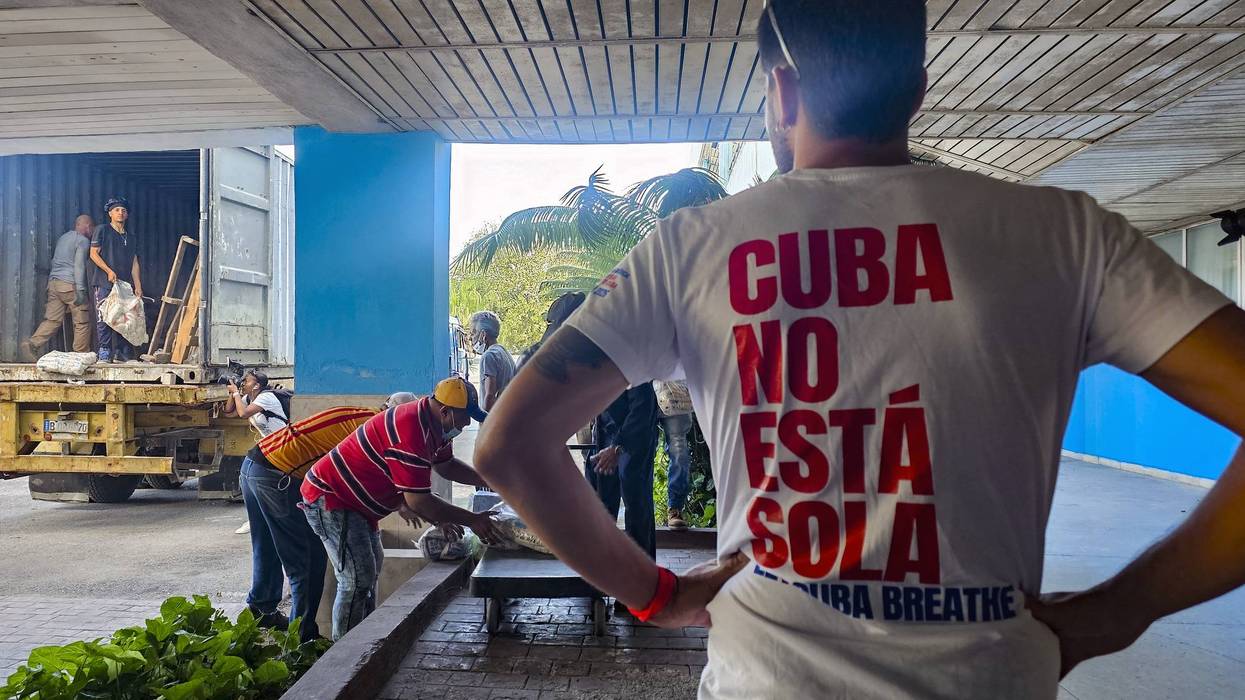
In March, a delegation traveled to Cuba to bring medical aid to Cubans who were suffering under the fuel blockade imposed on them by the United States of America. In recent months, people and organizations who took part, including my own organization, have been targeted by the Trump administration via investigations, subpoenas, and threatening reports such as Marco Rubio's 100-page report "The Capital of 21st Century Communism." In this report, people who bring aid to Cuba or merely speak out against the unilateral policy of starvation that the US implements upon Cuba are accused of being foreign agents and linked to terrorism. People in the comment section of our videos echo the smears because if the accusation is coming from someone powerful like Marco Rubio, it must be true.
I’ve seen them suggest that CODEPINK and other organizers are acting on behalf of someone other than ourselves and perhaps paid to do so. And Rubio has even gone on record saying that the people he is targeting might even be "unpaid" agents of Cuba, which just sounds like he might be going after people for simply having their own opinions that are different from his.
Cuba has dealt with rolling blackouts, fuel, food, and medicine shortages as well as a looming threat of US invasion or attacks as threatened by the Trump administration. People are not getting the medicine they need or the nutrition, which can and will lead to a slow genocide in Cuba if the US starvation policy stays intact. That is what people are so against: the deliberate slow starvation of 11 million human beings, just 90 miles away from our own border. This recent escalation comes after 60 years of aggressive US policy toward Cuba that has punished its people for pursuing an economic and political system that strays from the US model of capitalist exploitation. Cuba, once existing as a playground for the wealthy elite of the US, is now a representation that not only can a small country overthrow US-backed puppets like Fulgencio Batista, but also pursue socialism.
How do we, in the greatest interest of preventing future wars, stop reproducing this accusation so much that it becomes the dominant narrative about anti-war activists?
The accusations of being foreign agents or affiliated with terrorist groups aren’t new or innovative accusations levied against anti-war activists. This narrative has been used since there were wars and people against them. So there are a few questions to be asked: Is it so un-American for regular people (not policymakers) to care about the disastrous loss of human life? Who is levying these accusations that some malign foreign entity pays (or doesn't pay) Americans who care about death and destruction to do so? And lastly, how do we, in the greatest interest of preventing future wars, stop reproducing this accusation so much that it becomes the dominant narrative about anti-war activists?
Is It So Un-American to Care About the Loss of Human Life?
There have been massive resistance movements to every single war, and whether politicians like it or not, many of the people who have participated have been Americans. If it’s un-American to disagree with our government, then we might as well pack it all up and call it a day on this whole democracy schtick. The accusation of being foreign agents or terrorist sympathizers denies the basic trajectory of social life at this present moment. In the United States, our neighbors are truly from all over the world, and humans are social animals. If we are, enjoyably, living our lives, then we will meet our neighbors, we will become their friends, and we will care deeply for them. Friends introduce each other to other friends, and we learn to care for people who live in places we have never been. Some forces seek to squash that diversity and others use it merely symbolically without accepting the fact that it might challenge who our country does or does not bomb. But both forces use the “foreign agent” accusation to destroy the lives of activists and squash movements into the curb until they have no teeth anymore. It has happened over and over again.
If we move ahead with the idea that it is not inherently un-American to care about massacres or blockades, what we are left with is that the accusation is a tool to get everyone to shut the hell up about what the pigs in power are doing to our families and friends far, far away from here. Or in some cases, right here at home when some of the most powerful people in the Trump administration launch First Amendment chilling investigations into regular people to attempt to stop them from talking about the massacres our country facilitates.
If the peace movement was such a well-funded foreign apparatus, we would never have a war ever again. We would never have blockades and embargoes that starve people to death. The war industry is far better funded than those of us in opposition to it.
So, I don’t think it’s inherently un-American to care about suffering. It is just an American expectation to get threatened by the State Department for giving a fuck. And the inverse is true: it’s also quintessentially American to remain apathetic to the massacres and not utter a word about them and be awarded some temporary comfort. For example, the quiet may have no subpoena in the mail this week or next. If you fall into the latter category, congratulations on your unthreatening inboxes, but I have some bad news for you: One day our country might do something that will anger you. Or, god forbid, your children become adults who decide to care. Then you or your children will become vulnerable to the same accusation and subsequent treatment, including repression, arrest, and murder (like we've seen in the cases of Alex Pretti and Renée Good). Unless we stop reproducing this narrative about protesters at this very critical moment, disagreeing with the government will continue to get you investigated, thrown in jail, or your life ruined by red scare tactics the US government continues to rinse and repeat.
Who Is Levying These Accusations That Some Malign Foreign Entity Pays Americans Who Care About Death and Destruction to Do So?
The short answer is the American elite. The politicians and rich have a vested interest in keeping us at war and attempting to drive communist countries like Cuba into the gutter. The US is the largest weapons dealer in the world, and the companies that make the weapons are the biggest donors to many of our politicians. Politicians are bought and sold by the war profiteers, but also by private equity that sees investment opportunities in Cuba. The ruling class has done a great job of making war a profitable industry for themselves. So they built up militarized domestic surveillance to protect the war industry from dissent. If the accusation of being foreign agents scared people into silence about what our country was doing to Vietnam, Cambodia, Iraq, Afghanistan, and so on, why wouldn’t this repression tactic work for what’s happening in Cuba? Besides the fact that the tactic has worked in the past, there’s also a part of it that might be a telling projection: that because the elite need to get paid for their morals and opinions, maybe everyone else does too.
So, their tactic of accusing people of being terrorists or foreign agents works at repressing the masses. They’ve learned this over and over again. Can we say the same, that we’ve learned the same lesson over and over again? It appears that we cannot. But we have the opportunity to do things differently right now.
How Do We, in the Greatest Interest of Preventing Future Wars, Stop Reproducing This Accusation So Much That It Becomes How We All View Anti-War Activists?
The longer we go without challenging this narrative, the longer it gets passed down to the war resisters after us. We don’t remember the US wars on Vietnam or Iraq kindly. So why do we still write off the people who resisted those wars? Maybe a lot of the Vietnam War protesters were communists, but they were also right when it mattered. It doesn’t matter if you disagree with the war in Vietnam now. Over 2 million Vietnamese people were killed by our government. It is long over. It only matters if you’re right when it’s actually happening or before it happens, not when the blood is already dried on the pavement.
And as it so happens, being a communist might be the most American thing you can do as more and more people feel like everyone around them somehow got the short end of the stick. Who has the long end of the stick? We’ve never met them.
Americans happen to have their own opinions, and many of us are not paid to have them. You can tell that is a fact by how few of us have healthcare. If the peace movement was such a well-funded foreign apparatus, we would never have a war ever again. We would never have blockades and embargoes that starve people to death. The war industry is far better funded than those of us in opposition to it.
If you ever disagree with the war machine, the titles of “foreign agent” or “terrorist sympathizer” will be waiting for you at your doorstep. It’s really just a matter of time.
Some of us can shake these accusations off. Two years ago, we all saw a photo of a young Palestinian girl with her face falling apart and her father trying to press her back together. We decided her life was worth more than any job or future opportunity we could ever lose from saying something. Her life was worth more than any threat I could ever receive—but the stakes don’t need to be so high for us to stand up for what’s right if we collectively decide right now that they don’t need to be. We can get it right when it comes to Cuba before it's too late. Power is reproduced in every single one of us. The accusations stick every time we don’t refute them on behalf of others. The accusations work every time it isn’t shot down or called out. So we must.
I am proud to be the national co-director of CODEPINK. I am called a foreign agent or terrorist sympathizer every time I post about a child being murdered in Gaza. Or that I don't agree with a policy of collective punishment in Cuba. Or when I dare suggest that the United States shouldn’t be stoking a war with China. The US and China both have nukes. I don’t have to be paid off by a foreign government to have the opinion that a confrontation between two nuclear powers would be a disaster.
Right now, CODEPINK, along with other organizations, are the subject of a smear campaign to discredit our work toward peace. We were accused of being funded by a deep and large web of interests that led back to the Chinese Communist Party, and now we are accused of being agents of the Cuban government. I am sorry to our haters and clickbait journalists, but that is just completely untrue. It is a disrespect to the fearless leadership of women in North America who don’t like blockades being imposed in our name and to our thousands of donors who make our work possible. Now, as the Trump administration escalates its hybrid war on Cuba and people are standing up for what they believe in, the same accusation is coming down on each and every one of us who happens to care about the 11 million Cubans who will go into this fall and winter without electricity, or without the medicines they need to survive. If you ever disagree with the war machine, the titles of “foreign agent” or “terrorist sympathizer” will be waiting for you at your doorstep. It’s really just a matter of time. If we want history to stop repeating itself, if we want to stop the senseless slaughter carried out by our government, we have to stop falling for the same tricks.
When the American elite make the inevitable pivot, and start telling you what country to hate: See through it. And when they start pointing fingers at people who think we shouldn’t go to war—ask if their accusations are actually admissions about their own integrity. You are not bought to care about Cuban life; your comrades aren’t either.
This moment, and every moment of resistance that comes after we are gone, requires us to learn this lesson and fast. The movement and the people sympathetic to it must stand up for themselves and reject the notion that it is fundamentally un-American to care about people or despise massacres.