After extra time of exhausting negotiations, the 29th U.N. Conference on Climate Change is over.
First, a quick refresher of what COP29 was meant to achieve: dubbed a ‘finance COP,’ countries were expected to come to Baku, Azerbaijan ready to present in good faith various finance deals to strengthen the global response to climate change.
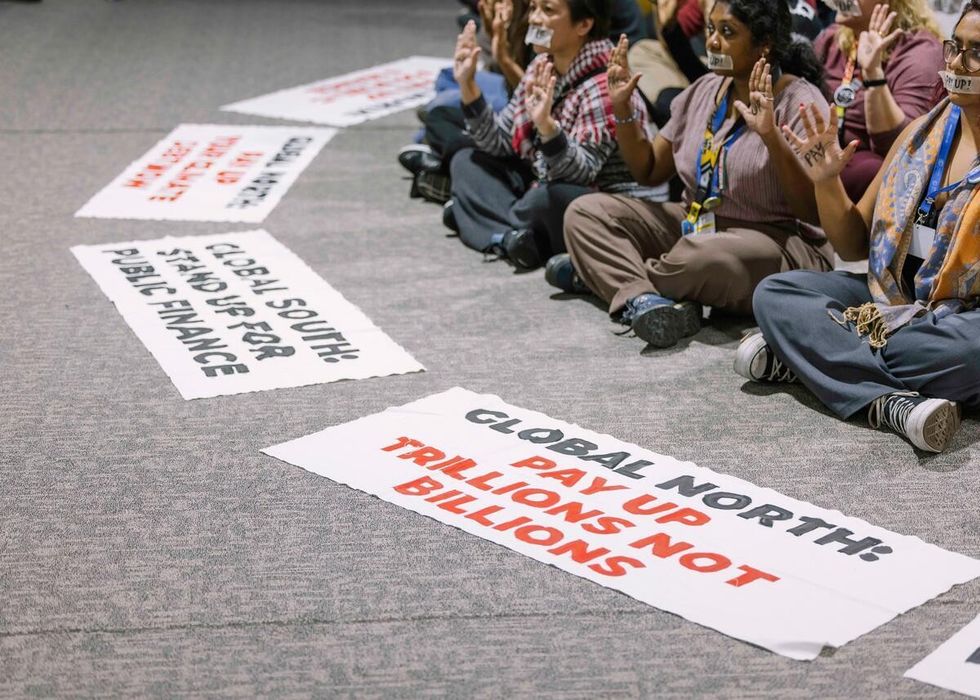 Signs call for for the Global North to "pay up" during a COP29 action in Baku, Azerbaijan. (Photo: Marie Jacquemin/Greenpeace)
The final agreement
After two slow-moving weeks of climate talks, COP29 ended with a woefully inadequate agreement on a new annual public climate finance goal of US$300 billion by 2035, a dismaying offering. The final agreement overall also included disappointing loopholes on carbon markets and little climate action, but no backsliding on the COP28 decision to transition away from fossil fuels. The final outcome in Baku removed the references to the Make Polluters Pay principle at the last hour, further disheartening civil society and countries already bearing the brunt of the climate crisis.
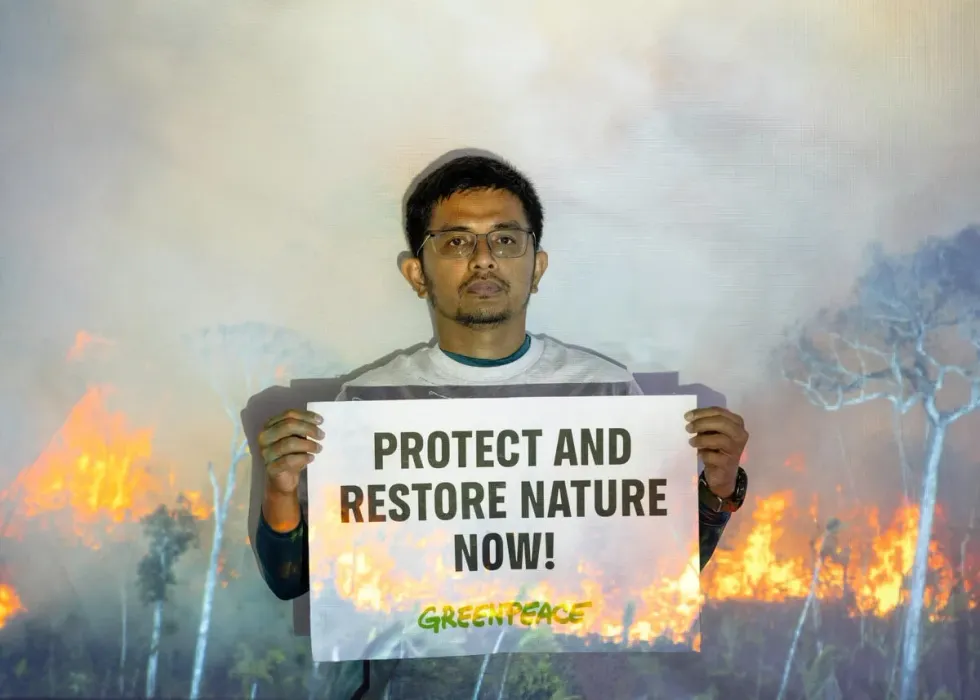 A Greenpeace projection Photo Booth in the Civil Society Hub at COP29 in Baku, Azerbaijan with portraits and images of climate impacts sends a message to country delegates that the time for action is now. (Photo: Marie Jacquemin/Greenpeace)
COP29 was an opportunity to agree on a significant climate finance goal and follow up on what was promised at COP28 and the Biodiversity COP16. But that did not exactly happen. Despite what was and was not agreed in Baku, meaningful climate action will only become more urgent than ever.
A moment of hope
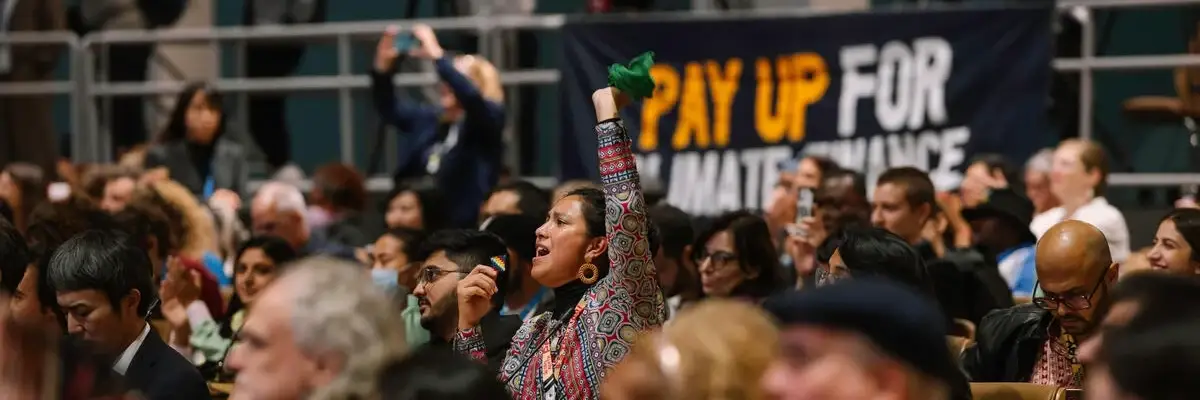
Not all is lost though. The final outcome fell short of what was hoped for, and what is needed to battle the climate crisis. But the people power in Baku made its presence felt. Navigating tight guidelines and pushback on peaceful protest for a third year in a row, civil society got creative to still make its demands heard, and will return even more determined next year. The time for debate is over; decisive action is the demand of the hour.
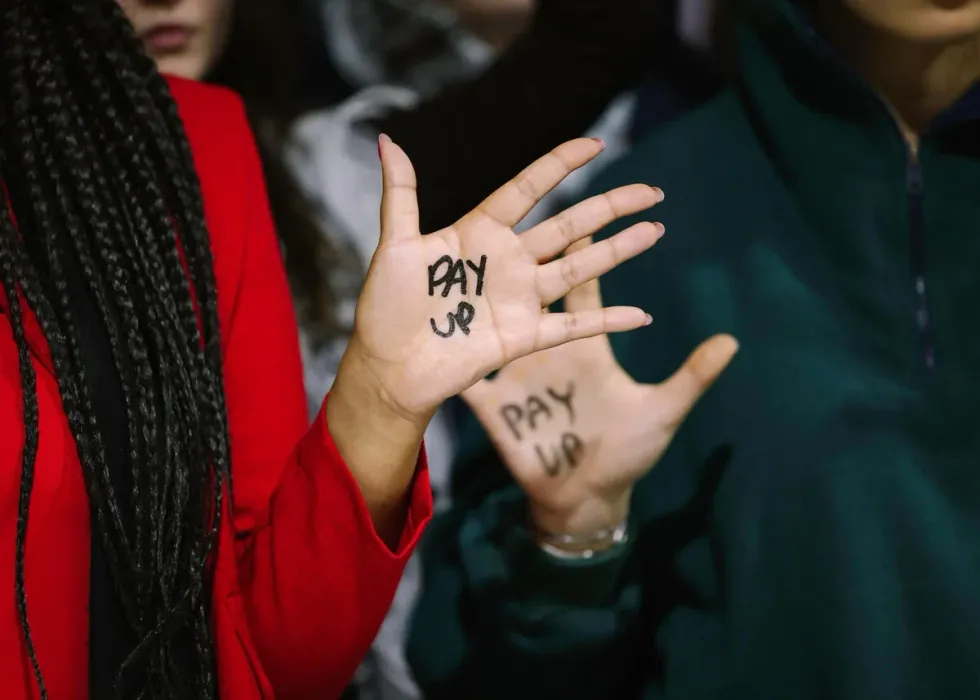 A close-up of hands with "pay up" written on them at COP29 in Baku, Azerbaijan. (Photo: Marie Jacquemin/Greenpeace)
What comes next for climate action
COP30 will return next year, in the Amazon city of Belem, Brazil, with high expectations for renewed climate action.
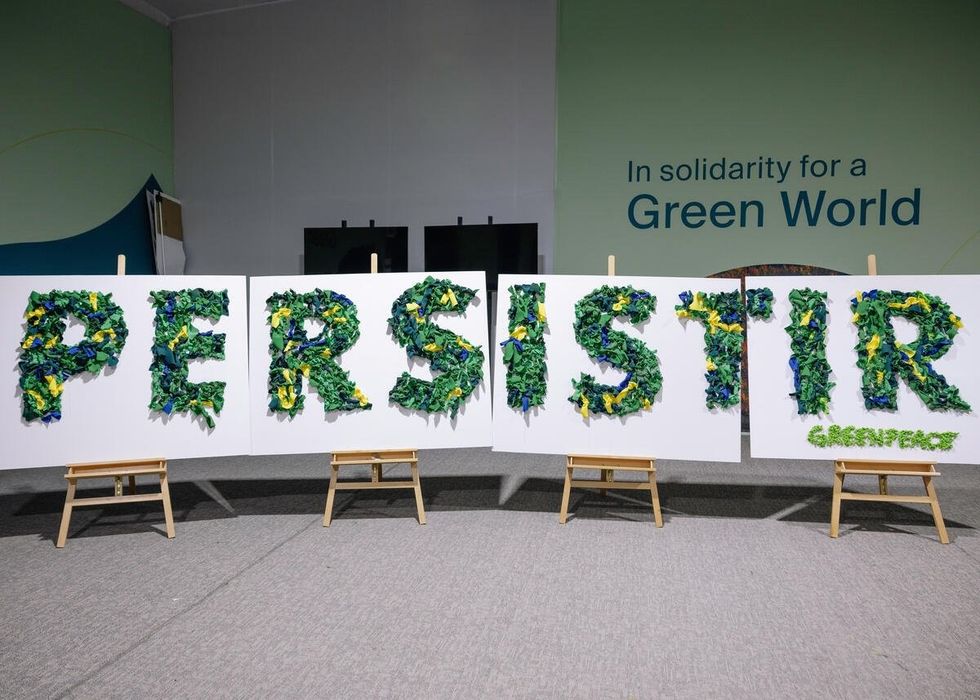 A sign of "persistir," Portuguese for "to persist," sends a signal that the work must continue onto COP30 in Brazil. (Photo: Marie Jacquemin/Greenpeace)
But climate justice will only be delivered when there is adequate, and then some, finance for climate-vulnerable communities, and not just distributed for loss and damage, but for adaptation and mitigation too. A future with climate justice means the production and consumption of oil and gas has been ended, forests protected, and polluters paying for the damage, destruction, and deaths the climate crisis is causing.
Baku might have stumbled on climate justice, but we will persist in the fight for our future.
After extra time of exhausting negotiations, the 29th U.N. Conference on Climate Change is over.
First, a quick refresher of what COP29 was meant to achieve: dubbed a ‘finance COP,’ countries were expected to come to Baku, Azerbaijan ready to present in good faith various finance deals to strengthen the global response to climate change.
Signs call for for the Global North to "pay up" during a COP29 action in Baku, Azerbaijan. (Photo: Marie Jacquemin/Greenpeace)
The final agreement
After two slow-moving weeks of climate talks, COP29 ended with a woefully inadequate agreement on a new annual public climate finance goal of US$300 billion by 2035, a dismaying offering. The final agreement overall also included disappointing loopholes on carbon markets and little climate action, but no backsliding on the COP28 decision to transition away from fossil fuels. The final outcome in Baku removed the references to the Make Polluters Pay principle at the last hour, further disheartening civil society and countries already bearing the brunt of the climate crisis.
A Greenpeace projection Photo Booth in the Civil Society Hub at COP29 in Baku, Azerbaijan with portraits and images of climate impacts sends a message to country delegates that the time for action is now. (Photo: Marie Jacquemin/Greenpeace)
COP29 was an opportunity to agree on a significant climate finance goal and follow up on what was promised at COP28 and the Biodiversity COP16. But that did not exactly happen. Despite what was and was not agreed in Baku, meaningful climate action will only become more urgent than ever.
A moment of hope
Not all is lost though. The final outcome fell short of what was hoped for, and what is needed to battle the climate crisis. But the people power in Baku made its presence felt. Navigating tight guidelines and pushback on peaceful protest for a third year in a row, civil society got creative to still make its demands heard, and will return even more determined next year. The time for debate is over; decisive action is the demand of the hour.
A close-up of hands with "pay up" written on them at COP29 in Baku, Azerbaijan. (Photo: Marie Jacquemin/Greenpeace)
What comes next for climate action
COP30 will return next year, in the Amazon city of Belem, Brazil, with high expectations for renewed climate action.
A sign of "persistir," Portuguese for "to persist," sends a signal that the work must continue onto COP30 in Brazil. (Photo: Marie Jacquemin/Greenpeace)
But climate justice will only be delivered when there is adequate, and then some, finance for climate-vulnerable communities, and not just distributed for loss and damage, but for adaptation and mitigation too. A future with climate justice means the production and consumption of oil and gas has been ended, forests protected, and polluters paying for the damage, destruction, and deaths the climate crisis is causing.
Baku might have stumbled on climate justice, but we will persist in the fight for our future.
After extra time of exhausting negotiations, the 29th U.N. Conference on Climate Change is over.
First, a quick refresher of what COP29 was meant to achieve: dubbed a ‘finance COP,’ countries were expected to come to Baku, Azerbaijan ready to present in good faith various finance deals to strengthen the global response to climate change.
Signs call for for the Global North to "pay up" during a COP29 action in Baku, Azerbaijan. (Photo: Marie Jacquemin/Greenpeace)
The final agreement
After two slow-moving weeks of climate talks, COP29 ended with a woefully inadequate agreement on a new annual public climate finance goal of US$300 billion by 2035, a dismaying offering. The final agreement overall also included disappointing loopholes on carbon markets and little climate action, but no backsliding on the COP28 decision to transition away from fossil fuels. The final outcome in Baku removed the references to the Make Polluters Pay principle at the last hour, further disheartening civil society and countries already bearing the brunt of the climate crisis.
A Greenpeace projection Photo Booth in the Civil Society Hub at COP29 in Baku, Azerbaijan with portraits and images of climate impacts sends a message to country delegates that the time for action is now. (Photo: Marie Jacquemin/Greenpeace)
COP29 was an opportunity to agree on a significant climate finance goal and follow up on what was promised at COP28 and the Biodiversity COP16. But that did not exactly happen. Despite what was and was not agreed in Baku, meaningful climate action will only become more urgent than ever.
A moment of hope
Not all is lost though. The final outcome fell short of what was hoped for, and what is needed to battle the climate crisis. But the people power in Baku made its presence felt. Navigating tight guidelines and pushback on peaceful protest for a third year in a row, civil society got creative to still make its demands heard, and will return even more determined next year. The time for debate is over; decisive action is the demand of the hour.
A close-up of hands with "pay up" written on them at COP29 in Baku, Azerbaijan. (Photo: Marie Jacquemin/Greenpeace)
What comes next for climate action
COP30 will return next year, in the Amazon city of Belem, Brazil, with high expectations for renewed climate action.
A sign of "persistir," Portuguese for "to persist," sends a signal that the work must continue onto COP30 in Brazil. (Photo: Marie Jacquemin/Greenpeace)
But climate justice will only be delivered when there is adequate, and then some, finance for climate-vulnerable communities, and not just distributed for loss and damage, but for adaptation and mitigation too. A future with climate justice means the production and consumption of oil and gas has been ended, forests protected, and polluters paying for the damage, destruction, and deaths the climate crisis is causing.
Baku might have stumbled on climate justice, but we will persist in the fight for our future.