

SUBSCRIBE TO OUR FREE NEWSLETTER
Daily news & progressive opinion—funded by the people, not the corporations—delivered straight to your inbox.
5
#000000
#FFFFFF
To donate by check, phone, or other method, see our More Ways to Give page.
Daily news & progressive opinion—funded by the people, not the corporations—delivered straight to your inbox.
2016 Goldman Environmental Prize winner Maxima Acuna de Chaupe was hospitalized after being attacked, allegedly by security forces hired by Minera Yanacocha, a subsidiary of Denver-based Newmont Mining, according to information provided by the Chaupe family. The attack took place on Maxima's property in northern Peru that the mining company has been trying to obtain for its Conga gold mine project.
"Minera Yanacocha must immediately stop their harassment of Maxima and her family, denounce attacks like this one, and call on its employees, agents and all others to ensure her safety," said Earthworks' Executive Director Jennifer Krill.
The attack against Maxima is an alarming reminder of the murder earlier this year of Honduran activist Berta Caceres. Berta was the 2015 Goldman Environmental Prize Winner from South and Central America. Both Berta and Maxima put their lives at risk by publicly denouncing multinational corporations threatening their communities.
"Environmental defenders like Maxima, and the late Berta Caceres before her, should not have to risk their lives to protect their homes and communities," said Martin Wagner, managing attorney at Earthjustice.
Maxima, who has lived in Tragadero Grande since the early 1990s, has been beaten, intimidated, and even sued by Minera Yanacocha. In 2014, Peruvian courts ruled in Maxima's favor in an ongoing criminal complaint by the company.
In April, prominent civil society groups including Global Witness, Sierra Club, Earthjustice, Earthworks, SumOfUs and others wrote to Newmont calling on the company to drop its lawsuits against the Chaupe family and end their harassment. The company failed to respond.
"The Chaupe family has been harassed and beaten by Yanacocha for years," said Katie Redford, Founder and Director at EarthRights International, which has been supporting and advising the Chaupe family. "They are prepared to pursue all legal options to obtain justice."
This most recent attack highlights the failures of both Newmont and the Peruvian government to uphold security, human rights and the consent of local communities. Newmont has ignored multiple calls from civil society to stop the physical and legal harassment of the Chaupe family, and the Peruvian government has failed to provide security for the Chaupe family as ordered by the Inter-American Commission on Human Rights (IACHR).
Everyone involved in the mine project - the companies, the government, the security forces - is responsible for ensuring Maxima's safety," said Martin Wagner of Earthjustice. "By failing to speak and act against it, they are condoning this kind of attack and creating further risk to Maxima, not to mention their own reputations."
In February, Newmont filed a statement with the Securities and Exchange Commission indicating that they were no longer pursuing the proposed Conga mine that threatens the Chaupe home.
"Newmont needs to immediately address the alleged involvement of its subsidiary Yanacocha in the criminal harassment of Maxima and her husband. Newmont has reported to investors that it isn't pursuing the Conga mine, but these attacks on poor subsistence farmers indicate that further plans are in development. What's happened is shocking, and shareholders need to know the potential risk of such an unethical venture," said Glen Berman, Interim Executive Director of SumOfUs.

"Candidates should seek support from the AI industry at their own peril."
Polling data released Thursday shows that American voters in several key states view campaign cash from the artificial intelligence industry and Big Tech CEOs as more politically poisonous than donations from the American Israel Public Affairs Committee, Wall Street executives, and cryptocurrency firms.
The poll from Data for Progress and Guardrails Action, an advocacy group that supports strong AI regulations, surveyed more than 3,000 likely voters in Iowa, Michigan, and Ohio and found "a battleground electorate that is skeptical of the AI industry across party lines, wants guardrails against its harms, and treats AI money in politics as a red flag."
Around 85% of surveyed voters in the three states said they were either very or somewhat concerned about AI companies and tech executives "spending money to influence" the 2026 midterm elections. By comparison, roughly 72% of voters in Iowa, Michigan, and Ohio expressed concern about AIPAC cash, which has become increasingly toxic amid Israel's genocidal assault on Gaza.
"This polling bears out what we have been saying all year: Candidates should seek support from the AI industry at their own peril,” said Shaunna Thomas, executive director of Guardrails Action. "What took AIPAC and the NRA years has been accomplished by the AI industry in just a few months. Candidates who sought support from corporate AI super PACs may find that support to be a huge liability in November."
Super PACs with ties the two leading AI firms in the United States, OpenAI and Anthropic, have spent more than $55 million so far on 2026 races, backing both Republicans and Democrats. Rep. Greg Casar (D-Texas), the chair of the Congressional Progressive Caucus and an outspoken supporter of strict AI regulations, has called on all of his fellow Democrats to reject campaign cash from AI industry billionaires and predicted that AI industry cash would soon be "as toxic as AIPAC."
The new polling out Thursday shows that roughly three-quarters of voters in Iowa, Michigan, and Ohio "would be less likely to support a candidate who receives funding from super PACs backed by AI companies or their executives, including about 3 in 5 Republicans."
The survey also shows that voters "take AI seriously as a force that will reshape the country, and they are skeptical that the people building it have their interests in mind," Guardrails Action and Data for Progress write in a memo.
"About 3 in 5 agree AI could eventually pose a risk to the survival of humanity (65%, 61%, and 60%), including a majority of Republicans (59%, 60%, and 54%)," the groups observed. "And a similar percentage in all three states believe AI is a threat to American democracy, though by slightly smaller margins."
Thomas of Guardrails Action said Thursday that "voters understand that the billionaires controlling this technology aren’t looking out for us, they’re only interested in accruing more money and power for themselves."
"Americans are deeply concerned about what AI will do to our society and who controls this unprecedented technology," said Thomas. "People are looking for commonsense guardrails on AI and we are seeing broad support for a wide range of policy proposals to regulate it."
The survey shows that voters across the three states support regulating AI development and taking action to mitigate the economic impacts of the technology. Around three-quarters of survey respondents said they support a "guaranteed jobs program" for Americans laid off due to AI and a system that would guarantee healthcare to everyone who loses their job due to AI advancements.

"She was so desperate for me to send that $100,000, she said, 'If you do this for me... I will be your ride or die in Trump World."
A former Republican congressional candidate and donor to President Donald Trump's campaign went on the record Thursday to level allegations of corruption against Kimberly Guilfoyle, the Trump-appointed US Ambassador to Greece.
Appearing on ABC News' "Good Morning America," Eric Deters said that Guilfoyle offered him access to top officials in the Trump administration if he paid off her $100,000 credit card debt.
"It was all quid pro quo," Deters said. "She was so desperate for me to send that $100,000, she said, 'If you do this for me... I will be your ride or die in Trump World."
Kimberly Guilfoyle, the U.S. Ambassador to Greece, is facing growing ethics questions after a former Trump donor accused her of offering access to top officials in exchange for cash. Jay O’Brien reports. https://t.co/WqkSyPxamv
— Good Morning America (@GMA) October 8, 2026
Deters' claims are backed up by text messages published on Wednesday by The Wall Street Journal, which show Guilfoyle begging him to help pay off her American Express bill ahead of her July 2025 confirmation hearing.
In the texts, Guilfoyle gave Deters pointers on how to help her without leaving a paper trail, informing him that the payment "won’t show up anywhere if you wire money to American Express."
In an interview with the Journal, Deters said that he ultimately didn't send Guilfoyle the money, as she'd made promises of favors to him in the past without ever delivering.
Among other things, the former Trump donor explained, he once offered to pay Guilfoyle $1 million in exchange for securing him an interview on Tucker Carlson's show. While Guilfoyle said she could get Carlson to agree to the interview, she was unable to convince him.
"She never came through on anything," Deters explained.
An attorney representing Guilfoyle told the Journal that she disputed the authenticity of the text messages with Deters, but declined to provide any specifics.
US Secretary of State Marco Rubio, who is currently in Greece, refused to comment on the corruption allegations when asked by reporters on Thursday.
"Our job is not to respond every time somebody gives the media something without any advanced warning, without any chance to look at it," Rubio said. "That's not the way you run an organization, and that's not a serious way to conduct the policy of our country. So I'm not going to comment on a story that literally posted a few hours ago."
Rubio bristled at questions about WSJ’s Guilfoyle story before departing Greece. “I’m not going to comment.” Video via @ralexdc https://t.co/MLy2rcihdJ
— John Hudson (@John_Hudson) October 8, 2026
Rep. James Walkinshaw (D-Va.), a member of the House Oversight Committee, wrote in a Wednesday social media post that Guilfoyle's efforts to hide elicit transactions was doomed to failure.
"The Trump cartel can't hide this," Walkinshaw wrote. "Corruption leaves a paper trail. It’s time to Investigate every message and dollar."
Democracy Defenders Action co-founder Norm Eisen, who served as US ambassador to the Czech Republic under President Barack Obama, expressed astonishment at the Guilfoyle texts.
"I was an ambassador myself and I've never seen anything like this," Eisen wrote. "She denies it, but you can smell this one from Athens!"
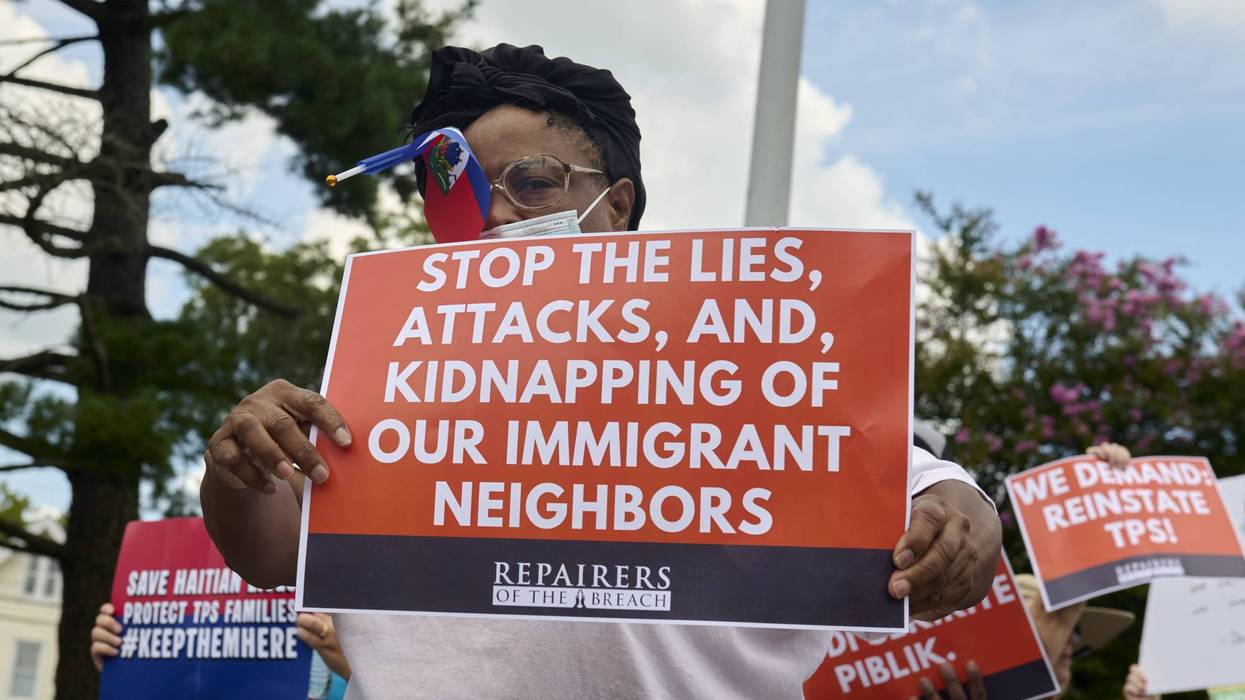
Since being deported, Ahmed Soliman "has been confined under armed guard, assaulted, held at gunpoint, and, most recently, arrested, hooded, beaten, and held incommunicado," said the judge.
A lawyer for Ahmed Soliman, a 31-year-old Phoenix man who has been arbitrarily detained in Equatorial Guinea since April, when US immigration agents forced him onto a plane under the Trump administration's third-country deportation policy, expressed cautious optimism and relief on Wednesday after a federal judge ruled that the Department of Homeland Security must return Soliman to the United States.
"We all frankly broke into tears of relief, and hope" when the ruling in the US District Court of Arizona was handed down, Dana Camilleri, a senior attorney at Green Evans-Schroeder, told the Arizona Daily Star.
District Judge John C. Hinderaker, who was appointed by President Donald Trump, ordered DHS to "take all reasonable steps within their control" to facilitate Soliman's return to the US.
Soliman's removal to Equatorial Guinea violated his due process rights under the Fifth Amendment of the US Constitution, said Hinderaker, who said the man has faced "irreparable harm" after being "unlawfully" deported.
As Common Dreams reported last month, human rights advocates have warned that Soliman has been placed at risk of being tortured in Equatorial Guinea, where he and dozens of other people deported by the Trump administration have been held at a decommissioned hotel in Malabo.
None of the prisoners have any ties to Equatorial Guinea, which Trump paid $7.5 million in one of several secretive deals, in exchange for taking deportees whom the US is barred from sending to their home countries due to their credible fear of persecution.
Last month, Soliman was targeted for arrest in Equatorial Guinea after he spoke out about the abuse that he and others have faced at the hotel.
He has since been held "incommunicado" at a jail, despite the fact that he has not been charged with a crime.
Soliman's family in Arizona "have been left waiting, without any assurance that he is safe—or even still alive," Jesse Evans-Schroeder, another lawyer representing him, told the Star.
A video that was shared with the press last month showed armed guards pointing a gun at Soliman and another man in the hotel lobby. According to Amnesty International, after the video was shared, Soliman was taken to an overcrowded jail where he has been denied food and access to counsel.
"The unrebutted record shows that, since his removal, [Soliman] has been confined under armed guard, assaulted, held at gunpoint, and, most recently, arrested, hooded, beaten, and held incommunicado, reportedly without food or water," Hinderaker wrote in his order.
Since Amnesty, United Nations rights experts, and US Rep. Adelita Grijalva (D-Ariz.) have raised alarm about Soliman's case, DHS has been dismissive of his ordeal, sneering in one social media post that a New York Times article on the case was a "poor excuse for a sob story" and that he and another detainee, Samson Birhane, "are CRIMINAL ILLEGAL ALIENS with rap sheets a mile long."
Soliman arrived in the US when he was 4, after his family fled Egypt, where they had faced persecution due to their political activities.
He lost his immigration status after being convicted of driving under the influence in 2021. Soliman has said in media interviews that he developed substance abuse problems as he came to terms with his identity as a gay man, having grown up in a conservative household.
He served two-and-a-half years in prison after the car accident that led to his conviction. While serving his sentence, Soliman "rehabilitated himself, confronting the 'self-hatred' he said led to his addiction," the Star reported.
US Immigration and Customs Enforcement ordered his deportation in October 2025. His attorneys had won protections against his deportation to Egypt, based on his LGBTQ+ identity and his family's history there.
But under the Trump administration's third-country deportation policy and deals with dozens of governments that the White House has spent $40 million brokering, about 25,000 people have been sent to countries where they have no ties. From there, many have been sent on to their home countries, while others have been detained and faced ill treatment.
When Soliman was forced onto a deportation flight in April, he was given no opportunity to contest the decision to send him to Equatorial Guinea, where homosexuality is effectively criminalized and where authorities are known to perpetrate arbitrary detentions and torture.
A federal court ruled last month that DHS must provide deportees with meaningful notice and an opportunity to be screened for a credible fear of being sent to the third country. The US Supreme Court stayed that ruling, clearing the way for the Trump administration to continue abruptly removing people from the country, as it did with Soliman. The court is set to hear arguments in DVD v. DHS, a case challenging the third-country deportations, in December.
On Wednesday, Hinderaker gave the Trump administration's lawyers three days to provide the court with an update on its progress in returning Soliman to the US. DHS has 30 days to appeal his ruling. Soliman could still be removed to another country later, but Hinderaker ordered DHS to give him a "meaningful opportunity" for a credible fear screening.
Camilleri told The American Prospect that the legal team was "still thinking of everyone who’s confined at the hotel there and wanting to get them home."
The judge's ruling was "a great step forward, but I’m a little cautious, honestly," she said.
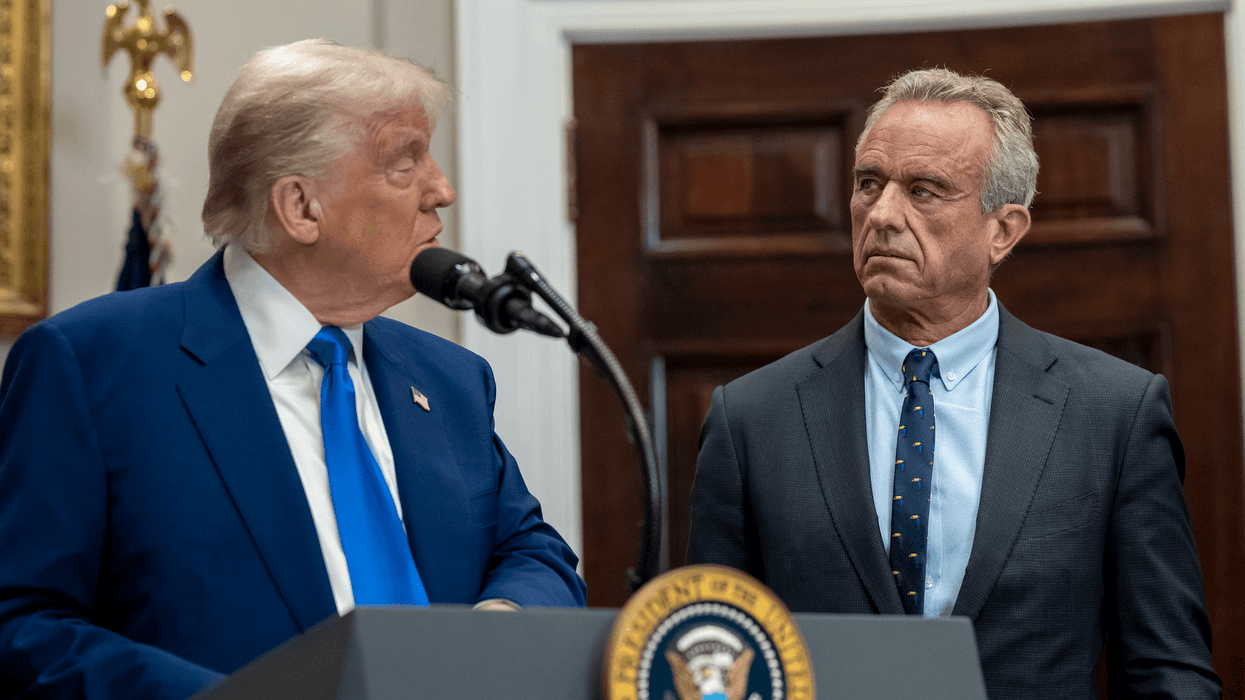
"Donald Trump is stealing taxpayers’ dollars that Congress set aside to improve Americans’ health," said a group of House Democrats.
An independent federal watchdog concluded on Wednesday that the Trump administration violated the law last year when it refused to spend $78 million that Congress appropriated to support lifesaving healthcare research.
The Government Accountability Office (GAO) said that the US Department of Health and Human Services, headed by Robert F. Kennedy Jr., violated the Impoundment Control Act of 1974 by withholding grant funds as the administration worked to gut the Agency for Healthcare Research and Quality (AHRQ). Researchers and advocacy organizations say the grant freeze has derailed key patient safety research.
In response to the GAO's finding, the congressional Democrats who called for the investigation said that the report "confirms what we have known for over a year: Donald Trump is stealing taxpayers’ dollars that Congress set aside to improve Americans’ health."
"The administration’s unilateral dismantling of the Agency for Healthcare Research and Quality’s grantmaking operations is an illegal impoundment of congressionally appropriated funds," said Reps. Diana DeGette (D-Colo.), Doris Matsui (D-Calif.), and Don Beyer (D-Va.). "Under Article I of the Constitution, the power of the purse rests strictly with Congress, not the executive branch. Trump’s administration cannot simply refuse to spend the resources we authorized for lifesaving healthcare research. Republicans must join Democrats in demanding that the Constitution is upheld."
HHS is currently facing a lawsuit over its unlawful withholding of grant funds. The Society of General Internal Medicine and the North American Primary Care Research Group, the groups behind the suit, said the Trump administration's assault on AHRQ has "eliminated" the agency's "ability to process research grant applications, delayed decisions on pending applications, and withheld the use of funds that Congress specifically appropriated for healthcare research."
"As a result, millions of dollars intended to support innovative studies on healthcare delivery have gone unused," the groups said after filing the lawsuit late last year. "By halting these funds, HHS has abandoned support for the healthcare research that Congress expected and that the American public needs.”
AHRQ has not issued a single new research grant over the past 18 months, according to Josh Caplan, director of advocacy at the nonprofit AcademyHealth. Most of the agency's staff has left or been pushed out by the Trump administration, which has waged a wholesale assault on the government workforce since taking power last year.
"Those reductions include the entirety of the staff overseeing [AHRQ's] extramural grant program that reviews, issues awards, and manages federal investments, as well as nearly all staff supporting the US Preventive Services Task Force, dissemination and communication efforts, and intragovernmental experts," Caplan wrote in a blog post on Wednesday.
Sen. Patty Murray (D-Wash.), the top Democrat on the Senate Appropriations Committee, said Wednesday that the GAO's decision confirms that "President Trump lit health research funding on fire last year, and it’s clear as day he’s just done the same again this year."
"In fact, President Trump announced to the world just a few days ago that he was illegally cutting nearly $30 million more, and HHS has failed to detail to the committee exactly how it has spent down AHRQ funding for fiscal year 2026," said Murray. "This is research that has saved tens of thousands of lives and saved billions of dollars in healthcare costs—but President Trump and Secretary Kennedy are intent on breaking the law to cut it off, and Republicans in Congress have all but let them do it."
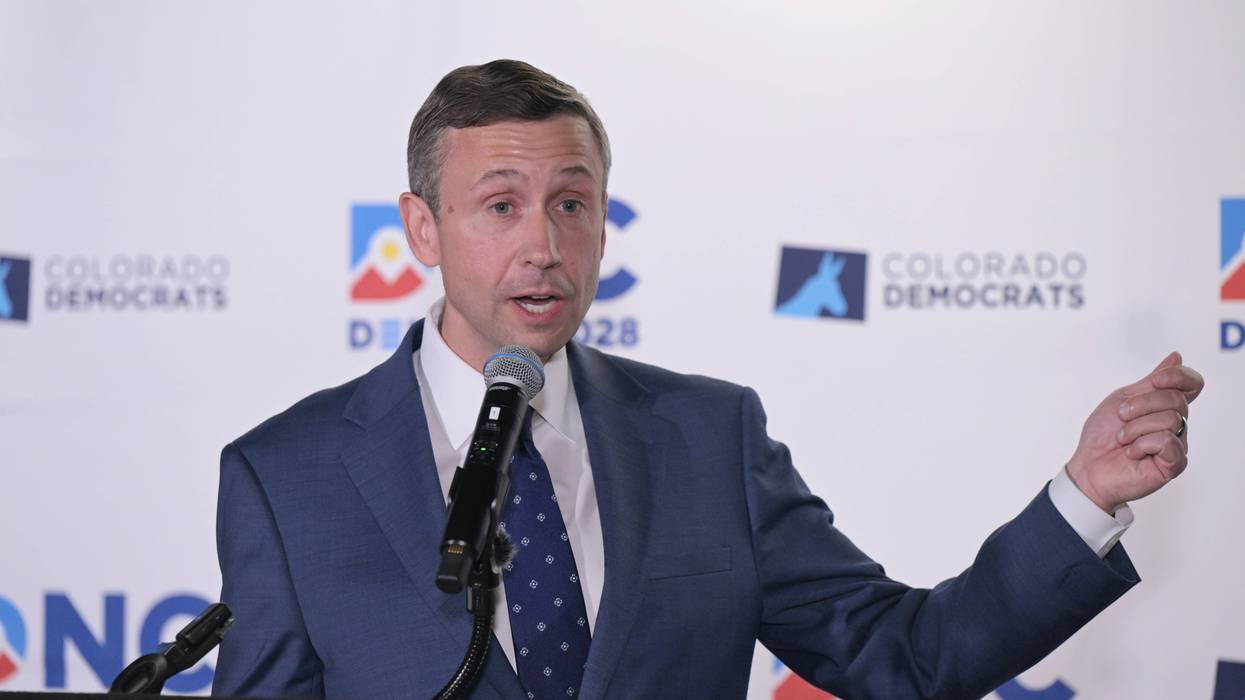
"Trump is misusing millions of taxpayer dollars to fund pure propaganda ads in a last-ditch attempt to save Republicans in November—so we're suing him," said the DNC chair.
The Democratic National Committee sued President Donald Trump and parts of his administration on Wednesday over a series of recent taxpayer-funded video advertisements that the complaint calls "a blatant violation of the statutory ban on the use of appropriations for 'publicity or propaganda purposes.'"
"President Trump personally directed this illegal activity," notes the DNC complaint, which was filed in federal court in Washington, DC and also names the White House Office, Office of Management and Budget (OMB), and US Department of Homeland Security (DHS) as defendants.
"The White House Office crafted the partisan campaign. The Office of Management and Budget shifted $20 million to pay for it. And US Customs and Border Protection (CBP) has carried it out," the complaint continues. DHS is the parent agency of CBP.
"These unlawful actions are ultra vires and violate the Administrative Procedure Act," the DNC asserted.
The lawsuit comes after the watchdog group Public Citizen last week filed a pair of complaints urging regulators and broadcasters to pull the taxpayer-funded ads off the air and demanding a federal investigation, arguing that they "appear to violate the federal law against using taxpayer funds to finance propaganda (5 USC §3107) and related provisions of the appropriations laws as well as the Hatch Act (5 USC §7324)."
Wednesday's filing highlights that the ads—which have aired on a range of channels in the lead-up to next month's congressional election—tout Trump "and his midterm messaging, including one that is virtually identical to a 2024 campaign ad."
The DNC "is working to defeat President Trump's allies at the polls in all 50 states, up and down the ballot, and shares a unity of interests with Democratic candidates," the complaint says. "The Trump administration's illegal use of taxpayer dollars for campaign-style advertisements deprives the DNC of a fair electoral process by adding public funds to the resources available to support Republican candidates."
"The use of public funds also places the DNC and Democratic candidates at an electoral disadvantage, even though the publicly funded propaganda advertisements are deeply unpopular with American voters, by preserving funds held by campaign committees and PACs—including MAGA Inc.—for other political expenditures," the filing says, referring to political action committees.
In the face of "intense bipartisan backlash," Trump announced Monday that he was planning to have his super PAC MAGA Inc. pay for ads "moving forward," the document points out—"and yet for the next two days, the ads have continued to air, still labeled 'Paid for by the US Government.'"
As The Associated Press reported: "On Tuesday, the fifth ad in the campaign began airing with the notice, 'Paid for by the US Government,' promoting Trump's military actions in Venezuela earlier this year. The same day, Trump made it clear he hasn't committed to reimbursing any money that has already been spent, telling reporters, 'We'll decide.'"
The complaint says that "with less than 30 days remaining before the midterm election and millions of public dollars apportioned to pay for propaganda ads still unspent, the DNC has no choice but to take action in defense of free and fair elections."
While the defendants haven't yet commented on the suit, DNC Chair Ken Martin said that "Donald Trump is misusing millions of taxpayer dollars to fund pure propaganda ads in a last-ditch attempt to save Republicans in November—so we're suing him."
"As gas and grocery costs rise and his approval numbers continue to crater, this president has stooped to taking money from a fund intended for memorials for Americans killed in the line of duty to promote his failed policies," he continued—as other Democrats also made moves to call out the GOP's "failed economic agenda" and fears mounted about how the president may try to interfere with the November midterms.
According to Martin, "Americans deserve better than to have their hard-earned tax dollars used for Trump's illegal schemes."
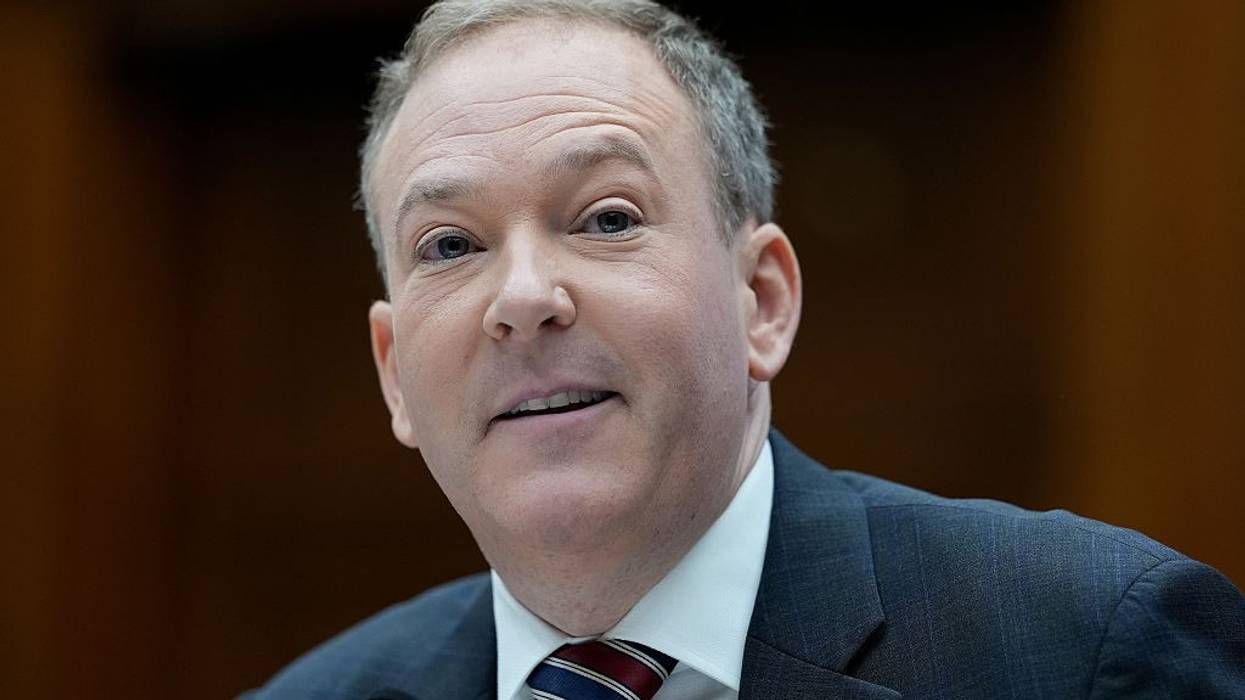
"This giveaway to fossil fuel executives is foolish and shortshsighted, and reveals who the Trump administration really works for—its political donors," said one campaigner.
The US Environmental Protection Agency on Wednesday announced plans to further weaken federal protections against methane pollution from oil and gas operations, prompting environmental advocates to accuse the Trump administration of once again putting fossil fuel interests ahead of public health and the climate.
EPA Administrator Lee Zeldin made the announcement during the New Mexico Oil and Gas Association’s annual meeting in Santa Fe. The EPA said it will propose changes to the Biden administration's 2024 oil and gas rules in the coming days, claiming the proposed rollback will save $45 billion in regulatory costs.
The proposal's changes include rescinding the Biden-era Super Emitter Program, which allows third parties to identify major methane leaks and require companies to address them.
“The Trump EPA is days, not weeks, away from announcing our proposal for the second part of the oil and gas reconsideration," Zeldin said in a statement. "Americans must be able to afford to heat their homes in the winter and fill up their car and drive to work. They can’t do that when the people producing the energy are weighed down by unnecessary burdens."
The biggest factor driving high US gasoline prices right now is the global oil supply shock caused by President Donald Trump's illegal war of choice on Iran.
Environmental and climate groups disputed Zeldin's framing.
"Trump’s Environmental Destruction Agency continues its rampage by torching limits on superheating methane, some of the last remaining protections against climate-heating pollution,” said Maggie Coulter, an attorney at the Center for Biological Diversity's Climate Law Institute.
“This move will compound the climate chaos we see mounting all around us in deadly heatwaves, floods, and storms," she added. "Vulnerable communities will be exposed to worse smog and intensified respiratory pollution, increasing kids’ asthma and other health harms. We’ll fight this disastrous rollback with everything we’ve got.”
Today, EPA Admin. Zeldin announced a rollback of federal rules that ensure oil and gas operators don't pollute our air. This decision clearly shows that Trump is putting polluters first over the wellbeing of the American people. #Methane
[image or embed]
— Conservation Voters New Mexico (@protectnm.bsky.social) October 7, 2026 at 10:01 AM
Dr. Rev. Jessica Moerman, president and CEO of the Evangelical Environmental Network, said that “families in oil and gas country should not have to wonder what is leaking from the wells and equipment near their homes, churches, and schools."
"The plan to weaken methane pollution protections means this worry remains a reality," she added. "Leaking methane is not only a wasted product. The same leaks can carry benzene and other harmful pollutants linked to cancer and birth defects into the air that children and seniors breathe."
Methane—which has more than 80 times the warming power of carbon dioxide during its first two decades in the atmosphere—is emitted during the production and transportation of oil, gas, and coal, as well as from municipal landfills and livestock.
"Any proposed rollback to the federal methane rule is a slap in the face to families who are exposed to oil and gas pollution where they live, work, and play,” Celerah Hewes, senior manager for state field campaigns at Moms Clean Air Force, said in a statement.
Hewes continued:
For over a decade, Moms Clean Air Force has been fighting for methane protections for our families—and we were making progress. Today’s announcement from EPA is a massive blow to the efforts to safeguard our children’s health and our climate. Over 900,000 comments were submitted to the Federal Register in support of the commonsense methane pollution protections that EPA finalized in 2024, including many from the moms, dads, and caregivers with Moms Clean Air Force.
"Now communities across the country will once again have to show up and demand EPA provide strong federal methane pollution standards that protect families from this known public health threat and climate super pollutant," she added. "It is outrageous that we have to fight so hard just for our children's right to breathe clean air."
Lauren Pagel, senior policy director at Earthworks, alleged that "by rolling back commonsense methane standards, the Trump administration has once again chosen polluters over people, sacrificing the health of communities living next to extraction and our climate to make even more money for fossil fuel billionaires."
“While families struggle with the high cost of living, everything Trump and his oil and gas company cronies do makes life harder for everyday people—including making the air we breathe dirtier," she continued.
“The Trump administration is delivering dirtier air, more pollution, and greater risks for communities in order to boost Big Oil’s profits," Pagel added. "It’s time for states to step up and do what the White House won’t: Put people first, hold polluters accountable, and cut methane pollution to protect health and climate.”
While running for reelection on a “drill, baby, drill” energy platform, Trump reportedly promised Big Oil executives that he would eviscerate climate regulations enacted by the Biden administration if they gave $1 billion to his campaign. Fossil fuel interests spent nearly $450 million during the 2024 election cycle on campaign contributions, lobbying, and efforts supporting Republican causes and candidates, including Trump.
EPA signaled it is going to propose weakened #methane regulations for oil and gas, including for low-producing wells, which are responsible for almost half of the sector’s methane emissions despite producing less than 5% of the country’s oil and gas.www.catf.us/2026/10/epa-...
[image or embed]
— Clean Air Task Force (@cleanaircatf.bsky.social) October 7, 2026 at 1:59 PM
Environmental Defense Fund associate vice president of energy transition Jon Goldstein said: "At a time when Americans are facing high energy costs, EPA should not give oil and gas companies more room to waste a domestic resource... Rolling back these safeguards would mean more wasted energy, more methane pollution, and greater health risks for communities living near oil and gas operations.”
Natural Resources Defense Council senior strategist David Doniger accused the EPA of "trying to give a free pass to the worst actors in the oil and gas industry."
"Many companies had already complied with these rules, but a few rogue actors refuse to check for leaks or monitor their equipment adequately," he explained. "Those deadbeats would get bailed out by this action."
“Methane leaks are the dumbest kind of pollution because the industry is losing the very product it is selling," Doniger continued. "That’s what made the standards so cost-effective: Checking for leaks means the industry has more gas to sell."
“These leaks are not just bad for the climate, they result in more smog and cancer-causing pollution for nearby communities," he added. "But with his announcement today, Lee Zeldin made clear that oil companies come first, while protecting families from toxic pollution and the ravages of extreme weather is not on this administration’s agenda.”
Mahyar Sorour, who heads Sierra Club's Beyond Fossil Fuels Policy program, noted that “it took many years and carefully considered input from health experts, community advocates, and even the oil and gas industry itself to craft the achievable, commonsense methane standards."
"Yet, the Trump administration, with pockets lined by the biggest polluters, has unceremoniously worked to roll back this and other standards meant to protect our health and safety," Sorour added. "This giveaway to fossil fuel executives is foolish and shortsighted, and reveals who the Trump administration really works for—its political donors.”
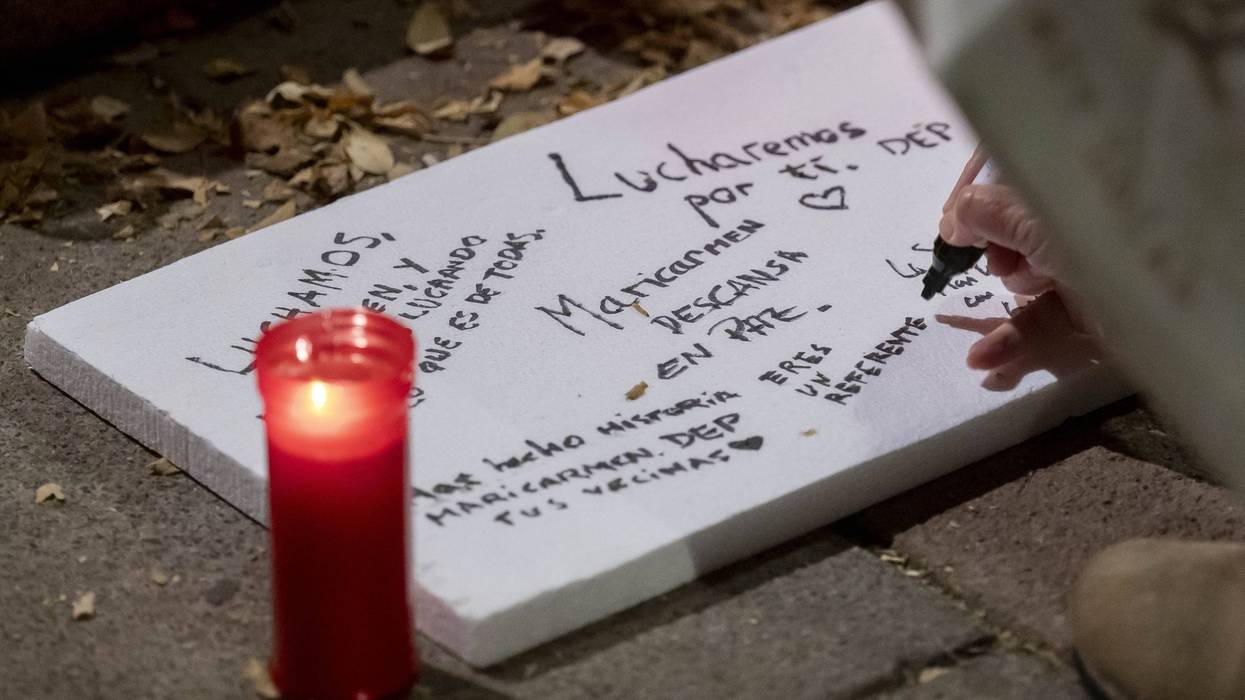
María del Carmen Abascal Martín, an 87-year-old Spanish woman known as Maricarmen whose eviction led to massive housing protests and Prime Minister Pedro Sánchez calling early elections, died this week, before she could return to her longtime home from the hospital.
In a joint statement cited by El País, the Madrid Tenants' Union, Abascal's family, and her lawyer announced that she died at Gregorio Marañón Hospital in Spain's capital city. They said that "although a historic agreement was reached that would have allowed her to return to her home, that solution came too late."
The 87-year-old was evicted on September 23, after the property where she'd lived since 1956 was acquired by the real estate firm Urbagestión, which raised her monthly rent. Abascal was carried out of her apartment in Madrid's Retiro district on a stretcher and taken to the hospital. As Common Dreams reported last month, under the deal, she was supposed to return home with an eight-year lease and pay no more than 30% of her income, approximately €500, or $560, per month.
The events that came after her eviction marked "a before and after in the history of this country," according to the joint statement about her death. Still, "the cost of getting here has been far too high," her representatives asserted, adding that Maricarmen asked them to share the message: "Keep fighting. Keep fighting for what belongs to you."
In response to the protests, Sánchez's Spanish Socialist Workers' Party (PSOE)-led Cabinet announced a pair of decrees with largely temporary policies. They would regulate short-term and room rentals, protect vulnerable tenants from evictions, prohibit "vulture funds" from buying homes, extend some existing rental contracts, and mandate automatic renewal of such contracts.
Spain's Parliament rejected the proposals last week, prompting Sánchez to dissolve the legislature and call a snap election, which was previously planned for next year. As Reuters reported Tuesday, "Calling the election, on November 29, has allowed Sánchez to bring in the new rules with the support of a smaller caretaker body."
The news agency explained:
The measures will come into effect temporarily when the decree is published in the official state gazette but must then be sent for approval by the caretaker lawmakers who remain in place after parliament was dissolved, Sánchez said.
The standing body of 69 members, when including lower house speaker Francina Armengol from Sanchez's Socialist Party, has a slim majority in favor of the measures, according to state broadcaster TVE.
A second decree proposing the automatic renewal of rental contracts would only come into effect if approved by the reduced legislature since the government did not have a majority to validate it, Sánchez said.
The prime minister also acknowledged Abascal's death, writing on social media Wednesday: "All my love to Maricarmen's family and loved ones. A hug also to everyone who today feels this loss as our own. Rest in peace."
As The Associated Press reported, "The emotions ran into anger on the street among the protesters gathered near Spain's Parliament who chanted 'Maricarmen lives, the fight goes on!'"
"Big Oil is doing everything in its power to turn this beautiful, miraculous world into a wasteland."
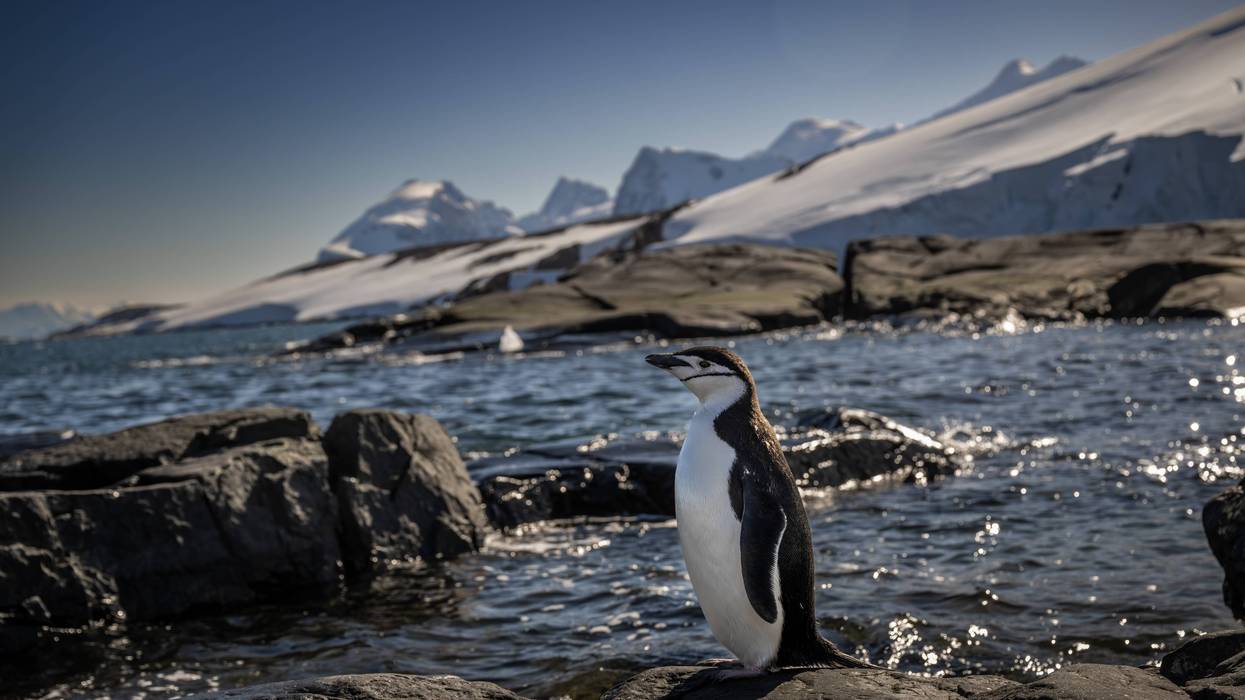
The population of the world's largest penguin colony has collapsed, according to a new study. The researchers say the climate crisis is to blame.
Zavodovski Island, a speck of land in the remote subantarctic South Sandwich archipelago, was once home to about 1.09 million breeding chinstrap penguins. By 2025, there were just over 400,000 of them left, according to research published Wednesday in the journal Current Biology—a 63% population decline.
For years, Zavodovski had been considered an exception to the penguin declines seen elsewhere around Antarctica. But the sudden drop over the past 15 years is the fastest ever for the chinstrap species, which is marked by the thin black line beneath its beak.
Norman Ratcliffe, a penguin ecologist with the British Antarctic Survey (BAS), said that after an "enormous population crash," Zavodovski Island—which he said once resembled a "Penguin Mordor"—can no longer even claim the title of the world's largest colony. That distinction now belongs to Cape Adare in Antarctica's Ross Sea, which is dominated by Adélie penguins.
The decline is so severe that the BAS says chinstraps may now be eligible for the "endangered" category on the International Union for Conservation of Nature's list of threatened species.
Ratcliffe said the most likely explanation is a climate-driven upheaval in the penguins' food supply. Chinstrap penguins feed exclusively on Antarctic krill, which reside in the colder waters near Zavodovski.
"Chinstrap penguins are krill specialists," Ratcliffe explained in a video posted by the BAS. "That's pretty much all they eat throughout their entire range."
But the Antarctic has warmed faster than almost anywhere else on Earth—reaching 5°C above temperatures from half a century ago in some places.
"What we found is that the krill distribution is contracting southwards with warming," Ratcliffe said. "Chinstraps... like cool waters, but they're really averse to sea ice.
"One of the problems chinstraps are facing: they like cool waters, but they're really averse to sea ice. So there's a limit to how far they can go south," he continued. "Chinstraps are therefore left with less food to eat. That affects their survival and breeding success, and hence their numbers tend to decline."
Researchers at the BAS have raised concerns that rapid fluctuations in penguin populations could disrupt the wider southern marine ecosystem. But they said the problem is much bigger than just the Antarctic.
"Our study is another example of a warming climate impacting even the most remote parts of our planet," said BAS penguin researcher Peter Fretwell. "The South Sandwich Islands are far from any humans, home to almost a third of the world’s chinstrap penguins—but not even they can escape the impacts of climate change.”
Despite the accelerating consequences of global heating, international consumption of oil, gas, and coal rose again last year, according to the International Energy Agency. Energy-related carbon dioxide emissions reached nearly 38.4 billion metric tons in 2025, 5% higher than in 2019.
Responding to news of the dramatic decline of penguins in the Antarctic, Aaron Regunberg, the director of Public Citizen’s Climate Accountability Project, remarked, "Big Oil is doing everything in its power to turn this beautiful, miraculous world into a wasteland."

Demonstrators marched after President Luiz Inácio Lula da Silva accused the Trump administration of meddling in the election in favor of Sen. Flávio Bolsonaro.
Days after elections in which right-wing Brazilian candidates won a significant number of seats and as President Luiz Inácio Lula da Silva headed to a runoff with Sen. Flávio Bolsonaro, students on Wednesday marched through Rio de Janeiro in support of the progressive Lula—and expressed fear over the growing influence of the far right in Brazil.
Thousands of Brazilians joined the student-led demonstrations, where some carried pictures of Bolsonaro made to look like Adolf Hitler and signs that read, "No to the father, no to the son" and "Never again Bolsonaro."
Bolsonaro, a senator who represents the right-wing Liberal Party, is the son of convicted former President Jair Bolsonaro, who is serving a 27-year sentence under house arrest for orchestrating a coup attempt after his election loss in 2022. Bolsonaro's supporters stormed government buildings on January 8, 2023, and the former president—a close ally of President Donald Trump—was found guilty of spreading misinformation about the country's voting system and encouraging his supporters to attack the Capitol.
At Wednesday's protest, one supporter of Lula expressed concern for the safety of her transgender wife and remembered the fear many lived with during the coronavirus pandemic, when the elder Bolsonaro refused to take part in basic public health precautions like social distancing and mask-wearing, sent unproven drugs to communities, and spread misinformation about vaccines. Nearly 600,000 people died of Covid-19 across Brazil—the second-highest death toll in the world after the United States.
"I remember my family's lives being at risk during the pandemic," Alice Carneiro told Agence France-Presse in Rio.
Bolsonaro won 47% of the vote on Sunday, while Lula, of the Worker's Party, had 45%. According to an analysis by the Center for Economic and Policy Research in the US, the Brazilian economy saw growth of 8.9% from 2022-25. Lula took office in 2023. His government has passed a new minimum wage law, expanded maternity leave, and increased benefits for low-income families.
The report also notes that high interest rates have raised borrowing costs for households and have increased the rate of delinquency.
Voters will go to the polls for the runoff election on October 25.
Ahead of the first round of voting this week, Lula's campaign accused the Trump administration of interfering in the country's elections.
The US abruptly shut down consular services in Brazil last Friday, citing unspecified "security concerns," and projecting a sense of "instability over the electoral environment,” according to Lula's campaign.
Attorney General Jorge Messias also called for a probe ahead of the election into reports that Trump planned to award $1 million to right-wing groups in Brazil, and Brazilian intelligence officials also briefed French and German diplomats on alleged election interference by the US.
Last year, Trump slapped the country with 40% tariffs, accusing Lula's government of "persecuting" Jair Bolsonaro. The former president's son has pledged to give amnesty to his father and the supporters who took part in the 2023 coup, should he win the election—like Trump, who pardoned January 6, 2021 insurrectionists when he returned to power.
The potential victory of Bolsonaro comes amid a wave of right-wing victories across Latin America, where candidates backed by Trump have won recent elections in Colombia, Chile, and Peru, and the Trump administration has partnered with several governments in joint military operations that officials say are aimed at cracking down on drug trafficking.
The march through Rio de Janeiro also coincided with mass student-led protests across France over cuts to education funding; demonstrations in India against the purging of voter rolls; marches by tens of thousands of people in Spain over housing affordability, sparked by public anger over the eviction of an 87-year-old woman; and protests against proposed budget cuts in Chile.

"Trump promised to protect Social Security, but he continues to turn his back on everyday Americans and go after lifelines that millions of people rely on," said a spokesperson for the Democratic National Committee.
President Donald Trump on Wednesday opened up a new line of attack for Democrats when he talked about his desire to privatize Social Security.
Even though Trump repeatedly said during his three runs for the White House that he wouldn't touch Social Security, the president on Wednesday told reporters in the Oval Office that he "wanted to ride with Social Security being fully invested in the stock market in the first month of my first year."
"Had we done that," Trump continued, "Social Security right now would be the richest entity anywhere in the world. But that was met with tremendous criticism by the Democrats and some Republicans because, you know, they felt it was risky... I wanted to do it so badly."
Trump: I wanted to ride with Social Security being fully invested in the stock market in the first month of my first year, so 2016. I was met with tremendous criticism by the Democrats and some Republicans. I wanted to do it so badly. https://t.co/bylHyMBqJM
— Acyn (@Acyn) October 7, 2026
The Bulwark reporter Sam Stein wrote in a Wednesday social media post that Trump's remarks were "peculiar," as he "ran explicitly on not touching social security and now invites attacks that he may try to."
Kendall Witmer, deputy communications director at the Democratic National Committee, seized on Trump's statement about privatizing Social Security, which he linked to the economic struggles Americans are facing thanks to the president's illegal war with Iran.
“As working families struggle to make ends meet in Donald Trump's economy," Witmer said, "Trump is openly admitting that he wants to privatize Social Security and take away the hard-earned benefits seniors have worked towards their whole lives. Trump promised to protect Social Security, but he continues to turn his back on everyday Americans and go after lifelines that millions of people rely on."
Former President George W. Bush in 2005 made a major push to allow Social Security money to be invested in the stock market. Bush's plan quickly became politically toxic, however, and never even came up for a vote in the US Congress.
After Bush's Social Security plan fell apart, Republicans would go on to lose control of both the US House of Representatives and the US Senate amid voter disapproval of the Iraq War.
Current polling suggests the Trump-led GOP could face a similar fate in next month's midterms. According to polling averages calculated by elections analyst Nate Silver, Democrats currently hold a nine-point lead in the generic congressional ballot.