SUBSCRIBE TO OUR FREE NEWSLETTER
Daily news & progressive opinion—funded by the people, not the corporations—delivered straight to your inbox.
5
#000000
#FFFFFF
To donate by check, phone, or other method, see our More Ways to Give page.
Daily news & progressive opinion—funded by the people, not the corporations—delivered straight to your inbox.
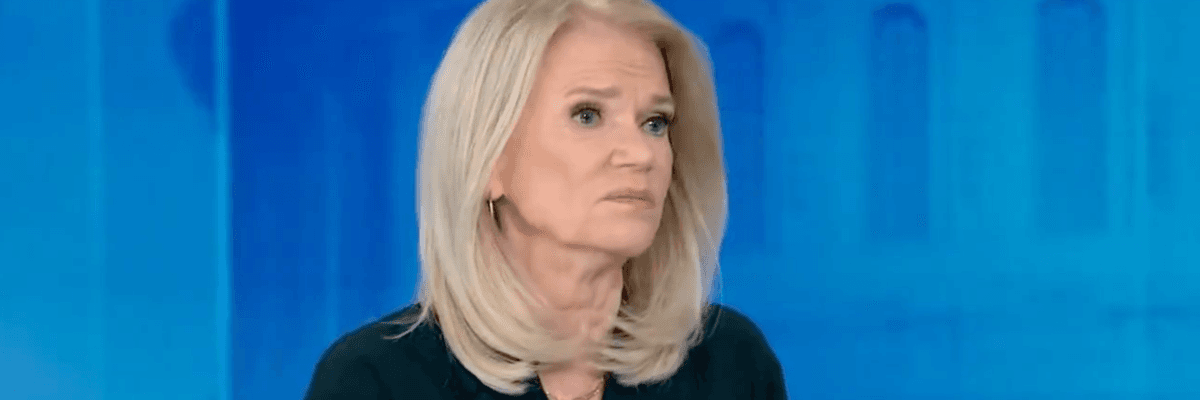
ABC News anchor Martha Raddatz interviews U.S. Rep. Ro Khanna (D-Calif.) on December 8, 2024.
"The D.C. media insists nothing can ever happen," said one progressive journalist. "It's the press corps' Jedi mind trick."
Advocates for a government-run healthcare program applauded U.S. Rep. Ro Khanna for pushing back during a Sunday morning interview in which ABC News anchor Martha Raddatz casually dismissed Medicare for All as a proposal that has no chance of ever being implemented.
Khanna (D-Calif.) spoke to Raddatz days after the fatal shooting of UnitedHealthcare CEO Brian Thompson in New York City—an event that brought to the surface simmering, widespread fury over the for-profit health insurance industry's denial of coverage, high deductibles, and other obstacles placed in the way of Americans when they try to obtain both routine and emergency healthcare.
The congressman said he was "not surprised" by the response to the killing, in which the suspect has yet to be named or found by authorities five days later.
"I mean, people are getting denied cancer treatment," said Khanna. "It's absurd in this country, what's going on."
Raddatz noted that Khanna last week reposted a message from Sen. Bernie Sanders (I-Vt.) on the social media platform X, in which the senator pointed to the country's exorbitant spending on healthcare administrative costs—15-25% of total healthcare expenditures, or as much as $1 trillion per year.
"'Healthcare is a human right. We need Medicare for All,'" Raddatz read before adding her own perspective: "That's not really going to happen, so what would you say to those Americans who are frustrated right now?"
Khanna quickly pushed back, saying he believes Sanders is "absolutely right."
"I believe we can make Medicare for All happen," he said, pointing out that Sanders was responding to billionaire Tesla founder Elon Musk, who President-elect Donald Trump has nominated to lead a proposed body called the Department of Government Efficiency, denouncing high healthcare administrative costs last week.
That spending is far higher than the 2% spent by Medicare on administration and results in lower life expectancy, more preventable deaths, high infant and maternal mortality rates, and other poor health outcomes.
Skepticism of the for-profit healthcare system from one of Trump's closest right-wing allies mirrors public support for Medicare for All, which comes from across the political spectrum.
In 2020, a Gallup poll found that 63% of Americans backed at single national health plan to provide coverage for all Americans, including more than a third of Republicans and Independents who lean Republican, and 88% of Democrats. Another American Barometer survey in 2018 found 52% of Republicans supported Medicare for All.
Khanna said Musk's comments indicate that "finally, after years, Sanders is winning this debate and we should be moving towards Medicare for All."
Kenneth Zinn, former political director of National Nurses United, asked, "Who is Martha Raddatz to say" that Medicare for All—which would cost $650 billion less than the current for-profit system, according to a Congressional Budget Office analysis—is "not really going to happen."
"This is how the corporate media tries to shut down the discussion or narrow the parameters. The majority of Americans support Medicare for All," said Zinn.
David Sirota of The Lever applauded Khanna's "direct pushback" against the commonly accepted assumption that expanding the popular and efficient Medicare program to all Americans is an impossibility.
"The D.C. media insists nothing can ever happen," he said. "It's the press corps' Jedi mind trick. Ro called bullshit—which is the right response. [Medicare for All] won't happen overnight, but it CAN eventually happen."
In 2019, Khanna himself slammed "Beltway pundits" for dismissing Medicare for All as "unrealistic and too expensive" even as the U.S. was shown to spend twice as much per capita on healthcare as other countries in the Organization for Economic Cooperation and Development.
"Points well-taken, Congressman," said former Ohio state Sen. Nina Turner on Sunday. "The United States is the only industrialized nation without universal healthcare. It is immoral, unacceptable, and costly not to have Medicare for All."
Dear Common Dreams reader, It’s been nearly 30 years since I co-founded Common Dreams with my late wife, Lina Newhouser. We had the radical notion that journalism should serve the public good, not corporate profits. It was clear to us from the outset what it would take to build such a project. No paid advertisements. No corporate sponsors. No millionaire publisher telling us what to think or do. Many people said we wouldn't last a year, but we proved those doubters wrong. Together with a tremendous team of journalists and dedicated staff, we built an independent media outlet free from the constraints of profits and corporate control. Our mission has always been simple: To inform. To inspire. To ignite change for the common good. Building Common Dreams was not easy. Our survival was never guaranteed. When you take on the most powerful forces—Wall Street greed, fossil fuel industry destruction, Big Tech lobbyists, and uber-rich oligarchs who have spent billions upon billions rigging the economy and democracy in their favor—the only bulwark you have is supporters who believe in your work. But here’s the urgent message from me today. It's never been this bad out there. And it's never been this hard to keep us going. At the very moment Common Dreams is most needed, the threats we face are intensifying. We need your support now more than ever. We don't accept corporate advertising and never will. We don't have a paywall because we don't think people should be blocked from critical news based on their ability to pay. Everything we do is funded by the donations of readers like you. When everyone does the little they can afford, we are strong. But if that support retreats or dries up, so do we. Will you donate now to make sure Common Dreams not only survives but thrives? —Craig Brown, Co-founder |
Advocates for a government-run healthcare program applauded U.S. Rep. Ro Khanna for pushing back during a Sunday morning interview in which ABC News anchor Martha Raddatz casually dismissed Medicare for All as a proposal that has no chance of ever being implemented.
Khanna (D-Calif.) spoke to Raddatz days after the fatal shooting of UnitedHealthcare CEO Brian Thompson in New York City—an event that brought to the surface simmering, widespread fury over the for-profit health insurance industry's denial of coverage, high deductibles, and other obstacles placed in the way of Americans when they try to obtain both routine and emergency healthcare.
The congressman said he was "not surprised" by the response to the killing, in which the suspect has yet to be named or found by authorities five days later.
"I mean, people are getting denied cancer treatment," said Khanna. "It's absurd in this country, what's going on."
Raddatz noted that Khanna last week reposted a message from Sen. Bernie Sanders (I-Vt.) on the social media platform X, in which the senator pointed to the country's exorbitant spending on healthcare administrative costs—15-25% of total healthcare expenditures, or as much as $1 trillion per year.
"'Healthcare is a human right. We need Medicare for All,'" Raddatz read before adding her own perspective: "That's not really going to happen, so what would you say to those Americans who are frustrated right now?"
Khanna quickly pushed back, saying he believes Sanders is "absolutely right."
"I believe we can make Medicare for All happen," he said, pointing out that Sanders was responding to billionaire Tesla founder Elon Musk, who President-elect Donald Trump has nominated to lead a proposed body called the Department of Government Efficiency, denouncing high healthcare administrative costs last week.
That spending is far higher than the 2% spent by Medicare on administration and results in lower life expectancy, more preventable deaths, high infant and maternal mortality rates, and other poor health outcomes.
Skepticism of the for-profit healthcare system from one of Trump's closest right-wing allies mirrors public support for Medicare for All, which comes from across the political spectrum.
In 2020, a Gallup poll found that 63% of Americans backed at single national health plan to provide coverage for all Americans, including more than a third of Republicans and Independents who lean Republican, and 88% of Democrats. Another American Barometer survey in 2018 found 52% of Republicans supported Medicare for All.
Khanna said Musk's comments indicate that "finally, after years, Sanders is winning this debate and we should be moving towards Medicare for All."
Kenneth Zinn, former political director of National Nurses United, asked, "Who is Martha Raddatz to say" that Medicare for All—which would cost $650 billion less than the current for-profit system, according to a Congressional Budget Office analysis—is "not really going to happen."
"This is how the corporate media tries to shut down the discussion or narrow the parameters. The majority of Americans support Medicare for All," said Zinn.
David Sirota of The Lever applauded Khanna's "direct pushback" against the commonly accepted assumption that expanding the popular and efficient Medicare program to all Americans is an impossibility.
"The D.C. media insists nothing can ever happen," he said. "It's the press corps' Jedi mind trick. Ro called bullshit—which is the right response. [Medicare for All] won't happen overnight, but it CAN eventually happen."
In 2019, Khanna himself slammed "Beltway pundits" for dismissing Medicare for All as "unrealistic and too expensive" even as the U.S. was shown to spend twice as much per capita on healthcare as other countries in the Organization for Economic Cooperation and Development.
"Points well-taken, Congressman," said former Ohio state Sen. Nina Turner on Sunday. "The United States is the only industrialized nation without universal healthcare. It is immoral, unacceptable, and costly not to have Medicare for All."
Advocates for a government-run healthcare program applauded U.S. Rep. Ro Khanna for pushing back during a Sunday morning interview in which ABC News anchor Martha Raddatz casually dismissed Medicare for All as a proposal that has no chance of ever being implemented.
Khanna (D-Calif.) spoke to Raddatz days after the fatal shooting of UnitedHealthcare CEO Brian Thompson in New York City—an event that brought to the surface simmering, widespread fury over the for-profit health insurance industry's denial of coverage, high deductibles, and other obstacles placed in the way of Americans when they try to obtain both routine and emergency healthcare.
The congressman said he was "not surprised" by the response to the killing, in which the suspect has yet to be named or found by authorities five days later.
"I mean, people are getting denied cancer treatment," said Khanna. "It's absurd in this country, what's going on."
Raddatz noted that Khanna last week reposted a message from Sen. Bernie Sanders (I-Vt.) on the social media platform X, in which the senator pointed to the country's exorbitant spending on healthcare administrative costs—15-25% of total healthcare expenditures, or as much as $1 trillion per year.
"'Healthcare is a human right. We need Medicare for All,'" Raddatz read before adding her own perspective: "That's not really going to happen, so what would you say to those Americans who are frustrated right now?"
Khanna quickly pushed back, saying he believes Sanders is "absolutely right."
"I believe we can make Medicare for All happen," he said, pointing out that Sanders was responding to billionaire Tesla founder Elon Musk, who President-elect Donald Trump has nominated to lead a proposed body called the Department of Government Efficiency, denouncing high healthcare administrative costs last week.
That spending is far higher than the 2% spent by Medicare on administration and results in lower life expectancy, more preventable deaths, high infant and maternal mortality rates, and other poor health outcomes.
Skepticism of the for-profit healthcare system from one of Trump's closest right-wing allies mirrors public support for Medicare for All, which comes from across the political spectrum.
In 2020, a Gallup poll found that 63% of Americans backed at single national health plan to provide coverage for all Americans, including more than a third of Republicans and Independents who lean Republican, and 88% of Democrats. Another American Barometer survey in 2018 found 52% of Republicans supported Medicare for All.
Khanna said Musk's comments indicate that "finally, after years, Sanders is winning this debate and we should be moving towards Medicare for All."
Kenneth Zinn, former political director of National Nurses United, asked, "Who is Martha Raddatz to say" that Medicare for All—which would cost $650 billion less than the current for-profit system, according to a Congressional Budget Office analysis—is "not really going to happen."
"This is how the corporate media tries to shut down the discussion or narrow the parameters. The majority of Americans support Medicare for All," said Zinn.
David Sirota of The Lever applauded Khanna's "direct pushback" against the commonly accepted assumption that expanding the popular and efficient Medicare program to all Americans is an impossibility.
"The D.C. media insists nothing can ever happen," he said. "It's the press corps' Jedi mind trick. Ro called bullshit—which is the right response. [Medicare for All] won't happen overnight, but it CAN eventually happen."
In 2019, Khanna himself slammed "Beltway pundits" for dismissing Medicare for All as "unrealistic and too expensive" even as the U.S. was shown to spend twice as much per capita on healthcare as other countries in the Organization for Economic Cooperation and Development.
"Points well-taken, Congressman," said former Ohio state Sen. Nina Turner on Sunday. "The United States is the only industrialized nation without universal healthcare. It is immoral, unacceptable, and costly not to have Medicare for All."